Please read our important disclaimers before using this content
If you're navigating sexual health after narcissistic abuse—whether that means getting tested for STIs after discovering infidelity, addressing sexual pain conditions developed during the relationship, finding trauma-informed gynecological care, or learning to have sexual health conversations with new partners—you're addressing a crucial but often overlooked aspect of recovery.
Sexual abuse, coercion, infidelity, and violation of sexual boundaries are common in narcissistic relationships.1 This connects to the broader pattern of reproductive coercion and sexual boundary violations that many survivors experience. The aftermath affects your physical sexual health, your emotional relationship with sexuality, and your ability to trust again.
Understanding sexual health recovery helps you protect yourself medically, process trauma, reclaim bodily autonomy, and build healthy sexual relationships in the future.
Getting Tested After Infidelity: Why and When
If you discovered infidelity—or suspect it based on your ex's secretive behavior—STI testing is essential healthcare, not paranoia.
Why You Need Testing:
1. Narcissists Commonly Engage in High-Risk Sexual Behavior
- Multiple partners (often overlapping relationships)
- Unprotected sex
- Lying about sexual history
- Minimizing risk ("I'm clean, you don't need to worry")
2. Many STIs Are Asymptomatic2
- You can have an STI without symptoms
- Chlamydia, gonorrhea often have no symptoms in women
- HPV (human papillomavirus) typically asymptomatic
- HIV can be asymptomatic for years
3. Untreated STIs Have Serious Consequences
- Pelvic inflammatory disease (PID) → infertility
- Increased risk of ectopic pregnancy
- Chronic pelvic pain
- Cervical cancer (from HPV)
- HIV progression to AIDS if untreated
4. He Likely Won't Tell You
- Even if he tests positive for an STI, narcissists often don't disclose
- Protects his image over your health
- May not get tested himself despite risky behavior
When to Get Tested:
Immediately if:
- You discovered infidelity
- You have symptoms (unusual discharge, pain, sores, bleeding)
- He discloses an STI (rare but possible)
Recommended timeline:
- Right away: Baseline testing
- 6 weeks post-exposure: Re-test for HIV (4th generation test detects earlier)
- 3 months post-exposure: Final HIV test (most accurate)
- Annual testing: If you were in relationship with serial cheater for years
What to Test For:
Comprehensive STI panel includes:
1. Bacterial STIs (Treatable with Antibiotics):
- Chlamydia (urine test or vaginal swab)
- Gonorrhea (urine test or vaginal swab)
- Syphilis (blood test)
2. Viral STIs (Treatable but Not Curable):
- HIV (blood test)
- Herpes (HSV-1 and HSV-2) (blood test, or swab if active sores)
- Hepatitis B and C (blood test)
- HPV (Pap smear detects cervical changes; no direct test for HPV in most cases unless abnormal Pap)
3. Other:
- Trichomoniasis ("trich") - vaginal swab or urine test
Where to Get Tested:
Options:
- Primary care physician or gynecologist
- Planned Parenthood (low-cost, confidential, judgment-free)
- Public health clinics (free or low-cost)
- College health centers (if applicable)
- At-home testing kits (LetsGetChecked, STDCheck.com) - mail-in kits, results online
Cost:
- Many insurance plans cover STI screening
- Planned Parenthood offers sliding scale fees
- Public health departments often provide free testing
- At-home kits: $79-$200 depending on panel
How to Talk to Your Provider:
What to say:
- "I discovered my partner was unfaithful. I need a comprehensive STI panel."
- "I don't know how many partners he had or if he used protection. I want to test for everything."
- "I was in a relationship with someone who engaged in high-risk sexual behavior. I need baseline testing and a re-test in three months."
What providers should do:
- Offer comprehensive testing without judgment
- Explain which STIs are included in panel
- Discuss window periods (time between exposure and accurate test results)
- Provide treatment if you test positive
- Connect you to resources if needed
You should NOT hear:
- "You don't look like someone who would have an STI" (judgment)
- "Are you sure you need all these tests?" (questioning your knowledge of your risk)
- "Your partner probably would have told you" (naïve about abuse dynamics)
If you encounter judgment, find a different provider.
Addressing Positive STI Results
If you test positive for an STI:
Immediate Steps:
1. Treatment
- Bacterial STIs: Antibiotics (curable)
- Viral STIs: Antiviral medications (manageable, not curable)
- Follow provider instructions completely
- Complete all medication even if symptoms resolve
2. Partner Notification
- You're legally required to notify sexual partners in many states
- This includes your ex (even if that's the last conversation you want to have)
- Public health departments can notify partners anonymously if you prefer
3. Follow-Up Testing
- Re-test after treatment (bacterial STIs) to confirm cure
- Ongoing monitoring (viral STIs) to manage condition
4. Document for Legal Purposes
Why documentation matters:
- If he knowingly exposed you to an STI, that may be:
- Civil tort (negligence, battery, intentional infliction of emotional distress)
- Criminal transmission in some states (particularly HIV)
- Medical records showing infection timeline support legal claims
- Relevant to custody if it demonstrates reckless disregard for your health
What to document:
- STI test results (positive diagnosis, date)
- Timeline of his infidelity vs. your infection
- Any admissions he made about unprotected sex with others
- Treatment records
Emotional Impact of STI Diagnosis:
Common feelings:
- Betrayal: Not just infidelity, but endangering your health
- Anger: At his recklessness and disregard for your body
- Shame: Internalized STI stigma (even though this is NOT your fault)
- Fear: About future relationships, disclosure, health consequences
- Violation: Another way he harmed your body without consent
What helps:
- Therapy: Processing medical betrayal and stigma
- Education: Understanding your specific STI reduces fear
- Support groups: Connecting with others (online forums for specific STIs)
- Self-compassion: You didn't cause this; he did
Legal Recourse for STI Transmission:
Possible legal claims:
1. Civil Lawsuit (Tort Claims):
- Battery: Intentional harmful or offensive contact (unprotected sex knowing he had STI)
- Negligence: Failure to disclose STI or get tested despite risky behavior
- Fraud: Lying about sexual exclusivity or STI status
- Intentional infliction of emotional distress: Reckless exposure causing severe distress
Challenges:
- Proving he knew he had STI (or should have known)
- Proving you contracted it from him (not a prior partner)
- STI stigma may make you hesitant to pursue publicly
2. Criminal Charges (State-Dependent):
- Some states criminalize knowing HIV transmission
- Very few states criminalize other STI transmission
- Prosecution rare and requires proof of intent
Consult a personal injury attorney if:
- He admitted knowing he had an STI and didn't tell you
- You have significant medical costs or consequences (infertility, chronic condition)
- You want to pursue damages for emotional harm
Sexual Pain Conditions and Trauma
Many survivors develop sexual pain conditions during or after abusive relationships—both from direct sexual trauma and from chronic stress affecting pelvic health.3 The body's trauma response plays a central role here; understanding how C-PTSD affects the body and physical health can help explain why these physical symptoms emerge long after the relationship ends.
Common Sexual Pain Conditions:
1. Vaginismus
What it is: Involuntary contraction of vaginal muscles, making penetration painful or impossible.
Trauma connection:4
- Protective response to past sexual pain or trauma
- Body "says no" even when mind is willing
- Can develop after sexual coercion, painful sex ignored by partner, or sexual trauma
What this looks like:
"During my marriage, sex was often painful, but he didn't care—he'd pressure me until I gave in. After leaving, I tried to have sex with a new partner I trusted. My body wouldn't allow penetration. It was as if my vaginal muscles locked shut. I was diagnosed with vaginismus. My pelvic floor physical therapist said it's a common trauma response—my body protecting me."
Treatment:
- Pelvic floor physical therapy
- Dilator therapy (gradual desensitization)
- Trauma therapy addressing sexual trauma
- Partner involvement (if in relationship) with trauma-informed approach
2. Vulvodynia
What it is: Chronic vulvar pain (burning, stinging, rawness) without identifiable cause.
Trauma connection:5
- Chronic stress contributes to pain conditions
- Nerve sensitization from trauma
- Can develop during or after abusive relationship
Treatment:
- Medications (nerve pain medications, topical treatments)
- Pelvic floor physical therapy
- Stress reduction (trauma contributes to pain)
- Avoiding irritants (scented products, tight clothing)
3. Pelvic Floor Dysfunction
What it is: Muscles of pelvic floor become too tight, too weak, or uncoordinated, causing pain, urinary issues, or sexual dysfunction.
Trauma connection:6
- Chronic tension from hypervigilance
- Holding stress in pelvic floor
- Sexual trauma causing protective muscle tightening
Symptoms:
- Painful intercourse
- Urinary urgency or frequency
- Constipation
- Pelvic pain
Treatment:
- Pelvic floor physical therapy (highly effective)
- Biofeedback
- Stress reduction and trauma therapy
4. Dyspareunia (Painful Intercourse)
What it is: General term for painful intercourse.
Causes post-abuse:
- Insufficient arousal (trauma affects arousal)
- Pelvic floor tension
- Endometriosis or other conditions worsened by stress
- Psychological association between sex and violation
Treatment depends on cause:
- Medical treatment (if physical cause like endometriosis)
- Pelvic floor PT (if muscular)
- Trauma therapy (if psychological/trauma-related)
- Communication with partners about pacing, consent, needs
Finding Trauma-Informed Gynecological Care
Standard gynecological care can be retraumatizing for abuse survivors.7 Finding trauma-informed providers is essential.
What Trauma-Informed Gynecological Care Looks Like:
1. Informed Consent Throughout
- Explains each step before doing it
- Asks permission: "Is it okay if I examine your abdomen now?"
- Stops if you say stop
- Never proceeds without your explicit consent
2. Recognizes Trauma Impact
- Understands abuse affects sexual health
- Asks about history of trauma (and respects your disclosure choices)
- Validates connection between trauma and symptoms
- Doesn't blame you for sexual pain or difficulty with exams
3. Provides Control
- Allows you to see speculum before insertion
- Lets you insert speculum yourself if preferred
- Offers hand mirror to see what provider is doing
- Allows you to stop exam at any time without judgment
4. Accommodations for Trauma Survivors
- Longer appointment times (not rushed)
- Support person in room if desired
- Explains sensations you'll feel
- Avoids triggering language
5. Validates Your Experience
- Believes you when you say something hurts
- Doesn't minimize sexual pain or dysfunction
- Recognizes trauma as legitimate cause of physical symptoms
How to Find Trauma-Informed Gynecologists:
Search terms:
- "Trauma-informed gynecologist near me"
- "Sexual trauma-aware women's health provider"
- "Pelvic pain specialist" (often trauma-informed)
Questions to ask when scheduling:
- "Is the provider experienced working with sexual trauma survivors?"
- "Can I request a longer appointment if I have trauma history?"
- "What accommodations are available for patients with trauma history?"
Red flags:
- Rushed appointments
- Provider dismisses your pain or discomfort
- Proceeds without explaining or gaining consent
- Minimizes connection between trauma and physical symptoms
Where to look:
- Planned Parenthood (trauma-informed training standard)
- Women's health centers specializing in sexual pain
- Providers affiliated with trauma therapy practices
- Recommendations from therapists who work with trauma survivors
Sexual Health Conversations with New Partners
When you're ready to date again, navigating sexual health conversations can feel daunting—especially after betrayal and violation.
When to Have "The Talk":
Before sexual activity begins. Specifically:
- Before any genital contact (not just penetrative sex)
- Before you're in a heated moment (discuss when clothed and clearheaded)
- Early enough to get tested together if appropriate
What to Disclose:
Essential information:
1. STI Status
- "I was tested [date]. I'm negative for STIs."
- "I have [HSV/HPV/etc.]. Here's what that means for transmission risk."
- "I was in a relationship where my partner was unfaithful. I've been tested, but I'd feel more comfortable if we both get tested before having sex."
2. Contraception
- Your method (if applicable)
- Shared responsibility conversation
- Consent is required for any sexual act, including unprotected sex
3. Boundaries and Needs
- "I have trauma history. I need you to ask before trying something new."
- "I need to feel in control. Can we go slowly?"
- "If I say stop, I need you to stop immediately, no questions asked."
4. Sexual Pain or Dysfunction (If Applicable)
- "I have vaginismus. Penetration is painful. Let's explore other forms of intimacy."
- "I sometimes have difficulty with arousal due to trauma. It's not about you; I need patience and communication."
What You DON'T Owe Disclosure Of:
Your trauma details: You can say "I have trauma history" without describing abuse Your sexual history: Beyond STI status, your past is your business Your ex's behavior: You can say "I was in an abusive relationship" without details
How to Bring It Up:
Script examples:
"Before we have sex, I want to talk about sexual health. When were you last tested for STIs? I was tested [date] and everything was negative."
"I need you to know I have a trauma history. That means I need clear communication and consent for everything we do. If I seem uncomfortable or ask you to stop, I need you to respect that immediately."
"I have herpes. I take suppressive medication, and the transmission risk with protection is very low. I want to make sure you have the information to make an informed decision."
"Sex can be challenging for me because of past trauma. I want to be intimate with you, but I need us to go slowly and communicate a lot."
Green Flags in Response:
✅ Listens without interrupting ✅ Thanks you for sharing ✅ Offers to get tested without defensiveness ✅ Asks how they can support you ✅ Respects your boundaries ✅ Shares their own STI status openly ✅ Doesn't pressure or minimize
Red Flags in Response:
🚩 "You don't trust me?" 🚩 "I'm clean, you don't need to worry" 🚩 Refuses to get tested 🚩 Minimizes your trauma needs 🚩 Pressures you to move faster than you're comfortable 🚩 Makes your sexual health about his ego 🚩 Dismisses need for protection
If you see red flags: This person is not safe for you sexually or emotionally.
Reclaiming Your Sexuality After Abuse
Sexual abuse, coercion, and violation in narcissistic relationships can leave you feeling disconnected from your sexuality, your body, and your desires.
Common Sexual Aftereffects of Abuse:
1. Loss of Desire (Low Libido)
- Trauma suppresses sexual desire
- Sex associated with obligation, pain, violation
- Body shut down sexuality as protection
2. Difficulty with Arousal
- Trauma affects physiological arousal
- Hypervigilance prevents relaxation needed for arousal
- Disconnection from body sensations
3. Sexual Avoidance
- Avoiding sex entirely (protective response)
- Fear of vulnerability
- Associating sex with danger, not pleasure
4. Hypersexuality (Less Common but Valid)
- Using sex to feel control
- Seeking validation through sexuality
- Reenacting trauma through sexual behavior
5. Difficulty with Pleasure
- Feeling numb during sex
- Dissociation during sexual activity
- Inability to orgasm
6. Flashbacks During Sex
- Triggered by specific positions, words, situations
- Sudden fear or panic during consensual sex
- Body reacting as if in danger when you're safe
Healing Your Sexuality:
1. Reconnect with Your Body
Practices:
- Mindfulness and body scans
- Gentle touch (self-massage, baths)
- Movement that feels good (dance, yoga, walking)
- Noticing sensations without judgment
Goal: Inhabit your body again, notice sensation, reclaim ownership
2. Explore Your Desires Independently
Solo sexuality:
- Masturbation as self-discovery (not obligation)
- Exploring what feels good without performance pressure
- Reclaiming pleasure as yours, not for someone else
Erotica or fantasy:
- Discovering what arouses you (not what you think should)
- Differentiating fantasy from real-life desires
- Permission to explore privately
3. Redefine "Sex"
Beyond penetration:
- Kissing, touching, massage, oral sex, mutual masturbation
- Intimacy without penetration
- Removing pressure for specific sex acts
Goal: Sex on your terms, focused on pleasure and connection, not obligation
4. Communicate Needs in New Relationships
Ongoing consent:
- Checking in throughout sexual activity
- Permission to change your mind
- "Yes" that can become "no" at any time
Pacing:
- Moving at your speed, not "normal" timelines
- Revisiting conversations about boundaries
- Honoring where you are today (even if different from yesterday)
5. Trauma Therapy Addressing Sexuality
- EMDR for sexual trauma processing. EMDR therapy works by processing traumatic memories in a way that reduces their emotional charge, making it particularly effective for sexual trauma.
- Somatic therapy for body reconnection
- Sex therapy for trauma survivors
- Couples therapy (if in relationship) with trauma-informed sex therapist
When to Seek Professional Help
Consider therapy if:
- Sexual pain persists despite medical treatment
- You avoid sex entirely and that distresses you
- Flashbacks or dissociation during sex
- Sexual dysfunction affecting relationship satisfaction
- Hypersexuality creating problems in your life
- Intrusive thoughts about sexual trauma
Types of providers:
- Pelvic floor physical therapist: For sexual pain conditions
- Trauma therapist: For processing sexual trauma
- Sex therapist (trauma-informed): For sexual dysfunction and reclaiming sexuality
- Gynecologist (trauma-informed): For medical sexual health
Your Next Steps: Sexual Health Recovery
Immediate (if discovering infidelity):
- Get tested: Comprehensive STI panel now and again at 3 months
- Document: Save evidence of infidelity and STI results if needed legally
- Protect yourself: Use protection in any sexual activity until fully tested
- Find safe provider: Trauma-informed gynecologist for testing and follow-up
- Process betrayal: Therapy for medical and sexual betrayal
Early recovery (addressing pain or dysfunction):
- Medical evaluation: Rule out infections, structural problems, other conditions
- Pelvic floor PT: For sexual pain, vaginismus, dyspareunia
- Trauma therapy: EMDR or somatic therapy for sexual trauma processing
- Reconnect with body: Mindfulness, gentle movement, self-compassion practices
- No pressure: Remove timelines for "being ready" for sex
Dating again (when ready):
- STI testing: Get tested before new sexual relationship, request same from partner
- Boundaries clear: Communicate needs, trauma history (in general terms), consent requirements
- Go slowly: Move at your pace, not "normal" timelines
- Watch for green/red flags: Partner's response to boundaries shows safety
- Ongoing communication: Sexual health conversations are ongoing, not one-time
Long-term recovery:
- Reclaim pleasure: Explore what feels good to you, independent of partner
- Redefine sexuality: On your terms, focused on pleasure and connection
- Integrate trauma history: You can have trauma history AND fulfilling sexuality
- Advocate for yourself: Trauma-informed medical care, partners who respect consent
- Celebrate progress: Notice healing, reclaimed agency, moments of pleasure
Key Takeaways
✅ STI testing after infidelity is essential healthcare—many STIs are asymptomatic and have serious long-term health consequences
✅ Comprehensive STI panel includes bacterial (chlamydia, gonorrhea, syphilis) and viral (HIV, herpes, hepatitis) infections
✅ Sexual pain conditions (vaginismus, vulvodynia, pelvic floor dysfunction) commonly develop during or after abusive relationships due to trauma and chronic stress
✅ Trauma-informed gynecological care involves informed consent, provider explaining each step, validating trauma-health connection, and offering control to patient
✅ Sexual health conversations with new partners should occur before sexual activity begins and include STI status, boundaries, trauma needs, and contraception
✅ Reclaiming sexuality after abuse involves reconnecting with your body, exploring desires independently, redefining sex on your terms, and trauma therapy
✅ Green flags in new partners include offering to get tested, respecting boundaries, moving at your pace, and ongoing enthusiastic consent
✅ Healing your sexual health is part of reclaiming bodily autonomy—you deserve pleasure, safety, and respect in all sexual experiences
Your sexual health matters. Your body is yours. Pleasure, safety, and consent are not negotiable. What happened to you was violation—but healing is possible, and sexuality on your terms is within reach.
When you are ready to explore new relationships, our guide on recognizing green flags in potential partners can help you identify the safety and respect that should be non-negotiable going forward.
Resources
Sexual Health and Trauma Recovery:
- Planned Parenthood - Sexual health services and STI testing
- RAINN National Sexual Assault Hotline - 1-800-656-4673 (HOPE) for sexual violence support (24/7)
- Psychology Today Therapist Finder - Find sex therapists and trauma specialists
- American Association of Sexuality Educators, Counselors and Therapists (AASECT) - Find certified sex therapists
Medical and Mental Health Support:
- Centers for Disease Control and Prevention (CDC) - STI information and testing resources
- EMDR International Association - Find certified EMDR therapists for sexual trauma
- National Alliance on Mental Illness (NAMI) - Mental health education and support
- SAMHSA National Helpline - 1-800-662-4357 (24/7)
Crisis Support:
- 988 Suicide & Crisis Lifeline - Call or text 988 (24/7)
- Crisis Text Line - Text HOME to 741741
- National Domestic Violence Hotline - 1-800-799-7233 (SAFE)
Additional Resources
STI Testing & Sexual Health:
- Planned Parenthood: plannedparenthood.org | 1-800-230-PLAN
- CDC STI Information: cdc.gov/std
- At-home STI testing: LetsGetChecked, myLAB Box, STDCheck
Sexual Pain Treatment:
- International Pelvic Pain Society: pelvicpain.org
- National Vulvodynia Association: nva.org
- Find pelvic floor PT: pelvicrehab.com
Trauma-Informed Sex Therapy:
- American Association of Sexuality Educators, Counselors and Therapists (AASECT): aasect.org
- Search: "trauma-informed sex therapist near me"
Sexual Trauma Support:
- RAINN (Rape, Abuse & Incest National Network): 1-800-656-HOPE (4673) | rainn.org
- National Sexual Assault Hotline: 24/7 support
Legal Resources:
- STI transmission laws by state: criminaldefenselawyer.com
- Personal injury attorney consultation for STI transmission cases
References
- Bonomi, A. E., Anderson, M. L., Rivara, F. P., & Thompson, R. S. (2009). Health outcomes in women with physical and sexual intimate partner violence exposure. Journal of Women's Health, 16(7), 987-997. https://pubmed.ncbi.nlm.nih.gov/19589050/ ↩
- Centers for Disease Control and Prevention. (2021). Sexually Transmitted Infections Treatment Guidelines, 2021. Morbidity and Mortality Weekly Report, 70(4), 1-187. https://www.cdc.gov/std/treatment-guidelines/default.htm ↩
- Lahaie, A. M., Boyer, R., & Amsel, R. (2005). Prebid pain as a correlate of childhood sexual abuse in a sample of women with genito-pelvic pain/penetration disorder. Archives of Sexual Behavior, 34(3), 321-328. https://pubmed.ncbi.nlm.nih.gov/15971015/ ↩
- Borg, C., & de Jong, P. J. (2012). Feelings of disgust and disgust-induced avoidance weaken following induced sexual arousal. Archives of Sexual Behavior, 41(4), 821-826. https://pubmed.ncbi.nlm.nih.gov/22392205/ ↩
- Thomason, M. E., Danthiir, V., Slattery, H., & Seal, M. L. (2013). Childhood trauma affects pelvic floor function. Journal of Sexual Medicine, 10(10), 2529-2537. https://pubmed.ncbi.nlm.nih.gov/24237564/ ↩
- Brotto, L. A., Petkau, A. J., & Labrador, E. (2009). Asexuality: A mixed-methods approach. Archives of Sexual Behavior, 39(3), 599-618. https://pubmed.ncbi.nlm.nih.gov/19902525/ ↩
- Houry, D., Feldhaus, K. M., Thorson, A. C., & Abbott, J. (2001). Caring for women with genital tract trauma after sexual assault. Journal of Emergency Nursing, 27(6), 520-525. https://pubmed.ncbi.nlm.nih.gov/12124575/ ↩
- Shapiro, F. (2001). Eye Movement Desensitization and Reprocessing (EMDR): Basic Principles, Protocols, and Procedures (2nd ed.). Guilford Press. https://pubmed.ncbi.nlm.nih.gov/12578495/ ↩
- Price, M., Spinazzola, J., & van der Kolk, B. (2007). Neurobiological effects of childhood abuse on trauma processing. Journal of the American Academy of Child & Adolescent Psychiatry, 46(10), 1278-1288. https://pubmed.ncbi.nlm.nih.gov/17885567/ ↩
Recommended Reading
From Clarity House Press — plus trusted books for deeper understanding

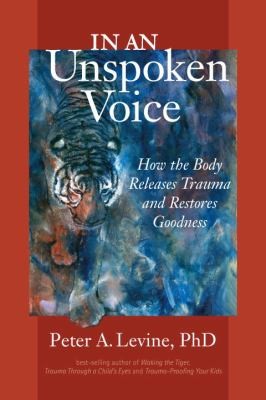
In an Unspoken Voice
Peter A. Levine, PhD
Classic guide from the creator of Somatic Experiencing revealing how the body holds the key to trauma recovery.
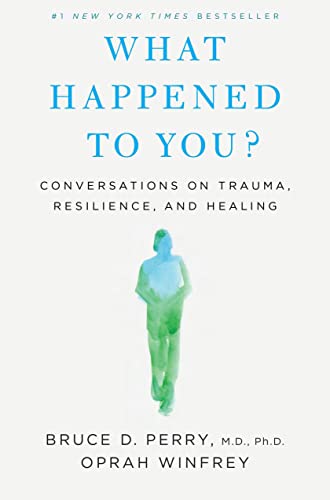
What Happened to You?
Bruce D. Perry, M.D., PhD & Oprah Winfrey
A conversational introduction to how early experience shapes us — reframing 'what's wrong with you' into 'what happened to you.'
As an Amazon Associate, Clarity House Press earns from qualifying purchases. Your price is never affected.
Found this helpful?
Share it with someone who might need it.
Tags
About the Author

Clarity House Press
Editorial Team
The editorial team at Clarity House Press curates and publishes evidence-based content on narcissistic abuse recovery, high-conflict divorce, and healing. Our content is informed by research, survivor experiences, and established trauma-informed approaches.
View all posts by Clarity House Press →Published by Clarity House Press Editorial Team