Please read our important disclaimers before using this content
"Have you forgiven him yet?" The question comes from your mother, your pastor, your friend who's never been abused. "You'll never heal unless you forgive." "Holding onto anger is like drinking poison." "Forgiveness is for you, not for him." "It's what God calls you to do." The pressure is relentless, subtle or overt, from every direction. And underneath their words, you hear the implication: if you're still angry, still hurt, still unwilling to "let it go," you're the problem. You're stuck. You're bitter. You haven't done the work.
The truth they won't tell you: forgiveness is not required for healing, not owed to anyone who harmed you, not a one-time event, and definitely not what most people think it is. Forgiveness, if it comes at all, is a deeply personal process that happens on your timeline, in your way, for your reasons—not because someone told you that you should. And healing is entirely possible without it. The grief nobody warns you about in recovery often includes grieving the relationship, the person you thought they were, and the life you expected—and that grief process exists entirely separately from forgiveness.
What Forgiveness Actually Is (And Isn't)
Defining Forgiveness
What forgiveness IS:
A process, not an event:
- Not a one-time decision
- Gradual shift over time (if it happens)
- Layers peeling back
- Sometimes forward, sometimes back
- No finish line
Internal shift:
- Change in how you hold the harm
- Less consuming
- Decreased emotional charge
- Not forgetting, but no longer controlled by it
- Your peace, regardless of his accountability
Voluntary:
- Must be freely chosen
- Can't be coerced or demanded
- Not owed to anyone
- Not a moral obligation
- Your decision alone
Personal:
- Looks different for everyone
- Your definition matters, not others'
- Between you and your conscience (and God if you believe)
- Not performative
Possible forms:
Acceptance:
- "This happened. I can't change it."
- Not approval, but acknowledgment
- Reduces struggle against reality
- Allows moving forward
Letting go of need for revenge:
- Not actively wishing harm on him
- Not plotting retaliation
- Releasing fantasy of justice/karma
- Trusting consequences aren't your job
Reduced resentment:
- Anger less consuming
- Doesn't run your life
- Emotional intensity decreased
- Can think of him without rage spike
Compassion (sometimes):
- "He's a damaged person" (not excuse, observation)
- Pity for his inability to be better
- "Hurt people hurt people" understanding
- Doesn't require liking or trusting him
Indifference:
- He's irrelevant to your life now
- Don't care what happens to him
- Apathy, not anger
- "He who?" energy
What forgiveness IS NOT:
Reconciliation:
- Forgiveness ≠ relationship restored
- Can forgive and never speak again
- Can forgive and maintain no contact
- Forgiveness doesn't require his presence
Forgetting:
- Not amnesia
- Not pretending it didn't happen
- Not minimizing harm
- Memory remains; meaning shifts
Excusing:
- Not "it's okay what he did"
- Not "he couldn't help it"
- Not removing responsibility
- Harm is still harm
Condoning:
- Not approving of abuse
- Not saying it was acceptable
- Not giving permission for future harm
- Not "water under the bridge"
Trust:
- Forgiveness doesn't mean trust restored
- Can forgive someone you'll never trust
- Trust is earned; forgiveness is given (if at all)
- Separate concepts entirely
Required for healing:
- You can heal without forgiving
- Healing doesn't depend on this
- Not a prerequisite
- Not the final stage
- Healing is possible with or without
A one-time decision:
- Not "I forgive him, done"
- Process that takes years sometimes
- Can forgive and then be angry again
- Layers and cycles
- Forgiveness as journey, not destination
Why the Pressure to Forgive?
Where it comes from:
Religious teachings:
- "Forgive as you've been forgiven"
- "Turn the other cheek"
- "Forgiveness is commanded"
- "Bitterness defiles"
- "Love your enemies"
Self-help culture:
- "Holding onto anger hurts you"
- "Forgiveness is freedom"
- "Let it go"
- "Resentment is poison"
- "Forgiveness is the highest spiritual attainment"
Well-meaning people:
- Want you to feel better
- Uncomfortable with your anger
- Don't know what else to say
- Believe forgiveness = healing
- Think they're helping
Abusers:
- Want absolution without accountability
- Escape consequences
- Manipulate via religious language
- "A good Christian would forgive me"
- Weaponize your faith
Society:
- Women especially pressured to forgive
- "Bitter ex-wife" stereotype
- Nice girls don't stay angry
- Move on, get over it
- Anger is unseemly
Why it's harmful pressure:
- Shames you for normal response to harm
- Prioritizes abuser's comfort over your healing
- Weaponizes spirituality
- Minimizes abuse
- Blames you for not "rising above"
- Implies you're the problem if you're still hurt
Forgiveness and Faith
Religious Pressure to Forgive
Christian context (most common in US):
What's often taught:
- Forgiveness is non-negotiable
- Unlimited forgiveness required ("70 times 7")
- Your forgiveness contingent on forgiving others (Lord's Prayer)
- Bitterness is sin
- Forgive even if they don't repent
- "God forgave you worse things"
Problems with this teaching:
Ignores context:
- Biblical forgiveness often assumes repentance
- "If your brother repents, forgive him" (Luke 17:3)
- Abuse is different from ordinary wrongs
- One-time offense vs. pattern of harm
- Power dynamics ignored
Weaponized by abusers:
- "You have to forgive me, you're a Christian"
- No accountability required
- Forgiveness as get-out-of-jail-free card
- Spiritual abuse added to relational abuse
Harms survivors:
- Guilt for normal anger
- Forced forgiveness that's not real
- Staying in abusive situations
- Silencing justice-seeking
- "Good victim" pressure
Misunderstands forgiveness:
- Not same as reconciliation
- Doesn't require trust
- Can maintain boundaries
- Justice and forgiveness can coexist
- Protecting yourself isn't unforgiveness
More nuanced theology:
What some theologians/trauma-informed pastors say:
Repentance precedes forgiveness (often):
- "If he repents, forgive him"
- Forgiveness offered to the repentant
- Abusers rarely truly repent
- No repentance, no obligation
Justice matters:
- Forgiving doesn't mean no consequences
- Can forgive and still press charges
- Can forgive and get protective order
- God cares about justice for oppressed
Boundaries are loving:
- Protecting yourself from harm is righteous
- Enabling abuse isn't love
- "Do not throw pearls to swine" (don't keep offering what's trampled)
- Wisdom about who's safe
Anger at injustice is godly:
- Jesus angry at oppression
- Prophets railed against abusers
- Righteous anger exists
- Not all anger is sinful
Forgiveness is process:
- Not one-time
- Takes time (years maybe)
- Pressuring premature forgiveness is harmful
- God is patient with our process
Your healing matters:
- God doesn't require you to stay wounded
- Protecting yourself honors God's image in you
- Healing is holy work
- Forgiveness that retraumatizes isn't required
Other faiths:
Similar pressures exist:
- Buddhism: letting go of attachment, anger
- Judaism: repentance (teshuva) and forgiveness connected
- Islam: forgiveness praised, justice also valued
- Hinduism: karma, releasing anger
Trauma-informed application:
- Every faith tradition has wisdom
- And every has been weaponized
- Your relationship with God/spirituality is yours
- No human can dictate your spiritual path
- God/Universe/Higher Power understands trauma
Leaving Toxic Faith Communities
When church/temple/mosque hurts:
Red flags:
- Pressure to reconcile with abuser
- Ignoring abuse or minimizing it
- "Submit to your husband" used to excuse abuse
- No accountability for abusers in congregation
- Shaming survivors who leave
- "Forgive and forget" mantras
You can:
- Leave that community
- Find trauma-informed faith community
- Take break from organized religion
- Deconstruct and rebuild faith
- Hold onto God, let go of toxic teaching
Spiritual abuse recovery:
- Therapy with religious trauma specialist
- Books on deconstruction/reconstruction
- Online communities of people who've left
- Permission to question everything
- Building personal spirituality
Your faith is yours:
- Between you and God (if you believe)
- No human intermediary required
- Scripture can be reread through trauma lens
- Some passages were written by traumatized people
- God is big enough for your anger
What You Actually Need to Heal
Healing Without Forgiving
What actually facilitates healing:
Safety:
- Physical distance from abuser
- Legal protections
- Financial stability
- Secure housing
- No contact or limited contact
Processing trauma:
- Therapy (EMDR, CPT, SE, or other trauma modality) — choosing the right therapy modality helps you find the approach best suited to your specific symptoms
- Addressing PTSD symptoms
- Nervous system regulation
- Integration of fragmented memories
- Somatic work
Validation:
- Being believed
- Abuse acknowledged as real
- "You're not crazy"
- Community of people who get it
- Your reality affirmed
Accountability (when possible):
- Legal consequences for abuser
- Family/friends holding him accountable
- His acknowledgment (rare, not required)
- Justice in whatever form accessible
Grieving:
- Mourning what you lost
- Anger at injustice
- Sadness for time stolen
- Processing shattered dreams
- Making space for all feelings
Meaning-making:
- Understanding what happened
- Integrating experience into life story
- Purpose from pain (if that resonates)
- Post-traumatic growth (maybe)
Building new life:
- Relationships that are healthy
- Work that's meaningful
- Home that's peaceful
- Identity beyond trauma
- Future to look forward to
Self-compassion:
- Kindness toward yourself
- Patience with healing timeline
- Releasing shame
- Treating yourself as you'd treat friend
Notice what's NOT on this list: forgiving him.
Forgiving Yourself
More important than forgiving him:
What you might need to forgive yourself for:
Things you actually did:
- Ways you hurt your children by staying
- People you pushed away
- Mistakes you made in relationship
- How you reacted under duress
- Things you said or did in reactive abuse
Self-compassion practices for trauma recovery offer structured exercises specifically designed for survivors carrying shame about their responses to abuse.
Things you didn't do but think you should have:
- Not leaving sooner
- Not recognizing red flags earlier
- Not protecting children better
- Not being "strong enough"
- Not seeing the truth
Things that weren't your fault but you blame yourself for:
- Choosing him
- Being "stupid" or "naive"
- Not changing him
- The divorce
- Children's pain
How to forgive yourself:
Acknowledge what happened:
- You made some mistakes (we all do)
- You did your best with what you knew
- Trauma impaired your judgment
- You were manipulated
- Some things weren't your fault at all
Context matters:
- You didn't know what you didn't know
- You were operating under false information (his lies)
- Abuse creates trauma bonds and cognitive dissonance
- Leaving is the hardest thing, not simple
- Survival mode limits options you can see
Self-compassion:
- Would you judge friend this harshly?
- What would you tell daughter in same situation?
- Treat yourself with that kindness
- "I was doing my best in impossible situation"
Making amends (if needed):
- Apologize to children if you need to
- Repair relationships you damaged
- Change behavior going forward
- Be the person you wish you'd been
Letting go:
- You can't change the past
- Self-punishment doesn't help anyone
- Releasing shame is freedom
- You deserve peace
- Forgiveness is gift you give yourself
This forgiveness—forgiving yourself—is essential. Forgiving him is optional.
Anger as Part of Healing
Honoring Your Anger
Anger is information:
- Tells you boundary was violated
- Signals injustice
- Protective emotion
- Healthy response to harm
- Not the problem; abuse is the problem
What anger does:
- Motivates you to protect yourself
- Fuels leaving
- Sets boundaries
- Seeks justice
- Says "This wasn't okay"
Anger is not:
- Unforgiveness (can be angry and forgive)
- Bitterness (anger that's consumed you)
- Sin (not inherently)
- Unhealthy (becomes unhealthy if only emotion, but as one among many it's necessary)
Permission:
- To be angry at what he did
- To be angry at people who enabled him
- To be angry at systems that failed you
- To be angry even years later
- To be angry and still healing
When anger becomes problem:
- Consumes you (all you feel)
- Prevents functioning
- Hurts people around you
- Keeps you stuck in past (ruminating constantly)
- Becomes identity ("I'm the angry ex")
Healthy anger:
- Acknowledged and felt
- Expressed appropriately (therapy, punching pillow, writing)
- Motivates protective action
- Coexists with other emotions
- Decreases over time (but flares sometimes)
The Myth of "Letting Go"
"Let it go":
- Sounds simple
- Is not
- Often means "stop talking about it" (silencing)
- Implies you're choosing to hold on
- Minimizes ongoing impact
Reality:
- Trauma doesn't just "let go"
- Processing takes time
- You can't force letting go
- Healing happens in layers
- Some things you carry forever (but lighter)
What "letting go" might actually mean:
Not:
- Forgetting
- Pretending it didn't happen
- Stopping being affected
- Never being triggered again
- Immediate peace
Maybe:
- Releasing need to control his behavior
- Accepting you can't change the past
- Choosing not to ruminate constantly
- Reducing time spent thinking about him
- Living your life despite what happened
This happens gradually:
- Not a decision you make once
- Day by day, moment by moment
- Some days you're free, some days you're back in it
- Spiral, not linear
- Progress even when it doesn't feel like it
When Forgiveness Happens (If It Does)
What It Looks Like
For some people, eventually:
Indifference:
- He's irrelevant
- Don't care what he's doing
- No emotional charge
- "I never think about him anymore"
- Freedom from mental real estate he occupied
Pity:
- "He's broken and can't be fixed"
- Sadness for his empty life
- Compassion for damage done to him (doesn't excuse what he did to you)
- "I wouldn't want to be him"
Acceptance:
- This is what happened
- Can't be changed
- Integrated into life story
- No longer fighting reality
- Peace with what is
Gratitude (complex):
- Not grateful for abuse
- Grateful it ended
- Grateful for who you became through healing
- Grateful for freedom
- Grateful for contrast (know what love isn't)
Release:
- Don't need his acknowledgment
- Don't need his apology
- Don't need him to change
- Don't need him to suffer
- Your peace is independent of him
What it doesn't look like:
Not:
- Wanting relationship with him
- Trusting him
- Forgetting what he did
- Excusing the abuse
- Thinking it's okay
- Eliminating all boundaries
How Long It Takes
No timeline:
- Some people never forgive (that's okay)
- Some people years later (5, 10, 20 years)
- Some people quickly (less common with severe abuse)
- Depends on so many factors
Factors that influence:
- Severity and duration of abuse
- Whether he continues to harm (ongoing custody battle delays)
- Your support system
- Quality of therapy
- How much you process
- Personality and resilience
- Whether children are involved (ongoing contact harder)
- Whether he ever acknowledges harm (rare but helps if real)
Can't be rushed:
- "It's been a year, aren't you over it?" (No.)
- Timeline is yours alone
- External pressure doesn't speed it up
- Usually delays it
- Forced forgiveness isn't real
Grief and growth both take time:
- First few years: survival and stabilization
- Middle years: processing and integration
- Later years: meaning-making and maybe forgiveness
- But every journey is different
Forgiving on Your Terms
What You Can Choose
Your definition:
- Forgiveness means what you say it means
- Not what church says
- Not what friends say
- Not what culture says
- Your relationship with the concept
Your timeline:
- Now, later, never
- All are valid
- No pressure
- Your healing, your pace
Your boundaries:
- Can forgive and never speak to him
- Can forgive and maintain protective order
- Can forgive and still testify against him
- Can forgive and still be angry sometimes
- Forgiveness doesn't erase consequences
Your process:
- Therapy
- Journaling
- Spiritual practices (prayer, meditation)
- Talking with safe people
- Rituals of release
- Writing letters you don't send
- Whatever works for you
Your peace:
- Forgiveness for your freedom, not his
- Lightens your load (if/when real)
- Reclaims your power
- But only if freely chosen
- Coerced forgiveness is no forgiveness
What You Don't Owe
You don't owe him:
- Forgiveness
- Reconciliation
- Your trust
- Access to you
- Absolution
- Making him feel better
You don't owe others:
- Performance of forgiveness
- Explanation of why you haven't
- Justification for anger
- Pretending you're over it
- Their comfort with your process
You don't owe church/faith community:
- Compliance with their timeline
- Their definition of forgiveness
- Staying in toxic environment
- Silence about harm
What you do owe:
- Yourself: compassion, patience, healing at your pace
- Your children (if applicable): safety, honesty, modeling healthy boundaries
- Your healing: commitment to processing, not bypassing
Key Takeaways
Forgiveness is not required for healing, not owed to anyone who harmed you, not the same as reconciliation or trust, and looks different for everyone if it happens at all. The pressure to forgive—from religious communities, friends, even yourself—can be intense and harmful, creating guilt about normal anger and righteous rage. Healing happens through safety, therapy, validation, grieving, and building new life—forgiveness is optional. What's essential is forgiving yourself for what you blame yourself for, honoring your anger as protective and informative, and defining forgiveness (if you choose it) on your own terms and timeline.
What to remember:
- Forgiveness is not reconciliation, trust, or forgetting
- You can heal completely without forgiving
- Religious pressure to forgive ignores abuse context
- Forgiving yourself is more important than forgiving him
- Anger is healthy response to injustice
- "Let it go" oversimplifies complex trauma
- Timeline is yours, no rushing
- Forgiveness (if it comes) is gift you give yourself, not him
What to expect:
- Pressure from others to forgive (ignore it)
- Grief and anger coexisting
- Forgiveness as process if it happens (not one-time event)
- Triggers even if you think you've forgiven
- Indifference eventually for many (years later)
- Some never forgive (and heal anyway)
- Peace possible with or without forgiveness
How to proceed:
- Focus on healing, not forgiving
- Process trauma in therapy
- Grieve what you lost
- Build new life
- Honor your anger
- Forgive yourself
- Define forgiveness on your terms (if at all)
- Ignore external timeline pressure
Permission:
- To never forgive
- To take decades if forgiveness happens
- To be angry about abuse forever (if that's where you are)
- To forgive and still have boundaries
- To change your mind (forgive then be angry again)
- To tell people to stop asking about forgiveness
- To prioritize your peace over his comfort
- To heal in your own way and time
You don't owe him forgiveness. You don't owe anyone your forgiveness. Not your family, not your church, not your friends, not even yourself (though self-compassion matters).
What you owe yourself is healing. Safety. Peace. A life rebuilt on your terms. Freedom from the prison of abuse.
And if forgiveness is part of that journey for you—freely chosen, not coerced, on your timeline, by your definition—then it's a gift you give yourself. The relief of putting down the weight. The freedom of indifference. The peace of acceptance.
But if forgiveness never comes? If years from now you're still angry at the injustice, still grieving what he stole, still unwilling to call it "forgiveness"?
That's okay too. You can be whole without it. Healed without it. Free without it.
Because healing isn't about forgiving him. It's about reclaiming you.
And you've already done that by surviving, by leaving, by rebuilding, by being here.
Forgiveness on your terms. Healing on your timeline. Peace on your definition.
That's the only kind that matters.
Resources
Trauma-Informed Therapy and Healing:
- Psychology Today - Therapists - Filter for "narcissistic abuse" and "complex trauma"
- EMDR International Association - Find EMDR therapists for trauma processing without forced forgiveness
- Somatic Experiencing Trauma Institute - Body-based trauma healing practitioners
- National Center for PTSD - Research-backed information on trauma recovery
Books on Healing Without Forced Forgiveness:
- The Body Keeps the Score by Bessel van der Kolk - Trauma recovery through body-based approaches
- Why Does He Do That? by Lundy Bancroft - Understanding abuse without pressure to forgive
- Complex PTSD: From Surviving to Thriving by Pete Walker - Recovery from complex trauma on your terms
- It's Not You by Dr. Ramani Durvasula - Healing from narcissistic abuse without forgiveness narratives
Support Communities and Crisis Resources:
- r/NarcissisticAbuse - Reddit community for abuse survivors
- Out of the FOG - Support forum for survivors of personality-disordered abuse
- National Domestic Violence Hotline - 1-800-799-7233 (emotional abuse support)
- SAMHSA Helpline - 1-800-662-4357 (mental health treatment referrals)
References
Enright, R. D., & Fitzgibbons, R. P. (2015). Forgiveness therapy: An empirical guide for resolving anger and restoring hope. American Psychological Association. https://doi.org/10.1037/14526-000
Lamb, S., & Murphy, J. G. (2002). Before forgiving: Cautionary views of forgiveness in psychotherapy. Journal of Pastoral Psychology, 50(4), 239-256.
McNulty, J. K. (2011). The dark side of forgiveness: The tendency to forgive predicts continued psychological and physical aggression in marriage. Personality and Social Psychology Bulletin, 37(6), 770-783. https://doi.org/10.1177/0146167211407077
Wade, N. G., & Worthington, E. L. (2005). In search of a common core: A content analysis of interventions to promote forgiveness. Psychotherapy: Theory, Research, Practice, Training, 42(2), 160-177. https://doi.org/10.1037/0033-3204.42.2.160
Recommended Reading
From Clarity House Press — plus trusted books for deeper understanding
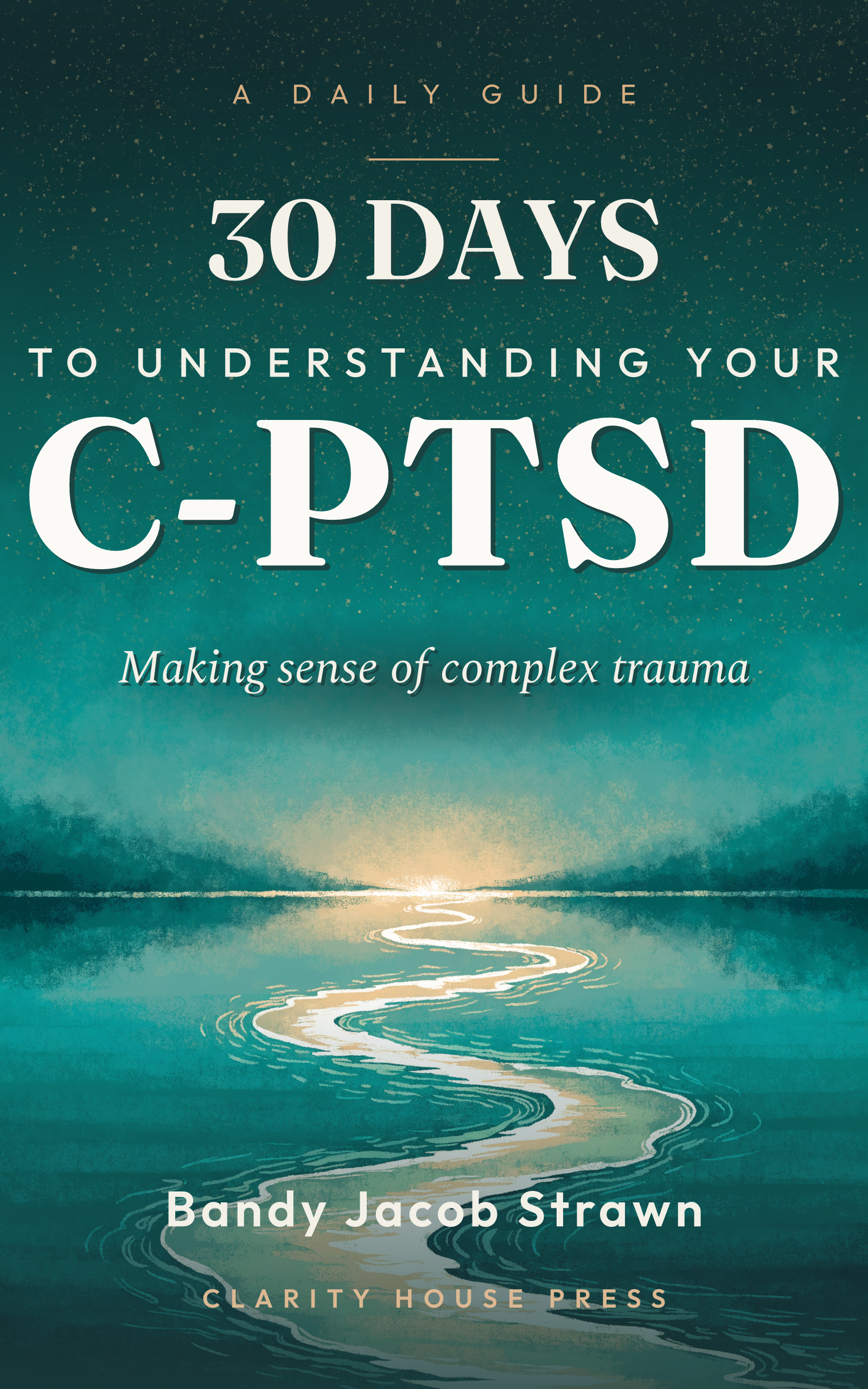
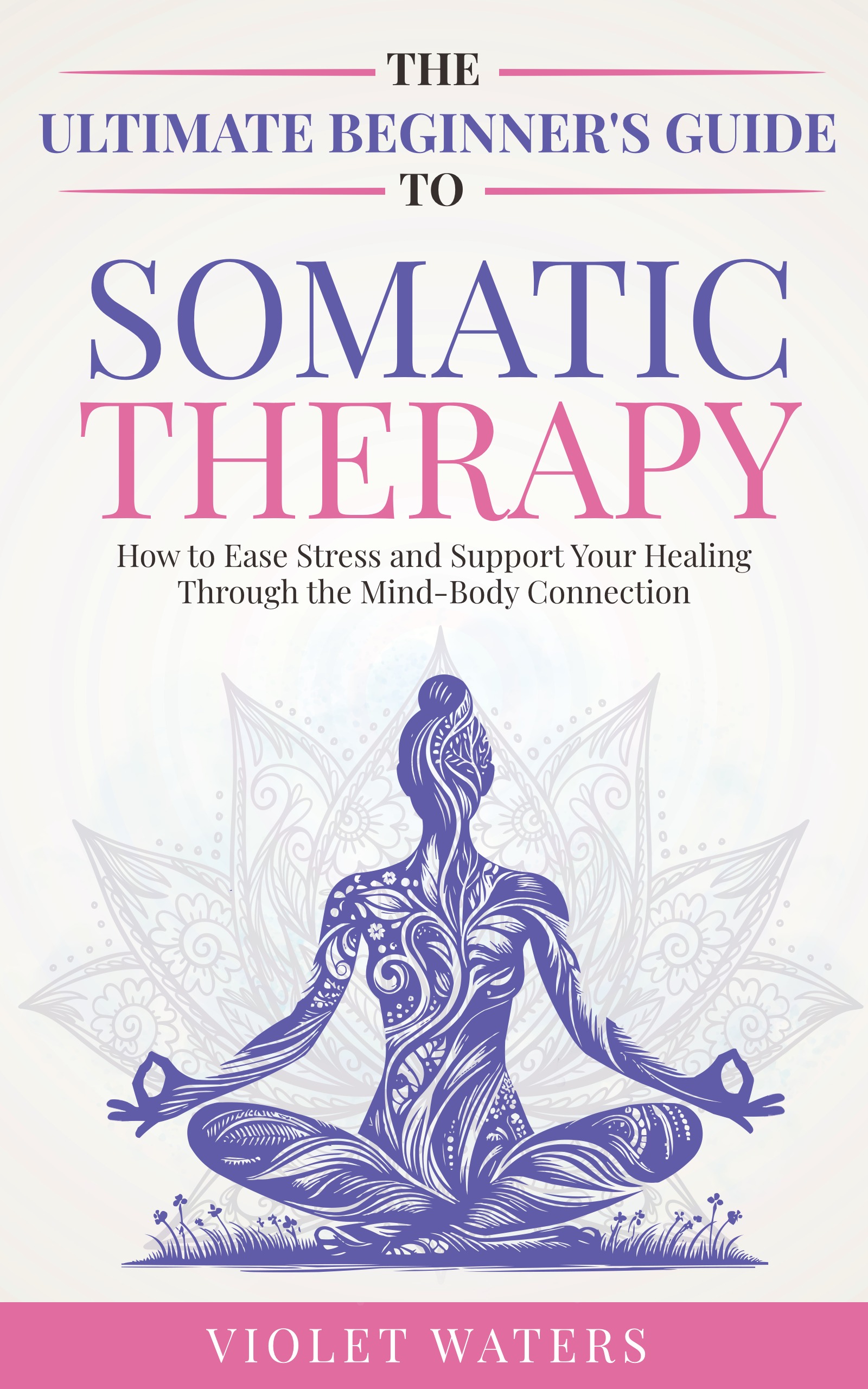
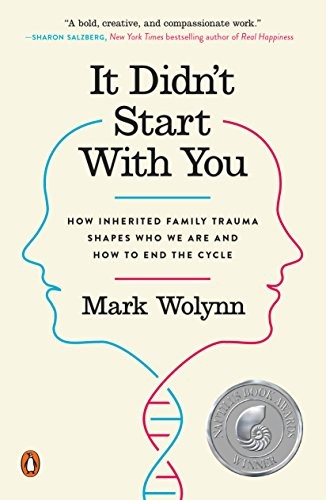
It Didn't Start with You
Mark Wolynn
Groundbreaking exploration of inherited family trauma and how to end intergenerational cycles.

Breath: The New Science of a Lost Art
James Nestor
International bestseller on the science of breathing and how it transforms health and reduces stress.
As an Amazon Associate, Clarity House Press earns from qualifying purchases. Your price is never affected.
Found this helpful?
Share it with someone who might need it.
Tags
About the Author

Clarity House Press
Editorial Team
The editorial team at Clarity House Press curates and publishes evidence-based content on narcissistic abuse recovery, high-conflict divorce, and healing. Our content is informed by research, survivor experiences, and established trauma-informed approaches.
View all posts by Clarity House Press →Published by Clarity House Press Editorial Team