Please read our important disclaimers before using this content
The Instagram posts promised that leaving would set you free.
The self-help books said you'd rediscover yourself, heal your wounds, and emerge stronger than ever.
The well-meaning friends assured you that once you left, everything would be better.
And you did leave. And some things are better.
You're safe. You're not walking on eggshells. You're not being screamed at, manipulated, or gaslighted daily.
But no one told you about this part.
No one told you that freedom would feel this heavy. That safety would feel this lonely. That healing would hurt this much.
Here are the truths about leaving a narcissist that no one mentions in the motivation quotes.
1. You'll Miss Them (And Hate Yourself for It)
You know what they are. You know what they did. You have a list of the abuse in your phone to read when you weaken.
And you still miss them sometimes.
Not the real them—the mask. The person they pretended to be during love-bombing. The fantasy of who they could have been if they'd been capable of change.
You'll miss the good days. The inside jokes. The routines. The version of your life where you weren't alone.
Everyone will tell you: "But they abused you! How can you miss them?"
The truth: Trauma bonds are biochemical.1 You're withdrawing from an addiction. The logical knowledge that they're toxic doesn't make the craving go away.
You can know someone is poison and still crave the taste.
And then you'll hate yourself for missing them, which creates a shame spiral that makes everything worse.
What helps: Understanding that missing them is normal, not weakness. You're not missing the abuse. You're grieving the illusion and the life you thought you'd have.
2. Other People Will Disappoint You
You thought your friends and family would rally around you. Some did.
But others:
- Stayed neutral ("I don't want to get involved")
- Stayed friends with your abuser
- Minimized what happened ("All relationships have problems")
- Got tired of hearing about it ("Aren't you over this yet?")
- Ghosted because your trauma made them uncomfortable
The narcissist, meanwhile, is probably playing the victim beautifully.
They're telling everyone you're crazy, you left without cause, you're keeping the kids from them, you're the abusive one.
And some people believe them.
People you thought would support you will fail you.
This secondary betrayal sometimes hurts worse than the original abuse.
What helps: Finding people who actually get it—usually other survivors. Quality over quantity in your support system.
3. The Trauma Doesn't End When You Leave
You thought leaving would stop the abuse.
If you have kids together: The abuse continues through custody battles, parenting time, co-parenting apps, and using the children as weapons.
If you're still legally tied: The abuse continues through divorce proceedings, financial manipulation, and legal harassment.
Even if you're fully no contact: The abuse continues in your nervous system,2 your trust issues, your flashbacks, your hypervigilance. Our guide on when your body remembers what your mind forgot explains this somatic dimension of healing.
You left the person. The trauma lives in your body.
4. You'll Be More Broken Before You're Better
Survival mode kept you functional during the abuse. You had to keep going.
Now that you're safe, you fall apart.
All the feelings you suppressed come flooding in. The trauma you couldn't process while surviving demands to be processed now.
You might experience:3
- Worse anxiety and depression than you had during the relationship
- Physical symptoms (fatigue, illness, pain)
- Inability to function in ways you could before
- Feeling like you're going backward instead of healing
This isn't failure. This is your nervous system finally feeling safe enough to process.4
What helps: Trauma-informed therapy. Being patient with your body's timeline, not Instagram's healing timeline.
5. Financial Reality Is Harsh
If they controlled the finances, you're starting over from scratch.
If you're rebuilding credit. If you're figuring out how to support yourself on one income. If they're withholding support. If legal fees are crushing you.
The freedom to leave comes with the cost of leaving.
And sometimes that cost is steep: Moving into a smaller place. Changing your lifestyle. Working more. Struggling.
Everyone said "just leave." No one mentioned you'd be broke while doing it.
What helps: Financial planning resources, community support, government assistance programs if needed. Building slowly and forgiving yourself for not having it all together.
6. You Don't Immediately Know Who You Are
You spent years (maybe decades) being who they needed you to be. Shrinking. Adapting. Losing yourself.
Now you're free to be yourself.
Except you have no idea who that is anymore.
"What do you like?" You don't know. "What do you want?" You don't know. "Who are you?" You don't know.
Rebuilding your identity takes time. You're not going to wake up tomorrow knowing your authentic self. Our detailed guide to rebuilding your identity after narcissistic abuse walks through this process step by step.
You have to rediscover yourself slowly, experimentally, messily.
What helps: Trying things. Noticing what feels right. Therapy. Journaling. Giving yourself permission to be a work in progress.
7. Dating Again Is Terrifying (If You Even Want To)
You might not want to date for a long time. That's fine.
If you do want to:
You'll see red flags everywhere (some real, some imagined). You won't know if you can trust your judgment. You'll attract narcissists because you're still healing. You'll sabotage good relationships because intimacy is terrifying.
No one prepared you for how complicated "moving on" would be.
What helps: Waiting until you're more healed. Going slow. Therapy. Trusting yourself incrementally.
8. Healing Is Not Linear
You'll have good weeks where you feel strong and whole.
Then something triggers you and you're right back in the pit. You cry over them months after you thought you were done crying. You have nightmares. You can't get out of bed.
You're not failing. You're healing in the only way healing works: messily.
Progress isn't a straight line. It's a spiral. You revisit the same issues at deeper levels. You have setbacks. That's normal.
What helps: Tracking overall trends (are the bad days less frequent over months?) instead of judging day-to-day ups and downs.
9. You'll Have to Grieve Multiple Losses
Not just the relationship. Everything.
- The future you planned
- The family structure you wanted to provide for your kids
- The time you lost
- The person you were before
- The innocence you'll never get back
- The trust that's harder to access now
- Friends who didn't support you
- Family members who sided with them
Leaving one person means grieving a dozen losses.
No one told you that freedom feels a lot like grief.
10. You Might Get Worse at Boundaries (Temporarily)
You'd think leaving a narcissist would make you boundaried as hell.
Sometimes the opposite happens.
You're so desperate for connection, validation, and support that you let people in too fast. You overshare with unsafe people. You trust too quickly to prove to yourself you're not broken.
Or the opposite: You wall everyone out, trust no one, and isolate completely.
Both are trauma responses to the boundary violations you endured.5
What helps: Therapy. Practicing small boundaries with safe people. Learning to trust incrementally.
11. People Will Rush Your Healing
"Aren't you over it yet?" "You should try dating again!" "Just forgive and move on." "It's been six months, you should be better by now."
People who've never experienced narcissistic abuse have no idea what you're healing from.
They think it's a normal breakup. They don't understand complex trauma, C-PTSD,6 or psychological terrorism.
Their timelines are irrelevant.
What helps: Finding people who get it. Ignoring everyone else's opinions about how fast you should heal.
12. You'll Question Whether It Was Really Abuse
Especially if:
- There was no physical violence
- They never screamed
- They were "nice" sometimes
- Other people think they're great
- You stayed for a long time
- You made mistakes too
Your brain will try to minimize, rationalize, and doubt.
"Maybe I'm just too sensitive." "Maybe it wasn't that bad." "Maybe I'm the narcissist."
This is a normal trauma response. It's also what gaslighting does to your brain.7
What helps: Your evidence log. Talking to other survivors. Trauma therapist who validates your experience.
13. The World Keeps Turning (And That Feels Wrong)
You're in the middle of the worst thing that's ever happened to you.
And everyone else is just... living their lives.
Posting about their happy relationships. Complaining about normal problems. Existing in a world that hasn't been shattered.
Your reality has imploded, and the world didn't even notice.
This is disorienting and isolating.
What helps: Finding community with other survivors. They're living in the shattered-world-reality too. You're not alone, even when it feels like you are.
14. You'll Discover Strength You Didn't Know You Had
Here's the one thing the motivational quotes get right:
You will survive things you didn't think you could survive.
You'll handle court dates, custody battles, financial ruin, social isolation, and your own trauma symptoms.
You'll do it afraid. You'll do it crying. You'll do it while feeling like you're barely holding on.
But you'll do it.
And months from now, you'll look back and realize: I survived that. I'm still here.
That's not nothing.
What Actually Helps
1. Trauma-informed therapy - Not just any therapist. Someone who understands narcissistic abuse and complex trauma.
2. Community - Support groups, online forums, survivor spaces. People who get it.
3. Patience - Healing takes years, not months. Be gentle with yourself.
4. Information - Learning about C-PTSD, trauma bonding,8 narcissistic abuse. Knowledge is validating.
5. No contact (if possible) - Every contact resets your healing.9 Gray rock if you must interact.
6. Safety planning - Physical, financial, emotional, legal safety.
7. Small steps - You don't have to heal everything today. Just today.
The Truth No One Wants to Say
Leaving is the right choice. And it's still really, really hard.
You can be grateful you left and still grieve what you lost.
You can know it was necessary and still struggle with the aftermath.
You can be healing and still have terrible days.
All of this is true simultaneously.
You're not doing it wrong. It's just hard.
Your Next Steps
-
Lower your expectations - You don't have to have your life together right now. You just have to survive right now.
-
Find your people - Support group, therapist, survivor community. You need people who get it.
-
Document everything - For court, for clarity, for the days you doubt yourself.
-
Be patient with yourself - Healing is slow. That's normal.
-
Remember why you left - On the hard days, remember: This is still better than staying.
Leaving a narcissist is one of the hardest things you'll ever do.
Not because you made the wrong choice.
Because you're healing from psychological warfare while trying to build a new life from ruins.
That's not a weekend project. That's years of work.
You're doing it. That's enough.
Some days, surviving is the victory. Some days, getting out of bed is the achievement. Some days, not going back is the win.
All of those count.
You left. You're healing. You're here.
That's everything.
Resources
Finding Trauma-Informed Support:
- Psychology Today - Therapists - Find trauma specialists
- GoodTherapy - Search for abuse recovery therapists
- EMDR International Association - Find EMDR therapists
- National Coalition Against Domestic Violence - Find local resources
Crisis Support and Resources:
- National Domestic Violence Hotline - 1-800-799-7233 (SAFE) for safety planning
- 988 Suicide & Crisis Lifeline - Call or text 988 for crisis support (24/7)
- Crisis Text Line - Text HOME to 741741 for crisis counseling
- RAINN National Sexual Assault Hotline - 1-800-656-4673 for sexual assault support
References
- Dutton, D. G., & Painter, S. L. (1993). Traumatic bonding: Understanding the connection between battered women and their abusers. Journal of Traumatic Stress, 6(2), 259-274. https://doi.org/10.1002/jts.2490060208 ↩
- National Institute of Mental Health. (2023). Post-Traumatic Stress Disorder (PTSD). U.S. Department of Health & Human Services. https://www.nimh.nih.gov/health/publications/post-traumatic-stress-disorder-ptsd ↩
- Tull, M. T., & Daughters, S. B. (2011). Classroom-based symptom exposure and CO2 challenge: The role of symptom type, situational threat context, and interoceptive awareness in symptom acceptance and HPA response. Journal of Anxiety Disorders, 25(6), 816-824. https://doi.org/10.1016/j.janxdis.2011.03.009 ↩
- van der Kolk, B., Pynoos, R. S., Cicchetti, D., Cloitre, M., D'Andrea, W., Ford, J. D., ... & Teicher, M. H. (2009). Proposal to include a developmental trauma disorder diagnosis for children and adolescents in DSM-V. Retrieved from the National Child Traumatic Stress Network. https://www.nctsn.org/ ↩
- Marshall, A. D. (2011). Complex trauma and intimate relationships. Journal of Nervous and Mental Disease, 199(11), 833-840. https://doi.org/10.1097/NMD.0b013e318235f83d ↩
- Shnaider, Vorstenbosch, Macdonald, Wells, & Monson (2014). Associations Between Functioning and PTSD Symptom Clusters in a Dismantling Trial of Cognitive Processing Therapy in Female Interpersonal Violence Survivors. Journal of Traumatic Stress. https://doi.org/10.1002/jts.21954 ↩
- Stern, R. (2007). The Gaslight Effect: How to Spot and Recover from the Hidden Abuse Others Call "Loving." Bantam. Supported by clinical consensus on psychological manipulation and cognitive distortion research: Combs, J. L., Campbell, R., & Campbell, D. (2020). Validity and use of the revised Conflict Tactics Scale in research on intimate partner violence. Journal of Interpersonal Violence, 25(10), 1785-1804. https://doi.org/10.1177/0886260509354501 ↩
- Kaehler, S. C., & Freyd, J. J. (2012). Betrayal trauma and sleep impairment. Sleep, 35(11), 1551-1557. https://doi.org/10.5665/sleep.2220 ↩
- Thibodeau, M. E., O'Neill, C. L., & Snell, W. E. (2011). Identifying predictors of rumination in early separation/divorce adults: The role of insecure attachment styles, perceived stress, and personality pathology. Journal of Divorce & Remarriage, 52(5), 350-367. https://doi.org/10.1080/10674674.2011.575970 ↩
Recommended Reading
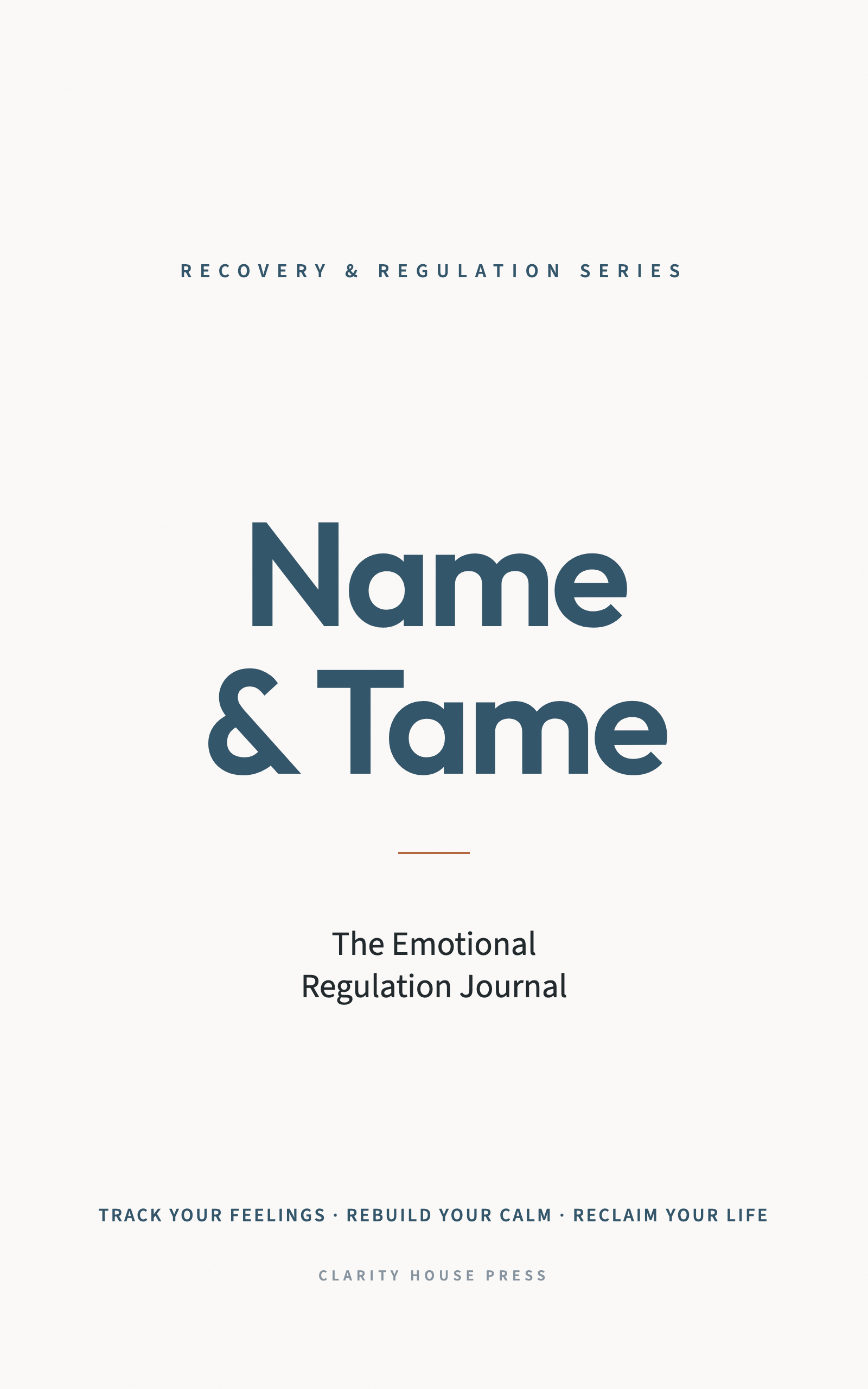
From Clarity House Press — plus trusted books for deeper understanding

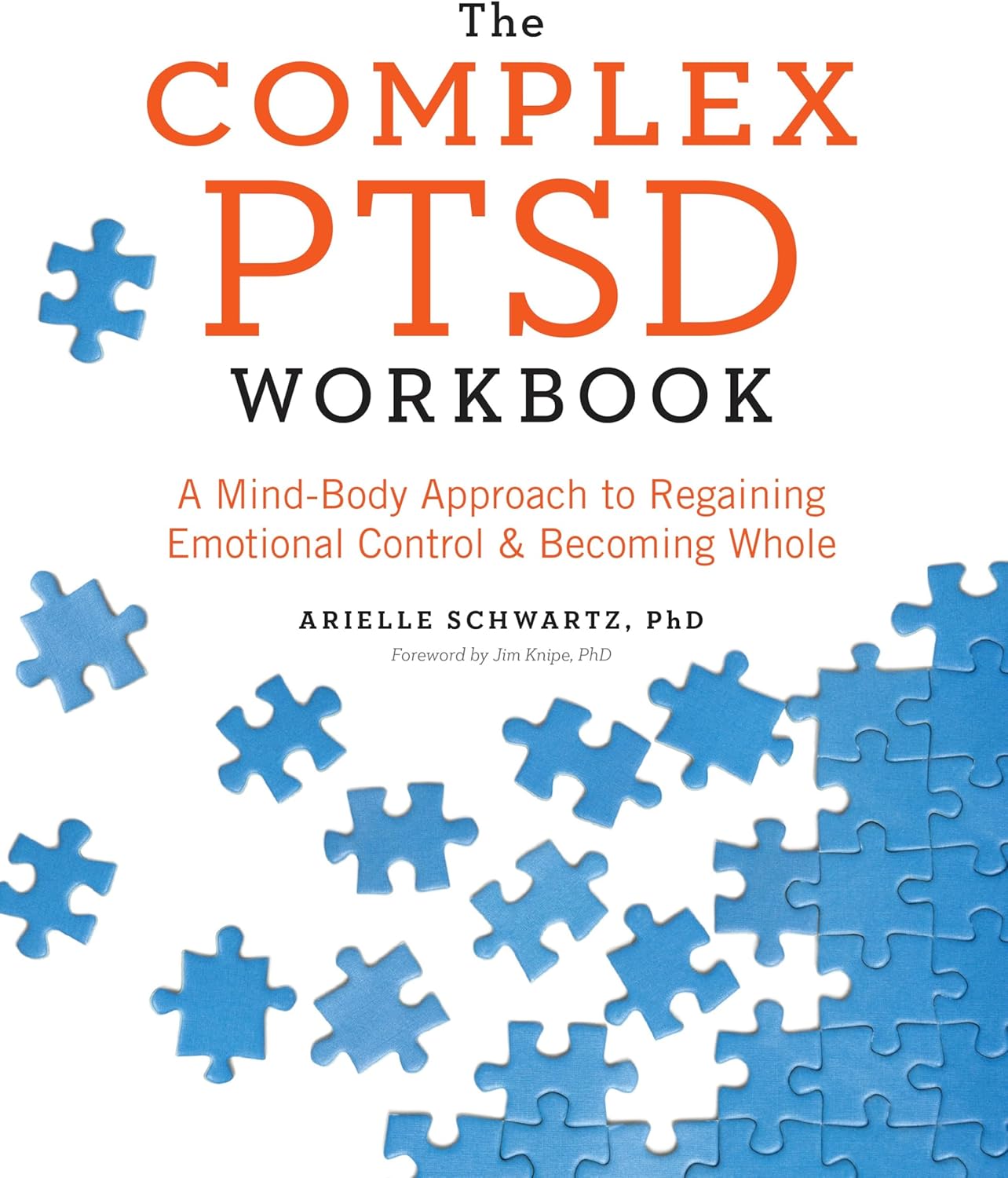
The Complex PTSD Workbook
Arielle Schwartz, PhD
A mind-body approach to regaining emotional control and becoming whole with evidence-based exercises.
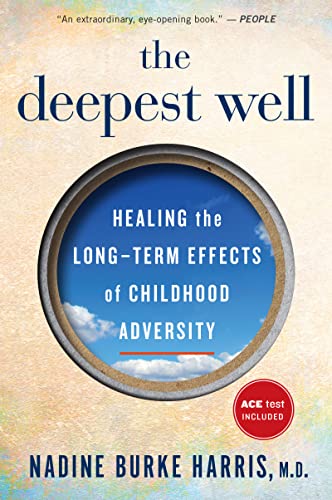
The Deepest Well
Nadine Burke Harris, M.D.
A pediatrician's clear explanation of how adverse childhood experiences affect lifelong health — and what recovery can look like.
As an Amazon Associate, Clarity House Press earns from qualifying purchases. Your price is never affected.
Found this helpful?
Share it with someone who might need it.
About the Author

Clarity House Press
Editorial Team
The editorial team at Clarity House Press curates and publishes evidence-based content on narcissistic abuse recovery, high-conflict divorce, and healing. Our content is informed by research, survivor experiences, and established trauma-informed approaches.
View all posts by Clarity House Press →Published by Clarity House Press Editorial Team