Please read our important disclaimers before using this content
You left. You're safe now. The narcissist can't reach you anymore.
So why does your chest tighten every time you hear a text notification? Why do you feel nauseous when someone raises their voice, even in jest? Why does your body shake when you have to make a simple decision about what to eat for dinner?
Your mind knows you're safe. Your body hasn't gotten the memo yet.
This is somatic trauma—when the memories of abuse live not in your thoughts, but in your muscles, your nervous system, your gut.12 Understanding this phenomenon is crucial to your recovery, because you can't think your way out of something that's stored in your body. This is why somatic experiencing therapy has become one of the most effective approaches for trauma survivors.
The Science of Trauma and the Body
The Body Keeps the Score (And the Receipts)
When you were being abused, your nervous system was working overtime to keep you alive. Every time the narcissist's tone shifted, every time you heard their car in the driveway, every time you saw that look in their eyes—your body catalogued it.
Not as a conscious memory, but as a survival pattern.3
Your autonomic nervous system—the part that operates below conscious awareness—learned that certain sounds, tones, situations, or sensations meant danger. And it got very, very good at recognizing those patterns and triggering a response before your conscious mind could even register what was happening.
This was adaptive when you were in danger. Your body's hypervigilance helped you survive by preparing you to fight, flee, freeze, or fawn before the abuse even began.
It's maladaptive now that you're safe.
Your nervous system hasn't updated its threat assessment. It's still operating on old data—data that said text notifications might bring verbal abuse, raised voices might precede violence, and simple decisions might trigger criticism.
Van der Kolk's Revolutionary Insights on Trauma Storage
Dr. Bessel van der Kolk's groundbreaking work has fundamentally changed how we understand trauma's relationship with the body. His research, compiled in The Body Keeps the Score, demonstrates that traumatic experiences fundamentally alter brain structure and function in ways that persist long after the threat has passed.
Through decades of neuroscience research, van der Kolk identified that trauma creates lasting changes in three critical brain regions:
The amygdala (your smoke alarm) becomes hyperactive in trauma survivors.4 Brain imaging studies show that trauma survivors have heightened amygdala activation even when looking at neutral faces or hearing ordinary sounds. Your brain's threat detection system is stuck on high alert, constantly scanning for danger that may not exist.
The prefrontal cortex (your watchtower) becomes underactive. This region is responsible for rational thinking, decision-making, and putting the brakes on emotional reactions. In trauma survivors, the prefrontal cortex shows reduced activation, making it harder to override the amygdala's alarm signals. You know intellectually that you're safe, but you can't convince your body of that truth because the part of your brain that would normally regulate fear responses isn't fully online.
The hippocampus (your timekeeper) becomes dysfunctional. The hippocampus is responsible for placing memories in time and context—understanding that something happened in the past, not the present. Van der Kolk's research shows trauma survivors often have reduced hippocampal volume, which explains why trauma memories feel like they're happening right now rather than safely in the past.56 Your body can't tell the difference between remembering the abuse and re-experiencing it.
This triumvirate of changes creates the perfect storm: an overactive alarm system, an underactive reasoning center, and a broken timekeeper that can't distinguish past from present.
The Polyvagal Theory: Your Nervous System's Survival Ladder
Dr. Stephen Porges' Polyvagal Theory provides another essential lens for understanding somatic trauma. This framework describes how your autonomic nervous system has three distinct states:
Ventral vagal (social engagement): This is the state of safety and connection. Your heart rate is calm, your breathing is easy, you can think clearly, and you're open to connecting with others. This is where healthy humans naturally spend most of their time.
Sympathetic (mobilization): When you detect threat, your system shifts into fight or flight. Heart rate increases, muscles tense, digestion slows, and all energy goes toward survival. This is appropriate for actual danger—running from a tiger, fighting off an attacker.
Dorsal vagal (shutdown): When threat is overwhelming and escape is impossible, your system shuts down entirely. This is the freeze or collapse response—dissociation, numbness, feeling like you're watching life from outside your body. This happened when the abuse was inescapable.
Here's what happens in prolonged narcissistic abuse: You cycle through these states repeatedly, often multiple times per day. Your nervous system learns to jump quickly from social engagement to mobilization to shutdown and back again. Over time, your baseline shifts—you spend less time in ventral vagal safety and more time oscillating between fight/flight and freeze.7
Even after you leave, your nervous system remains primed to jump into survival states at the slightest provocation. A tone of voice triggers sympathetic activation. An unavoidable confrontation triggers dorsal shutdown. Your body is doing exactly what it was trained to do—but the training environment no longer matches your current reality.
How Trauma Gets Stored in the Body
Trauma memory isn't stored like regular memory. Normal memories are processed by the hippocampus and prefrontal cortex—areas responsible for organizing events into coherent narratives with clear beginnings, middles, and ends.
Trauma overwhelms these systems. When you're in survival mode, your brain doesn't have time to neatly organize and file what's happening. Instead, traumatic experiences get encoded in the amygdala (your brain's alarm system) and stored in the body as:
Sensory fragments. Smells, sounds, visual flickers that trigger responses without your understanding why.
Physical sensations. Muscle tension, gut feelings, heart racing that seem to appear from nowhere.
Implicit memories. Knowledge your body has but your conscious mind doesn't—like how to ride a bike, but for danger.8
Nervous system patterns. Default states of activation (hypervigilance) or shutdown (dissociation) that your body learned were necessary for survival.
Common Somatic Symptoms Survivors Experience
Understanding your symptoms as trauma responses—not personal flaws—is the first step toward healing them:
Hypervigilance
What it looks like: Constant scanning for threats. Difficulty relaxing even in objectively safe environments. Startling at unexpected sounds. Always positioning yourself to see the door. Never truly resting.
What's happening: Your nervous system is stuck in sympathetic activation (fight/flight mode). It doesn't believe the threat is over, so it keeps scanning for danger.
Physical manifestations: Tense muscles (especially shoulders, jaw, neck), elevated heart rate, shallow breathing, insomnia, fatigue from being "always on."
Exaggerated Startle Response
What it looks like: Jumping dramatically at sudden sounds or movements. Heart racing when startled. Feeling embarrassed by your reactions.
What's happening: Your amygdala is hypersensitive, triggering alarm responses to stimuli that wouldn't bother someone without trauma.
Physical manifestations: Racing heart, gasping, muscle tensing, sometimes freezing in place.
Digestive Issues
What it looks like: IBS symptoms, nausea, appetite changes tied to stress, chronic stomach problems that doctors can't fully explain.
What's happening: The gut-brain connection is real. Your enteric nervous system (sometimes called the "second brain") is responding to chronic stress hormones and stored trauma.
Physical manifestations: Nausea, diarrhea, constipation, loss of appetite, stress eating, bloating.
Muscle Tension and Chronic Pain
What it looks like: Constant tension in shoulders, neck, jaw from bracing. Headaches and migraines. Body pain that seems unrelated to physical activity.
What's happening: Your body learned to brace for impact. That bracing became chronic muscle tension, which creates pain over time.
Physical manifestations: Tension headaches, jaw pain (TMJ), neck and shoulder pain, lower back pain, clenched fists you don't notice.
Chronic Fatigue
What it looks like: Exhaustion that sleep doesn't fix. Feeling tired even after rest. No energy for things you used to enjoy.
What's happening: Your nervous system has been running on high alert for so long that it's depleted. The energy cost of constant hypervigilance is enormous.
Physical manifestations: Unrefreshing sleep, afternoon crashes, difficulty exercising, brain fog.
Dissociation
What it looks like: Feeling disconnected from your body. Floating sensation. Numbness. Time gaps. Watching yourself from outside.
What's happening: Dissociation is a protective response when trauma is overwhelming. Your nervous system learned to disconnect from the present moment to survive unbearable experiences.
Physical manifestations: Feeling "not real," being unaware of physical sensations, difficulty feeling emotions in the body.
Panic Sensations
What it looks like: Racing heart, shortness of breath, chest tightness with no apparent trigger. Fear you're dying or going crazy.
What's happening: Your body is having a trauma response triggered by something your conscious mind may not have registered—a smell, sound, or situation that reminds your nervous system of past danger.
Physical manifestations: Heart palpitations, hyperventilation, sweating, trembling, feeling of impending doom.
These aren't character flaws. They're not weakness. They're physiological responses to psychological terrorism. Your body learned these patterns to protect you. Now it needs to learn that the danger has passed.
Why Traditional Talk Therapy Isn't Enough
Many survivors find themselves frustrated in traditional therapy. They understand intellectually what happened to them. They can articulate the abuse patterns. They can name the tactics. They know the narcissist was wrong.
But they still feel like garbage.
That's because trauma isn't stored primarily in the narrative parts of your brain—the parts that talk therapy accesses. It's stored in the limbic system and the body itself. You can have perfect insight about your abuse and still have a body that's convinced it's in danger.
This is why:
- Talking about trauma can sometimes retraumatize rather than heal
- Understanding why you react doesn't stop the reactions
- Cognitive reframing ("I know I'm safe") doesn't calm your nervous system
- You can know something intellectually without feeling it in your body
Effective trauma treatment must address both:
Somatic approaches help you develop awareness of bodily sensations, learn to tolerate and regulate them, and gradually discharge the stuck survival energy in your nervous system.
Trauma-informed talk therapy helps you make sense of what happened and rebuild your identity, but it works best when combined with body-based approaches.
Evidence-Based Somatic Therapies
Several therapeutic approaches specifically address trauma stored in the body:
EMDR (Eye Movement Desensitization and Reprocessing)
What it is: A structured therapy that uses bilateral stimulation (eye movements, tapping, or auditory tones) while processing traumatic memories.
How it works: The bilateral stimulation appears to help the brain process "stuck" traumatic memories, moving them from implicit (body-based) to explicit (narrative) memory.
What to expect: You'll focus on traumatic memories while following moving stimuli, allowing your brain to reprocess the experience. It can be intense but is often faster than traditional talk therapy.
Research basis: Extensive research supports EMDR for PTSD, with more than 30 published randomized controlled trials demonstrating effectiveness in both adults and children.9
Somatic Experiencing (SE)
What it is: A body-oriented approach developed by Peter Levine that focuses on tracking and releasing survival energy trapped in the nervous system.
How it works: SE helps you notice body sensations, build capacity to tolerate them, and gradually discharge the "freeze" energy that got stuck during trauma.
What to expect: Sessions focus heavily on body awareness. The therapist helps you track physical sensations and "pendulate" between activation and calm, gradually expanding your nervous system's capacity.
Research basis: Growing research supports SE, with a randomized controlled outcome study demonstrating effectiveness for PTSD treatment through body-focused interventions that integrate body awareness into the psychotherapeutic process.10
Sensorimotor Psychotherapy
What it is: An approach that integrates body-centered interventions with cognitive and emotional processing.
How it works: By tracking body posture, movement, and sensation alongside thoughts and feelings, it addresses trauma at all levels of processing.
What to expect: You'll learn to read your body's signals, understand how trauma affected your physical patterns, and develop new movement possibilities.
Research basis: Research supports sensorimotor interventions for trauma, particularly for addressing dissociation and physical tension patterns.
Body-Based Practices as Adjuncts
In addition to formal therapy, several practices support somatic healing:
Yoga: Particularly trauma-sensitive yoga, which emphasizes choice, interoception (awareness of internal body states), and gentle movement.
Breathwork: Specific breathing techniques that regulate the nervous system, including slow diaphragmatic breathing for calming and more activating practices for releasing stuck energy.
Movement practices: Dance, martial arts, or other movement forms that help you reconnect with your body in safe, empowered ways. Our guide to trauma-informed exercise and movement explores this in depth.
Mindfulness: Body-focused meditation practices that develop interoceptive awareness without retraumatization.
The Neurobiology of Body-Based Healing
Understanding why somatic approaches work helps demystify the healing process and reinforces that your symptoms have biological—not character-based—origins.
Neuroplasticity: Your Brain Can Change
One of van der Kolk's most hopeful contributions is demonstrating that the brain changes caused by trauma are not permanent. The same neuroplasticity that allowed your brain to adapt to chronic threat can be harnessed for healing.
When you practice body-based healing techniques consistently:
The amygdala calms down. Regular somatic practices teach your alarm system that not every stimulus is a threat. Over time, the amygdala becomes less reactive, returning to appropriate threat assessment rather than chronic hypervigilance.
The prefrontal cortex strengthens. Mindfulness and body awareness practices literally increase activation and gray matter density in the prefrontal cortex, strengthening your capacity for emotional regulation and rational assessment of safety.
The hippocampus recovers. Studies show that trauma treatment, particularly approaches that help contextualize traumatic memories as past events, can increase hippocampal volume and function. Your brain relearns to distinguish "then" from "now."
This isn't metaphorical healing—it's measurable structural and functional changes in your brain. Brain scans of trauma survivors before and after effective treatment show visible differences in activation patterns and even physical structure.
Bottom-Up vs. Top-Down Healing
Van der Kolk emphasizes that trauma healing must be "bottom-up" (body to brain) not just "top-down" (brain to body). Traditional talk therapy is top-down—using cognition and language to process experience. This works for many things, but trauma is encoded below the level of language.
Body-based approaches work bottom-up:
Sensory input changes brain activation. When you practice grounding techniques, you're sending safety signals from your body to your brain. Your sensory system tells your amygdala "we're touching something soft and warm" or "we're smelling lavender," which contradicts the alarm signals.
Movement discharges survival energy. The fight/flight response prepares your body to move—to run or fight. When trauma happens and you can't complete those actions, the mobilization energy gets trapped. Physical movement, particularly when done mindfully, helps discharge that stuck activation.
Interoception rebuilds the mind-body connection. Interoception is your sense of what's happening inside your body—hunger, fatigue, emotional states, tension. Trauma often severs this connection (dissociation). Somatic practices rebuild it, helping you feel and trust your body's signals again.
Rhythm and regulation restore nervous system flexibility. Your autonomic nervous system is designed to oscillate—activation and rest, engagement and recovery. Trauma creates rigidity (stuck in hyperarousal) or collapse (stuck in shutdown). Practices like rhythmic breathing, drumming, or bilateral stimulation restore oscillation capacity.
These bottom-up approaches complement top-down therapy but address trauma at its source: the body's learned survival patterns.
The Somatic Legacy of Narcissistic Abuse
While all trauma affects the body, narcissistic abuse creates specific somatic patterns worth understanding:
Hypervigilance to micro-expressions. Your body learned to read the narcissist's facial expressions, tone shifts, and body language for threat cues.11 Research on emotional recognition shows trauma survivors become hyperattentive to angry or threatening faces—but this comes at a cost. Your nervous system exhausts itself scanning every social interaction for danger signals that may not exist.
Fawn response and muscle armoring. The fawn response—appeasing the abuser to avoid harm—creates specific physical patterns. You learned to make yourself smaller, soften your voice, relax your facial expression, and suppress your body's natural reactions. Over time, this creates chronic muscle tension as you're simultaneously activated (internal alarm) and suppressed (external compliance). Your body is trying to fight or flee while forcing itself to smile and accommodate.
Digestive shutdown during stress. The gut is extraordinarily sensitive to stress hormones.12 During abuse, your body repeatedly diverted resources from "rest and digest" functions to "fight or flight" responses. This chronic pattern can create lasting gastrointestinal issues—IBS, nausea, appetite dysregulation—long after the abuse ends. The gut-brain axis shows bidirectional communication between digestive health and mental health, creating a feedback loop that maintains both systems in distress.
Dissociation as default. When abuse was inescapable, your body learned to disconnect—to "leave" when you couldn't physically leave. This protective dissociation can become habitual, activating even in safe situations. You might find yourself "spacing out" during conversations, losing time, or feeling disconnected from your body even when there's no threat present.
Understanding these patterns isn't about self-diagnosis—it's about recognizing that your body's responses make sense given what you survived. You're not broken; you're adapted to an environment that no longer exists.
Practices You Can Start Today
While professional therapy is often necessary for deep trauma work, you can begin supporting your somatic healing now:
1. Somatic Tracking
Learn to notice bodily sensations without judgment. When you feel your chest tighten, instead of panicking about the panic, try:
"I notice tightness in my chest. It feels like a band across my ribs. It's uncomfortable but not dangerous. I'm just noticing it."
This creates space between sensation and reaction. You're teaching your nervous system that you can observe difficult sensations without being destroyed by them.
Practice: Several times daily, pause and scan your body. What do you notice? Where is there tension? Where is there ease? Simply observe without trying to change anything.
2. Grounding Techniques
When your nervous system is convinced you're in danger (even though you're not), grounding brings you back to the present:
5-4-3-2-1 Technique: Name 5 things you can see, 4 things you can touch, 3 things you can hear, 2 things you can smell, 1 thing you can taste. This redirects your attention to current sensory reality.
Temperature: Hold ice cubes in your hands. Splash cold water on your face. The temperature shock can interrupt a trauma response and bring you back to the present.
Pressure: Wrap yourself in a weighted blanket. Give yourself a tight hug. Push firmly against a wall. Deep pressure activates the parasympathetic (calming) nervous system.
Movement: Stomp your feet. Push against a wall. Shake your hands. Movement can help discharge the survival energy that's ready for fight or flight.
3. Bilateral Stimulation
Alternating left-right stimulation (like EMDR uses) can help process stuck trauma:
Walking meditation: Walk while deliberately noticing your left foot, then right foot, left, right.
Butterfly hug: Cross your arms over your chest and alternately tap your shoulders left, right, left, right.
Eye movements: Move your eyes slowly from side to side while thinking about something mildly distressing.
Alternating music: Listen to music that moves between left and right ears.
These practices can be self-soothing and may help process distressing material, though they're not a substitute for guided EMDR therapy for significant trauma.
4. Resourcing
Your nervous system needs to remember what safety feels like. Regularly practice accessing safe, pleasant sensations:
Build a sensory resource list:
- Sunlight on your skin
- Your pet's soft fur
- The smell of coffee
- The taste of something delicious
- The sound of rain
- A cozy blanket
- Your favorite music
Practice resourcing daily: Spend time with these pleasant sensations, really noticing how they feel in your body. Build a library of sensory resources your body associates with safety.
Use resources during activation: When triggered, deliberately access one of your resources. Touch your pet, smell your coffee, wrap in your blanket. You're teaching your nervous system that safety exists.
5. Vagal Toning
The vagus nerve is a key player in nervous system regulation. These practices "tone" it, improving your capacity to move between activation and calm:
Cold water: Splash cold water on your face or dip your face in cold water. This activates the "dive reflex" and triggers vagal calming.
Humming, singing, or gargling: These activities stimulate the vagus nerve through the throat.
Slow exhale breathing: Exhale for longer than you inhale (e.g., breathe in for 4 counts, out for 8). This activates parasympathetic (calming) response.
Social connection: Safe social engagement naturally tones the vagus nerve. Spend time with people who make you feel comfortable.
What Recovery Looks Like
Healing somatic trauma isn't linear. You'll have days when you feel grounded and present, and days when a random trigger sends you right back to survival mode.
Progress looks like:
Noticing your triggers sooner. Instead of being hijacked by a trauma response, you catch it earlier. "Oh, I'm getting activated."
Returning to baseline faster. The trigger still happens, but you recover in minutes instead of hours or days.
Having more tools to regulate. You've built a toolkit of techniques that actually help, and you know which ones work for which situations.
Experiencing longer periods of feeling safe. The good stretches get longer. Safety stops feeling foreign.
Rediscovering pleasure in physical sensations. Food tastes good again. You enjoy physical touch. You notice beauty.
Less frequent and intense activation. The triggers don't hit as hard or as often as they used to.
You're not trying to eliminate all stress responses. You're building resilience and flexibility in your nervous system. You're teaching your body that it can handle difficult sensations without being destroyed by them.
Your Next Steps
1. Find a trauma-informed therapist trained in somatic approaches (EMDR, Somatic Experiencing, Sensorimotor Psychotherapy). This isn't something to navigate alone if your symptoms are significant.
2. Start a body awareness practice. Even 5 minutes daily of noticing sensations without trying to change them begins building the foundation for somatic healing.
3. Move your body in ways that feel good, not punishing. Dance, walk, stretch, swim—whatever helps you feel at home in your body rather than at war with it.
4. Build your grounding toolkit. Identify which grounding techniques work best for you. Have them ready before you need them.
5. Practice self-compassion. Your body protected you through hell. It deserves compassion as it learns that the danger has passed. Self-compassion practices for trauma recovery offer specific exercises to begin this process.
Your body isn't broken. It's doing exactly what it was trained to do during the abuse. Now you're retraining it for peace.
That takes time. But it's possible.
You didn't just survive in your mind. You survived in your bones, your muscles, your nervous system. Your healing needs to happen there too.
The body that kept you alive through abuse is the same body that will carry you into freedom. Trust it. Work with it. Give it the care it deserves.
Your body remembers what your mind forgot. And with the right support, your body can learn something new: that you are finally, truly safe.
Resources
Finding Somatic Practitioners:
- Somatic Experiencing Practitioner Directory - Find SE practitioners
- Psychology Today - Therapists - Search for somatic therapists
- EMDR International Association - Find EMDR therapists
- Sensorimotor Psychotherapy Institute - Find sensorimotor practitioners
Crisis Support and Resources:
- 988 Suicide & Crisis Lifeline - Call or text 988 for crisis support (24/7)
- Crisis Text Line - Text HOME to 741741 for crisis counseling
- National Domestic Violence Hotline - 1-800-799-7233 (SAFE) for safety planning
- SAMHSA Treatment Locator - Find trauma treatment
References
- Kuhfuß M, Maldei T, Hetmanek A, Baumann N. Clinical Manifestations of Body Memories: The Impact of Past Bodily Experiences on Mental Health. Brain Sciences. 2022;12(5):594. doi:10.3390/brainsci12050594. https://www.ncbi.nlm.nih.gov/pmc/articles/PMC9138975/. PMID: 35624970. ↩
- van der Kolk BA. The body keeps the score: memory and the evolving psychobiology of posttraumatic stress. Harvard Review of Psychiatry. 1994;1(5):253-265. doi:10.3109/10673229409017088. https://pubmed.ncbi.nlm.nih.gov/9384857/. PMID: 9384857. ↩
- Gilbertson MW, Shenton ME, Ciszewski A, Kasai K, Lasko NB, Orr SP, Pitman RK. Smaller hippocampal volume predicts pathologic vulnerability to psychological trauma. Nature Neuroscience. 2002;5(11):1242-1247. doi:10.1038/nn958. https://www.ncbi.nlm.nih.gov/pmc/articles/PMC4635065/. PMID: 12379862. ↩
- Porges SW. Polyvagal Theory: Current Status, Clinical Applications, and Future Directions. Clinical Neuropsychiatry. 2025;22(3):175-191. https://www.ncbi.nlm.nih.gov/pmc/articles/PMC12302812/. PMID: 40735382. ↩
- Damis (2022). The Role of Implicit Memory in the Development and Recovery from Trauma-Related Disorders.. NeuroSci. https://pubmed.ncbi.nlm.nih.gov/39484673/ ↩
- Shapiro E, Maxfield L. State of the science: Eye movement desensitization and reprocessing (EMDR) therapy. Journal of EMDR Practice and Research. 2024;18(1):1-16. doi:10.1891/EMDR-2023-0066. https://pubmed.ncbi.nlm.nih.gov/38282286/. PMID: 38282286. ↩
- Brom D, Stokar Y, Lawi C, Nuriel-Porat V, Ziv Y, Lerner K, Ross G. Somatic Experiencing for Posttraumatic Stress Disorder: A Randomized Controlled Outcome Study. Journal of Traumatic Stress. 2017;30(3):304-312. doi:10.1002/jts.22189. https://www.ncbi.nlm.nih.gov/pmc/articles/PMC5518443/. PMID: 28585761. ↩
- van der Kolk BA, Fisler R. Dissociation and the fragmentary nature of traumatic memories. Journal of Traumatic Stress. 1995;8(4):505-525. doi:10.1007/BF02102887. https://pubmed.ncbi.nlm.nih.gov/8564271/. PMID: 8564271. ↩
- Shin LM, Liberzon I. The neurobiology of fear, stress, and anxiety disorders. Neuropsychology. 2010;24(1):75-85. doi:10.1037/a0017632. https://www.ncbi.nlm.nih.gov/pmc/articles/PMC2844285/. PMID: 20063951. ↩
- Teicher MH, Anderson CM. The effects of childhood maltreatment on brain structure, function and connectivity. Nature Reviews Neuroscience. 2017;18(10):646-659. doi:10.1038/nrn.2017.130. https://pubmed.ncbi.nlm.nih.gov/28931944/. PMID: 28931944. ↩
- Li, Liu, Yang, Sun, & Zhang (2017). The role of long noncoding RNA H19 in gender disparity of cholestatic liver injury in multidrug resistance 2 gene knockout mice.. Hepatology (Baltimore, Md.). https://pmc.ncbi.nlm.nih.gov/articles/PMC5570619/ ↩
- Mayer EA, Knight R, Mazmanian SK, Cryan JF, Tillisch K. Gut microbes and the brain: paradigm shift in neuroscience. Journal of Neuroscience. 2014;34(46):15490-15496. doi:10.1523/JNEUROSCI.3299-14.2014. https://www.ncbi.nlm.nih.gov/pmc/articles//. PMID: 25392516. ↩
Recommended Reading
From Clarity House Press — plus trusted books for deeper understanding
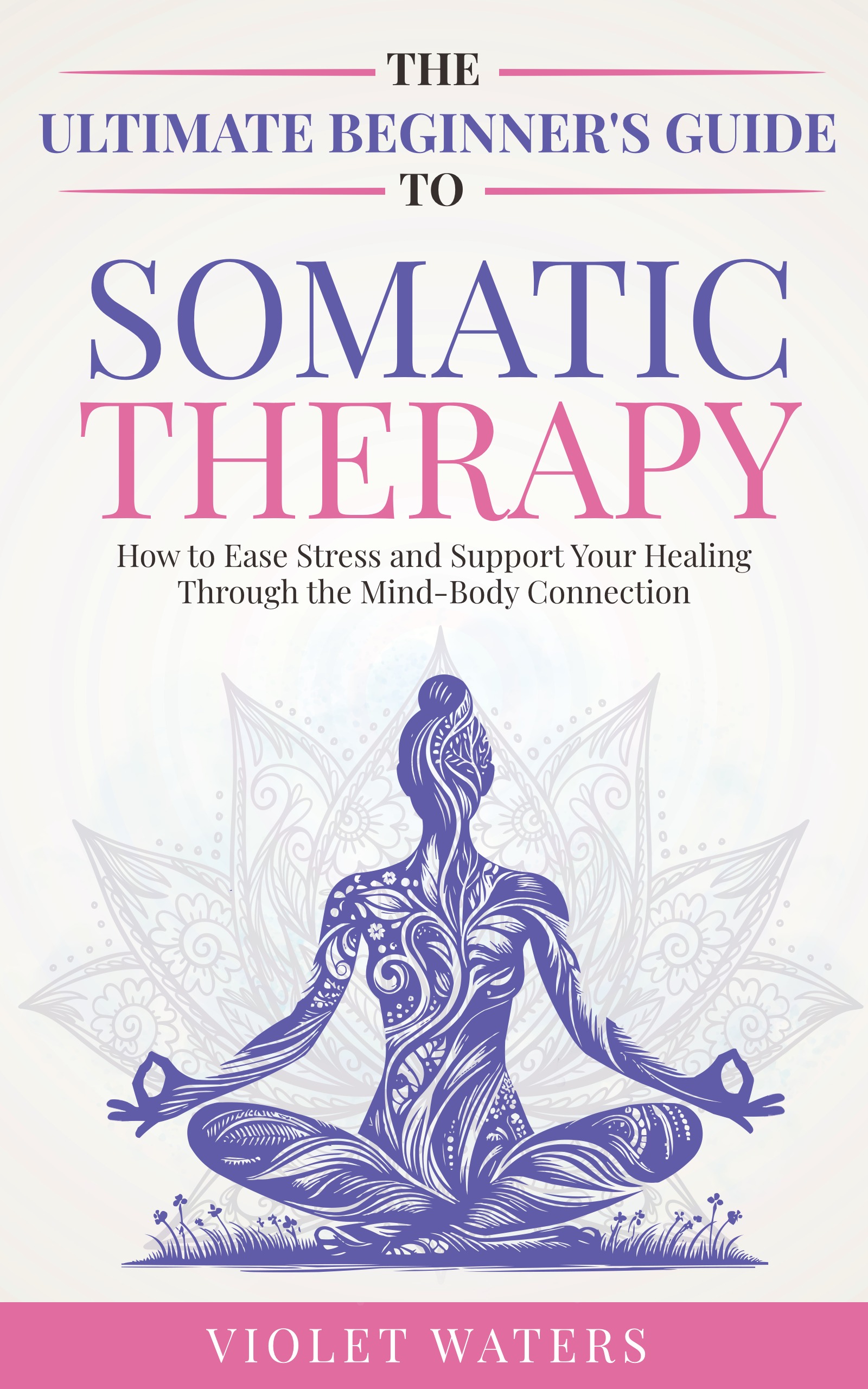
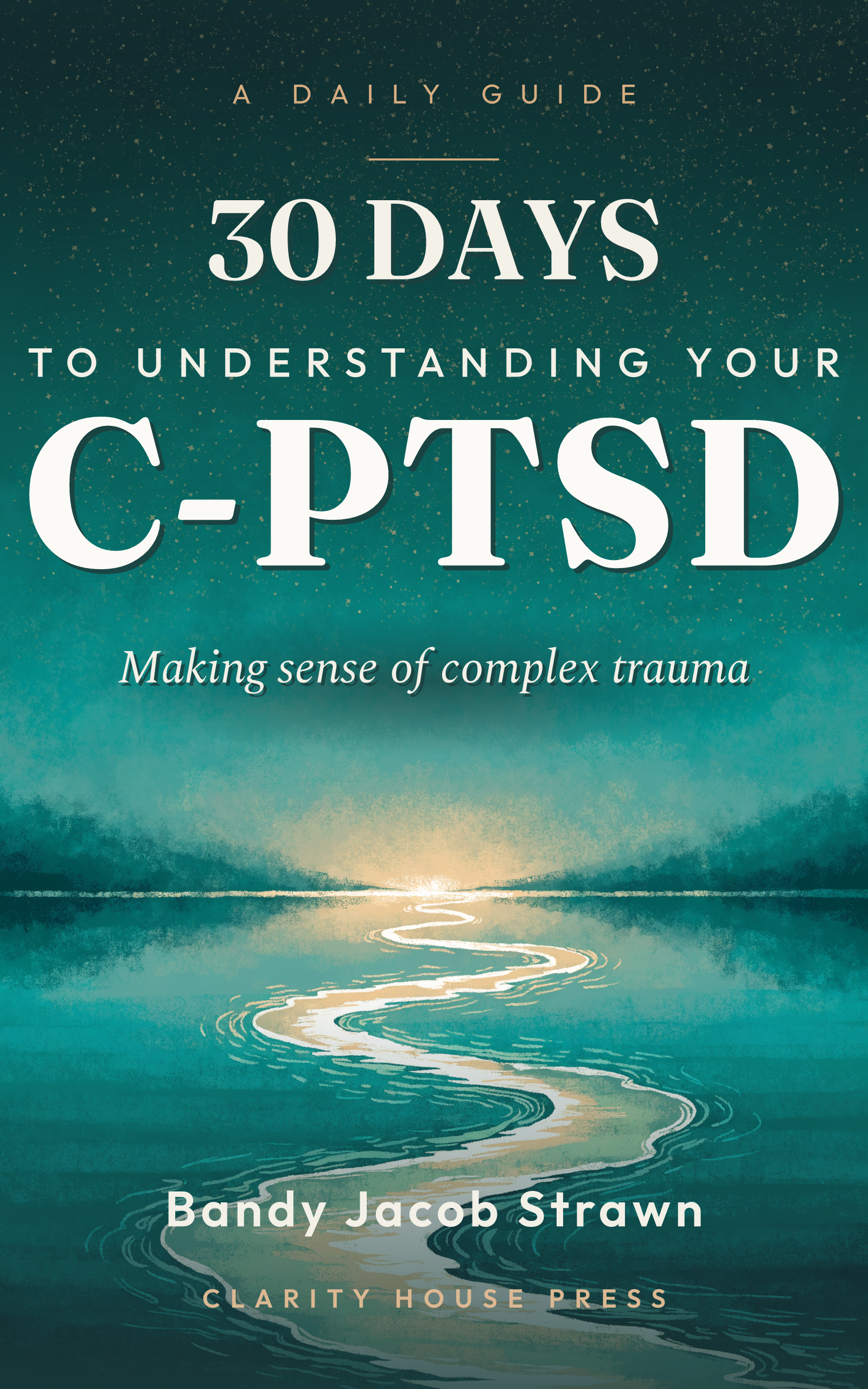

What My Bones Know: A Memoir of Healing from Complex Trauma
Stephanie Foo
A journalist's honest, hopeful account of living with and healing from complex PTSD, woven with the science behind it.
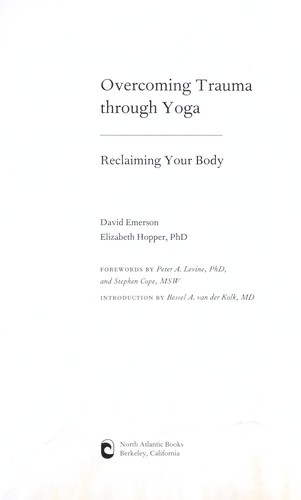
Overcoming Trauma through Yoga
David Emerson & Elizabeth Hopper, PhD
Evidence-based trauma-sensitive yoga program developed at the Trauma Center with Bessel van der Kolk.
As an Amazon Associate, Clarity House Press earns from qualifying purchases. Your price is never affected.
Found this helpful?
Share it with someone who might need it.
About the Author

Clarity House Press
Editorial Team
The editorial team at Clarity House Press curates and publishes evidence-based content on narcissistic abuse recovery, high-conflict divorce, and healing. Our content is informed by research, survivor experiences, and established trauma-informed approaches.
View all posts by Clarity House Press →Published by Clarity House Press Editorial Team