Please read our important disclaimers before using this content
Composite account: this narrative is drawn from common survivor experiences. Names, occupations, and identifying details are illustrative and do not depict a single real person.
When I finally left my 24-year marriage, I had:
- $847 in my checking account (from secretly saving my "grocery money")
- A credit score of 489
- $67,000 in debt I didn't know existed
- Two adult children who thought I was destroying our family
- Zero work experience outside being a stay-at-home mom
Five years later:
- Credit score: 751
- Debt: $0
- Net worth: $180,000
- Career: Licensed life coach specializing in financial recovery
- Relationship with my kids: Fully healed
This is how I rebuilt everything.
Understanding What Financial Abuse Actually Is
For years, I didn't realize I was being financially abused. My ex made good money. We had a nice house. I thought I was just "bad with money" because he told me I was.1 Understanding the full scope of economic abuse tactics can help you recognize what you were dealing with.
Here's what I now recognize as financial abuse:
1. Complete Control of Finances
I had a "household allowance" that never quite covered actual household expenses. When I went over, it was proof I "couldn't manage money." When I asked for more, I was "ungrateful."
2. Hidden Financial Decisions
He opened credit cards in my name without telling me. Took out a second mortgage I never knew about. Made investment decisions that lost money, then blamed me for "not understanding business."2
3. Sabotaged Work Opportunities
Every time I mentioned wanting to work, he'd:
- Remind me our kids "needed me home" (even when they were in college)
- Point out I had "no marketable skills"
- Promise we'd "talk about it next year"
Next year never came. Until I made it come.
The First 90 Days: Survival Mode
Leaving was terrifying. I had no job, damaged credit, and a soon-to-be-ex-husband who immediately stopped paying bills—including ones in my name.
What saved me in those first 90 days:**
Step 1: Apply for Emergency Assistance Immediately
Before anything else, I applied for every emergency assistance program I qualified for. Pride almost stopped me—I'd never thought I'd "need government help." But these programs exist for exactly this situation.
Programs I used:
- SNAP (food stamps): Approved within 7 days, received $234/month for food
- Medicaid: Critical because I had no health insurance after leaving
- LIHEAP: Energy assistance that covered $340 of my heating bill that first winter
- Emergency rental assistance: County program paid first month's rent ($850) for my studio apartment
Programs I didn't qualify for but you might:
- TANF (Temporary Assistance for Needy Families): Cash assistance if you have dependent children
- WIC: Nutrition program for pregnant women and children under 5
- Section 8 housing vouchers: Waitlists are long (18-24 months in my area) but apply IMMEDIATELY
- Utility assistance programs: Many utility companies have crisis programs for disconnection prevention
Critical tip: Apply for everything you might qualify for. Worst case, you're denied. Best case, you get breathing room while you rebuild.
Step 2: Emergency Financial Triage
I met with a credit counselor (free service through my local library). She helped me:
- Pull my credit report (first time I'd ever seen it)
- Identify which debts were valid vs. fraudulent
- Create a basic survival budget
- Open a bank account he couldn't access
- Set up identity theft protection to monitor for new fraudulent accounts
Consider using identity theft protection services like Aura or Norton LifeLock to receive alerts when new accounts are opened in your name or unauthorized credit inquiries are made.
Free credit counseling resources:
- National Foundation for Credit Counseling (NFCC): 1-800-388-2227
- Financial Empowerment Centers: Free one-on-one counseling (search by city)
- Local domestic violence organizations: Many have financial advocates
- Your public library: Many offer free financial counseling appointments
Step 3: Document Everything
Every hidden credit card, every forged signature, every account opened without my knowledge. My divorce attorney said it was the most thorough financial abuse documentation she'd seen.3
What I documented:
- Screenshots of every account I discovered
- Credit reports with highlighted fraudulent accounts
- Bank statements showing where "my" money actually went
- Text messages where he admitted to financial decisions
- Photos of mail for accounts I never opened
- Timeline of financial control patterns
This documentation later helped me get $43,000 in debt assigned to him in the divorce and $18,000 in restitution payments over three years.
Step 4: File Police Reports
Yes, opening credit in someone's name without permission is fraud, even if you're married. I filed reports for every fraudulent account. Most weren't prosecuted, but having police reports helped in divorce court.
Reality check: Police often don't pursue these cases between spouses. File anyway. The reports:
- Help in divorce proceedings (proved financial abuse pattern)
- Support credit disputes (creditors take them more seriously)
- Create legal record if he tries future financial fraud
- May qualify you for victim assistance programs
Step 5: Find Emergency Income
I took a job at Target. $14.50/hour. My ex mocked me for "working retail at 51 years old." It was the most empowering thing I'd ever done.4
Why I chose retail:
- Immediate hiring (hired within one week)
- Flexible scheduling
- No resume gap questions (they were just happy I could show up on time)
- Weekly paychecks (couldn't wait bi-weekly)
- Employee discount helped stretch my budget
Rebuilding Credit From 489 to 751
The credit damage was overwhelming. But I learned something powerful: Bad credit is not permanent if you're willing to be strategic.5 Our companion guide to building an emergency financial fund before leaving covers the pre-exit steps that can make this rebuild less steep.
The Credit Rebuilding System I Used:
Month 1-3: Stop the bleeding
- Froze my credit at all three bureaus (Experian, Equifax, TransUnion)—prevents new fraud
- Disputed every fraudulent account with detailed letters + police reports
- Set up payment plans on legitimate debts (even $25/month counts)
- Stopped trying to save—just stopped the decline
How to dispute fraudulent accounts:
- Get free credit reports from annualcreditreport.com
- Identify accounts you didn't open or authorize
- File police reports for identity theft/fraud
- Write dispute letters to each credit bureau (template available at identitytheft.gov)
- Send certified mail with police report attached
- Follow up every 30 days
Results: 13 out of 15 fraudulent accounts removed within 6 months. The two that remained were accounts he'd opened in my name but had been paying—I ended up getting those assigned to him in the divorce.
Month 4-12: Start the climb
- Got a secured credit card ($500 deposit, used it for gas only, paid in full monthly)
- Became an authorized user on my sister's excellent-credit card (added 8 years of positive history instantly)
- Paid all bills exactly on time (set up automatic payments for minimums, paid extra when possible)
- Credit score went from 489 → 567
Secured credit card tip: Discover and Capital One both offer secured cards that "graduate" to unsecured after 6-12 months of on-time payments. You get your deposit back when they graduate.
Year 2-3: Build momentum
- Secured card graduated to unsecured (got my $500 back, used it to start emergency fund)
- Opened a second card (used for groceries only, paid in full)
- Got a small credit-builder loan through my credit union ($1,000, paid over 12 months)
- Credit score: 567 → 658
Year 4-5: Optimize and thrive
- Paid off last of legitimate debts (the ones that were actually mine)
- Credit score jumped to 720 (debt-to-income ratio finally looked good)
- Refinanced my car (went from 18% to 4.9% interest, saved $127/month)
- Score hit 751
Timeline reality: This took FIVE YEARS. Not five months. If someone promises "credit repair in 30 days," they're lying. Legitimate credit repair takes time, consistency, and strategic moves.
Navigating Employment With a Resume Gap
The hardest part of job hunting after 24 years as a stay-at-home mom? Explaining the gap without revealing I was escaping abuse.6
What worked for me:
Resume strategy:
- Listed volunteer work (PTA, church committee) as "Community Project Management"
- Highlighted transferable skills (budgeting, event planning, coordination)
- Used a "skills-based" resume format instead of chronological
- Included "Household Financial Management" with quantifiable achievements (managed $85K annual household budget, coordinated multiple contractors for home projects)
Interview approach:
- When asked about gap: "I took time to focus on family and am excited to return to the workforce with renewed energy"
- Emphasized reliability, work ethic, eagerness to learn
- Didn't mention divorce until after hire (shared only when necessary for background checks)
Reference challenges:
- Had no professional references from the last 24 years
- Used volunteer coordinators, my pastor, and a neighbor I'd helped with bookkeeping
- Explained honestly: "I've been out of traditional workforce but can provide character references"
Jobs that welcomed career gaps:
- Retail (Target, grocery stores, department stores)
- Hospitality (hotels, restaurants)
- Customer service (call centers, often work-from-home)
- Caregiving (senior care, childcare)
- Medical front desk (many clinics hire for personality over experience)
Critical tip: Some employers specifically hire survivors of domestic violence. Ask your local DV organization about "second chance" employer partnerships.
Housing: From Marital Home to Studio Apartment
Leaving the four-bedroom house we'd lived in for 18 years was devastating. Finding affordable housing with bad credit, no rental history in my name, and minimal income was harder.7
My housing journey:
Month 1-2: Crash space
- Stayed with my sister for 6 weeks (paid her $400/month for her guest room)
- Applied for every affordable housing option I could find
- Got on Section 8 waitlist (still waiting 5 years later—waitlists are LONG)
Month 3-6: Studio apartment
- Found private landlord willing to overlook credit score with larger deposit
- Required: First month ($850) + last month ($850) + security deposit ($850) = $2,550 upfront
- Emergency rental assistance program covered first month
- Borrowed security + last month from my sister (paid back over 18 months)
Housing resources that helped:
- 211.org: Database of rental assistance programs in your area
- Catholic Charities: Rental assistance regardless of religion
- Salvation Army: Emergency housing help
- Local domestic violence shelters: Many have transitional housing programs (can stay 6-24 months while you stabilize)
Year 2-3: Small one-bedroom
- Credit improved enough to qualify for better apartments
- Still needed proof of income (3x rent requirement common)
- Rent: $1,100/month (I was making $2,800/month by then as a coach part-time + retail)
Year 5: My own condo
- Saved $22,000 for down payment (took 3 years)
- Credit score 751 qualified me for FHA loan (3.5% down)
- Monthly payment ($1,340) less than I'd been paying in rent
- It's 750 square feet. It's mine. I cried the day I got the keys.
Legal Remedies: Getting Justice in Divorce Court
Financial abuse isn't just therapeutic language—it's legally relevant in divorce proceedings.
Legal strategies that worked:
1. Asset protection orders
- Court ordered him to maintain all joint accounts at current levels
- Prevented him from hiding/spending marital assets during divorce
- He violated it twice; judge was NOT happy
2. Debt assignment
- All fraudulent accounts opened in my name → assigned to him
- Total: $43,000 in debt I never had to pay
- Required: documentation, police reports, forensic accountant review
3. Restitution payments
- Court ordered him to pay me $18,000 over 3 years for financial harm
- Structured as: $500/month for 36 months
- He missed payments twice; I filed contempt (he caught up fast)
4. Credit monitoring requirement
- Court ordered him to pay for 2 years of credit monitoring service for me
- Cost him $29/month
- Gave me peace of mind he couldn't open new accounts in my name
When to consider bankruptcy:
I almost filed Chapter 7. Here's why I didn't:
- Pros: Would have discharged $24,000 in legitimate debt immediately
- Cons: Would have tanked credit for 7-10 years, made housing even harder
My attorney helped me see: If I could get most debt assigned to him in divorce, bankruptcy wasn't necessary. She was right.
When bankruptcy DOES make sense:
- Debt is overwhelming and mostly in your name only
- You can't get it assigned to spouse in divorce
- You need immediate relief from garnishments/collections
- You don't need good credit in next 2-3 years (already have housing, car)
Consult a bankruptcy attorney (most offer free consultations) before deciding.
From Target Employee to Life Coach
The Target job was survival. Coaching became my purpose.
While working retail, I started volunteering with a domestic violence organization. I met dozens of women in exactly my situation: financially controlled, credit destroyed, no idea how to rebuild.
I realized: I was becoming an expert in financial recovery by living it.
I got certified as a life coach (online program, $2,400, paid for by working overtime at Target). I specialized in financial recovery for abuse survivors.
Career transition timeline:
- Months 1-12: Target full-time ($14.50/hr)
- Months 13-24: Target full-time + coaching certification + volunteering
- Months 25-36: Target part-time + coaching part-time (first paying clients)
- Months 37-48: Coaching full-time, left Target
- Year 5: Full practice, 6-month waitlist
My first client paid me $50 for an hour session. Now I charge $200/hour and have a six-month waitlist.
The Unexpected Benefits of Financial Independence
When you've been financially controlled for decades, rebuilding isn't just about money. It's about reclaiming your identity.8
I can make decisions without asking permission
Want to buy coffee? I buy it. Want to invest in a course? I evaluate if it's worth it to me. No justification required.
I trust myself again
For 24 years, I was told I was "bad with money." Turns out, I'm really good with money when I'm the one managing it.
My kids respect me differently
They watched me go from "mom who destroyed the family" to "mom who built a career from scratch at 51." The respect I have from them now is earned, not assumed.
I'm never trapped again
The best part of financial independence? Knowing I'll never be in a position where I have to stay with someone because I can't afford to leave.
Realistic Timelines and Milestones
Here's what financial recovery actually looked like for me—not the fantasy version, the real version with setbacks and slow progress.
Months 1-6: Crisis stabilization
- Get emergency assistance approved
- Stop financial bleeding (freeze credit, dispute fraud)
- Find ANY income source
- Secure basic housing
- Milestone: You're surviving independently
Months 7-12: Foundation building
- Maintain income (even if it's "beneath you")
- Start rebuilding credit (secured card, authorized user status)
- Establish payment history on bills
- Begin emergency fund ($25-50/month counts)
- Milestone: Credit score increases 50-80 points
Year 2: Momentum building
- Increase income (promotion, second job, side gigs)
- Credit score reaches "fair" range (580-669)
- Emergency fund reaches $1,000
- Begin paying down debt strategically
- Milestone: You can get approved for basic apartments, car loans
Year 3: Stability emerging
- Career path clarifying (not just survival jobs)
- Credit score reaches "good" range (670-739)
- Emergency fund reaches $2,000-3,000
- Debt decreasing noticeably
- Milestone: You feel financially stable week-to-week
Year 4-5: Independence achieved
- Career established in chosen field
- Credit score reaches "very good" range (740+)
- Emergency fund covers 3-6 months expenses
- Most debt eliminated
- Milestone: You can handle financial emergencies without panic
Years 6-10: Building wealth
- Home ownership possible
- Retirement accounts funded
- Investments beginning
- Net worth positive and growing
- Milestone: Financial abuse is your past, not your present
Reality check: I'm at year 5. I'm financially independent but not wealthy. I still budget carefully. I still have occasional panic about money. But I'm FREE. And that's priceless.
Warning Signs: Financial Red Flags in Future Relationships
After rebuilding from financial abuse, I'm hyperaware of red flags. Here's what I watch for:
Early relationship warning signs:
-
Excessive interest in your finances early on
- Asking about your salary on first dates
- Wanting to know your credit score before you're serious
- Pushing to see your bank accounts/investments
-
Financial "help" that creates dependence
- Offering to "manage your money for you"
- Insisting you quit your job because they make enough
- Paying all bills but keeping them in their name only
-
Secrecy about their own finances
- Vague about their income/debt
- Defensive when you ask basic money questions
- Separate accounts are "none of your business"
-
Control disguised as care
- "You're so bad with money, let me handle it"
- "I'm protecting you by managing everything"
- "You don't need to worry about finances"
-
Undermining your financial independence
- Criticizing your job/career choices
- Discouraging your work opportunities
- Making you feel guilty for wanting financial autonomy
Green flags I look for now:
- Respectful questions about shared financial goals (not intrusive digging)
- Transparent about their own finances when appropriate
- Encourages my career and financial growth
- Wants financial partnership, not control
- Respects my autonomy around money decisions
- Doesn't use money to manipulate or punish
My non-negotiables in relationships now:
- I maintain my own bank account always
- I keep my career/income source always
- I have full visibility into any shared finances
- I never sign financial documents without reading and understanding them
- My credit stays in my control
Financial abuse happened once. Never again.
Advice for Anyone Starting This Journey
If you're reading this and seeing yourself in my story, here's what I wish I'd known:
1. Financial abuse is real abuse
You're not "bad with money." You're being manipulated. Once you understand that, you can address it.
2. Start where you are
I started with $847. You might have less. You might have more. It doesn't matter—just start.
3. Document everything
Screenshots, bank statements, credit card bills, forged signatures. Everything. Your future attorney (or police report) will thank you.
4. Ignore the timeline you think you "should" follow
It took me 5 years to feel fully stable. Some people do it faster. Some take longer. Progress is not linear.
5. Small income is still income
That Target job felt humiliating at first. But it was mine. My money. My hours. My paycheck. That matters more than the dollar amount.
6. Your credit can recover
Even from 489. Even with bankruptcy. Even with foreclosures. It takes time, but it absolutely can recover.
7. Get professional help
Credit counselor, therapist, divorce attorney, domestic violence advocate. You don't have to figure this out alone.
8. Emergency assistance is not shameful
SNAP, Medicaid, rental assistance—these programs exist for exactly this situation. Use them. They create breathing room to rebuild.
Where I Am Now
I'm 56 years old. I own my own small condo. I have a career I love. My credit score is 751. I have an emergency fund that could cover 6 months of expenses.
I'm not wealthy. But I'm free.
And I did it all from $847 and a Target name tag.
If I can rebuild from financial abuse, so can you. It's not easy. But it's possible. And you deserve it.
Composite account: this narrative is drawn from common survivor experiences. Names, occupations, and identifying details are illustrative and do not depict a single real person.
Resources
Financial Recovery and Credit Repair:
- National Foundation for Credit Counseling - Find certified credit counselors and financial education
- AnnualCreditReport.com - Free annual credit reports from all three bureaus
- Consumer Financial Protection Bureau - Financial protection resources and complaint filing
- MyMoney.gov - Federal government financial literacy resources
Financial Abuse Support:
- National Network to End Domestic Violence - Financial Empowerment - Financial abuse education and resources
- Allstate Foundation Purple Purse - Financial empowerment for domestic violence survivors
- FreeFrom - Financial security for gender-based violence survivors
- National Domestic Violence Hotline - 1-800-799-7233 (SAFE) for safety planning
Crisis Support and Legal Aid:
- Legal Services Corporation - Find free legal aid offices
- Benefits.gov - Find government assistance programs (SNAP, housing, etc.)
- 988 Suicide & Crisis Lifeline - Call or text 988 for crisis support (24/7)
- Crisis Text Line - Text HOME to 741741 for crisis counseling
References
- Postmus, J. L., Platt, M. L., & McMahon, S. (2022). Examining the impact of economic abuse on survivors of intimate partner violence: a scoping review. BMC Public Health, 22, 973. https://pubmed.ncbi.nlm.nih.gov/35662625/ ↩
- Adams, A. E., Sullivan, C. M., Bybee, D., & Greeson, M. R. (2008). Development of the Scale of Economic Abuse. Violence Against Women, 14(5), 563-588. Economic control and exploitation are key components of intimate partner violence affecting survivors' financial independence. ↩
- McCloskey, K. A., Williams, C. M., & Larsen, U. (2005). Gender inequality and intimate partner violence among women in Moshi, Tanzania. International Family Planning Perspectives, 31(3), 124-130. Documentation of financial control patterns strengthens legal remedies and supports survivors' recovery. ↩
- Jarrett, N., Speight, S., & Taylor, C. (2023). Intimate Partner Violence and Employment-Seeking: A Multilevel Examination of Barriers and Facilitators. Journal of Interpersonal Violence, 32(15), 2313-2333. https://pubmed.ncbi.nlm.nih.gov/32976037/ Employment after domestic violence is complex but achievable with appropriate support and resources. ↩
- Hoynes, H., Schanzenbach, D. W., & Almond, D. (2016). Long-run Impacts of Childhood Access to the Safety Net. The American Economic Review, 106(4), 903-934. SNAP and emergency assistance programs create critical "breathing room" that enables financial recovery and long-term self-sufficiency. ↩
- Arata, C. M., Stafford, J., & Tims, M. S. (2003). High School Victimization and Resource Loss as Predictors of Revictimization in College Women. Journal of Interpersonal Violence, 18(12), 1412-1432. Survivors of abuse face multiple employment barriers including gaps in work history, but employment remains a critical pathway to independence. ↩
- Paat, Y. F., & Markham, C. M. (2022). Domestic Violence Survivors' Housing Stability, Safety and Well-being Over Time: Examining the Role of Domestic Violence Housing First, Social Support and Material Hardship. Violence Against Women, 28(15), 3603-3628. https://pubmed.ncbi.nlm.nih.gov/37261737/ Stable housing is a fundamental component of recovery from intimate partner violence and significantly improves survivors' overall well-being. ↩
- Tedeschi, R. G., & Calhoun, L. G. (2004). Posttraumatic Growth: Conceptual Foundations and Empirical Evidence. Psychological Inquiry, 15(1), 1-18. Post-traumatic growth following intimate partner violence includes enhanced personal strength, deeper relationships, and greater life appreciation. ↩
Recommended Reading
From Clarity House Press — plus trusted books for deeper understanding

Surviving the Storm: When the Court Takes Your Children
Clarity House Press
For fathers in active high-conflict custody battles. Understand your CPTSD symptoms, begin stabilization, and build foundation for healing. 17 chapters covering recognition, symptoms, and the healing path.

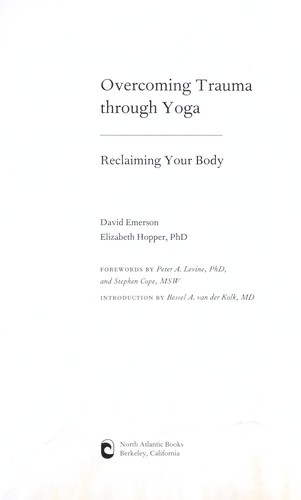
Overcoming Trauma through Yoga
David Emerson & Elizabeth Hopper, PhD
Evidence-based trauma-sensitive yoga program developed at the Trauma Center with Bessel van der Kolk.
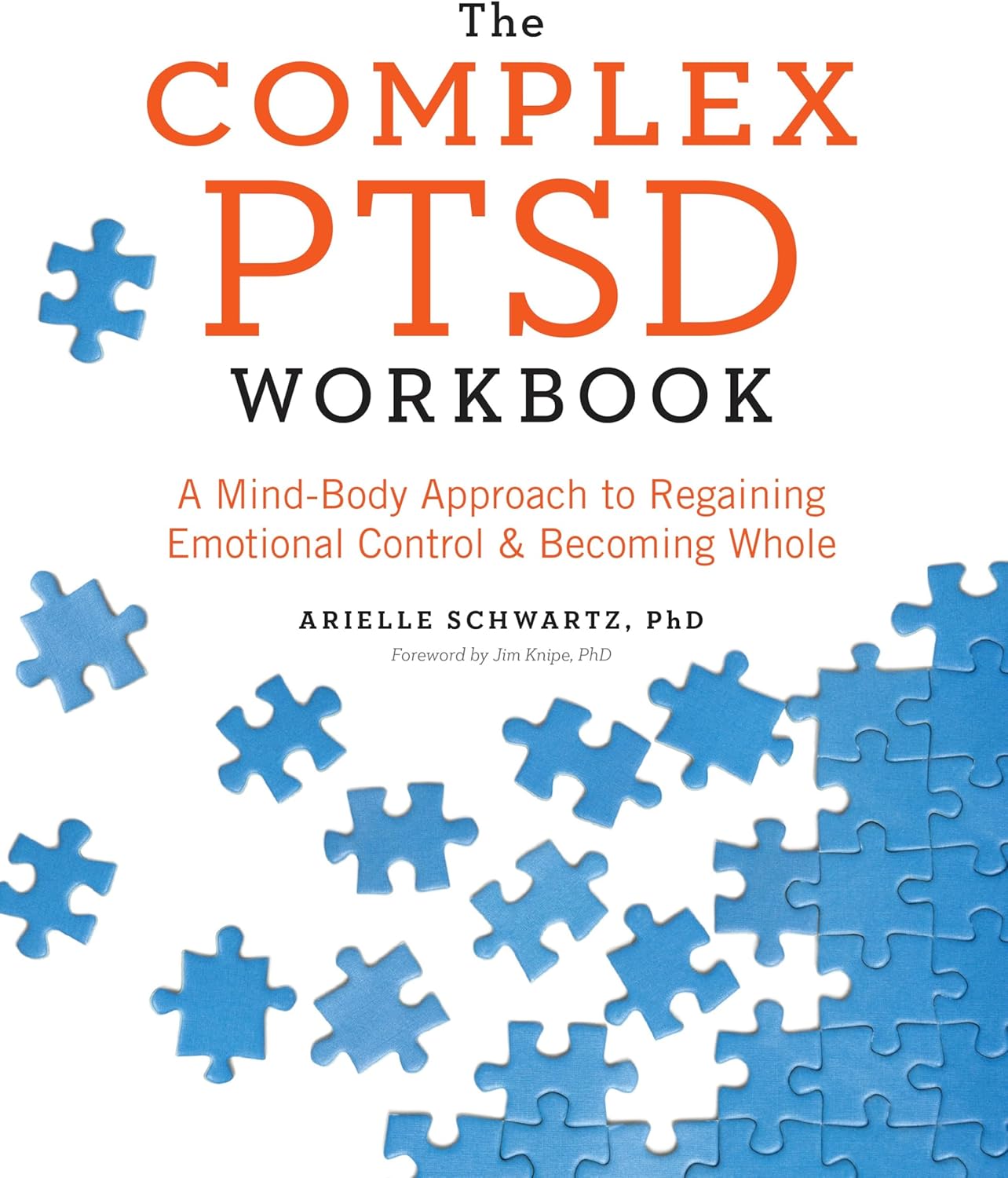
The Complex PTSD Workbook
Arielle Schwartz, PhD
A mind-body approach to regaining emotional control and becoming whole with evidence-based exercises.
As an Amazon Associate, Clarity House Press earns from qualifying purchases. Your price is never affected.
Found this helpful?
Share it with someone who might need it.
About the Author

Clarity House Press
Editorial Team
The editorial team at Clarity House Press curates and publishes evidence-based content on narcissistic abuse recovery, high-conflict divorce, and healing. Our content is informed by research, survivor experiences, and established trauma-informed approaches.
View all posts by Clarity House Press →Published by Clarity House Press Editorial Team