Please read our important disclaimers before using this content
The email from your licensing board lands like a bomb: "A complaint has been filed regarding your professional conduct." Your stomach drops. You know exactly who filed it—your ex, retaliating for your custody motion. The complaint alleges substance abuse, professional negligence, and mental instability. None of it is true. But you're a physician, therapist, attorney, nurse, or other licensed professional, and your career—your ability to support yourself and your children—is now under attack.
Professional license complaints are a devastating tactic in high-conflict divorce1, weaponizing regulatory systems to harass, intimidate, and financially cripple targeted spouses. Whether you're a doctor, lawyer, therapist, nurse, accountant, real estate agent, or any other licensed professional, understanding how to protect your license is critical to protecting your future. This tactic fits within the broader pattern of economic abuse tactics and financial control used to maintain power during and after separation.
Why Licenses Are Targeted
Maximum Impact, Minimal Accountability
For the high-conflict ex, licensing board complaints offer:
Significant harm to you:
- Threat to career and income
- Expensive defense costs
- Emotional distress and reputational damage
- Public record (in many states)
- Potential loss of livelihood
Low risk to them:
- Complaints are typically confidential initially
- Filing is free or low-cost
- Boards must investigate, creating burden on you2
- Even frivolous complaints require your response
- Hard to prove malicious intent
Strategic timing: Often filed during custody battles or financial discovery to:
- Drain your resources (attorney fees for licensing defense)
- Create evidence of "instability" for custody evaluation
- Pressure you to settle unfavorably
- Retaliate for legal actions you've taken
Common Allegations
Substance abuse: "I've observed my ex drinking excessively and I'm concerned about their ability to practice safely."
Mental health issues: "My ex is having a mental breakdown. They're unstable and shouldn't be treating patients/representing clients/etc."
Professional misconduct: "My ex is sleeping with clients/patients/colleagues" or "My ex is stealing from the practice"
Neglect of duties: "My ex is so distracted by our divorce that they're not properly serving their clients/patients"
Boundary violations: Claims of unethical behavior, often fabricated or wildly exaggerated
How Licensing Board Investigations Work
The Process
1. Complaint Filed
- Anyone can file (patient, family member, colleague, ex-spouse)
- Often anonymous initially or confidential
- Board assigns investigator
2. Notification
- You receive notice of complaint (timing varies—weeks to months after filing)
- May include allegations or may be vague initially
- Deadline to respond (typically 30-60 days)
3. Investigation3
- Board reviews complaint and your response
- May interview complainant
- May request additional documents
- May interview you
- May interview witnesses or colleagues
- May inspect workplace
4. Determination
- Dismiss (no violation found)
- Informal resolution (education, monitoring, informal agreement)
- Formal disciplinary action (reprimand, probation, suspension, revocation)
5. Appeal (if disciplinary action taken)4
- Administrative hearing
- Appeal to court
- Process can take years
Timeline
Typical investigation: 6 months to 2+ years Complex cases: Years
During investigation:
- Your license typically remains active (unless emergency suspension)
- Complaint may be public or confidential (varies by state and profession)
- You may need to disclose investigation to employers, insurers
Immediate Steps When You Receive Notice
1. Hire Specialized Attorney Immediately
Not your divorce attorney** (unless they also specialize in licensing defense)
You need:
- Attorney experienced in licensing board defense
- Specific experience with your profession's board
- Knowledge of board procedures and personnel
- Track record with similar cases
Why this matters:
- Licensing defense is specialized
- Responses are technical and strategic
- Your career is at stake
- DIY responses often make things worse
How to find:
- Professional association referrals
- Board-certified specialists in professional licensing law
- Attorneys who regularly appear before your licensing board
Cost:
- $5,000 - $50,000+ depending on complexity
- Often worth every penny to protect your career
2. Don't Respond on Your Own
Resist the urge to:**
- Write emotional rebuttal immediately
- Contact board directly without attorney
- Contact your ex to demand they withdraw complaint
- Discuss with colleagues or post on social media
Why:
- Anything you say can be used against you
- Emotional responses hurt your credibility
- You don't know full scope of allegations yet
- Your response is legal evidence
Instead:
- Forward notification to attorney immediately
- Preserve all evidence
- Follow attorney's guidance exclusively
3. Preserve Evidence
Gather immediately:**
- All communications with ex
- Medical records (if allegations involve substance use or mental health)
- Work performance reviews
- Attendance records
- Billing records
- Patient/client satisfaction surveys
- Colleague testimonials
- Emails or documents refuting specific allegations
Why:
- Memory fades
- Documents get deleted or lost
- You may need to prove your competence and stability
- Counter-evidence is critical
4. Inform Key People Strategically
Tell:**
- Your employer (requirements vary—check employment contract)
- Your malpractice insurer (policy may require notification)
- Business partners (if applicable)
Don't tell:
- Everyone you know
- Patients/clients (unless required)
- Social media
- Your ex (through your divorce attorney if strategic, not directly)
Work with your attorney to determine disclosure obligations and strategy
5. Secure Your Practice/Workplace
If you have access to:**
- Patient/client files
- Financial records
- Prescription pads
- Controlled substances
- Any documentation relevant to allegations
Ensure:
- All records are secure and backed up
- Access logs are clear
- Nothing can be tampered with or deleted
- You have copies of everything
Why:
- Ex may try to plant evidence
- Ex may allege evidence destruction
- You need to prove your practices are sound
Building Your Defense
Understanding the Standard
Licensing boards evaluate:
- Whether allegations, if true, would violate professional standards
- Credibility of evidence
- Your professional history and reputation
- Risk to public safety
- Your responsiveness and cooperation
Boards care about:
- Public protection (primary concern)
- Professional competence
- Ethical behavior
- Fitness to practice
Boards are less influenced by:
- Your divorce circumstances
- Who's "winning" the divorce
- Personal sympathy
- Family court findings (though they may consider)
Crafting Your Response
Your attorney will help you:
1. Address Each Allegation Specifically
- Don't ignore any allegation as "ridiculous"
- Provide point-by-point rebuttal
- Include supporting evidence for each point
2. Provide Context
- Explain this arises from high-conflict divorce
- Provide timeline showing correlation between divorce actions and complaint
- Don't make it solely about divorce (boards care about public protection, not your personal issues)
3. Demonstrate Professional Competence
- Performance reviews
- Patient/client satisfaction
- Continuing education
- Awards or recognition
- Lack of prior complaints
- Testimonials from colleagues or supervisors
4. Address Substance Abuse or Mental Health Allegations5
- Clean drug/alcohol tests
- Letter from treating physician or therapist
- Evidence of treatment if you've sought help for legitimate issues (seeking treatment is viewed positively)
- Work attendance and performance records
5. Provide Character Witnesses
- Colleagues who can attest to your professionalism
- Supervisors or partners
- Patients/clients (if appropriate and permitted)
- Professional references
6. Demonstrate Pattern of False Allegations
- History of ex making false claims in family court
- CPS investigations that were unfounded
- Police reports where no charges filed
- Pattern of retaliatory complaints after you take legal action
7. Show Lack of Evidence
- "There are no patient complaints, no workplace incidents, no documentation because this never happened"
- Request board dismiss for lack of evidence
What Not to Do
Don't:
- Attack your ex personally in response
- Claim board is being manipulated (even if true—focus on facts)
- Provide incomplete or evasive answers
- Miss deadlines
- Fail to cooperate fully
- Badmouth the board or process
Why:
- Credibility is everything
- Boards punish non-cooperation
- You want to appear professional, not vindictive
- Focus on facts, not emotions
Special Circumstances
If Allegations Have Any Truth
If you legitimately:
- Struggled with substance use
- Had mental health crisis
- Made a professional error
Don't:
- Deny or minimize
- Lie
- Hide treatment or incidents
Do:
- Be honest
- Show you've addressed the issue
- Provide evidence of treatment, recovery, remediation
- Demonstrate current fitness to practice
- Work with your attorney on strategy
Why:6
- Boards look favorably on rehabilitation
- Cover-ups are far worse than honest disclosure
- Many professionals successfully continue practicing after treatment
- Dishonesty can result in license loss when truth wouldn't have
If You're Mandated to Report
Some professions require:7
- Self-reporting of arrests, complaints, or disciplinary actions
- Disclosure to employers or insurers
- Notification to patients/clients in some cases
Failure to report can result in:
- Separate violation
- More severe discipline
- Criminal charges in some cases
Work with attorney to:
- Understand your reporting obligations
- Craft appropriate disclosures
- Minimize damage while complying
If Investigation Becomes Public
In some states/professions:
- Complaints become public
- Disciplinary actions are public record
- Your name appears in public database
Manage reputational impact:
- Consult with PR professional if needed
- Prepare statement for patients/clients/colleagues
- Address proactively rather than hiding
- Focus on facts: "A complaint was filed during my divorce. I've fully cooperated with the investigation and am confident in the outcome."
Parallel Proceedings: Licensing and Family Court
Strategic Considerations
Divorce attorney and licensing attorney must coordinate:
- Statements in one proceeding can affect the other
- Ex may use licensing complaint as evidence in custody case
- Findings in family court may be considered by licensing board
Risks:
- Admission in family court can be used by licensing board
- Protective orders or findings of domestic violence may trigger licensing review
- Mental health or substance abuse findings can support licensing allegations
Strategy:
- Legal team must be aligned
- Carefully consider what you admit or stipulate to in family court
- Understand how family court findings will affect licensing defense
- Sometimes settle family court issues to prevent licensing impact; sometimes fight to prevent findings that affect license
Using Family Court Findings Defensively
If family court has:
- Found ex's allegations unfounded
- Issued protective order against ex
- Found ex engaged in parental alienation
- Documented ex's false allegations pattern
- Ordered custody evaluation that refutes allegations
These can support your licensing defense:
- "The family court specifically found these allegations to be false"
- "The custody evaluator found no evidence of substance abuse"
- "CPS investigated and found allegations unsupported"
Your licensing attorney can submit:
- Family court orders
- Custody evaluation reports
- CPS reports
- Findings of fact
Financial Considerations
Costs of Defense
Typical expenses:8
- Attorney fees: $10,000 - $100,000+
- Expert witnesses: $5,000 - $20,000
- Lost work time for hearings, interviews
- Stress and emotional toll
In high-conflict divorces:
- This may be precisely ex's goal (drain resources)
- Cost of defense may exceed what you're fighting over in divorce
- May pressure you to settle divorce unfavorably to end licensing threat
Protecting Yourself Financially
Consider:
- Professional liability insurance may cover some costs (check policy)
- Some bar associations or professional groups offer defense insurance
- Tax deductibility of legal fees (consult CPA)
- Payment plans with attorney
Document costs:
- May be recoverable in divorce if you can prove malicious complaint
- Family court may consider in property division
- Could support claim for attorney fees
Prevention Strategies
Before Divorce (If Possible)
If you suspect divorce is coming:
- Secure your professional reputation proactively
- Ensure impeccable documentation of your practice
- Request recent performance reviews
- Document any concerning behavior by spouse
- Consult with licensing defense attorney preemptively
During Divorce
Protective measures:
- Maintain pristine professional conduct
- Document everything
- Be above reproach in professional life
- Keep detailed records
- Have witnesses to interactions with ex
Communication strategies:
- All communication about children through controlled methods like TalkingParents or OurFamilyWizard
- Gray rock method—minimal, unemotional responses that give your ex nothing to work with
- No emotional reactions that can be spun as "instability"
Anticipate:
- Complaint may be filed at strategic moment (before custody hearing, during settlement negotiations)
- Be prepared to respond quickly
- Have evidence organized
Seeking Sanctions Against Ex
In family court:
- File motion for sanctions
- Allege malicious use of legal system
- Request attorney fees
- Seek protective order preventing further complaints
Success varies:
- Depends on jurisdiction
- Requires clear evidence of malice
- May be worth it to deter future complaints
- May backfire if not handled carefully
Work with divorce attorney on strategy and timing
After Investigation Concludes
If Dismissed
Celebrate, but:
- Understand whether dismissal is on record
- Determine if/how it can be used in family court
- Consider whether to seek public exoneration
- Document outcome thoroughly
Use strategically:
- In custody proceedings ("board found no merit")
- To deter future complaints
- To support sanctions motion in family court
If Disciplinary Action Taken
Understand your options:
- Appeal
- Comply with terms
- Rehabilitation
- Monitoring
Impact:
- Public record
- Affects employment
- May affect divorce (income, custody)
- Future career implications
Long-term strategy:
- Work with attorney on rehabilitation/appeal
- Comply meticulously with any terms
- Document compliance
- Plan for career impact
Your Next Steps
Upon receiving complaint:
- Hire licensing defense attorney immediately
- Preserve all evidence
- Inform required parties (employer, insurer)
- Do not respond without attorney guidance
During investigation:
- Cooperate fully
- Provide thorough, factual responses
- Meet all deadlines
- Maintain professional conduct
- Coordinate with divorce attorney
Preventively:
- Maintain impeccable professional standards
- Document everything
- Anticipate complaint may be filed
- Have evidence organized and ready
Key Takeaways
- Professional license complaints are a common high-conflict divorce tactic, weaponizing regulatory systems
- Hire specialized licensing defense attorney immediately—this is not DIY
- Do not respond emotionally or without attorney guidance
- Preserve all evidence and demonstrate professional competence
- Address each allegation specifically with supporting evidence
- Coordinate with divorce attorney—proceedings affect each other
- Even frivolous complaints require serious, strategic response
- Prevention includes impeccable conduct and documentation during divorce
- Boards care about public protection; frame defense accordingly
- Successful defense protects your career, income, and children's financial security
Your professional license is your livelihood and your children's financial security. An ex who files false licensing complaints is weaponizing professional regulation to control, punish, and impoverish you. Take it seriously, respond strategically with expert help, and protect the career you've worked years to build. This is not about your marriage—it's about your professional integrity and fitness. Defend it accordingly. If you also need to repair the broader reputational damage your ex has inflicted, see professional reputation repair: when your ex sabotaged your career.
Resources
Professional License Defense:
- National Association of Professional Licensing Specialists - Find attorneys specializing in professional license defense
- American Bar Association - Administrative Law Section - Administrative law resources and attorney directory
- Federation of State Medical Boards - Information on medical licensing and discipline processes
- State Bar Associations - Find licensing defense attorneys by state
Divorce and Legal Support:
- American Academy of Matrimonial Lawyers - Find family law attorneys experienced with high-conflict divorce
- National Domestic Violence Hotline - 1-800-799-7233 (SAFE) for safety planning and legal advocacy
- WomensLaw.org - State-specific legal information for divorce and protective orders
- Legal Services Corporation - Find legal aid offices
Crisis Support and Mental Health:
- Psychology Today - Therapists - Find therapists specializing in professional stress and trauma
- 988 Suicide & Crisis Lifeline - Call or text 988 for crisis support (24/7)
- Crisis Text Line - Text HOME to 741741 for crisis counseling
- Employee Assistance Programs (EAP) - Free confidential counseling through many employers
References
- Campbell, A. M. (2022). Post-separation abuse: A literature review connecting tactics to harm. Journal of Family Violence, 38(1), 1-15. https://pmc.ncbi.nlm.nih.gov/articles/PMC11114442/ ↩
- Colorado Division of Real Estate. (2025). Complaint investigation and resolution procedures. Colorado Department of Regulatory Agencies. https://dre.colorado.gov/division-notifications/licensee-advisory-what-happens-if-a-complaint-is-filed-against-my-license ↩
- Michigan Department of Licensing and Regulatory Affairs. (2024). Investigation procedures for licensed professional complaints. State of Michigan Bureau of Professional Licensing. https://www.michigan.gov/lara/bureau-list/bpl/complaint/health/what-happens-after-a-complaint-is-filed ↩
- Office of Administrative Law Judges. (2015). Rules of practice and procedure for administrative hearings. Federal Register, 80(97), 28945-28965. https://www.federalregister.gov/documents/2015/05/19/2015-11586/rules-of-practice-and-procedure-for-administrative-hearings-before-the-office-of-administrative-law-judges ↩
- NPDB/ECCL Data Bank. (2024). Reporting of state licensure and certification actions. Health Resources & Services Administration. https://www.npdb.hrsa.gov/guidebook/EStateLicensureActions.jsp ↩
- King, K. M., Oswald, F., & Yalcin, B. (2023). Licensure actions against psychiatric clinicians: A cohort analysis of national practitioner database reports. American Journal of Psychiatry, 180(7), 523-531. https://pmc.ncbi.nlm.nih.gov/articles/PMC11745757/ ↩
- Kaufman, A., Schwartz, M. D., Murphy, T. K., & Doss, A. E. (2018). Success rates of monitoring for healthcare professionals with a substance use disorder: A meta-analysis. Journal of Substance Abuse Treatment, 98, 42-50. https://pmc.ncbi.nlm.nih.gov/articles/PMC7828295/ ↩
- Halter, M. J., & Loewenstein, S. (2020). Barriers to mental illness and substance abuse treatment among physicians and the impact on patient care. The Physician's News Digest, 26(4), 1-8. https://pmc.ncbi.nlm.nih.gov/articles/PMC6140021/ ↩
Recommended Reading
From Clarity House Press — plus trusted books for deeper understanding

Divorcing a Narcissist: One Mom's Battle
Tina Swithin
Memoir of a mother who prevailed as her own attorney in a 10-year high-conflict custody battle.
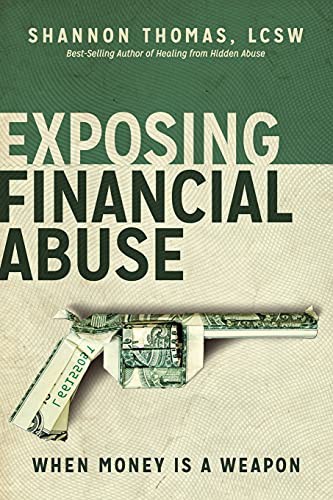
Exposing Financial Abuse
Shannon Thomas, LCSW
Expose of financial exploitation within families, relationships, and courts.

High Conflict People in Legal Disputes
Bill Eddy
Practical guide for disputing with a high-conflict personality through compelling case examples.
Joint Custody with a Jerk
Julie A. Ross, MA & Judy Corcoran
Proven communication techniques for co-parenting with an uncooperative ex.
As an Amazon Associate, Clarity House Press earns from qualifying purchases. Your price is never affected.
Found this helpful?
Share it with someone who might need it.
About the Author

Clarity House Press
Editorial Team
The editorial team at Clarity House Press curates and publishes evidence-based content on narcissistic abuse recovery, high-conflict divorce, and healing. Our content is informed by research, survivor experiences, and established trauma-informed approaches.
View all posts by Clarity House Press →Published by Clarity House Press Editorial Team