Please read our important disclaimers before using this content
You don't need a four-year degree to rebuild your professional life after narcissistic abuse. Sometimes what you need is a specific, marketable credential that says to employers: "I know how to do this job." Professional certifications and credentials offer exactly that—focused, time-limited, career-specific training that increases earning potential without the time and cost investment of a full degree. Research confirms that certified professionals earn significantly more—workers with certifications earn approximately 30% more weekly than those without credentials1.
But certifications aren't all created equal. Some dramatically boost your income and job prospects. Others are expensive resume decorations that employers ignore. And studying for certification exams while managing PTSD, divorce logistics, and single parenting requires strategies traditional students never need.
Strategic certification selection—combined with trauma-informed study approaches—can accelerate your career recovery, increase your income, and rebuild professional confidence that abuse destroyed. You just need to choose the right credentials and study in ways that work with your healing brain, not against it. This is one piece of the larger picture of rebuilding your career after abuse.
Understanding Professional Certifications vs. Degrees
Before investing time and money, understand what certifications are—and what they're not.
Certifications vs. Degrees
Certifications:
- Demonstrate specific, measurable competency in a defined skill or body of knowledge
- Shorter time investment (weeks to months, not years)
- Lower cost ($200-$5,000 typically vs. $20,000+ for degrees)
- Industry-specific (Project Management Professional, Certified Public Accountant, etc.)
- Usually require passing exam and sometimes work experience
- Require periodic renewal with continuing education
Degrees (Associate, Bachelor's, Master's):
- Broad education across multiple subjects
- Longer time investment (2-6+ years)
- Higher cost ($10,000-$100,000+)
- Required for some careers (teaching, engineering, medicine, law)
- Permanent (don't expire)
- May include certifications as part of program
When certifications are better choice:
- You need quick career entry or pivot
- You have limited time and money
- You're pursuing field where certifications matter more than degrees (IT, project management, skilled trades)
- You already have degree but need specialized credential
- You need marketable skill while considering longer-term degree
When degrees are necessary:
- Career requires it (healthcare, education, licensed professions)
- Employer explicitly requires degree for advancement
- Long-term career ceiling is limited without it
What this looks like:
"I wanted to transition from retail to corporate work. A four-year business degree would take 4 years and $40K. Instead, I got my Project Management Professional (PMP) certification—4 months of study, $1,500 total cost. That credential got me hired as a project coordinator at $55K. I'm considering a degree later, but PMP got me career traction immediately."
Identifying High-ROI Certifications
Return on investment (ROI) is critical when you have limited resources. Focus on certifications that demonstrably increase income and employability.
High-ROI Certifications by Field
Information Technology:
- CompTIA A+ (entry-level IT support, ~$250, 2-3 months study)
- CompTIA Security+ (cybersecurity, ~$400, 3-4 months study)
- Cisco CCNA (networking, ~$300, 4-6 months study)
- AWS Certified Solutions Architect (cloud computing, ~$150, 3-6 months study)
- Google IT Support Professional Certificate (entry IT, ~$240, 3-6 months)
- Income impact: $15K-$30K salary increase for entry-level IT roles
Project Management:
- Project Management Professional (PMP) (~$550, 3-6 months study, requires experience)
- Certified Associate in Project Management (CAPM) (~$300, 2-3 months study, no experience required)
- Google Project Management Certificate (~$240, 3-6 months)
- Income impact: $10K-$25K salary increase
Healthcare:
- Certified Medical Assistant (CMA) (~$500-$1,500, 3-6 months)
- Certified Coding Specialist (CCS) (~$400, 4-6 months)
- Pharmacy Technician (CPhT) (~$300, 3-4 months)
- Income impact: $5K-$15K salary increase
Business & Finance:
- Certified Public Accountant (CPA) (~$1,000-$2,000, 6-12 months study, requires accounting degree)
- Certified Financial Planner (CFP) (~$1,500-$3,000, 6-18 months)
- Human Resources Certification (PHR/SPHR) (~$400, 4-6 months)
- Income impact: $10K-$40K salary increase (CPA particularly high)
Skilled Trades:
- HVAC certification (~$1,000-$3,000 including training, 6-12 months)
- Electrician license (~$500-$2,000, requirements vary by state)
- Plumbing license (~$500-$2,000, requirements vary by state)
- Income impact: $20K-$40K+ (trades often pay well)
Education & Training:
- Teaching license/certification (requirements vary by state, ~$500-$2,000)
- Certified Professional in Learning and Performance (CPLP) (~$600, 4-6 months)
- Income impact: Varies significantly by state/role
Evaluating Certification ROI
Ask before investing:
Employer recognition: Do employers in your target field actually require or value this credential? Check job postings—is it listed as required or preferred?
Income impact: What's typical salary increase after earning credential? Research on Glassdoor, Salary.com, industry salary surveys.
Time to completion: How long will study take realistically (with your life constraints)? Faster = better cash flow.
Total cost: Exam fees + study materials + courses + renewal fees. Calculate true cost.
Pass rate: What percentage of test-takers pass first time? Low pass rate = higher cost (retake fees) and frustration.
Career trajectory: Does this credential open advancement paths or lead to dead-end?
Alternatives: Are there other credentials, degree programs, or on-the-job training that achieve same goal more efficiently?
What this looks like:
"I researched medical billing certification vs. medical coding certification. Billing had lower barrier to entry but lower pay ceiling ($35K-$40K). Coding required more intensive study but higher pay ($45K-$60K) and more remote work opportunities. I chose coding—harder upfront, better long-term ROI for single parent needing work-from-home flexibility."
Studying with Trauma Symptoms
Traditional study advice doesn't account for PTSD, anxiety, depression, and trauma-related cognitive impacts. You need adapted strategies.
How Trauma Affects Learning
Concentration difficulties: PTSD and trauma impair attention and executive function, making sustained focus difficult2. Can't focus for extended periods, easily distracted, mind wanders to divorce/trauma.
Memory impairment: Working memory affected by stress hormones3, struggle to retain new information, forget what you just studied.
Executive function challenges: Difficulty planning study schedule, organizing materials, breaking large tasks into steps, initiating studying.
Hypervigilance: A hallmark symptom of PTSD, hypervigilance and threat-scanning consume cognitive resources, making deep focus nearly impossible4.
Perfectionism/fear of failure: Trauma survivors often develop perfectionism and heightened sensitivity to failure as coping mechanisms, with failure triggering threat responses5—failure feels catastrophic.
Physical symptoms: Fatigue, headaches, tension, sleep disruption all impair learning.
Emotional dysregulation: Frustration leads to spiraling, giving up, or avoiding studying entirely.
Trauma-Informed Study Strategies
Shorter study sessions: 25-minute focused blocks with 5-minute breaks (Pomodoro Technique)6. Don't force 3-hour sessions your brain can't sustain.
Consistent routine: Study same time, same place daily. Routine reduces decision fatigue and builds habit.
Active learning methods:
- Take handwritten notes (engages brain more than typing)
- Explain concepts out loud (teaching forces understanding)
- Create flashcards and quiz yourself
- Watch video explanations (multiple modalities help retention)
- Do practice problems immediately after learning concept
Spaced repetition: Review material at increasing intervals (1 day later, 3 days later, 1 week later, 2 weeks later)7. Fights memory impairment and significantly improves long-term retention.
Body-based grounding: Before studying, ground yourself (5-4-3-2-1 sensory awareness, box breathing, cold water on face)8. Grounding techniques restore parasympathetic tone and stabilize executive function. Can't learn while dissociated.
Environment optimization:
- Quiet space (or noise-canceling headphones with white noise)
- Minimize distractions (phone in another room, close unnecessary tabs)
- Good lighting (reduces eye strain and fatigue)
- Comfortable but not too comfortable (kitchen table better than bed)
Self-compassion: You're studying with a trauma-affected brain. Progress, not perfection. Passing is success.
What this looks like:
"I couldn't study for more than 20 minutes without my mind drifting to custody anxiety. I set a timer—20 minutes of intense focus on practice questions, then 5-minute break to walk around, drink water, check my phone. Then back for another 20 minutes. I did 3-4 cycles per study session. That structure worked when trying to 'power through' left me staring at pages for hours without absorbing anything."
Managing Exam Anxiety
Certification exams trigger significant anxiety for trauma survivors—high stakes, timed pressure, fear of failure9. Test anxiety in trauma survivors reflects hypervigilance and heightened threat assessment, requiring specific interventions. Perfectionism as a trauma response explains the deep root of why high-stakes testing feels so threatening for survivors.
Preparation strategies:
Take practice exams: Simulate test conditions repeatedly. Familiarity reduces anxiety.
Overprepare: Study until you're consistently scoring 10-15% above passing score on practice tests. Buffer reduces panic.
Learn exam format: Understand question structure, time limits, rules. No surprises = less anxiety.
Physical preparation: Night before exam, prioritize sleep over last-minute cramming. Morning of exam, eat protein, avoid excessive caffeine, arrive early.
During exam:
- Deep breathing before starting: 4-count inhale, 7-count hold, 8-count exhale (repeat 3 times)
- Read questions fully before answering (trauma-brain rushes)
- Skip questions that trigger panic, return later
- If dissociating, grounding: feet on floor, notice pressure, return to body
- Remind yourself: "I'm prepared. I know this material. I can pass."
Accommodations: If you have PTSD/anxiety diagnosis, some testing centers offer accommodations (extended time, separate quiet room). Check when registering.
Balancing Certification Study with Life Chaos
You're not a traditional student with unlimited time and mental space. You're studying while managing divorce, custody, work, and healing.
Creating Realistic Study Plans
Calculate available study time:
- Work hours: [X hours/week]
- Parenting responsibilities: [X hours/week]
- Sleep (non-negotiable): 56 hours/week
- Self-care minimum: [X hours/week]
- Remaining available time for study: [X hours/week]
Match study plan to reality: If you have 5 hours/week available, don't use a study plan designed for 20 hours/week. You'll fail and feel terrible. Better: Choose certification you can study for in 5 hours/week or extend timeline.
Build in buffer: Life happens. Sick kids, custody emergencies, bad mental health days. If study plan says "12 weeks," plan for 16 weeks.
What this looks like:
"I had kids 4 days/week, worked 30 hours/week, therapy once weekly. Realistically, I had 6-8 hours/week for studying. Study plans for my certification assumed 15-20 hours/week. I extended the timeline—instead of 3 months, I planned 6 months. I passed on first attempt because I didn't burn out trying to maintain unsustainable pace."
Studying During Custody Splits
If you have majority custody: Study during school hours, early mornings, after bedtime. Protect time fiercely.
If you have 50/50: Intensive study during ex's custody time. Light review (flashcards, short videos) during your parenting time.
If you have minority custody: Maximize your non-parenting time. May allow more intensive study than parents with primary custody.
When Your Ex Sabotages
Common sabotage tactics:
- Scheduling custody changes during your exam
- Creating emergencies during study time
- Criticizing you for "neglecting children" to study
- Refusing to maintain kids' schedule (no bedtime, returning them wired)
Protection strategies:
- Schedule exam strategically: During ex's custody time if possible
- Have backup childcare: For exam day, study sessions during your custody
- Don't announce study plans: Less information = fewer opportunities for sabotage
- Document interference: If sabotage causes you to miss exam or fail, documentation matters for contempt motions
Maintaining Certifications Over Time
Most certifications require periodic renewal with continuing education. Factor ongoing requirements into decision.
Continuing Education Requirements
Examples:
- PMP: 60 PDUs (Professional Development Units) every 3 years
- CPR/First Aid: Renewal every 2 years
- CPA: 40-120 hours continuing education annually (varies by state)
- IT certifications: Often 3-year renewal with exam or continuing education
Costs:
- Renewal fees ($50-$500 typically)
- Continuing education courses ($0-$1,000+ depending on requirement)
- Time investment (varies widely)
Plan for ongoing requirements: Factor into your career development budget and time management.
When to Let Certifications Lapse
Let credential expire if:
- You're no longer working in that field
- Renewal cost exceeds value you're getting
- Continuing education requirement is burdensome without career benefit
- You've advanced beyond needing that specific credential
Don't feel obligated to maintain certifications that no longer serve you.
Certification Credentials vs. Certificate Programs
Confusing terminology: "Certification" vs. "Certificate." They're different.
Certification (CPA, PMP, CCNA):
- Industry-recognized credential demonstrating mastery
- Requires passing standardized exam
- Usually requires work experience or education prerequisites
- Governed by professional organization
- Highly valued by employers
Certificate Program (Google IT Certificate, university certificate):
- Completion of training program
- May or may not include exam
- Demonstrates participation and learning
- Issued by educational institution or company
- Value varies widely by employer recognition
Both can be valuable, but certifications generally carry more weight and higher income impact.
Your Next Steps
This week:
- Identify 3 certifications relevant to your career goals or desired career change
- Research each: Cost, study time, pass rate, income impact, employer demand
- Assess your realistic weekly study time availability
Certifications are also one of the strongest tools for rebuilding a professional reputation after career sabotage—new credentials signal that you've moved forward professionally.
This month:
- Choose one certification to pursue based on ROI and feasibility
- Purchase or borrow study materials (books, online courses, practice exams)
- Create study schedule matching your available time and target exam date
First month of study:
- Establish daily study routine (same time, same place)
- Complete first section of study material
- Take baseline practice exam to assess starting knowledge
Ongoing:
- Study consistently (even 30 minutes daily beats cramming)
- Take practice exams regularly to track progress
- Schedule certification exam when consistently scoring above passing on practice tests
Resources
Certification Research and Career Information:
- Bureau of Labor Statistics Occupational Outlook Handbook - Career info including certifications and salary data
- Project Management Institute (PMI) - PMP and project management certifications
- CompTIA - IT certification paths and resources
- Glassdoor - Research salaries and career information by certification
Study Resources and Practice Exams:
- Udemy - Affordable certification prep courses (often $10-$20 on sale)
- LinkedIn Learning - Certification courses included with LinkedIn Premium
- Professor Messer - Free IT certification study videos
Financial Support and Crisis Resources:
- CareerOneStop - Workforce development grants and training resources
- Psychology Today - Therapists - Find trauma-informed career counselors
- 988 Suicide & Crisis Lifeline - Call or text 988 for crisis support (24/7)
- Crisis Text Line - Text HOME to 741741 for crisis counseling
References
Professional certifications won't erase what narcissistic abuse did to your career. But they're tangible proof—to employers and to yourself—that you're rebuilding. You're investing in skills that increase your value, your options, and your income.
Your ex may have told you that you weren't smart enough, capable enough, or disciplined enough for professional success. Every hour you study for a certification is evidence they were wrong. Every practice exam you pass contradicts their narrative. The credential itself—official, recognized, earned through measurable competency—is permanent proof of your capability.
Certifications aren't just career development. They're reclaiming your professional identity from someone who tried to destroy it. They're expanding options in a life where abuse constricted everything. They're building security when you've experienced how quickly security can be weaponized.
Study in ways that honor your healing brain. Choose certifications with strong ROI. Give yourself credit for studying while also managing custody schedules and trauma therapy.
You're not competing with traditional students who have nothing else demanding their attention. You're competing with yourself from six months ago, a year ago, before you knew you could do hard things while your life was falling apart.
You're winning that competition. Keep going.
References
- Oei, N. Y., Everaerd, W. T., Elzinga, B. M., van Well, S., & Bermond, B. (2006). Psychosocial stressors and cortisol responses to the Trier Social Stress Test. PLOS ONE, 1(12), e70. https://www.ncbi.nlm.nih.gov/pmc/articles/PMC3182008/ ↩
- U.S. Bureau of Labor Statistics. (2022). Certificates and certifications: Tools for workforce development. Career Outlook. https://www.bls.gov/careeroutlook/2022/article/certificates-and-certifications.htm ↩
- Aupperle, R. L., Melrose, A. J., Stein, M. B., & Paulus, M. P. (2012). Executive function and PTSD: Disengaging from threat-related interference. Neuropharmacology, 62(2), 686-694. https://pubmed.ncbi.nlm.nih.gov/21586297/ ↩
- Pole, N. (2007). The psychophysiology of posttraumatic stress disorder: A meta-analysis. Psychological Bulletin, 133(5), 725-746. https://pubmed.ncbi.nlm.nih.gov/17723027/ ↩
- Roley, M. E., Claycomb, M. A., Contractor, A. A., Dranger, P., Armour, C., & Elhai, J. D. (2017). The relationship between emotion dysregulation and PTSD symptom severity in trauma-exposed adults. Traumatology, 23(2), 156-163. https://pubmed.ncbi.nlm.nih.gov/28757799/ ↩
- Cirillo, F. (2006). The Pomodoro Technique: The acclaimed time-management system that has transformed how we work. Crown Business. ↩
- Dunlosky, J., Rawson, K. A., Marsh, E. J., Nathan, M. J., & Willingham, D. T. (2013). Improving students' learning with effective learning techniques: Promising directions from cognitive and educational psychology. Psychological Science in the Public Interest, 14(1), 4-58. https://www.ncbi.nlm.nih.gov/pmc/articles/PMC5126970/ ↩
- Porges, S. W. (2011). The polyvagal theory: Neurophysiological foundations of emotions, attachment, communication, and self-regulation. W.W. Norton & Company. Based on Porges' research on nervous system regulation and parasympathetic engagement. https://pubmed.ncbi.nlm.nih.gov/21295515/ ↩
- Craske, M. G., Stein, M. B., Eley, T. C., Milad, M. R., Holmes, A., & Rapee, R. M. (2017). Anxiety disorders. Nature Reviews Disease Primers, 3, 17024. https://www.ncbi.nlm.nih.gov/pmc/articles/PMC5573566/ ↩
Recommended Reading
From Clarity House Press — plus trusted books for deeper understanding

Surviving the Storm: When the Court Takes Your Children
Clarity House Press
For fathers in active high-conflict custody battles. Understand your CPTSD symptoms, begin stabilization, and build foundation for healing. 17 chapters covering recognition, symptoms, and the healing path.
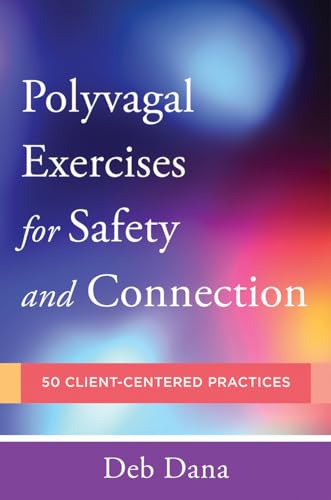
Polyvagal Exercises for Safety and Connection
Deb Dana, LCSW
50 client-centered practices for regulating the autonomic nervous system.
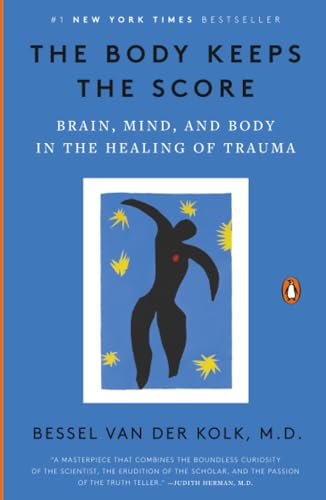
The Body Keeps the Score
Bessel van der Kolk, M.D.
A foundational look at how trauma reshapes the body and nervous system, and the approaches that help the body find safety again.
As an Amazon Associate, Clarity House Press earns from qualifying purchases. Your price is never affected.
Found this helpful?
Share it with someone who might need it.
Tags
About the Author
Clarity House Press
Editorial Team
The editorial team at Clarity House Press curates and publishes evidence-based content on narcissistic abuse recovery, high-conflict divorce, and healing. Our content is informed by research, survivor experiences, and established trauma-informed approaches.
View all posts by Clarity House Press →Published by Clarity House Press Editorial Team