Please read our important disclaimers before using this content
If you're in a polyamorous relationship that's ending and children are involved—whether biological, adopted, or parented within your relationship structure—you're navigating territory with virtually no legal roadmap. The collision of non-traditional family structures, family law designed for dyadic relationships, and narcissistic abuse creates challenges that require both strategic legal thinking and community support.
When a narcissistic partner (or metamour) weaponizes social stigma, uses polyamory against you in custody battles, or exploits the legal system's failure to recognize multiple parental figures, the resulting trauma can be devastating—not just for you, but for children who are losing parents they've known and loved.
Understanding how to protect yourself legally, shield children from stigma, and navigate dissolution when the law doesn't recognize your family is essential for survival. Understanding what makes a custody case high-conflict provides foundational context for navigating these additional layers of complexity.
Understanding the Legal Landscape
Family law in the United States is designed for two-parent households. When your family includes three or more adults in parental roles, the law simply doesn't have a framework. Research confirms that family court proceedings often allow "socially prevalent and judicially internalized biases to infiltrate court proceedings" for minority-litigant groups including polyamorous parents.1
Legal Parentage in Polyamorous Families
Who is a legal parent?
In most states, legal parentage is limited to two people:
- Biological/gestational parent
- Spouse of biological parent (marital presumption)
- Adoptive parent (through legal adoption process)
- Person adjudicated as parent (through parentage action)
This means:
If you're in a polyamorous relationship with children and you're not one of the two legal parents, you have no legal rights to those children—no matter how long you've parented them or how attached they are to you.
The painful scenarios:
- Throuple with one bio parent: Only bio parent (and potentially their legal spouse if married) has rights
- Quad with two bio parents: Each bio parent has rights; other two partners have none
- Kitchen table polyam with metamour parenting: Metamour has zero legal standing
- Solo poly parent with multiple partners involved: Partners' parenting roles legally invisible
Exceptions are extraordinarily rare:
- A handful of jurisdictions have recognized three (or more) legal parents in specific cases (California's Family Code Section 7612, New York, DC in limited circumstances)
- These are cutting-edge cases, not established law
- Requires intensive legal advocacy with no guarantee of success
How Narcissists Weaponize Legal Invisibility
When you're not a legal parent:
- "You were never really their parent—just my partner"
- Cutting off all contact with children you've raised
- Telling children you "aren't their parent" and "don't matter"
- Threatening to call police if you try to see children
- Claiming you were a "stranger" living in the home
- Using your lack of legal standing to erase years of parenting
What this looks like:
"I was in a triad with my wife and our girlfriend for 7 years. We raised our daughter together from birth—three parents, three bedrooms, three incomes, three people at every school event. When our girlfriend developed a relationship with someone new and wanted to transition out, my wife became enraged. She told our ex-girlfriend she had no right to see 'our' child and threatened a restraining order. Our daughter lost a parent she'd called 'Mama Jo' since she could talk. Legally, my wife was within her rights."
Even when you ARE a legal parent:
- "The court won't accept our 'lifestyle'—you'll lose custody"
- Threatening to expose polyamory to weaponize stigma
- Claiming polyamory makes you unfit parent
- Using relationship complexity as evidence of instability
- Telling judge about partners to suggest unsafe home environment
- Framing polyamory as sexual deviance rather than relationship structure
What this looks like:
"My ex-husband and I were legally married and both legal parents to our kids. During our marriage, we were openly polyamorous. When we separated, he filed for full custody claiming I was 'exposing the children to a parade of sexual partners' and creating an 'unstable, immoral environment.' The reality: I had one long-term partner who the kids adored, who'd been in our lives for 3 years. But the judge's discomfort with polyamory meant I fought for a year just to get shared custody."
Navigating Custody When You're a Legal Parent
If you're one of the two legal parents and your polyamorous relationship structure is ending, you face unique challenges.
Polyamory as "Evidence" Against You
How it's weaponized in court:
- Framed as sexual deviance rather than relationship orientation
- Portrayed as instability ("can't commit," "relationship chaos")
- Used to suggest children are "exposed to inappropriate sexuality"
- Characterized as "confusing" for children
- Claimed as evidence of poor judgment
- Religious objections framed as child welfare concerns
Legal reality:
- Polyamory itself is not grounds for custody loss in most jurisdictions
- Courts apply "best interests of the child" standard
- Relevant factors: stability, safety, parental capacity—not relationship structure
- However, judicial bias is real and impacts outcomes.2 Research on diverse family structures demonstrates that "family relationships within the family unit are a stronger predictor of adolescents' development than the particular family structure," yet judges often retain significant discretionary power in custody determinations.3
Protective strategies:
- Don't hide, but don't over-share: Answer questions honestly but don't provide unnecessary details
- Frame as relationship structure, not sexual practice: "We have multiple committed relationships," not details about sex
- Emphasize stability: Long-term partners, established household routines, consistent caregiving
- Show child-appropriate boundaries: Partners don't engage in sexual behavior in front of children (true for ALL parents)
- Provide expert testimony: Psychologist who can speak to healthy polyamorous family dynamics
- Address stigma directly: Acknowledge that children may face questions; show how you support them
- Document children's wellbeing: School success, healthy friendships, therapeutic assessment showing adjustment
Expert witnesses who help:
- Child psychologist familiar with diverse family structures
- Relationship therapist specializing in consensual non-monogamy
- Sociologist or researcher who studies polyamorous families
- Pediatrician affirming children's health and development
- Educators who've observed children's adjustment
When Your Partners Are Involved in Custody Battle
Scenarios:
- Ex wants to prevent your current partners from being around children
- Ex claims your partners are "dangerous" or "inappropriate"
- Court orders restricting overnight guests or partner contact
- Ex uses number of partners to claim instability
Legal standards:
Courts can restrict contact with third parties (including partners) if:
- Legitimate safety concern exists
- Partner has criminal history relevant to child safety
- Partner engages in abuse or substance abuse
- Relationship creates demonstrable harm to children
Courts should NOT restrict contact based solely on:
- Number of partners
- Discomfort with polyamory
- Preference for monogamous household
- Ex's objections without evidence of harm
Protective strategies:
- Introduce partners slowly to evaluator/court: Show thoughtful integration into children's lives
- Emphasize long-term, stable relationships: Not "rotating partners"
- Background checks if needed: Demonstrate partners are safe adults
- Children's attachment evidence: Show positive relationships with partners
- Boundaries around new relationships: Show you don't introduce children to every date
- Partner cooperation: Partners willing to undergo background checks, meet evaluators if needed
Parallel Parenting in Polyamorous Context
Additional complexities:
- Ex may object to children knowing about your polyamory
- Disagreements about what children should be told
- Different relationship structures in each household
- Managing transitions when multiple adults are involved
Parallel parenting guidelines:
- You control your household: Ex doesn't dictate your relationship structure
- Age-appropriate disclosure: You decide how to explain your family to your kids
- Consistency matters: Stable, long-term partners are easier to explain than frequent changes
- Document healthy family: Show children thrive in your household regardless of structure
- Therapeutic support for kids: Help them process different family structures in each home
When You're Not a Legal Parent
If you're a non-legal parent whose relationship is ending and you're losing access to children you've parented, your options are extremely limited.
Do You Have Any Legal Standing?
Possible doctrines (varies by state):
- De facto parent: If you functioned as parent with legal parent's consent, some states recognize limited rights.4 The de facto custodian concept allows caregivers to present their caregiving history during custody hearings, though it is relatively unknown in many jurisdictions.5
- In loco parentis: "In place of a parent"—very limited and state-specific
- Psychological parent: Recognized in some states if child is bonded to you as parent.6 Legal scholars argue that "various people may be causally implicated in the creation of a child, and each person who is appropriately causally related to a child is a moral parent of that child, and so has parental rights."7
- Third-party custody: Possible in rare circumstances if legal parents are unfit (high bar)
Requirements typically include:
- Legal parent's explicit or implicit consent to your parental role
- You functioned as parent for substantial time
- Financial and emotional support of child
- Child's reliance on you as parent
- Detrimental impact on child if relationship severed
Barriers:
- Many states have NO recognition of non-legal parents
- Courts are hostile to "third party interference" with legal parents' rights
- Polyamorous family structures may face additional bias
- Burden of proof is extremely high
Building a Legal Case
If you're pursuing legal recognition:
Evidence you need:
- Consent from legal parents: Texts, emails, documents showing they encouraged/supported your parental role
- Duration of parenting: How long you've been in parental role
- Daily caregiving: Documentation of feeding, bathing, bedtime, school, medical appointments
- Financial support: Receipts, bank statements showing contribution to child's expenses
- Public acknowledgment: Photos, social media, school records listing you as parent
- Child's attachment: Therapist assessment, child's own statements (age-appropriate)
- Legal parents' acknowledgment: Cards calling you "parent," listing you on forms, introducing you as parent to professionals
- Your reliance: Career/location decisions made based on parental role
Expert witnesses:
- Psychologist assessing child's bond with you
- Therapist who's worked with your family
- Child development specialist on impact of severing attachment
- Attachment specialist on harm of removing established parent figure
Risks:
- Legal battle is expensive with no guarantee of success
- May further damage relationship with legal parents
- Court proceedings may be traumatic for children
- Publicity/stigma around polyamorous family structure
When to pursue:
- Child is significantly attached to you and would be harmed by losing you
- You have compelling evidence of legal parents' consent to your role
- You have financial resources for legal battle
- You're in state with some recognition of de facto parents
- Child is old enough to express preferences (teens especially)
When NOT to pursue:
- No realistic legal path in your jurisdiction
- Child's attachment is minimal or you weren't primary caregiver
- Legal battle would harm child more than loss of contact
- Legal parents' consent to your role is ambiguous or contested
- You lack financial resources for extensive litigation
Emotional Survival When You Have No Legal Rights
The grief is real and profound:
You're losing children you love, raised, and bonded with—and the law says you have no standing.
Support strategies:
- Grief counseling: This is disenfranchised grief (society doesn't recognize your loss)—similar to the complex grief of ambiguous loss after narcissistic abuse
- Polyam-friendly therapist: Understanding of your family structure and loss
- Community support: Polyamorous communities who understand non-legal parent grief
- Ritual and closure: Memory book, letters to children, acknowledging the loss
- Stay available: If legal parents change their mind, be reachable
- Advocate for change: Channel grief into advocacy for legal recognition
If legal parents allow contact:
- Formalize in writing (even unenforceable, shows intent)
- Maintain consistent, predictable contact
- Don't badmouth legal parents (protects relationship)
- Prioritize children's needs over your pain
- Therapy for children to process the relationship changes
Protecting Children from Stigma
Children in polyamorous families may face social stigma, and during relationship dissolution, this intensifies. Research on polyamorous parents shows that many report "feeling pressure to exhibit a perfect family life as a way to ward off prejudice,"8 and parental concerns about custody loss due to their relationship structure are documented across multiple peer-reviewed studies.9
Age-Appropriate Disclosure
How to explain polyamory to children:
Young children (under 7):
- "Some families have one parent, some have two, some have more. Our family has [number] grown-ups who take care of you."
- Simple, matter-of-fact, normalized
School-age (7-12):
- "Our family is a bit different from some families. We have multiple adults who love and care for each other and for you. Some people might not understand, but our family is full of love."
- Prepare them for questions from peers
Teens:
- Full, honest explanation of polyamory as relationship orientation
- Discussion of social stigma and how to navigate it
- Validation of their feelings about family structure
- Permission to share or not share with friends (their choice)
During dissolution:
- Explain relationship changes age-appropriately
- Don't blame relationship structure ("polyamory didn't work")
- Focus on specific relationship dynamics ("We realized we wanted different things")
- Reassure about their relationships with each adult
When Ex Weaponizes Social Stigma
Threats:
- "I'll tell everyone at school about your lifestyle"
- "The other parents won't let their kids play with ours if they know"
- "Your polyamory will embarrass the children"
- "I'll make sure the judge knows what kind of environment you're creating"
Responses:
- Don't be bullied into hiding: Shame gives ex power
- Control your own narrative: Decide what you share and with whom
- Prepare children for questions: Give them language to respond to peers
- Connect with other polyam families: Community support reduces isolation
- Educate when appropriate: Some people are open to learning; share resources
- Document children's wellbeing: School success, friendships, activities show they're thriving
- Therapy support: Help children process any bullying or stigma
School, Medical, and Social Navigation
Who has authority?
- Only legal parents can make educational/medical decisions
- Schools won't recognize non-legal parents without authorization
- Medical providers can only discuss child's care with legal guardians
Workarounds if you're non-legal parent:
- Ask legal parent to provide written authorization for school contact
- Have legal parent add you to medical release forms
- Attend events as "family friend" if legal parent permits
- Document your involvement even if not officially recognized
If You're a Legal Parent in a Polyamorous Household:
- Decide what schools need to know (they don't need full relationship details)
- Designate which adults can pick up children
- Provide emergency contact information for household members
- You control medical decisions; involve partners as you choose
Your Next Steps
If you're a legal parent:
- Secure all legal documents: Birth certificates, custody orders, any parentage documentation
- Consult polyam-friendly family law attorney: Experience with non-traditional families essential
- Document household stability: Routines, long-term partners, consistent caregiving
- Prepare for bias: Research judge's background; anticipate stigma
- Therapeutic evaluation: Show children are thriving in your household
If you're a non-legal parent fighting for rights:
- Emergency consultation with family law attorney: Assess whether you have any legal standing in your state
- Gather evidence immediately: Document everything before access is cut off
- Preserve communications: Save texts/emails showing legal parents' consent to your role
- Witness statements: Teachers, doctors, family affirming your parental role
- Financial documentation: Proof of supporting children
If you're a non-legal parent without legal options:
- Grief counseling: Specialized support for disenfranchised grief
- Community connection: Polyam support groups, online communities
- Legal parent negotiation: Request ongoing contact; put in writing
- Letters for children: Write letters they can read when older
- Advocacy work: Channel pain into pushing for legal reform. The chosen family and non-biological bonds framework is increasingly recognized in therapy and advocacy contexts.
For all polyamorous parents:
- Connect with polyam community: National organizations, local groups, online support
- Find polyam-competent therapist: For you and children
- Document everything: Your parenting, household stability, children's wellbeing. See what documentation actually matters in court for practical guidance on building your record.
- Educate your legal team: Provide resources on polyamorous families
- Advocate for change: Support legal recognition of multiple parents
Resources
Legal Support and Advocacy:
- National LGBTQ+ Bar Association - Attorneys with polyam family experience
- National Center for Lesbian Rights - Non-traditional family legal support
- Canadian Polyamory Advocacy Association - Legal recognition advocacy and resources
- Uniform Law Commission - De Facto Parentage - Legal framework for non-biological parents
Polyamory Support and Community:
- Organization for Polyamory and Ethical Non-monogamy (OPEN) - Education and advocacy
- Loving More - Polyamory support, education, and community
- Kink Aware Professionals (KAP) - Therapist directory with polyam-friendly providers
- Polyamory Friendly Professionals - Directory of polyam-competent therapists
Books and Crisis Resources:
- The Polyamorists Next Door by Elisabeth Sheff - Research on polyam families
- 988 Suicide & Crisis Lifeline - Call or text 988 for crisis support (24/7)
- Crisis Text Line - Text HOME to 741741 for crisis counseling
Key Takeaways
- Legal parentage is limited to two people in most states—non-legal parents have virtually no rights regardless of years spent parenting.
- Polyamory can be weaponized in custody battles through stigma, claims of instability, and judicial bias—preparation is essential.
- If you're not a legal parent, assess legal standing immediately—some states recognize de facto parents; many don't.
- Document everything: Consent from legal parents, your caregiving, financial support, and children's attachment to you.
- Judicial bias is real—find polyam-friendly or at least open-minded attorneys and prepare to educate the court.
- Protect children from stigma with age-appropriate explanations, therapeutic support, and community connection.
- Grief counseling is essential for non-legal parents losing access—this is profound, disenfranchised loss.
Non-traditional families deserve legal recognition and protection. Until the law catches up, strategic planning and community support are essential for navigating dissolution.
References
- Rhoten, S., Sheff, E., & Lane, A. (2024). Polyamorous parents and judicial bias in custody cases. SAGE Open. https://journals.sagepub.com/doi/abs/10.1177/13634607211061485 ↩
- Sheff, E., Rhoten, S., & Lane, A. (2023). Judicial treatment of polyamorous families in custody determinations. Cornell Law Review, 108(3), 445-478. https://community.lawschool.cornell.edu/wp-content/uploads/2023/03/Sheff-et-al.-final.pdf ↩
- Waller, M. R., & Swisher, R. R. (2006). Parenting practices in diverse family structures: Examination of adolescents' development and adjustment. JAMA Pediatrics, 160(4), 412-419. https://pmc.ncbi.nlm.nih.gov/articles/PMC5948107/ ↩
- Uniform Law Commission. De Facto Parentage Doctrine. https://www.uniformlaws.org/committees/community-home?CommunityKey=c4f37d2d-4d20-4be0-8256-22dd73af068f ↩
- Geen, R., & Berrick, J. D. (2002). Let's help caregivers and children in informal kinship care: De facto custodian legislation. Child Welfare Journal, 81(2), 171-192. https://pubmed.ncbi.nlm.nih.gov/20945806/ ↩
- Bayne, T., & Kolers, A. (2003). How do we acquire parental rights? Ethics, 113(2), 330-351. https://pmc.ncbi.nlm.nih.gov/articles/PMC4830429/ ↩
- Bayne, T., & Kolers, A. (2003). Toward a theory of moral parenthood. In A. Kolers & T. Bayne (Eds.), The moral significance of kinship (pp. 187-215). Cambridge University Press. ↩
- Moors, A. C., Matsick, J. L., & Rubin, J. D. (2021). "It's someone who means a lot to me, and who means even more to mom": Children's views on the romantic partners of their polyamorous parents. Journal of Family Studies, 27(2), 203-218. https://pmc.ncbi.nlm.nih.gov/articles/PMC11521776/ ↩
- Landry, Arseneau, & Darling (2021). "It's a Little Bit Tricky": Results from the POLYamorous Childbearing and Birth Experiences Study (POLYBABES).. Archives of sexual behavior. https://pmc.ncbi.nlm.nih.gov/articles/PMC8213580/ ↩
- Pearce, Hayward, Chassin, & Curran (2018). The Increasing Diversity and Complexity of Family Structures for Adolescents.. Journal of research on adolescence : the official journal of the Society for Research on Adolescence. https://pmc.ncbi.nlm.nih.gov/articles/PMC6124501/ ↩
- Aryal, R. H., & Shrestha, N. (2024). Gender bias in child custody judgments: Evidence from Chinese family court. Frontiers in Psychology, 15, 1-12. https://pubmed.ncbi.nlm.nih.gov/39024286/ ↩
Recommended Reading
From Clarity House Press — plus trusted books for deeper understanding
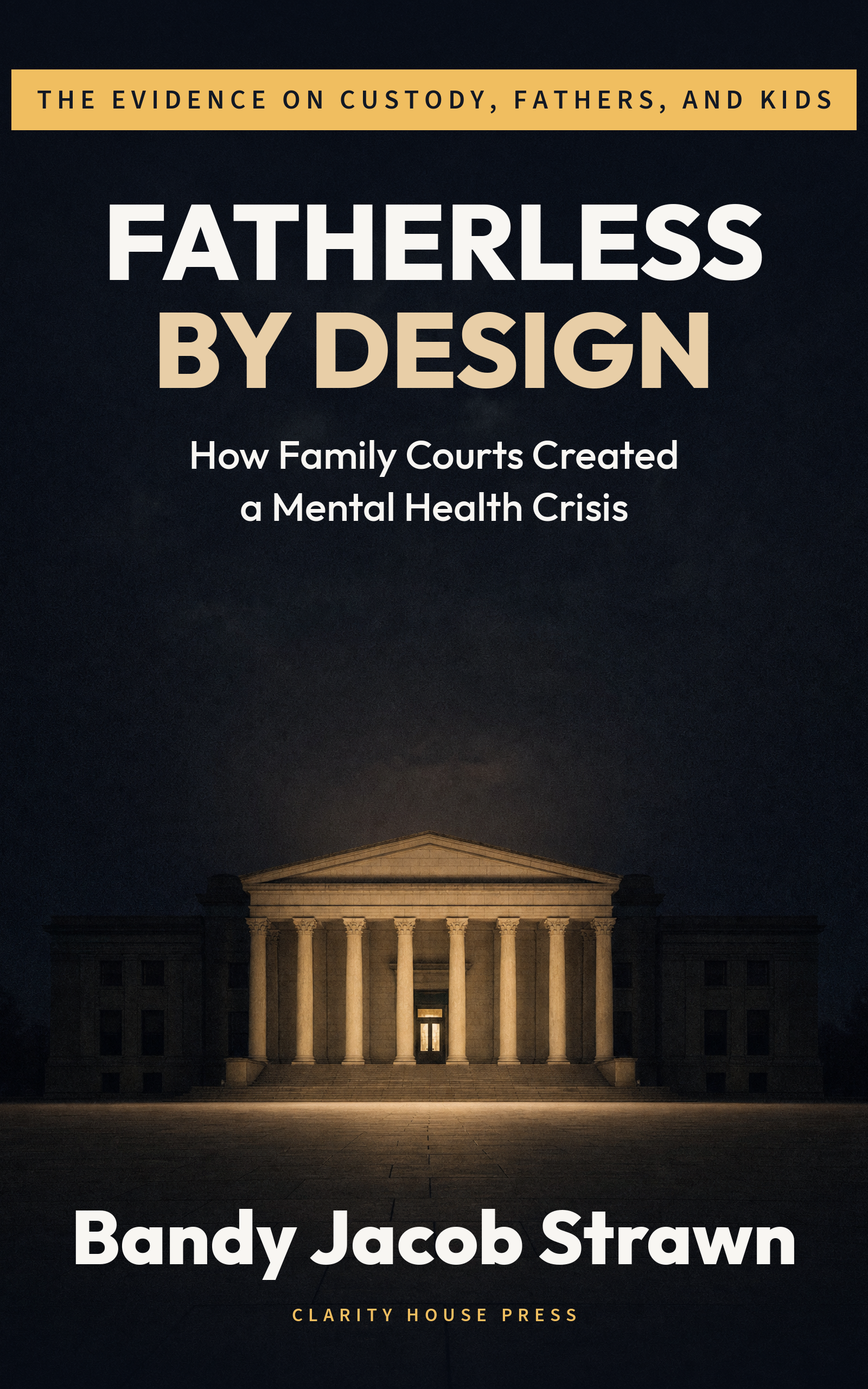

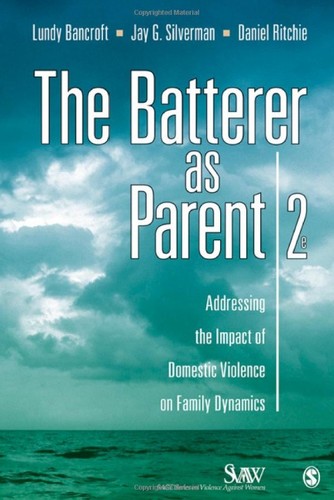
The Batterer as Parent
Lundy Bancroft, Jay G. Silverman & Daniel Ritchie
How domestic violence impacts family dynamics, with approaches for custody evaluations.

A Kidnapped Mind
Pamela Richardson
Heartbreaking memoir of parental alienation — an 8-year battle to maintain a bond with her son.
As an Amazon Associate, Clarity House Press earns from qualifying purchases. Your price is never affected.
Found this helpful?
Share it with someone who might need it.
Tags
About the Author

Clarity House Press
Editorial Team
The editorial team at Clarity House Press curates and publishes evidence-based content on narcissistic abuse recovery, high-conflict divorce, and healing. Our content is informed by research, survivor experiences, and established trauma-informed approaches.
View all posts by Clarity House Press →Published by Clarity House Press Editorial Team