Please read our important disclaimers before using this content
If your family includes godparents who function as co-parents, best friends who are "aunts" and "uncles" to your children, or chosen family members who've been present since birth—and narcissistic abuse is severing these bonds—you're facing a grief that society doesn't recognize and the law doesn't protect.
When a narcissistic ex-partner weaponizes their legal authority to cut children off from chosen family, uses custody orders to prevent contact with beloved "aunties," or tells children that their godparents "don't matter," the resulting trauma affects not just you, but the entire constellation of people who love and have invested in your children. This isolation is a deliberate pattern — part of the same covert parental alienation tactics used to cut children off from any source of support outside the abuser's control.
Understanding the legal limitations, protective strategies that work within them, and how to support children through the loss of chosen family is essential—because while the law may not recognize these bonds, their importance is no less real.
Understanding Chosen Family
Chosen family are the people you've selected to be your family—not through biology or marriage, but through intentional, committed relationships.
Forms of Chosen Family
Common chosen family relationships:
- Godparents: Often religious designation, but frequently functions as co-parenting
- "Aunties" and "Uncles": Close friends who children call family titles
- "Grandparents": Older friends who function in grandparent role
- Co-parents without legal standing: Friends who share parenting responsibilities
- "Siblings": Close family friends' children raised together
- Mentor figures: Adults who've been consistent presence and support
- Community elders: Respected community members who guide families
Why chosen family matters:
- Provides support network beyond nuclear family
- Cultural tradition in many communities (especially LGBTQ+, Black, immigrant communities)
- Offers children multiple secure attachment figures (research shows that children with multiple secure attachment figures demonstrate greater resilience—if one relationship is disrupted, others provide continued security)1
- Creates extended support during crisis
- Models values and provides mentorship
- Functions as safety net when biological family is absent or harmful
Legal Reality of Chosen Family
What the law recognizes:
- Biological parents
- Adoptive parents
- Legal guardians (through court process)
- Stepparents (limited rights in some states)
What the law does NOT typically recognize:
- Godparents (unless also legal guardians)
- "Honorary" aunts, uncles, grandparents
- Close family friends
- Co-parents without legal documentation
- Mentors and community members
- Any relationship not formalized through legal process
This means:
Legal parents have absolute authority to determine who has contact with their children. Chosen family members have no legal right to:
- Visitation
- Decision-making
- Information about child (medical, educational)
- Custody or guardianship (unless granted by court)
- Continued relationship if legal parent objects
The only exception: Some states allow third-party visitation in limited circumstances, but this typically requires showing that legal parents are unfit—a very high bar.
When Narcissists Sever Chosen Family Bonds
Narcissistic abusers recognize that chosen family provides support, witnesses, and alternative perspectives. Severing these bonds serves multiple purposes.
Why They Cut Off Chosen Family
Strategic reasons:
- Isolation: Removing your support network increases dependence and control
- Eliminating witnesses: Chosen family may have seen abuse; removing them silences witnesses
- Punishment: They know losing these relationships will hurt you
- Narrative control: Chosen family might contradict their version of events
- Gatekeeping power: Demonstrating they control access to children
- Erasing your history: If godparent was "your" friend, cutting them out erases your influence
How they justify it:
- "They're not real family—they don't have any rights"
- "I'm protecting the children from confusion about who their family is"
- "They were enablers of your dysfunction"
- "The children need stability, not a parade of random people"
- "Godparents are just ceremonial—they don't actually matter"
- "I'm simplifying the children's lives"
What this looks like:
"My best friend Sarah was our daughter's godmother and had been actively involved since birth—weekly dinners, all birthdays, babysitting, everything. When I filed for divorce, my ex told Sarah she was 'no longer welcome' in our daughter's life. When Sarah tried to reach out, he threatened a restraining order. Our daughter lost someone she'd called 'Auntie' since she could talk. Legally, he was within his rights."
Parental alienation through chosen family erasure:
Cutting off chosen family is a classic parental alienation tactic:
- Rewriting history: "Those people were never really family"
- Creating false narrative: "Godparent was toxic/enabling/inappropriate"
- Loyalty testing: "If you love me, you won't ask about them"
- Replacement: Introducing new partner's family as "real" family
- Gaslighting children: "You didn't really care about them anyway"
Document this pattern—courts recognize parental alienation, and systematic erasure of child's support network can be evidence of alienating behavior.
What to document:
- Timeline of when chosen family was cut off (during/after divorce filing)
- Previous relationship evidence (photos, texts, cards showing bonds)
- Any statements ex made about chosen family (especially if contradicts prior support)
- Children's statements about missing chosen family
- Pattern of ex cutting off YOUR support network systematically
Strategic use: Present as evidence of controlling behavior and harm to children's established relationships.
Restraining order weaponization:
Some narcissists don't just cut off chosen family—they weaponize protective orders to legally ban contact:
Common scenarios:
- Godparent tries to reach out after being cut off → Ex files restraining order alleging "harassment"
- Chosen family member witnesses abuse → Ex files protective order alleging they're "unstable" or "threatening"
- Honorary aunt questions narcissist's parenting → Accused of "interfering with custody"
- Close friend provides affidavit supporting you in custody case → Targeted with order
What this looks like:
"My daughter's godfather texted my ex asking if he could see her for her birthday. My ex filed for a restraining order claiming he was 'harassing' him and 'interfering with parental rights.' The temporary order was granted ex parte. By the time we got to the hearing to contest it, my ex dropped it—but he'd made his point: contact me and I'll use the law against you."
If chosen family member is threatened with or served protective order:
- Take it seriously—Violating protective order = criminal charges
- Consult attorney immediately—Contest at hearing if possible
- Document all communications—Show reasonableness, no harassment
- Cease all direct contact—No texts, calls, social media (even "nice" messages)
- Coordinate through you—Chosen family can still see children during your time unless order prohibits
- Understand strategic motive—This is about isolation and power, not safety
For you:
- Support chosen family member legally if possible (affidavit, attorney referral)
- Don't encourage them to violate order (criminal consequences)
- Document pattern of ex using legal system to isolate and control
- Raise in custody case if relevant (weaponizing protective orders against support network)
The Unique Pain of Chosen Family Loss
Psychologists call this "disenfranchised grief"—grief that isn't socially recognized or validated.2 Having a name for this experience can help validate that your pain is real, even when others minimize it.
For you:
- Losing not just a relationship, but a witness to your children's lives
- Grief that society minimizes ("they weren't really family")3
- Watching someone you love lose children they've loved
- Powerlessness to protect relationships you built intentionally
For chosen family members:
- Profound grief without legal recognition or social acknowledgment
- No legal recourse to maintain relationship
- Watching children they love "disappear"
- Feeling erased after years of caregiving and presence
For children:
- Losing secure attachment figures without explanation4
- Confusion about why beloved adults are suddenly gone
- Learning that love doesn't guarantee permanence—though with support, children can also learn that love continues even when people are physically absent
- Feeling caught between loyalty to parents and love for chosen family
- Possible messaging that chosen family "wasn't real" or "didn't matter"
Godparents: Ceremonial vs. Functional
Godparents occupy a unique space—often formally designated but legally unrecognized.
Religious vs. Legal Designation
Religious godparents:
- Designated through baptism, christening, or other religious ceremony
- Traditional role: spiritual mentorship, support for child's faith development
- No legal authority or rights
- Purely ceremonial from legal perspective
Functional godparents:
Many godparents go far beyond ceremonial role:
- Regular caregiving and presence in child's life
- Financial support (college funds, gifts, emergency assistance)
- Serving as backup caregivers during emergencies
- Active participation in child's activities, school, medical appointments
- Emotional support and mentorship as child grows
The disconnect:
Your godparent may function as a co-parent, but legally, they're a stranger with no rights.
Can Godparents Become Legal Guardians?
When this is possible:
If both legal parents consent (or one is deceased/unfit), godparents can become legal guardians through:
- Standby guardianship: Legal parent designates godparent as guardian in case of incapacity
- Testamentary guardian: Will designates godparent as guardian upon parent's death
- Voluntary guardianship: Parents transfer guardianship voluntarily
- Guardianship petition: Court grants guardianship (requires showing parents unfit or consented)
In high-conflict divorce:
- Establishing guardianship requires ex's consent (unlikely)
- Or requires proving ex is unfit (very high bar)
- Godparent as guardian is rarely achievable unless both parents agree
Strategic use during divorce:
- Designate godparent as standby guardian in YOUR will
- If you become incapacitated, godparent can seek guardianship
- Document godparent's relationship and role
- Create parenting plan that includes godparent contact (if ex agrees)
Protecting Godparent Relationships
If your ex is cooperative:
- Include in parenting plan: Specify that godparents may visit during your parenting time
- Mutual agreement: Both parents agree godparents remain involved
- Facilitate contact during your time: Godparents visit/participate when children are with you
- Written understanding: Document (even if unenforceable) both parents' commitment to godparent relationship
If your ex is cutting off godparents:
- Godparents see children during YOUR time: Legal parent's right to determine who children see during your parenting time
- Don't violate court orders: If order restricts third-party contact, comply (seek modification)
- Document relationship: Preserve photos, cards, evidence of bond for future
- Stay available: If ex changes mind, godparent relationship can resume
- Consider modification: In some cases, court may include godparent contact in custody order if in child's best interests
For godparents themselves:
- Respect legal reality while maintaining emotional availability
- Send cards, letters, gifts (if not prohibited)
- Stay in contact with legal parent who supports relationship
- Understand that loss is not their fault or their choice
- Seek support for disenfranchised grief
Honorary Aunts, Uncles, and Grandparents
Close family friends who've functioned in familial roles face the same legal invisibility as godparents.
The "Village" That Raised Your Children
Many families operate with extensive chosen family:
- Best friends' children are "cousins"
- Close friends are "Aunt Maria" and "Uncle James"
- Older mentors are "Grandma Ruth" and "Grandpa Joe"
- Regular Sunday dinners with extended chosen family
- Shared holidays, birthdays, milestones
- Mutual childcare and emergency support
When divorce disrupts this:
- Ex may cut off ALL chosen family contact
- Children lose entire "village" they've known
- Social connections for children disrupted
- Support network for you eliminated
- Community rituals and traditions end
Particularly devastating for:
- Families estranged from biological family (LGBTQ+ families, families with abusive bio relatives)
- Immigrant families whose chosen family IS their community
- Single parents who've built intentional support networks
- Families in marginalized communities where chosen family is survival
Can You Protect These Relationships?
Limited legal options:
Most states do NOT allow third-party visitation unless:
- Legal parents are divorced/separated AND
- Petitioner (third party) has substantial relationship with child AND
- Legal parents are unfit OR child would be harmed without relationship
This is a VERY high bar and rarely succeeds for chosen family.
Jurisdictional variation warning:
Third-party visitation laws vary dramatically by state after Troxel v. Granville (2000):
- Some states: Allow grandparent visitation ONLY (chosen family excluded entirely)
- Some states: Allow third-party visitation if "best interests" met (broader but still rare)
- Some states: Require showing of parental unfitness (very high bar)
- Some states: Require that third party stood in loco parentis (functioned as parent)
- Many states: Have NO third-party visitation statute for non-relatives
In practice: Even in permissive states, courts RARELY grant third-party visitation over fit parent's objection due to constitutional concerns (parental rights).
For chosen family: Godparents, honorary aunts/uncles, close friends almost NEVER succeed in third-party visitation petitions unless they can show they functioned as de facto parent (lived with child, provided primary care, held out as parent).
Consult attorney in your jurisdiction—this is one of the most state-specific areas of family law.
Practical strategies:
- Maintain during your parenting time: Anyone can see children during your custody time (unless order restricts)
- Facilitate contact: Bring children to chosen family's homes, events, gatherings
- Video calls: Technology allows connection even if in-person contact restricted
- Include in your household: Chosen family remains part of YOUR family structure
- Long-term perspective: Relationships can resume when children are adults
For chosen family members:
- Maintain contact with parent who supports relationship
- Continue sending love and presence (cards, messages)
- Understand legal limitations aren't reflection of importance
- Stay available for when contact resumes (it often does)
Non-Relative Guardianship
Some families formalize chosen family caregiving through guardianship.
When Guardianship Makes Sense
Scenarios where non-relative becomes guardian:
- Parent is terminally ill and designates chosen family member
- Parent is deployed military and grants temporary guardianship
- Parent travels extensively for work and needs backup authority
- Parent has substance abuse issue and voluntarily transfers guardianship
- Teen chooses to live with mentor/chosen family member
Types of guardianship:
Note: Guardianship laws and procedures vary significantly by state. The types and processes described here are common in many states but not universal. Consult a family law attorney in your jurisdiction to understand specific guardianship options, processes, and timelines available to you.
- Temporary guardianship: Short-term (weeks to months), often for specific need
- Standby guardianship: Takes effect upon triggering event (parent's incapacity)
- Permanent guardianship: Long-term until child reaches majority (can be revoked)
- Guardianship of person: Authority over child's care and upbringing
- Guardianship of estate: Authority over child's finances/property
Guardianship During Divorce
If guardianship exists:
- Guardian has legal authority and responsibilities
- Divorce doesn't automatically terminate guardianship
- Legal parent can petition to terminate guardianship
- Guardian may object to termination and show it's in child's best interests to continue
- If both parents consented originally, typically both would need to agree to termination (or a court can decide)
Tactical warning: If non-relative guardianship exists and divorce is filed:
- Expect narcissistic ex to IMMEDIATELY petition to terminate guardianship
- Common allegations: "Guardian was manipulated by ex-spouse," "No longer needed," "Child needs stability"
- Guardian has standing to oppose termination and should retain attorney immediately
- Court will consider child's best interests, established bond, disruption of termination
- Document guardian's role extensively BEFORE divorce filing if possible
- Guardian should file affidavit describing relationship and why continuation serves child
- If guardian was YOUR friend/chosen family, ex will frame guardianship as scheme to maintain control
If you want to establish guardianship:
- Requires ex's consent if you share custody
- Or requires showing ex is unfit (high bar)
- Court will consider child's best interests
- Chosen family member must meet guardian qualifications
- Guardianship typically ends when custody dispute resolves
Strategic considerations:
- Guardianship may be temporary solution during high-conflict divorce
- Provides stability if you're in crisis and need support
- Guardian can make decisions when parents deadlocked
- Can protect child from parental conflict
Supporting Children Through Chosen Family Loss
When children lose chosen family members, they need support to process grief and maintain connection where possible.
Age-Appropriate Explanations
Young children (under 7):
- "Auntie Sarah isn't going to visit for a while. It's because of grown-up stuff between Mommy and Daddy, not because of anything you did."
- "We can still talk about Grandpa Joe and remember him. He still loves you very much."
- Simple, honest, minimal detail
School-age (7-12):
- "When grown-ups get divorced, sometimes relationships change. Dad has decided that Aunt Maria won't be visiting anymore. I know this is hard."
- "You can still love Uncle James even if you don't see him right now. Love doesn't go away."
- "This is not your fault. Sometimes grown-ups make decisions we don't agree with. Your love for them is real and doesn't go away, even when you can't see them right now."
Teens:
- Full honesty about legal reality: "Dad has the legal right to decide who you see during his time. I can't change that."
- Validation: "This is a real loss, and it's okay to be angry and sad."
- Future-oriented: "When you're 18, you can have any relationships you choose."
- Empower: "During our time together, you can absolutely see [chosen family member]."
What NOT to say:
- ❌ "They weren't real family anyway"
- ❌ "We'll find better people to be in your life"
- ❌ "Your dad/mom is being cruel" (true, but creates loyalty conflict)
- ❌ "Forget about them" (invalidates grief)
Maintaining Connection Where Possible
During your parenting time:
- Schedule regular visits with chosen family
- Include them in activities, meals, celebrations
- Video calls when in-person isn't possible
- Maintain traditions and rituals
Communication when apart:
- Letters and cards (if not prohibited)
- Video messages
- Emails or texts (age-appropriate)
- Gifts for birthdays/holidays
Therapeutic support:
- Child therapist can help process grief
- Validate that chosen family relationships are real and matter
- Explore coping strategies for managing loss
- Support ongoing connection where possible
Our guide on children's resilience after family trauma addresses this specific type of loss — the grief of loving relationships disrupted by court orders and parental control.
Memory preservation:
- Photo albums of chosen family
- Stories and memories shared regularly
- Artwork or crafts that honor relationship
- Permission to love them even when they're not present
When Chosen Family Can Resume
As children get older:
- They gain more autonomy in relationships
- Courts consider teen preferences more heavily
- At 18, children can have any relationships they choose
If ex eventually allows contact:
- Resume relationships gradually
- Don't blame ex in front of children (even if deserved)
- Help chosen family reintegrate thoughtfully
- Therapy to process the disruption and reunion — building a support network in recovery is directly relevant here, since chosen family and found community are often the same thing
Supporting reunion:
- Chosen family may need to rebuild trust with children
- Children may feel abandoned (even though not chosen family's fault)
- Acknowledge the gap honestly
- Let children set pace of reconnection
- Children who have been told their chosen family "didn't care" or "abandoned them" may need help understanding that the separation was not chosen family's choice—correcting this narrative, when developmentally appropriate, helps children update their understanding without creating excessive anger at the other parent
Resources
Legal Information and Guardianship:
- American Bar Association - Family Law - Third-party custody and visitation resources
- Child Welfare Information Gateway - Guardianship resources and state-specific guides
- National LGBTQ+ Bar Association - Chosen family legal resources
- Legal Services Corporation - Find Legal Aid - Free legal assistance for guardianship petitions
Chosen Family and Grief Support:
- PFLAG - Chosen family support for LGBTQ+ families
- Family Equality - Resources for diverse family structures
- The Dougy Center - Grief support for children (includes chosen family loss)
- What's Your Grief - Resources on disenfranchised grief
Books and Crisis Support:
- The Family Book by Todd Parr - Children's book celebrating diverse families
- Families, Families, Families! by Suzanne Lang - Diverse family structures for children
- National Domestic Violence Hotline - 1-800-799-7233 (isolation tactics and family separation support)
- SAMHSA Helpline - 1-800-662-4357 (mental health resources)
References
Your Next Steps
Immediate actions:
- Document all chosen family relationships—IMMEDIATELY:
Spoliation warning: If you anticipate custody battle, preserve evidence NOW:
- Photos/videos: Chosen family at birthdays, holidays, everyday life
- Cards and letters: From chosen family to children
- Text messages: Showing ongoing relationship and caregiving
- Social media posts: You and ex both acknowledging chosen family roles
- Financial records: Godparent contributions to college fund, gifts, expenses
- School/medical records: If chosen family attended events or was emergency contact
- Witnesses: Others who can testify to these relationships
DO NOT DELETE:
- Old text threads (even if divorce is contentious)
- Photos showing ex WITH chosen family (proves he previously supported these bonds)
- Social media posts where ex called godparent "Uncle Mike" or similar
Why this matters: If you later claim "Ex is severing important relationships," you need PROOF these relationships existed and ex previously supported them. Courts won't credit your testimony alone.
PRESERVE ELECTRONICALLY: Print and save digitally with dates. Text messages disappear when phones break.
- If guardianship is in place, you might consider consulting a family law attorney: Understanding how divorce affects it can help you plan
- Maintain contact during your parenting time: Exercise your rights to include chosen family when children are with you
- Connect with chosen family: Strategize how to preserve relationships within legal limits
- Therapeutic support for children: Help them process loss of chosen family members
30-day goals:
- Explore legal options: Consult family law attorney about third-party visitation laws in your state (likely limited)
- Create parenting plan provisions (if ex agrees): Include chosen family contact
- Establish communication systems: How will chosen family stay in touch (letters, video calls, visits during your time)?
- Support chosen family members' grief: They're losing too; help them understand legal reality
- Memory preservation: Create albums, letters, videos honoring chosen family relationships
Long-term strategies:
- Model that love endures: Show children chosen family still loves them even when separated
- Maintain YOUR relationship with chosen family: They remain part of your life and support network
- Facilitate contact during your time: Make chosen family a regular part of your household
- Long-term perspective: Relationships can resume when children are adults
- Advocate for legal reform: Support legislation recognizing chosen family rights
NOTE ON HOTLINE NUMBERS: Phone numbers for crisis hotlines, legal aid, and support services are provided as a resource. These numbers are current as of publication but may change. Please verify hotline numbers are still active before relying on them. For the National Domestic Violence Hotline, visit thehotline.org for current contact information.
Key Takeaways
- Chosen family has no legal rights—legal parents control all access to children regardless of years of relationship.
- Godparents are ceremonial, not legal—unless they're also designated legal guardians, they have no custody rights.
- Third-party visitation laws are extremely limited—rarely successful for chosen family members in most states.
- You can maintain chosen family during YOUR parenting time—exercise your right to include them when children are with you.
- Children's grief over chosen family loss is real and valid—therapeutic support and memory preservation are essential.
- Guardianship is the only legal protection—if chosen family member is designated guardian, they have legal authority and rights.
- Long-term perspective matters—relationships can resume when children become adults and control their own relationships.
Chosen family bonds are real, profound, and worthy of protection—even when the law doesn't recognize them. Fight to preserve these relationships within legal limits, and trust that love endures.
References
- Rasmussen, P. D., Storebø, O. J., Løkkeholt, T., Voss, L. G., Shmueli-Goetz, Y., Bojesen, A. B., ... & Bilenberg, N. (2019). Attachment as a core feature of resilience: A systematic review and meta-analysis. Clinical Psychology Review, 73, 1-20. https://journals.sagepub.com/doi/10.1177/0033294118785577 ↩
- Doka, K. J. (1989). Disenfranchised grief: Recognizing hidden sorrow. Lexington Books. Referenced in contemporary research on grief and loss across diverse relationships. https://www.ebsco.com/research-starters/psychology/disenfranchised-grief ↩
- Cesur-Soysal, G., & Arı, E. (2024). How we disenfranchise grief for self and other: An empirical study. Sociological Forum, 37(5), 1-22. https://journals.sagepub.com/doi/abs/10.1177/00302228221075203 ↩
- Godor, B. P., van der Horst, F. C. P., & Van der Hallen, R. (2024). Unravelling the roots of emotional development: Examining the relationships between attachment, resilience and coping in young adolescents. Attachment & Human Development, 26(1), 45-67. https://journals.sagepub.com/doi/10.1177/02724316231181876 ↩
- Jenicek, K., & MacIntosh, H. B. (2023). What about our chosen kin? Determining who counts as family in social work practice. Revue Intervention en Santé, 45(2), 102-119. https://revueintervention.org/wp-content/uploads/2023/03/ri_hs2_2023.2_Jenicek_MacIntosh.pdf ↩
- Bariola, E., Lyons, A., Leonard, W., Pitts, M., Badcock, P., & Couch, M. (2015). Demographic and psychosocial factors associated with psychological distress and resilience among transgender individuals. American Journal of Public Health, 105(10), 2108-2116. Demonstrates the mental health protective factors of chosen family networks in LGBTQ+ communities. ↩
Recommended Reading
From Clarity House Press — plus trusted books for deeper understanding


BIFF: Quick Responses to High-Conflict People
Bill Eddy, LCSW Esq.
Brief, Informative, Friendly, and Firm responses for dealing with high-conflict people.
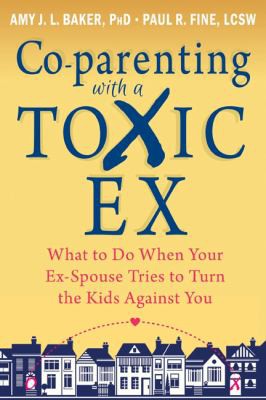
Co-Parenting with a Toxic Ex
Amy J. L. Baker, PhD & Paul R. Fine, LCSW
Evidence-based strategies when your ex tries to turn kids against you. Parental alienation prevention.
As an Amazon Associate, Clarity House Press earns from qualifying purchases. Your price is never affected.
Found this helpful?
Share it with someone who might need it.
About the Author

Clarity House Press
Editorial Team
The editorial team at Clarity House Press curates and publishes evidence-based content on narcissistic abuse recovery, high-conflict divorce, and healing. Our content is informed by research, survivor experiences, and established trauma-informed approaches.
View all posts by Clarity House Press →Published by Clarity House Press Editorial Team