Please read our important disclaimers before using this content
The Funeral That Never Happened
Three months after the divorce was final, I woke up crying from a dream where I'd attended his funeral. Not a nightmare—I wasn't glad he was dead. I was grieving, deeply and genuinely, the way you mourn someone you loved who's gone forever.
Except he wasn't dead. He was alive, living fifteen minutes away, picking up our children every Wednesday and alternating weekends, posting cheerfully on social media about his "fresh start" and new girlfriend.
I felt insane. Why was I grieving someone who was still alive? Why did this feel like death when he was perfectly fine—better than fine, thriving?
My therapist introduced me to a term I'd never heard: ambiguous loss.
"You're mourning someone who's still alive," she said. "You're grieving a relationship that you've lost but that never actually existed the way you believed it did. There's no funeral, no burial, no ritual that marks the end. Your grief has nowhere to land."
I cried for forty minutes in her office. Someone finally had words for what I was experiencing.
Five years later, I understand that the grief I felt—and sometimes still feel—isn't weakness or inability to move on. It's the natural human response to a specific type of loss that our culture doesn't recognize or validate: losing someone who's still alive, grieving what never was, and mourning a future that was always an illusion.
This is complex grief. This is ambiguous loss. And it's one of the most painful aspects of C-PTSD from narcissistic abuse.
What Is Ambiguous Loss?
Ambiguous loss is a term coined by Dr. Pauline Boss, professor emeritus of family social science at the University of Minnesota and pioneering grief researcher, to describe loss that occurs without closure or finality.12
Two Types of Ambiguous Loss
Type 1: Physically absent but psychologically present
Someone is physically gone but psychologically present in your life.
Examples:
- Missing persons
- Deployed military
- Kidnapped children
- Dementia (early stages)
Type 2: Physically present but psychologically absent
Someone is physically present but psychologically absent or fundamentally changed.
Examples:
- Dementia (advanced stages)
- Addiction
- Mental illness
- Traumatic brain injury
- Narcissistic abuse and the realization of who they actually are
Ambiguous Loss in Narcissistic Abuse
After narcissistic abuse, you experience both types simultaneously:
Physically present but psychologically absent:
- The person you thought you knew never existed
- Their authentic self was hidden behind a mask
- The emotional connection you felt was manufactured
- They're alive but the version of them you loved is gone
Physically absent but psychologically present:
- They're out of your life but still impact you daily
- In high-conflict custody, they're partially present through children
- You're still legally and financially entangled
- They occupy mental and emotional space despite physical absence
- Trauma responses keep them psychologically present even when they're not
This creates profound ambiguity: They're gone but not gone. They existed but never existed. You lost them but there's nothing to bury.
What Makes Grief "Complex"
Grief after narcissistic abuse isn't simple mourning. It's layered, contradictory, and complicated by the nature of what you're losing.
You're Grieving Multiple Losses Simultaneously
1. The person you thought they were
The kind, attentive partner during love-bombing. The person who seemed to understand you perfectly. The one who promised forever.
That person never existed. But your grief for them is real.
2. The relationship you believed you had
The partnership, the teamwork, the intimacy, the shared dreams.
That relationship was always one-sided. But your investment was genuine.
3. The future you planned together
Growing old together. Raising children in a healthy home. Building a life. Shared experiences yet to come.
That future was always an illusion. But your hope was authentic.
4. Your sense of reality and judgment
If you couldn't see who they really were, what else can't you see? If you chose this, what does that say about you?
This isn't about you being defective. But the loss of self-trust is profound.
5. Time you can't get back
Years—sometimes decades—invested in someone who was using you. Time you could have spent building actual intimacy, pursuing dreams, being with someone capable of love.
Those years are gone. That loss is real.
6. Parts of yourself you lost
Your confidence. Your joy. Your trust in others. Your sense of safety. Your professional trajectory. Your friendships. Your health.
Some of this can be rebuilt. Some is permanently changed.
7. Your children's intact family
If you have children, you're also grieving the family structure you wanted to give them.
You did the right thing leaving. And you can still mourn what you couldn't provide.
8. The closure you'll never get
Apology, acknowledgment, explanation, accountability.
These will never come from them. That absence of closure creates ongoing ambiguity.
Disenfranchised Grief
Your grief is also disenfranchised—not socially recognized or validated.34
People say:
- "But you're the one who left. Why are you sad?"
- "You should be happy to be free."
- "He was terrible to you. You shouldn't miss him."
- "It's been six months. Shouldn't you be over this?"
- "At least he's not dead."
- "You're better off. Why are you still upset?"
These statements invalidate very real grief.
Society validates grief when:
- Death occurs (funeral, rituals, community support)
- Relationship was publicly recognized as good
- Loss is clear and final
- Timeline is understood (acute grief lessens over 6-12 months)
Society doesn't know how to handle grief when:
- Person is still alive
- Relationship was abusive
- You "chose" to leave
- Loss is ambiguous
- Grief persists for years
- You feel contradictory emotions
This lack of validation complicates healing. You're grieving in isolation because others don't recognize your grief as legitimate.
The Contradictory Nature of This Grief
What makes grief after narcissistic abuse particularly complex is that you hold contradictory truths simultaneously.
Simultaneous Contradictions
You miss them AND you're relieved they're gone.
Both are true. The absence of chaos is peaceful. The absence of connection is painful.
You loved them AND they never existed.
You loved the person they pretended to be. That love was real even though they weren't.
You know leaving was right AND you still mourn the loss.
Correct decisions can still involve grief. Necessary doesn't mean painless.
You're angry at them AND you're sad for them.
They harmed you intentionally. And something in their psychology made them incapable of real connection. Both can be true.
You want them to hurt AND you don't wish them harm.
You want them to experience consequences. You also want to be someone who doesn't wish harm. The contradiction is uncomfortable.
You want closure AND you know it won't come.
Part of you still hopes for apology, acknowledgment, accountability. Part of you knows this is fantasy.
You're healing AND you're still grieving.
These aren't mutually exclusive. You can be making progress while still feeling loss.
You're moving forward AND you're stuck.
Some days you feel strong and capable. Other days you're back in acute grief. Both are part of the process.
This Isn't Confusion—It's Complexity
These contradictions aren't evidence you're not healing. They're evidence of the inherent complexity of grieving ambiguous loss.
In normal grief: The person was who you thought. They died. You miss them. The narrative is coherent.
In ambiguous loss after narcissistic abuse: Nothing is coherent. The person wasn't who you thought. They're not dead but they're gone. You miss someone who never existed. The relationship failed but was never real. You made the right choice and you're devastated.
Your job isn't to resolve contradictions. It's to hold them simultaneously without demanding they make sense.
Why Traditional Grief Models Often Don't Fit
The Kübler-Ross stages (denial, anger, bargaining, depression, acceptance) have helped many people understand grief. Originally developed for terminal illness patients, these stages were never meant to be linear or universal—and they particularly struggle to capture the complexity of ambiguous loss.
Why the Stages Don't Work Here
1. No finality
Stages assume movement toward acceptance of permanent loss. Ambiguous loss has no finality—he's still texting about custody exchanges, still creating conflict, still impacting your life.
2. No clear progression
You might feel acceptance one day, denial the next, anger an hour later. There's no forward movement because the loss itself keeps shifting.
3. Ongoing triggers
Each interaction, court date, custody exchange, or children's report triggers fresh grief. You can't progress through stages when the loss is continuously reactivated.
4. Complicated by trauma
C-PTSD symptoms (flashbacks, hypervigilance, emotional dysregulation) complicate grief. You're not just sad—you're traumatized. Healing requires addressing both. Understanding emotional flashbacks in C-PTSD can help distinguish grief responses from trauma responses so you can address each appropriately.
5. Simultaneous losses
You're grieving multiple things at once (the person, the relationship, the future, yourself, time). You might be in "acceptance" about the relationship ending while in "anger" about lost years while in "depression" about your shattered self-trust.
What Actually Happens
Grief after narcissistic abuse looks more like:
Waves that come unexpectedly
- Triggered by songs, dates, children's questions, random memories
- Intense when they hit
- Eventually lessening in frequency and intensity
- Never completely gone
Oscillation between loss-oriented and restoration-oriented coping (Dual Process Model by Stroebe & Schut)5
- Some days you grieve what's lost
- Some days you focus on rebuilding
- Both are necessary
- Movement between them is healthy
Integration rather than resolution
- The loss becomes part of your story
- It doesn't go away
- It changes shape
- You build life that incorporates the loss rather than eliminating it
Meaning-making that takes years6
- Initially the loss is senseless
- Over time you find frameworks that help (trauma education, abuse patterns, narcissism research)
- Meaning doesn't erase pain but makes it bearable
- This is ongoing process, not one-time event
Complicated Grief vs. Complex Grief
These terms are sometimes used interchangeably but have distinct meanings in trauma context.
Complicated Grief (Prolonged Grief Disorder)
Clinical diagnosis (in DSM-5-TR) when:78
- Intense grief persists more than 12 months after loss
- Significantly impairs functioning
- Includes persistent yearning, difficulty accepting death, feeling part of self died, avoiding reminders
- Affects approximately 7% of bereaved individuals
- Requires specific treatment
After narcissistic abuse:
Standard criteria don't fit because:
- Loss isn't death (criteria assume bereavement)
- Ambiguity prevents "acceptance"
- Impairment may be from C-PTSD not just grief
- "Normal" timeline doesn't apply to ambiguous loss
Complex Grief (Traumatic Grief)
Not a formal diagnosis but describes grief complicated by:
- Trauma
- Abuse
- Ambiguous loss
- Multiple simultaneous losses
- Lack of social support
- Ongoing stressors
This fits narcissistic abuse aftermath better:
- Trauma and grief are intertwined
- Loss is ambiguous and ongoing
- Multiple losses simultaneously
- Social invalidation compounds difficulty
- Custody/legal battles maintain stressor
Treatment requires: Addressing both trauma (EMDR, somatic therapy, trauma-focused CBT) and grief (meaning-making, narrative work, ritual creation).
Healing from Ambiguous Loss
You can't heal from ambiguous loss the way you heal from clear loss. But you can learn to live with it, integrate it, and build meaningful life alongside it.
Accept the Ambiguity
The hardest part: Letting go of the need for clarity and closure.
Ambiguity tolerance means:
- Accepting you'll never fully understand why they did what they did
- Accepting you'll never get the apology or accountability
- Accepting some questions don't have answers
- Accepting grief and healing coexist
- Accepting contradictory feelings simultaneously
This isn't giving up. It's releasing the exhausting pursuit of resolution that will never come.
Practices:
- Mindfulness with discomfort (sitting with ambiguity without trying to fix it)
- Both/and thinking ("I can feel both sad and relieved")
- Releasing "shoulds" ("I should be over this by now")
- Accepting waves of grief without judgment
Create Your Own Closure Rituals
Since you won't get external closure, create internal closure.
Ritual examples:
Letter writing and burning:
- Write everything you wish you could say
- Include rage, grief, confusion, hope
- Burn it in safe container
- Witness your words transforming
- This isn't for them—it's for you
Symbolic burial:
- Create physical representation of relationship (photos, mementos, written narrative)
- Bury or dispose of it intentionally
- Say words marking the end
- Witness the burial
- You're burying the illusion, not the person
Goodbye ceremony:
- Private or with trusted supporters
- Speak your goodbye aloud
- Share memories, grief, lessons
- Light candles, plant tree, create art
- Mark the transition from "still hoping" to "accepting what is"
Timeline or narrative work:
- Create visual representation of relationship arc
- Mark love-bombing, devaluation, discard, healing
- See patterns clearly
- Write your story with beginning, middle, end you define
- You control the narrative now
Annual acknowledgment:
- Choose date (divorce final, when you left, date you'd have celebrated anniversary)
- Create ritual around it (journal, donate to DV organization, do something nurturing)
- Acknowledge the loss and your growth
- Mark time without needing to "be over it"
These rituals provide the finality that the situation itself doesn't offer.
Grieve in Community
Disenfranchised grief needs witnessing.
Find people who understand:
- Survivor support groups (DV organizations often offer)
- Online communities (r/NarcissisticAbuse, other survivor forums)
- Therapist specializing in trauma and grief
- Trusted friends who don't minimize your experience
- Others who've experienced ambiguous loss
What helps:
- Having grief validated
- Hearing others' similar experiences
- Permission to grieve as long as you need
- Acceptance of contradictions
- Normalization of complex emotions
What doesn't help:
- People who judge you for "still" grieving
- Those who demand you explain or justify feelings
- Minimizers who compare your loss to "real" loss
- Anyone who tells you how you should feel
Protect your grief by choosing witnesses carefully.
Note on cultural context: These suggestions reflect Western, individualistic approaches to grief. Grief expression, timelines, and support structures vary significantly across cultures. Honor your cultural traditions and practices while finding what serves your healing.
Separate Who They Were From What You Lost
This is subtle but important:
You're not grieving them as they actually are (the person who harmed you doesn't deserve your ongoing grief).
You're grieving:
- The person you thought they were
- The relationship you believed you had
- The investment you made
- The future you imagined
- The part of yourself that trusted
Reframe: "I'm not mourning him. I'm mourning the years I spent believing something that wasn't real. I'm mourning my own hope, my own investment, my own vision of the future."
This reframe:
- Validates your grief
- Removes power from them
- Focuses on your genuine loss (time, trust, dreams)
- Allows mourning without implying they deserve it
Your grief is about you, not them. That makes it legitimate regardless of their worthlessness.
Address the Trauma Underlying the Grief
You can't fully grieve while actively traumatized.
Trauma work must happen alongside grief work:
Trauma-focused therapy:
- EMDR (Eye Movement Desensitization and Reprocessing)
- Somatic experiencing
- Internal Family Systems
- Trauma-focused CBT
Regulating your nervous system:
- Safety-building
- Grounding techniques
- Resourcing
- Window of tolerance expansion
Processing traumatic memories:
- Safely revisiting and integrating traumatic events
- Reducing emotional charge of memories
- Separating past danger from present safety
Rebuilding sense of self:
- Identifying who you are outside the relationship
- Reconnecting with pre-abuse self
- Developing new identity that integrates experience
As trauma heals, grief becomes more accessible. When you're not constantly in survival mode, you can actually feel the loss.
Important: If grief is significantly impairing your ability to function (work, relationships, basic self-care), or if you're experiencing thoughts of self-harm, please seek professional support. Complex grief and prolonged grief disorder often require professional guidance including trauma-focused cognitive-behavioral therapy or specialized grief treatment,9 and there's no shame in needing help navigating this.
Make Meaning Without Justifying
Meaning-making helps grief become bearable. But meaning doesn't justify what happened.
Harmful meaning:
- "Everything happens for a reason" (minimizes harm)
- "It was a lesson I needed" (you didn't need abuse)
- "God's plan" (God didn't plan your abuse)
- "It made me stronger" (you shouldn't have had to become strong this way)
Authentic meaning:
- "I learned I'm more resilient than I knew" (acknowledges your strength without justifying abuse)
- "This experience clarified my values" (you found clarity, not that abuse was needed for it)
- "I understand narcissism now and can protect myself" (knowledge you gained, not that the cost was worth it)
- "I'm building a future I actually choose" (your agency now, not that the past was purposeful)
Meaning is what you make from the experience, not inherent in the experience itself.
Honor the Timeline Your Grief Requires
There's no "should" timeline.
Research on ambiguous loss shows grief can persist for years or decades when ambiguity isn't resolved—and that's normal.1011
You're not "stuck" if:
- You still have moments of intense grief years later
- Certain dates or triggers bring waves of sadness
- You sometimes feel the same contradictory feelings you did early on
- You haven't reached some imagined state of "closure"
You ARE healing if:
- Waves of grief become less frequent over time (even if they never disappear)
- You have increasing capacity for joy alongside grief
- Functioning improves (work, relationships, daily life)
- You're building meaning and connection
- Self-compassion is growing
- You can hold contradictions without falling apart
Healing isn't linear. Bad days don't erase progress.
Living with Ongoing Ambiguous Loss
In high-conflict custody, some ambiguity never ends.
Managing Continuous Triggers
Each custody exchange, each email, each court date reactivates loss.
Strategies:
Minimize exposure:
- Use documented communication platforms like TalkingParents or OurFamilyWizard for logistics only
- Brief, factual communication
- Curbside exchanges (no interaction)
- Third-party exchanges when possible
Prepare for triggers:
- Before custody exchange, ground yourself
- After, have soothing ritual
- Schedule therapy around predictable stress points
- Build support for difficult dates
Separate person from process:
- You're managing co-parenting logistics
- You're not engaging with the person you lost
- They're now a logistical requirement, not a partner
- Reduce them in your mind to their function
Create boundaries:
- Don't read messages immediately
- Set times for checking co-parenting app
- Limit discussion of them with children
- Protect your mental space
Processing recurring grief:
- Acknowledge waves when they hit
- "This is grief. It makes sense. It will pass."
- Use grounding, self-compassion, support
- Don't judge yourself for still feeling it
When Children Keep the Ambiguity Present
Your children carry parts of the person you're grieving.
This is uniquely painful:
- You see his expressions in their faces
- They share stories from his house
- They love him (and should)
- You navigate loving them while grieving him
Strategies:
Separate children from parent:
- They are not him
- They carry his genetics but they're their own people
- Your relationship with them is independent of him
- Love them without loving him
Process privately:
- Don't burden children with your grief
- Find other outlets (therapy, support groups, trusted friends)
- Your grief about him isn't theirs to carry
Support their relationship:
- They deserve to love both parents
- Don't interfere with their attachment (unless safety issue)
- This isn't about him deserving it—it's about them needing it
Protect yourself:
- It's okay to feel triggered by stories about him
- Have phrases ready: "I'm glad you had fun. Tell me about [topic change]."
- Set boundaries around discussions that are too painful
- Process your feelings separately
Seek support:
- Other co-parents navigating this
- Therapist who understands co-parenting with narcissist
- Writing, art, ritual to process ongoing grief
This ambiguity may never fully resolve. You learn to live with it while building meaningful life alongside it.
Resources for Further Learning
Books on Ambiguous Loss
Dr. Pauline Boss's Essential Works:
- Ambiguous Loss by Pauline Boss - The foundational text on ambiguous loss theory (1999, updated 2022)
- The Myth of Closure by Pauline Boss - Recent work applying framework to contemporary challenges (2022)
- Loving Someone Who Has Dementia by Pauline Boss - Application to Type 2 ambiguous loss (2011)
Grief Research & Theory
Dual Process Model:
- Stroebe, M., & Schut, H. (1999). "The dual process model of coping with bereavement: Rationale and description." Death Studies, 23(3), 197-224.
Support Resources
Survivor Communities:
- r/NarcissisticAbuse - Reddit community for survivors
- Local domestic violence organizations often offer grief-focused support groups
Crisis Support:
- National Domestic Violence Hotline - 1-800-799-7233
- 988 Suicide & Crisis Lifeline - Call or text 988
Your Next Steps
This week:
-
Acknowledge your grief is valid—even if the person is alive, even years later
-
Identify what you're actually grieving—the person you thought they were? Lost years? Shattered trust?
-
Notice contradictory feelings without judging them as wrong or confusing
-
Find one person who can witness your grief without minimizing it
-
Practice one self-compassion phrase: "This is hard. Anyone would struggle with this. I'm doing the best I can."
This month:
-
Consider grief-focused therapy with trauma-informed therapist
-
Create one closure ritual that feels meaningful to you
-
Join one survivor support group or online community
-
Read about ambiguous loss (Dr. Pauline Boss's work)
-
Allow yourself to grieve without timeline or expectation
This year:
-
Continue trauma therapy addressing both C-PTSD and grief
-
Build meaning from your experience (not that it was meant to happen, but what you're making from it)
-
Develop grief practices for triggers and anniversaries
-
Cultivate support community who understands complex grief
-
Integrate the loss into your narrative while building future
Resources
Grief Support and Therapy:
- Psychology Today - Grief Therapists - Find therapists specializing in complicated grief and ambiguous loss
- Center for Complicated Grief - Columbia University - Research, treatment information, and provider directory
- The Dinner Party - Community of young adults navigating loss and grief
- GriefShare - Faith-based grief support groups (13-week recovery program)
Books and Educational Resources:
- Ambiguous Loss by Pauline Boss - Foundational book on ambiguous loss theory
- The Myth of Closure by Pauline Boss - Living with unresolved grief in modern times
- It's OK That You're Not OK by Megan Devine - Validation for non-linear grief
- What's Your Grief - Articles, courses, and resources on complicated grief
Crisis Support (Available 24/7):
- 988 Suicide & Crisis Lifeline - Call or text 988 for immediate mental health crisis support
- Crisis Text Line - Text HELLO to 741741 for free crisis counseling
- National Domestic Violence Hotline - 1-800-799-7233 (abuse-related grief support)
- SAMHSA Helpline - 1-800-662-4357 (mental health treatment referrals)
References
Ambiguous Loss Theory:
- Boss, P. (1999). Ambiguous Loss: Learning to Live with Unresolved Grief. Harvard University Press.
- Boss, P. (2006). Loss, trauma, and resilience: Therapeutic work with ambiguous loss. Journal of Loss & Trauma, 12(3), 259-272. https://doi.org/10.1080/15325020600822956
- Boss, P. (2022). The Myth of Closure: Ambiguous Loss in a Time of Pandemic and Change. University of Chicago Press.
Prolonged Grief Disorder and Clinical Criteria:
- Prigerson, H. G., et al. (2021). Prolonged grief disorder: Psychometric validation of criteria proposed for DSM-5 and ICD-11. PLOS Medicine, 18(12), e1003904. https://doi.org/10.1371/journal.pmed.1003904
- American Psychiatric Association. (2022). Diagnostic and Statistical Manual of Mental Disorders (5th ed., text rev.). https://doi.org/10.1176/appi.books.9780890425787
Dual Process Model of Grief:
- Stroebe, M., & Schut, H. (1999). The dual process model of coping with bereavement: Rationale and description. Death Studies, 23(3), 197-224. https://doi.org/10.1080/074811899201046
Disenfranchised Grief:
- Doka, K. J. (1989). Disenfranchised Grief: Recognizing Hidden Sorrow. Lexington Books.
Meaning-Making in Grief:
- Neimeyer, R. A. (2001). Meaning Reconstruction and the Experience of Loss. American Psychological Association. https://doi.org/10.1037/10397-000
- Neimeyer, R. A., & Thompson, B. E. (2014). Meaning reconstruction following loss: Toward theoretical and empirical integration. New Studies in the Philosophy of Science, 8(3), 156-184.
Trauma-Focused Treatment for Grief:
- Shear, M. K., et al. (2016). Grief and prolonged grief disorder. In Textbook of Symptom-Focused Psychiatry (pp. 343-356). Academic Press.
The Truth About Grieving Someone Who's Still Alive
Five years after that dream funeral, I still have moments of grief. They're less frequent, less intense, shorter in duration. But they still come.
Last week I heard a song we used to dance to in the kitchen. For twenty minutes I cried—not for him, but for the woman I was who believed in that kitchen dance, that partnership, that future.
I'm not "over it." I don't think I'll ever be completely over it. How do you get over believing in something that seemed so real but was always illusion?
But I've learned to live with the ambiguity. I've built a life that incorporates the loss rather than demanding it disappear. I hold contradictions without needing them resolved. I grieve when waves come without judging myself for still feeling them.
Your grief after narcissistic abuse is complex, ambiguous, and disenfranchised. It doesn't follow neat stages. It persists longer than society says it should. It involves contradictions that seem impossible to hold.
And it's completely valid.
You're grieving something real: your hope, your trust, your investment, your time, your vision of partnership and future. That loss deserves mourning even though the person doesn't deserve your grief.
Grieve as long as you need to. Feel contradictory emotions simultaneously. Create your own closure rituals. Find community that witnesses your loss. Build meaning that serves you. Give yourself the timeline healing actually requires.
You're not weak for grieving. You're human for mourning genuine loss.
The person you thought they were deserved your love. They just never existed to receive it.
Your grief is the evidence of your capacity to love, to hope, to invest, to dream. Those capacities aren't gone. They're just learning to discern what's real.
That learning happens through grief, not instead of it.
Feel what you feel. Honor the complexity. Trust the timeline your healing requires.
The clarity will come. Not all at once, not completely, but enough.
Enough to live with the ambiguity while building something real.
That's not weakness. That's how you survive ambiguous loss.
You're doing it right now.
References
- Boss, P. (1999). Ambiguous Loss: Learning to Live with Unresolved Grief. Harvard University Press. — The foundational work defining ambiguous loss theory and its two types (physically absent/psychologically present and physically present/psychologically absent). Boss's research was extended in The Myth of Closure (2022) to address contemporary applications to pandemic losses and modern challenges. ↩
- Doka, K. J. (1989). Disenfranchised grief: Recognizing hidden sorrow. Lexington Books. — Foundational research on grief that isn't socially recognized or validated, describing how societal structures can invalidate legitimate grief experiences. ↩
- American Psychiatric Association. (2022). Diagnostic and Statistical Manual of Mental Disorders (5th ed., text rev.). https://doi.org/10.1176/appi.books.9780890425787 — DSM-5-TR criteria for Prolonged Grief Disorder (formally recognized in 2022, affecting approximately 7% of bereaved individuals). Also see Prigerson, H. G., et al. (2021). Prolonged grief disorder: Psychometric validation of criteria proposed for DSM-5 and ICD-11. PLOS Medicine, 18(12), e1003904. ↩
- Stroebe, M., & Schut, H. (1999). The dual process model of coping with bereavement: Rationale and description. Death Studies, 23(3), 197-224. https://doi.org/10.1080/074811899201046 — The research-validated model for understanding oscillation between loss-oriented and restoration-oriented coping. This model has been extensively validated in grief research and is foundational to understanding healthy grief processing. ↩
- Neimeyer, R. A. (2001). Meaning Reconstruction and the Experience of Loss. American Psychological Association. https://doi.org/10.1037/10397-000 — Comprehensive research on meaning-making as a central process in grief adaptation, supporting the narrative and integration approaches described in healing strategies. Extended in Neimeyer, R. A., et al. (2006). Meaning reconstruction in bereavement: Research and clinical applications. Journal of Personal and Interpersonal Loss, 11(1), 1-10. ↩
- Boss, P. (2002). Ambiguous loss in families of the missing. The Lancet, 360(9345), 1428-1429. https://doi.org/10.1016/S0140-6736(02)11815-0 — Landmark research demonstrating that grief from ambiguous loss persists for years or decades without resolution, particularly in cases of missing persons and situations without definitive closure. This applies directly to ambiguous loss in narcissistic abuse recovery where the loss remains unresolved. ↩
- Shear, M. K., et al. (2016). Grief and prolonged grief disorder. In Textbook of Symptom-Focused Psychiatry (pp. 343-356). Academic Press. Also see Prigerson, H. G., et al. (2009). Prolonged grief disorder: Psychometric validation of criteria proposed for DSM-5 and ICD-11. PLOS Medicine, 6(8), e1000121. Evidence-based treatments include trauma-focused cognitive-behavioral therapy (TF-CBT), Complicated Grief Treatment (CGT), and grief-focused psychotherapy, with research showing significant symptom reduction in 16-20 sessions. ↩
- Boss, P. (2006). Loss, trauma, and resilience: Therapeutic work with ambiguous loss. Journal of Loss & Trauma, 12(3), 259-272. https://doi.org/10.1080/15325020600822956 — Extended research on how ambiguous loss differs from traditional bereavement, validating that grief responses to unclear losses are normal and require different therapeutic approaches than classical grief models. ↩
- Neimeyer, R. A., & Thompson, B. E. (2014). Meaning reconstruction following loss: Toward theoretical and empirical integration. New Studies in the Philosophy of Science, 8(3), 156-184. — Peer-reviewed research on the absence of social validation for certain types of grief and how disenfranchisement complicates the grief process and recovery trajectories. ↩
- Prigerson, H. G., et al. (2021). Prolonged grief disorder: Psychometric validation of criteria proposed for DSM-5 and ICD-11. PLOS Medicine, 18(12), e1003904. https://doi.org/10.1371/journal.pmed.1003904 — Comprehensive psychometric validation study establishing Prolonged Grief Disorder as a distinct diagnostic entity with specific criteria, affecting approximately 7-10% of bereaved individuals with documented neurobiological differences from normal grief. ↩
- Boss, P. (2002). Ambiguous loss in families of the missing. The Lancet, 360(9345), 1428-1429. https://doi.org/10.1016/S0140-6736(02)11815-0 — Landmark research demonstrating persistence of grief from ambiguous loss without closure, showing that unresolved loss creates long-term psychological effects that differ fundamentally from conventional bereavement trajectories. ↩
Recommended Reading
From Clarity House Press — plus trusted books for deeper understanding


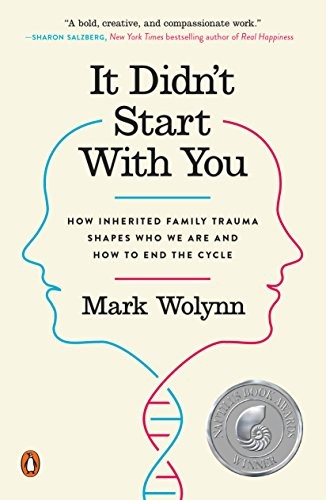
It Didn't Start with You
Mark Wolynn
Groundbreaking exploration of inherited family trauma and how to end intergenerational cycles.
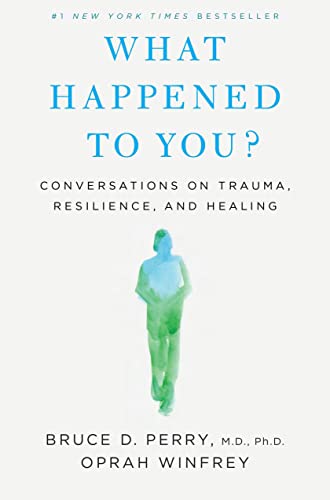
What Happened to You?
Bruce D. Perry, M.D., PhD & Oprah Winfrey
A conversational introduction to how early experience shapes us — reframing 'what's wrong with you' into 'what happened to you.'
As an Amazon Associate, Clarity House Press earns from qualifying purchases. Your price is never affected.
Found this helpful?
Share it with someone who might need it.
About the Author

Clarity House Press
Editorial Team
The editorial team at Clarity House Press curates and publishes evidence-based content on narcissistic abuse recovery, high-conflict divorce, and healing. Our content is informed by research, survivor experiences, and established trauma-informed approaches.
View all posts by Clarity House Press →Published by Clarity House Press Editorial Team