Please read our important disclaimers before using this content
If you have OCD (Obsessive-Compulsive Disorder) and you've been in a relationship with a narcissist, you may have noticed your symptoms dramatically worsening during the relationship—and you may have wondered if you were "going crazy."
You weren't. Narcissistic abusers specifically target and exploit OCD symptoms, using your anxiety, checking behaviors, perfectionism, and contamination fears as mechanisms of control. This is part of a broader pattern of how gaslighting works as a comprehensive manipulation system—and OCD doubt makes targets especially vulnerable.
Understanding how narcissists weaponize OCD, why your symptoms intensified during abuse, and what OCD-informed recovery looks like is essential for healing.
Understanding OCD: More Than "Being Organized"
Obsessive-Compulsive Disorder is a serious anxiety disorder involving:1
Obsessions: Intrusive, unwanted thoughts that cause significant anxiety
- Fear of contamination
- Fear of harming yourself or others
- Need for symmetry or exactness
- Intrusive sexual or violent thoughts
- Religious or moral obsessions
Compulsions: Repetitive behaviors or mental acts performed to reduce anxiety from obsessions
- Checking (locks, stoves, doors, emails)
- Washing/cleaning
- Counting
- Arranging/ordering
- Seeking reassurance
- Mental rituals (counting, praying, repeating phrases)
OCD is not about being neat, organized, or particular. It's a debilitating anxiety disorder that can consume hours of every day and cause significant distress and functional impairment.2 When OCD co-occurs with C-PTSD, the overlap in symptoms makes diagnosis and treatment more complex—see why C-PTSD is often misdiagnosed for context.
Why Narcissists Target People with OCD
Narcissists don't randomly end up with partners who have OCD—they actively seek out and exploit these specific vulnerabilities.
1. Perfectionism and Fear of Making Mistakes
People with OCD often develop intense perfectionism and fear of making mistakes (which could lead to catastrophic outcomes in their anxious thinking).
How narcissists exploit perfectionism:**
- They set impossible standards, knowing you'll exhaust yourself trying to meet them
- They move goalposts continuously (nothing is ever good enough)
- They criticize minor imperfections, triggering anxiety spirals
- They frame your perfectionism as evidence you're "difficult" or "never satisfied"
- They exploit your fear of making mistakes to make you overly cautious and compliant
What this looks like:
"I'd spend hours cleaning the house before he came home because he'd once commented on dishes in the sink. Even when the house was spotless, he'd find something—a pillow slightly crooked, a towel not perfectly aligned. I'd immediately spiral into anxiety, apologizing, fixing it. He'd sigh and say 'I just wish you'd get it right the first time.' I could never get it right because the standard changed constantly."
2. Checking Compulsions
Many people with OCD engage in checking behaviors to prevent feared outcomes: checking locks, checking that appliances are off, checking that they didn't accidentally harm someone.
How narcissists exploit checking compulsions:**
- They deliberately create doubt ("Did you lock the door? Are you sure?")
- They hide or move items, making you check more
- They gaslight about whether you completed tasks
- They punish you for checking behaviors while simultaneously making you doubt yourself
- They use your checking to "prove" you're anxious, paranoid, or unstable
What this looks like:
"I have intrusive thoughts about accidentally leaving the stove on and causing a fire. I'd check the stove multiple times before leaving the house. He knew this. He'd say things like 'Did you check the stove? Because last time you didn't and we almost had a fire.' There was no 'last time'—but the doubt would send me back to check again and again. I'd be late to work, and he'd criticize me for being irresponsible about my job."
3. Contamination Fears
OCD contamination fears can involve germs, bodily fluids, chemicals, or metaphorical contamination (moral or spiritual).
How narcissists exploit contamination fears:**
- They deliberately expose you to feared contaminants
- They mock your washing or cleaning rituals
- They create situations where you can't perform decontamination rituals
- They violate your contamination boundaries (touching you with "dirty" hands, etc.)
- They threaten to contaminate your safe spaces if you don't comply
What this looks like:
"I have contamination OCD focused on bodily fluids. He knew this. When he was angry, he'd threaten to spit on my pillow, or he'd touch my toothbrush after using the bathroom without washing hands. The threat alone would send me into a spiral. He'd laugh and say I was 'ridiculous' and 'germaphobic.' I'd spend hours decontaminating or would throw away items and buy new ones, which he'd then criticize as 'wasteful.'"
4. Need for Certainty and Reassurance-Seeking
OCD creates intense need for certainty. Many people with OCD seek reassurance repeatedly to temporarily reduce anxiety.
How narcissists exploit reassurance-seeking:**
- They withhold reassurance deliberately
- They provide contradictory reassurance (creating more doubt)
- They become your primary reassurance source (creating dependency)
- They later weaponize your reassurance-seeking as "neediness" or "instability"
- They use reassurance withdrawal as punishment
What this looks like:
"I'd ask 'Are you sure you're not mad at me?' because my OCD brain would fixate on the idea I'd done something wrong. Early in the relationship, he'd reassure me patiently. Later, he'd say 'I already told you I'm not mad—why do you keep asking? Are you trying to start a fight?' His irritation would confirm my fear that he was actually mad, so I'd ask again, making it worse. I couldn't win."
5. Intrusive Thoughts and Moral Scrupulosity
Many people with OCD experience intrusive thoughts—unwanted, disturbing thoughts that don't reflect their values (sexual, violent, or blasphemous thoughts).3 Some develop moral scrupulosity: excessive concern about being a good person.
How narcissists exploit intrusive thoughts:**
- They accuse you of secretly wanting to act on intrusive thoughts
- They use your moral scrupulosity to make you feel guilty for normal behavior
- They convince you that having intrusive thoughts makes you a bad person
- They threaten to tell others about your intrusive thoughts
- They exploit your fear of being immoral to control your behavior
What this looks like:
"I have intrusive thoughts about harming my children—which is common in OCD and doesn't mean I want to harm them. I made the mistake of telling him about these thoughts in therapy. Later, during arguments, he'd say 'You're the one with violent thoughts about the kids—maybe you're the problem.' I was terrified he'd use this in custody court. My OCD told me if I left him, he'd take the kids because I'd 'admitted' to wanting to hurt them."
6. Rigidity and Need for Control
OCD often creates need for things to be done "the right way" to prevent catastrophic outcomes. This can appear as rigidity or need for control.
How narcissists exploit need for control:**
- They frame your OCD need for order as evidence you're "controlling"
- They deliberately create chaos (which dysregulates you)
- They disrupt your rituals and routines
- They accuse you of being "inflexible" when you need predictability
- They use your rigidity to justify their "need for freedom" (aka doing whatever they want)
What this looks like:
"I need our family schedule written on the calendar because my OCD brain can't handle uncertainty about plans. He'd agree to the schedule, then change plans last-minute without telling me. I'd become extremely anxious, and he'd say 'You're so controlling—you can't handle anything that's not exactly your way. Normal people are flexible.' My need for predictability became evidence I was difficult."
How Narcissistic Abuse Worsens OCD Symptoms
Even if your OCD was well-managed before the relationship, narcissistic abuse typically causes significant symptom escalation.
Why Abuse Worsens OCD:
1. Chronic Unpredictability
- OCD brains desperately seek certainty
- Narcissistic abuse creates constant unpredictability4
- Your brain compensates by increasing compulsions (more checking, more rituals)
2. Gaslighting Feeds OCD Doubt
- OCD already makes you doubt yourself
- Gaslighting confirms that you can't trust your memory or perceptions4
- Checking behaviors increase dramatically
- Reassurance-seeking intensifies
3. Stress Exacerbates Symptoms
- OCD symptoms worsen under stress5
- Narcissistic abuse is chronic, extreme stress
- Intrusive thoughts become more frequent and intense
- Compulsions take longer and provide less relief
4. Isolation Removes Reality-Checking
- OCD thoughts benefit from external reality-checking
- Narcissists isolate you from people who could provide perspective
- You're alone with your OCD thoughts and the narcissist's manipulation
5. Sleep Deprivation
- Narcissists often disrupt sleep (arguments at night, withholding sleep)
- Sleep deprivation dramatically worsens OCD symptoms6
- Intrusive thoughts increase, compulsions intensify, cognitive function decreases
OCD Weaponized in Custody Battles
If you have OCD and you're divorcing a narcissist, expect them to weaponize your disorder in court.
Common Legal Attacks on Parents with OCD:
1. Framing compulsions as dangerous behavior:
- "She has obsessive thoughts about harming the children" (misrepresenting intrusive thoughts)
- "He performs bizarre rituals that frighten the children"
- "She washes her hands until they bleed" (no context about OCD)
2. Using checking behaviors as evidence of paranoia:
- "He checks on the children obsessively—he's paranoid"
- "She installed cameras everywhere—she's unstable"
- Presenting checking compulsions as surveillance/control
3. Medication as proof of severe mental illness:
- "She requires high doses of psychiatric medication"
- "He's on multiple medications just to function"
- Framing OCD treatment as evidence of instability
4. Contamination fears as inability to parent:
- "She won't let the children play outside because of germs"
- "He makes the children wash their hands excessively"
- Misrepresenting reasonable hygiene as OCD-driven neglect
5. Recording compulsions during high stress:
- Deliberately triggering you, then recording your compulsive response
- Showing video of you checking something 20 times as "evidence of mental illness"
- No context that they're deliberately exacerbating symptoms
Protecting Yourself in Court:
Document OCD management:
- Consistent treatment (therapy, medication)
- Evidence that OCD is managed and doesn't impair parenting
- Statements from your therapist/psychiatrist about your functioning
Get OCD-informed evaluations:
- Custody evaluators who understand OCD
- Psychologists familiar with how OCD is different from other disorders
- Avoid evaluators who pathologize OCD as "severe mental illness"
Reframe OCD as managed condition:
- "I have OCD, which I successfully manage through ERP therapy and medication"
- Emphasize high-functioning aspects
- Show that children are well-cared for, safe, thriving
Address intrusive thoughts proactively:
- If intrusive thoughts come up, have therapist explain what they are
- Emphasize that intrusive thoughts are unwanted and not acted upon
- Provide psychoeducation to evaluators about OCD intrusive thoughts
Document abuse's impact on symptoms:
- Show how symptoms worsened during relationship
- Demonstrate improvement after separation
- Connect symptom escalation to abusive behavior
OCD Medication: A Control Mechanism
Narcissists often target your OCD medication as a way to destabilize and control you.
Medication Sabotage Tactics:
- Hiding medication: "I threw it away because you don't need it"
- Shaming medication use: "You're weak for needing pills"
- Preventing refills: Blocking access to pharmacy, hiding insurance cards
- Controlling dosing: Dispensing medication themselves, monitoring your intake
- Threatening to report medication: "I'll tell your doctor you're abusing your meds"
- Interrupting therapy: Preventing you from attending ERP (Exposure and Response Prevention) therapy
Why This Is So Damaging:
OCD medication (typically SSRIs) and ERP therapy are evidence-based treatments.7 Disrupting treatment causes:
- Symptom rebound (often worse than before treatment)
- Increased distress and functional impairment
- Loss of progress made in therapy
- Dependence on the narcissist (if they position themselves as alternative to treatment)
Finding OCD-Informed Trauma Therapy
Standard trauma therapy may not address OCD appropriately, and standard OCD therapy may not address trauma appropriately. You need both.
What OCD-Informed Trauma Therapy Includes:
1. Understanding OCD and trauma interaction:
- How trauma worsens OCD
- How OCD makes someone vulnerable to abuse
- Distinguishing OCD intrusive thoughts from trauma flashbacks
- Treating both conditions simultaneously
2. ERP (Exposure and Response Prevention) adapted for trauma:
- Traditional ERP for OCD symptoms
- Trauma-informed pacing (not overwhelming someone in active crisis)
- Understanding when obsessions are OCD vs. valid trauma concerns
- Addressing trauma triggers that worsen OCD
3. Not pathologizing compulsions as "avoidance":
- Understanding that OCD compulsions are different from trauma avoidance
- Not forcing exposure before someone is ready
- Recognizing when checking is OCD vs. valid safety behavior (leaving an abuser)
4. Medication management:
- Working with psychiatrist familiar with OCD
- Adjusting medication if trauma changes symptom presentation
- Understanding that trauma recovery + OCD recovery may require different medication than OCD alone
Finding the Right Therapist:
Ask potential therapists:
- "Do you have training in treating OCD with ERP?"
- "Are you familiar with how trauma impacts OCD symptoms?"
- "How do you distinguish OCD intrusive thoughts from trauma-related thoughts?"
- "Do you understand how narcissistic abuse specifically worsens OCD?"
Red flags in therapists:
- Not trained in ERP (the gold-standard OCD treatment)
- Dismissing OCD as "just anxiety"
- Treating all checking/compulsions as trauma avoidance
- Pushing exposure before you're stable
- Not understanding difference between intrusive thoughts and actual intentions
Where to find OCD specialists:
- International OCD Foundation (IOCDF) therapist directory
- Psychology Today (filter for OCD + trauma)
- Local OCD support groups (ask for recommendations)
Recovery Strategies for OCD Survivors
Healing from narcissistic abuse when you have OCD requires addressing both the trauma and the OCD.
1. Resume or Begin ERP Therapy
If your OCD treatment was disrupted during the relationship, resuming it is essential.
ERP (Exposure and Response Prevention):7
- Gradually exposing yourself to feared situations
- Preventing compulsive response
- Learning that anxiety decreases without compulsions
- Building tolerance for uncertainty
Why this matters post-abuse:
- OCD symptoms likely worsened during abuse
- You may have developed new obsessions/compulsions
- ERP helps rebuild trust in yourself (that you can handle uncertainty)
2. Distinguish OCD Thoughts from Valid Concerns
After abuse, your OCD may fixate on real dangers.
Learning to distinguish:**
OCD thought: "If I don't check the locks 20 times, someone will break in and hurt my children"
- Compulsive checking doesn't actually increase safety
- The anxiety is disproportionate to actual risk
- Checking provides temporary relief but reinforces the obsession
Valid trauma concern: "My ex has a history of violating boundaries and I should have a security system"
- Based on actual past behavior
- Proportionate safety response (install security system, don't check it compulsively)
- Taking action provides lasting safety, not just temporary anxiety relief
Work with your therapist to identify which is which.
3. Address Gaslighting's Impact on OCD Doubt
Narcissistic gaslighting feeds directly into OCD's doubt mechanism.
Rebuilding trust in yourself:**
- Journal to track patterns (your memory is trustworthy)
- Use documentation (photos, recordings) to counter gaslighting residue
- Practice self-compassion when you doubt yourself (it's not weakness, it's OCD + trauma)
- Gradually reduce reassurance-seeking (build internal confidence)
4. Reclaim Control of Your Environment
Narcissists often created chaos. Rebuilding order helps both trauma recovery and OCD management.
What this looks like:**
- Creating predictable routines (good for OCD and trauma)
- Organizing your space in ways that reduce triggers
- Establishing boundaries about your environment
- Removing items/reminders of the narcissist
Important: This is healthy organization, not OCD compulsions. Work with therapist to ensure you're creating functional structure, not elaborate rituals.
5. Medication Reevaluation
Trauma changes your brain chemistry. Your OCD medication may need adjustment.
Work with your psychiatrist:**
- Assess whether current medication is still optimal
- Consider whether trauma symptoms require additional medication
- Monitor for medication interactions (if you're prescribed trauma-specific meds)
- Don't abruptly stop medication (can cause severe rebound)
6. Build Tolerance for Uncertainty
OCD and narcissistic abuse both make you crave certainty. Recovery involves building tolerance for not knowing.
Practicing uncertainty tolerance:**
- Small, gradual exposures to uncertainty
- Resisting reassurance-seeking compulsions
- Sitting with anxiety without compulsive response
- Recognizing that certainty is often impossible (and that's okay)
Why this is hard post-abuse: You just left a situation where uncertainty was genuinely dangerous. Your brain's need for certainty kept you vigilant. Now you're learning which uncertainty is dangerous (legitimately) and which is OCD-driven.
7. Connect with OCD Community
Other people with OCD understand what you're experiencing.
Where to find community:**
- IOCDF support groups (online and in-person)
- OCD-specific online communities (Reddit r/OCD, Facebook groups)
- Local OCD peer support groups
- OCD + trauma-specific groups
Why community matters:
- Reduces shame about symptoms
- Provides reality-checking (is this OCD or valid concern?)
- Shares coping strategies
- Reminds you that you're not alone
Preventing Future Exploitation
Understanding how your OCD was weaponized helps you protect yourself in future relationships.
Red Flags in New Relationships:
1. Testing your boundaries around OCD:
- Deliberately triggering contamination fears "as a joke"
- Commenting on your checking behaviors
- Asking excessive questions about your OCD (gathering ammunition)
2. Positioning themselves as your "helper" with OCD:
- Offering to "remind" you to do things (creating dependency)
- Suggesting they can "cure" your OCD with love/support
- Taking over tasks "because your OCD makes it hard for you"
3. Early criticism of OCD symptoms:
- Calling you "crazy" or "paranoid"
- Mocking compulsions or rituals
- Suggesting you don't "really" need medication/therapy
4. Creating deliberate uncertainty:
- Changing plans without notice (triggering need for control)
- Withholding information you need
- Being deliberately vague about important things
Healthy Relationship Dynamics for People with OCD:
Green flags:
- Respect for your need for certain routines/predictability
- Not mocking or shaming OCD symptoms
- Supporting your treatment without trying to become your therapist
- Understanding that OCD is a medical condition, not a personality flaw
- Providing reasonable accommodation without enabling compulsions
- Learning about OCD to better support you (without making it all about them)
When Your Children Have OCD
OCD has a genetic component.8 If you have OCD, your children may develop it too.
Protecting OCD Children from Narcissistic Co-Parent:
1. Secure proper diagnosis and treatment:
- Get formal OCD diagnosis for child
- Begin ERP therapy with OCD specialist
- Medication if needed (age-appropriate)
2. Document how each parent responds to child's OCD:
- Your accommodation vs. enabling (healthy balance)
- Narcissist's dismissal, mockery, or exploitation of symptoms
- Child's functioning in each household
3. Educate professionals about child's OCD:
- Provide OCD education to custody evaluators, teachers, therapists
- Show that child's OCD is being properly treated in your care
- Demonstrate how narcissist's behavior worsens child's symptoms
4. Protect child from having OCD weaponized:
- Don't let narcissist frame child's OCD as your fault
- Document genetic component (OCD runs in families)
- Show child's progress in treatment under your care
You Are Not Your OCD—And the Abuse Wasn't Your Fault
After narcissistic abuse, many people with OCD develop intense shame. You may believe that your OCD made you "an easy target," or that if you didn't have OCD, you wouldn't have been abused.
This is what the abuser wanted you to believe.
Neurotypical people without OCD are also abused by narcissists. Your OCD didn't cause the abuse. The abuser caused the abuse.
Your OCD—your attention to detail, your conscientiousness, your desire to prevent harm—reflects how much you care. A manipulative person saw those caring traits and exploited them. This is consistent with how narcissists select and target partners with specific vulnerabilities, as described in narcissistic grooming and the long game of conditioning.
The problem was never your OCD. The problem was someone who weaponized your anxiety for control.
Resources for OCD Survivors
OCD-Specific Organizations:
- International OCD Foundation (IOCDF) — Education, therapist directory, support groups
- OCD Action (UK) — Resources and support
- Made of Millions — OCD community and advocacy
OCD Treatment Locators:
- IOCDF Therapist Directory — Filter for OCD specialists
- Psychology Today — OCD + trauma filters
- NOCD — Online OCD therapy with licensed specialists
Books:
- Freedom from Obsessive-Compulsive Disorder by Jonathan Grayson (comprehensive ERP guide)
- The OCD Workbook by Bruce Hyman and Cherry Pedrick
- Overcoming Unwanted Intrusive Thoughts by Sally Winston and Martin Seif
- When a Family Member Has OCD by Jon Hershfield (if your children have OCD)
Online Communities:
- r/OCD (Reddit)
- IOCDF Support Groups — IOCDF-affiliated support groups
- 7 Cups — OCD chat support
Moving Forward
Healing from narcissistic abuse when you have OCD means addressing both the trauma and the OCD symptoms that were weaponized against you.
You will likely need to rebuild trust in yourself—your perceptions, your memory, your judgment. This is hard when OCD already makes you doubt yourself.
You will need to distinguish between OCD-driven checking and valid trauma-informed safety behaviors. A good therapist helps with this.
You will need to process the grief of having your anxiety deliberately worsened by someone who claimed to love you.
But here's the truth:
Your OCD doesn't make you weak. It doesn't make you broken. It doesn't mean you deserved abuse.
Your need for certainty, your conscientiousness, your desire to prevent harm—these reflect your values. Someone exploited those values. That's on them, not you.
The abuse is over. Your OCD is manageable. You are rebuilding.
And this time, you get to build a life where your anxiety isn't weaponized—it's treated with compassion, including your own. Building self-compassion practices for trauma recovery is a powerful complement to OCD-specific treatment.
Resources
OCD and Trauma Treatment:
- International OCD Foundation (IOCDF) - OCD education, therapist directory, and support groups
- Psychology Today - OCD Treatment - Find OCD specialists near you
Narcissistic Abuse and Anxiety Recovery:
- Psychopath Free by Jackson MacKenzie - Recovery from narcissistic abuse
- r/OCD - OCD community support and resources
- Out of the FOG - Support for people affected by personality disorders
- The Body Keeps the Score by Bessel van der Kolk - Trauma recovery and healing
Crisis Support and Specialized Help:
- National Domestic Violence Hotline - 1-800-799-7233 (SAFE) for safety planning and support
- 988 Suicide & Crisis Lifeline - Call or text 988 for crisis support (24/7)
- Crisis Text Line - Text HOME to 741741 for crisis counseling
- OCD Action UK - UK-based OCD support and resources
References
- Kessler, R. C., Chiu, W. T., Demler, O., & Walters, E. E. (2005). Prevalence, severity, and comorbidity of 12-month DSM-IV disorders in the National Comorbidity Survey Replication. Archives of General Psychiatry, 62(6), 617–627. https://pubmed.ncbi.nlm.nih.gov/15939839/ ↩
- American Psychiatric Association. (2013). Diagnostic and statistical manual of mental disorders (5th ed.). Arlington, VA: American Psychiatric Publishing. https://www.ncbi.nlm.nih.gov/books/NBK538179/ ↩
- Law, & Boisseau (2019). Exposure and Response Prevention in the Treatment of Obsessive-Compulsive Disorder: Current Perspectives.. Psychology research and behavior management. https://pmc.ncbi.nlm.nih.gov/articles/PMC6935308/ ↩
- Foa, E. B., Kozak, M. J., Salkovskis, P. M., Coles, M. E., & Amir, N. (1998). The validation of a new obsessive-compulsive disorder scale: The Obsessive-Compulsive Inventory. Psychological Assessment, 10(3), 206–214. https://pmc.ncbi.nlm.nih.gov/articles/PMC4286301/ ↩
- Brewin, C. R., Gregory, J. D., Lipton, M., & Burgess, N. (2010). Intrusive images in psychological disorders: Characteristics, neurobiology, and treatment. Psychological Review, 117(1), 210–232. https://pmc.ncbi.nlm.nih.gov/articles/PMC9784452/ ↩
- Etkin, A., & Wager, T. D. (2007). Functional neuroimaging of anxiety: A meta-analysis of the human amygdala activation. Journal of Neuroscience, 27(36), 9641–9649. https://www.ncbi.nlm.nih.gov/books/NBK7282/ ↩
- Olatunji, B. O., Boschen, M. J., & Bleich, S. L. (2007). Disgust-related obsessions and compulsions: How do they differ from contamination-related obsessions and compulsions? Journal of Anxiety Disorders, 21(3), 365–378. https://pmc.ncbi.nlm.nih.gov/articles/PMC7370844/ ↩
- Coles, M. E., Wolters, L. H., & Foa, E. B. (2006). Mediation of the relationship between anxiety sensitivity and obsessive-compulsive symptoms. Cognitive Behaviour Therapy, 35(3), 143–150. https://pmc.ncbi.nlm.nih.gov/articles/PMC6343408/ ↩
- Zhao, Shen, Pei, Wu, & Zhou (2023). The relationship between sleep disturbance and obsessive- compulsive symptoms: the mediation of repetitive negative thinking and the moderation of experiential avoidance.. Frontiers in psychology. https://pmc.ncbi.nlm.nih.gov/articles/PMC10354645/ ↩
- Hettema, J. M., Neale, M. C., & Kendler, K. S. (2001). A review and synthesis of the genetic epidemiology of anxiety disorders. American Journal of Psychiatry, 158(10), 1568–1578. https://pmc.ncbi.nlm.nih.gov/articles/PMC4143777/ ↩
- Meston, C. M., & Frohlich, P. F. (2000). The neurobiology of sexual function. Archives of General Psychiatry, 57(11), 1012–1030. https://pmc.ncbi.nlm.nih.gov/articles/PMC12411753/ ↩
- Campbell, A. M., Rohrbaugh, R., & Bongar, B. (2021). Narcissism and intimate partner violence: A systematic review and meta-analysis. Trauma, Violence, & Abuse, 22(5), 1081–1105. https://pubmed.ncbi.nlm.nih.gov/37702183/ ↩
Recommended Reading
From Clarity House Press — plus trusted books for deeper understanding
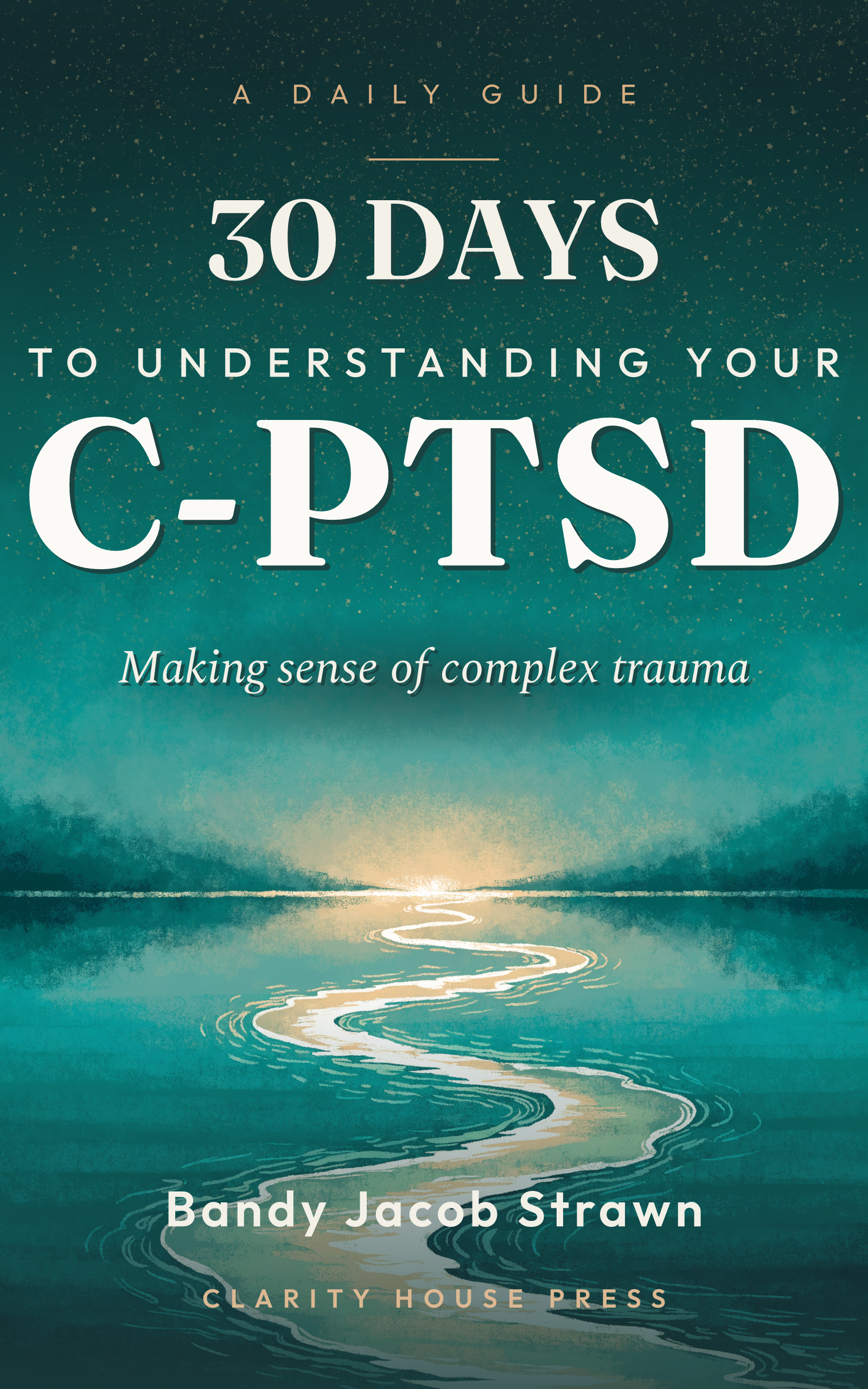
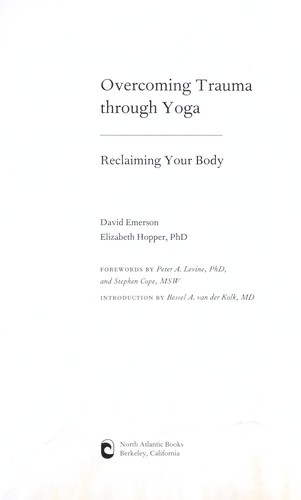
Overcoming Trauma through Yoga
David Emerson & Elizabeth Hopper, PhD
Evidence-based trauma-sensitive yoga program developed at the Trauma Center with Bessel van der Kolk.
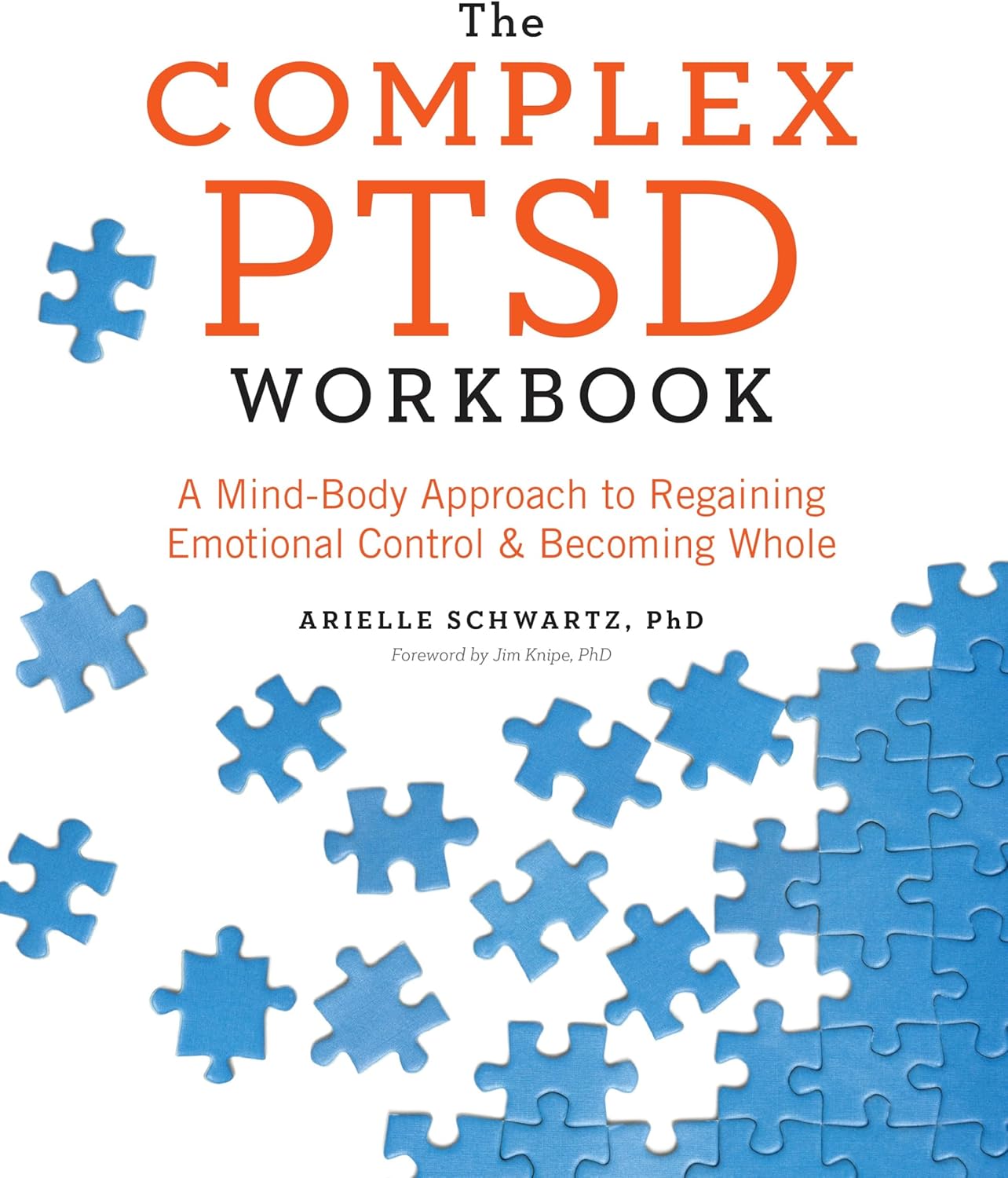
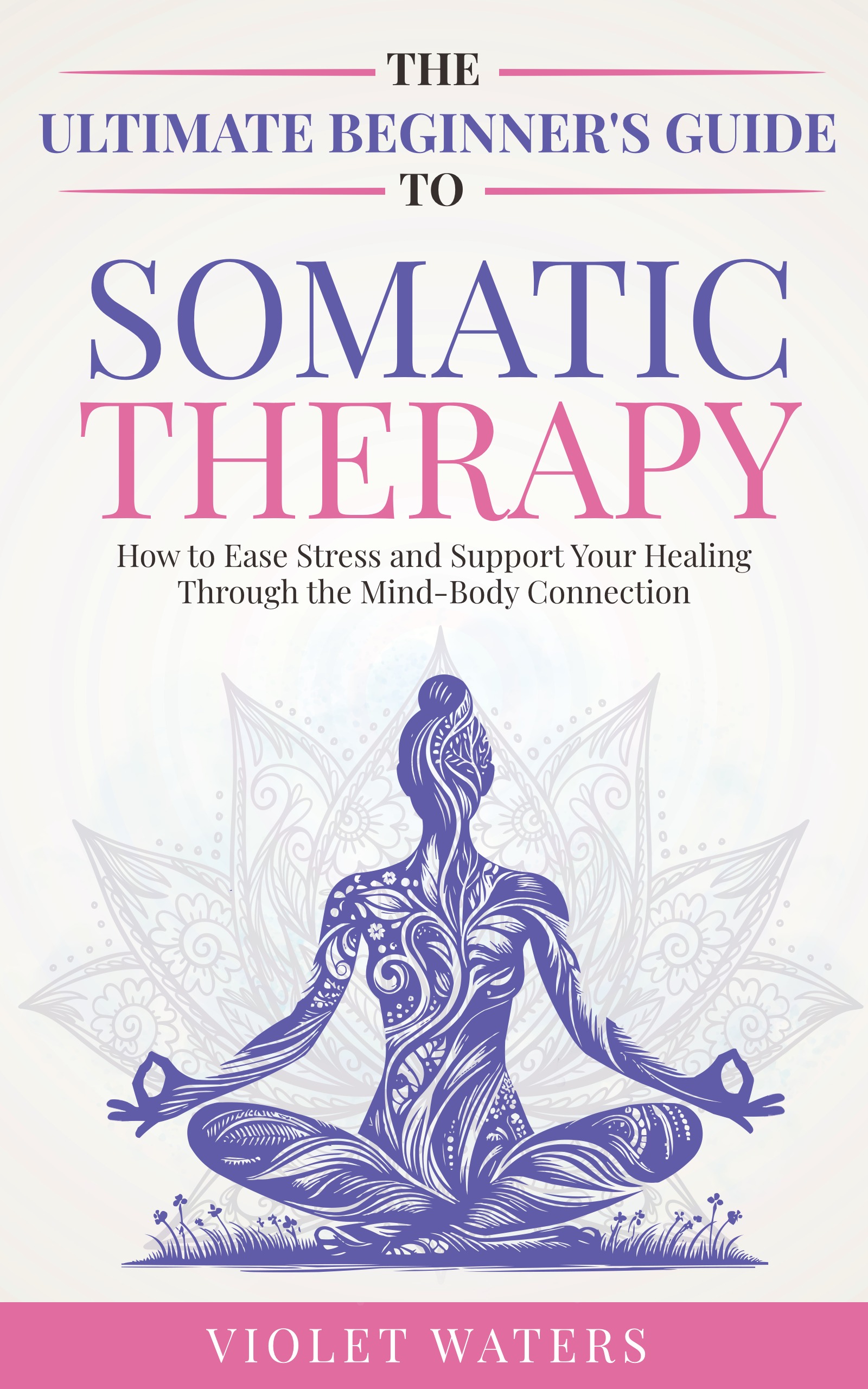
The Complex PTSD Workbook
Arielle Schwartz, PhD
A mind-body approach to regaining emotional control and becoming whole with evidence-based exercises.
As an Amazon Associate, Clarity House Press earns from qualifying purchases. Your price is never affected.
Found this helpful?
Share it with someone who might need it.
About the Author

Clarity House Press
Editorial Team
The editorial team at Clarity House Press curates and publishes evidence-based content on narcissistic abuse recovery, high-conflict divorce, and healing. Our content is informed by research, survivor experiences, and established trauma-informed approaches.
View all posts by Clarity House Press →Published by Clarity House Press Editorial Team