Please read our important disclaimers before using this content
The abuse didn't start with screaming or violence.
It started with:
- A compliment that felt slightly too intense
- A boundary crossed that seemed minor
- A "joke" that didn't feel funny
- A request that felt slightly uncomfortable
- A narrative that subtly rewrote your history
Alone, each incident was small. Explainable. Forgivable.
But together, they formed a pattern: grooming.
Narcissistic grooming is the process by which narcissists gradually condition targets to accept unacceptable behavior. Research on coercive control demonstrates that this pattern "is not so much about the particular behaviors used, as it is about their effect in combination and repetition over time" (Stark & Hester, 2019). It's how they:
- Break down your boundaries incrementally
- Normalize abuse so it doesn't trigger alarm
- Build dependence and trauma bonding
- Train you to distrust your own instincts
- Create a relationship dynamic where you're always trying to "earn" the love-bombing phase back
Understanding grooming is essential for:
- Recognizing the pattern in past relationships — see also the full range of manipulation tactics narcissists use
- Identifying red flags in new relationships
- Healing from self-blame ("Why didn't I see it sooner?")
- Protecting yourself and your children
- Breaking intergenerational cycles
This is the long game. And it works because it's incremental, strategic, and targets your psychology with precision.
What Is Narcissistic Grooming?
Grooming is a term most commonly associated with child sexual abuse—the process predators use to desensitize victims, build trust, and normalize inappropriate behavior.
In narcissistic abuse contexts, grooming is:
The gradual, strategic process of conditioning a target to:
- Accept behavior that violates their values and boundaries
- Normalize abuse patterns
- Develop trauma bonds that keep them compliant
- Distrust their own perceptions
- Believe they're responsible for "fixing" the relationship
Key characteristics of grooming:
- Incremental: Boundaries are crossed gradually, not all at once
- Strategic: Each step is designed to move you closer to accepting the unacceptable
- Covert: Often masked as love, care, or "just how relationships work"
- Conditioning: Uses intermittent reinforcement to create psychological dependence—research shows this creates behaviors "most resistant to extinction" (Dutton & Painter, 1993)
- Targeted: Tailored to your specific vulnerabilities, values, and history
Why it's effective:
Humans adjust to change incrementally. The shift from "perfect partner" to "overt abuser" doesn't happen overnight—if it did, you'd leave. Grooming ensures the shift is so gradual you don't notice until you're already deeply enmeshed.
The Phases of Narcissistic Grooming
Phase 1: Targeting and Selection
The narcissist identifies potential targets based on:
Vulnerability factors:
- Recent loss or trauma (death, divorce, job loss)
- Low self-esteem or history of abuse
- High empathy and compassion
- People-pleasing tendencies
- Isolation (few strong support systems)
- Idealism about love and relationships
Desirable traits:
- Success, status, or resources (narcissistic supply)
- Caretaking or nurturing nature
- Strong work ethic (you'll do the relationship labor)
- Loyalty and commitment (you won't leave easily)
- Emotional availability
How they target:
- They study you: asking deep questions, listening intently, mirroring your values
- They test boundaries early: small requests, minor violations, gauging your response
- They assess your vulnerabilities: What makes you feel special? What are your fears? What do you need?
Example:
You mention you've been feeling lonely since your best friend moved away. Within weeks, the narcissist becomes your new best friend—constant contact, deep conversations, intense attention. They've identified your vulnerability (loneliness) and positioned themselves as the solution.
Phase 2: Love-Bombing and Idealization
The purpose: Hook you emotionally so the subsequent grooming is harder to walk away from.
What it looks like:
- Intense attention: Constant texting, calling, wanting to spend all your time together
- Grand gestures: Expensive gifts, elaborate dates, over-the-top romantic displays
- Future-faking: Talking about marriage, children, dream homes within weeks
- Mirroring: "We have so much in common!" (because they studied you and are reflecting you back)
- Love declarations: "I've never felt this way before," "You're my soulmate," "I've been waiting my whole life for you"
- Moving fast: Pushing for commitment, cohabitation, or enmeshment quickly
Why it works:
- Feels like the relationship of your dreams
- Triggers oxytocin and dopamine (bonding chemicals)
- Creates an intense high that you'll chase later when it's withdrawn
- Lowers your defenses (you trust them completely)
Research on love-bombing found it was "positively correlated with narcissistic tendencies and insecure attachment styles" and serves as "a logical and potentially necessary strategy for romantic relationships among individuals with high displays of narcissism" (Strutzenberg et al., 2017). The neurobiology of love-bombing and idealization explains how this phase hijacks your brain chemistry.
The grooming element:
You're being conditioned to:
- Associate this person with intense positive feelings
- Believe this is what "real love" feels like
- Tolerate later violations because you're trying to get back to this phase
Red flags (in hindsight):
- Too much, too fast: Healthy love builds gradually
- Your instincts say "slow down," but your emotions override them
- Friends/family express concern about the intensity or speed
- You're making major life decisions (moving, quitting job, etc.) very quickly
Phase 3: Testing Boundaries
The purpose: Determine what you'll tolerate and begin the process of incrementally violating boundaries.
What it looks like:
Minor violations disguised as normal:
- Showing up unannounced ("I missed you!")
- Looking through your phone ("I'm not jealous, I just love you")
- Making small decisions for you ("I ordered for you—I know what you like")
- Criticism disguised as jokes ("You're so cute when you try to cook")
- Pushing sexual boundaries ("If you loved me, you'd...")
Testing your response:
- If you set a boundary: They apologize, love-bomb, then test again later
- If you don't set a boundary: They escalate
Why it works:
Each violation is small enough to rationalize:
- "He was just excited to see me."
- "She's just passionate."
- "It's a joke—I'm too sensitive."
But each violation is training you:
- Your boundaries don't matter
- Their needs override yours
- Saying "no" results in conflict or withdrawal
- Love means tolerating discomfort
Example:
They "jokingly" insult your appearance. You laugh it off but feel hurt. They notice you didn't protest. Next time, the insult is slightly harsher. You mention it bothered you. They say, "I was kidding! You're too sensitive." You apologize. You've just been groomed to accept criticism and blame yourself for being hurt.
Phase 4: Isolation
The purpose: Remove support systems that might help you see the abuse clearly or encourage you to leave. Research confirms that "the external experience of isolation—separation from family, friends, and community—is an essential part of IPV" and "dramatically increases vulnerability to coercive control, physical abuse, and even lethal violence" (George Mason University, 2025).
What it looks like:
- Criticism of your friends/family: "Your mom is so controlling," "Your friends are toxic"
- Creating conflict: Picking fights before you see loved ones, being rude to them, putting you in positions where you have to choose
- Monopolizing your time: "Why do you need girls' night? Aren't I enough?"
- Moving you physically: New city, new job, away from your support network
- Financial control: Encouraging you to quit your job, controlling finances
- Gradual withdrawal from activities: You stop seeing friends, attending hobbies, maintaining your own life
Why it works:
- Happens slowly enough that you don't notice the pattern
- Each step seems reasonable in isolation
- You rationalize: "I want to spend time with them," "My friends don't understand our relationship"
The grooming element:
You're being conditioned to:
- Rely solely on the narcissist for emotional support
- Believe others are the problem, not your partner
- Isolate yourself (which you'll later blame yourself for)
Example:
They complain every time you make plans with friends. You start declining invitations to avoid the conflict. Eventually, friends stop asking. You're now isolated—and you did it "voluntarily."
Phase 5: Devaluation and Normalization of Abuse
The purpose: Shift from idealization to abuse while keeping you hooked through intermittent reinforcement.
What it looks like:
- Criticism increases: Your appearance, intelligence, parenting, career, personality
- Gaslighting: "I never said that," "You're remembering it wrong," "You're too sensitive"
- Blame-shifting: Everything is your fault
- Withdrawal of affection: The love-bombing stops; you're starved for affection
- Rage incidents: Screaming, breaking things, occasionally physical violence
- Intermittent reinforcement: Occasional "good days" that feel like the early relationship
Why it works:
- You're already bonded (oxytocin, dopamine, trauma bonding)
- You're isolated (no one to reality-check)
- The abuse escalated so gradually you don't recognize it as abuse
- You blame yourself: "If I can just figure out what I did wrong..."
Gaslighting research shows that "survivors are helplessly trapped in a cycle of several interacting forms of abuse" as the manipulation "starts with subtle twisting of the facts, and slowly progresses" over time (Klein et al., 2023).
The grooming element:
You've been conditioned to:
- Accept abuse as normal
- Believe you caused it
- Chase the love-bombing phase (which feels like "the real them")
- Tolerate increasingly severe violations
Example:
He screams at you for forgetting to buy milk. You think, "Wow, that was intense." But you've already tolerated months of smaller criticisms, so you rationalize: "He's stressed. I should have remembered."
Phase 6: Trauma Bonding and Dependence
The purpose: Lock you into the relationship through psychological and sometimes physical dependence.
What it looks like:
- Intermittent reinforcement: Periods of abuse followed by love-bombing (apologies, gifts, promises to change)
- You can't imagine life without them (they've become your entire world)
- Financial dependence (you've quit your job, they control money)
- Psychological dependence (you believe you can't survive without them)
- Fear of leaving (threats, implicit or explicit)
- Hope for change ("If I just love them enough, they'll go back to how they were")
Why it works:
- Intermittent reinforcement is the most powerful conditioning tool (think slot machines—random rewards keep you playing)
- Trauma bonding is neurobiological (your brain is wired to seek the person who's causing you pain)
- Sunk cost fallacy ("I've invested so much—I can't leave now")
The grooming element:
You've been fully conditioned to:
- Accept abuse as the price of love
- Believe leaving is impossible
- Blame yourself for the abuse
- Prioritize their needs over your safety
Grooming Tactics and Techniques
1. Incremental Boundary Violations
The frog in boiling water analogy:
If you drop a frog in boiling water, it jumps out. If you put a frog in cool water and slowly heat it, it doesn't notice until it's cooked.
How this applies:
- Week 1: They text you 10 times a day. Feels flattering.
- Month 2: They expect immediate responses. Feels slightly controlling.
- Month 4: They explode if you don't respond within minutes. This is abuse—but you've been groomed to accept it.
Each step was small. The cumulative effect is profound.
2. Normalization Through Repetition
What gets repeated gets normalized.
- First time they yell: Shocking
- Fifth time they yell: Upsetting
- Twentieth time they yell: Tuesday
You've been groomed to accept that "this is just how they are."
3. Gaslighting Your Boundaries
You set a boundary. They:
- Violate it
- Deny it ("You never said that")
- Minimize it ("You're overreacting")
- Blame you ("You're too controlling")
Repeat until you stop setting boundaries. Our comprehensive guide to gaslighting explains this mechanism in clinical detail.
You've been groomed to believe your boundaries are unreasonable.
4. Manufacturing Dependence
They position themselves as:
- Your only source of love and validation
- The only person who "really understands" you
- The only person who will ever love you
Then they withdraw that love conditionally.
You've been groomed to do anything to earn it back.
5. Intermittent Reinforcement
Random rewards create the strongest behavioral conditioning. This principle, first documented in B.F. Skinner's operant conditioning research, explains why variable reinforcement schedules produce behaviors most resistant to extinction.
Why abusive relationships are so hard to leave:
- Good days feel like relief
- You keep trying to figure out the "pattern" (there isn't one—it's random)
- Each good day resets your hope
You've been groomed to stay for the occasional "good day."
6. Rewriting History
Over time, they rewrite your shared history:
- "You were a mess when I met you—I saved you."
- "You've always been ungrateful."
- "I'm the only one who's ever put up with you."
You start to believe their version.
You've been groomed to see yourself as broken and them as your savior.
Grooming in Different Contexts
Romantic Relationships
Grooming targets:
- Commitment (moving fast to lock you in)
- Isolation (away from friends, family, independence)
- Financial control
- Sexual boundaries
- Parenthood (pregnancy as control)
Parent-Child (Narcissistic Parents Grooming Children)
Children are groomed to:
- Accept emotional, physical, or sexual abuse
- Believe love is conditional on performance
- Prioritize the parent's needs over their own
- Become narcissistic supply (the golden child)
- Accept scapegoating (the scapegoat child)
- Keep family secrets
Example:
A narcissistic mother tells her daughter: "You're the only one who understands me. Don't tell your father we went shopping—he wouldn't understand." The child is groomed to be her confidant, keep secrets, and prioritize her mother's needs.
Workplace (Narcissistic Bosses/Colleagues)
Employees are groomed to:
- Work excessive hours without compensation
- Accept verbal abuse
- Believe they're lucky to have the job
- Tolerate boundary violations
- Prioritize work over health, family, wellbeing
Example:
Boss praises you excessively (love-bombing), then gradually increases demands. You work 70-hour weeks to "earn" the praise. When you set a boundary, you're criticized. You've been groomed to overwork and accept abuse as "just how it is here."
Institutional (Narcissistic Religious/Community Leaders)
Members are groomed to:
- Accept authoritarian control
- Donate money or resources
- Isolate from outsiders ("they don't understand")
- Keep abuse within the community secret
- Prioritize the leader's image over truth
How Grooming Affects Children in Narcissistic Families
When you're co-parenting with a narcissist, your children are being groomed.
What Narcissistic Parents Groom Children to Accept
- Conditional love: "I love you when you make me proud" (high grades, sports, appearance)
- Parentification: "You're the man of the house now" or "You have to take care of me"
- Emotional incest: Treating the child as a confidant or surrogate partner
- Triangulation: "Your mom doesn't love you like I do"
- Splitting: "I'm the good parent, they're the bad parent"
- Keeping secrets: "Don't tell your mom/dad about this"
- Accepting abuse: Yelling, criticism, control normalized as "discipline" or "love"
Warning Signs Your Child Is Being Groomed
According to the National Child Traumatic Stress Network, watch for:
- Personality changes after time with the narcissistic parent
- Repeating the narcissist's language ("Mom is crazy," "Dad said you don't love us")
- Reluctance to share what happens at the other parent's house
- Keeping secrets ("Dad said not to tell you")
- Regression (bedwetting, clinginess, nightmares)
- Anxiety around custody exchanges
- Parentification (child feels responsible for the narcissistic parent's emotions)
How to Counteract Grooming of Your Children
1. Provide a stable, boundaried environment at your home
- Consistent rules
- Unconditional love
- Age-appropriate responsibilities (not parentification)
2. Validate reality
- "You're allowed to love both parents."
- "Adults are responsible for their own feelings—that's not your job."
- "It's not okay for anyone to yell at you, including parents."
3. Teach healthy boundaries
- "Your body is yours. You don't have to hug anyone if you don't want to."
- "It's okay to say no."
- "You deserve to be treated with respect."
4. Don't badmouth the other parent
- Don't mirror the narcissist's splitting
- Let the child come to their own realizations over time
5. Get children in therapy
- Trauma-informed therapist who understands parental alienation and narcissistic abuse
6. Document concerning behaviors
- For potential custody modification
- To show patterns to custody evaluators
Breaking Free from Grooming
Recognizing You Were Groomed
Common reactions:
- Shame: "How did I not see this?"
- Self-blame: "I should have known better."
- Confusion: "But there were good times..."
The truth:
- Grooming is designed to be invisible. That's the point.
- You were targeted for your strengths (empathy, loyalty, compassion), not your weaknesses
- The good times were part of the grooming—intermittent reinforcement
You're not stupid. You were manipulated by an expert.
Deprogramming: Undoing the Conditioning
1. Recognize the patterns
- Educate yourself about grooming tactics
- Identify which tactics were used on you
2. Reality-checking
- Work with a trauma-informed therapist
- Join support groups with other survivors
- Read your journal from the relationship (seeing the pattern over time)
3. Rebuilding boundaries
- Practice saying "no" in low-stakes situations
- Notice when you're people-pleasing
- Recognize boundary violations early
4. Re-wiring intermittent reinforcement
- Understand that the "good times" were calculated
- Recognize the pattern (not random)
- Stop waiting for the love-bombing to return
5. Self-compassion
- You did the best you could with the information you had
- Grooming is effective—that's why predators use it
- Healing takes time
Therapy for Grooming Trauma
Effective modalities endorsed by the American Psychological Association for trauma treatment:
- Trauma-focused CBT: Challenging beliefs formed during grooming
- EMDR: Processing traumatic memories and conditioning
- IFS (Internal Family Systems): Healing parts of you that were exploited
- Somatic therapy: Releasing stored trauma in the body
- Group therapy: Reducing shame through shared experiences
Recognizing Grooming in New Relationships
Red flags (early warning signs):
Love-Bombing
- Too much, too fast
- Grand declarations of love within weeks
- Future-faking before they know you
- Wanting to spend all their time with you immediately
Healthy: Gradual building of intimacy, actions match words over time
Boundary Testing
- Small violations early ("I know you said no, but...")
- Dismissing your "no" ("You don't really mean that")
- Pressuring for commitment, sex, or enmeshment quickly
Healthy: Respecting "no" without pushback
Isolation Attempts
- Criticism of your friends/family early
- Wanting exclusivity ("Why do you need friends when you have me?")
- Creating conflict around your existing relationships
Healthy: Encouraging your independence and outside relationships
Studying You Intensely
- Asking deeply personal questions very early
- Mirroring everything you say
- Seeming "too perfect" for you
Healthy: Getting to know you gradually, having their own distinct personality
Inconsistency
- Hot and cold behavior (intense pursuit, then withdrawal)
- Testing your reaction to violations
- Apologizing but repeating the behavior
Healthy: Consistent behavior over time
If you notice these patterns, slow down. Trust your instincts. Get perspective from trusted friends/therapist.
Teaching Children to Recognize Grooming
Age-appropriate education:
Young Children (5-10)
Teach:
- Body autonomy ("Your body is yours")
- Trust your feelings ("If something feels wrong, it probably is")
- Secrets vs. surprises ("Secrets that make you feel bad aren't okay")
- It's okay to say no to adults
Tweens/Teens (11-18)
Teach:
- Healthy vs. unhealthy relationship patterns
- Red flags (possessiveness, isolation, boundary violations)
- Consent and boundaries
- How to recognize manipulation
Model:
- Healthy boundaries in your own relationships
- Calling out violations when you see them
- Unconditional love (not contingent on performance)
Key Takeaways
- Grooming is the gradual conditioning process narcissists use to make you accept unacceptable behavior
- Phases include: targeting, love-bombing, boundary testing, isolation, devaluation, and trauma bonding
- Tactics include: incremental violations, normalization through repetition, gaslighting boundaries, manufacturing dependence, and intermittent reinforcement
- You were targeted for your strengths (empathy, loyalty, compassion), not weaknesses
- Grooming is designed to be invisible—recognizing it doesn't mean you were weak or stupid
- Children are groomed by narcissistic parents to accept abuse, keep secrets, and prioritize the parent's needs
- Healing involves recognizing the patterns, reality-checking, rebuilding boundaries, and self-compassion
- Red flags in new relationships: love-bombing, boundary testing, isolation attempts, intense mirroring, and inconsistency
If you were groomed, the shame you feel is part of the conditioning. You were systematically manipulated by someone who studied you and exploited your humanity.
That's not a character flaw. That's evidence you're a good person who was targeted by a predator.
Your job now is not to blame yourself for not seeing it sooner. Your job is to recognize the pattern, heal the conditioning, and protect yourself moving forward.
You deserve relationships that don't require deprogramming. You deserve love that doesn't feel like survival. You deserve to trust your instincts without being gaslit.
That's not too much to ask. It's the foundation of safety. And it's what you're building as you move forward.
Resources
Narcissistic Abuse and Grooming Recovery:
- Psychopath Free by Jackson MacKenzie - Recovery from narcissistic manipulation and grooming
- Out of the FOG - Support for people affected by personality disorders
- r/NarcissisticAbuse - Reddit community for narcissistic abuse survivors
- Should I Stay or Should I Go? by Lundy Bancroft - Relationship decision-making guidance
Trauma Therapy and Support:
- Psychology Today - Therapists - Find therapists specializing in narcissistic abuse
- EMDR International Association - Find EMDR therapists for trauma processing
- Internal Family Systems Institute - IFS therapy for parts work and healing
- The Body Keeps the Score by Bessel van der Kolk - Trauma's impact on brain and body
Crisis Support and Safety Resources:
- National Domestic Violence Hotline - 1-800-799-7233 (SAFE) for safety planning
- 988 Suicide & Crisis Lifeline - Call or text 988 for crisis support (24/7)
- Crisis Text Line - Text HOME to 741741 for crisis counseling
- SAMHSA National Helpline - 1-800-662-4357 for mental health referrals
References
Dutton, D. G., & Painter, S. (1993). Emotional attachments in abusive relationships: A test of traumatic bonding theory. Violence and Victims, 8(2), 105-120. https://pubmed.ncbi.nlm.nih.gov/8193053/
George Mason University College of Public Health. (2025). Power dynamics: The role of isolation, control, and dependency in intimate partner abuse. https://publichealth.gmu.edu/news/2025-06/power-dynamics-role-isolation-control-and-dependency-intimate-partner-abuse
Klein, W., Li, X., & Wood, S. (2023). A qualitative analysis of gaslighting in romantic relationships. Personal Relationships, 30(4), 1316-1340. https://onlinelibrary.wiley.com/doi/10.1111/pere.12510
Stark, E., & Hester, M. (2019). Coercive control: Update and review. Violence Against Women, 25(1), 81-104. https://journals.sagepub.com/doi/abs/10.1177/1077801218816191
Strutzenberg, C. C., Wiersma-Mosley, J. D., Jozkowski, K. N., & Becnel, J. N. (2017). Love-bombing: A narcissistic approach to relationship formation. University of Arkansas Discovery Magazine. https://scholarworks.uark.edu/cgi/viewcontent.cgi?article=1000&context=hdfsrsuht
Recommended Reading
From Clarity House Press — plus trusted books for deeper understanding


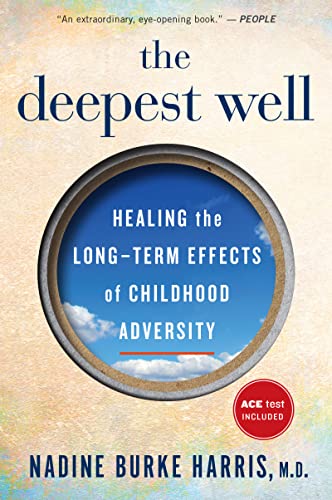
The Deepest Well
Nadine Burke Harris, M.D.
A pediatrician's clear explanation of how adverse childhood experiences affect lifelong health — and what recovery can look like.
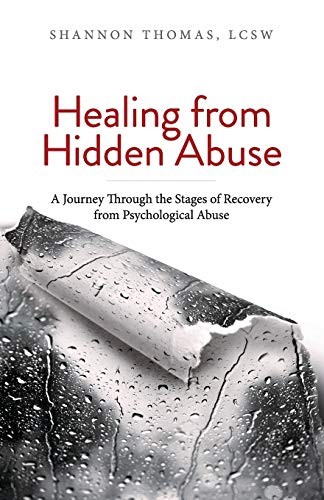
Healing from Hidden Abuse
Shannon Thomas, LCSW
Six-stage recovery model for psychological abuse survivors from a certified trauma therapist.
As an Amazon Associate, Clarity House Press earns from qualifying purchases. Your price is never affected.
Found this helpful?
Share it with someone who might need it.
Tags
About the Author

Clarity House Press
Editorial Team
The editorial team at Clarity House Press curates and publishes evidence-based content on narcissistic abuse recovery, high-conflict divorce, and healing. Our content is informed by research, survivor experiences, and established trauma-informed approaches.
View all posts by Clarity House Press →Published by Clarity House Press Editorial Team