Please read our important disclaimers before using this content
Narcissistic rage is distinct from normal anger. It's disproportionate, explosive, and often seems to come from nowhere. But it doesn't come from nowhere—it follows predictable patterns triggered by specific threats to the narcissist's fragile self-concept. Research confirms that narcissistic vulnerability is a powerful driver of rage, hostility, and aggressive behavior, fueled by suspiciousness, dejection, and angry rumination (Krizan & Johar, 2015). For the underlying injury-to-rage mechanism, see our companion piece on narcissistic injury vs. narcissistic rage.
Understanding these patterns helps you recognize when you're in danger, stop blaming yourself for "causing" the rage, and plan protective responses.
What Is Narcissistic Rage?
Heinz Kohut, who developed self-psychology theory, described narcissistic rage as an intense reaction to a "narcissistic injury"—any event that threatens the narcissist's grandiose self-image. Otto Kernberg, another pioneering researcher in narcissistic pathology, noted that this rage represents a primitive defense mechanism designed to eliminate the source of unbearable shame.
The Clinical Foundation: DSM-5 and Narcissistic Personality Disorder
To understand narcissistic rage, we must first understand the underlying pathology. The DSM-5 (Diagnostic and Statistical Manual of Mental Disorders, 5th Edition) defines Narcissistic Personality Disorder (NPD) as a pervasive pattern of grandiosity, need for admiration, and lack of empathy, beginning by early adulthood and present in various contexts.
DSM-5 Criteria for NPD (must meet 5 or more):
- Grandiose sense of self-importance
- Preoccupied with fantasies of unlimited success, power, brilliance, beauty, or ideal love
- Believes they are "special" and unique
- Requires excessive admiration
- Sense of entitlement
- Interpersonally exploitative
- Lacks empathy
- Often envious of others or believes others are envious of them
- Shows arrogant, haughty behaviors or attitudes
Narcissistic rage emerges directly from this pathology. Specifically, it manifests when their grandiose self-image (criteria 1-3) is threatened, their need for admiration is not met (criteria 4), their entitlement is challenged (criteria 5), or their lack of empathy allows disproportionate attacks on others (criteria 7).
The Paradox: Grandiosity Built on Fragile Self-Esteem
The clinical literature consistently identifies a core paradox in NPD: beneath the grandiose exterior lies profoundly fragile self-esteem. This is not simply low self-esteem—it's a self-concept so fragile that it requires constant external validation to remain intact.
Theodore Millon's research on narcissistic personality variants identified this "compensatory narcissism" pattern: the individual constructs an inflated self-image to defend against deep-seated feelings of inadequacy and worthlessness. Any crack in this defensive structure exposes the unbearable core shame underneath.
This fragility explains why seemingly minor events trigger disproportionate rage:
- Someone with healthy self-esteem can receive feedback, acknowledge mistakes, tolerate disappointment, and handle criticism proportionately
- Someone with NPD experiences any challenge to their grandiose self as an existential threat—the grandiose self is all that stands between them and the abyss of worthlessness
- Rage functions as an emergency defense mechanism: rather than feel the shame, they attack the source of it
Glen Gabbard's research on the internal world of narcissistic individuals reveals this dynamic: "The narcissist lives in constant dread of exposure as a fraud, as fundamentally defective and unlovable. Rage is the desperate attempt to destroy the witness to their inadequacy before the shame becomes unbearable."
What Narcissistic Injury Actually Means
A "narcissistic injury" is any experience that punctures the inflated self-concept. These injuries can be:
Direct:
- Overt criticism or feedback
- Being told "no" or having boundaries enforced
- Failure or public embarrassment
- Being caught in lies or misconduct
- Unfavorable comparison to others
Indirect:
- Your success (implies their mediocrity)
- Your independence (threatens their control)
- Your happiness without them (contradicts their indispensability)
- Others praising someone else (attention diverted from them)
Perceived (not actual):
- Interpreting neutral events as criticism
- Experiencing requests as attacks
- Reading malicious intent into innocent actions
- Projecting their own shame onto you
The key insight: You don't have to actually criticize or attack them to trigger narcissistic injury. Their internal shame is so close to the surface that virtually any interaction can be experienced as a threat.
Characteristics of narcissistic rage:
- Disproportionate to the triggering event
- Intent to destroy or humiliate the perceived threat
- Lacks empathy for the target's experience
- Often includes devaluation and character assassination
- Can be explosive (overt) or cold and calculating (covert)
Unlike healthy anger, which is proportionate to the offense and seeks resolution, narcissistic rage seeks to annihilate the source of the injury and restore the narcissist's sense of superiority.
Narcissistic Rage vs. Normal Anger: Critical Differences
Understanding the distinction between narcissistic rage and healthy anger is essential for recognizing abuse patterns:
Normal Anger:
- Proportionate to the triggering event
- Focused on resolving the specific issue
- Allows for accountability and apology
- Includes empathy for the other person's perspective
- De-escalates when the issue is addressed
- Can coexist with love and respect
Narcissistic Rage:
- Wildly disproportionate to the trigger (screaming for 2 hours about a misplaced remote)
- Seeks to destroy the person, not solve the problem
- No accountability—always someone else's fault
- Zero empathy for the target's experience or pain
- Escalates when you try to resolve it rationally
- Cannot coexist with genuine respect
Example of the difference:
Normal anger: "I'm frustrated that you forgot our anniversary. This matters to me. Can we talk about how to prevent this next year?"
Narcissistic rage: "You forgot our anniversary because you're a selfish, worthless person who never cared about me. You do this deliberately to hurt me. You're just like your toxic mother—I should have listened when everyone warned me about your family. You'll die alone and miserable."
Notice how narcissistic rage immediately becomes about your character, involves sweeping generalizations, and aims to devastate rather than resolve.
The Neuroscience of Narcissistic Rage
Recent neuroimaging research helps explain why narcissistic rage is so intense and difficult to manage:
Amygdala Hyperreactivity: Studies show individuals with narcissistic traits display heightened amygdala activation in response to perceived social threats or criticism. Neuroimaging research has identified the amygdala, prefrontal cortex, and anterior cingulate cortex as crucial areas in the neural network of narcissistic traits, with excessive amygdala activity responsible for the heightened emotional responses and hostile behavior when their sense of self-importance is challenged (Pereira, 2024). The amygdala essentially treats minor criticism as a life-threatening attack.
Prefrontal Cortex Dysregulation: The prefrontal cortex, which normally regulates emotional responses and impulse control, shows reduced activity during narcissistic rage episodes. This explains why reasoning, de-escalation, or appeals to empathy fail—the brain regions responsible for those functions are essentially offline.
Stress Hormone Cascade: When narcissistic injury occurs, the brain floods with cortisol and adrenaline. For the narcissist, this neurochemical response is triggered not by actual danger but by ego threats. Their nervous system cannot distinguish between "someone criticized my behavior" and "someone is physically attacking me."
Trauma Reenactment: Many researchers theorize that narcissistic rage represents frozen developmental trauma. When the narcissist experiences shame, they regress to a childhood state where rage was their only defense against unbearable feelings of worthlessness. The adult prefrontal cortex goes offline, and the wounded child's survival mechanisms take over.
Why this matters for you: Understanding the neuroscience doesn't excuse the behavior, but it explains why you cannot reason with someone in narcissistic rage. Their brain is in survival mode. Logic, empathy appeals, and rational discussion are futile until the neurochemical storm passes.
Common Triggers: Categories of Narcissistic Injury
Understanding specific trigger categories helps you predict and prepare for rage episodes:
1. Criticism (Real or Perceived)
Even gentle feedback triggers rage:
- "You forgot to pick up the kids" → Explosive rage about your constant nagging
- "That hurt my feelings" → You're too sensitive and always playing the victim
- "Can we talk about the budget?" → Accusations you're controlling and think they're incompetent
Why this triggers rage: Any criticism pierces their grandiose self-image and exposes the shame they desperately avoid. Their internal experience is "I'm worthless," which immediately converts to "You're attacking me."
2. Being Told "No" (Boundary Enforcement)
Boundaries are existential threats:
- Declining sex → You're cold and withholding
- Saying you can't switch weekends → You're deliberately trying to ruin their life
- "I need some time alone" → You're abandoning them
Why this triggers rage: Narcissists experience their needs as universal laws. When you say no, you're not just declining a request—you're denying their fundamental reality. This threatens their sense of control and exposes that they aren't the center of the universe.
3. Independence or Success
Your achievements threaten their superiority:
- Getting a promotion → Minimization, sabotage, or accusations you're neglecting the family
- Starting a new hobby → Mockery or creating obstacles to participation
- Reconnecting with friends → Accusations of abandonment or betrayal
- Losing weight → Accusations you're trying to attract other partners
- Completing a degree → "You think you're better than me now"
Why this triggers rage: Your growth exposes their stagnation. Your independence threatens their control. Your success contradicts their narrative that you're incompetent and need them.
4. Exposure (Being Caught)
Being caught in lies, affairs, or other misconduct:
- Instead of accountability, explosive defensive rage
- "How dare you go through my phone!" (not "I'm sorry I cheated")
- "You're crazy, that never happened" → Gaslighting with rage
- "Everyone warned me you were paranoid" → DARVO (Deny, Attack, Reverse Victim/Offender)
Why this triggers rage: Exposure threatens their carefully constructed false self. Rather than feel shame, they attack you for discovering the truth. The rage aims to make the conversation about your "snooping" rather than their betrayal.
5. Unfavorable Comparison or Loss of Attention
Being compared unfavorably or not being recognized as superior:
- Someone else receiving praise at a family gathering
- Not being the center of attention at their child's birthday party
- Their sibling getting more parental attention
- Their child preferring the other parent
- Your friends showing more interest in someone else's accomplishments
Why this triggers rage: Their fragile self-esteem requires constant external validation. Any attention given to others feels like deprivation. Being compared unfavorably shatters their grandiose self-image.
6. Abandonment or Rejection
You trying to leave or create distance:
- Threats of divorce trigger rage and/or love-bombing
- Creating space triggers accusations of abandonment
- Spending time with family → "You love them more than me"
- Not responding to texts immediately → Silent treatment or explosive rage
Why this triggers rage: Abandonment exposes their core wound—the terror that they're unlovable. Rather than feel vulnerable, they attack you for "causing" these feelings.
7. Shame Exposure (The Most Dangerous)
Situations that expose their inadequacy publicly:
- Financial problems becoming public
- Being corrected in front of others
- Job loss or professional failure
- Being excluded from social events
- Others witnessing their mistakes
Why this triggers rage: Public shame is intolerable. The rage aims to redirect attention to your failings, destroy your credibility, or punish you for witnessing their weakness.
The Rage Cycle: Predictable Phases
Understanding the rage cycle helps you recognize patterns and plan protective responses. The cycle typically unfolds in five distinct phases:
Phase 1: Tension Building (The Setup)
What happens:
- Minor criticisms or perceived slights accumulate
- You sense their mood darkening but can't pinpoint why
- They may become passive-aggressive, withdrawn, or subtly hostile
- You find yourself walking on eggshells, trying to prevent escalation
- The atmosphere feels charged with unspoken hostility
Your experience:
- Hypervigilance and anxiety
- Trying to "read" their mood and anticipate needs
- Self-censoring to avoid triggering them
- Feeling like you're waiting for a bomb to explode
Duration: Hours to weeks, depending on the individual
Phase 2: Narcissistic Injury (The Trigger)
What happens:
- Something specific threatens their self-image
- Could be criticism, boundary, success, exposure, or comparison
- Often something minor that wouldn't bother a secure person
- They interpret the event through their shame-based worldview
Your experience:
- Confusion about what you did wrong
- The trigger seems disproportionately small
- You may not even realize you've triggered them until the rage begins
Example: You mention casually that your coworker got promoted, not realizing this will be interpreted as criticism of their career stagnation.
Phase 3: Rage Explosion (The Attack)
What happens:
- Explosive verbal or physical attack
- Character assassination, devaluation, projection
- Goal: Annihilate the source of shame (you)
- May include threats, destruction of property, intimidation
- Completely disproportionate to the triggering event
Your experience:
- Shock at the intensity
- Feeling psychologically eviscerated
- Attempts to defend yourself make it worse
- Confusion about how things escalated so quickly
Duration: Minutes to hours, sometimes days
Critical safety note: If rage episodes are escalating in intensity, frequency, or moving toward physical violence, this is the time to implement your safety plan and seek professional help.
Phase 4: Justification and Blame-Shifting (The Rewrite)
What happens:
- They rewrite history to make the rage your fault
- "You provoked me," "You made me do this," "You're too sensitive"
- DARVO: Deny, Attack, Reverse Victim and Offender
- They may gaslight you about what actually happened
- No genuine accountability or remorse
Your experience:
- Self-doubt about your own perceptions
- Accepting responsibility for their behavior
- Apologizing for things you didn't do
- Feeling crazy for thinking the rage was abusive
Why this phase is so damaging: It prevents you from trusting your own reality and sets you up to accept future abuse.
Phase 5: Reconciliation/Honeymoon (The Hook)
What happens:
- Apologies (often non-apologies: "I'm sorry you felt hurt")
- Love-bombing: gifts, affection, promises to change
- Temporary "good behavior" to prevent you from leaving
- Minimization: "It wasn't that bad," "You're overreacting"
- Promises of therapy, change, improvement (rarely followed through)
Your experience:
- Relief that the storm has passed
- Hope that this time will be different
- Gratitude for the "good version" returning
- Forgetting or minimizing the severity of the rage
Why this phase is dangerous: It creates trauma bonding and keeps you in the cycle. The intermittent reinforcement (abuse followed by affection) is psychologically addictive.
Phase 6: Calm Before the Next Storm (The Illusion)
What happens:
- Period of relative peace and normalcy
- You walk on eggshells, trying to prevent the next episode
- The relationship may feel almost functional
- You convince yourself things have improved
Your experience:
- Hypervigilance and anxiety beneath surface calm
- Constant monitoring of their mood
- Self-censoring and people-pleasing
- False hope that the cycle is broken
Reality: This is not true peace—it's the setup for the next cycle. Another narcissistic injury will inevitably occur, and the cycle repeats.
Case Examples: Rage Patterns in Real Relationships
Case Example 1: The Successful Spouse
Background: Maria, a marketing professional, married to David for 8 years. Two children ages 5 and 7.
Pattern: Every time Maria experienced career success, David's rage cycle would activate. When she got promoted to senior director:
- Tension building: David became withdrawn, made subtle digs about her "always working"
- Trigger: Maria's company sent congratulatory flowers to their home
- Explosion: 2-hour screaming episode about how she cares more about work than family, how she's a terrible mother, how she thinks she's "too good" for him now
- Justification: "You're the one who prioritizes work over family. I'm just telling you the truth you can't handle."
- Honeymoon: Flowers and apology 3 days later, promise to "be more supportive"
- Pattern recognition: This same cycle occurred when she finished her MBA, when she won a professional award, and when she was featured in an industry publication
Outcome: Maria recognized the pattern prevented her from pursuing opportunities and began documenting episodes for eventual divorce proceedings.
Case Example 2: The Co-Parent
Background: James, divorced from Nicole, co-parenting a 10-year-old daughter.
Pattern: Every custody exchange triggered Nicole's rage cycle:
- Tension building: Passive-aggressive texts in the days before exchange
- Trigger: Their daughter expressing excitement about weekend plans with James
- Explosion: Accusations via text that James is "poisoning" their daughter against her, threats to modify custody, character assassination
- Justification: "You're engaging in parental alienation. I'm protecting my daughter."
- Honeymoon: Followed by friendly co-parenting communication for 1-2 weeks
- Pattern recognition: Every time their daughter showed preference for James or enjoyed time with him, Nicole's rage activated
Outcome: James began documenting all communication, using parallel parenting strategies, and gray rock technique at exchanges.
Case Example 3: The Aging Parent
Background: Sarah, adult daughter of elderly mother with narcissistic traits requiring increasing care.
Pattern: When Sarah tried to discuss assisted living options:
- Tension building: Mother became critical of Sarah's housekeeping, parenting, appearance
- Trigger: Sarah brought brochures for assisted living communities
- Explosion: Accusations that Sarah wants to "dump her in a home to die," character assassination ("you were always the selfish one"), threats to disinherit
- Justification: "You're trying to steal my money and get rid of me. You're an ungrateful daughter."
- Honeymoon: Phone call days later acting as if nothing happened, discussion of family holiday plans
- Pattern recognition: Any discussion of mother's declining health or need for support triggered the same cycle
Outcome: Sarah worked with a therapist specializing in narcissistic family dynamics and established firm boundaries about how she would and wouldn't engage.
Explosive vs. Cold Rage
Explosive Rage (Overt)
- Screaming, shouting, physical aggression
- Visible loss of control
- Intimidation through volume and intensity
- Others witness it
Cold Rage (Covert)
- Silent treatment
- Withholding affection, money, or necessities
- Passive-aggressive sabotage
- Smear campaigns to third parties
- Calculated, controlled punishment
Both are equally damaging. Cold rage is often harder to recognize and explain to others.
Why You Can't Prevent It
Many victims believe if they just:
- Stop being "too sensitive"
- Choose their words more carefully
- Avoid "provoking" them
- Anticipate and prevent their needs
...they can prevent the rage.
This is false. You cannot prevent narcissistic rage because:
- The trigger is internal, not external. Their shame and worthlessness exist independent of your behavior.
- They need the rage. It serves psychological functions: restoring superiority, punishing independence, maintaining control.
- Moving targets. What's "acceptable" today will be "unacceptable" tomorrow. The rules change constantly.
- Even perfect compliance triggers rage. If you perfectly accommodate, they'll rage about you having no opinions or being codependent.
You cannot win. The game is rigged.
The Purpose of Narcissistic Rage
Rage serves specific functions for the narcissist:
1. Ego Protection Rage externalizes shame. Instead of feeling "I made a mistake," they make you feel worthless.
2. Control and Intimidation You learn to self-censor, walk on eggshells, abandon boundaries—all to avoid the next explosion.
3. Punishment You dared to criticize, have needs, succeed, or individuate. Rage is the consequence.
4. Reset Power Dynamics If you've been gaining confidence or independence, rage reminds you who's in charge.
Long-Term Impact on Victims
Chronic exposure to narcissistic rage produces profound psychological, physiological, and relational damage. Understanding these impacts validates your experience and explains why you can't simply "get over it."
Walking on Eggshells: Hypervigilance as a Survival Strategy
What it looks like:
- Constantly monitoring their mood and facial expressions
- Analyzing their tone of voice for signs of anger
- Anticipating needs before they're expressed
- Rehearsing conversations to avoid triggering them
- Scanning environment for potential triggers
- Becoming an expert in their emotional states while losing touch with your own
The physiological cost: Hypervigilance keeps your nervous system in constant activation. Your body stays in "threat detection mode," flooding with stress hormones (cortisol, adrenaline) that weren't designed for chronic activation. This produces:
- Sleep disturbances (difficulty falling asleep, nightmares, waking frequently)
- Physical symptoms (headaches, digestive issues, muscle tension, chronic pain)
- Immune system suppression (getting sick more frequently)
- Cognitive impacts (difficulty concentrating, memory problems, brain fog)
- Chronic fatigue despite rest
Research by Bessel van der Kolk on trauma shows that this sustained sympathetic nervous system activation literally rewires your brain's threat detection systems. You become conditioned to perceive danger everywhere, even after you've left the relationship.
Trauma Bonding: Why You Can't "Just Leave"
Trauma bonding is the powerful emotional attachment that forms between abuse victim and abuser, created specifically by the intermittent reinforcement of the rage cycle.
How trauma bonds form:
The rage cycle's alternating pattern of abuse and affection creates a neurochemical addiction in your brain. Research by Dutton and Painter demonstrated that two conditions are necessary for victim-perpetrator bonding: a marked power imbalance and intermittent abuse alternating with positive interactions. Their study of 75 women leaving abusive relationships found that relationship dynamics—especially intermittency of abuse and power differentials—accounted for 55% of the variance in attachment measures even six months post-separation (Dutton & Painter, 1993). Here's the mechanism:
- Abuse phase: Your brain floods with stress hormones (cortisol, adrenaline), creating intense fear and pain
- Honeymoon phase: Relief from abuse triggers dopamine release, creating intense pleasure and relief
- Brain association: Your brain begins associating this person with both intense pain AND intense relief/pleasure
- Addiction pattern: Just like gambling or drug addiction, the unpredictability creates stronger attachment than consistent positive treatment would
Patrick Carnes' research on betrayal bonds identified this pattern: intermittent reinforcement (abuse followed by affection) creates stronger bonds than consistent kindness. The unpredictability makes the "good moments" feel more valuable, more precious, more worth fighting for.
Why trauma bonds feel like love:
- The intensity feels like passion
- The relief after abuse feels like gratitude and closeness
- The periods of affection feel more meaningful because they're "earned"
- You've invested so much suffering that leaving feels like wasting it
- They've isolated you, so they become your primary attachment figure
Common thoughts in trauma bonding:
- "But they're not always like this—remember when they were wonderful?"
- "If I just loved them better, they wouldn't rage"
- "They need me; no one else understands them"
- "The good times are so good; maybe the abuse will stop"
- "I've already invested so much; I can't give up now"
The truth: Trauma bonding is not weakness or foolishness. It's a predictable neurobiological response to intermittent reinforcement of abuse and affection. Understanding this helps you recognize you're not "crazy" for struggling to leave.
Learned Helplessness: When Fighting Back Stops Working
Martin Seligman's research on learned helplessness explains a critical dynamic in narcissistic abuse: when you repeatedly try to escape punishment but nothing works, your brain eventually stops trying.
The pattern:
- You try communicating clearly → Rage
- You try setting boundaries → Rage
- You try accommodating perfectly → Rage
- You try therapy/couples counseling → They manipulate the therapist, rage intensifies
- You try leaving → Love-bombing, promises, threats, or escalated rage
Your brain learns: Nothing I do changes the outcome. I am helpless.
This produces:
- Paralysis when opportunities to leave arise
- Inability to imagine a future without them
- Acceptance of abuse as inevitable
- Loss of problem-solving capacity
- Depression and hopelessness
Why this is particularly insidious with narcissistic rage: The moving targets ensure you can never "get it right." What's acceptable today is unacceptable tomorrow. The rules change constantly, ensuring you'll always fail, reinforcing the learned helplessness.
Complex PTSD: The Neurobiology of Chronic Abuse
While acute PTSD typically results from single traumatic events, Complex PTSD (C-PTSD) develops from prolonged, repeated trauma, especially in relationships where escape is difficult or impossible. Herman's foundational research established that survivors of prolonged, repeated trauma present with clinical characteristics that "transcend simple PTSD," leading her to propose the diagnosis of complex PTSD—now recognized in ICD-11 (Herman, 1992). Narcissistic abuse, particularly chronic exposure to rage episodes, produces C-PTSD symptoms:
Core C-PTSD symptoms:
1. Re-experiencing trauma:
- Flashbacks to rage episodes triggered by similar tones of voice, body language, or situations
- Intrusive thoughts about things they said during rage attacks
- Nightmares about abuse scenarios
- Physical sensations from abuse (feeling throat tighten when remembering being screamed at)
2. Avoidance and emotional numbing:
- Avoiding situations that might trigger rage
- Emotional shutdown to protect from overwhelming feelings
- Difficulty accessing positive emotions
- Feeling detached from your own life
- Loss of interest in things that used to bring joy
3. Hyperarousal:
- Startle response to loud noises or sudden movements
- Constantly scanning for danger
- Difficulty relaxing even in safe environments
- Irritability and difficulty concentrating
- Sleep disturbances
4. Negative self-concept (specific to C-PTSD):
- Pervasive sense of worthlessness or defectiveness
- Persistent shame and guilt
- Feeling fundamentally different from others
- Belief that you deserved the abuse
5. Relationship disturbances (specific to C-PTSD):
- Difficulty trusting others
- Expecting abuse in new relationships
- Isolating to protect yourself from future harm
- Struggle with appropriate boundaries (too rigid or too porous)
Judith Herman's research in "Trauma and Recovery" identifies this pattern: survivors of prolonged abuse often experience personality changes, alterations in perception of the perpetrator, and fundamental shifts in meaning systems that go beyond traditional PTSD.
Loss of Self: The Slow Erosion of Identity
Perhaps the most insidious impact of chronic exposure to narcissistic rage is the gradual loss of your authentic self.
How this happens:
Self-censoring: You learn to suppress thoughts, feelings, opinions, and preferences that might trigger rage. Over time, you lose touch with what you actually think and feel.
Adopting their reality: To survive, you start accepting their version of events, their characterization of you, their narrative about the relationship. Your own perceptions become secondary to maintaining peace.
Becoming their emotional regulator: You take responsibility for managing their emotions, preventing their rage, absorbing their projections. Your own emotional needs become irrelevant.
Performing a role: You become who they need you to be—compliant, grateful, small, apologetic—rather than who you actually are.
What gets lost:
- Your preferences, opinions, goals, dreams
- Your sense of what's normal vs. abusive
- Your confidence in your own perceptions
- Your ability to identify your own feelings
- Your connection to your values and beliefs
- Your relationships with people who knew your authentic self
A survivor's description: "I looked in the mirror one day and didn't recognize myself. Not physically—I looked like me. But I had no idea who I was anymore. What did I like? What did I believe? What did I want from life? I didn't know. I'd spent so many years being whatever he needed me to be that I'd disappeared."
The Fawn Response: People-Pleasing as Survival
In addition to fight, flight, and freeze, trauma researchers have identified a fourth response: fawn. This involves appeasing the threat through submission and people-pleasing.
How fawning manifests in narcissistic abuse:
- Excessive apologizing (even for things that aren't your fault)
- Prioritizing their needs over your own consistently
- Difficulty saying no or enforcing boundaries
- Taking responsibility for their emotions and behavior
- Becoming hyperaware of their needs while ignoring your own
- Feeling responsible for keeping the peace
Why fawning develops: If fighting back escalates abuse, fleeing is impossible, and freezing invites attack, the only remaining strategy is to make yourself as accommodating and nonthreatening as possible. For many abuse survivors, especially those raised in narcissistic family systems, fawning becomes an automatic response.
The long-term cost: Fawning may reduce rage episodes in the short term, but it reinforces the dynamic that your needs don't matter, you exist to serve them, and your boundaries are irrelevant. It accelerates the loss of self and deepens learned helplessness.
Physical Health Consequences
Chronic stress from narcissistic abuse doesn't just impact mental health—it produces measurable physical damage:
Documented health impacts:
- Cardiovascular problems (high blood pressure, increased heart disease risk)
- Autoimmune conditions (research shows correlation between chronic stress and autoimmune flare-ups)
- Chronic pain conditions (fibromyalgia, migraines, back pain)
- Gastrointestinal disorders (IBS, acid reflux, ulcers)
- Weight changes (stress eating, loss of appetite, metabolic disruption)
- Accelerated aging (telomere shortening from chronic stress)
- Increased susceptibility to infections and illness
The ACE Study (Adverse Childhood Experiences) demonstrated clear links between childhood trauma and adult health outcomes. Similar patterns emerge in adults experiencing chronic relationship trauma: the body keeps the score, as Bessel van der Kolk's research shows.
Impact Summary
Chronic exposure to narcissistic rage produces:
- Hypervigilance: Constantly monitoring their mood, anticipating triggers
- Trauma bonding: Neurochemical addiction to the abuse/affection cycle
- Learned helplessness: Belief that nothing you do matters
- Self-blame: "If I just handled it better..."
- C-PTSD symptoms: Flashbacks, emotional numbing, somatic symptoms, negative self-concept
- Loss of self: Suppressing authentic thoughts/feelings to prevent rage
- Fawn response: Automatic people-pleasing and appeasement
- Physical health decline: Chronic stress-related illnesses and conditions
- Relationship difficulties: Unable to trust, expect abuse, struggle with boundaries
- Emotional dysregulation: Your own nervous system becomes dysregulated from constant threat activation
Grey Rock Technique for Rage Prevention
The grey rock method makes you as boring and unrewarding as possible, reducing the narcissist's emotional payoff from engaging with you. This is especially useful when you cannot leave (co-parenting, workplace, family obligations).
How grey rock works:
- Become emotionally uninteresting—like a grey rock
- Provide minimal information in interactions
- Show no emotional reaction to provocations
- Make yourself a boring, unrewarding target
Grey rock during tension-building phase:
Instead of: "I had the most amazing day at work! I got selected for the leadership program!"
Grey rock: "Work was fine."
Instead of: "Why are you being so cold to me? What did I do wrong?"
Grey rock: "I noticed you seem upset." (Then stop talking, don't probe or pursue.)
Grey rock during rage episodes:
- No defending yourself (provides engagement)
- No explaining (gives them ammunition)
- No emotional reaction visible (denies them their payoff)
- Minimal verbal response: "I see," "Okay," "I understand you're upset"
- Neutral facial expression and body language
Grey rock during justification phase:
Instead of: "But that's not what happened! You're rewriting history!"
Grey rock: "I remember it differently." (Then stop talking.)
Instead of: "I can't believe you're blaming me for your behavior!"
Grey rock: "I'm not going to discuss this right now."
Important limitations:
- Grey rock doesn't work for all narcissists—some escalate when you don't react
- It's not appropriate during active abuse escalating to violence
- It can be emotionally exhausting to maintain
- Not a long-term solution—exit strategy is the real solution
Safety Planning: When Rage Becomes Dangerous
If narcissistic rage is escalating in frequency, intensity, or moving toward physical violence, you need a concrete safety plan.
Warning Signs of Dangerous Escalation
Immediate danger indicators:
- Physical violence (hitting, pushing, restraining, throwing objects)
- Threats to kill you, themselves, children, or pets
- Destroying property as intimidation
- Preventing you from leaving during rage episodes
- Rage episodes increasing in frequency (weekly → daily)
- Rage duration increasing (30 minutes → hours)
- Loss of control signals (breaking things, punching walls)
- Weapons present during rage episodes
- Stalking behavior or obsessive monitoring
- Escalation during or after separation/divorce filing
Creating Your Safety Plan
1. Identify safe locations:
- Friend or family member who will take you in without questions
- Domestic violence shelter in your area
- Hotel with funds they can't access
- 24-hour public location if you need immediate safety
2. Prepare emergency supplies:
Keep a bag accessible (at friend's house, in your car trunk, at work) with:
- Copies of important documents (IDs, passports, birth certificates, financial records)
- Medication for you and children
- Cash they don't know about
- Prepaid cell phone
- Change of clothes
- List of emergency contacts
- Copies of evidence/documentation
3. Establish communication safety:
- Alert trusted friends/family to codewords for danger
- Know how to contact domestic violence hotline discretely
- Have a phone charged and accessible
- Document emergency contacts somewhere secure
4. Plan escape routes:
- Know exits from every room
- Keep car keys accessible
- Identify safe rooms (with locks, access to exit, phone access)
- Practice leaving quickly with children
5. Protect financial access:
- Open bank account they don't know about
- Stash cash in secure location
- Document all assets and debts
- Secure your credit
6. Legal preparation:
- Consult with domestic violence attorney (many offer free consultations)
- Understand restraining order process in your state
- Document abuse thoroughly
- Know your state's laws on recording conversations
During Active Danger
If violence is occurring or imminent:
- Get to safety first: Leave the location if possible
- Call 911: Police report creates documentation for custody/divorce
- Go to ER if injured: Medical records document abuse
- Contact domestic violence hotline: They can help with immediate shelter, legal resources, safety planning
National Domestic Violence Hotline: 1-800-799-7233 (Text "START" to 88788)
If you cannot leave safely:
- Move to a room with an exit
- Avoid kitchens, bathrooms, or rooms with weapons
- Protect your head and vital organs if attacked
- Call 911 if you can do so safely
- Alert neighbors ahead of time to call police if they hear violence
How to Respond: Situation-Specific Strategies
During the rage episode:
Priority 1: Physical safety
- If there's risk of violence, remove yourself immediately
- Call 911 if you're in danger or if violence occurs
- Don't worry about "overreacting"—your safety is paramount
Priority 2: Emotional protection
- Don't engage or try to reason (their prefrontal cortex is offline)
- Don't defend yourself or explain (provides fuel)
- Don't cry, show fear, or react emotionally if possible (denies them payoff)
- Use grey rock: minimal words, neutral tone
- Leave the room/location if you can safely do so
Priority 3: Documentation
- Audio/video recording if your state permits and it's safe
- Text yourself key details immediately after
- Photograph any property damage
- Note date, time, duration, witnesses, specific threats made
After the episode:
Protect your reality:
- Write down exactly what happened before gaslighting distorts your memory
- Don't accept their rewritten version of events
- Don't take responsibility for their behavior
- Talk to a trusted friend or therapist to reality-check
Document everything:
- Keep a log with dates, times, triggers, duration, severity
- Save all texts, emails, voicemails
- Screenshot threatening messages before they're deleted
- Note witnesses who saw or heard the episode
Don't accept non-apologies:
- "I'm sorry you felt hurt" = not an apology
- "I'm sorry BUT you provoked me" = not an apology
- Apology without behavior change = manipulation
Long-term protective strategies:
Establish and enforce boundaries:
- "I will not engage in conversations that include yelling or insults."
- "If you raise your voice, I will leave the room."
- "I'm ending this call now." (Then actually do it.)
Build your support network:
- Individual therapist specializing in narcissistic abuse/trauma
- Support group (in-person or online)
- Trusted friends who understand the dynamics
- Domestic violence advocate if escalating
Plan your exit:
- Is this relationship survivable long-term?
- What would it take to leave safely?
- What resources do you need?
- What's your timeline?
Documentation Strategies for Custody and Legal Cases
If you're heading toward divorce or custody proceedings, comprehensive documentation of narcissistic rage episodes is critical. Family courts need concrete evidence, not just your word against theirs.
What to Document
For each rage episode, record:
- Date and time: Exact timestamps help establish patterns
- Location: Where it occurred (matters for jurisdiction, witness availability)
- Duration: How long the episode lasted
- Trigger: What preceded the rage (shows disproportionate response)
- Specific words/actions: Direct quotes of threats, insults, accusations
- Witnesses: Anyone who saw or heard the episode
- Impact on children: What children witnessed, how they reacted
- Physical evidence: Property damage, injuries, threatening texts/emails
- Your response: How you protected yourself and children
- Aftermath: Apologies, justifications, continued harassment
Documentation Methods
Written log:
- Composition notebook (bound, not spiral—harder to claim you removed pages)
- Date every entry
- Write in real-time or immediately after when safe
- Be factual, not emotional: "He screamed for 45 minutes that I'm a 'worthless whore'" vs. "He was mean"
- Note inconsistencies with prior statements
Digital evidence:
- Screenshot all threatening texts/emails/social media messages
- Save to cloud storage they can't access
- Print copies for your attorney
- Don't delete their messages even if disturbing
- Save voicemails as audio files
Audio/video recording:
- Check your state's recording consent laws (one-party vs. two-party consent)
- One-party consent states: You can record conversations you're part of
- Two-party consent states: You may still record if in your own home or for safety
- Consult attorney about admissibility before recording
- Keep originals unedited
- Note: Even if not admissible in court, recordings help your attorney understand the dynamics
Third-party documentation:
- Police reports (call police during/after violent episodes)
- Medical records (document injuries, anxiety, PTSD from abuse)
- Therapy notes (your therapist documents your reports of abuse)
- School reports (teacher observations of children's trauma reactions)
- 911 calls (kept on record)
Pattern documentation: Create a spreadsheet tracking:
- Date of each episode
- Trigger category (criticism, boundary, success, etc.)
- Severity (1-10 scale)
- Duration
- Children present (yes/no)
- Violence/threats (yes/no)
- Your response
This visual pattern helps attorneys and courts see the systematic nature of abuse.
What Makes Strong Evidence for Court
Courts look for:
- Patterns, not isolated incidents: One rage episode might be dismissed; 47 episodes over 18 months shows a pattern
- Impact on children: Evidence children witnessed violence, are afraid, show trauma symptoms
- Escalation: Documentation showing increasing frequency, intensity, or danger
- Third-party corroboration: Police reports, medical records, witness statements
- Credible, consistent narrative: Your documented account matches across time and sources
Avoid these documentation mistakes:
- ❌ Embellishing or exaggerating (destroys credibility)
- ❌ Only documenting when you're angry (creates bias perception)
- ❌ Including excessive emotional commentary vs. facts
- ❌ Documenting only the worst incidents (pattern matters more)
- ❌ Failing to document the "honeymoon" phases (courts need to see the cycle)
Using Documentation in Legal Proceedings
Divorce proceedings:
- Evidence supports claims of emotional abuse, creating hostile environment
- Demonstrates why 50/50 custody may not be in children's best interest
- Shows need for supervised visitation or restricted contact
- Supports requests for protective orders
- Counters their narrative that you're the "crazy" one
Custody battles:
- Documents children's exposure to domestic violence
- Shows pattern of intimidation and control
- Demonstrates inability to co-parent effectively
- Supports need for parallel parenting vs. co-parenting
- Provides basis for court-ordered communication restrictions
Restraining orders:
- Police reports and medical records crucial
- Pattern of escalating threats
- Evidence of stalking, harassment
- Documentation of fear for your safety
Your attorney will use documentation to:
- Counter their false narratives
- Demonstrate systematic pattern vs. "one bad day"
- Show you're the credible, stable parent
- Support requests for specific custody/communication restrictions
- Impeach their testimony with contradictory evidence
Special Considerations for Co-Parents
Document exchanges:
- Use communication apps that can't be edited (TalkingParents, OurFamilyWizard)
- All communication in writing—avoid phone calls
- Save every message, even "nice" ones (shows manipulation cycle)
- Screenshot time stamps and read receipts
Document their parenting:
- Late pickups/dropoffs
- Cancellations
- Missed events
- Children's reports of conditions at their home (factual, not coached)
- Evidence of parental alienation attempts
Protect against false allegations:
- Never be alone with them
- Have witnesses at exchanges
- Document your parenting (photos, activities, school involvement)
- Keep records of all child-related expenses and participation
When to Take Legal Action
Document and report when rage involves:
Immediate legal action warranted:
- Physical violence or credible threats of violence
- Threats to harm you, children, or pets
- Destruction of property as intimidation
- Stalking, harassment, or obsessive monitoring
- Preventing you from leaving during rage episodes
- Violation of existing restraining orders
- Parental alienation (using children as weapons)
These situations may warrant:
Police reports:
- Create official record of abuse
- Essential for restraining orders
- Support custody/divorce claims
- Potential criminal charges for assault, threats, stalking
- Call during or immediately after incident
Restraining/protective orders:
- Protection from contact, harassment
- Can include stay-away provisions from home, workplace, children's school
- Violation is criminal offense
- Can be temporary or permanent
- May include firearm restrictions
Emergency custody modifications:
- If children are in immediate danger
- Pattern of rage in children's presence
- Credible threats involving children
- Can request supervised visitation only
Documentation for divorce proceedings:
- Pattern of abuse supports fault-based divorce grounds
- Evidence for division of assets (dissipation claims)
- Supports spousal support requests
- Demonstrates need for protective provisions in settlement
NOTE ON HOTLINE NUMBERS: Phone numbers for crisis hotlines, legal aid, and support services are provided as a resource. These numbers are current as of publication but may change. Please verify hotline numbers are still active before relying on them. For the National Domestic Violence Hotline, visit thehotline.org for current contact information.
Recovery: Healing from Narcissistic Rage Exposure
Recovering from chronic exposure to narcissistic rage is possible, but it requires understanding that this is trauma recovery, not simply "moving on" from a bad relationship. The impacts on your nervous system, identity, and sense of reality require intentional, often professional, healing work.
Phase 1: Establishing Safety (First Priority)
You cannot heal while still being abused. Trauma recovery requires safety first. This might mean:
- Physical separation: Leaving the relationship entirely
- Legal protection: Restraining orders, custody modifications, no-contact orders
- Strategic distance: Gray rock, minimal contact, parallel parenting if you cannot leave entirely
- Financial independence: Separate accounts, employment, secured assets
- Social support: Reconnecting with people they isolated you from
If you cannot leave immediately:
- Build your safety plan (see Safety Planning section above)
- Document everything for future legal proceedings
- Connect with domestic violence resources
- Create an exit timeline with concrete steps
- Protect your mental health as much as possible (therapy, support groups)
Phase 2: Trauma Processing and Nervous System Regulation
Specialized trauma therapy is essential. General talk therapy often isn't sufficient for C-PTSD from narcissistic abuse. Seek therapists trained in:
EMDR (Eye Movement Desensitization and Reprocessing):
- Processes traumatic memories stored in the nervous system
- Particularly effective for flashbacks and intrusive thoughts
- Helps desensitize you to rage episode triggers
- Reprocesses memories so they no longer hijack your nervous system
Somatic Experiencing:
- Addresses trauma stored in the body
- Helps discharge the freeze/fawn responses still stuck in your system
- Teaches you to recognize and regulate your own nervous system states
- Reconnects you with body sensations you learned to numb
Internal Family Systems (IFS):
- Works with the parts of you that developed to survive abuse
- Helps integrate the "parts" that people-please, freeze, fawn, or dissociate
- Reconnects you with your authentic Self beneath survival adaptations
Trauma-Focused CBT:
- Addresses distorted thought patterns developed during abuse
- Challenges beliefs like "I caused the rage" or "I deserved it"
- Rebuilds realistic thinking about yourself, relationships, and safety
Phase 3: Rebuilding Sense of Self
Rediscovering who you are beneath the survival adaptations:
Identity exploration:
- What do I actually like/dislike?
- What are my values (not theirs)?
- What are my goals and dreams?
- What brings me joy?
- Who was I before this relationship?
Practical exercises:
- Try new activities without worrying if they'll approve
- Make small decisions based only on your preferences
- Journal about your thoughts without self-censoring
- Reconnect with hobbies you abandoned
- Spend time with people who knew you before the abuse
Reclaiming your voice:
- Practice expressing opinions in safe settings
- Say "no" to small things and notice you survive it
- Share your story with trusted people or support groups
- Write letters you'll never send expressing your truth
- Notice when you're performing vs. being authentic
Phase 4: Recognizing Patterns and Preventing Repetition
Pattern recognition work:
Understanding narcissistic rage patterns helps you:
- Recognize red flags earlier in future relationships
- Identify when someone new displays similar dynamics
- Trust your gut when something feels "off"
- Avoid trauma reenactment (unconsciously recreating familiar dynamics)
Key patterns to recognize:
- Disproportionate anger over minor issues
- Inability to apologize genuinely or take accountability
- Blame-shifting and DARVO
- Cycles of idealization and devaluation
- Punishment for boundaries or independence
- Emotional volatility and unpredictability
Boundary work:
- Learning what healthy boundaries look like
- Practicing enforcing boundaries without guilt
- Recognizing when you're people-pleasing vs. being genuinely kind
- Ending relationships when boundaries are repeatedly violated
- Understanding you don't owe anyone explanations for your boundaries
Phase 5: Developing Healthy Relationships
Learning what healthy relationships feel like:
After narcissistic abuse, healthy relationships may feel:
- Boring (no drama, chaos, or intensity)
- Uncomfortable (kindness feels unfamiliar)
- Suspicious (waiting for the other shoe to drop)
- Unearned (you don't have to "perform" to receive care)
Characteristics of healthy relationships:
- Conflicts are proportionate to issues and aim for resolution
- Both people take accountability for mistakes
- Anger doesn't include character assassination
- Your success is celebrated, not punished
- Boundaries are respected, not violated
- You feel safe being authentic
- Apologies include changed behavior
- You can disagree without being attacked
- The relationship enhances your life, doesn't consume it
Red flags to watch for:
- Love-bombing early in relationship (intensity, too much too soon)
- Isolation from friends and family
- Subtle put-downs disguised as jokes
- Controlling behavior presented as caring
- Rage at minor issues
- Inability to apologize genuinely
- Making you responsible for their emotions
- Punishing your independence or success
Phase 6: Grieving What Was Lost
Legitimate losses to grieve:
- Time: Years invested in the relationship
- Identity: The person you were before abuse
- Dreams: The future you imagined together
- Relationships: People you lost due to isolation or smear campaigns
- Opportunities: Career advancement, education, experiences you missed
- Safety: Your sense of trust in yourself and others
- Innocence: The belief that love is safe
Grief is not linear: You'll cycle through denial, anger, bargaining, depression, and acceptance many times. Having a "bad day" doesn't mean you're not healing.
Complicated grief in narcissistic abuse:
You're often grieving:
- The person you thought they were (who never actually existed)
- The relationship you wish you'd had (but couldn't have with someone incapable of empathy)
- The loss of someone who's still alive (but you cannot safely contact)
- Ambiguous loss (they're gone but still influencing your life through co-parenting, mutual friends, etc.)
Phase 7: Post-Traumatic Growth
Research on post-traumatic growth shows that many trauma survivors don't just "return to baseline"—they develop strengths, wisdom, and capacities they didn't have before.
Potential growth areas:
Greater empathy and compassion:
- Deep understanding of others' suffering
- Ability to support others going through similar experiences
- Less judgment of people in situations you don't understand
Clearer values and boundaries:
- Crystal clarity about what you will and won't accept
- Strong sense of your own worth
- Willingness to walk away from toxic situations earlier
Appreciation for authentic relationships:
- Valuing genuine connection over superficial charm
- Deeper gratitude for people who show up consistently
- Less tolerance for manipulation and games
Personal strength:
- "If I survived that, I can survive anything"
- Resilience you didn't know you had
- Confidence in your ability to protect yourself
- Trust in your perceptions and instincts
Purpose and meaning:
- Using your experience to help others
- Advocacy work for abuse survivors
- Clearer sense of life purpose
- Determination to live authentically
Recovery Timeline: What to Expect
There is no standard timeline for healing from narcissistic abuse. Recovery depends on:
- Duration and severity of abuse
- Your support system and resources
- Whether you have ongoing contact (co-parenting, etc.)
- Presence of other trauma in your history
- Access to specialized therapy
- Your nervous system's specific responses
General patterns:
First 6 months after leaving:
- Grief, relief, confusion cycling
- Withdrawal symptoms from trauma bonding
- Intrusive thoughts about them
- Questioning your decision to leave
- Physical symptoms as your body processes stored trauma
6-12 months:
- Beginning to trust your perceptions again
- Anger phase often emerges ("How dare they")
- Starting to rediscover preferences and identity
- Less preoccupation with them
- Noticing patterns you couldn't see while in it
1-2 years:
- Significant reduction in triggers and flashbacks
- Rebuilding relationships and social connections
- Greater confidence in boundaries
- Less hypervigilance
- Beginning to date or considering it
2-5 years:
- Integration of experience into life narrative
- Post-traumatic growth becoming evident
- Ability to help others going through similar situations
- Healthy relationships feel more natural
- The abuse no longer defines your identity
Important notes:
- Healing is not linear—setbacks are normal
- Co-parenting with abuser delays recovery significantly
- Triggers may emerge years later (anniversaries, life transitions)
- You may need to revisit trauma therapy during stressful periods
- Full recovery is possible, even if it doesn't feel that way now
Finding the Right Support
What to look for in a therapist:
- Specialization in trauma: Not all therapists understand C-PTSD or narcissistic abuse
- Familiarity with narcissistic dynamics: They shouldn't suggest couples counseling or encourage reconciliation
- Trauma-informed approaches: EMDR, Somatic Experiencing, IFS, or trauma-focused CBT
- Doesn't pathologize you: Recognizes your symptoms as normal responses to abnormal situations
- Validates your experience: Doesn't minimize abuse or suggest you're overreacting
- Empowers your decisions: Supports you whether you stay or leave, doesn't impose their agenda
Support groups:
Benefits:
- Reduces isolation ("I'm not the only one")
- Validates your experience
- Provides practical strategies from others who've been there
- Helps you recognize patterns you're still missing
- Community of people who understand
Types:
- In-person support groups (domestic violence agencies, community centers)
- Online support groups (moderated forums, Facebook groups)
- 12-step programs (Codependents Anonymous, Al-Anon)
- Specific to narcissistic abuse recovery
Warning: Avoid unmoderated groups where members aren't in recovery—they can become echo chambers of victimhood rather than healing spaces.
Self-Care During Recovery
Trauma-informed self-care looks different than bubble baths and face masks (though those can be part of it). It's about:
Nervous system regulation:
- Practices that calm your fight/flight/freeze response
- Deep breathing, meditation, yoga, tai chi
- Bilateral stimulation (walking, drumming, alternating tapping)
- Grounding techniques when triggered
Physical care:
- Sleep hygiene (your traumatized nervous system needs rest)
- Nutrition (feed your body healing foods)
- Movement (helps discharge stored trauma)
- Medical care (address stress-related health impacts)
Emotional care:
- Allowing yourself to feel without judgment
- Journaling to process experiences
- Creative expression (art, music, writing)
- Limiting exposure to triggering content
Social care:
- Spending time with safe, supportive people
- Setting boundaries with people who don't understand
- Gradually expanding social circle
- Allowing relationships to be reciprocal (not just you giving)
Spiritual care (if relevant to you):
- Reconnecting with meaning and purpose
- Practices that ground you in something larger than yourself
- Forgiveness work (when and if YOU're ready, for YOUR benefit)
- Rebuilding trust in goodness, safety, or your faith tradition
What Recovery Looks Like
You'll know you're healing when:
- You can talk about the abuse without being flooded with emotion
- Their attempts to provoke you don't work anymore
- You trust your own perceptions again
- You enforce boundaries without guilt
- You feel angry about the abuse (not just sad or confused)
- You can identify manipulation tactics in real-time
- You choose your own preferences without anxiety
- You have compassion for yourself
- You can imagine a future that doesn't include them
- You recognize their behavior was about them, not your inadequacy
- You're building authentic relationships based on mutual respect
- You feel present in your own life, not just surviving
Recovery doesn't mean:
- You'll never think about them again
- You'll never be triggered
- You'll never feel angry about what happened
- You'll forgive them or reconcile
- You'll trust everyone immediately
- The trauma will be erased from your history
Recovery means: The abuse is part of your story, but it's no longer the organizing principle of your life. You've reclaimed yourself.
Key Takeaways
Understanding narcissistic rage:
- Distinct from normal anger—seeks to annihilate, not resolve
- Rooted in DSM-5 NPD criteria: grandiosity masking fragile self-esteem, need for admiration, lack of empathy
- Triggered by narcissistic injuries that puncture the grandiose self: criticism, boundaries, independence, exposure, comparison, abandonment, public shame
- Neurologically different: amygdala hyperreactivity treats ego threats as physical danger, prefrontal cortex offline during episodes, stress hormone cascade (cortisol/adrenaline)
- Follows predictable 6-phase cycle: tension building → injury → explosion → justification → honeymoon → false calm
The clinical foundation:
- Narcissistic injury is any experience that threatens the inflated self-concept, exposing core shame
- Theodore Millon's research: compensatory narcissism constructs grandiosity to defend against worthlessness
- Glen Gabbard's insights: narcissists live in constant dread of exposure; rage destroys the witness to their inadequacy
- Both overt (explosive) and covert (cold, calculated) rage are equally damaging
- The paradox: beneath grandiose exterior lies self-concept so fragile it requires constant external validation
Why you can't prevent it:
- The trigger is internal (their shame), not your behavior
- Moving targets—rules change constantly to ensure you fail
- They need the rage for ego protection, control, power restoration, punishment
- Even perfect compliance eventually triggers rage (threatens their superiority or makes you "codependent")
- Martin Seligman's learned helplessness: when nothing you do works, your brain stops trying
Long-term impact on victims:
- Hypervigilance: Constant threat detection mode rewires brain, produces chronic stress symptoms (sleep disturbances, physical illness, cognitive impairment)
- Trauma bonding: Intermittent reinforcement creates neurochemical addiction (Patrick Carnes' research); intensity feels like love
- C-PTSD symptoms: Flashbacks, emotional numbing, hyperarousal, negative self-concept, relationship disturbances (Judith Herman's research)
- Loss of self: Suppressing authentic thoughts/feelings/preferences to prevent rage; becoming who they need you to be
- Fawn response: Automatic people-pleasing and appeasement as survival strategy
- Physical health decline: Cardiovascular problems, autoimmune flare-ups, chronic pain, GI disorders (ACE Study findings)
- Bessel van der Kolk's research: "The body keeps the score"—trauma stored in nervous system even after relationship ends
Protecting yourself:
- Grey rock technique: Minimal engagement, no emotional reaction, boring responses (especially useful for co-parenting, workplace)
- Safety planning essential if escalating: Safe locations, emergency supplies, escape routes, financial protection, legal preparation
- Document everything for legal proceedings: Dates, times, patterns, third-party evidence (police reports, medical records), bound notebooks, screenshots
- Appropriate responses during rage: Prioritize physical safety, don't engage or reason (prefrontal cortex offline), protect your reality, leave if possible
- Courts look for: Patterns (not isolated incidents), impact on children, escalation, third-party corroboration, credible consistent narrative
Recovery and healing:
- Phase 1: Establish safety first - You cannot heal while being abused
- Phase 2: Trauma therapy - EMDR, Somatic Experiencing, IFS, trauma-focused CBT with specialized therapists
- Phase 3: Rebuild sense of self - Rediscover preferences, values, voice beneath survival adaptations
- Phase 4: Pattern recognition - Identify red flags, avoid trauma reenactment, develop healthy boundaries
- Phase 5: Healthy relationships - Learn what safety feels like; conflicts resolve issues, boundaries respected, success celebrated
- Phase 6: Grieve losses - Time, identity, dreams, relationships, opportunities, safety, innocence
- Phase 7: Post-traumatic growth - Greater empathy, clearer boundaries, authentic relationships, personal strength, purpose
- Recovery timeline: Variable (6 months to 5+ years); healing non-linear; co-parenting delays recovery; full recovery possible
Legal considerations:
- Comprehensive documentation critical for custody/divorce cases
- What to document: date/time, location, duration, trigger, specific words/threats, witnesses, impact on children, your response, aftermath
- Strong evidence: patterns over time, third-party corroboration, escalation, impact on children
- Use: bound notebooks, screenshots, audio/video (check state laws), police reports, medical records, therapy documentation
- Avoid: embellishing, documenting only when angry, excessive emotion vs. facts, failing to document honeymoon phases
- Courts use documentation to counter false narratives, demonstrate systematic abuse, support custody restrictions, impeach their testimony
The truth about narcissistic rage:
Narcissistic rage isn't anger—it's an annihilation attempt. It's psychological (and sometimes physical) warfare designed to crush any threat to their fragile superiority. The research is clear:
- You didn't cause it (Kohut: it's response to internal narcissistic injury)
- You can't fix it (Kernberg: it's primitive defense mechanism against unbearable shame)
- You can't prevent it (the rules change constantly; even compliance triggers rage)
- It damages you profoundly (van der Kolk: chronic stress rewires brain and nervous system)
- It creates trauma bonds that feel like love (Carnes: intermittent reinforcement more powerful than consistent kindness)
Your only power is protecting yourself and, if you have them, your children.
That might mean boundaries, grey rock, comprehensive documentation, or leaving entirely. What it doesn't mean is accepting that this is normal anger or that you deserve it. You don't. No one does.
Understanding the predictable patterns of narcissistic rage—the clinical foundation, the neuroscience, the cycle phases, the impact on your nervous system—is the first step toward reclaiming your safety, your reality, and your life. Recovery is possible. You are not broken. You are responding normally to an abnormal, abusive situation.
And with the right support, safety planning, trauma therapy, and time, you can heal from this. The abuse is part of your story, but it doesn't have to be the organizing principle of your life. You can reclaim yourself.
Resources
Safety Planning and Domestic Violence Support:
- National Domestic Violence Hotline - 1-800-799-7233 (SAFE) for safety planning
- National Center on Domestic and Sexual Violence - Safety planning resources
- WomensLaw.org - State-specific protective orders
- Legal Services Corporation - Find free/low-cost legal aid
Trauma Therapy and C-PTSD Recovery:
- Psychology Today - Therapists - Find trauma-specialized therapists
- EMDR International Association - Find EMDR therapists for narcissistic rage trauma
- Complex PTSD: From Surviving to Thriving by Pete Walker - C-PTSD recovery guide
- The Body Keeps the Score by Bessel van der Kolk - Trauma's impact on brain and body
Crisis Support and Documentation:
- 988 Suicide & Crisis Lifeline - Call or text 988 for crisis support (24/7)
- Crisis Text Line - Text HOME to 741741 for crisis counseling
- TalkingParents - Court-admissible communication platform
- OurFamilyWizard - Rage documentation
- TalkingParents - Documented communication for custody cases
References
Foundational Texts on Narcissistic Pathology:
-
Kernberg, O. F. (1975). Borderline Conditions and Pathological Narcissism. New York: Jason Aronson. - Pioneering research on primitive defense mechanisms including narcissistic rage as response to shame.
-
Kohut, H. (1972). "Thoughts on Narcissism and Narcissistic Rage." The Psychoanalytic Study of the Child, 27(1), 360-400. - Introduced the concept of "narcissistic injury" and described narcissistic rage as distinct from normal anger.
-
Millon, T., & Davis, R. D. (1996). Disorders of Personality: DSM-IV and Beyond. New York: Wiley. - Research on narcissistic personality variants and the compensatory function of grandiosity.
Trauma and Complex PTSD:
-
Herman, J. L. (1992). Trauma and Recovery: The Aftermath of Violence—From Domestic Abuse to Political Terror. New York: Basic Books. - Foundational text on Complex PTSD from prolonged trauma.
-
van der Kolk, B. A. (2014). The Body Keeps the Score: Brain, Mind, and Body in the Healing of Trauma. New York: Penguin Books. - Neurobiological impacts of trauma and sustained stress on brain and body.
-
Van der Kolk, B. A., et al. (1996). "Traumatic Stress: The Effects of Overwhelming Experience on Mind, Body, and Society." American Journal of Psychiatry, 153(7), 83-93. - Research on how chronic threat exposure rewires threat detection systems.
Trauma Bonding and Learned Helplessness:
-
Carnes, P. (1997). The Betrayal Bond: Breaking Free of Exploitive Relationships. Deerfield Beach, FL: Health Communications. - Research on how intermittent reinforcement creates powerful attachment bonds in abusive relationships.
-
Seligman, M. E. P. (1972). "Learned Helplessness." Annual Review of Medicine, 23(1), 407-412. - Foundational research showing how inescapable punishment produces paralysis and loss of problem-solving capacity.
Neurobiological Research:
-
Gabbard, G. O. (2014). Psychodynamic Psychiatry in Clinical Practice, 5th ed. Washington, DC: American Psychiatric Publishing. - Clinical insights on the internal experience of narcissistic individuals and function of rage.
-
Felitti, V. J., et al. (1998). "Relationship of Childhood Abuse and Household Dysfunction to Many of the Leading Causes of Death in Adults: The Adverse Childhood Experiences (ACE) Study." American Journal of Preventive Medicine, 14(4), 245-258. - Landmark study demonstrating long-term health impacts of chronic trauma exposure.
DSM-5 Reference:
- American Psychiatric Association. (2013). Diagnostic and Statistical Manual of Mental Disorders, 5th ed. (DSM-5). Arlington, VA: American Psychiatric Publishing. - Official diagnostic criteria for Narcissistic Personality Disorder.
Practical Resources:
- National Domestic Violence Hotline: 1-800-799-7233 | Text "START" to 88788 | www.thehotline.org
- National Coalition Against Domestic Violence (NCADV): www.ncadv.org
- Behary, W. T. (2013). Disarming the Narcissist: Surviving and Thriving with the Self-Absorbed, 2nd ed. Oakland, CA: New Harbinger Publications.
- Durvasula, R. (2019). "Don't You Know Who I Am?": How to Stay Sane in an Era of Narcissism, Entitlement, and Incivility. New York: Post Hill Press.
Peer-Reviewed Research Citations
The following peer-reviewed sources are cited inline throughout this article:
-
Dutton, D. G., & Painter, S. (1993). Emotional attachments in abusive relationships: A test of traumatic bonding theory. Violence and Victims, 8(2), 105-120. https://pubmed.ncbi.nlm.nih.gov/8193053/
-
Herman, J. L. (1992). Complex PTSD: A syndrome in survivors of prolonged and repeated trauma. Journal of Traumatic Stress, 5(3), 377-391. https://doi.org/10.1002/jts.2490050305
-
Krizan, Z., & Johar, O. (2015). Narcissistic rage revisited. Journal of Personality and Social Psychology, 108(5), 784-801. https://doi.org/10.1037/pspp0000013
-
Pereira, J. (2024). Neurological and psychological foundations of narcissistic personality disorder: Impact on behavior and addiction. Psychology and Behavioral Science International Journal, 22(1). https://juniperpublishers.com/pbsij/PBSIJ.MS.ID.556076.php
Recommended Reading
Books our editorial team recommends for deeper understanding

Splitting
Bill Eddy & Randi Kreger
Protecting yourself while divorcing someone with borderline or narcissistic personality disorder.

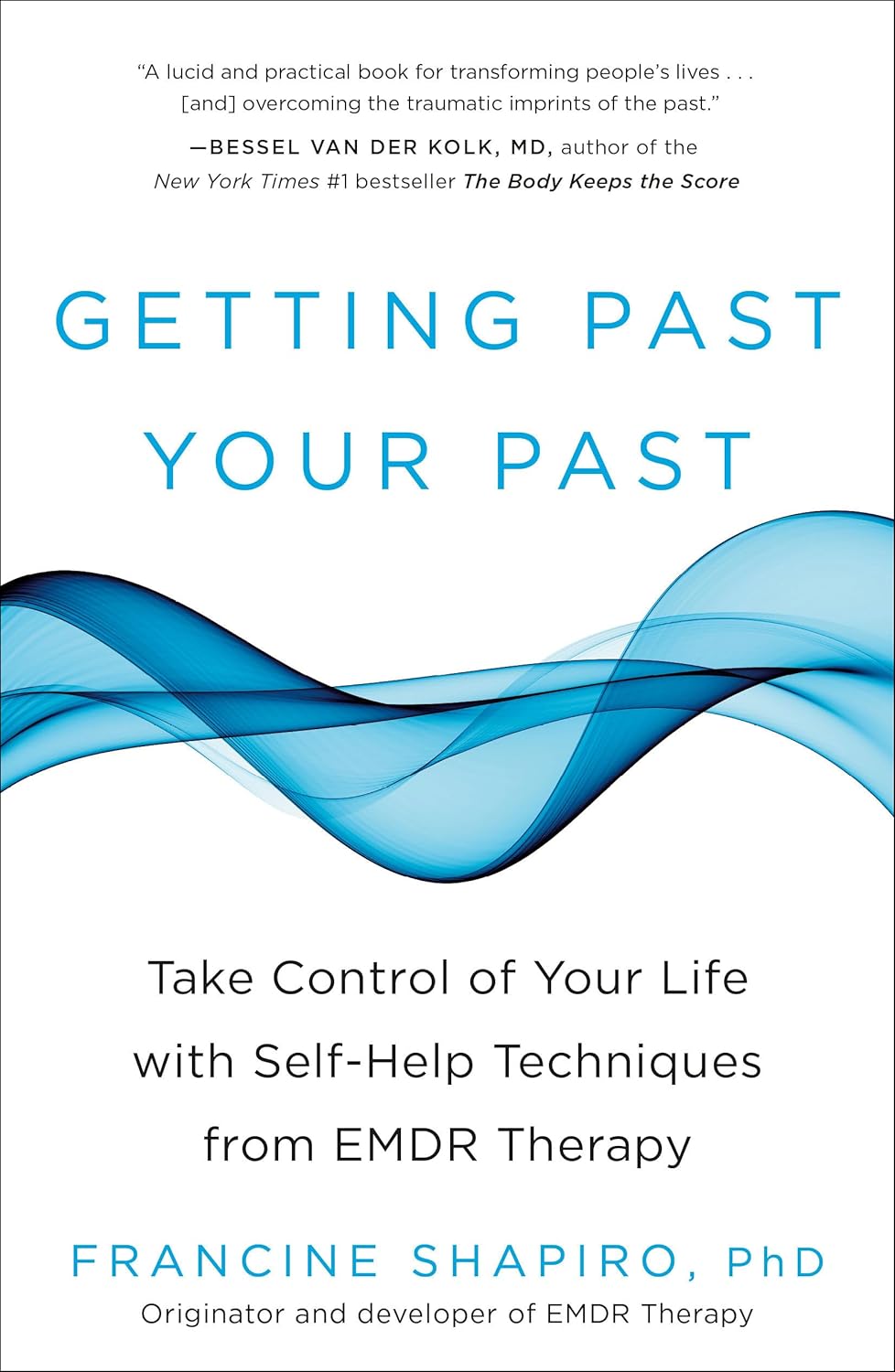
Getting Past Your Past
Francine Shapiro, PhD
Self-help techniques based on EMDR therapy to take control of your life and overcome trauma.

Surviving the Storm: When the Court Takes Your Children
Clarity House Press
For fathers in active high-conflict custody battles. Understand your CPTSD symptoms, begin stabilization, and build foundation for healing. 17 chapters covering recognition, symptoms, and the healing path.


Will I Ever Be Good Enough?
Karyl McBride, PhD
Healing the daughters of narcissistic mothers through understanding, validation, and recovery.
As an Amazon Associate, Clarity House Press earns from qualifying purchases. Your price is never affected.
Found this helpful?
Share it with someone who might need it.
About the Author

Clarity House Press
Editorial Team
The editorial team at Clarity House Press curates and publishes evidence-based content on narcissistic abuse recovery, high-conflict divorce, and healing. Our content is informed by research, survivor experiences, and established trauma-informed approaches.
View all posts by Clarity House Press →Published by Clarity House Press Editorial Team