Please read our important disclaimers before using this content
You told them "no." Or you succeeded at something they wanted to fail at. Or you exposed a lie. Or you simply existed independently and happily without them.
The response was volcanic: screaming, threats, destruction, sometimes violence. The rage was so disproportionate to the trigger that you were left shaking, confused, terrified, and questioning what just happened.
What happened was this:
You triggered a narcissistic injury—a threat to their fragile, grandiose self-image—and they responded with narcissistic rage, an explosive, often terrifying reaction designed to punish the threat and restore their dominance.
Understanding the difference between narcissistic injury (the wound) and narcissistic rage (the reaction) is essential for:
- Recognizing what triggers escalation — see also the full narcissistic rage cycle: triggers and patterns
- Predicting and preventing dangerous situations
- Safety planning for yourself and your children
- Understanding legal patterns (rage incidents often drive protective orders, custody changes, and criminal charges)
- Healing from the trauma of being subjected to disproportionate rage
This isn't about "managing their emotions" or "not triggering them"—you cannot prevent narcissistic injury by walking on eggshells. This is about understanding the mechanism so you can protect yourself.
What Is Narcissistic Injury?
Narcissistic injury (also called narcissistic wound) is any threat—real or perceived—to the narcissist's grandiose self-image. This concept, first developed by psychoanalyst Heinz Kohut, describes how individuals with pathological narcissism experience threats to their self-esteem as catastrophic due to underlying identity instability (Reininger et al., 2024).
The Grandiose Self-Image
Narcissists construct a false self—an inflated, idealized version of themselves that they project to the world:
- Superior
- Special
- Entitled to admiration
- Above the rules
- Never wrong
- Powerful and in control
This false self is fragile. Underneath it is profound shame, insecurity, and fear of being exposed as inadequate.
Narcissistic injury occurs when reality threatens to shatter the false self.
What Causes Narcissistic Injury?
Any experience that contradicts the grandiose self-image:
-
Criticism (even gentle, constructive feedback)
- "Could you pick up your socks?"
- "I think there's a mistake in this report."
- "That hurt my feelings."
Why it's a wound: It suggests they're not perfect, which threatens the false self.
-
Being told "no" or having boundaries enforced
- "No, I won't lend you money."
- "I'm not available this weekend."
- "You can't speak to me that way."
Why it's a wound: It challenges their entitlement and control.
-
Being exposed (lies, exaggerations, failures made public)
- Someone fact-checks their story and it doesn't hold up
- They're caught in a lie
- Their affair is discovered
Why it's a wound: It shatters the false self and exposes the truth underneath.
-
Loss of control (you leave, you succeed independently, you're happy without them)
- You file for divorce
- You get a promotion they didn't get
- You're thriving post-separation
Why it's a wound: Your independence and success contradict their narrative that you need them.
-
Being ignored, dismissed, or not receiving expected admiration
- You don't respond to their text immediately
- You don't praise their achievement
- You're not impressed by their story
Why it's a wound: They require constant narcissistic supply (admiration, attention). Lack of it feels like annihilation.
-
Comparison (someone else is better, more successful, more admired)
- Your coworker gets the promotion
- Their sibling is praised
- You're complimented and they're not
Why it's a wound: Their superiority is threatened.
-
Abandonment or rejection (real or perceived)
- You want space
- You leave the relationship
- You choose someone else
Why it's a wound: Rejection is the ultimate proof they're not special or superior.
-
Being held accountable
- Legal consequences
- Being fired
- Court orders against them
Why it's a wound: Accountability contradicts their belief they're above the rules.
The Key Point: The Injury Is in the Perception, Not the Reality
You can trigger narcissistic injury by:
- Being competent
- Setting reasonable boundaries
- Existing independently
- Telling the truth
- Succeeding
These are normal, healthy behaviors. The "injury" is in their distorted perception, not in your actions.
What Is Narcissistic Rage?
Narcissistic rage is the explosive, disproportionate response to narcissistic injury.
It's not regular anger. It's not a normal emotional reaction to conflict.
Narcissistic rage is:
- Disproportionate: The response is wildly out of proportion to the trigger
- Explosive: Sudden, intense, overwhelming
- Punitive: Designed to punish you for wounding them
- Defensive: Protects the grandiose self by attacking the threat (you)
- Unempathetic: Your feelings, safety, and humanity don't matter in this moment
- Often calculated (even when it looks out of control): The rage serves a strategic purpose
Research by Krizan and Johar found that narcissistic rage is "an explosive mix of anger and hostility arising from threats to narcissists' fractured sense of self," driven by suspiciousness, dejection, and angry rumination (Krizan & Johar, 2015).
What Narcissistic Rage Looks Like
Verbal rage:
- Screaming, yelling, shouting
- Vicious insults and character attacks
- Threats
- Gaslighting and rewriting history
- Blaming and projection
Behavioral rage:
- Destroying property (punching walls, throwing objects, breaking your belongings)
- Silent treatment (withholding all communication as punishment)
- Smear campaigns (telling everyone you're crazy, abusive, unstable)
- Legal retaliation (filing false charges, seeking custody changes)
- Financial punishment (cutting off money, hiding assets, refusing to pay support)
- Alienation (turning children, family, friends against you)
Physical rage:
- Physical intimidation (looming, blocking exits, invading space)
- Destroying your property
- Physical violence (hitting, shoving, restraining, choking)
The hallmark: The intensity and cruelty feel shocking and disproportionate to what you said or did.
The Function of Narcissistic Rage
Narcissistic rage serves specific purposes:
- Punish the threat (you) for daring to wound their grandiose self
- Restore dominance and control ("Don't ever challenge me again")
- Externalize shame (instead of feeling their own inadequacy, they make you feel terrible)
- Re-establish the power dynamic (you're reminded who's "in charge")
- Silence dissent (you learn not to criticize, question, or set boundaries)
According to the "threatened egotism" hypothesis developed by Bushman and Baumeister, narcissistic aggression functions as "a means of defending a highly favorable view of self against someone who seeks to undermine or discredit that view." Their research demonstrated that the combination of narcissism and insult led to exceptionally high levels of aggression toward the source of the insult (Bushman & Baumeister, 1998).
In other words: narcissistic rage is functional. It works. It keeps you compliant, scared, and walking on eggshells.
The Narcissistic Injury → Rage Cycle
The pattern:
- Trigger (narcissistic injury): Something threatens their grandiose self-image
- Internal experience (shame/fear): Underneath, they feel deep shame, inadequacy, or fear of exposure (this is often unconscious)
- Defense mechanism activates (rage): Instead of tolerating shame, they explode in rage
- Externalization: The shame is projected onto you ("You're the problem")
- Punishment: You are punished for "causing" their injury
- Restoration: Their sense of superiority and control is restored
- Cycle repeats
Example: Simple Criticism → Rage
Trigger: You: "Could you please take the trash out? You said you'd do it yesterday."
Injury:
- They hear: "You're irresponsible and you don't keep your word" (threatens grandiose self-image)
Internal experience:
- Shame (unconscious): "I'm inadequate"
Rage response: "Are you serious right now? I work 60 hours a week and you're nagging me about trash? You don't do anything around here. You're lazy and entitled. I can't believe I put up with this. Maybe if you weren't such a miserable person to come home to, I'd feel like helping out."
Externalization:
- Your simple request is now evidence YOU'RE the problem (lazy, entitled, miserable)
Punishment:
- You're berated, insulted, and made to feel terrible for asking
Restoration:
- They feel superior again (they work hard, you don't; they're the victim, you're the nag)
The result:
- You learn not to ask for help
- The trash doesn't get taken out
- They face no accountability
- You feel like you're walking on eggshells
Types of Narcissistic Rage
Not all rage looks the same. Understanding the types helps you recognize the pattern. Research distinguishes between grandiose and vulnerable narcissism, with vulnerable narcissists showing "thin skins" (fragile egos) that make them particularly sensitive to threats, criticism, and humiliation, and more likely to respond with aggression (Theberge & Gamache, 2023).
1. Explosive Rage (Hot Rage)
What it looks like:
- Sudden, intense outbursts
- Yelling, screaming, throwing things
- Red-faced, physically aggressive
- Looks "out of control"
The function:
- Intimidation
- Immediate dominance
- Emotional release of their internal shame
Danger level: High (can escalate to physical violence)
2. Cold Rage (Covert Rage)
What it looks like:
- Icy withdrawal
- Silent treatment
- Passive-aggressive punishment
- Calculating cruelty
- Looks calm but feels terrifying
Example:
- You set a boundary
- They go completely silent for days
- When they do speak, it's cold, dismissive, contemptuous
- They make calculated decisions to punish you (cancel plans, withhold money, turn others against you)
The function:
- Control through withdrawal
- Punishment through emotional abandonment
- Maintaining the appearance of being "the calm one"
Danger level: High (often precedes escalation or planned retaliation)
3. Passive-Aggressive Rage
What it looks like:
- "Forgetting" important commitments
- Sabotaging your plans
- Weaponized incompetence
- Subtle digs and insults masked as jokes
Example:
- You ask them to pick up the kids at 3pm
- They "forget" and show up at 5pm
- When confronted: "I had a lot on my mind. Why are you always so dramatic?"
The function:
- Punishment while maintaining plausible deniability
- Control through unreliability
- Avoiding accountability ("It was an accident!")
4. Vengeful Rage (Delayed, Calculated Retaliation)
What it looks like:
- Planned, strategic punishment
- Legal retaliation
- Smear campaigns
- Turning people against you
- Financial sabotage
Example:
- You expose their affair
- They file for full custody, claim you're unstable, drain joint accounts, and tell everyone you're abusive
The function:
- Destroy you for wounding them
- Restore their image by destroying yours
- Punish you publicly
Danger level: Extremely high (can result in loss of custody, financial ruin, damaged reputation, legal consequences)
Warning Signs of Escalating Rage
Recognize these red flags:
Pre-Rage Indicators
- Increased criticism and nitpicking
- Withdrawal and cold silence
- Subtle threats ("You'll regret this")
- Increased monitoring and control
- Ramping up provocation (baiting you to react)
Immediate Pre-Rage Signals
- Clenched fists, rigid body
- Change in voice (louder, harsher, or eerily calm)
- Pacing, inability to stay still
- Blocking exits or invading your space
- Eyes: "dead" stare or intense, focused rage
High-Danger Escalation
- Destroying property (especially your belongings)
- Threats of violence
- Weapons mentioned or displayed
- Choking or strangulation (single strongest predictor of future lethality)
- Threats of suicide or homicide
- Threats involving the children
If you see high-danger escalation signs, this is a safety emergency. Follow your safety plan immediately.
Safety Planning for Narcissistic Rage
You cannot prevent narcissistic injury—they will find reasons to feel wounded because their self-image is fundamentally fragile. What you can do is plan for your safety.
Before Rage Incidents
1. Identify your triggers (what tends to wound them?):
- Saying no
- Setting boundaries
- Leaving
- Succeeding
- Exposing lies
2. Create a safety plan:
- Safe place to go (friend's house, shelter, hotel)
- Emergency bag packed (documents, money, medications, clothes)
- Code word with trusted friend ("call 911 if I text this word")
- Children's safety plan (age-appropriate, doesn't require them to protect you)
3. Document the pattern:
- Keep a journal of rage incidents
- Save threatening texts/emails/voicemails
- Photograph destroyed property
- Medical records if you're injured
4. Legal preparation:
- Consult with a family law attorney
- Know your state's protective order process and its effectiveness
- Understand custody implications
- Secure important documents (birth certificates, passports, financial records)
During Rage Incidents
Your priority: Safety, not de-escalation.
If rage is explosive/physical:
- Leave if you can safely do so
- Call 911 if you or children are in danger
- Don't try to reason, calm them down, or argue
- Protect your head and vital organs if you cannot escape
If rage is verbal/emotional:
- Gray rock (minimal response, no emotion)
- Don't defend yourself (it escalates)
- Don't try to "win" the argument
- Remove yourself if possible ("I'm going for a walk")
If rage involves children:
- Get children to safety if possible
- Call 911 if children are in danger
- Reassure children afterward ("You're safe, this isn't your fault")
- Document the incident
After Rage Incidents
1. Seek medical attention if injured (creates documentation)
2. File a police report (even if you don't press charges, it's documented)
3. Document everything:
- Date, time, what triggered it, what they said/did
- Witnesses
- Photos of injuries or property damage
- Your emotional state
4. Tell your attorney (patterns of rage are relevant in custody and protective order cases)
5. Consider a protective order if:
- Physical violence occurred
- Threats of violence
- You fear for your safety or children's safety
6. Get support:
- Domestic violence hotline: 1-800-799-7233
- Therapist
- Trusted friends/family
- Support groups
Narcissistic Rage in Legal Contexts
Rage incidents often drive legal action—and narcissists weaponize rage strategically in court.
How Narcissists Use Rage in Custody Battles
1. Provoke you into reactive abuse, then claim you're the aggressor
- They bait you until you yell or push back
- They record/document your reaction
- They file for protective orders or custody changes based on YOUR reaction
Counter-strategy:
- Document the provocation
- Use written communication only
- Stay calm (gray rock)
- Bring full pattern to your attorney
2. Rage incidents as "evidence" you're alienating the children
- They rage at or around the children
- Children become afraid of them
- They claim YOU turned the children against them
Counter-strategy:
- Document incidents witnessed by children
- Get children in therapy
- Request custody evaluation
3. Use rage to intimidate you out of enforcing court orders
- You attempt to enforce custody schedule
- They explode in rage
- You back down to avoid the rage
Counter-strategy:
- Enforce orders via attorney or police (not direct interaction)
- Document violations
- File for contempt
Protective Orders and Narcissistic Rage
When to seek a protective order:
- Physical violence or credible threats
- Pattern of escalating rage
- Fear for your safety or children's safety
- Stalking, harassment, or destruction of property
What to bring to court:
- Documentation of incidents (journal, photos, medical records)
- Police reports
- Witness statements
- Threatening texts/emails/voicemails
- Pattern evidence (shows this isn't one isolated incident)
What to expect:
- They will likely claim YOU'RE the abuser (DARVO)
- They may appear calm and reasonable in court (covert rage)
- They may file a counter protective order against you
Work with an attorney experienced in high-conflict cases.
Narcissistic Rage and Lethality Risk
Not all narcissistic rage is equally dangerous, but some situations carry high lethality risk.
High-Risk Factors
The presence of these factors significantly increases danger:
- Strangulation or choking (strongest single predictor of future homicide)
- Access to weapons (guns, knives)
- Threats of homicide or suicide ("If I can't have you, no one will")
- Escalating violence (frequency and severity increasing over time)
- Separation violence (rage intensifies when you leave or file for divorce)
- Obsessive stalking or monitoring
- Threats to kill children or pets
- Violent jealousy
- Substance abuse (lowers inhibition)
- History of violence (toward you, exes, or others)
If multiple high-risk factors are present, this is a lethal situation. Contact a domestic violence advocate immediately.
Separation Violence: The Most Dangerous Time
The most dangerous time in an abusive relationship is when you leave.
Why:
- Leaving is the ultimate narcissistic injury (you're rejecting them, proving you don't need them, threatening their control)
- Rage escalates because they're losing power
- Violence is often a last-ditch attempt to regain control
Statistics:
- 70% of intimate partner homicides occur after separation
- Risk of homicide increases 5x in the first year after leaving
Safety planning for leaving:
- Don't tell them you're leaving (leave when they're not home)
- File for protective order same day you leave if possible
- Change locks, passwords, routines
- Vary your routes and schedule
- Alert workplace, children's schools, family
- Consider relocating temporarily
This is not exaggeration. Separation violence is real and documented. Take it seriously.
Healing from Narcissistic Rage Trauma
Living with the threat of narcissistic rage creates trauma:
Common Trauma Responses
Research has documented a "shame-rage spiral" in which intolerable feelings of shame and inferiority experienced as extremely severe culminate in intense anger at perceived sources of shame, creating chronic rage reactions (Krizan & Johar, 2015). Survivors of this cycle often develop:
- Hypervigilance: Always scanning for signs of rage, walking on eggshells
- Startle response: Overreacting to loud noises, sudden movements
- Emotional flashbacks: Feeling the terror of past rage incidents
- Fawning: People-pleasing to avoid triggering rage
- Difficulty setting boundaries: Fear of the rage response
- Anxiety and panic attacks
- Complex PTSD
Recovery Involves
1. Safety first
- Physical safety (distance from the abuser)
- Legal safety (protective orders, custody arrangements)
- Financial safety (independent resources)
2. Trauma therapy
- EMDR (Eye Movement Desensitization and Reprocessing)
- Somatic therapy (healing nervous system activation)
- Trauma-focused CBT
- IFS (Internal Family Systems)
3. Nervous system regulation
- Grounding techniques
- Breathwork
- Somatic practices (yoga, tai chi, movement)
- Vagal toning
4. Rebuilding self-trust
- Learning to trust your perceptions ("The rage was disproportionate—I'm not crazy")
- Setting boundaries without fear
- Reclaiming your voice
5. Understanding it wasn't your fault
- You didn't "cause" the rage by being imperfect
- You couldn't have prevented it by being "better"
- The rage was about their fragility, not your failure
NOTE ON HOTLINE NUMBERS: Phone numbers for crisis hotlines, legal aid, and support services are provided as a resource. These numbers are current as of publication but may change. Please verify hotline numbers are still active before relying on them. For the National Domestic Violence Hotline, visit thehotline.org for current contact information.
Key Takeaways
- Narcissistic injury is any threat (real or perceived) to the narcissist's grandiose self-image
- Narcissistic rage is the explosive, disproportionate response designed to punish the threat and restore dominance
- The injury-rage cycle is: trigger → shame → rage → externalization → punishment → restoration
- You cannot prevent narcissistic injury by being perfect—their self-image is fundamentally fragile
- Rage serves strategic purposes: punish, control, externalize shame, silence dissent
- Types of rage: explosive, cold, passive-aggressive, vengeful—all are dangerous
- Safety planning is essential: document patterns, create escape plan, know high-risk warning signs
- Separation is the most dangerous time—plan carefully and get professional help
- Healing involves trauma therapy, nervous system regulation, and understanding you are not responsible for their rage
If you've been subjected to narcissistic rage, you know the terror of disproportionate fury triggered by normal, healthy behavior. You know the confusion of trying to figure out what you did "wrong."
You did nothing wrong. Their rage is not about you. It's about their inability to tolerate threats to a false self-image that was always going to be threatened by reality.
Your job is not to manage their emotions or prevent their injuries. Your job is to protect yourself, document the pattern, and build a life where rage is not the consequence of existing, succeeding, or setting boundaries.
You deserve safety. You deserve to be seen without triggering rage. You deserve relationships where anger is proportionate, accountable, and respectful.
That's not too much to ask. It's the foundation of basic human dignity—and it's what you'll reclaim as you move forward.
Resources
Safety Planning and Domestic Violence Support:
- National Domestic Violence Hotline - 1-800-799-7233 (SAFE) for safety planning and narcissistic rage support
- National Center on Domestic and Sexual Violence - Safety planning resources
- WomensLaw.org - State-specific protective orders and legal resources
- Legal Services Corporation - Find free/low-cost legal aid
Trauma Therapy and Narcissistic Abuse Recovery:
- Psychology Today - Therapists - Find therapists specializing in narcissistic rage trauma
- EMDR International Association - Find EMDR therapists for trauma from narcissistic rage
- Somatic Experiencing International - Body-based trauma therapy for nervous system dysregulation
- The Body Keeps the Score by Bessel van der Kolk - Understanding trauma's impact
Crisis Support and Documentation:
- 988 Suicide & Crisis Lifeline - Call or text 988 for crisis support (24/7)
- Crisis Text Line - Text HOME to 741741 for crisis counseling
- TalkingParents - Court-admissible communication platform
- OurFamilyWizard - Co-parenting communication of rage incidents
- TalkingParents - Documented communication for custody cases
References
Bushman, B. J., & Baumeister, R. F. (1998). Threatened egotism, narcissism, self-esteem, and direct and displaced aggression: Does self-love or self-hate lead to violence? Journal of Personality and Social Psychology, 75(1), 219-229. https://pubmed.ncbi.nlm.nih.gov/9686460/
Krizan, Z., & Johar, O. (2015). Narcissistic rage revisited. Journal of Personality and Social Psychology, 108(5), 784-801. https://pubmed.ncbi.nlm.nih.gov/25545840/
Reininger, K. M., Decker, O., & Gumz, A. (2024). Testing Heinz Kohut's thoughts on narcissism and narcissistic rage: Narcissistic injury paves the way for radicalization and subclinical paranoid states—An experimental study. Psychoanalytic Psychotherapy, 38(1), 1-19. https://www.tandfonline.com/doi/full/10.1080/02668734.2023.2274450
Theberge, D., & Gamache, D. (2023). An appraisal of narcissistic rage through path modeling. Journal of Interpersonal Violence, 38(1-2), 1012-1035. https://journals.sagepub.com/doi/10.1177/08862605221084746
Recommended Reading
From Clarity House Press — plus trusted books for deeper understanding


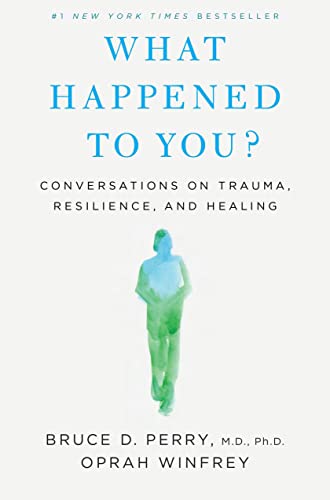
What Happened to You?
Bruce D. Perry, M.D., PhD & Oprah Winfrey
A conversational introduction to how early experience shapes us — reframing 'what's wrong with you' into 'what happened to you.'
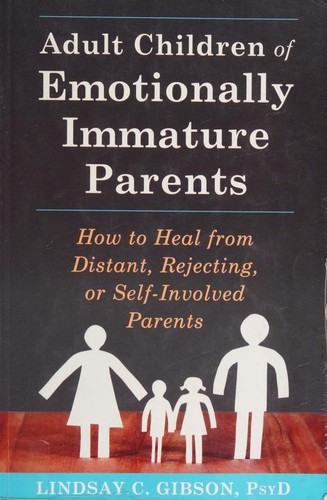
Adult Children of Emotionally Immature Parents
Lindsay C. Gibson, PsyD
A gentle, practical guide to understanding relationships with emotionally distant parents and reclaiming your inner life.
As an Amazon Associate, Clarity House Press earns from qualifying purchases. Your price is never affected.
Found this helpful?
Share it with someone who might need it.
About the Author

Clarity House Press
Editorial Team
The editorial team at Clarity House Press curates and publishes evidence-based content on narcissistic abuse recovery, high-conflict divorce, and healing. Our content is informed by research, survivor experiences, and established trauma-informed approaches.
View all posts by Clarity House Press →Published by Clarity House Press Editorial Team