Please read our important disclaimers before using this content
If you're divorcing while living in a multi-generational household—whether with your parents, your in-laws, or your ex's extended family—you're facing challenges that most divorce resources don't address. The collision of high-conflict divorce, cultural expectations about family unity, and the legal and emotional complexity of leaving a shared household creates unprecedented stress.
When narcissistic abuse is woven through multi-generational family dynamics—whether your ex is the narcissist, your in-laws are, or the entire family system is enmeshed and enabling—extricating yourself while protecting your children requires strategic legal thinking and extraordinary courage. Understanding how flying monkeys operate in abusive family systems helps you anticipate the pressure campaign that often follows departure.
Understanding how multi-generational living affects custody, how to navigate family loyalty conflicts, and how to leave when your entire family (or your ex's) is pressuring you to stay is essential for survival.
Understanding Multi-Generational Household Dynamics
Multi-generational living is common across many cultures and increasing in prevalence in the U.S. for economic reasons. According to Pew Research Center, approximately 59.7 million U.S. residents lived in multigenerational households in 2021, representing 18% of the population—a figure that has quadrupled since 1971 (Pew Research Center, 2022). But what works in healthy families becomes weaponized in narcissistic systems.
Cultural Norms vs. Abusive Enmeshment
Healthy multi-generational living includes:
- Mutual respect and clear boundaries between generations
- Collaborative parenting without overstepping
- Financial interdependence that's transparent and agreed-upon
- Cultural traditions honored by choice, not coercion
- Elders offering wisdom, not control
- Privacy for nuclear family relationships
- Ability to make autonomous decisions
Narcissistic/enmeshed multi-generational systems include:
- Blurred boundaries (grandparents making parenting decisions without permission)
- Financial control (holding money or housing over your head)
- Cultural tradition used to justify abuse
- Family loyalty demanded above individual wellbeing
- Collective denial of abuse
- Punishment for "breaking up the family"
- No privacy or autonomy for nuclear family
- "What happens in this family stays in this family" mentality
The painful question:
Is your multi-generational household a source of support or a source of control?
How Narcissists Use Extended Family
In multi-generational households, narcissistic partners exploit:
- Flying monkeys: Extended family members who do the narcissist's bidding
- Witnesses who enable: Family saw abuse but minimizes or denies it
- Cultural leverage: "You're dishonoring the family by leaving"
- Financial entanglement: Shared housing/finances make leaving harder — this is a form of economic abuse and financial control. Research on financial enmeshment shows that when family boundaries around money are blurred, it can impede healthy coping and decision-making (Kemnitz, Klontz & Archuleta, 2016)
- Grandparent attachment: Using children's bond with grandparents as leverage
- Public image management: Extended family invested in maintaining "happy family" image
- Collective gaslighting: Entire family tells you it "wasn't that bad"
What this looks like:
"I lived with my husband and his parents in their house. When I told my mother-in-law about his verbal abuse and controlling behavior, she said, 'That's just how our family talks—you're too sensitive.' When I tried to leave, she told me I'd be taking her grandchildren away from family and that was 'cruel.' My father-in-law said divorcing his son would shame the family. They all presented a united front: I was the problem."
Legal Considerations
Multi-generational living creates unique legal complexities in divorce.
Whose House Is It?
Ownership matters enormously:
If you own the house together (you and spouse):
- Standard property division rules apply
- May need to sell or buy out ex's share
- Extended family has no legal claim to property
- You may have right to stay in home during divorce
If your parents own the house:
- You likely have right to stay (with your parents' permission)
- Ex may need to leave if they don't own it
- Gives you housing stability during divorce
- Your parents control who can enter the property
If ex's parents own the house:
- You likely have no legal right to stay
- May need to move out
- Complicated if you've contributed to mortgage/improvements
- Grandparents may use housing as leverage
If extended family co-owns with you:
- Complex property division
- May need partition action or buyout
- Extended family's financial interests entangled
- Can significantly complicate divorce proceedings
Strategic considerations:
- Document any financial contributions to home
- Preserve evidence of ownership/title
- Understand eviction laws in your state (can ex kick you out?)
- Consult real estate attorney if complex ownership exists
Grandparents as Witnesses
Living with extended family means they've witnessed your relationship dynamics. Research demonstrates that grandparental support can serve as a protective factor for children during divorce, with studies showing that close relationships with grandparents are positively associated with children's quality of life evaluations and can moderate the negative effects of parental conflict (Halpern-Meekin & Turney, 2021).
Benefits:
- Grandparents saw abuse firsthand
- Can testify to your parenting capacity
- Witnessed ex's behavior toward children
- Documentation of household dynamics
- Character witnesses for you
Risks:
- Grandparents may side with their child (your ex) even if they saw abuse
- Family loyalty may outweigh truth-telling
- They may minimize abuse to preserve family image
- Could testify AGAINST you if they're enmeshed
- Cultural/religious beliefs may influence their perspective
Strategic decisions:
- Assess which family members would be supportive witnesses
- Document incidents that grandparents witnessed
- Prepare for possibility they'll side with ex
- Don't assume family will "do the right thing"
Financial Entanglement
Multi-generational households often involve shared finances.
Common entanglements:
- Joint bank accounts with extended family
- Shared household expenses (utilities, groceries)
- Extended family paying mortgage/rent
- Informal loans between family members
- Shared business interests
- Eldercare costs shared across household
- Children's expenses paid by grandparents
Discovery complications:
- Hard to separate your finances from household finances
- Extended family may resist providing financial records
- Income may be unclear if shared household income pool
- Assets may be in extended family names (hiding marital assets)
- Support calculations complicated by shared expenses
Protective strategies:
- Open individual bank account in your name only
- Document all financial contributions and expenses
- Request forensic accounting if complex entanglement exists
- Subpoena extended family financial records if needed
- Establish independent finances ASAP (see our guide on emergency financial preparedness and building an exit fund)
Cultural and Religious Pressures
Many multi-generational households are grounded in cultural or religious traditions that create additional pressure during divorce. Research published in Communications Psychology found that divorce is more likely in nations emphasizing individual autonomy over collective embeddedness values, and that cultural values significantly explain cross-national variation in divorce rates across 55+ countries (Minkov et al., 2025).
"You're Dishonoring the Family"
Cultural messaging:
- Divorce brings shame to family
- Keeping family together is paramount
- Individual suffering is less important than collective harmony
- Speaking about abuse publicly dishonors family
- Elders' authority must be obeyed without question
- Marriage is forever, regardless of abuse
- Your suffering is your burden to bear silently
Religious messaging:
- Marriage is sacred covenant that can't be broken
- Submit to your spouse
- Suffering is virtuous
- Divorce is sin
- You'll bring judgment on the entire family
- Extended family pressures based on religious authority
What this looks like:
"My family is from traditional South Asian culture. When I told my parents I wanted to divorce my husband, my father said I would bring shame on the family. My mother said no one would want to marry my daughters if I divorced. The aunties said I needed to endure for the sake of the family's reputation. They told me my happiness didn't matter—the family's honor did."
Balancing Cultural Respect with Self-Protection
You can honor your culture AND protect yourself:
- Cultural identity is valuable and worth preserving
- Culture and abuse are separate issues
- No authentic cultural tradition condones abuse
- You can maintain cultural connections while leaving abuser
- Your children can learn cultural heritage outside abusive household
- Healthy expression of culture ≠ enabling abuse
Strategies:
- Seek cultural-competent support: Therapists and attorneys who understand your cultural context
- Connect with cultural community members who support you: Not all members will pressure you to stay
- Educate family about abuse: Share resources in their language if possible
- Distinguish culture from abuse: "Our culture values family—and I'm protecting my children by leaving abuse"
- Find religious leaders who understand abuse: Many exist, even in conservative traditions
- Build chosen family within cultural community: Others who've navigated similar challenges
- Long-term perspective: Family relationships can heal; prioritize safety now
Leaving a Multi-Generational Household
Leaving is complicated when you're not just leaving your spouse, but potentially your entire extended family system.
When It's Your Parents' House
If your parents are supportive:
- Enormous advantage: housing stability
- Built-in childcare and support
- Witnesses to ex's behavior
- Financial assistance potential
- Emotional support during crisis
Safety planning:
- Ensure ex cannot access property (locks, security)
- Restraining orders if needed
- Grandparents understand safety protocols
- Children's routines maintained in stable environment
- Ex's belongings removed promptly
If your parents pressure you to reconcile:
- Set firm boundaries about your decision
- Limit discussions about divorce if they're not supportive
- Seek support elsewhere
- Consider moving out if pressure becomes unbearable
- Protect children from witnessing family conflict about your divorce
When It's Your In-Laws' House
Legal right to stay:
- Generally, you have no legal right to stay in in-laws' property
- They can evict you (though process varies by state)
- Temporary restraining order might grant you temporary right to stay
- Domestic violence programs may help with emergency housing
Strategic considerations:
If in-laws are supportive of you:
- Rare, but possible if they recognize their child's abuse
- May allow you to stay temporarily while you secure housing
- Can be character witnesses in your favor
- May provide financial support
If in-laws side with your ex (more common):
- Assume you'll need to leave
- Don't wait to be evicted—plan proactively
- Document any financial contributions you made to property
- Remove your belongings before conflict escalates
- Secure alternate housing ASAP
Emergency housing options:
- Domestic violence shelter (even if abuse isn't physical)
- Transitional housing programs
- Friends or family outside the system
- Rental assistance programs
- Churches/community organizations
Taking Children When You Leave
Legal considerations:
If no custody order exists:
- Both legal parents have equal right to children
- Taking children from multi-generational home to establish new residence is generally legal
- Document your reasons (safety, establishing stability)
- Don't hide children's location (parental kidnapping concerns)
- File for custody immediately after leaving
If extended family tries to keep children:
- Grandparents have no legal authority over children (unless they're guardians)
- Extended family cannot legally prevent you from taking your children
- If they physically prevent you, call police
- Do NOT leave without your children if you can safely take them
Practical considerations:
- Pack essentials for children discreetly
- School records and medical records
- Children's belongings and comfort items
- Documentation of your parenting
- Don't discuss plans with extended family who might warn ex
Grandparent Rights and Involvement
Multi-generational households create strong grandparent-grandchild bonds that become complicated in divorce.
Grandparent Visitation Rights
State laws vary, but generally:
- Grandparents can petition for visitation in most states
- Requirements: pre-existing relationship + visitation in child's best interests
- Higher success rate if parents are divorced than if parents are still together
- Constitutional protections for parental rights limit grandparent claims
When grandparents are likely to succeed:
- Long-term relationship with significant bond
- Parents are divorced or separated
- Child would be harmed by losing grandparent relationship
- Evidence that maintaining contact serves child's best interests
When grandparents are unlikely to succeed:
- Limited pre-existing relationship
- Parents present united front against visitation
- Evidence grandparents undermine parenting
- Grandparents enable abuse or are harmful to child
Strategic Decisions About Grandparent Contact
If grandparents are supportive and healthy:
- Maintaining relationship benefits children
- Include grandparent contact in parenting plan
- Use grandparents for childcare and support
- Honor cultural importance of extended family
- Model healthy family relationships for children
If grandparents enable abuse or are narcissistic themselves:
- Limiting contact may be necessary for children's wellbeing
- Document harmful behaviors
- Supervised contact if any contact
- Therapeutic support for children to process complicated relationships
- Be prepared for grandparent visitation petition
If grandparents are weaponized by your ex:
- Ex uses grandparents to gather information
- Grandparents report back to ex on your household
- Children are questioned or manipulated during visits
- Grandparents undermine your authority
- Flying monkey behavior
Protective strategies:
- Limit information shared with grandparents
- Supervise visits or restrict to public places
- Parallel parent with firm boundaries
- Document undermining behaviors
- Request court-ordered boundaries if needed
Protecting Children in Family Loyalty Conflicts
Children in multi-generational households face intense loyalty conflicts during divorce.
When Extended Family Takes Sides
Children experience:
- Pressure to choose between parents and extended family
- Conflicting messages from adults they love
- Loss of extended family relationships if they "choose wrong"
- Parentification (expected to manage adult conflicts)
- Guilt for loving both parents when family demands they choose
Protective strategies:
What to tell children:
- "Grown-ups are having disagreements, but that's not your problem to solve."
- "You can love Grandma and Grandpa even if they're upset with me right now."
- "Family relationships are complicated sometimes. That's okay."
- "You don't have to pick sides. You can love everyone."
- "I will never ask you to choose between me and people you love."
What NOT to do:
- ❌ Badmouth extended family to children
- ❌ Ask children to relay messages to grandparents
- ❌ Put children in middle of adult conflicts
- ❌ Force children to cut off extended family because you're in conflict
- ❌ Use children as spies to report on ex's family
Therapeutic support:
- Help children process complicated family dynamics
- Validate their love for multiple people simultaneously
- Build coping skills for loyalty conflicts
- Distinguish their feelings from family pressure
Cultural Identity Preservation
If you're leaving ex's family and that family represents your children's cultural heritage:
Maintain cultural connections:
- Connect children with cultural community outside ex's family
- Cultural events, language classes, cultural organizations
- Teach cultural traditions yourself
- Books, media, food representing heritage
- Chosen family within cultural community
Don't let ex monopolize cultural identity:
- You can honor your children's heritage even if you're not from that culture
- Children's cultural identity doesn't require relationship with abusive family members
- Culture is bigger than one family system
- Healthy cultural connection ≠ enmeshment with toxic family
Your Next Steps
Immediate actions:
- Assess your housing situation: Who owns property? What are your legal rights to stay?
- Open individual bank account: Separate finances from household if possible
- Document extended family dynamics: Who's supportive? Who's enabling? Who witnessed abuse?
- Safety planning: If you need to leave, plan discreetly
- Consult attorney about housing rights: Understand eviction law if you don't own property
30-day goals:
- Establish independent finances: Separate from household financial entanglement
- Secure alternate housing (if needed): Research options before you're forced to leave
- Identify supportive extended family: Build relationships with family members who support you
- Set boundaries with enmeshed family: Practice saying no to unreasonable demands
- Cultural-competent therapy: Find therapist who understands both abuse and cultural context
Long-term strategies:
- Parallel parent with firm boundaries: Ex's family is not entitled to information about your household
- Maintain healthy extended family relationships: Children benefit from non-toxic extended family
- Limit contact with enabling/narcissistic family: Protect yourself and children from harmful dynamics
- Cultural community connection: Build chosen family within cultural community
- Model healthy boundaries: Show children that honoring culture ≠ tolerating abuse
NOTE ON HOTLINE NUMBERS: Phone numbers for crisis hotlines, legal aid, and support services are provided as a resource. These numbers are current as of publication but may change. Please verify hotline numbers are still active before relying on them. For the National Domestic Violence Hotline, visit thehotline.org for current contact information.
Resources
Housing and Legal Support:
- HUD Housing Resources - Emergency and transitional housing assistance
- Salvation Army - Emergency housing and family services
- Legal Services Corporation - Find free legal aid for divorce and custody
- WomensLaw.org - State-specific grandparent visitation laws and family law
Cultural and Faith-Based Resources:
- National Domestic Violence Hotline - 1-800-799-7233 (SAFE) connects to local housing and culturally-specific resources
- Asian Pacific Institute on Gender-Based Violence - API community domestic violence support
- FaithTrust Institute - Religious resources addressing domestic abuse
Crisis Support and Eldercare:
- 988 Suicide & Crisis Lifeline - Call or text 988 for crisis support (24/7)
- Crisis Text Line - Text HOME to 741741 for crisis counseling
- National Council on Aging - Resources for family caregivers of elders
- Eldercare Locator - 1-800-677-1116 for eldercare resources
Key Takeaways
- Multi-generational households complicate divorce through housing instability, financial entanglement, and family loyalty conflicts.
- Ownership matters: Understand who legally owns the property and your rights to stay or requirement to leave.
- Cultural pressure is real but not determinative—you can honor culture while leaving abuse.
- Extended family as witnesses cuts both ways—they may support you or enable your ex.
- Financial separation is critical—establish independent finances as soon as possible.
- Grandparent rights vary by state—they may petition for visitation, especially post-divorce.
- Children need protection from loyalty conflicts—they can love multiple people without choosing sides.
Leaving a multi-generational household means potentially losing an entire family system. That grief is real. But your safety and your children's wellbeing come first. Research by sociologists Sarkisian and Gerstel demonstrates that while extended family integration provides important support, marriage itself can sometimes undermine relations with extended kin—and conversely, divorce can open opportunities to rebuild healthier family connections (Sarkisian & Gerstel, 2008). You can rebuild community and cultural connections outside of abuse.
References
Halpern-Meekin, S., & Turney, K. (2021). Grandparental and overall social support as resilience factors in coping with parental conflict among children of divorce. Children and Youth Services Review, 119, 105680. https://doi.org/10.1016/j.childyouth.2020.105680
Kemnitz, R., Klontz, B. T., & Archuleta, K. L. (2016). Financial enmeshment: Untangling the web. Journal of Financial Therapy, 7(1), 32-48. https://doi.org/10.4148/1944-9771.1078
Minkov, M., et al. (2025). Cultural and personal values interact to predict divorce. Communications Psychology, 3, 185. https://doi.org/10.1038/s44271-025-00185-x
Pew Research Center. (2022, March 24). The demographics of multigenerational households. https://www.pewresearch.org/social-trends/2022/03/24/the-demographics-of-multigenerational-households/
Sarkisian, N., & Gerstel, N. (2008). Till marriage do us part: Adult children's relationships with their parents. Journal of Marriage and Family, 70(2), 360-376. https://doi.org/10.1111/j.1741-3737.2008.00487.x
Recommended Reading
From Clarity House Press — plus trusted books for deeper understanding



5 Types of People Who Can Ruin Your Life
Bill Eddy
Identifies five high-conflict personality types and teaches how to spot warning signs.
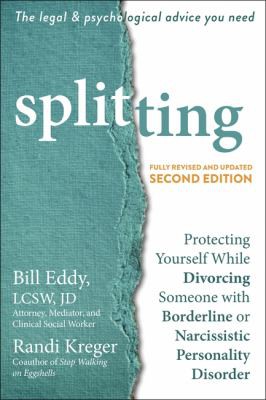
Splitting: Protecting Yourself While Divorcing Someone with Borderline or Narcissistic Personality Disorder
Bill Eddy & Randi Kreger
Updated edition covering domestic violence, alienation, false allegations in high-conflict divorce.
As an Amazon Associate, Clarity House Press earns from qualifying purchases. Your price is never affected.
Found this helpful?
Share it with someone who might need it.
Tags
About the Author

Clarity House Press
Editorial Team
The editorial team at Clarity House Press curates and publishes evidence-based content on narcissistic abuse recovery, high-conflict divorce, and healing. Our content is informed by research, survivor experiences, and established trauma-informed approaches.
View all posts by Clarity House Press →Published by Clarity House Press Editorial Team