Please read our important disclaimers before using this content
You've done the hard work. Therapy. Boundaries. Healing. But recovery isn't a destination—it's an ongoing practice. Here's how to maintain your healing for the long term. Understanding realistic recovery timelines first helps set the right expectations for what long-term maintenance actually looks like.
The acute phase is over. The crisis has passed. You've done trauma therapy, established no contact (or modified contact for co-parents), rebuilt some sense of self, and started creating a new life. You might even be feeling good most days.
So why does this article matter?
Because recovery from narcissistic abuse isn't like recovering from a broken leg. You don't heal, get the cast off, and forget it ever happened. Complex trauma changes your brain, your nervous system, your attachment patterns, and your worldview. Research confirms that the course of PTSD in primary care settings tends to be chronic, with longitudinal studies finding the likelihood of recovery at approximately 38% and recurrence at 29.5% over five years (Zlotnick et al., 2011). Maintaining those changes—and continuing to grow—requires ongoing attention.
Not obsessive hypervigilance. Not living in fear of regression. But conscious, intentional practices that support your continued wellbeing.
Understanding Recovery Maintenance
What It Actually Means
Recovery maintenance isn't about white-knuckling your way through life, terrified of falling back. It's about:
Continued growth. You're not just preventing backsliding; you're building an increasingly rich and meaningful life.
Vigilance without hypervigilance. Staying aware of your patterns and vulnerabilities without constant anxiety about them.
Integration of lessons learned. The hard-won wisdom from your experience becomes part of how you live, not something you have to consciously remember.
Building resilience for future challenges. Life will bring more stress. Recovery maintenance builds your capacity to handle it.
Why It Matters
Even years after abuse ends, patterns can resurface:
Stress activates old neural pathways. Your brain learned certain patterns under trauma. Under stress, it can default to those patterns even after you've developed healthier ones. Neuroscience research shows that chronic trauma exposure leads to structural changes in the amygdala and prefrontal cortex, creating heightened threat sensitivity that can persist long after the trauma ends (Cross et al., 2017).
New relationships can trigger old wounds. Intimacy, vulnerability, and trust can activate attachment injuries you thought were healed.
Life transitions test boundaries. Job changes, moves, family crises—these test your ability to maintain healthy boundaries under pressure.
Complacency invites regression. When things feel good for a while, it's tempting to let practices slip. But those practices are often why things feel good.
Warning Signs of Regression
Catching regression early makes it easier to address. Watch for these patterns:
Behavioral Red Flags
Isolating again. After working hard to rebuild social connections, you find yourself withdrawing, canceling plans, avoiding people.
Abandoning self-care. Sleep, exercise, nutrition, therapy appointments—the foundations that support your recovery start slipping.
Returning to people-pleasing. After developing healthy assertiveness, you notice you're agreeing to things you don't want, avoiding conflict at all costs.
Avoiding difficult conversations. Topics you learned to address directly are now being avoided or handled passively.
Compulsive behaviors returning. Whatever your stress response was—overworking, overeating, shopping, drinking—watch for it intensifying.
Emotional Red Flags
Chronic anxiety resurfacing. The baseline anxiety you worked hard to reduce is climbing again.
Depression episodes. Extended periods of low mood, hopelessness, or inability to enjoy things you normally enjoy.
Anger outbursts. Disproportionate anger at minor frustrations, difficulty regulating irritation.
Emotional numbness. Feeling cut off from emotions, going through motions without actually feeling anything.
Shame spirals. Intense shame reactions to minor mistakes, harsh self-criticism returning.
Cognitive Red Flags
Black-and-white thinking. People are all good or all bad. Situations are perfect or terrible. Nuance disappears. This pattern is often connected to narcissistic splitting, a defense mechanism you may have absorbed from prolonged exposure to an abuser's worldview.
Catastrophizing. Minor setbacks become disasters. Future-tripping to worst-case scenarios.
Mind-reading. Assuming you know what others think (usually negative things about you) without evidence.
"Should" statements. Rigid rules about how you or others "should" behave, creating constant disappointment.
Victim mentality without accountability. While validating real victimization, watch for slipping into helplessness or blame without taking appropriate responsibility for your choices.
Relational Red Flags
Attracting similar partners. Finding yourself interested in people with narcissistic traits again.
Tolerating disrespect. Letting small boundary violations slide, excusing behavior you wouldn't have accepted when recovery was fresher.
Weak boundaries. Having difficulty saying no, over-explaining yourself, backing down when challenged.
Fawning behavior. Automatically deferring to others, suppressing your own needs to manage others' emotions.
Avoiding authentic connection. Keeping relationships superficial to avoid vulnerability.
Maintenance Practices That Work
Daily Practices
These take minutes but compound significantly over time:
Morning intention setting. Before starting your day, take two minutes to set an intention. "Today I will notice my boundaries." "Today I will practice self-compassion when I make mistakes." "Today I will stay present."
Boundary check-ins. Once daily, ask yourself: "Did I honor my boundaries today? Did I violate someone else's? What do I need to do differently?"
Self-compassion moments. When you catch yourself in self-criticism, pause and ask: "Would I talk to a friend this way?" Offer yourself the kindness you'd offer someone you love.
Gratitude practice. Not toxic positivity that bypasses real struggles, but genuine acknowledgment of what's going well. This rewires the negativity bias trauma creates.
Body awareness. Take thirty seconds several times daily to notice what you're feeling physically. Where is there tension? What is your body telling you?
Weekly Practices
Therapy or support group. Even if you've reduced frequency, maintain some professional or peer support connection. Studies show that when combined with clinical care, peer support increases treatment retention by 20% and lowers relapse rates by up to 35% compared to standard treatment alone (Lloyd-Evans et al., 2023).
Quality time with safe people. Schedule time with people who see and appreciate you. Isolation is the enemy of recovery.
Creative expression. Art, writing, music, cooking—whatever allows you to process and express emotions non-verbally.
Physical movement. Exercise that feels good, not punishing. Movement helps regulate the nervous system and process stored trauma.
Reflection journaling. Write about your week. What went well? What was hard? What patterns do you notice? What do you want to do differently?
Monthly Practices
Review progress. Look back at where you were a month ago. Acknowledge growth. Identify ongoing challenges.
Assess relationships. Are the people in your life supporting your recovery? Are there relationships that need attention—either more investment or more distance?
Check boundaries. Do your current boundaries still serve you? Do any need strengthening? Have any become unnecessarily rigid?
Financial self-care. Review your financial situation. Financial stability is a foundation for recovery. Are you taking care of yourself here?
Professional development. Is your career supporting your wellbeing? What professional growth would serve your recovery?
Quarterly Practices
Deeper reflection on growth. Every three months, take extended time to assess your overall recovery. Where have you grown? What still needs work?
Therapy check-ins. Even if you're not in regular therapy, consider scheduling a quarterly session just to check in and address anything emerging.
Update goals. What did you want to accomplish this quarter? What do you want to focus on next quarter?
Assess life satisfaction. Are you moving toward the life you want? What needs to change?
Community contribution. How are you giving back? Helping others—when you're ready—consolidates your own healing.
Annual Practices
Comprehensive life review. Once a year, take a day or weekend to deeply reflect on your life. Where are you compared to a year ago? Where do you want to be in a year?
Therapy intensive. Consider an annual therapy retreat, intensive EMDR session, or other concentrated therapeutic work to address anything that's accumulated.
Retreat or workshop. Attend a workshop, retreat, or conference focused on continued growth. Surround yourself with others committed to healing.
Update safety plan. If you still have any contact with your abuser (co-parenting, etc.), review and update your safety strategies.
Renew commitment to self. Consciously recommit to your recovery and your wellbeing. This isn't automatic—it's a choice you make.
The Role of Continued Therapy
When to Continue
Therapy isn't just for crisis. Consider ongoing therapy if:
You're co-parenting with a narcissist. The ongoing contact creates ongoing trauma exposure that benefits from regular professional support.
Complex trauma is still surfacing. Sometimes deeper wounds only emerge after the acute phase, as you have capacity to process them.
New relationships are triggering old patterns. Dating, new friendships, workplace dynamics—these can activate attachment wounds that need processing.
Life transitions are creating instability. Job changes, moves, health challenges, family crises—major transitions benefit from professional support.
You want preventative maintenance. Like going to the doctor when you're well, therapy can maintain health, not just treat illness.
How Often
Frequency should match your current needs:
Active healing phase: Weekly or biweekly sessions Maintenance phase: Monthly or every six weeks Stable phase: Quarterly check-ins or as-needed
There's no shame in returning to more frequent sessions when life gets hard. That's not failure—it's wisdom.
It's Not Failure
Needing ongoing support doesn't mean you haven't healed. It means you're committed to your wellbeing. Athletes have coaches even after they've mastered their sport. Recovery maintenance is similar—ongoing refinement of skills you've developed.
Building Resilience
Resilience is your capacity to bounce back from adversity. Here's how to build it:
Core Resilience Factors
Strong support network. People you can call when things are hard. Not just any people—people who actually support your recovery. A meta-analysis of 75 longitudinal studies with over 32,000 participants found that social support and PTSD symptoms reciprocally influence each other, with higher support predicting lower PTSD symptoms and vice versa (Wang et al., 2021).
Meaningful purpose. Something larger than yourself that gives life meaning. This could be work, parenting, creative pursuits, activism, spirituality.
Physical health. Your body is the foundation. Sleep, nutrition, movement, medical care—these aren't optional.
Financial stability. Money stress undermines everything else. Building financial security supports all other recovery work.
Healthy relationships. At least a few relationships characterized by mutual respect, reciprocity, and genuine care.
Emotional regulation skills. The ability to experience difficult emotions without being overwhelmed by them or acting destructively.
Spiritual or philosophical framework. Something that helps you make meaning of suffering and find hope beyond your circumstances.
Building Resilience Daily
Practice stress management. Build your toolkit: deep breathing, progressive muscle relaxation, grounding techniques. Use them regularly, not just in crisis.
Develop problem-solving skills. When challenges arise, practice systematic problem-solving rather than panic or avoidance.
Cultivate cognitive flexibility. Practice seeing situations from multiple perspectives. Challenge rigid thinking patterns.
Balance optimism with realism. Not toxic positivity, but genuine hope grounded in reality.
Connect to something larger than yourself. Community, nature, spirituality, purpose—whatever creates meaning beyond your individual experience.
Relationship Vigilance
After abuse, navigating relationships requires ongoing attention:
Red Flags in New Relationships
Love-bombing. Excessive attention, premature intensity, idealization that feels too good to be true (because it is). Understanding the neurobiology behind love bombing helps you recognize it quickly in new relationships.
Moving too fast. Pressure to commit quickly, make major decisions early, or abandon your careful pace.
Boundary testing. Small violations to see how you'll respond, disregard for your stated limits.
Charm without substance. Impressive social skills without evidence of consistent character.
Your gut says "wait." Your intuition has been honed by experience. Trust it even when your brain rationalizes.
Green Flags Worth Recognizing
Consistency. Their behavior matches their words over time—not just initially, but consistently.
Respect for boundaries. They honor your limits without guilt-tripping, negotiating, or testing.
Emotional availability. They can discuss feelings, acknowledge your emotions, and engage authentically.
Mutual effort. Relationships require work from both people. They show up consistently.
Healthy conflict. Disagreements happen, but they're resolved respectfully without contempt, stonewalling, or manipulation.
Protective Strategies
Slow progression. Take your time. Someone healthy will respect this pace. Someone unhealthy will pressure you.
Introduce to trusted friends early. Your support system may see things you miss. Listen to their concerns.
Notice your body's response. Does your nervous system relax around this person or stay activated? Physical responses contain wisdom.
No rescuing or fixing. If you're drawn to fixing someone or being their caretaker, that's a pattern worth examining.
Maintain independence. Keep your own friends, interests, and life. Healthy relationships enhance your life; they don't replace it.
Special Considerations for Co-Parents
If you share children with your abuser, recovery maintenance has additional dimensions:
Ongoing Triggers
Custody exchanges. Every exchange is potential exposure to manipulation, conflict, or triggering behavior.
Legal communications. Messages through apps, court documents, legal maneuvers—all create ongoing stress.
Child-focused events. School events, medical appointments, activities where you might both attend.
Holiday coordination. Annual negotiations that reliably create conflict.
Protection Strategies
Communication apps only. All communication through OurFamilyWizard, TalkingParents, or similar. Nothing verbal.
Gray rock method maintenance. Keep practicing: boring, brief, factual communication that provides no supply.
Support before and after exchanges. Schedule calls with friends, therapy appointments, or self-care activities around exchange times.
Parallel parenting boundaries. Accept that you cannot control their household. Focus only on yours.
Regular therapy. Co-parenting with a narcissist is ongoing trauma exposure. Ongoing professional support is appropriate.
Financial Wellness
Long-term recovery includes financial stability:
Emergency fund. Three to six months of expenses saved. This provides security if anything unexpected happens.
Career stability or advancement. Work that supports your financial needs and doesn't undermine your recovery.
Credit repair. If economic abuse damaged your credit, work systematically to repair it.
Retirement planning. Your future self deserves security too.
Teaching children financial health. If you have children, model and teach healthy financial behaviors.
Physical Health Maintenance
Trauma lives in the body. Long-term recovery must include physical wellness:
Regular medical care. Annual physicals, recommended screenings, dental care. Don't neglect the basics.
Movement that feels good. Exercise should support your wellbeing, not punish your body.
Nutrition. Eating well supports mood stability, energy, and overall health.
Sleep hygiene. Quality sleep is foundational. Protect it.
Stress management. Physical techniques—yoga, massage, acupuncture, breathing practices—to address what talk therapy can't reach.
Preventing Emotional Relapse
High-Risk Situations
Certain situations increase vulnerability to regression:
Relationship endings. Even healthy breakups can trigger old attachment wounds.
Job loss. Financial instability and identity disruption can activate trauma patterns.
Death of loved ones. Grief can reactivate other losses, including the losses from your abuse experience.
Health crisis. Physical vulnerability often accompanies emotional vulnerability.
Major life transitions. Any significant change tests your stability.
Protection Planning
Alert your support system. When you're entering a high-risk period, tell your people. Ask for extra check-ins.
Increase therapy temporarily. Going through a hard time isn't failure; adding support during difficulty is wisdom.
Review your coping skills. What works for you? Make sure those tools are accessible.
Revisit your safety plan. If there's any chance of contact with your abuser, make sure your protections are current.
Reach out proactively. Don't wait until you're in crisis. Ask for support early.
When You Do Slip
Relapse Does Not Equal Failure
If you find yourself in old patterns, remember: this is information, not identity.
Slips tell you about:
- Unhealed wounds that still need attention
- Ineffective coping strategies that need updating
- Unmet needs that are expressing themselves unhealthily
- Current stressors that are overwhelming your resources
Recovery from Regression
Step 1: No shame. Respond to yourself with compassion. Shame deepens regression; compassion enables recovery.
Step 2: Assess. What triggered this? What patterns activated? What was the sequence of events?
Step 3: Reach out. Contact your support system. You don't have to handle this alone.
Step 4: Learn. What's the lesson here? What do you know now that you didn't before?
Step 5: Adjust. Update your practices based on what you learned.
Step 6: Continue forward. Keep moving. A slip is a moment, not a destiny.
The Gift of Helping Others
Post-Traumatic Growth
Many survivors find deep meaning in helping others who are earlier in their journey. Research on post-traumatic growth demonstrates that positive psychological changes can emerge from the struggle with trauma, including increased appreciation for life, deeper relationships, and greater personal strength (Tedeschi & Calhoun, 2004):
Support group facilitation. Sharing your experience and holding space for others.
Advocacy work. Working to change systems that fail abuse survivors.
Sharing your story. Speaking or writing about your experience to help others feel less alone.
Professional shift. Some survivors become therapists, coaches, advocates, or educators focused on abuse recovery.
Boundaries Around Helping
Helping others is powerful, but it must be boundaried:
Don't rescue. Support others' empowerment; don't create new dependencies.
Maintain your recovery first. Your healing comes first. You can't give from an empty well.
Know your limits. You're not equipped to help everyone. It's okay to refer people to professionals.
Stay in your lane. Share your experience, not professional advice (unless you're a professional).
Practice what you preach. Model the recovery you encourage in others.
Measuring True Progress
What Doesn't Define Your Recovery
Whether they changed. Your healing doesn't depend on their transformation.
Whether they apologized. Closure doesn't require their participation.
Whether others believe you. Validation is helpful but not required.
Whether they faced consequences. Justice is separate from your healing.
What Actually Matters
Internal peace. Can you go hours or days without thinking about them? Can you think about them without being destabilized?
Healthy relationships. Are you building and maintaining reciprocal, respectful connections?
Authentic life. Are you living according to your values, not their influence?
Meaning and purpose. Have you found something worth caring about beyond recovery?
Joy capacity. Can you experience genuine happiness, not just the absence of misery?
Resilience. Can you handle setbacks without being devastated?
Life After Abuse
What's Possible
On the other side of this work:
- Genuine, deep happiness
- Trusting, loving relationships
- Career fulfillment
- Parenting joy (even with co-parenting challenges)
- Community contribution
- Spiritual or philosophical peace
- Creative expression
- Freedom from fear
The Person You're Becoming
Long-term recovery creates:
- Stronger boundaries that protect you without imprisoning you
- Clearer values that guide your choices
- Deeper compassion for yourself and others
- Greater wisdom about human nature and relationships
- Authentic self rather than performed identity
- Unshakeable core that isn't dependent on external validation
Your Ongoing Commitment
Recovery maintenance is a daily choice:
Choose yourself. Every day, recommit to prioritizing your wellbeing.
Protect your peace. Guard your mental and emotional state from unnecessary disruption.
Honor your worth. Act according to your value, not according to how you were treated.
Build the life you deserve. You deserve good things. Go get them.
Never settle again. You know what abuse looks like now. You won't unknow it.
Your Next Steps
Assess your current maintenance practices. What are you doing daily, weekly, monthly to support your recovery? What gaps exist?
Identify your warning signs. What are YOUR early indicators of regression? Write them down so you'll recognize them.
Build your support infrastructure. Who can you call? What professionals do you have access to? What practices support you? Make sure these are in place.
Create a maintenance calendar. Schedule your weekly, monthly, quarterly, and annual practices. Put them in your calendar like appointments.
Commit to the long game. Recovery isn't a sprint. It's the rest of your life. Pace yourself accordingly.
You've come so far. The work continues, but so does the growth. Maintain your healing like the precious gift it is.
Because you are worth it. Every single day. For the rest of your life.
Resources for Long-Term Recovery Support
Professional Treatment & Therapy:
- Psychology Today Therapist Finder - Find long-term therapy providers
- SAMHSA National Treatment Locator - Specialized trauma treatment
- Open Path Collective - Affordable ongoing therapy
Support Communities:
- CPTSD Foundation - Long-term trauma support resources
- DivorceCare.org - Ongoing divorce recovery groups
- Codependents Anonymous - Peer support for ongoing pattern recognition
Resources
Long-Term Recovery and Maintenance:
- Complex PTSD: From Surviving to Thriving by Pete Walker - Long-term recovery strategies
- The Body Keeps the Score by Bessel van der Kolk - Understanding trauma recovery
- Psychology Today - Therapists - Filter for "trauma" and "C-PTSD"
- r/CPTSD - Reddit peer support community for long-term recovery
Crisis and Emergency Support:
- 988 Suicide & Crisis Lifeline - Call or text 988 for immediate crisis support (24/7)
- Crisis Text Line - Text HOME to 741741 for crisis counseling
- National Domestic Violence Hotline - 1-800-799-7233 (SAFE) for ongoing support
- SAMHSA National Helpline - 1-800-662-4357 (mental health treatment referrals)
Financial Wellness and Stability:
- National Foundation for Credit Counseling - HUD-approved financial counseling
- AnnualCreditReport.com - Free annual credit reports
- FreeFrom - Financial resources for survivors of intimate partner violence
- Benefits.gov - Federal benefits and assistance programs
References
Cross, D., Fani, N., Powers, A., & Bradley, B. (2017). Neurobiological development in the context of childhood trauma. Clinical Psychology: Science and Practice, 24(2), 111-124. https://pmc.ncbi.nlm.nih.gov/articles/PMC6428430/
Lloyd-Evans, B., Frerichs, J., Stefanidou, T., Bone, J., Pinfold, V., Lewis, G., ... & Johnson, S. (2023). The effectiveness of peer support in personal and clinical recovery: Systematic review and meta-analysis. Psychiatric Services, 74(3), 262-270. https://pubmed.ncbi.nlm.nih.gov/36751908/
Tedeschi, R. G., & Calhoun, L. G. (2004). Posttraumatic growth: Conceptual foundations and empirical evidence. Psychological Inquiry, 15(1), 1-18. https://doi.org/10.1207/s15327965pli1501_01
Wang, Y., Chung, M. C., Wang, N., Yu, X., & Kenardy, J. (2021). Social support and posttraumatic stress disorder: A meta-analysis of longitudinal studies. Clinical Psychology Review, 85, 101998. https://pubmed.ncbi.nlm.nih.gov/33714168/
Zlotnick, C., Rodriguez, B. F., Weisberg, R. B., Bruce, S. E., Spencer, M. A., Culpepper, L., & Keller, M. B. (2011). A 5-year longitudinal study of posttraumatic stress disorder in primary care patients. Psychopathology, 44(6), 389-395. https://doi.org/10.1159/000331595
Recommended Reading
From Clarity House Press — plus trusted books for deeper understanding

Surviving the Storm: When the Court Takes Your Children
Clarity House Press
For fathers in active high-conflict custody battles. Understand your CPTSD symptoms, begin stabilization, and build foundation for healing. 17 chapters covering recognition, symptoms, and the healing path.

Overcoming Trauma through Yoga
David Emerson & Elizabeth Hopper, PhD
Evidence-based trauma-sensitive yoga program developed at the Trauma Center with Bessel van der Kolk.
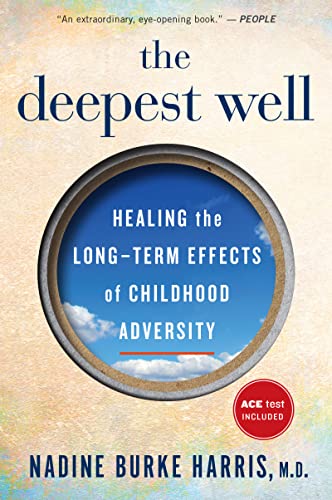
The Deepest Well
Nadine Burke Harris, M.D.
A pediatrician's clear explanation of how adverse childhood experiences affect lifelong health — and what recovery can look like.
As an Amazon Associate, Clarity House Press earns from qualifying purchases. Your price is never affected.
Found this helpful?
Share it with someone who might need it.
About the Author

Clarity House Press
Editorial Team
The editorial team at Clarity House Press curates and publishes evidence-based content on narcissistic abuse recovery, high-conflict divorce, and healing. Our content is informed by research, survivor experiences, and established trauma-informed approaches.
View all posts by Clarity House Press →Published by Clarity House Press Editorial Team