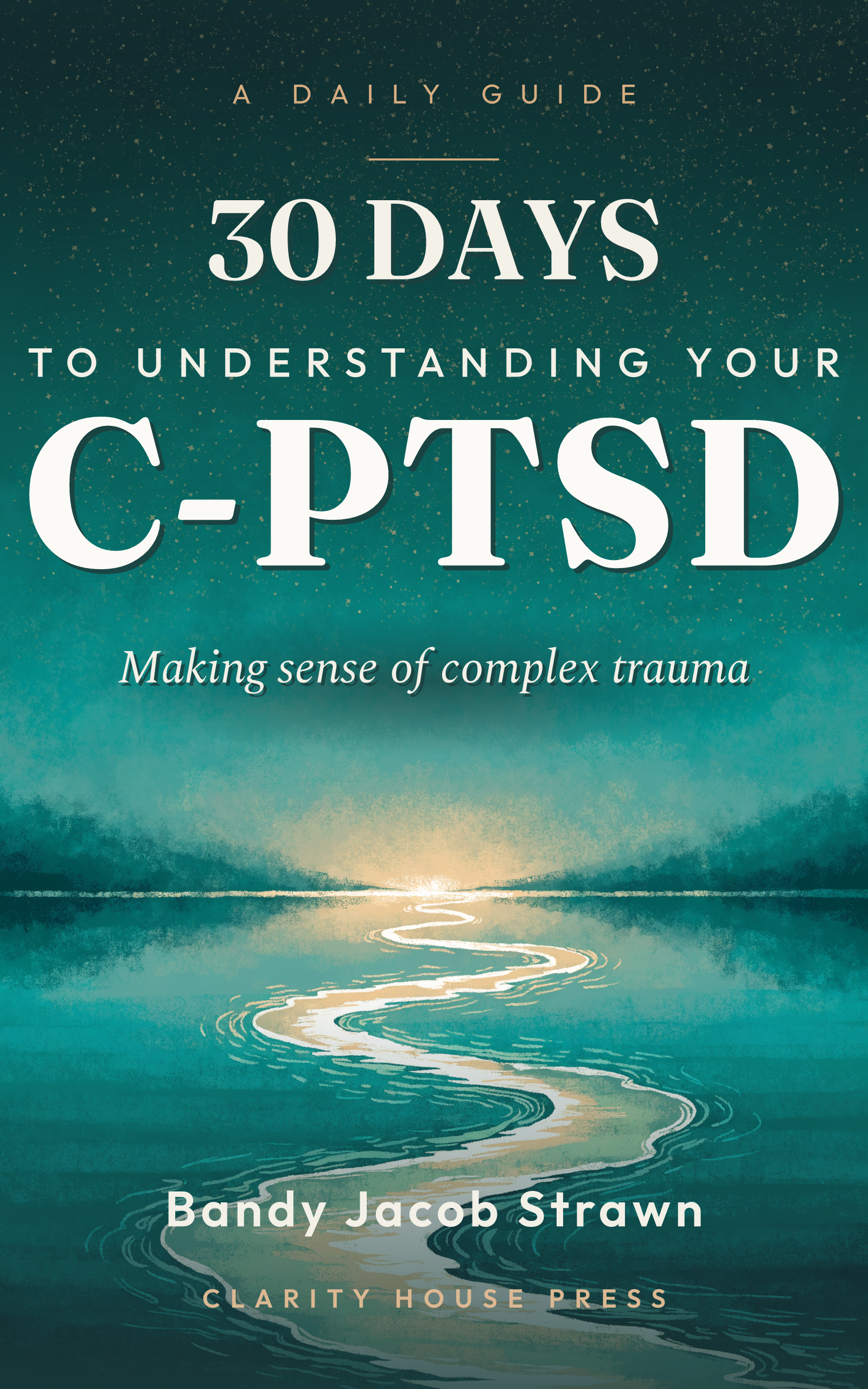
Please read our important disclaimers before using this content
I was up for senior marketing manager. It was the culmination of five years of hard work, late nights, successful campaigns, and building relationships across departments.
I had the qualifications. I had the performance reviews. I had the support of my team. My boss told me the position was "essentially mine."
And then my husband made sure I didn't get it.
The sabotage was so subtle, so calculated, that I didn't see it happening until it was too late. By the time I realized what he'd done, I'd not only lost the promotion—I'd lost my reputation, my confidence, and eventually, my job.
If your partner has sabotaged your career, undermined your professional success, or used your work against you—I want you to know you can rebuild. It took me two years, but I'm now running my own successful consulting business and earning more than I ever did in corporate.
Here's how I did it, and how you can too.
What Professional Sabotage Looked Like
Before I share the recovery strategies, I need to name what happened. Because professional sabotage is insidious—it's designed to look like your own failure, not someone else's attack.
The "emergency" phone calls:
During important client meetings, he would call repeatedly. When I didn't answer (because I was presenting), he'd call my work line. When my assistant didn't put him through, he'd call HR claiming it was a family emergency.
This happened at least once a week. My colleagues started to see me as unreliable, as someone who couldn't separate personal drama from professional obligations.
The "supportive" undermining:
He'd attend company events with me and subtly undermine my credibility:
- Make jokes about my "cute little marketing projects"
- Mention times I'd made mistakes at home ("She's so scattered, can't even remember to buy milk!")
- Overshare about my stress levels ("She's been so anxious lately, barely sleeping")
- Dominate conversations so I couldn't network effectively
To everyone else, he seemed like a supportive husband. But he was systematically making me look incompetent and unstable.
The strategic meltdowns:
The night before my promotion interview, he picked a massive fight. Screaming, breaking things, threatening divorce. I got no sleep. I showed up to my interview exhausted, shaken, unable to focus.
I bombed it.
This wasn't coincidence. This was strategy.
The reputation destruction:
He contacted my boss "concerned" about my mental health. Said I was having severe anxiety and depression. Suggested I was drinking too much. Implied I was becoming unstable and needed "help."
My boss confronted me. I tried to explain that I was fine, that my husband was exaggerating. But the damage was done. The seed of doubt was planted.
A month later, I didn't get the promotion. Two months after that, I was put on a performance improvement plan. Four months after that, I quit before they could fire me.
He destroyed five years of career building in less than six months.
Why Career Sabotage Happens
Understanding the motivation helped me stop blaming myself.
For narcissists, your success is threatening:
Research on intimate partner violence shows that economic abuse affects approximately 76-99% of domestic violence victims1, with employment sabotage being a primary control tactic. When I was doing well professionally:
- I had confidence that didn't depend on him
- I had income that gave me options
- I had colleagues who saw me as competent (contradicting his narrative that I was incompetent)
- I had an identity outside of being his wife
- I had the financial means to leave if I wanted to
He couldn't allow that. Narcissistic individuals with elevated entitlement and lack of empathy are significantly more likely to engage in controlling behaviors and sabotage when they perceive their partner as threatening their superiority2.
Your career success challenges their superiority:
Despite him constantly implying I was less intelligent, less capable, less valuable—my career was outpacing his. I was earning more. Getting more recognition. Moving up faster.
His ego couldn't handle it.
Professional sabotage is about control:
If he could make me fail at work:
- I'd be more financially dependent
- I'd be more emotionally vulnerable
- I'd have less confidence to challenge him
- I'd have fewer options to leave
- I'd need him more
It was never about helping me or protecting me. It was about keeping me trapped. Research confirms that abusive partners use employment interference tactics—including preventing sleep, sabotaging transportation, inflicting visible injuries, and harassing victims at work—to deliberately undermine their partner's job performance and economic independence3. These control tactics are part of a broader pattern of coercive control that many abusers employ to maintain power within intimate relationships4.
The Aftermath: When Your Career is in Ruins
After I left that job, I was devastated. I'd not only lost the position—I'd lost:
Financial stability:
- Went from $78k/year to unemployment
- Had to move to a cheaper apartment
- Couldn't afford the lifestyle I'd built
- Racked up credit card debt
Professional identity:
- I'd defined myself by my career success
- Suddenly I was a "failure" who'd been on a PIP
- I questioned whether I was actually good at my job
- I didn't know who I was without my career
Research on identity and self-esteem in abuse survivors shows that intimate partner violence frequently damages professional self-concept, with victims experiencing significant declines in workplace confidence and identity—even when their actual competence remains unchanged5.
Professional network:
- I was too ashamed to stay connected with former colleagues
- I didn't attend industry events
- I isolated myself professionally
- I lost years of networking investment
Confidence:
- I doubted my abilities
- I second-guessed every professional decision
- I was terrified of interviewing (what if they called my old boss?)
- I believed maybe I was as incompetent as he said
I spent three months on my couch, applying for jobs I was overqualified for, convincing myself I was lucky to even be considered.
That was rock bottom.
The Turning Point
My turning point came when a former colleague (one of the few who'd stayed in touch) reached out about a contract marketing project.
I almost said no. I was sure I'd fail. But I desperately needed the money.
I took the project. And something shifted.
Working independently, without him creating chaos around me, I was... good. Really good. The client was thrilled. They referred me to another client. And another.
That's when I realized: I wasn't the problem. The environment was the problem.
My skills were solid. My expertise was real. I'd just been operating in a sabotaged environment where success was impossible. This mirrors research findings showing that women who enter relationships with abusive partners experience significant earnings and employment declines immediately upon cohabitation—not because their abilities diminish, but because of systematic economic suppression by their partners6.
Rebuilding My Career: The Practical Steps
Once I understood that my competence wasn't the issue, I could start rebuilding strategically.
Step 1: Separate from the saboteur
Filed for divorce. This was non-negotiable. I couldn't rebuild my career while still in a relationship designed to destroy it.
Went no contact. No shared finances, no access to my schedule, no information about my work. Complete separation.
Changed all passwords and privacy settings. LinkedIn, email, Google calendar, everything. He no longer had access to my professional life.
This was the foundation. You cannot rebuild a career while someone is actively sabotaging it.
Step 2: Assess the damage honestly
I made a list of what I'd lost:
- Job and income ✓
- Professional reputation at former employer ✓
- Some professional relationships ✓
- Confidence ✓
I also made a list of what I hadn't lost:
- My skills and expertise ✓
- My work portfolio ✓
- My education and certifications ✓
- Some strong professional relationships ✓
- My ability to learn and grow ✓
The second list was longer than I'd thought. I had more to work with than I'd believed.
Step 3: Explain the gap (carefully)
I had a 6-month employment gap to explain. I needed a narrative that was honest but professional.
What I didn't say: "My husband sabotaged my career and I had a breakdown."
What I did say: "I left my previous role to address personal circumstances that required my full attention. During that time, I also reassessed my career goals and began transitioning to consulting. I'm now ready to return to work with renewed focus and clarity."
For job applications: "Career transition period focused on professional development and strategic planning for next career phase."
I practiced this until I could say it confidently, without shame or defensiveness.
Step 4: Rebuild reputation strategically
Leveraged former colleagues:
I reached out to people who'd left the company before the sabotage got bad. They remembered me as competent and successful. Several became clients or references.
Created new work to showcase:
I took on pro bono projects for nonprofits. Built case studies. Created portfolio pieces that showed recent work and current skills.
Became visible in my industry:
- Started writing thought leadership articles on LinkedIn
- Joined professional associations
- Attended industry conferences
- Participated in panel discussions
- Built new relationships that had no connection to my old employer or my ex
I was essentially creating a new professional identity—one that wasn't tainted by the sabotage.
Step 5: Chose entrepreneurship over employment
This wasn't my original plan, but it became the best decision.
Why I went the consulting route:
Control: No boss who could be contacted by my ex. No company events he could attend. No coworkers he could manipulate.
Flexibility: I could build my business around my healing timeline. Bad day? I could adjust my schedule. Therapy appointment? I built it in.
Financial upside: Once established, I could earn more than I had in corporate.
Reputation insulation: If he tried to sabotage me with one client, I had others. I wasn't putting all my eggs in one employer basket.
Started small:
- Registered LLC
- Built simple website
- Leveraged those early contract clients for referrals
- Started with projects, not retainers (lower commitment)
- Gradually raised rates as I gained confidence
Step 6: Invested in skills and credentials
I used the gap period to actually upskill:
- Completed Google Analytics certification
- Took HubSpot inbound marketing certification
- Learned new tools (Canva, Airtable, social media management platforms)
- Took online courses in areas I was weak
This did three things:
- Gave me concrete accomplishments for the "gap period"
- Actually made me more marketable
- Rebuilt my confidence (I could still learn, still grow, still excel)
Step 7: Built financial independence
This was critical for staying away from him and from any employer who might enable similar dynamics.
Created financial buffer:
- Emergency fund (started with $500, eventually $10k)
- Separate accounts he had no access to
- Budget that assumed only my income (no partner to fall back on)
- Retirement contributions even when money was tight
Diversified income:
- Multiple clients (not dependent on one)
- Mix of project and retainer work
- Passive income streams (digital products, affiliate partnerships)
Financial independence meant professional independence. No one could use money to control me again. If you're starting from almost nothing, read rebuilding financial independence after economic abuse for practical first steps.
Two Years Later: What Career Recovery Looks Like
I'm now 37, two years post-divorce, running a marketing consulting business that generates six figures annually.
Professional wins:
- 15 active clients
- Higher income than I ever had in corporate
- Speaking engagements at industry conferences
- Published articles in major marketing publications
- Complete control over my work and schedule
Personal wins:
- I love my work again
- I'm proud of what I've built
- I trust my professional judgment
- I have a professional identity that's entirely mine
- I've proven I'm competent (to myself, which matters most)
The unexpected benefits:
- I work with other women rebuilding careers after abuse
- I have flexibility to prioritize my healing
- I'm not anxious about work anymore
- I set my own boundaries without asking permission
- I choose clients who respect me
Practical Advice for Career Recovery
If you're rebuilding your career after professional sabotage, here's what I recommend:
Immediate steps (if you're still employed):
Document the sabotage:
- Keep records of his interference (calls, visits, etc.)
- Save emails showing his contact with your employer
- Document your actual work performance
- Get performance reviews in writing
- Build your case in case you need it
Protect your professional information:
- Change passwords
- Adjust privacy settings
- Don't share work calendar or schedule
- Keep work devices separate and secured
- Use work email only for work
Build your exit plan:
- Update resume and portfolio
- Activate job search on private mode
- Network quietly
- Save money for potential gap
- Line up references who know your actual work
If you've already lost your job or left:
Reframe the narrative: You didn't fail. You were sabotaged. Those are not the same thing.
Assess your options:
- Traditional employment in new industry/location
- Consulting/freelancing in your field
- Career pivot to related field
- Entrepreneurship
- Further education/credentialing
Rebuild systematically:
- Update LinkedIn and professional profiles
- Reach out to old colleagues for coffee/networking
- Join professional associations
- Create new work samples
- Get visible in your industry again
Consider therapy: Career sabotage is trauma. Processing it with a professional can help you rebuild confidence and recognize patterns to avoid in the future. Many survivors find that rebuilding identity after narcissistic abuse is an essential part of professional recovery as well. Research on trauma-informed career counseling shows that integrating therapeutic approaches with career development is essential for survivors recovering from work-related trauma7, particularly for those who have experienced systematic employment sabotage as part of intimate partner violence.
Building a sabotage-resistant career:
Multiple income streams: Don't be dependent on one employer or client
Strong professional network: Relationships he doesn't know about or have access to
Documented track record: Portfolio, case studies, testimonials, published work
Financial independence: Emergency fund, savings, budget that doesn't require a partner
Clear boundaries: Work stays at work, partners don't have access to professional life
Your own reputation: Built on your work, not on anyone else's validation
What I Wish I'd Known Earlier
Your career is not your identity. I thought losing my job meant I'd lost myself. It didn't. I'm more than my title or company.
Professional sabotage is abuse. I didn't recognize it as abuse because it didn't look like the domestic violence I'd learned about. Understanding coercive control patterns helped me name what was really happening. But it is. It's economic and psychological abuse. Research identifies employment sabotage as one of six distinct forms of economic abuse within intimate partner violence, alongside psychological abuse, physical violence, sexual violence, economic control, and economic exploitation8. For many victims, employment sabotage causes missed work days, loss of pay, and job termination—creating economic dependence that traps them in abusive relationships.
You can rebuild stronger. I'm in a better career position now than before the sabotage. Sometimes destruction creates space for better things.
The best revenge is your success. I don't say this lightly, but: building a thriving career after he tried to destroy it is incredibly empowering.
You don't have to explain everything. You don't owe potential employers or clients your trauma story. "Career transition period" is enough.
To Those Rebuilding
If you're reading this from a place of professional devastation—whether you lost a job, a promotion, a career trajectory, or your confidence—I want you to know:
This is not your fault. You were competent before him. You'll be competent after him. The sabotage was external, not a reflection of your abilities.
You can rebuild. It takes time, strategy, and effort—but you can. I did. So many others have.
Your career is not over. It might look different than you'd planned, but it's not over. You might even end up somewhere better.
You deserve professional success. You deserve to thrive in your career, to be recognized for your work, to earn well, to feel proud of what you do.
Don't let someone else's sabotage become your permanent story.
Rebuild. Reclaim. Rise.
Jennifer is a marketing consultant who rebuilt her career after professional sabotage. She now helps other professionals recover from workplace abuse and economic control.
Resources
Career Recovery and Economic Abuse Support:
- National Network to End Domestic Violence - Economic abuse resources and career rebuilding guidance
- FreeFrom - Financial security and career development for survivors
- YWCA Career Services - Job training and career support for survivors
- Dress for Success - Professional attire and career development for women rebuilding careers
Professional Development and Counseling:
- Career OneStop - U.S. Department of Labor career resources and job search tools
- National Career Development Association - Find career counselors and vocational guidance
- LinkedIn Learning - Professional skills development and resume building
- Score.org - Free business mentoring for entrepreneurship and self-employment
Legal and Workplace Support:
- National Employment Law Project - Workplace rights and employment law information
- U.S. Equal Employment Opportunity Commission - File workplace discrimination complaints
- Legal Aid at Work - Employment law resources and workplace rights
- National Domestic Violence Hotline - 1-800-799-7233, referrals for legal and economic support
References
- Johnson, L., Chen, Y., Stylianou, A., & Arnold, A. (2022). Examining the impact of economic abuse on survivors of intimate partner violence: A scoping review. BMC Public Health, 22, 1014. https://doi.org/10.1186/s12889-022-13297-4 ↩
- Wathen, C. N., MacGregor, J. C. D., & MacQuarrie, B. J. (2015). The impact of domestic violence in the workplace: Results from a pan-Canadian survey. Journal of Occupational and Environmental Medicine, 57(7), e65-e71. https://doi.org/10.1097/JOM.0000000000000499 ↩
- Isola, C., Granger, S., Turner, N., LeBlanc, M. M., & Barling, J. (2023). Intersection of intimate partner violence, partner interference, and family supportive supervision on victims' work withdrawal. Occupational Health Science, 7, 371-396. https://doi.org/10.1007/s41542-023-00150-2 ↩
- Linnekaste, J. J. (2021). Trauma-informed career counselling to address work traumas resulting from the COVID-19 pandemic. African Journal of Career Development, 3(1), 42. https://doi.org/10.4102/ajcd.v3i1.42 ↩
- Postmus, J. L., Plummer, S. B., McMahon, S., Murshid, N. S., & Kim, M. S. (2012). Understanding economic abuse in the lives of survivors. Journal of Interpersonal Violence, 27(3), 411-430. https://doi.org/10.1177/0886260511421669 ↩
- Stark, E. (2007). Coercive control: How men entrap women in personal life. Oxford University Press. Retrieved from https://www.ncbi.nlm.nih.gov/pmc/articles/PMC3465476/ ↩
- Campbell, W. K., Rudich, E. A., & Sedikides, C. (2002). Narcissism, self-esteem, and the positivity of self-regard: Two portraits of self-love. Personality and Social Psychology Bulletin, 28(3), 358-368. https://doi.org/10.1177/0146167202286007 ↩
- Mechanic, M. B., Weaver, T. L., & Resick, P. A. (2008). Mental health consequences of intimate partner abuse: A multidimensional assessment study of women in domestic violence shelters. Psychology of Violence, 1(1), 4-24. https://doi.org/10.1037/1942-9681.1.1.4 ↩
Recommended Reading
From Clarity House Press — plus trusted books for deeper understanding


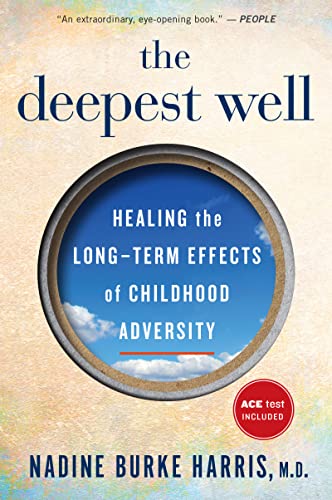
The Deepest Well
Nadine Burke Harris, M.D.
A pediatrician's clear explanation of how adverse childhood experiences affect lifelong health — and what recovery can look like.
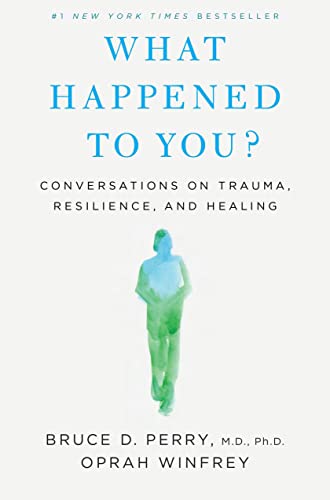
What Happened to You?
Bruce D. Perry, M.D., PhD & Oprah Winfrey
A conversational introduction to how early experience shapes us — reframing 'what's wrong with you' into 'what happened to you.'
As an Amazon Associate, Clarity House Press earns from qualifying purchases. Your price is never affected.
Found this helpful?
Share it with someone who might need it.
About the Author

Clarity House Press
Editorial Team
The editorial team at Clarity House Press curates and publishes evidence-based content on narcissistic abuse recovery, high-conflict divorce, and healing. Our content is informed by research, survivor experiences, and established trauma-informed approaches.
View all posts by Clarity House Press →Published by Clarity House Press Editorial Team