Please read our important disclaimers before using this content
If you're reading this, you already know that childhood trauma doesn't just create bad memories—it fundamentally shapes how your brain and nervous system developed. This isn't about being "damaged." It's about understanding how trauma during critical developmental windows creates the specific C-PTSD patterns you're experiencing today. The neuroscience of trauma and recovery explains the brain mechanisms behind these lasting changes.
This article explains the neuroscience and developmental psychology behind childhood trauma's lasting impact, with practical implications for your recovery.
Why Childhood Trauma Creates Different Patterns Than Adult Trauma
When trauma happens during childhood—especially during critical developmental windows—it doesn't just create traumatic memories. It actually shapes the architecture of your developing brain and nervous system.1
The fundamental difference: Adult-onset PTSD happens when a developed nervous system experiences overwhelming threat. Developmental trauma happens when threat and abuse occur while your nervous system is still forming.
This means childhood trauma creates different patterns:
- Attachment disruption: Your internal models of relationships formed in threatening environments
- Baseline dysregulation: Your nervous system's "normal" setting is hypervigilant or shut down
- Identity formation impact: Your sense of self developed around shame, invisibility, or hyperresponsibility
- Developmental milestone interference: Trauma interrupted normal childhood tasks like autonomy, exploration, and social learning
The ACE Study: How Childhood Adversity Predicts C-PTSD
The Adverse Childhood Experiences (ACE) Study revolutionized our understanding of developmental trauma. Researchers surveyed over 17,000 adults about childhood adversity and tracked health outcomes.2 This landmark research established that adverse childhood experiences are linked to alterations in brain structure, function, and connectivity throughout the lifespan.3
The 10 ACE categories (score 1 point for each):
Abuse:
- Emotional abuse
- Physical abuse
- Sexual abuse
Neglect: 4. Emotional neglect 5. Physical neglect
Household dysfunction: 6. Mother treated violently 7. Household substance abuse 8. Household mental illness 9. Parental separation/divorce 10. Incarcerated household member
The dose-response relationship: ACE scores correlate directly with C-PTSD risk. An ACE score of 4 or higher increases your risk of depression by 460%, suicide attempts by 1,220%, and PTSD diagnosis significantly.
This isn't about catastrophizing—it's about understanding why your symptoms are so persistent and pervasive. Multiple ACEs create compound developmental disruption.
Critical Developmental Windows: When Trauma Causes Specific Patterns
The timing of childhood trauma matters profoundly. Different developmental stages create different C-PTSD patterns.
Ages 0-5: Attachment and Safety Foundation
What should be happening: Secure attachment formation, basic trust, nervous system regulation through co-regulation with caregivers, foundation for emotional regulation.
When trauma happens instead:
- Disorganized attachment: Your infant brain couldn't reconcile "this person is my source of safety AND my source of threat"
- Baseline dysregulation: Your nervous system never learned a regulated state feels like
- Primitive defenses: Heavy reliance on freeze, dissociation, and shutdown because fight/flight weren't options
- Shame-based identity: Your sense of self formed around being "too much" or "not enough"
C-PTSD patterns created: Difficulty trusting anyone, constant hypervigilance, dissociation as primary coping, relationship patterns of anxious-avoidant cycling, core belief of being fundamentally defective.
Ages 6-12: Competence and Social Development
What should be happening: Developing sense of competence, peer relationships, emotional literacy, exploration and mastery, beginning autonomy.
When trauma happens instead:
- Parentification: You became the adult, managing a parent's emotions or household responsibilities
- Hypervigilance as skill: Reading micro-expressions and mood shifts became your survival strategy
- Stunted exploration: You couldn't afford to be a child—too risky, too threatening
- Social isolation: Hiding family dysfunction meant superficial friendships only
C-PTSD patterns created: Perfectionism and overachievement (or complete shutdown), difficulty with play or leisure, people-pleasing and fawning, inability to identify own needs, chronic sense of being "behind" peers.
Ages 13-18: Identity and Autonomy
What should be happening: Identity formation, increasing autonomy, romantic relationships, planning for future, separating from parents.
When trauma happens instead:
- Stunted identity: You never got to explore who YOU are—only who you needed to be to survive
- Premature adulthood: You escaped into early independence, relationships, or substances
- Frozen development: Part of you is still stuck at the age when trauma intensified
- Self-destructive patterns: Without safe adults to guide experimentation, risk-taking became genuinely dangerous
C-PTSD patterns created: Identity confusion, difficulty with intimacy, self-sabotage when things go well, attraction to familiar dysfunction, imposter syndrome, difficulty envisioning a future.
How Developmental Trauma Changes Your Brain
The neuroscience matters because it explains why willpower and positive thinking don't fix C-PTSD.4
Structural Brain Changes
Hippocampus (memory processing):
- Childhood trauma reduces hippocampus volume, particularly when abuse occurs during critical developmental periods (ages 3-5)5
- Creates fragmented traumatic memories without clear narrative
- Explains why you have "body memories" or emotional flashbacks without visual memories
Amygdala (threat detection):
- Becomes hyperactive and hypersensitive due to childhood maltreatment
- Detects threat where none exists
- Explains hypervigilance, startle response, constant anxiety
Prefrontal cortex (executive function):
- Development gets disrupted by chronic stress
- Explains difficulty with planning, decision-making, emotional regulation
- Why you "know better" but can't execute when triggered
Corpus callosum (brain hemisphere connection):
- Can be reduced in childhood trauma survivors
- Affects integration of emotional and logical processing
- Explains feeling "split" or compartmentalized
The Nervous System's Set Point
Normal development: Infants are born dysregulated and learn regulation through repeated co-regulation with caregivers. Over thousands of interactions, the nervous system learns what "safe and calm" feels like and how to return to that state.
Developmental trauma: When caregivers are the source of threat, or are too dysregulated themselves to offer co-regulation, your nervous system never establishes a regulated baseline. Instead, it establishes hypervigilance, shutdown, or rapid cycling as "normal."
This is why "just relax" doesn't work—your nervous system has no template for sustained calm. It feels dangerous, not peaceful.
Why Healing Developmental Trauma Requires Specialized Approaches
Understanding the developmental origins of your C-PTSD changes what healing looks like.
What Makes Developmental Trauma Different to Treat
Adult-onset PTSD treatment often focuses on processing specific traumatic events (car accident, assault, combat). Standard EMDR or prolonged exposure can work well.
Developmental trauma treatment requires addressing:6
- Attachment repair: Learning secure attachment patterns for the first time as an adult
- Nervous system re-patterning: Establishing a regulated baseline your system never learned
- Identity work: Discovering who you are outside survival mode
- Developmental "catch-up": Completing developmental tasks that trauma interrupted
This is why trauma therapy can feel so slow—you're not just processing memories, you're literally developing capacities you never got to develop in childhood. Research on Complex PTSD (C-PTSD) demonstrates that specialized interventions addressing disturbances in self-organization produce better outcomes than standard PTSD treatments.7
Therapeutic Approaches That Address Developmental Trauma
Attachment-focused therapies:
- Internal Family Systems (IFS): Works with the "parts" created by developmental trauma
- NARM (NeuroAffective Relational Model): Directly addresses attachment and identity patterns
Nervous system approaches:
- Somatic Experiencing: Completes defensive responses frozen in childhood
- Sensorimotor Psychotherapy: Integrates body-based trauma processing
- Polyvagal-informed therapy: Teaches nervous system regulation from scratch
Why talk therapy alone often isn't enough: Developmental trauma is pre-verbal and body-based. You can't "think your way out" of patterns established before you had language.
The Implications for Your Recovery
What This Means Practically
Timeline expectations: Developmental trauma recovery typically takes years, not months. This isn't pessimism—it's reality. You're not healing from events; you're developing capacities.
The reparenting metaphor: In many ways, you're reparenting yourself—providing the safety, attunement, and co-regulation your younger self needed. This is deep, slow work.
Relationship patterns: Your attachment patterns will show up in therapy, friendships, romantic relationships. This isn't failure—it's the work itself. Noticing these patterns is progress.
The "worse before better" phenomenon: As you become safer, old survival patterns may intensify before they shift. Your nervous system is testing whether this new safety is real.
Recognizing Your Specific Patterns
Based on developmental timing, you might recognize:
If trauma was ages 0-5:
- You struggle to identify what you feel or need
- Relationships feel threatening even when they're safe
- Dissociation is your primary coping strategy
- You have gaps in childhood memory
- You feel fundamentally defective or unlovable
If trauma was ages 6-12:
- You're hyperresponsible and can't relax
- You read everyone's emotions but ignore your own
- You feel like you're "performing" all the time
- Play, rest, and leisure feel impossible or dangerous
- You struggle with perfectionism or total shutdown
If trauma was ages 13-18:
- You don't know who you are outside survival or performance
- Intimacy triggers panic or withdrawal
- You sabotage good things when they happen
- You're drawn to chaotic relationships that feel "normal"
- Planning for the future feels impossible
Common Obstacles in Healing Developmental Trauma
Why This Work Is Uniquely Challenging
You're building while repairing: Unlike healing from adult trauma where you're returning to a previous baseline, with developmental trauma you're building capacities that were never established. There's no "before" state to return to.
Your family may not support your healing: If your family of origin was the source of trauma, your recovery threatens their narrative. Expect resistance, minimization, or accusations that you're "dwelling on the past."
Therapists may not understand: Many well-meaning therapists aren't trained in developmental trauma. If your therapist suggests "forgiveness" or "moving on" without addressing attachment and nervous system patterns, they're not equipped for this work. See when your therapist doesn't understand narcissistic abuse for guidance on finding trauma-informed care that addresses these developmental dimensions.
The grief is profound: You're not just grieving what happened—you're grieving what never happened. The childhood you deserved, the parents you needed, the foundation you should have had. This grief comes in waves.
Specific Challenges by Developmental Stage
Ages 0-5 trauma survivors:
- Difficulty even knowing what you need
- Tendency to dissociate when things get hard
- Shame that feels like core identity, not just a feeling
- Difficulty trusting therapy relationship
Ages 6-12 trauma survivors:
- Perfectionism that makes "messy" therapy feel intolerable
- Difficulty resting or being "unproductive" in recovery
- Tendency to caretake your therapist instead of focusing on your needs
- Guilt about having needs at all
Ages 13-18 trauma survivors:
- Difficulty imagining a future different from your past
- Tendency to sabotage progress when things improve
- Identity confusion that makes goal-setting feel impossible
- Attraction to relationships that recreate familiar patterns
Real-World Examples: How Developmental Timing Creates Patterns
Jamie's Story: Ages 0-5 Trauma
Jamie grew up with a mother who alternated between smothering affection and rageful abandonment. As an infant and toddler, Jamie never knew which mother would show up. By age 3, Jamie had learned to freeze and become very, very quiet when Mom's mood shifted.
Adult patterns: At 34, Jamie struggles with relationships. She feels nothing for partners who are consistent and kind ("boring"), but becomes obsessively attached to partners who are inconsistent and emotionally volatile. Her nervous system literally doesn't recognize stable love as love—it doesn't create the activation she associates with attachment.
In therapy, Jamie is learning that her boredom with healthy partners is actually her nervous system's confusion about safety. Stable love doesn't feel like love because it doesn't match the template established ages 0-5.
Marcus's Story: Ages 6-12 Trauma
Marcus's father was an alcoholic who would fly into rages over minor issues—toys left out, low grades, normal childhood noise. From ages 7-12, Marcus learned to read his father's micro-expressions, anticipate explosions, and make himself invisible. He became the "good kid" who never needed anything.
Adult patterns: At 42, Marcus is a successful attorney but can't stop working. He monitors his boss's mood constantly, works 70-hour weeks despite excellent performance reviews, and feels guilty taking vacation. His wife says he's never truly relaxed, even on weekends.
In therapy, Marcus is recognizing that his hypervigilance and overwork are the same strategies that kept him safe ages 6-12. His nervous system is still trying to prevent an explosion that isn't coming.
Alicia's Story: Ages 13-18 Trauma
Alicia's parents divorced when she was 13, and her mother spiraled into depression. Alicia became her mother's emotional support, confidant, and eventually caretaker. She had no adolescent experimentation, no identity formation separate from being "the responsible one." She went straight from childhood to adulthood.
Adult patterns: At 29, Alicia doesn't know who she is. She's successful in her career but feels like she's performing a role. Romantic relationships terrify her because she doesn't know what she actually wants. When her therapist asks "What do you enjoy?" Alicia goes blank.
In therapy, Alicia is doing the identity work she never got to do as a teenager—experimenting with preferences, tolerating not knowing, allowing herself to be messy and uncertain.
Key Takeaways
- Developmental trauma creates C-PTSD through disrupting critical developmental windows—not just through creating traumatic memories
- The timing of childhood trauma matters profoundly: Ages 0-5 creates attachment and identity disruption, ages 6-12 creates hypervigilance and perfectionism, ages 13-18 creates identity confusion and relationship difficulties
- Your brain structure literally changed in response to childhood trauma—reduced hippocampus, hyperactive amygdala, disrupted prefrontal cortex development
- The ACE Study demonstrates dose-response relationship: Higher ACE scores predict more severe C-PTSD symptoms and worse health outcomes
- Healing developmental trauma requires specialized approaches that address attachment, nervous system regulation, and identity—not just memory processing. Understanding complex PTSD versus standard PTSD helps you articulate why phase-based treatment is essential.
- You're not healing from events; you're developing capacities you never got to establish in childhood—this is why recovery takes years
- Your nervous system's "normal" is dysregulated because you never learned what regulated feels like—this is why "just relax" doesn't work
- Progress isn't about returning to a baseline—there is no "before" to return to. You're building something new.
Your Next Steps
Immediate (This Week)
Take the ACE quiz: Understanding your ACE score helps contextualize your symptoms. Search "ACE quiz" or find it at ACESTooHigh.com.
Identify your developmental window: Based on when your trauma primarily occurred (ages 0-5, 6-12, or 13-18), review the patterns described above. Which resonate?
Begin tracking just one pattern: Notice when you go into freeze, hypervigilance, people-pleasing, or shutdown. You don't need to change it yet—just notice.
Medium-Term (This Month)
Research therapists with developmental trauma training: Look specifically for therapists trained in:
- Internal Family Systems (IFS)
- NeuroAffective Relational Model (NARM)
- Somatic Experiencing
- Sensorimotor Psychotherapy
- Attachment-focused therapy
Red flag: If a therapist's website emphasizes "forgiveness," "positive thinking," or "letting go," they likely don't understand developmental trauma.
Green flag: Therapists who mention "attachment repair," "nervous system regulation," "parts work," or "developmental trauma" understand this work.
Long-Term (Next 3-6 Months)
Start therapy with someone who gets it: This work requires the right therapeutic relationship. If your first therapist doesn't feel right, try another. The relationship IS the healing mechanism for attachment trauma.
Begin nervous system practices: Start with 5-10 minutes daily of grounding, bilateral stimulation, or gentle movement. Your nervous system needs practice with regulation.
Connect with other survivors: Online communities (r/CPTSD, Out of the Storm forum) or local support groups reduce isolation and normalize your experience.
Pace yourself: You're in this for years, not weeks. Developmental trauma recovery is a marathon. Rest is part of the work.
Resources
Books and Educational Materials:
- Complex PTSD: From Surviving to Thriving by Pete Walker - Practical guide for developmental trauma recovery
- The Body Keeps the Score by Bessel van der Kolk - Neuroscience of childhood trauma
- The Developing Mind by Daniel Siegel - How relationships shape brain development
- ACEs Too High - Take ACE quiz and understand childhood trauma impact
Therapy and Professional Support:
- Psychology Today - Developmental Trauma Therapists - Find specialists in attachment and childhood trauma
- EMDR International Association - EMDR therapists for developmental trauma
- Internal Family Systems Institute - IFS practitioners for childhood wounds
- Somatic Experiencing Directory - Body-based trauma therapy specialists
Crisis Support and Community:
- 988 Suicide & Crisis Lifeline - Call or text 988 for immediate crisis support
- Crisis Text Line - Text HOME to 741741 (free 24/7 counseling)
- RAINN - 1-800-656-HOPE (4673) (sexual abuse support)
- r/CPTSD - Active moderated community for developmental trauma survivors
References
- Cross, Fani, Powers, & Bradley (2017). Neurobiological Development in the Context of Childhood Trauma.. Clinical psychology : a publication of the Division of Clinical Psychology of the American Psychological Association. https://pmc.ncbi.nlm.nih.gov/articles/PMC6428430/ ↩
- Felitti, V. J., et al. (1998). Relationship of childhood abuse and household dysfunction to many of the leading causes of death in adults. American Journal of Preventive Medicine, 14(4), 245-258. ↩
- Campbell, J. A., et al. (2021). Adverse Childhood Experiences and the Consequences on Neurobiological, Psychosocial, and Somatic Conditions Across the Lifespan. Brain Sciences, 11(11), 1424. PMC. Retrieved from https://pmc.ncbi.nlm.nih.gov/articles/PMC6131660/ ↩
- Teicher, M. H., & Samson, J. A. (2022). Long-term effects of childhood trauma subtypes on adult brain function. JAMA Psychiatry, 80(2), 184-192. PMC. Retrieved from https://pmc.ncbi.nlm.nih.gov/articles/PMC10175996/ ↩
- Andersen, S. L., et al. (2008). Preliminary evidence for sensitive periods in the effect of childhood sexual abuse on regional brain development. Journal of Neuropsychiatry and Clinical Neurosciences, 20(3), 292-301. ↩
- Ford, J. D., et al. (2023). Developmental Trauma: Conceptual framework, associated risks and comorbidities, and evaluation and treatment. Journal of Clinical Psychiatry, 84(5), 22620. PMC. Retrieved from https://pmc.ncbi.nlm.nih.gov/articles/PMC9352895/ ↩
- Sijbrandij, M., et al. (2024). Psychological Interventions for Complex Post-traumatic Stress Disorder Symptoms: A Systematic Review. The Lancet Psychiatry, 11(4), 280-290. PMC. Retrieved from https://pmc.ncbi.nlm.nih.gov/articles/PMC12602145/ ↩
Recommended Reading
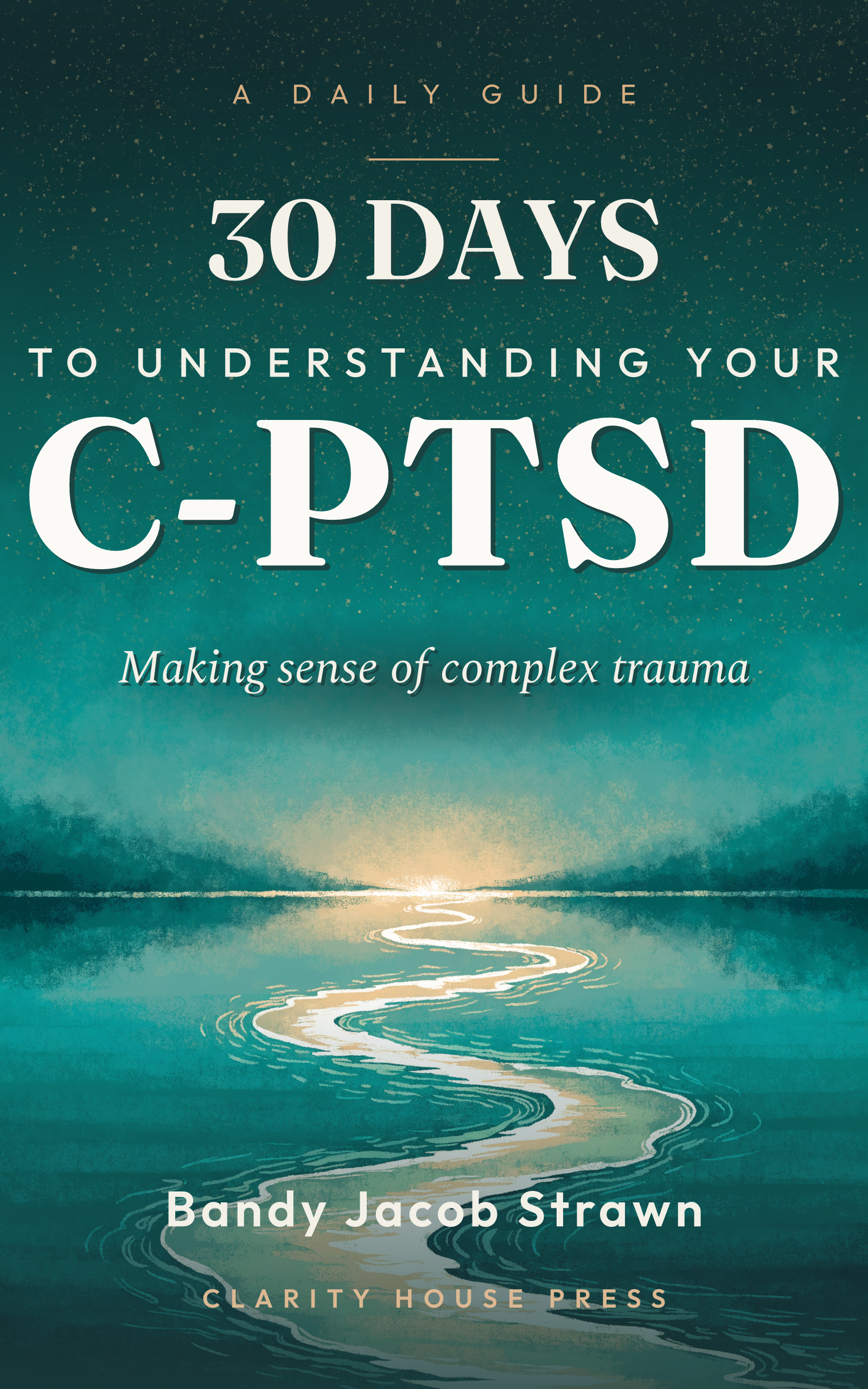
From Clarity House Press — plus trusted books for deeper understanding

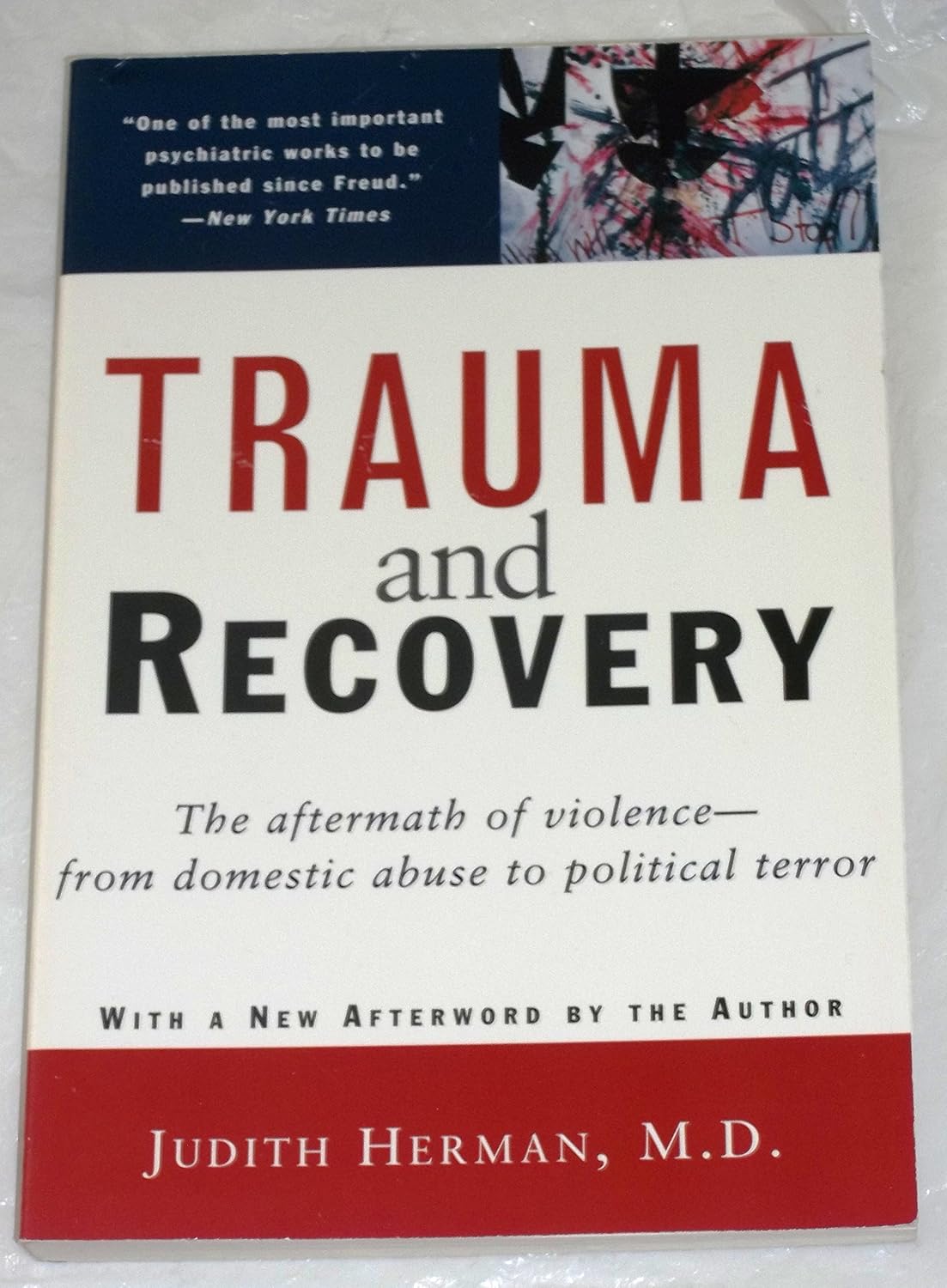
Trauma and Recovery
Judith Lewis Herman, M.D.
The seminal framework for understanding trauma and the stages of recovery — safety, remembrance, and reconnection.

My Grandmother's Hands
Resmaa Menakem, MSW, LICSW
A body-centered approach to healing trauma that lives in the nervous system, with practices for settling and self-regulation.
As an Amazon Associate, Clarity House Press earns from qualifying purchases. Your price is never affected.
Found this helpful?
Share it with someone who might need it.
About the Author

Clarity House Press
Editorial Team
The editorial team at Clarity House Press curates and publishes evidence-based content on narcissistic abuse recovery, high-conflict divorce, and healing. Our content is informed by research, survivor experiences, and established trauma-informed approaches.
View all posts by Clarity House Press →Published by Clarity House Press Editorial Team