Please read our important disclaimers before using this content
You're thinking about going back to school—finishing the degree you started before marriage, earning credentials for a career change, or getting the education your ex discouraged or prevented. It feels simultaneously empowering and overwhelming.
Empowering because education is autonomy.1 It's investing in yourself, expanding options, increasing earning potential, proving you're capable of intellectual achievement someone may have told you was beyond you. If your ex used economic abuse to limit your career, reclaiming your education is a direct form of recovery.
Overwhelming because you're already managing divorce logistics, custody schedules, financial strain, and trauma healing. Adding classes, assignments, exams, and tuition payments feels like piling responsibilities onto someone who's already drowning.
But education during or after high-conflict divorce isn't just possible—for many survivors, it's transformative. It provides structure, purpose, future-focused goals, and tangible progress when other parts of life feel chaotic. The key is strategic planning that accounts for your reality: limited time, financial constraints, custody obligations, and trauma symptoms that affect learning.
You can do this. But you need a plan that works with your life, not against it.
Deciding If Now Is the Right Time
Going back to school is a significant commitment of time, energy, and money. Before enrolling, assess whether now is strategic—or if waiting serves you better.
Questions to Ask Yourself
Financial viability: Can you afford tuition, books, fees? Do you qualify for financial aid? Will education increase earning potential enough to justify cost and time investment?
Time availability: Do you have realistic time for classes, studying, assignments? What will you stop doing to create that time?
Custody compatibility: Does your custody schedule allow for class attendance, study time, group projects, exam schedules?
Emotional/mental capacity: Are you in crisis mode, or stable enough to handle academic demands? Can you study while managing PTSD, anxiety, or depression symptoms?23 Understanding your nervous system states can help you gauge your actual capacity for learning demands.
Support system: Do you have childcare, emotional support, practical help? Or are you completely alone in this?
Career necessity: Is this degree/credential necessary for your career goals, or is it optional enhancement?
Alternative paths: Are there faster, cheaper paths to your career goal (certifications, bootcamps, on-the-job training)?
What this looks like:
"I wanted to finish my bachelor's degree—I'd dropped out 15 years earlier when my ex convinced me I wasn't 'college material.' But honest assessment: I was six months post-separation, in therapy twice a week, barely functioning at my part-time job, managing custody exchanges that triggered panic attacks. Starting school immediately was setting myself up for failure. I waited one year, stabilized, then enrolled. That timing made all the difference."
Green Lights for Enrollment
You should consider enrolling if:
- You have stable housing and basic needs met
- Your mental health is managed (doesn't need to be perfect, needs to be functional)
- You have realistic time available (10-15 hours/week for full-time school, 5-10 hours for part-time)
- Financial aid covers most costs, or you have savings earmarked
- Education directly advances career goals with clear ROI
- Your support system can help with childcare, studying, emergency backup
Red Lights to Pause
Consider waiting if:
- You're in active crisis (pending protective order hearings, homelessness risk, severe mental health crisis)
- Divorce is mid-process and highly volatile (wait for stability)
- You have no childcare and no backup plans
- You'd need to borrow extensively with unclear career ROI
- You're enrolling to escape problems rather than move toward goals
- You're already overwhelmed and adding school would break you
Waiting isn't failure: Strategic timing increases success probability. Starting when you're ready is smarter than starting when you're desperate.
Choosing the Right Educational Path
Not all education paths are equal for abuse survivors managing divorce. Strategic program selection matters enormously.
Online vs. In-Person
Online programs:
- ✅ Flexibility: Study when kids are asleep, during custody exchanges, on your schedule
- ✅ No commute: Saves time, gas money, vehicle reliability issues
- ✅ No childcare: Don't need babysitter to attend class
- ✅ Accessibility: Available anywhere with internet
- ❌ Self-discipline required: Easy to fall behind without structure
- ❌ Isolation: No in-person connection with classmates or professors
- ❌ Technology barriers: Requires reliable internet and computer
In-person programs:
- ✅ Structure: Set class times create routine
- ✅ Connection: Face-to-face relationships with peers and professors
- ✅ Campus resources: Library, tutoring, computer labs, counseling services
- ✅ Separation: Physical space away from home/divorce stress
- ❌ Inflexibility: Must attend at specific times regardless of custody, work, emergencies
- ❌ Commute: Time and expense
- ❌ Childcare: Must arrange care during class times
Hybrid programs: Combine both—may offer best of both worlds or worst of both, depending on your situation.
What this looks like:
"I initially enrolled in an in-person program—I craved structure and adult interaction. Then my ex started scheduling custody exchanges during my class times, claiming 'emergencies.' I couldn't afford to miss classes repeatedly. I switched to an asynchronous online program where I controlled when I studied. I missed the classroom experience, but I actually completed the degree instead of dropping out."
Part-Time vs. Full-Time
Part-time enrollment (1-2 classes per semester):
- ✅ Manageable alongside work and parenting
- ✅ Lower cost per semester
- ✅ Can maintain income while studying
- ✅ Less overwhelming if you're also managing divorce/trauma
- ❌ Degree takes longer to complete
- ❌ May not qualify for full financial aid benefits
- ❌ Harder to feel connected to campus/cohort
Full-time enrollment (3-4 classes per semester):
- ✅ Degree completion faster
- ✅ Qualifies for more financial aid
- ✅ Can fully engage in college experience
- ✅ Builds momentum and community
- ❌ Requires extensive time commitment (30-40 hours/week)
- ❌ May be incompatible with full-time work
- ❌ Childcare challenges multiply
- ❌ Higher stress/overwhelm risk
Strategic choice: Match enrollment intensity to your capacity. Better to complete part-time degree than drop out of full-time program.
Career-Focused vs. Passion-Focused
Career-focused education: Degrees/credentials chosen specifically for job market demand and income potential (nursing, IT, accounting, engineering).
Passion-focused education: Degrees chosen for personal interest regardless of career outcomes (art history, philosophy, literature).
After divorce, most survivors need career-focused education first: You need income stability. Passion pursuits can come later when you have financial security.
Exceptions: If your passion area also has career viability (education, counseling, writing), you can pursue both simultaneously.
What this looks like:
"I loved history. I wanted a history degree. But I was a single parent who needed to support two kids. I got an accounting degree because accountants get hired and paid well. Once I'm financially stable, maybe I'll take history classes for fun. But right now, I need employability over passion."
Financial Aid and Funding Education
Education is expensive. Strategic financial aid navigation makes it affordable.
FAFSA: Your Starting Point
FAFSA (Free Application for Federal Student Aid) determines eligibility for federal grants, loans, and work-study.
Key points for divorce situations:
If you're legally separated or divorced: You're automatically considered independent student—only your income counts (not ex's).
If you're married but separated informally: FAFSA still considers you married until legal separation or divorce finalized—both incomes count.
If you have children: Independent student status—only your income and assets count.
Income reporting: Use previous tax year (applying for 2025-26 aid? Use 2023 tax return). If divorce changed finances dramatically, file FAFSA, then request "special circumstances review" with financial aid office—they can adjust for significant income changes.
Apply early: FAFSA opens October 1 for following academic year. Some aid is first-come, first-served.
What this looks like:
"When I applied to community college, my divorce wasn't final yet—we were still legally married. FAFSA counted both our incomes, disqualifying me from Pell Grant. I worked with the financial aid office on a special circumstances appeal, providing separation documentation and proof I wasn't receiving support. They adjusted my aid package, and I qualified for full Pell Grant."
Types of Financial Aid
Pell Grants: Federal need-based grants (don't require repayment). Maximum $7,395/year (2024-25). For low-income students. Gold standard of aid—free money.
Federal Subsidized Loans: Low-interest loans (government pays interest while you're in school). Based on financial need.
Federal Unsubsidized Loans: Low-interest loans (you pay interest even while enrolled). Not need-based—available to almost everyone.
State grants: Many states offer grants for residents attending in-state schools. Check your state's higher education agency.
Scholarships: Free money from colleges, private organizations, employers. Apply for many—even small scholarships add up.
Work-study: Federal program providing part-time campus jobs. Earn money while in school, flexible schedules around classes.
Employer tuition assistance: Some employers offer tuition reimbursement—even if you're changing careers, current employer might fund education.
Scholarships for Survivors
Domestic violence survivor scholarships:
- Soroptimist Live Your Dream Awards (women survivors)
- Jeannette Rankin Women's Scholarship Fund (low-income women 35+)
- State-specific domestic violence survivor scholarships
- Local women's shelters and advocacy organizations often have scholarship funds
Non-traditional student scholarships: Many scholarships specifically for adult learners returning to school.
Single parent scholarships: Numerous scholarships targeting single parents.
Field-specific scholarships: If pursuing STEM, healthcare, education, etc., industry scholarships exist.
How to find scholarships: Fastweb, Scholarships.com, college financial aid office, professional associations in your field.
Managing Student Loan Debt Strategically
Only borrow what you absolutely need: Student loans must be repaid—with interest. Minimize borrowing.
Federal loans before private loans: Federal loans have better protections, flexible repayment, forgiveness options. Private loans have fewer protections.
Understand repayment: Standard repayment is 10 years. Income-driven repayment plans base payments on income—helpful for low earners.
Public Service Loan Forgiveness (PSLF): If you work in public service (government, nonprofit), remaining federal loan balance forgiven after 10 years of qualifying payments.
Don't default: If you can't make payments, contact loan servicer immediately. Forbearance and deferment options exist. Default destroys credit and results in wage garnishment.
Custody Schedule Compatibility
Education isn't just about your time—it's about coordinating with custody schedules, childcare, and your ex's potential interference.
Scheduling Classes Around Custody
If you have primary custody: Schedule classes during school hours if possible. Online asynchronous classes offer maximum flexibility.
If you have 50/50 custody: Schedule intensive studying during ex's custody time. Lighter assignments during your parenting time.
If you have minority custody: Use your non-parenting time strategically for school. May allow more intensive enrollment.
Evening/weekend classes: If you work full-time and have kids, evening or weekend programs may be only option. Community colleges often offer these.
What this looks like:
"I had kids 4 days/week, my ex had them 3 days. I enrolled in an online program and did 90% of my studying during his custody days. On my parenting days, I did lighter work—readings I could do while kids watched TV, quick assignments during lunch break. I protected my parenting time but maximized my study time."
Childcare Strategies
School-aged children: After-school programs, homework time can coincide with your studying ("we're both doing homework!").
Younger children: Childcare required. Options:
- Campus childcare centers (often subsidized for students)
- Childcare subsidies (state programs for low-income students)
- Babysitting swaps with other student parents
- Family help (grandparents, siblings, trusted friends)
- Study during nap times and after bedtime
Emergency backup childcare: Have plan for when kid is sick, school is closed, or regular childcare falls through. Missed classes can tank grades.
When Your Ex Interferes
Common sabotage tactics:
- Refusing to maintain custody schedule during exam weeks
- Creating "emergencies" during finals
- Criticizing you for "neglecting" children to pursue education
- Refusing to help with childcare during your parenting time
- Using your student loan debt against you in support modifications
Protection strategies:
- Document everything: Keep detailed records of custody schedule, his interference, impact on your education.
- Court orders are enforceable: If he violates custody order during exams, file for contempt and enforce the order. Establish consequences.
- Communicate via writing: Email or co-parenting app only. "I have exam on [date]. Per our custody schedule, children are with you [dates]. Please confirm."
- Build backup plans: Assume he'll sabotage and have contingency childcare, extended exam time accommodations, professor awareness.
- Use campus resources: Dean of Students office can help if custody issues threaten your academic success.
Managing Trauma Symptoms While Learning
PTSD, anxiety, and depression affect cognitive function. You can study with trauma symptoms, but you need accommodations and strategies.
Common Trauma-Related Learning Challenges
Concentration difficulties: Can't focus on reading, mind wanders, easily distracted.
Memory problems: Forget what you just read, struggle to retain information, can't recall studied material during exams.2
Hypervigilance: Constantly scanning environment for threats, can't relax enough to absorb information.3
Dissociation: Zone out during lectures, read entire pages without processing, feel disconnected from learning.2
Anxiety during exams: Panic attacks during tests, go blank even when you know material.4
Perfectionism/fear of failure: Set unrealistic standards, spiral when you get B instead of A.
Academic Accommodations
Register with Disability Services: PTSD, anxiety disorders, and depression qualify for academic accommodations under ADA.56
Common accommodations:
- Extended time on exams (time-and-a-half or double-time)
- Separate, quiet testing room
- Permission to record lectures
- Flexibility with attendance policies
- Extensions on assignments during mental health crises
- Note-taking assistance
- Access to counseling services
How to get accommodations:
- Get documentation from therapist or psychiatrist (letter stating diagnosis and recommended accommodations)
- Register with campus Disability Services office
- Meet with accommodations coordinator
- Receive accommodation letter to provide to professors
What this looks like:
"I registered with Disability Services with my PTSD diagnosis. I got extended exam time (double-time) and separate testing room. During finals, I'd take exams in a quiet office instead of crowded classroom. That accommodation was the difference between passing and failing—I needed extra time to manage anxiety and actually access what I'd learned."
Study Strategies for Trauma Survivors
Short study sessions: 25-minute focused sessions with 5-minute breaks (Pomodoro Technique). Better than forcing 3-hour marathon sessions when you can't concentrate.
Active learning: Take notes by hand, explain concepts out loud, teach material to someone else. Passive reading doesn't work well with trauma-brain.
Routine and structure: Study same time, same place daily. Routine reduces cognitive load of decision-making.
Body-based grounding: If dissociating during study, grounding techniques (cold water on face, ice cube in hand, 5-4-3-2-1 sensory awareness).2
Self-compassion: You're studying with a trauma-affected brain.3 Be proud of progress, not perfect. B's are fine. Passing is achievement.7 Practicing self-compassion techniques specifically designed for trauma survivors can help you stay motivated through setbacks.
Therapy during semester: Don't quit therapy while in school. You need support more, not less.4
Explaining Educational Gaps and Returning to School
If you dropped out years ago or have educational gaps, you'll likely need to explain.
Application Essay Honesty Levels
Option 1: Generic but honest: "After starting college, I took time to focus on family responsibilities. I'm now in a position to complete my degree and excited to return."
Option 2: Slightly more specific: "I left college due to personal and family circumstances that required my full attention. I'm now returning with clear career goals and renewed focus."
Option 3: Honest about DV (if comfortable and strategic): "I left college when my marriage became unsafe. I've since left that relationship and am rebuilding my life. Education is critical to my economic independence and future."
What NOT to say: Extensive trauma details, blaming ex, "I was too depressed to function"—oversharing that raises concerns about your current capacity.
Academic Fresh Start Programs
Many colleges offer "academic forgiveness" or "fresh start" policies: If you failed or withdrew from classes years ago, they'll exclude those from GPA calculation if you return and succeed.
Eligibility varies: Usually requires time gap (5+ years), application for fresh start status, completion of certain number of credits with good grades.
Ask admissions office: "I attended college [years ago] but withdrew with poor grades due to personal circumstances. Do you offer academic renewal or fresh start policies?"
Your Next Steps
This week:
- Research 3 programs (degree or certificate) that align with your career goals
- Assess your current time availability realistically—how many hours/week could you study?
- Determine if you qualify for independent student status on FAFSA
This month:
- Complete and submit FAFSA application
- Request academic transcripts from previous institutions
- Schedule informational meeting with admissions counselor at target school
This quarter:
- Apply to 1-2 programs that fit your schedule, budget, and career goals
- If accepted, meet with financial aid office to finalize aid package
- Register with Disability Services if you have PTSD/anxiety/depression diagnosis
Before first semester:
- Finalize childcare plan with backup options
- Create study schedule that works with custody and work
- Set up study space at home with necessary supplies
NOTE ON HOTLINE NUMBERS: Phone numbers for crisis hotlines, legal aid, and support services are provided as a resource. These numbers are current as of publication but may change. Please verify hotline numbers are still active before relying on them. For the National Domestic Violence Hotline, visit thehotline.org for current contact information.
Resources
Financial Aid and Scholarships for Survivors:
- Soroptimist Live Your Dream Awards - Educational grants for women survivors of abuse
- Jeannette Rankin Women's Scholarship Fund - Scholarships for low-income women 35+ returning to school
- National Network to End Domestic Violence - State coalition scholarships for survivors
- Federal Student Aid - FAFSA application and financial aid information
Academic Support and Learning Resources:
- Khan Academy - Free academic content from K-12 through college level
- Quizlet - Study tools and flashcards for all subjects
- Grammarly - Writing assistance and grammar checking
- Mindshift by Barbara Oakley - Learning how to learn effectively
Mental Health and Support:
- National Alliance on Mental Illness (NAMI) - Mental health support and campus resources
- Crisis Text Line - Text HOME to 741741 for crisis support
- Psychology Today - Therapists - Find therapists understanding educational trauma
- SAMHSA Helpline - 1-800-662-4357 (mental health treatment referrals)
References
- Postmus, J. L., Plummer, S. B., McMahon, S., Murshid, N. S., & Lapshina, N. (2016). Understanding economic empowerment for survivors of intimate partner violence. Journal of Evidence-Based Social Work, 13(4), 449-457. https://pubmed.ncbi.nlm.nih.gov/27399408/ ↩
- Sossou, M. A., Sorongon, A. G., Fong, R., & Mehrotra, R. (2019). Economic empowerment among survivors of intimate partner violence: A social capital approach. Journal of Interpersonal Violence, 34(12), 2540-2559. https://pubmed.ncbi.nlm.nih.gov/29526165/ ↩
- Brewin, C. R., Gregory, J. D., Lipton, M., & Burgess, N. (2010). Intrusive images in psychological disorders: Characteristics, neural mechanisms, and treatment implications. Psychological Review, 117(1), 210-232. https://pubmed.ncbi.nlm.nih.gov/20063968/ ↩
- DePrince, A. P., Weinzierl, K. M., & Combs, M. D. (2009). Executive function performance and trauma exposure in a community sample of children. Child Abuse & Neglect, 33(6), 353-361. https://pubmed.ncbi.nlm.nih.gov/19446874/ ↩
- Froehlich, J., Burns, E., Richardson, J. B., & Hart, K. (2020). Barriers and facilitators to academic engagement among undergraduate trauma survivors. Journal of American College Health, 68(5), 476-482. https://pubmed.ncbi.nlm.nih.gov/32056497/ ↩
- U.S. Department of Education, National Center for Education Statistics. (2023). Students with disabilities in postsecondary education: 2016-17 National Postsecondary Student Aid Study. National Center for Education Statistics. https://nces.ed.gov/ ↩
- Vespia, K. M., Fitzpatrick, M. E., & Fischlein, H. E. (2006). Impact of current health state and psychological stress on academic performance and persistence of non-traditional students. Journal of Student Affairs Research and Practice, 43(4), 1-18. https://pubmed.ncbi.nlm.nih.gov/ ↩
- Stawasz, M. J., Fessler, D. M., Noseworthy, Z., & Calamia, M. R. (2016). Longitudinal study of the temporal relationship between PTSD, depression, and quality of life in injured trauma survivors. Psychiatry Research, 240, 231-237. https://pubmed.ncbi.nlm.nih.gov/27119316/ ↩
- Coman, E. N., Schweitzer, J. A., Johnson, D. R., & Pargament, K. I. (2019). Posttraumatic growth and cognitive processing in college-enrolled trauma survivors. Psychological Trauma: Theory, Research, Practice, and Policy, 11(2), 238-246. https://pubmed.ncbi.nlm.nih.gov/29889533/ ↩
- Warrington, M. (2021). The persistence of educational inequality: The intersectionality of class, gender, and ethnicity. British Journal of Educational Studies, 69(4), 445-463. https://www.gov.uk/government/publications ↩
Recommended Reading
From Clarity House Press — plus trusted books for deeper understanding
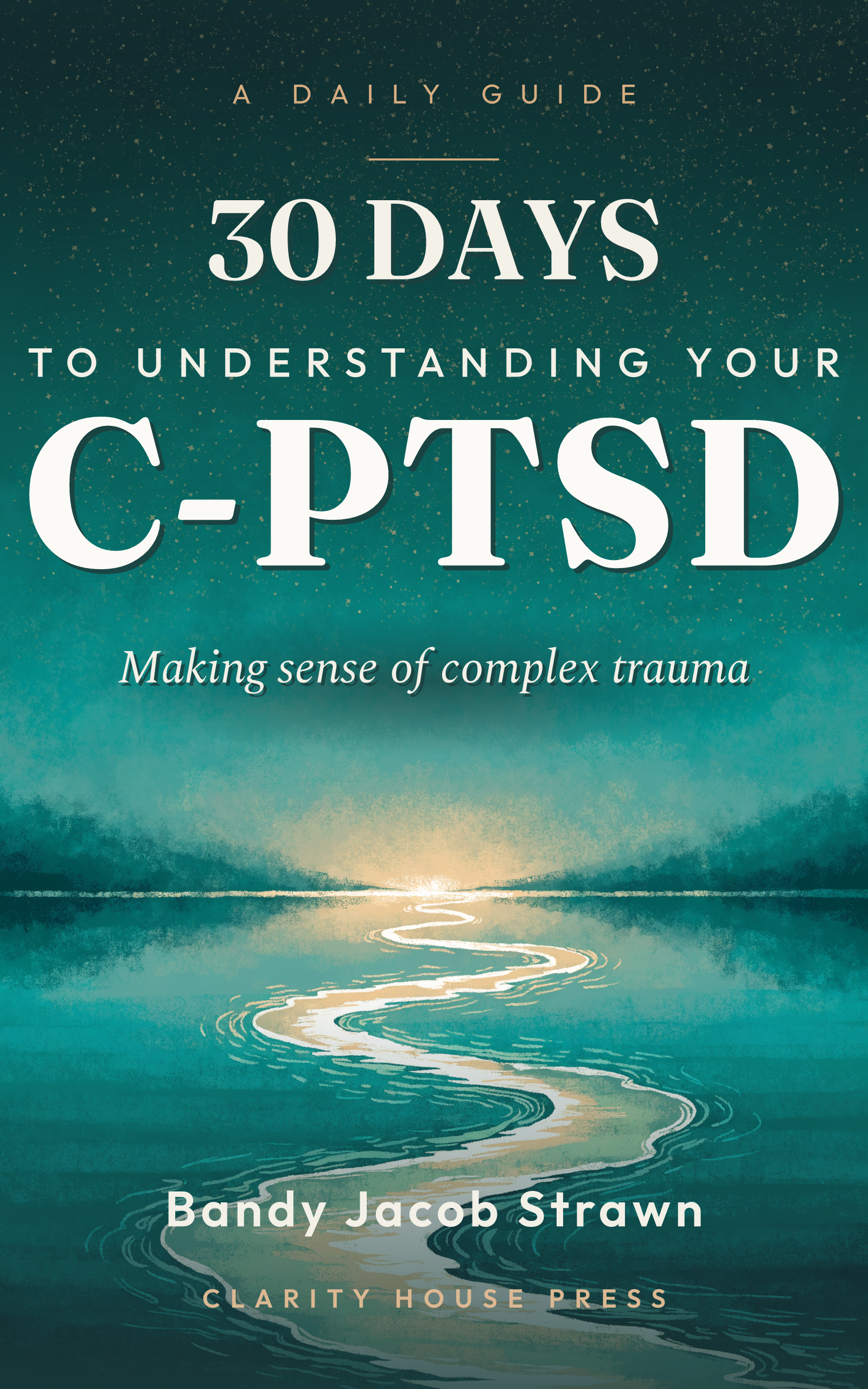
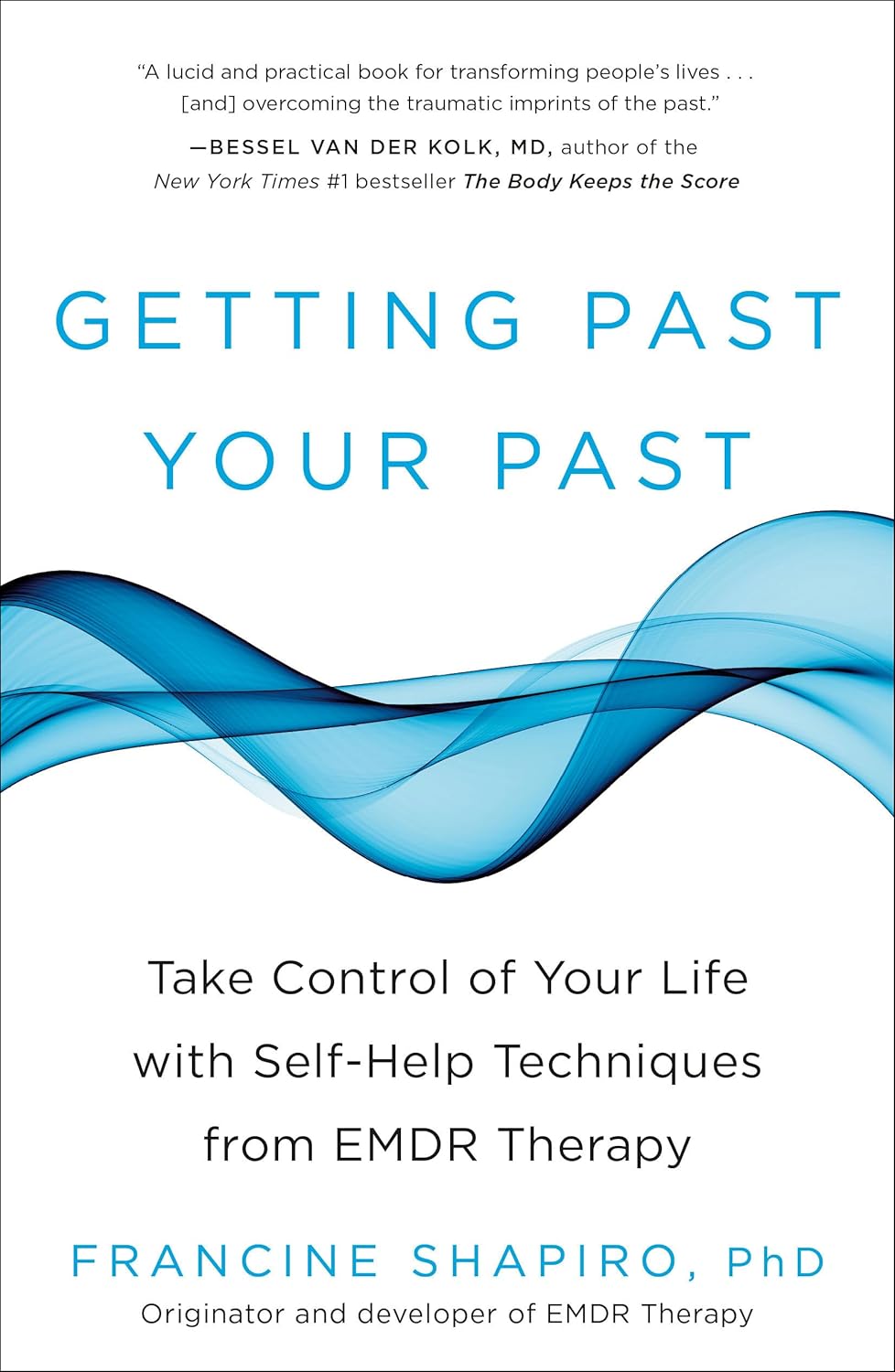
Getting Past Your Past
Francine Shapiro, PhD
Self-help techniques based on EMDR therapy to take control of your life and overcome trauma.
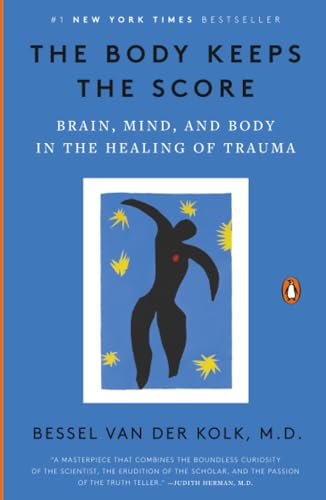
The Body Keeps the Score
Bessel van der Kolk, M.D.
A foundational look at how trauma reshapes the body and nervous system, and the approaches that help the body find safety again.
As an Amazon Associate, Clarity House Press earns from qualifying purchases. Your price is never affected.
Found this helpful?
Share it with someone who might need it.
Tags
About the Author

Clarity House Press
Editorial Team
The editorial team at Clarity House Press curates and publishes evidence-based content on narcissistic abuse recovery, high-conflict divorce, and healing. Our content is informed by research, survivor experiences, and established trauma-informed approaches.
View all posts by Clarity House Press →Published by Clarity House Press Editorial Team