Please read our important disclaimers before using this content
What Is Future Faking?
Future faking is a manipulation tactic in which an individual makes elaborate, detailed promises about a shared future they have no genuine intention of fulfilling. The term describes the creation of an imaginary future—complete with specific plans, timelines, and commitments—designed to secure commitment, investment, and compliance from the target in the present moment. It's one of the key tactics deployed during the idealization phase of narcissistic abuse—understanding love bombing provides essential context for why future faking is so effective.
Unlike genuine relationship planning where both partners work toward shared goals with concrete actions, future faking involves:
- Commitment without follow-through: Promises made freely but never actualized
- Control through hope: Using the target's desire for the promised future to maintain their investment
- Timeline manipulation: Constantly moving goalposts and creating new obstacles
- Absence of concrete steps: No real planning, preparation, or action toward stated goals
Future faking is particularly common in narcissistic relationships and serves multiple tactical purposes: it accelerates attachment during love-bombing, maintains compliance during the devaluation phase, and facilitates hoovering (drawing targets back after discard). Research on manipulation tactics in emotionally abusive relationships identifies future faking as a core control mechanism that exploits human psychology around hope, attachment, and investment (Johnson et al., 2019).
Future Faking as a Love-Bombing Component
Future faking frequently appears during the idealization phase (love-bombing) of narcissistic relationship cycles. During this early stage, the narcissist creates an intense, overwhelming connection characterized by excessive attention, mirroring, and declarations of exceptional compatibility.
Future faking serves several strategic functions during love-bombing:
- Accelerates attachment: Creating shared future plans fosters premature emotional bonding
- Creates obligation: Targets feel invested in making the promised future real
- Establishes control: The promised future becomes leverage for present compliance
- Bypasses critical thinking: Focus on the exciting future distracts from present red flags
Clinical research on rapid relationship escalation demonstrates that premature commitment discussions (within the first weeks or months) correlate strongly with later patterns of control and abuse (Dutton & Painter, 1993). When future planning occurs before adequate time for genuine connection, it functions as a manipulation tactic rather than authentic relationship development.
Common Future Faking Tactics
Future faking manifests across multiple life domains. Understanding common patterns helps targets recognize the tactic when it's deployed:
1. Marriage Promises
The Pattern:
- Early discussions of marriage (often within weeks or months)
- Detailed planning: ring styles, venue preferences, guest lists
- Setting timelines that continuously shift ("after I get the promotion," "once we save more money," "when the timing is right")
- Using marriage as the ultimate proof of commitment while avoiding actual engagement
The Reality:
- Years pass with no concrete steps toward engagement
- New obstacles appear each time the timeline approaches
- The promise functions to prevent the target from leaving, not to create actual marriage
Case Example: Rebecca, 34, spent seven years with a partner who discussed marriage constantly. He knew her dream venue, had opinions on ring cuts, and told his family they would marry "soon." Each year brought a new reason for delay: debt, job uncertainty, wanting to buy a house first. When Rebecca finally issued an ultimatum, he admitted he "wasn't sure he believed in marriage." The promise had been a retention tool, not a genuine intention.
2. Moving In Together
The Pattern:
- Enthusiastic discussions about shared living spaces
- Looking at apartments or houses together without actual applications
- Creating detailed plans about furniture, division of space, even pet adoption
- Timeline constantly postponed due to lease obligations, financial concerns, or "timing"
The Reality:
- The target maintains separate housing indefinitely while believing cohabitation is imminent
- The narcissist retains complete autonomy while the target remains in waiting mode
- Plans serve to demonstrate commitment without requiring actual change
3. Having Children
The Pattern:
- Detailed discussions about number of children, parenting styles, names
- Agreement on timeline ("in two years," "after we're married," "when we're more stable")
- Creating the appearance of shared life goals around family building
- Using fertility concerns or biological clock anxieties to maintain hope
The Reality:
- Timelines extend indefinitely with new prerequisites constantly emerging
- Targets (particularly women facing biological time constraints) invest years waiting
- Some narcissists agree to pregnancy to secure the relationship, then become absent or abusive during pregnancy/parenthood
Case Example: Marcus and his partner discussed having children throughout their four-year relationship. She wanted to start trying at age 32; he agreed they would "in a year." At 33, he wanted to wait until after a job transition. At 34, he wanted to pay off debt first. At 35, he wanted to "enjoy being married" longer. At 36, she discovered he had secretly had a vasectomy three years earlier. The promise had been entirely false.
4. Dream Vacations and Experiences
The Pattern:
- Planning elaborate trips with specific destinations, activities, and timelines
- Creating Pinterest boards, saving Instagram posts, discussing itineraries in detail
- Building excitement about "someday" experiences that never materialize
- Blaming external factors (money, work, timing) for perpetual postponement
The Reality:
- Years pass with no actual booking or concrete planning
- The target invests emotionally in experiences that never occur
- Promises function to maintain hope and demonstrate "specialness" of relationship
5. Business Ventures and Financial Plans
The Pattern:
- Discussing joint business ownership, investment properties, or financial partnerships
- Creating detailed business plans or financial projections together
- Positioning the target as essential to the venture's success
- Requesting financial investment, co-signing, or resource contribution
The Reality:
- Financial exploitation: the target invests money, credit, or resources
- The venture never materializes, or the narcissist benefits while the target carries risk
- Business "partnership" functions as extraction tool rather than genuine collaboration
Case Example: Devon invested $45,000 in a "joint business venture" with his partner, who spent two years developing elaborate business plans, LLC paperwork, and branding materials. The business never launched. When Devon requested return of his investment, his partner claimed the money had been spent on "business development" (luxury purchases and personal expenses). The future business had been a vehicle for financial exploitation.
6. Therapy Promises and Change Commitments
The Pattern:
- Acknowledging problematic behavior and promising to "get help"
- Discussing specific therapists, treatment modalities, or self-improvement plans
- Using the promise of change to secure another chance after incidents of abuse
- Creating timelines for starting therapy that continuously extend
The Reality:
- No genuine therapy engagement occurs, or therapist-shopping with no real participation
- Promises of change function to prevent consequences (separation, divorce, no-contact)
- The target invests more time waiting for change that never materializes
This tactic is particularly damaging because it exploits the target's compassion and belief in the narcissist's capacity for growth. Research on batterer intervention programs demonstrates that genuine change requires sustained, accountable action over years—not promises (Gondolf, 2012). When change promises lack behavioral follow-through, they function as manipulation.
Why Future Faking Works: The Psychology of Hope and Investment
Future faking is remarkably effective because it exploits fundamental aspects of human psychology:
1. Hope as a Powerful Motivator
Hope is a crucial psychological resource that helps humans endure difficulty and work toward better circumstances. In healthy contexts, hope drives positive action and resilience. However, hope can be weaponized.
When a narcissist creates a compelling vision of a better future, targets experience:
- Dopaminergic activation: Anticipation of reward (the promised future) creates neurochemical reinforcement
- Motivation to endure: Current difficulties feel temporary when a better future seems imminent
- Emotional investment: The imagined future becomes psychologically real, creating attachment to the fantasy
Research on hope and goal-setting demonstrates that vivid, detailed future visualization creates emotional investment even before concrete progress occurs (Snyder, 2002). Narcissists exploit this by creating elaborate future visions that feel real despite lacking substance.
2. Sunk Cost Fallacy
The sunk cost fallacy refers to the human tendency to continue investing in something because of prior investment, even when continuing is not rational. The more time, emotion, and resources someone has invested, the harder it becomes to walk away.
Future faking leverages sunk cost in several ways:
- Time investment: "I've already waited three years for marriage—what's another year?"
- Emotional investment: "We've planned our whole future—I can't give up now"
- Resource investment: "I've already invested money in our business—I have to see it through"
- Opportunity cost: "I've turned down other relationships because I believed in our future"
Economic research on sunk cost demonstrates that humans irrationally escalate commitment to failing courses of action to justify past investment (Arkes & Blumer, 1985). Narcissists intuitively understand this: the longer they can keep targets invested in the false future, the harder it becomes for targets to leave.
3. Attachment Bonding Through Shared Future
Humans create emotional bonds through shared experiences—but also through shared imagination of future experiences. Relationship research demonstrates that couples who create shared future narratives experience stronger relationship satisfaction and commitment (Kellas, 2005).
Future faking mimics this healthy bonding process:
- Creating "our story": The promised future becomes part of the relationship narrative
- Identity fusion: Targets begin to see themselves as part of the imagined future (future wife, future parent, future business partner)
- Emotional reality: The brain doesn't fully distinguish between imagined and actual future experiences
- Bonding through planning: The act of planning together creates false intimacy
When the promised future never materializes, targets grieve not just the relationship but the entire imagined life they believed was coming.
4. Patience as Virtue: Exploiting Relationship Commitment Values
Many people hold the belief that good relationships require patience, commitment through difficulty, and not giving up when things get hard. These are generally healthy relationship values—but narcissists exploit them.
Future faking reframes waiting and endurance as evidence of commitment:
- "Good partners wait for the right timing"
- "Marriage is about patience and working through challenges"
- "If you really loved me, you'd trust my timeline"
- "Leaving now would prove you were never serious about our future"
Targets who value commitment may tolerate years of broken promises because they believe patience demonstrates their worthiness and dedication. The narcissist positions leaving as betrayal, when in reality, leaving is a rational response to sustained manipulation.
Timeline of Future Faking: How the Tactic Evolves
Future faking follows predictable patterns across the narcissistic abuse cycle:
Love-Bombing Phase: Establishing the Fantasy
Timeframe: Early relationship (weeks to months)
Characteristics:
- Intense, premature future planning
- Declarations of exceptional compatibility and "meant to be" destiny
- Specific, detailed promises about marriage, children, living situations, shared experiences
- Creating vision boards, Pinterest boards, shared documents about the future
- Introducing target to family/friends with future-oriented framing ("this is the one," "we're getting married")
Tactical Purpose:
- Accelerate attachment before target can assess compatibility accurately
- Create obligation and investment
- Overwhelm critical thinking with excitement and intensity
- Establish control through hope
Red Flags:
- Timeline is drastically accelerated (discussing marriage within weeks, moving in within months)
- Plans are detailed but lack concrete action steps
- Partner seems more invested in talking about the future than building present connection
- Expressions of certainty seem disproportionate to actual relationship length
Maintenance Phase: Sustaining Compliance
Timeframe: Established relationship (months to years)
Characteristics:
- Original promises remain unfulfilled but are continuously referenced
- New timelines replace old timelines with new prerequisites
- Obstacles emerge each time timeline approaches
- Target's requests for follow-through are reframed as pressure, distrust, or lack of patience
- Intermittent reinforcement: occasional small steps toward promises to renew hope
Tactical Purpose:
- Prevent target from leaving by maintaining hope
- Secure ongoing compliance, investment, and tolerance of poor treatment
- Avoid actual commitment while appearing committed
- Blame target for timeline delays ("your anxiety is making me hesitant," "I need to feel less pressure")
Red Flags:
- Years pass with no progress toward stated goals
- Partner becomes defensive or angry when asked about timelines
- Goalposts constantly move (new prerequisites for old promises)
- Target feels like they're "waiting for their life to start"
Hoovering Phase: Winning Back the Target
Timeframe: After separation, breakup, or target expressing intention to leave
Characteristics:
- Resurrecting old promises with renewed intensity
- Claiming "the timing is finally right"
- Demonstrating small actions toward promises (looking at rings, booking therapy, researching venues)
- Love-bombing returns with future-oriented focus
- Blame for past delays shifted to external factors now "resolved"
Tactical Purpose:
- Win back target by reviving hope
- Secure another cycle of investment
Understanding hoovering tactics and comeback attempts gives you a full picture of how future faking resurfaces during the hoovering phase after a separation or discard.
- Reset timeline to buy more time
- Avoid consequences of prior manipulation
Red Flags:
- Promises revive only when target is leaving
- Sudden "readiness" appears convenient and strategic
- No genuine accountability for years of broken promises
- Small actions disappear once target re-commits
Cycle Repetition
This cycle often repeats multiple times across years or decades. Each cycle extracts more time, resources, and opportunity cost from the target while delivering nothing of substance.
Recognizing Future Faking: Key Warning Signs
Distinguishing future faking from genuine relationship planning requires attention to behavioral patterns, not verbal promises:
1. Pattern of Broken Promises
Future Faking:
- Consistent history of unfulfilled commitments
- Pattern spans multiple domains (marriage, moving in, career promises, financial plans)
- Promises are specific and detailed but never materialize
- No accountability for broken commitments; blame shifts to external factors
Genuine Planning:
- Track record of following through on commitments
- If delays occur, genuine accountability and revised concrete plans
- Promises align with behavioral patterns
- Partner takes responsibility when unable to fulfill commitments
2. No Concrete Steps Toward Goals
Future Faking:
- Extensive discussion but zero action
- No research, planning, saving, or preparation
- Talking about goals substitutes for working toward goals
- Resistance when target suggests concrete steps ("you're rushing me," "it's not romantic when you make it transactional")
Genuine Planning:
- Conversations lead to actionable steps
- Both partners contribute to concrete progress
- Timelines include specific milestones and preparation phases
- Planning includes logistical details, not just emotional vision
Example:
- Future faking: "We should buy a house together someday. I can see us in a craftsman with a big yard." (No mortgage pre-approval, no savings plan, no timeline, no house-hunting)
- Genuine planning: "I'd love to buy a house together in the next three years. Let's meet with a mortgage broker this month to understand what we'd qualify for, and start a joint savings account for a down payment."
3. Timeline Always Moving
Future Faking:
- Original timeline passes with no acknowledgment
- New prerequisites emerge as old ones are "completed"
- Goalposts shift without explanation or accountability
- Partner becomes irritated when reminded of prior timelines
Genuine Planning:
- If timelines shift, there's transparent communication about why
- Revised timelines are realistic and jointly agreed upon
- Both partners acknowledge when original plans change
- Delays result in problem-solving, not deflection
4. Excuses and Delays Follow Predictable Patterns
Future Faking:
- Obstacles appear conveniently when action is required
- Excuses blame external circumstances, never the partner's lack of intention
- Financial, work, family, or timing concerns are cited but never resolved
- Partner frames delays as prudent, while framing target's desire for progress as unreasonable
Genuine Planning:
- Obstacles are addressed collaboratively
- Both partners work to overcome barriers
- If genuine concerns exist, alternative timelines or modified plans are created
- Partner demonstrates genuine regret about delays and actively works to resolve them
The Devastating Impact on Targets
The harm caused by future faking extends far beyond disappointment:
1. Years Wasted Waiting
Targets often invest years—sometimes decades—waiting for promised futures that never arrive. This is time that cannot be recovered, particularly for targets facing biological time constraints (fertility), career development windows, or life stage opportunities.
Common experiences:
- Waiting through twenties and thirties for marriage that never happens
- Aging out of fertility window while waiting for partner to be "ready" for children
- Delaying career moves, education, or relocations based on promised plans
- Foregoing other relationship opportunities based on commitment to the false future
The grief associated with lost time is profound and often underestimated by those who haven't experienced it.
2. Life Decisions Delayed or Derailed
Future faking doesn't just waste time—it actively disrupts life trajectory:
- Career impacts: Turning down job offers, relocations, or educational opportunities based on promised shared plans
- Financial impacts: Avoiding major purchases, maintaining separate housing, or contributing financially to joint plans that never materialize
- Relationship impacts: Remaining in unfulfilling relationship instead of pursuing compatible partners
- Family planning: Delaying or foregoing parenthood based on partner's timeline
Targets often discover they've structured their entire lives around promises that were never real.
3. Financial Investment in the False Future
Future faking frequently involves financial exploitation:
- Contributions to "joint" ventures, businesses, or properties that benefit only the narcissist
- Maintaining expensive separate housing while waiting to move in together
- Purchasing engagement rings, wedding items, or planning services for events that never occur
- Co-signing loans or credit for promised shared investments
Financial losses compound emotional betrayal, particularly when targets have limited resources or have sacrificed financial stability based on promised partnership.
4. Grief for the Imagined Future
When the false future collapses, targets experience profound grief—not just for the relationship, but for the entire life they believed was coming:
- Grief for the wedding that never happened
- Grief for the children never conceived
- Grief for the home never purchased
- Grief for the business never built
- Grief for the life partner who never existed
This grief is complicated by the fact that others often minimize it: "But it wasn't real—why are you so upset?" The imagined future felt real. The emotional investment was real. The time lost was real. The grief is entirely valid. Our guide on complex grief and ambiguous loss in narcissistic abuse helps survivors process grief for things that never quite existed.
Clinical research on ambiguous loss and complicated grief recognizes that grieving futures that never materialized is a legitimate form of bereavement requiring therapeutic support (Boss, 1999).
Distinguishing Future Faking from Genuine Planning
Not all future-oriented relationship discussions are manipulation. Healthy couples plan for the future together. The difference lies in behavioral integrity:
Actions vs. Words
Future Faking:
- Words are plentiful; actions are absent
- Talking about the future substitutes for building the future
- When asked about concrete steps, partner deflects, becomes defensive, or accuses target of being unromantic/controlling
Genuine Planning:
- Words align with actions
- Discussions lead to measurable progress
- Both partners contribute actively to moving toward stated goals
- Concrete steps are welcomed, not resisted
Consistency Over Time
Future Faking:
- Intensity of promises decreases once target is secured (after moving in, marriage, pregnancy)
- Promises are most elaborate during pursuit or hoovering
- Commitments made publicly or to third parties are abandoned privately
Genuine Planning:
- Consistency across relationship phases
- Follow-through regardless of relationship security
- Public and private commitments align
- Partner demonstrates ongoing investment in shared goals
Realistic Timelines
Future Faking:
- Timelines are either extremely accelerated (marriage discussions after two dates) or indefinitely vague ("someday," "when the time is right")
- No realistic assessment of prerequisites or obstacles
- Timeline serves emotional manipulation, not practical planning
Genuine Planning:
- Timelines reflect realistic assessment of circumstances
- Prerequisites are identified and addressed systematically
- Both partners understand what needs to happen before goals are achieved
- Timelines may adjust, but with transparency and mutual agreement
Handling Obstacles
Future Faking:
- Obstacles are excuses that prevent action indefinitely
- Partner blames external circumstances rather than addressing them
- No problem-solving or adaptation when barriers emerge
- Target is made to feel demanding for wanting to address obstacles
Genuine Planning:
- Obstacles are acknowledged and addressed collaboratively
- Creative problem-solving when barriers emerge
- Willingness to modify plans to accommodate real constraints
- Both partners take responsibility for overcoming challenges
Future Faking in Different Relational Contexts
While most commonly discussed in romantic relationships, future faking appears across relationship types:
Romantic Relationships
Most common patterns:
- Marriage promises without follow-through
- Family planning discussions without action
- Cohabitation plans that never materialize
- Dream future lifestyle that never develops
Specific vulnerability factors:
- Biological time constraints (fertility concerns)
- Social pressure around relationship milestones
- Investment in relationship identity and narrative
- Trauma bonding and attachment dynamics
Business Partnerships
Most common patterns:
- Joint venture promises without equitable investment
- Partnership agreements that favor the narcissist
- Promises of future profit-sharing, equity, or advancement
- Requests for target's resources, expertise, or reputation without reciprocal contribution
Specific vulnerability factors:
- Professional ambition and career goals
- Financial investment and opportunity cost
- Reputation damage if venture fails
- Contractual or financial entanglement
Case Example: Simone partnered with a charismatic entrepreneur who promised equal partnership in a consulting firm. She contributed her industry expertise, client relationships, and $100,000 in startup capital. He promised equal equity once the business was profitable. Three years later, the business was successful—and he informed her she was an "independent contractor," not a partner. All equity belonged to him. The promised partnership had been a vehicle to extract her resources and reputation.
Family Relationships: Narcissistic Parents
Most common patterns:
- Promises of future support, inheritance, or changed behavior
- "Someday you'll understand" or "when you have kids" framing that positions current abuse as temporary
- Promises to help with education, housing, or financial support that never materialize
- Conditional promises: "I'll help you if you [comply with demand]"
Specific vulnerability factors:
- Longing for parental approval and healthy relationship
- Financial dependence or anticipated inheritance
- Hope that parent will change or acknowledge harm
- Family system pressure to maintain relationship
Adult children of narcissistic parents often spend decades hoping their parent will fulfill emotional or practical promises, waiting for change that never comes.
Recovery: Healing from Future Faking
Recovering from future faking requires processing multiple layers of loss:
1. Grieving the Future That Never Was
This grief is real and deserves full acknowledgment:
What you're grieving:
- The life you believed was coming
- The person you thought your partner was
- The time you invested in the false future
- The opportunities you declined based on the promise
- The identity you built around the imagined future (future spouse, future parent, future business owner)
Therapeutic approaches:
- Trauma-informed therapy to process complex grief
- Narrative therapy to reconstruct your story without the false future
- Grief counseling that validates ambiguous loss
- Support groups with others who've experienced similar betrayal
Self-compassion: You were not foolish for believing. You were responding to someone who deliberately created a false reality. The promises felt real because they were designed to feel real. Your hope was human; their deception was intentional.
2. Learning to Trust Actions Over Words
Future faking creates a specific vulnerability: difficulty trusting future-oriented relationship discussions. Recovery involves recalibrating trust assessment:
Healthy skepticism:
- Evaluating consistency between words and actions over time
- Requiring behavioral demonstration before emotional investment
- Noticing patterns, not isolated incidents
- Trusting gradual revelation over time rather than immediate declarations
Not cynicism:
- Remaining open to healthy relationship planning
- Distinguishing between appropriate caution and self-protective shutdown
- Building discernment without building walls
Green flags in future planning:
- Partner demonstrates follow-through in small commitments before large ones
- Actions precede or accompany words
- Partner welcomes concrete planning, not just abstract discussion
- Timelines are realistic and collaboratively created
- Obstacles lead to problem-solving, not indefinite delay
3. Rebuilding Realistic Expectations
Future faking distorts your sense of normal relationship pacing and planning:
Recalibration:
- Healthy relationships develop over months and years, not weeks
- Commitment discussions should follow adequate time to assess compatibility
- Major life decisions (marriage, cohabitation, children, joint finances) require extensive foundation
- It's appropriate to expect alignment between stated intentions and behavioral patterns
Red flags you can now recognize:
- Premature intensity in future planning
- Resistance to concrete action steps
- Pattern of unfulfilled commitments
- Defensive reactions when accountability is expected
Trusting your timeline:
- You determine when you're ready for next steps, based on behavioral evidence
- Past manipulation doesn't obligate you to rush or delay with new partners
- Healthy partners respect your need to build trust gradually
4. Reclaiming Agency Over Your Life
Future faking positions you in a passive waiting role. Recovery involves reclaiming active authorship:
Questions to explore:
- What do I want my future to look like?
- What goals have I delayed while waiting?
- What opportunities am I ready to pursue now?
- What life decisions can I make independently?
Concrete reclamation:
- Pursuing career goals no longer on hold
- Making decisions about where to live, work, or study based on your desires
- Building relationships (platonic and romantic) that honor your timeline
- Investing in yourself rather than waiting for someone else to invest in you
Recovery means recognizing that you are the author of your future—not someone who waits for another person to deliver it.
Conclusion: Promises Require Proof
Future faking is a manipulation tactic that weaponizes hope, exploits attachment psychology, and extracts years of investment while delivering nothing of substance. It is particularly insidious because it masquerades as commitment, love, and shared vision.
Core truths about future faking:
-
Genuine commitment demonstrates through action, not just words. Healthy partners build the future together; they don't just talk about it.
-
Your time matters. Years invested in a false future are years you cannot recover. You deserve a partner whose actions honor your investment.
-
Hope is not the same as evidence. Hope is beautiful, but it should be grounded in behavioral patterns, not empty promises.
-
Grieving the imagined future is valid. The life you believed was coming felt real. Your grief for its loss is legitimate.
-
You deserve a future built on truth. You are worthy of a partnership where words align with actions, where promises are fulfilled, and where your time and trust are honored.
If you recognize future faking in your current relationship, please know: waiting longer will not make the promises real. The pattern demonstrates the truth. Trust it.
If you're recovering from a relationship built on false futures, please know: your hope was not foolish; their deception was deliberate. You deserved the future you were promised. And you still deserve a genuine future—one you can build on truth.
Resources
Understanding Narcissistic Manipulation:
- Out of the FOG - Support forum and resources on future faking and manipulation tactics
- Dr. Ramani Durvasula's YouTube Channel - Educational videos on narcissistic manipulation including future faking
- r/NarcissisticAbuse - Reddit community for survivors discussing manipulation patterns
- Why Does He Do That? by Lundy Bancroft - Understanding manipulative relationship patterns
Therapy and Trauma Recovery:
- Psychology Today - Therapists - Filter for "narcissistic abuse" and "trauma bonding"
- EMDR International Association - Find EMDR therapists for processing betrayal trauma
- National Center for PTSD - Research-backed information on trauma bonding and recovery
- Trauma and Recovery by Judith Herman - Classic text on trauma recovery from manipulation
Support and Crisis Resources:
- National Domestic Violence Hotline - 1-800-799-7233 (emotional abuse support)
- SAMHSA Helpline - 1-800-662-4357 (mental health treatment referrals)
- Crisis Text Line - Text HOME to 741741 for crisis support
- National Alliance on Mental Illness (NAMI) - Support groups and mental health education
References
Arkes, H. R., & Blumer, C. (1985). The psychology of sunk cost. Organizational Behavior and Human Decision Processes, 35(1), 124-140.
Boss, P. (1999). Ambiguous loss: Learning to live with unresolved grief. Harvard University Press.
Dutton, D. G., & Painter, S. (1993). Emotional attachments in abusive relationships: A test of traumatic bonding theory. Violence and Victims, 8(2), 105-120.
Gondolf, E. W. (2012). The future of batterer programs: Reassessing evidence-based practice. Northeastern University Press.
Johnson, M. P., Leone, J. M., & Xu, Y. (2019). Intimate terrorism and situational couple violence in general surveys: Ex-spouses required. Violence Against Women, 25(11), 1309-1330.
Kellas, J. K. (2005). Family ties: Communicating identity through jointly told family stories. Communication Monographs, 72(4), 365-389.
Snyder, C. R. (2002). Hope theory: Rainbows in the mind. Psychological Inquiry, 13(4), 249-275.
If you found this article helpful, you may also benefit from:
- Love-Bombing: When Intensity Masks Abuse
- Trauma Bonding: Why You Can't "Just Leave"
- Grieving the Person Who Never Existed
- Building Trust After Narcissistic Abuse
Recommended Reading
From Clarity House Press — plus trusted books for deeper understanding


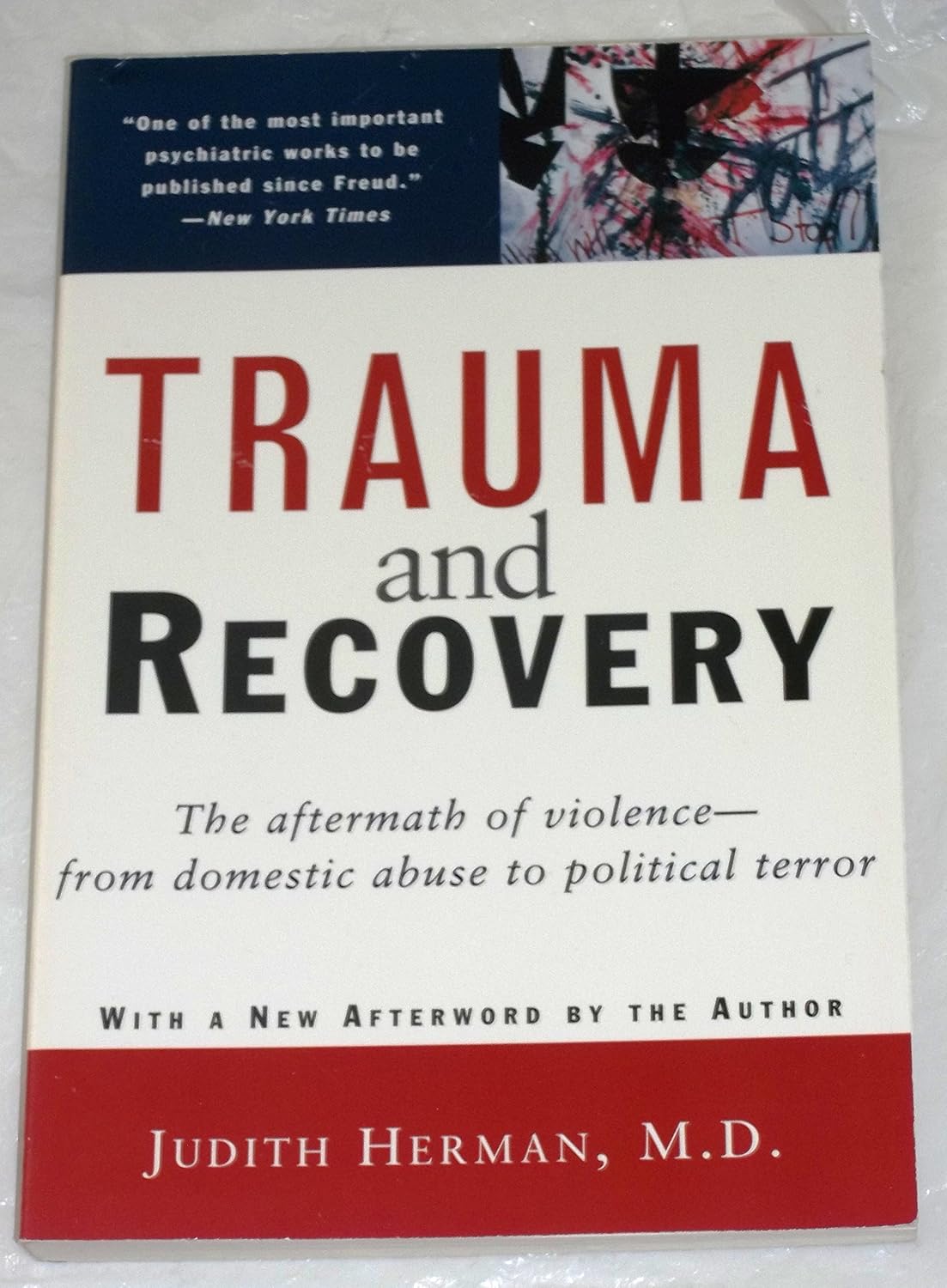
Trauma and Recovery
Judith Lewis Herman, M.D.
The seminal framework for understanding trauma and the stages of recovery — safety, remembrance, and reconnection.

What My Bones Know: A Memoir of Healing from Complex Trauma
Stephanie Foo
A journalist's honest, hopeful account of living with and healing from complex PTSD, woven with the science behind it.
As an Amazon Associate, Clarity House Press earns from qualifying purchases. Your price is never affected.
Found this helpful?
Share it with someone who might need it.
About the Author

Clarity House Press
Editorial Team
The editorial team at Clarity House Press curates and publishes evidence-based content on narcissistic abuse recovery, high-conflict divorce, and healing. Our content is informed by research, survivor experiences, and established trauma-informed approaches.
View all posts by Clarity House Press →Published by Clarity House Press Editorial Team