Please read our important disclaimers before using this content
When James came home from Afghanistan, he didn't have nightmares—he had rage. When David's childhood abuse surfaced decades later, it manifested as alcoholism and chronic pain, not flashbacks. When Marcus finally sought help for what he thought was an anger problem, his therapist told him he had Complex PTSD. He'd never heard of it.
Men with C-PTSD are frequently misdiagnosed, underdiagnosed, or dismissed entirely—not because their symptoms aren't severe, but because they don't match the diagnostic criteria developed primarily from research on women.1 While women with trauma often present with fear, anxiety, and depression, men more commonly experience anger, substance use, risk-taking, and somatic complaints.23 The result: millions of men suffer without understanding what's happening or receiving appropriate treatment.
If you're reading this because anger feels uncontrollable, because substances numb what therapy can't reach, because people call you "difficult" when you're barely holding on—this article is for you. The neurological changes that complex trauma causes in the brain explain why these symptoms are so persistent and why willpower alone cannot resolve them.
Understanding Complex PTSD: The Basics
Core PTSD symptoms:
- Re-experiencing traumatic events in the present (flashbacks, intrusive memories, nightmares)
- Avoidance of traumatic reminders (people, places, situations, emotions)
- Persistent sense of current threat (hypervigilance, exaggerated startle response)
PLUS Disturbances in Self-Organization (DSO):
- Affective dysregulation (difficulty controlling emotions, explosive reactions, emotional numbness)
- Negative self-concept (deep shame, worthlessness, pervasive sense of failure)
- Disturbances in relationships (difficulty trusting, maintaining closeness, or feeling safe with others)
The crucial point: these symptoms manifest differently in men due to biological factors, socialization patterns, and cultural expectations around masculinity. Understanding these gender-specific presentations is essential for accurate diagnosis and effective treatment.
Why Men Are Systematically Underdiagnosed
Diagnostic Bias in Clinical Criteria
The diagnostic criteria for PTSD and C-PTSD were developed based on research that predominantly featured female trauma survivors—particularly women with histories of sexual trauma and interpersonal violence.4 This creates several problems for men:
Symptom mismatch: Classic presentations emphasize fear, anxiety, and emotional reactivity that more commonly describe women's trauma responses. Men's externalizing symptoms (anger, aggression, substance use) don't fit neatly into these frameworks.
Clinician expectations: Mental health professionals often fail to recognize C-PTSD when the primary presentation is anger, workaholism, or somatic complaints rather than classic PTSD symptoms like nightmares and avoidance.
Assessment tools: Standardized trauma assessments may not capture male-typical presentations. A man with explosive rage, alcohol dependency, and emotional numbness may not score high on measures designed to detect intrusive memories and avoidance behaviors.
Masculine Socialization and Help-Seeking Barriers
From childhood, men receive clear messages about emotional expression, vulnerability, and help-seeking:
"Boys don't cry": Emotional expression is punished or ridiculed. Men learn early that showing vulnerability invites judgment, mockery, or rejection.
"Man up": Seeking help is framed as weakness. Self-sufficiency and stoicism are valorized; admitting struggle feels like failure.5 Research shows that masculine discrepancy stress—the distress men experience when they feel they are not meeting masculine ideals—may motivate men to avoid help-seeking behaviors that are construed as violations of masculine expectations.6
Anger is the acceptable emotion: While sadness, fear, and grief are discouraged, anger remains permissible. Many men funnel all emotional pain through the anger channel because it's the only one available.
The result: Men present to emergency departments for chest pain (hyperarousal manifesting somatically), to primary care for chronic pain or sleep problems (trauma symptoms unrecognized), or to the criminal justice system for anger-related incidents—anywhere but a mental health clinic.
The Alexithymia Factor
Alexithymia—difficulty identifying and describing emotions—is significantly more common in men, particularly those with trauma histories.7 When a therapist asks "How did that make you feel?" many men genuinely don't know. They experience:
- Physical sensations (tightness, heat, pressure) rather than named emotions
- Sudden behavioral impulses (urge to leave, break something, shut down) without emotional awareness
- Numbness or disconnection where emotions "should" be
This isn't resistance or unwillingness—it's a neurobiological reality that requires body-based and psychoeducational approaches before traditional emotion-focused therapies can be effective.
How C-PTSD Presents Differently in Men
Externalizing vs. Internalizing Symptoms
While women with C-PTSD more commonly experience internalizing symptoms (depression, anxiety, self-blame), men more frequently exhibit externalizing patterns:
Anger, irritability, and rage:
- Explosive outbursts over minor triggers
- Road rage, aggressive confrontations, workplace conflicts
- Chronic irritability that strains relationships and employment
- Anger flashbacks (re-experiencing trauma as rage rather than fear)
Substance use and behavioral addictions:
- Alcohol as self-medication for hyperarousal and emotional pain
- Cannabis for sleep and anxiety (which dysregulated nervous systems struggle to achieve naturally)
- Workaholism, exercise addiction, pornography use as avoidance mechanisms
- Risk-taking and sensation-seeking to feel alive or override numbness
Aggression and control behaviors:
- Need to control environment and relationships to manage hypervigilance
- Verbal aggression when feeling threatened or vulnerable
- Difficulty with intimacy leading to push-pull relationship patterns
- Authority conflicts (bosses, law enforcement, medical professionals)
These aren't separate conditions—they're trauma symptoms filtered through masculine socialization and neurobiological differences in stress response systems.
Somatic Presentations
Men with C-PTSD frequently present with physical symptoms before psychological ones are recognized:8
Chronic pain syndromes:
- Back pain, headaches, muscle tension (hyperarousal locked in the body)
- Fibromyalgia and other pain conditions with trauma origins
- Pain that doesn't respond to physical treatments alone
Cardiovascular symptoms:
- Hypertension (chronic stress response)
- Chest pain and palpitations (hyperarousal manifesting as cardiac sensations)
- Elevated resting heart rate and poor heart rate variability
Gastrointestinal problems:
- Irritable bowel syndrome
- Chronic nausea, stomach pain, digestive disturbances
- The gut-brain axis directly affected by trauma and chronic stress
Sleep disturbances:
- Insomnia (hypervigilance preventing sleep onset)
- Restless sleep, waking repeatedly, inability to feel rested
- Sleep avoidance (bedtime as vulnerable time)
These physical symptoms are real, not "all in your head"—but they're manifestations of trauma stored in the body, requiring trauma-informed treatment alongside medical care.
Relational Patterns
Men's C-PTSD frequently manifests in relationship difficulties that don't look like classic PTSD:
Emotional unavailability:
- Difficulty accessing or expressing vulnerable emotions
- Partners describe feeling shut out, hitting an invisible wall
- Preference for task-focused interaction over emotional connection
Intimacy avoidance:
- Closeness triggers vulnerability, which triggers threat response
- Serial short relationships that end when emotional depth is required
- Sexual dysfunction (hyperarousal or dissociation interfering with sexual connection)
Trust and betrayal:
- Extreme difficulty trusting others (especially authority figures)
- Hypervigilance in relationships (scanning for betrayal, abandonment)
- Testing behaviors (pushing people away to see if they'll stay)
Control needs:
- Rigidity about household routines, schedules, environments
- Difficulty with uncertainty or unpredictability
- Conflict when control is challenged (triggers threat response)
What looks like "commitment phobia" or "anger issues" is often undiagnosed C-PTSD creating safety through distance and control.
Common Misdiagnoses
Because male C-PTSD presentations don't match diagnostic expectations, men frequently receive alternative diagnoses that miss the underlying trauma:
Intermittent Explosive Disorder: When anger is the primary presentation, clinicians may diagnose an anger disorder rather than recognizing anger as a trauma symptom.
Substance Use Disorders: Addiction treatment that doesn't address underlying trauma has high relapse rates. The substance use is often self-medication for C-PTSD symptoms.
Personality Disorders: Antisocial, narcissistic, or borderline diagnoses may be applied to trauma-based relationship patterns and emotional dysregulation.
Depression (atypical): Men's depression often presents with irritability, anger, and risk-taking rather than classic sadness and withdrawal—and may actually be C-PTSD.
Generalized Anxiety Disorder: Chronic hypervigilance misidentified as general anxiety misses the trauma origins and requires different treatment approaches.
These misdiagnoses matter because they lead to treatments that don't address the root cause. Anger management classes don't resolve trauma-based rage. Antidepressants alone don't heal nervous system dysregulation. Twelve-step programs don't process traumatic memories.
Types of Trauma More Common in Men
Men and women both experience trauma, but certain types are more prevalent or impactful for men:
Combat and military service:
- Prolonged exposure to life threat, moral injury, and loss
- Military sexual trauma (significantly underreported in men)
- Transition trauma (loss of identity, purpose, community)
Childhood physical abuse:
- Often normalized as "discipline" or "toughening up"
- Particularly damaging when perpetrated by fathers or male caregivers
- Creates conflict between masculine identity and victim experience
Childhood sexual abuse:
- Profoundly underreported due to shame and stigma
- Creates complex trauma around masculinity, sexuality, and trust
- Often not recognized as abuse when perpetrator was female
- Research demonstrates that masculine norms, delayed disclosure, and childhood adversities predict long-term mental distress in male survivors9
Witnessing violence:
- Domestic violence toward mothers or siblings
- Community violence, gang violence, neighborhood trauma
- Repeated exposure creating chronic hypervigilance
Institutional abuse:
- Foster care, juvenile justice, residential treatment
- Boarding schools, religious institutions
- Sports hazing and abuse by coaches
Narcissistic abuse from female partners:
- Frequently dismissed or disbelieved when men report abuse
- Creates complex trauma around intimate relationships
- Minimal support resources for male survivors
The type of trauma matters less than its duration, age of onset, and relational context—but recognizing these patterns helps men identify their experiences as traumatic when they've been taught to minimize or deny them.
Real-World Examples: What This Actually Looks Like
Marcus: The Anger That Wasn't Anger
Marcus was 42 when his wife threatened to leave unless he "got help for his anger problem." He'd punched walls, screamed at his kids over minor issues, and walked out of countless family dinners when he "lost it." He expected an emotion regulation referral.
Instead, his therapist asked about his childhood. Marcus described a father who raged unpredictably—calm one moment, violent the next. As a child, Marcus developed hypervigilance: constantly scanning his father's mood, ready to run, hide, or protect his younger brother. His nervous system learned that safety required constant alertness.
As an adult, Marcus's hypervigilance persisted. His kids' normal chaos triggered threat responses. His wife's requests felt like demands requiring instant compliance (as his father's had). His "anger" was actually activation—cortisol and adrenaline flooding his system when his nervous system detected threat.
Through trauma therapy, Marcus learned to:
- Recognize activation signals (chest tightness, tunnel vision, sudden heat)
- Implement grounding techniques before responding (tactile objects, temperature change, bilateral stimulation)
- Gradually expand his window of tolerance so normal family stress didn't trigger threat response
- Process childhood trauma memories so his nervous system could update its threat assessment
Two years later, Marcus still experiences activation—but now he recognizes it, regulates it, and responds rather than reacts. His family relationships transformed when the underlying C-PTSD was treated rather than the surface anger.
David: When Pain Tells the Story
David sought help for chronic back pain at 38. Medical treatments hadn't worked. His doctor suggested therapy. David resisted—"my pain is real"—until a pain specialist explained that trauma lives in the body.
David's childhood involved severe physical abuse from ages 6-14. He'd "dealt with it" by never thinking about it, staying busy, and drinking to sleep. By his 30s, he had chronic pain, alcohol dependency, and a marriage falling apart.
In somatic therapy, David learned:
- His back pain intensified when stressed (trauma anniversary dates, conflicts, vulnerability)
- His body held the memory of beatings even when his mind suppressed them
- Alcohol numbed both emotional pain and physical symptoms (self-medicating undiagnosed C-PTSD)
- His nervous system was locked in chronic hyperarousal
Treatment involved:
- EMDR to reprocess traumatic memories
- Somatic experiencing to release trauma held in the body
- Gradual alcohol reduction as other regulation tools developed
- Pain acceptance alongside trauma healing
David's pain didn't disappear—chronic pain rarely does completely—but it reduced by 60% as his nervous system regulated. The remaining pain became manageable rather than overwhelming once its trauma origins were addressed.
James: The War That Didn't End
James returned from two deployments to Afghanistan believing he was fine—no nightmares, no fear of loud noises, no classic PTSD symptoms. What he had instead:
- Explosive rage at traffic, slow service, minor inconveniences
- Inability to sit with his back to a door or in crowded spaces
- Drinking to sleep (the only way his hypervigilance shut down)
- Emotional numbness with his partner and children
- Chronic unemployment due to conflicts with supervisors
His VA therapist recognized moral injury and complex trauma. James had witnessed atrocities, made impossible choices, and lost friends—experiences that created not fear-based PTSD but rage, guilt, and profound disconnection.
Through trauma-focused treatment, James learned:
- His rage was a trauma response to perceived powerlessness (traffic/waiting recreated feeling of helplessness)
- His hypervigilance made civilian environments feel unsafe (crowded spaces = ambush potential)
- His emotional numbness was a protective dissociation that helped him survive war but destroyed relationships at home
- His conflicts with authority stemmed from military hierarchy trauma
Treatment involved:
- Prolonged exposure therapy for specific traumatic memories
- Cognitive processing therapy for moral injury and guilt
- Couples therapy to rebuild trust and emotional connection
- Gradual alcohol reduction as other regulation strategies developed
Three years later, James still has difficult days—but he maintains employment, his marriage survived, and he has a relationship with his children. The key was recognizing his presentation as C-PTSD rather than treating isolated symptoms.
Treatment Considerations Specific to Men
Effective treatment for men with C-PTSD often requires adaptation of standard approaches:
Engagement Strategies
Frame therapy in masculine-compatible terms:
- "Performance optimization" rather than "healing"
- "Building resilience" rather than "processing emotions"
- "Expanding capacity" rather than "vulnerability work"
This isn't deception—it's meeting men where masculine socialization has placed them. As treatment progresses, language naturally shifts.
Emphasize neuroscience and psychoeducation:
- Understanding the biological mechanisms reduces stigma
- Reframing symptoms as neurobiological (not character defects) combats shame
- Many men engage more readily with scientific explanations than emotional frameworks
Focus on practical skills and measurable outcomes:
- Provide concrete regulation techniques before processing trauma
- Track improvements (sleep quality, anger incidents, relationship satisfaction)
- Men often respond well to structured, goal-oriented approaches
Addressing Alexithymia First
Before traditional talk therapy can work, many men need to develop emotional literacy:
Body-based awareness:
- Learning to identify sensations (tightness, heat, pressure, numbness)
- Connecting physical sensations to emotional states
- Using the body as emotional information source
Emotion vocabulary building:
- Creating personalized emotion charts
- Practicing labeling emotions in low-stakes contexts
- Normalizing that this is a learned skill, not innate
Top-down vs. bottom-up:
- Somatic and body-based therapies access trauma stored below language
- EMDR works well for men because it requires minimal verbal processing
- Movement and bilateral stimulation bypass alexithymia barriers
Anger as Gateway Emotion
For many men, anger is the only emotion accessible. Rather than suppressing it, trauma-informed therapists use anger as an entry point:
What's beneath the anger:
- Fear often manifests as anger (more acceptable, feels more powerful)
- Shame frequently converts to rage (deflects vulnerability)
- Grief and loss may emerge as anger (more tolerable than sadness)
Anger as information:
- What boundaries were violated?
- What needs went unmet?
- What vulnerability is being protected?
Regulation before processing:
- Men need tools to manage anger intensity before exploring its origins
- Grounding, bilateral stimulation, temperature shifts, movement
- Building window of tolerance before trauma processing begins
Group Therapy and Peer Support
Research suggests men may particularly benefit from group formats:
Reduces isolation:
- Discovering other men share similar experiences combats shame
- Normalizes symptoms that felt like personal failure
- Creates community that masculine socialization often lacks
Peer accountability:
- Men often accept feedback from peers more readily than from authority figures
- Group members model vulnerability and progress
- Shared commitment to healing reinforces individual effort
Practical modeling:
- Watching other men practice regulation skills, emotional expression, and vulnerability
- Learning from others' successes and setbacks
- Reduces the performance pressure of one-on-one therapy
Modality Effectiveness in Men
Certain treatment approaches show particular promise for male C-PTSD presentations:
EMDR (Eye Movement Desensitization and Reprocessing):
- Requires minimal verbal processing (addresses alexithymia barrier)
- Directly targets traumatic memories without extensive emotional discussion
- Many men report EMDR as less threatening than talk therapy
Somatic Experiencing:
- Focuses on body-based trauma resolution — see our guide on somatic experiencing for trauma recovery
- Effective for men disconnected from emotions but aware of physical sensations
- Addresses trauma stored in chronic pain, tension, and hyperarousal
DBT (Dialectical Behavior Therapy):
- Provides concrete skills for emotional regulation
- Appeals to men who want practical tools
- Effective for emotion regulation and interpersonal effectiveness
Internal Family Systems (IFS):
- Allows men to explore different "parts" (angry part, protective part, vulnerable part)
- Reduces shame by externalizing symptoms to parts rather than core self
- Particularly effective for men with rigid masculine identities
Cognitive Processing Therapy (CPT):
- Structured, protocol-driven approach appeals to men
- Challenges trauma-based beliefs systematically
- Effective for moral injury and guilt
- Evidence-based approaches including CPT, PE, and EMDR show comparable efficacy in reducing PTSD symptoms.10
The key: matching modality to individual presentation, readiness, and preferences rather than assuming one approach fits all men.
Getting Accurate Diagnosis as a Man
If you suspect you have C-PTSD but haven't been diagnosed, consider these steps:
Finding the Right Provider
Look for trauma specialization:
- Generalist therapists may miss male-atypical presentations
- Seek providers with specific training in complex trauma, PTSD, or trauma-focused modalities
- Check credentials: EMDRIA certification, Somatic Experiencing training, trauma-focused CBT certification
Ask directly about experience with men:
- "Do you have experience treating men with trauma histories?"
- "How do you approach anger and substance use in trauma treatment?"
- "Are you familiar with externalizing trauma presentations?"
Consider providers with military/veteran experience:
- Even if you're not military, these providers understand male trauma presentations
- VA therapists often have extensive experience with male C-PTSD
- Private practice providers who work with veteran populations bring valuable expertise
Preparing for Assessment
Track your symptoms comprehensively:
Anger/irritability patterns:
- When do outbursts occur?
- What triggers explosive reactions?
- How do you feel before, during, after?
Substance use:
- What are you using (alcohol, cannabis, work, exercise, sex)?
- When and why (to sleep, numb out, feel alive)?
- How does it relate to stress and triggers?
Physical symptoms:
- Chronic pain, tension, gastrointestinal issues
- Sleep disturbances (onset, maintenance, quality)
- Cardiovascular symptoms, headaches
Relationship patterns:
- Difficulty with closeness or trust
- Conflicts with authority, bosses, partners
- Isolation or disconnection from others
Be prepared to discuss trauma history:
- Childhood abuse, neglect, household dysfunction
- Combat, violence witnessed or experienced
- Relationship abuse, betrayal, narcissistic abuse
- Loss, accidents, medical trauma
Many men minimize or dismiss their trauma—"it wasn't that bad," "other people had it worse," "I'm over it." Challenge these thoughts. If it affected you, it matters.
When Your Provider Doesn't Get It
If your current provider:
- Dismisses your symptoms as "emotion regulation" or "relationship problems"
- Suggests you "just need to relax" or "think more positively"
- Doesn't ask about trauma history or childhood experiences
- Treats symptoms in isolation without addressing underlying patterns
You may need a different provider. This isn't failure—it's recognition that not all therapists understand complex trauma, and even fewer understand male presentations.
Red flags:
- Provider minimizes your experiences ("That doesn't sound like trauma")
- Focuses only on symptom suppression (medication alone without therapy)
- Blames you for your symptoms (implying poor choices or weakness)
- Doesn't collaborate on treatment goals (dictates treatment rather than partnering)
Green flags:
- Asks detailed questions about childhood, trauma history, relationship patterns
- Recognizes anger/substance use as potential trauma symptoms
- Discusses nervous system regulation and body-based symptoms
- Tailors treatment to your specific needs and readiness
Common Obstacles and How to Navigate Them
"I Don't Want to Be Weak"
Many men resist seeking help because vulnerability feels like weakness. This fear is understandable—you've been taught your entire life that admitting struggle means failure.
Reframe: Getting help is performance optimization. Elite athletes work with sports psychologists, Olympic performers have mental coaches, special forces soldiers receive extensive psychological training. You're not weak for seeking help—you're strategic. You're addressing a performance barrier (nervous system dysregulation) that's affecting your relationships, career, and health.
Trauma treatment isn't about becoming softer—it's about becoming more effective, more resilient, and more in control of your responses rather than controlled by your triggers.
"Therapy Hasn't Worked Before"
Many men have tried therapy and quit because it felt useless. Common experiences:
"Talking about my feelings doesn't help": Traditional talk therapy doesn't work well for complex trauma, especially if you have alexithymia. You need body-based, trauma-focused approaches (EMDR, Somatic Experiencing, CPT) that don't require extensive emotional articulation.
"My therapist didn't understand": Many therapists haven't been trained in complex trauma or male presentations. Finding a trauma-specialized provider makes an enormous difference.
"I felt worse": Trauma processing can initially increase symptoms before they improve. This is normal—but requires a skilled provider who paces treatment appropriately and provides regulation tools first.
What to try: Seek trauma-specialized providers specifically trained in evidence-based trauma treatments. Be explicit: "I've tried therapy before and it didn't help. I need someone who understands complex trauma and works with men."
"I Can't Afford Treatment"
Financial barriers are real. Consider:
Sliding scale options:
- Many private practice therapists have limited reduced-fee slots
- Ask directly: "Do you offer sliding scale or reduced fee?"
- Some providers adjust fees based on demonstrated need
Community mental health centers:
- Provide services regardless of ability to pay
- May have longer waitlists but offer accessible care
- Often have trauma-specialized providers
University training clinics:
- Graduate students under supervision provide low-cost therapy
- Often use evidence-based protocols
- Supervision ensures quality despite student status
VA benefits:
- If you're a veteran, VA services are available
- Vet Centers provide readjustment counseling
- Community care options if VA wait times are long
Open Path Collective:
- Network of therapists offering reduced-fee sessions ($30-$80)
- One-time membership fee, then access to affordable providers nationwide
- Specifically designed for those without insurance or with inadequate coverage
Employee Assistance Programs (EAP):
- Many employers offer free short-term counseling
- Typically 3-8 sessions, often enough to get started
- Can assess for longer-term needs and provide referrals
"I'm Afraid of What I'll Find"
Many men avoid trauma treatment because they fear what will emerge if they stop controlling, numbing, or suppressing:
"If I stop being angry, I'll be weak": Anger feels protective. The fear is that underneath is vulnerability, and vulnerability means danger. In reality, anger is exhausting, isolating, and limiting. Regulation means having access to all your responses, including anger when appropriate—but not being controlled by it.
"If I feel the pain, it will destroy me": Avoidance makes sense when pain feels overwhelming. Trauma treatment, done skillfully, occurs in titrated doses—small amounts processed gradually, never overwhelming your capacity. You don't dive into the deep end; you build tolerance incrementally.
"I'll lose my edge": Some men fear that healing trauma means losing drive, ambition, or intensity. In practice, the opposite occurs. Trauma creates dysregulation that undermines performance. Healing restores access to your full capacity.
The reality: Trauma treatment expands your choices. You're not becoming someone different—you're becoming more of yourself, unfiltered through protective mechanisms that no longer serve you.
Your Next Steps
This Week: Self-Assessment
Track your symptoms for one week using these categories:
Physical symptoms:
- Pain, tension, sleep, digestive issues, cardiovascular symptoms
- When do they worsen? What brings relief?
Anger/irritability:
- What triggers explosive reactions or chronic irritation?
- How intense? How long does it last?
- What do you do during/after?
Substance use or behavioral patterns:
- What are you using to cope (alcohol, work, exercise, sex, cannabis, gaming)?
- When and why?
- How does it affect your life?
Relationship patterns:
- Conflicts, disconnection, trust issues
- Patterns across relationships (romantic, family, work)
- Times you feel most connected vs. most isolated
This tracking serves two purposes: (1) identifying patterns you may not have connected to trauma, and (2) providing concrete information for providers.
This Month: Find a Provider
Research trauma-specialized therapists using these resources:
Therapist directories:
- EMDRIA.org: Find EMDR-trained therapists
- Psychology Today: Filter by "trauma," "PTSD," "men's issues"
- SAMHSA.gov: Find local mental health services and substance use treatment
Questions to ask during initial contact:
- "Do you have experience treating complex trauma in men?"
- "What trauma-focused modalities do you use?" (Look for: EMDR, Somatic Experiencing, CPT, DBT, IFS)
- "How do you approach anger and substance use in trauma treatment?"
- "What does your typical treatment approach look like?"
What you're listening for:
- Understanding that anger/substances may be trauma symptoms
- Willingness to adapt treatment to your needs
- Trauma-specialized training and experience
- Collaborative, non-judgmental approach
Within 3 Months: Begin Treatment and Build Regulation Tools
Start therapy:
- Initial sessions focus on assessment, history, establishing safety
- Early treatment emphasizes nervous system regulation before trauma processing
- Expect this to feel awkward—everyone feels this way at first
Develop daily regulation practice:
Build one practice into your routine:
Bilateral stimulation:
- Butterfly hug: cross arms, alternately tap shoulders
- Walking while focusing on alternating steps
- Effective for calming activation, processing difficult emotions
Cold exposure:
- Cold shower for 30 seconds (activates vagus nerve, resets nervous system)
- Ice on face or neck when activated
- Particularly effective for men who respond to physical/intense approaches
Movement:
- Intense exercise (running, lifting, martial arts) discharges hyperarousal
- Yoga (especially trauma-sensitive) builds body awareness
- Any movement you'll actually do consistently
Breathing (for those who don't hate it):
- Box breathing: 4 count in, 4 hold, 4 out, 4 hold
- Physiological sigh: two inhales through nose, long exhale through mouth
- Skip this if "just breathe" triggers you—try physical approaches instead
Ongoing: Build Support and Maintain Treatment
Connect with others who understand:
Men's trauma support groups (online or in-person):
- r/CPTSD on Reddit (active community, male survivors present)
- Out of the Storm forum (moderated, safe, trauma-informed)
- Local men's trauma groups (search "[your city] men's trauma group" or ask providers for referrals)
Consider group therapy:
- Research shows men often benefit significantly from peer support
- Reduces isolation and shame
- Provides modeling of vulnerability and recovery
Stay committed when it's hard:
- Progress isn't linear—expect setbacks (see our article on why healing isn't linear for context on the non-linear path)
- Healing occurs over years, not months
- Small consistent actions compound into substantial change
- Your timeline is uniquely yours—don't compare
Key Takeaways
-
C-PTSD in men often presents with anger, substance use, risk-taking, and somatic symptoms rather than classic fear-based PTSD presentations—but these externalizing symptoms are legitimate trauma responses requiring trauma treatment.
-
Men are systematically underdiagnosed due to diagnostic bias, masculine socialization discouraging help-seeking, and clinician expectations based on research predominantly featuring women.
-
Common misdiagnoses include emotion regulation issues, substance use disorders, personality disorders, and depression—treatments for these conditions often fail because they don't address underlying trauma.
-
Effective treatment requires trauma-specialized providers who understand male presentations and can adapt treatment to masculine socialization barriers (alexithymia, vulnerability resistance, preference for practical/structured approaches).
-
You're not weak, broken, or damaged—your symptoms are adaptive responses to overwhelming circumstances. Seeking treatment is strategic performance optimization, not admission of failure. Choosing the right therapist who understands trauma and male presentations is one of the most important strategic decisions you can make.
-
Healing is possible but requires appropriate treatment, support, time, and nervous system regulation before trauma processing. Expect progress measured in years with realistic setbacks along the way.
Resources
Men-Specific Mental Health and Crisis Support:
- 988 Suicide & Crisis Lifeline - Call or text 988 (24/7 free crisis support)
- Veterans Crisis Line - 988 then press 1, or text 838255 (24/7 veteran-specific support)
- Male Survivor - Support for men with sexual trauma histories, male-specific resources
- Give an Hour - Free mental health services for military, veterans, and first responders
Trauma Therapy and Professional Support:
- EMDR International Association (EMDRIA) - Find EMDR therapists specializing in trauma and C-PTSD
- Psychology Today - Men's Issues - Filter by trauma, PTSD, men's issues, insurance
- SAMHSA Treatment Locator - Find local mental health and substance use services
- Open Path Collective - Affordable therapy ($30-80/session) after one-time membership
Books and Online Communities:
- Complex PTSD: From Surviving to Thriving by Pete Walker - Comprehensive C-PTSD recovery guide
- The Body Keeps the Score by Bessel van der Kolk - Trauma neurobiology and healing
- r/CPTSD on Reddit - Active community with significant male survivor presence
- Out of the Storm Forum - Moderated complex trauma survivor forum
You didn't develop these patterns overnight, and healing won't happen overnight either. But with appropriate treatment, support, and time, you can move from surviving to living fully. The anger, numbness, and hypervigilance that feel permanent can shift. You deserve healing, and healing is possible.
References
- Olff, M. (2017). Sex and gender differences in post-traumatic stress disorder: An update. European Journal of Psychotraumatology, 8(sup4), 1351204. https://doi.org/10.1080/20008198.2017.1351204 ↩
- Jakupcak, M., Hoerster, K. D., Blais, R. K., et al. (2016). Effects of trauma exposure on anger, aggression, and violence in a nonclinical sample of men. Psychology of Men & Masculinity, 7(2), 107-115. https://pubmed.ncbi.nlm.nih.gov/16248493/ ↩
- National Institute on Drug Abuse (NIDA). Trauma and stress. U.S. Department of Health and Human Services. https://nida.nih.gov/research-topics/trauma-and-stress ↩
- Frontiers in Behavioral Neuroscience. (2020). Mechanisms of shared vulnerability to post-traumatic stress disorder and substance use disorders. Frontiers in Behavioral Neuroscience, 14, 6. https://www.frontiersin.org/journals/behavioral-neuroscience/articles/10.3389/fnbeh.2020.00006/full ↩
- Lewis, S. R., Jennings, P. A., Sheehan, M., & Ruzicka, F. M. (2024). "It's a sign of weakness:" Masculinity and help-seeking behaviors among male veterans accessing PTSD care. Psychiatric Services. PMC11107421. https://pmc.ncbi.nlm.nih.gov/articles/PMC11107421/ ↩
- Reidy, D. E., Berke, D. S., Gentile, B., & Zeichner, A. (2014). Man enough? Masculine discrepancy stress and intimate partner violence. Personality and Individual Differences, 68, 160-164. https://pmc.ncbi.nlm.nih.gov/articles/PMC9870072/ ↩
- Seidler, Z. E., Dawes, A. J., Rice, S. M., Oliffe, J. L., & Dhillon, H. M. (2016). The role of masculinity in men's help-seeking for depression: A systematic review. Clinical Psychology Review, 49, 106-118. PMID: 27664823. https://pubmed.ncbi.nlm.nih.gov/27664823/ ↩
- Gupta, M. A. (2013). Review of somatic symptoms in post-traumatic stress disorder. International Review of Psychiatry, 25(1), 86-99. https://doi.org/10.3109/09540261.2012.736367 ↩
- Easton, S. D., Renner, L. M., & O'Leary, P. (2013). Masculine norms, disclosure, and childhood adversities predict long-term mental distress among men with histories of child sexual abuse. Child Abuse & Neglect, 37(12), 1061-1070. ↩
- Department of Veterans Affairs & Department of Defense. (2023). Clinical practice guideline for the management of posttraumatic stress disorder. U.S. Department of Veterans Affairs. https://www.ptsd.va.gov/professional/treat/txessentials/overview_therapy.asp ↩
Recommended Reading
From Clarity House Press — plus trusted books for deeper understanding
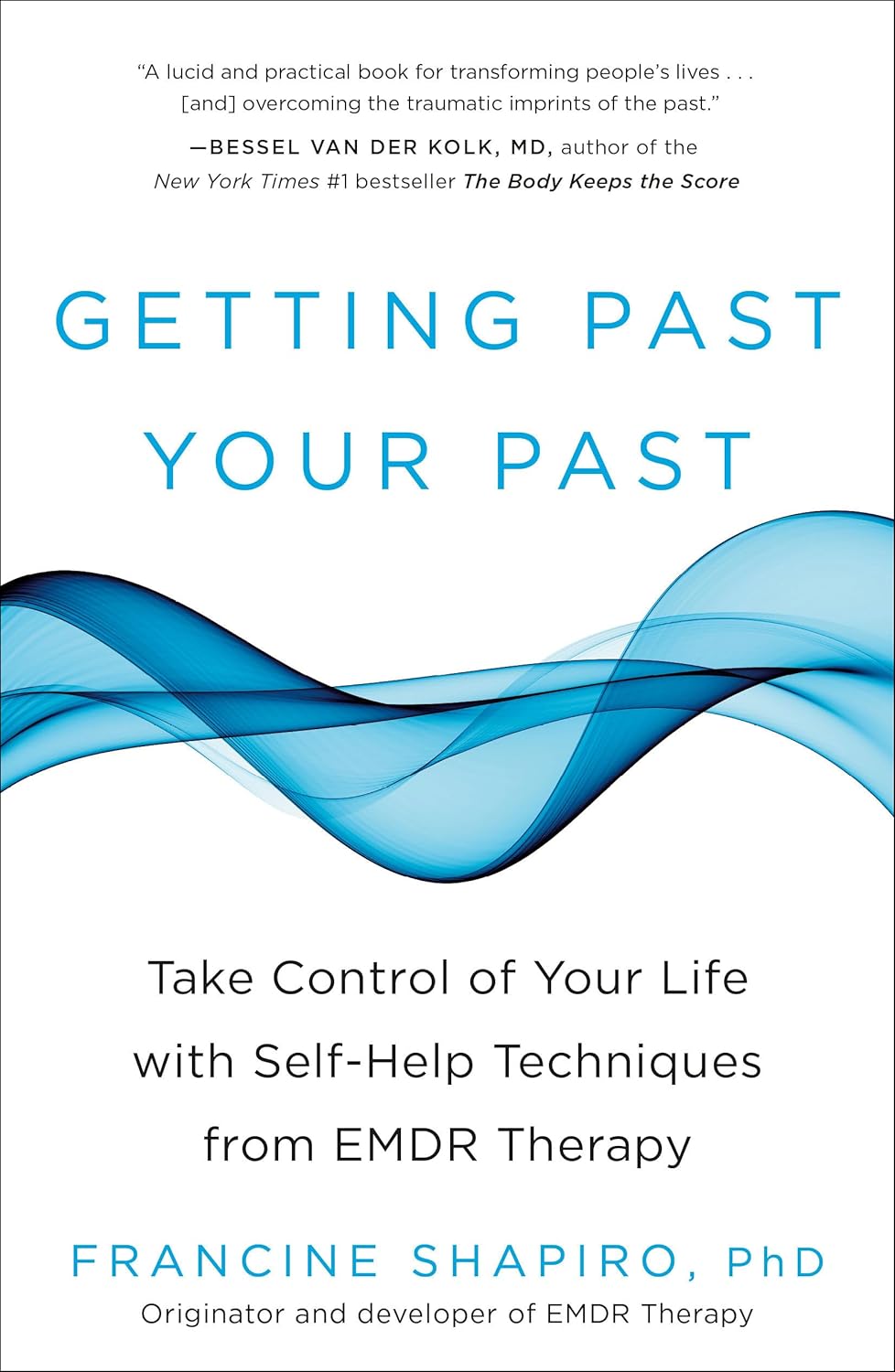
Getting Past Your Past
Francine Shapiro, PhD
Self-help techniques based on EMDR therapy to take control of your life and overcome trauma.
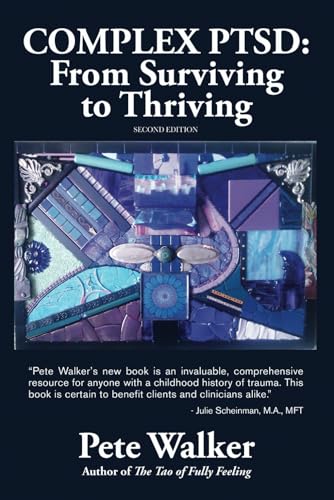
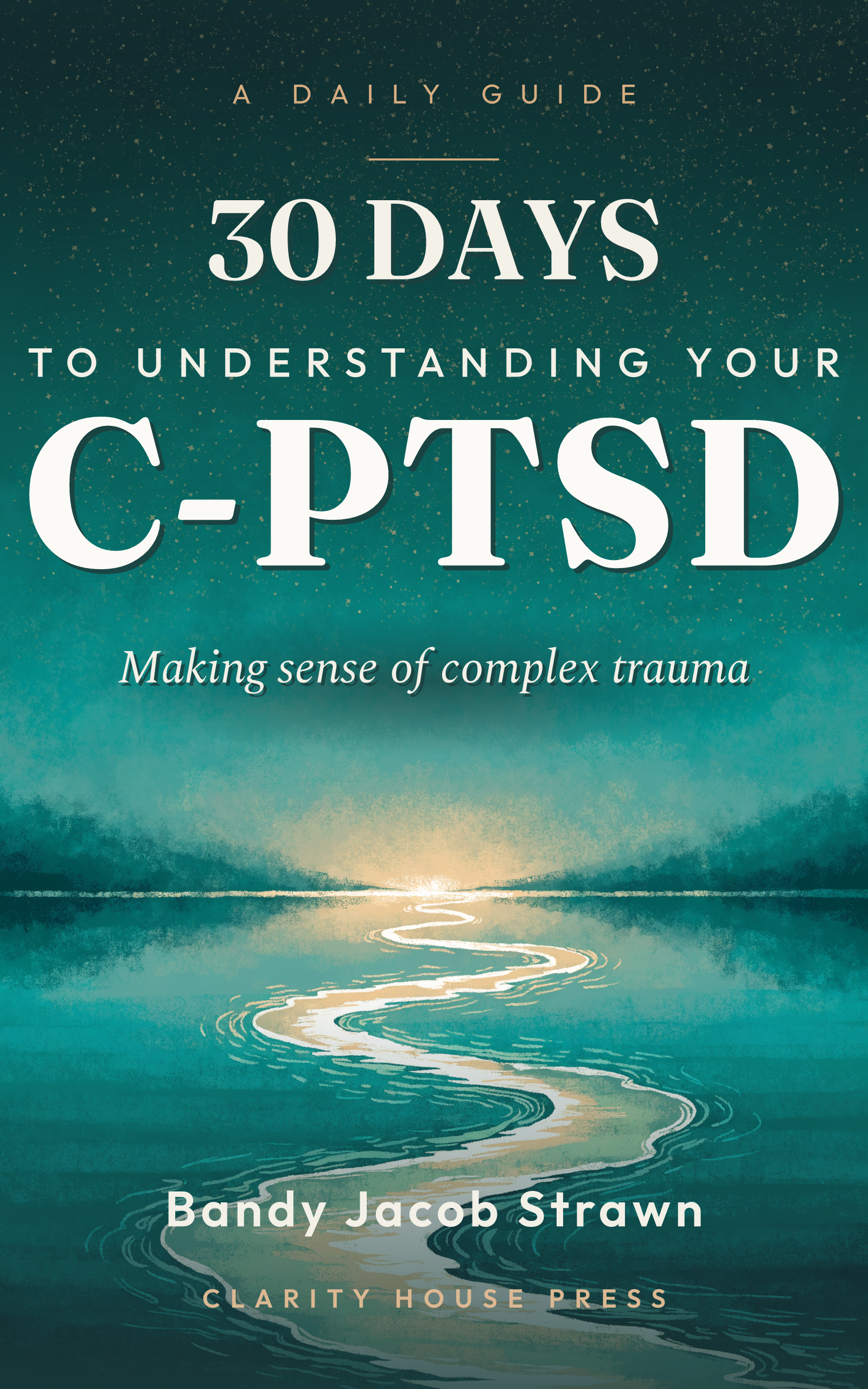
Complex PTSD: From Surviving to Thriving
Pete Walker
A clear, compassionate guide to recognizing and working with the lasting effects of prolonged childhood adversity.
As an Amazon Associate, Clarity House Press earns from qualifying purchases. Your price is never affected.
Found this helpful?
Share it with someone who might need it.
About the Author

Clarity House Press
Editorial Team
The editorial team at Clarity House Press curates and publishes evidence-based content on narcissistic abuse recovery, high-conflict divorce, and healing. Our content is informed by research, survivor experiences, and established trauma-informed approaches.
View all posts by Clarity House Press →Published by Clarity House Press Editorial Team