Please read our important disclaimers before using this content
When you leave a relationship with a narcissistic abuser, the symptoms that follow often surprise survivors. You might experience flashbacks, intense anxiety, difficulty trusting others, and a pervasive sense of being broken. These aren't character flaws or signs of weakness—they're symptoms of Complex Post-Traumatic Stress Disorder (C-PTSD). Research demonstrates that psychological violence has the strongest association with PTSD compared to other mental health outcomes, affecting both female and male victims of intimate partner violence (Dokkedahl et al., 2022).
Understanding the difference between PTSD and C-PTSD is crucial for survivors of narcissistic abuse. While both conditions involve trauma responses, C-PTSD develops specifically from prolonged, repeated trauma—exactly the kind of trauma that characterizes narcissistic relationships. Our comprehensive guide on complex PTSD: C-PTSD vs. PTSD explained goes deeper into the clinical distinctions.
What is PTSD?
Post-Traumatic Stress Disorder (PTSD) typically develops after a single traumatic event or a short series of traumatic events. Classic examples include:
- Car accidents
- Natural disasters
- Combat experiences
- Single incidents of assault
- Medical trauma
The defining feature of PTSD is that the traumatic event has a clear beginning and end. The trauma happened, and then it was over. The person survived, but their nervous system remains on high alert, as if the danger is still present.
Core PTSD symptoms include:
- Intrusive memories: Flashbacks, nightmares, and unwanted thoughts about the trauma
- Avoidance: Steering clear of people, places, or activities that remind you of the trauma
- Negative changes in thinking and mood: Persistent negative beliefs about yourself or the world
- Changes in arousal and reactivity: Hypervigilance, exaggerated startle response, difficulty sleeping, irritability
PTSD is a legitimate, serious condition that affects the brain's stress response system. But for survivors of narcissistic abuse, PTSD alone doesn't capture the full picture.
What is Complex PTSD?
Complex PTSD (C-PTSD) develops from prolonged, repeated trauma, especially when:
According to the World Health Organization ICD-11 diagnostic criteria for Complex PTSD:
- The trauma occurs over months or years
- Escape feels impossible or extremely difficult
- The trauma involves interpersonal harm, especially from someone who should be trustworthy
- The trauma occurs during developmental years or in intimate relationships
Narcissistic abuse creates the perfect storm for C-PTSD development. The abuse isn't a single event—it's a pattern of manipulation, gaslighting, emotional abuse, and control that unfolds over time. You couldn't simply "escape" because the abuser was your partner, parent, or co-parent of your children. A systematic review and meta-analysis found that coercive control—the pattern of domination characteristic of narcissistic abuse—shows a significant moderate positive association with PTSD (r = .32), demonstrating that this form of psychological abuse is genuinely traumatic (Stark et al., 2023).
C-PTSD includes all PTSD symptoms, plus:
1. Disturbances in Self-Organization
Your sense of who you are has been fundamentally disrupted. After years of being told your perceptions are wrong, your feelings are invalid, and your needs don't matter, you may struggle to know yourself at all.
This manifests as:
- Difficulty identifying your own emotions
- Chronic feelings of emptiness
- A pervasive sense of being damaged or defective
- Shame that feels like a core part of your identity
- Difficulty understanding what you want or need
2. Emotional Regulation Difficulties
The constant stress of narcissistic abuse dysregulates your nervous system. You've spent years in survival mode, and your emotional responses reflect that.
This looks like:
- Intense emotional reactions that feel disproportionate to the trigger
- Difficulty calming down once upset
- Numbness or emotional flatness alternating with emotional overwhelm
- Self-destructive coping mechanisms (substance use, self-harm, risky behavior)
- Difficulty experiencing positive emotions
You don't just have intense emotions. You have trouble regulating them at all.
- Emotions flood you unpredictably
- You swing from numbness to overwhelming feeling
- You can't calm yourself down once activated
- Emotional reactions are disproportionate to triggers
- You dissociate when emotions get too intense
This isn't just "I feel sad sometimes." This is "I feel nothing for weeks, then have a panic attack in the grocery store because someone used a certain tone of voice, and I can't get my nervous system to calm down for hours."
3. Relational Disturbances
When the person who claimed to love you was the source of trauma, relationships become terrifying. C-PTSD fundamentally affects how you connect with others.
This includes:
- Deep distrust of others' motives
- Difficulty forming or maintaining close relationships
- Tendency to recreate trauma dynamics in new relationships
- Extreme fear of abandonment
- Persistent belief that you're unlovable
- Social isolation or complete avoidance of intimacy
Not just "relationships are hard." More like "I don't know how to be in a relationship without either completely losing myself or pushing everyone away."
- Difficulty trusting others
- Pattern of either avoiding relationships or becoming completely enmeshed
- Expecting rejection or betrayal
- Difficulty maintaining appropriate boundaries
- Feeling threatened by intimacy and vulnerability
- Tendency to recreate trauma dynamics in new relationships
The Origin Story: Different Traumas, Different Impacts
PTSD (Post-Traumatic Stress Disorder) typically develops after a discrete traumatic event or series of events with a clear beginning and end. You can point to it: "That thing that happened on this date."
C-PTSD (Complex Post-Traumatic Stress Disorder) develops after prolonged, repeated trauma, especially when:
- You couldn't escape (childhood abuse, captivity, trafficking)
- The trauma was interpersonal (abuse by a caregiver, partner, or authority figure)
- It happened during developmental years (childhood, adolescence)
- It involved betrayal by someone you trusted or depended on
- You had no control or power in the situation
There's no single event. There are hundreds or thousands of micro-traumas woven into the fabric of your life. You can't point to "the trauma" because the trauma was your daily reality.
Examples of C-PTSD-inducing situations:
- Childhood emotional abuse or neglect
- Narcissistic parenting
- Domestic violence relationship you couldn't leave
- Coercive control over months or years
- Cult involvement
- Long-term captivity or imprisonment
- Ongoing medical trauma during childhood
The common thread: prolonged exposure to trauma you couldn't escape, perpetrated by someone with power over you.
The Key Differences: PTSD vs. C-PTSD
PTSD (Post-Traumatic Stress Disorder) develops from single or short-series traumatic events. C-PTSD (Complex PTSD) develops from prolonged, repeated trauma—especially in relationships where escape is difficult or impossible.
Key differences:
- Trauma duration: PTSD follows days-to-months events; C-PTSD follows months-to-years of abuse
- Trauma source: PTSD often comes from impersonal events; C-PTSD typically involves interpersonal betrayal
- Self-perception: PTSD may leave your sense of self relatively intact; C-PTSD fundamentally disrupts your identity
- Emotional regulation: PTSD triggers are specific; C-PTSD involves pervasive difficulty across situations
- Relationships: PTSD may affect trust in specific contexts; C-PTSD creates deep disturbances across all relationships
- Shame: PTSD shame relates to the trauma response; C-PTSD shame feels core to who you are
This isn't just "I made a mistake." You think "I am a mistake."
Why Narcissistic Abuse Creates C-PTSD
Narcissistic abuse meets all the criteria for C-PTSD development:
Prolonged Duration
Unlike a car accident that happens in seconds, narcissistic abuse unfolds over months or years. The love bombing, devaluation, and discard cycles repeat. Each time you think things will improve, the pattern starts again.
Inescapability
Especially when you're married, co-parenting, or financially dependent on the narcissist, leaving feels impossible. The trauma bonding neurochemistry explains why escape feels impossible even when you want to leave. Even after you physically leave, custody battles and co-parenting keep you tethered to your abuser.
Interpersonal Trauma
The trauma comes from someone who claimed to love you. This person was supposed to be your safe haven, your partner, your children's other parent. The betrayal is profound. A meta-analysis of 22 studies (N = 11,520) found that vulnerable narcissism has a significantly stronger relationship with IPV perpetration than grandiose narcissism, with psychological and cyber abuse showing the strongest connections to narcissistic traits (Gormley et al., 2024).
Identity Disruption
Gaslighting specifically targets your sense of reality and self-trust. After being told repeatedly that your perceptions are wrong and your feelings are invalid, you lose touch with who you are.
Developmental Impact
If the narcissistic abuse occurred during childhood or young adulthood, it interrupted normal development of identity, emotional regulation, and relationship patterns.
What C-PTSD Feels Like
Clinical descriptions don't capture the lived experience of C-PTSD. Here's what survivors commonly report:
"I don't know who I am anymore." After years of adapting to the narcissist's demands, suppressing your needs, and questioning your own perceptions, your sense of self feels eroded. You might look in the mirror and not recognize yourself.
"My emotions are either overwhelming or completely absent." You might go from zero to rage in seconds, or find yourself unable to feel anything at all. The middle ground of manageable emotions feels inaccessible.
"I can't trust anyone, including myself." Your judgment was manipulated for so long that you no longer trust your ability to assess people or situations. Even your own thoughts and feelings seem suspect.
"I feel fundamentally broken." Unlike situational depression or anxiety, C-PTSD creates a sense that something is deeply, permanently wrong with you. The shame isn't about something you did—it feels like who you are.
"I can't maintain relationships." You might push people away before they can hurt you, or cling desperately to anyone who shows kindness. Healthy connection feels impossible.
Additional C-PTSD Experiences
Dissociation
While dissociation can occur in PTSD, it's more severe and pervasive in C-PTSD. Our guide on understanding dissociation in complex PTSD explains the full spectrum of dissociative experiences:
- Feeling disconnected from your body
- Feeling like you're watching yourself from outside
- Losing time or not remembering periods of your life
- Feeling unreal or like the world is unreal
- Going "away" mentally during stress or conflict
This was adaptive during prolonged abuse. When you can't physically escape, your mind escapes instead. But it becomes a default response that's hard to turn off.
Somatic Symptoms
Trauma stored in your body manifests as:
- Chronic pain without medical explanation
- Digestive issues
- Headaches/migraines
- Fatigue that doesn't improve with rest
- Muscle tension that won't release
- Immune system dysfunction
Your body is stuck in defensive mode, burning energy preparing for threats that are no longer present.
Emotional Flashbacks
Re-experiencing the emotions of trauma without specific memory (coined by Pete Walker). Unlike visual flashbacks, these are sudden waves of overwhelming emotion from past trauma without clear memory triggers.
You might suddenly feel:
- Intense fear without knowing why
- Crushing shame that seems disproportionate
- Helplessness that doesn't match your current situation
C-PTSD in the Nervous System
C-PTSD isn't just psychological—it's neurobiological. Research published in the Dialogues in Clinical Neuroscience demonstrates that prolonged trauma changes your brain and nervous system:
Amygdala Hyperactivity: Your threat-detection system is overactive, seeing danger everywhere.
Hippocampus Impairment: The part of your brain that contextualizes memories doesn't function properly, so trauma memories feel like they're happening now.
Prefrontal Cortex Disruption: Your capacity for executive function, emotional regulation, and rational thinking is compromised.
HPA Axis Dysregulation: Your stress response system is stuck "on," flooding your body with cortisol and adrenaline.
This isn't your fault. Your nervous system adapted to survive an impossible situation. It kept you alive in a dangerous environment. Now that you're safe (or safer), it needs help recalibrating.
Getting Diagnosed with C-PTSD
Here's the challenge: C-PTSD isn't yet included in the DSM-5 (the diagnostic manual used in the United States). It's recognized in the ICD-11 (the international classification system) as a distinct diagnosis, but many American mental health providers aren't familiar with it. Research has validated the distinction between PTSD and C-PTSD across diverse trauma-exposed populations, including adults with histories of domestic violence, confirming that C-PTSD identifies individuals who have experienced multiple and sustained traumas with greater functional impairment than those with PTSD alone (Cloitre et al., 2025).
You might receive diagnoses of:
- PTSD
- Borderline Personality Disorder (BPD)
- Major Depressive Disorder
- Generalized Anxiety Disorder
- Panic Disorder
These diagnoses capture pieces of C-PTSD but miss the full picture. Importantly, BPD in particular is often misdiagnosed in trauma survivors. The symptoms overlap significantly, but the treatment approaches differ.
When seeking help, advocate for yourself:
"I'm experiencing symptoms from prolonged trauma in an abusive relationship. I'd like to explore whether Complex PTSD fits my experience better than other diagnoses."
A trauma-informed therapist should understand C-PTSD even if they can't officially diagnose it. The label matters less than whether treatment addresses the root cause: complex trauma.
Why the Distinction Matters for Treatment
Standard PTSD treatment focuses on processing the traumatic memory so it's stored as "past" rather than "present threat."
This often isn't enough for C-PTSD because:
The trauma isn't one memory to process. It's thousands of experiences that shaped your entire sense of self, your understanding of relationships, and your nervous system's baseline state.
What C-PTSD Treatment Needs to Include
Phase 1: Safety and Stabilization
Before processing trauma, you need:
- Safety in your current environment (no ongoing abuse)
- Emotional regulation skills
- Grounding techniques
- Support system
- Resources to manage daily life
You can't process trauma while still being traumatized or while your nervous system is completely dysregulated.
Phase 2: Processing and Mourning
Now you can do trauma processing work (EMDR, somatic experiencing, etc.), but with C-PTSD, you're also grieving:
- The childhood you deserved but didn't have
- The person you might have been without trauma
- The years lost to abuse
- The relationships that were damaged or destroyed
Phase 3: Reconnection and Integration
Building a new sense of self that's not defined by trauma:
- Developing identity beyond "survivor"
- Building healthy relationships
- Finding meaning and purpose
- Integrating the trauma as part of your story, not your entire story
Standard PTSD treatment often jumps straight to Phase 2 (processing). With C-PTSD, if you skip Phase 1, you'll retraumatize yourself. If you skip Phase 3, you'll process the trauma but still feel fundamentally broken.
Treatment Approaches for C-PTSD
C-PTSD responds to trauma-focused treatment approaches:
Phase-Based Treatment
Effective C-PTSD treatment typically follows three phases:
Phase 1: Stabilization
- Safety planning
- Nervous system regulation skills
- Building coping mechanisms
- Establishing support systems
Phase 2: Processing
- Working through traumatic memories
- EMDR, somatic experiencing, or other trauma processing
- Challenging distorted beliefs about self
Phase 3: Integration
- Rebuilding identity
- Developing healthy relationships
- Creating meaning from the experience
Evidence-Based Therapies
EMDR (Eye Movement Desensitization and Reprocessing): Processes traumatic memories through bilateral stimulation while recalling trauma. It's particularly effective for:
- Reducing flashback intensity
- Processing specific traumatic events
- Lowering physiological activation when remembering trauma
Internal Family Systems (IFS): Addresses fragmented sense of self. Views your psyche as composed of different "parts" with protective roles. It helps you understand these protective strategies and gradually allow your Self to care for wounded parts.
Somatic Experiencing: Releases trauma stored in the body. Focuses on releasing trauma stored in the nervous system through:
- Tracking body sensations during therapy
- Completing defensive responses that were thwarted during trauma
- Gradually increasing your capacity to tolerate activation
- Discharging held traumatic energy
SE recognizes that trauma lives in the body, not just the mind.
Dialectical Behavior Therapy (DBT): Builds emotional regulation skills through four skill modules:
- Mindfulness: Staying present without judgment
- Distress tolerance: Surviving crises without making things worse
- Emotion regulation: Understanding and managing intense emotions
- Interpersonal effectiveness: Asking for what you need, saying no, maintaining relationships
DBT is particularly valuable for the emotional dysregulation component of C-PTSD.
Sensorimotor Psychotherapy: Combines talk therapy with body awareness:
- Noticing how trauma shows up physically
- Working with posture, movement, and gesture
- Processing trauma through the body, not just cognition
- Developing new physical responses to triggers
Traditional talk therapy alone often isn't enough for C-PTSD. The trauma is stored in your body and nervous system, not just your conscious mind. Research supports cognitive behavioral approaches for IPV survivors, with meta-analyses showing strong reductions in PTSD severity (g = 1.52) when using trauma-focused cognitive behavioral therapy (Hameed et al., 2024).
Common Misdiagnoses
Because C-PTSD isn't in the DSM-5, many therapists don't recognize it. You might be diagnosed with:
Borderline Personality Disorder (BPD): Shares emotional dysregulation, relationship difficulties, fear of abandonment, unstable sense of self. BUT C-PTSD is a trauma response, not a personality disorder. The treatment implications are different.
Bipolar Disorder: The emotional swings in C-PTSD can look like mood episodes. But they're triggered by trauma reminders, not cyclical brain chemistry changes.
Major Depressive Disorder: The numbness, hopelessness, and anhedonia overlap. But depression doesn't explain the hypervigilance, flashbacks, or relationship disturbances.
Generalized Anxiety Disorder: The constant worry and physical tension overlap. But GAD doesn't explain the dissociation, negative self-concept, or trauma-specific triggers.
These aren't wrong, exactly. You might have depression and anxiety and C-PTSD. But if the underlying issue is complex trauma and you're only treating the symptoms, you're not addressing the root.
Getting the Right Diagnosis
C-PTSD isn't officially in the DSM-5 (the American diagnostic manual), though it's being considered for DSM-6. It IS in the ICD-11 (international diagnostic manual).
This means some clinicians don't recognize it or can't bill insurance for it.
To get appropriate treatment:
Find a trauma-informed therapist who understands complex trauma even if they can't formally diagnose C-PTSD.
Ask specifically:
- "Do you work with complex trauma or developmental trauma?"
- "Are you familiar with C-PTSD as distinct from PTSD?"
- "What's your approach to treating trauma from prolonged abuse?"
Read the research: Judith Herman's Trauma and Recovery, Bessel van der Kolk's The Body Keeps the Score, Pete Walker's Complex PTSD: From Surviving to Thriving.
Advocate for yourself: If a therapist tries to treat your C-PTSD like simple PTSD, speak up. "I think I need more focus on emotional regulation and building a sense of self before we do trauma processing."
Living with C-PTSD: What You Need to Know
C-PTSD is a Disorder of Disconnection
Trauma disconnects you from:
- Yourself (your emotions, needs, identity)
- Others (trust, intimacy, connection)
- Your body (physical sensations, present moment)
Recovery is about reconnection—learning to safely return to yourself, others, and embodied experience.
Healing Isn't Linear
You'll have good days and terrible days. Progress looks like:
- Two steps forward, one step back
- Longer periods between crisis moments
- Faster recovery when triggered
- Growing capacity to self-soothe
It doesn't look like continuous improvement. That's normal for complex trauma recovery.
You're Not Broken
C-PTSD symptoms are adaptations that helped you survive. Your hypervigilance kept you safe when you couldn't trust your environment. Your emotional numbing protected you from overwhelming pain. Your difficulty trusting prevented further betrayal.
These adaptations made perfect sense in an abusive relationship. They're not character flaws—they're survival mechanisms that no longer serve you.
Recovery is Possible
C-PTSD can feel permanent, but it's not. With appropriate treatment and support, you can:
- Regulate your emotions more effectively
- Rebuild your sense of self
- Form healthy, trusting relationships
- Process traumatic memories so they lose their power
- Find meaning and purpose in your life
The journey is challenging, but you've already survived the hardest part. Recovery is returning to yourself.
Key Takeaways
-
C-PTSD develops from prolonged, repeated trauma, particularly in relationships where escape is difficult or impossible—exactly the conditions of narcissistic abuse.
-
C-PTSD includes all PTSD symptoms plus disturbances in self-organization, emotional regulation, and relationships. It's not just about flashbacks—it's about a disrupted sense of self.
-
Narcissistic abuse creates C-PTSD because it's prolonged, interpersonal, involves betrayal, targets your identity, and often feels inescapable.
-
C-PTSD is neurobiological, affecting your brain structure and nervous system functioning. It's not a character flaw or weakness.
-
Treatment requires trauma-focused approaches that address both mind and body. Traditional talk therapy alone typically isn't sufficient.
-
Recovery is possible but non-linear. Healing means reconnecting with yourself, others, and your body.
-
You're not doing PTSD wrong—you have a different condition that requires a different approach.
Your Next Steps
If you suspect you have C-PTSD:
-
Find a trauma-informed therapist who understands complex trauma and narcissistic abuse. Ask specifically about their experience with C-PTSD or prolonged relational trauma.
-
Begin nervous system regulation practices now. You don't need a diagnosis to start: deep breathing, grounding techniques, gentle movement, and mindfulness help regulate your system.
-
Educate yourself about C-PTSD and trauma recovery. Understanding what's happening in your brain and body reduces shame and provides direction.
-
Build a support system of people who understand narcissistic abuse and complex trauma. Isolation maintains C-PTSD symptoms.
-
Practice self-compassion. Your symptoms are adaptations, not failures. You survived something devastating. Give yourself credit for that.
-
Document your symptoms for healthcare providers. Keep a journal of flashbacks, emotional dysregulation, relationship difficulties, and self-perception issues. This helps professionals understand the full picture.
-
Get assessed by a trauma specialist. Not a general therapist. Someone who understands complex trauma.
-
Prioritize Phase 1 work. Safety and stabilization. Regulation skills. Grounding. You can't rush this. It's not the "real work"—it IS the real work.
-
Find modalities that work for C-PTSD:
- Internal Family Systems (IFS)
- Somatic Experiencing (SE)
- EMDR (once stabilized)
- DBT (for emotional regulation)
- Sensorimotor Psychotherapy
-
Connect with others who have C-PTSD. You're not alone. This is a recognized condition with a growing community of survivors and researchers.
-
Be patient with yourself. PTSD from a discrete event might resolve in months. C-PTSD from years of abuse might take years to heal. That's not failure. That's proportional to what you survived.
You didn't choose to develop C-PTSD. Narcissistic abuse created these symptoms. But you can choose recovery—and you deserve the support and treatment that makes healing possible.
You don't just have "bad PTSD." You have a different condition that requires a different approach.
Understanding that difference might be what finally helps you heal.
NOTE ON HOTLINE NUMBERS: Phone numbers for crisis hotlines, legal aid, and support services are provided as a resource. These numbers are current as of publication but may change. Please verify hotline numbers are still active before relying on them. For the National Domestic Violence Hotline, visit thehotline.org for current contact information.
Resources
C-PTSD Treatment and Trauma Therapy:
- EMDR International Association - Find EMDR therapists for trauma processing
- Internal Family Systems Institute - IFS therapy directory for parts work
- Psychology Today - Therapists - Find trauma-specialized therapists
- Somatic Experiencing International - Body-based trauma therapy directory
C-PTSD Recovery Books and Resources:
- Complex PTSD: From Surviving to Thriving by Pete Walker - C-PTSD recovery guide
- The Body Keeps the Score by Bessel van der Kolk - Trauma's impact on brain and body
- Trauma and Recovery by Judith Herman - Foundational trauma recovery text
- Pete Walker's C-PTSD Website - Free articles on C-PTSD recovery
Online Communities and Crisis Support:
- r/CPTSD Subreddit - C-PTSD survivor community
- Out of the Storm Forum - C-PTSD support forum
- 988 Suicide & Crisis Lifeline - Call or text 988 for crisis support (24/7)
- Crisis Text Line - Text HOME to 741741 for crisis counseling
References
Cloitre, M., Hyland, P., Bisson, J. I., Brewin, C. R., Roberts, N. P., Karatzias, T., & Shevlin, M. (2025). The promise of ICD-11-defined PTSD and complex PTSD to improve care for trauma-exposed populations. World Psychiatry, 24(1), 40-59. https://pmc.ncbi.nlm.nih.gov/articles/PMC11733461/
Dokkedahl, S., Kok, R. N., Murphy, S., Kristensen, T. R., Bech-Hansen, D., & Elklit, A. (2022). The psychological subtype of intimate partner violence and its effect on mental health: A systematic review with meta-analyses. Systematic Reviews, 11(1), 163. https://systematicreviewsjournal.biomedcentral.com/articles/10.1186/s13643-022-02025-z
Gormley, B., Schmidt, A. T., Spann, K., & McNamara, K. (2024). Narcissism and intimate partner violence: A systematic review and meta-analysis. International Journal of Environmental Research and Public Health, 21(6), 695. https://pmc.ncbi.nlm.nih.gov/articles/PMC11155208/
Hameed, M., O'Doherty, L., Gilchrist, G., Tirado-Munoz, J., Taft, A., Chondros, P., Feder, G., Tan, M., & Hegarty, K. (2024). Psychological interventions for post-traumatic stress disorder in women survivors of intimate partner violence: A systematic review and meta-analysis. EClinicalMedicine, 76, 102834. https://www.sciencedirect.com/science/article/pii/S266691532400088X
Stark, E., Hester, M., Siddiqui, N., & Walby, S. (2023). The trauma and mental health impacts of coercive control: A systematic review and meta-analysis. Trauma, Violence, & Abuse, 24(5), 3470-3485. https://pmc.ncbi.nlm.nih.gov/articles/PMC10666508/
Recommended Reading
From Clarity House Press — plus trusted books for deeper understanding
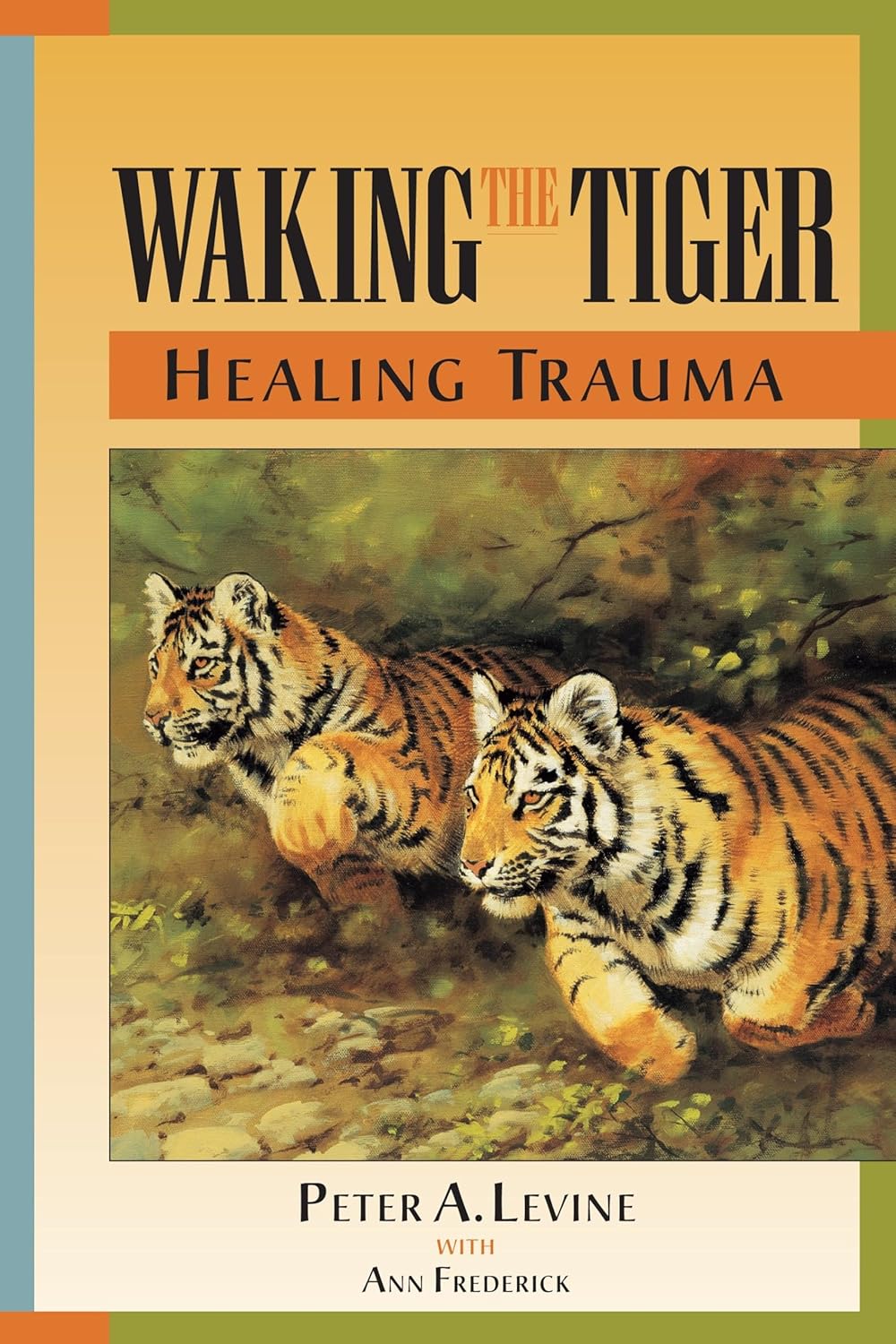
Waking the Tiger: Healing Trauma
Peter A. Levine & Ann Frederick
An introduction to Somatic Experiencing and the body's innate capacity to release trauma and restore balance.
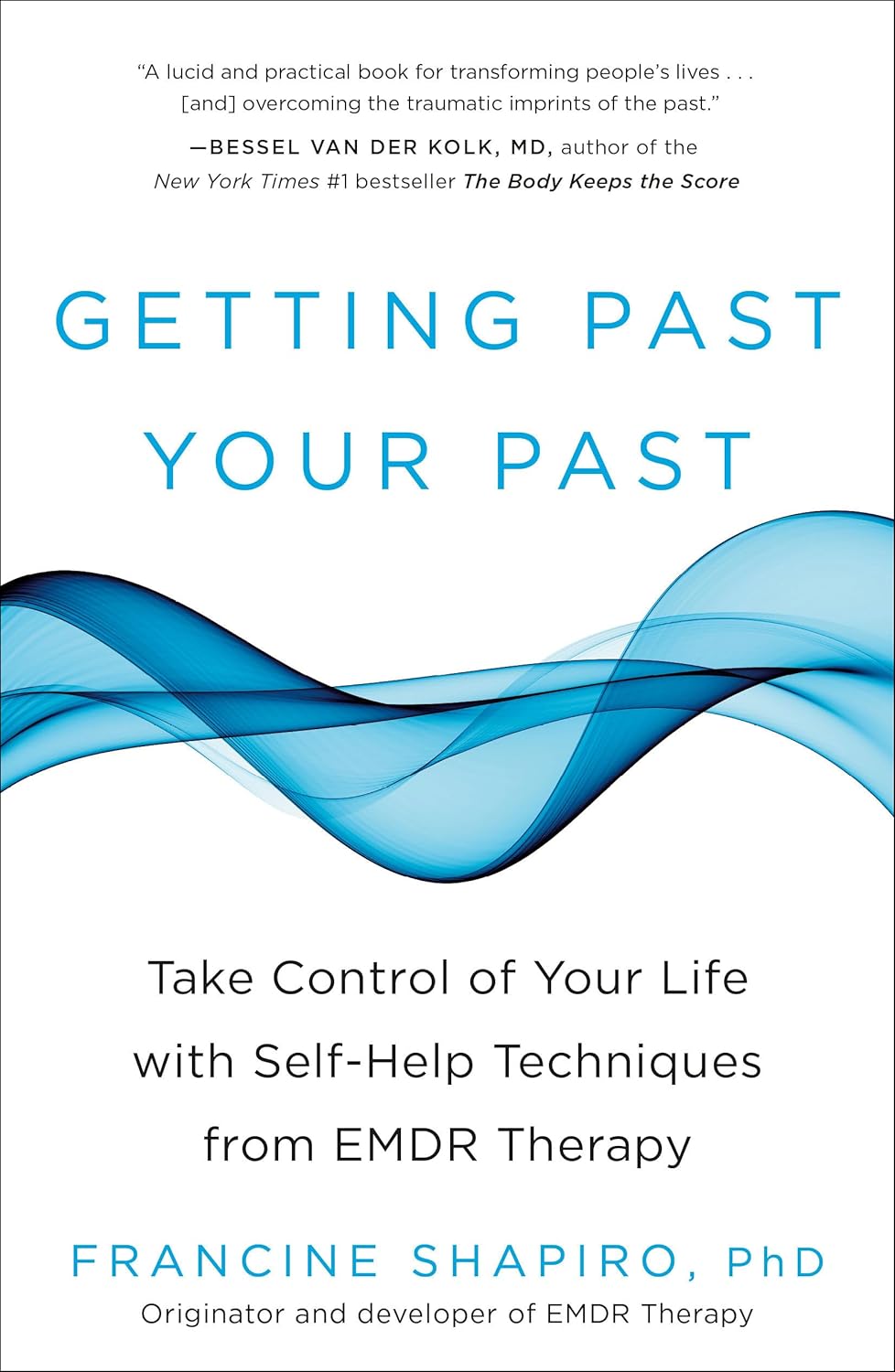
Getting Past Your Past
Francine Shapiro, PhD
Self-help techniques based on EMDR therapy to take control of your life and overcome trauma.
As an Amazon Associate, Clarity House Press earns from qualifying purchases. Your price is never affected.
Found this helpful?
Share it with someone who might need it.
About the Author

Clarity House Press
Editorial Team
The editorial team at Clarity House Press curates and publishes evidence-based content on narcissistic abuse recovery, high-conflict divorce, and healing. Our content is informed by research, survivor experiences, and established trauma-informed approaches.
View all posts by Clarity House Press →Published by Clarity House Press Editorial Team