Please read our important disclaimers before using this content
I made six figures as a software engineer. My wife hadn't worked in eight years. And somehow, I couldn't afford to leave her.
If that doesn't make sense, you don't understand economic abuse—especially when the victim is male.
Society expects men to be financial providers. We're socialized to equate our worth with our earning capacity. So when a woman controls a man's money, manipulates his finances, or uses economic pressure as a weapon, nobody recognizes it as abuse. This invisibility is part of a larger pattern explored in emotional abuse when the wife is the narcissist—the tactics are identical, but the social response is entirely different.
They see a man with money and a woman who "manages the household finances." They don't see the control, the manipulation, or the trap. Research shows that economic abuse is pervasive in intimate partner violence, with studies finding that 94-99% of IPV survivors report experiencing some form of economic abuse.1
Let me show you what economic abuse looks like when the victim is male.
The Invisible Abuse: When Earning More Doesn't Mean Financial Control
Here's what most people don't understand: Economic abuse is about control patterns, not income levels.
Economic abuse is a pattern of controlling, restricting, or exploiting another person's financial resources to maintain power in a relationship. It can include restricting access to money, sabotaging employment, creating secret debt, or using financial threats as punishment.2
I earned $140,000 a year. My wife earned zero. On paper, I had all the financial power.
In reality, I had none.
How she controlled the money I earned:
All accounts in her name or joint accounts she managed: When we first got married, she suggested we consolidate our finances "to simplify things." I agreed—it seemed practical. What I didn't realize was this meant:
- My paychecks went into accounts she controlled
- She set up all the bills in her name
- She monitored every transaction
- I had no account she couldn't see
"Household budget" that gave me an allowance: She created detailed budgets that allocated every dollar. Sounds responsible, right? Except:
- My "personal spending" allowance: $200/month
- Her "household management" discretionary fund: $2,000/month
- Any expense I wanted beyond my allowance required her approval
- She had final say on all purchases, despite me earning 100% of the income
Financial "transparency" that was one-sided: She demanded complete access to all my accounts and transactions. I thought this was normal couple behavior. I didn't realize:
- She never gave me equal access to accounts in her name
- She had credit cards I didn't know about
- She had savings I had no visibility into
- She monitored my spending constantly while hiding hers
Scrutiny and criticism of every purchase: Any time I spent money on myself:
- "Why do you need new work clothes? You just bought a shirt six months ago."
- "That's a selfish purchase when we have family expenses."
- "I manage to get by on much less—why can't you?"
- "You're so irresponsible with money. Thank God I'm here to keep us on track."
What Economic Abuse Looks Like for Male Victims
The patterns are the same as when men financially abuse women. But the social context makes it invisible.
Pattern #1: Control Through "Helping"
What she said: "You're so busy with work—let me handle the finances. I'm good at this, and it'll free up your time."
What it actually was: Gradual financial isolation. Within two years:
- I didn't know what bills we had
- I didn't know our account balances
- I didn't know what we could afford
- I had to ask her for money I'd earned
The manipulation: It was framed as her being helpful and competent. If I questioned it, I was "ungrateful" or "controlling" or "didn't trust her."
Pattern #2: Sabotaging Financial Independence
Every time I tried to create separate financial resources, she blocked it:
What I tried: Opening a separate checking account for emergency savings What she said: "Why do you need secret accounts? Are you planning to leave me? That's financial infidelity."
What I tried: Keeping cash from a work bonus What she said: "That's marital property. You're stealing from the family."
What I tried: Suggesting we maintain separate accounts for personal spending What she said: "That's not how marriages work. Don't you trust me?"
The trap: Any attempt to maintain financial autonomy was reframed as betrayal, distrust, or evidence I was a bad husband.
Pattern #3: Using Money to Punish or Reward
Money became a tool for behavioral control:
If I pleased her: Access to "extra" spending money, approval for purchases, "bonuses" from our budget If I displeased her: Financial punishment, denial of basic expenses, shaming about money
Example: I wanted to visit my parents out of state for a weekend. She said we "couldn't afford it" and I was being "selfish to prioritize my family over ours."
Two weeks later, she bought a $3,000 sectional sofa without consulting me because she "deserved nice things after putting up with so much stress."
The double standard: My needs = frivolous, selfish, unaffordable Her wants = necessary, deserved, reasonable
Pattern #4: Creating Debt in My Name
This is where economic abuse becomes financial destruction:
What I discovered during divorce:
- $24,000 in credit card debt on cards I didn't know existed
- A personal loan for $15,000 I never agreed to
- Multiple retail store cards maxed out
- All in my name, or in joint accounts where I was legally liable
How this happened:
- She had access to all my financial information (SSN, income, etc.)
- She opened accounts without my knowledge
- I later discovered accounts and loans I had no memory of authorizing, though I couldn't prove how they were opened
- She took advantage of the fact that I'd given her control
The aftermath: Even in divorce, I'm responsible for half that debt—debt I didn't know existed and didn't benefit from.
Pattern #5: Threatening Financial Ruin If I Left
The most insidious part: she explicitly told me the cost of leaving.
Her threats:
- "I'll take half of everything, plus child support and alimony. You'll be broke."
- "I'll make sure you pay for my attorney too."
- "I've been a stay-at-home mom—I'm entitled to your income indefinitely."
- "Good luck affording to leave when I control all the accounts."
Why this worked: She was right. Divorce would be financially devastating:
- I'd pay spousal support (she hadn't worked in years)
- I'd pay child support
- I'd lose half our assets (which I'd funded 100%)
- I'd pay attorney fees for both of us
- I'd be left with a fraction of the income I earned
The trap: The longer I stayed, the more expensive it became to leave. But staying meant continued financial abuse. Either way, I lost.
This financial trap is well-documented: a national survey found that three-fourths of IPV victims cited financial insecurity as their primary reason for remaining with an abuser.3 Understanding economic abuse tactics and how financial control works gives you a clearer framework for identifying what you're experiencing.
The Gender Dimension: Why Male Victims Don't Get Help
When women experience economic abuse from male partners, society has frameworks to recognize it—shelters, hotlines, cultural narratives about controlling men. The patterns are taught, discussed, and named.
When men experience economic abuse from female partners, those frameworks don't exist. Society has no script for this. According to CDC data, approximately 26% of men experience contact sexual violence, physical violence, or stalking by an intimate partner during their lifetime—yet male-focused resources remain scarce.4
What happened when I finally tried to talk about what was happening:
Friend: "Dude, you make six figures. How is she controlling your money? Just take it back."
Family member: "She's managing the household. That's what wives do. You're lucky you don't have to deal with bills."
First therapist: "It sounds like she's more financially responsible than you. Have you considered that you might have different spending priorities?"
Attorney (during consultation): "Economic abuse claims are hard to prove for male plaintiffs. The court will see that you earn significantly more and assume you have financial power."
Research confirms these dismissive responses are common. A systematic review found that male victims experience "stigmatized gender" as a primary barrier to help-seeking, facing "discreditation" and "exclusion/isolation" when they attempt to disclose abuse.5
The impossible contradiction:
People struggle to reconcile these contradictory realities:
- He earns all the income
- She has all the financial control
So they default to: He must have the power. He's just bad with money.
The shame:
Men are supposed to be financial providers and decision-makers. Admitting your wife controls your finances—that you have an allowance from money you earned—feels like admitting you've failed as a man.
I was deeply ashamed. That shame kept me silent for years. A landmark study on male IPV victims found that men who seek help have "the least positive experiences with members of the DV service system" and that male victimization "seems incongruent with masculine gender norms," creating powerful shame barriers.6
The Patterns No One Warns Male Victims About
Based on my experience and conversations with other male survivors, here are patterns specific to economic abuse against men:
She Uses Your Income to Claim You're Privileged
The argument: "You make so much money—how can you claim to be a victim of anything? You're privileged."
The reality: Income doesn't equal power when someone else controls access to that income. A high earner with no access to his own money has less financial autonomy than a low earner with full control of his accounts.
She Uses Stay-at-Home Status to Claim Entitlement
The argument: "I sacrificed my career to raise our children. I'm entitled to your income."
The reality: Marital contribution doesn't justify financial control or economic abuse. Managing household finances fairly is different from controlling, restricting, and punishing.
She Uses "Household Management" as Cover
The argument: "Someone has to manage the money responsibly. You should be grateful I'm good at this."
The reality: Financial management isn't the same as financial control. Healthy financial partnership includes transparency, mutual decision-making, and individual autonomy.
She Uses Your Gender Against You
The argument: "What kind of man lets his wife handle the money? You should be more involved."
The twist: When I tried to be more involved, I was "controlling," "didn't trust her," or was "trying to hide money."
Heads she wins, tails I lose.
The Financial Trap: Why It's So Hard to Leave
Understanding you're being abused and actually escaping are two different things.
By the time I recognized the patterns, I was already trapped. Here's how the trap worked:
I had no money accessible: All accounts were joint or in her name. I couldn't access funds without her knowledge.
I had no financial documentation: She controlled all passwords, statements, records. I didn't know what accounts existed or how much was in them.
I had debt I didn't know about: I couldn't leave until I understood the full financial picture. And I couldn't understand the full financial picture without hiring an attorney. And I couldn't hire an attorney without access to money she controlled.
I had legal obligations: Even if I left, I'd owe support payments. And she'd positioned herself to maximize those payments (no recent work history, primary caregiver status, etc.).
I was financially illiterate about my own finances: After years of her "handling everything," I didn't even know:
- What bills we had
- When they were due
- What our tax situation was
- What accounts existed
- What we owned vs. owed
The trap was complete.
I earned six figures and couldn't afford to buy myself lunch without permission.
How I Finally Got Out (And What It Cost)
Knowing you need to leave and having the resources to leave are two different problems.
I knew I needed out. But escape required money I didn't have access to, information I'd been kept from, and professional help I couldn't pay for without her knowledge.
Here's how I broke free—and what it cost:
Step 1: Borrowed money from my brother
I couldn't save money without her noticing. So I borrowed $5,000 from my brother to:
- Hire a forensic accountant to figure out our true financial picture
- Pay a retainer for a divorce attorney
- Open a new bank account at a different institution
Step 2: Hired a forensic accountant
Cost: $3,500
Worth: Every penny.
The forensic accountant uncovered:
- $24,000 in hidden credit card debt
- A personal loan I never knew existed
- Three accounts in my wife's name only with $18,000 saved (from "household" money)
- Years of tax returns I'd signed without reading that raised questions requiring professional review
Step 3: Opened new accounts she couldn't access
After separation:
- New bank, new accounts, just my name
- Routing my paycheck to accounts she didn't know about
- Freezing my credit to prevent new accounts being opened in my name
- Changing all passwords and security questions
Step 4: Prepared for the financial hit
My attorney was clear: I would lose money. A lot of money.
Final divorce settlement in my state (yours will vary):
- 50% of assets (which I'd funded 100% of)
- $3,200/month in spousal support for 4 years
- $2,100/month in child support
- Responsible for half of the debt she'd created
- Paid for her attorney: $8,000
- My attorney fees: $42,000
Total cost to escape economic abuse: ~$120,000+
CDC research estimates the lifetime economic burden of intimate partner violence at $103,767 per female victim and $23,414 per male victim—but these figures often undercount the full costs male victims face, particularly in high-conflict divorces involving economic abuse.7
I was fortunate to have a high income and family support. If you don't have access to those resources, that doesn't mean you can't escape—it means your path will look different. Legal aid organizations, pro bono family law attorneys, and domestic violence survivor services exist. Your escape may take longer and require more creativity, but it's possible.
Was it worth it for me?
Yes. Because the alternative was continued financial control for the rest of my life.
For Male Victims: You're Not Crazy, and You're Not Alone
If you're a man experiencing economic abuse, here's what you need to know:
Your abuse is real. It doesn't matter that you earn more. It doesn't matter that you could theoretically "just take back control." If someone else is controlling, restricting, monitoring, or weaponizing money to control your behavior, that's economic abuse—regardless of who earns the income.
You're not failing as a man. The expectation that men should be financial decision-makers—what researchers call "hegemonic masculinity" or the "provider role norm"—isn't just outdated. It's a trap. You're not weak for being financially abused. You're a victim of deliberate manipulation that exploits your socialization.8
The shame is a feature, not a bug. She knows it's shameful for you to admit this. That's precisely why it works. Your embarrassment keeps you silent, which keeps you trapped. Naming the shame breaks its power.
You need help navigating this. Financial abuse is complex. You likely need:
- A forensic accountant to untangle your finances
- An attorney who understands economic abuse
- A financial advisor to rebuild
- A therapist to process the trauma
Rebuilding financial independence after leaving is a structured process—financial recovery after economic abuse covers the practical steps survivors take to reclaim their lives.
It will be expensive to leave. I won't lie: divorce from an economic abuser costs money. Especially when you're the higher earner. But staying costs your autonomy, dignity, and future.
You can rebuild. I did. It took time. It took money. It took therapy. But I now have:
- Complete control over my own finances
- Transparency into all accounts
- No one monitoring my spending
- No one punishing me with money
- Financial independence
That's worth more than the settlement I paid.
Your Next Steps: Reclaiming Financial Control
If you're ready to address economic abuse:
1. Document the financial abuse
- Keep evidence of restricted access to money
- Screenshot her controlling messages about finances
- Track instances of financial punishment
- Document your income vs. your access to money
- Note any hidden accounts, debt, or financial secrets
2. Understand your complete financial picture
- Pull credit reports from all three bureaus (Equifax, Experian, and TransUnion—available free once per year at AnnualCreditReport.com)
- Request account statements for all known accounts
- Review tax returns for the past 3-5 years
- Identify all accounts, assets, debts
- Consider hiring a forensic accountant if finances are complex or you suspect hidden accounts
3. Create an exit fund (carefully)
- Can you open a separate account without her knowing?
- Can you borrow from family?
- Can you sell items for cash?
- Can you redirect part of a paycheck?
4. Secure new accounts
- Different bank than your current accounts
- Strong passwords she can't guess
- Paperless statements to an email she doesn't access
- Freeze your credit to prevent new accounts being opened
- Consider using identity theft protection services like Aura or Norton LifeLock to monitor your credit and financial accounts
5. Consult with professionals
- Divorce attorney who understands economic abuse and has experience with male victims
- Forensic accountant if finances are complex or hidden assets are suspected
- Certified Divorce Financial Analyst (CDFA) for rebuilding post-divorce
- Therapist who specializes in trauma recovery and understands male survivor dynamics
6. Prepare for the cost
- Divorce will be expensive
- You'll likely pay support and legal fees
- But continued abuse is more expensive long-term
A forensic accountant can be essential in high-asset divorces where assets have been concealed or financial records manipulated.
7. Protect yourself going forward
- Never give anyone total control of your finances again
- Maintain separate accounts always
- Regular financial check-ins (know what you own/owe)
- Monitor your credit regularly
The Truth About Economic Abuse
I said this at the start, and it bears repeating: Economic abuse is about power and control, not money.
A man can earn six figures and still be financially abused.
A woman can earn nothing and still be an economic abuser.
Income inequality in a relationship doesn't determine who has financial power. Control patterns do.
If you're being restricted, monitored, punished, or manipulated through money—regardless of how much you earn or what gender you are—you're being economically abused.
Your gender doesn't disqualify you from victimization.
You deserve financial autonomy. You deserve to access money you earn. You deserve to make financial decisions without permission or punishment.
Most importantly: You deserve to be believed.
To Male Survivors
I see you. I believe you. I was you.
Economic abuse against men is real, devastating, and invisible. Society won't validate you. The system won't recognize it easily. Even your friends and family might not understand.
But I understand.
You're not weak. You're not failing. You're not overreacting.
You're being financially controlled and manipulated. That's abuse.
And you can get out.
It will cost you. It will be hard. But you will rebuild.
And you will never have to ask permission to buy yourself lunch again.
Clarity House Press provides resources for all survivors of narcissistic abuse, including male victims of economic abuse. Financial control is abuse regardless of gender.
Resources
Financial Abuse Support for Men:
- National Domestic Violence Hotline - 1-800-799-7233 (male victims of financial abuse)
- ManKind Initiative - Support for male domestic abuse survivors
- National Coalition for Men - Men's rights and abuse support resources
- One Mom's Battle - Financial abuse and high-conflict divorce resources
Legal and Financial Support:
- LawHelp.org - Free and low-cost legal assistance for financial abuse cases
- National Consumer Law Center - Financial rights and credit repair guidance
- Credit.com - Free credit monitoring and repair resources
- American Bar Association - Family Law - Find attorneys for financial abuse cases
Crisis Support and Mental Health:
- SAMHSA Helpline - 1-800-662-4357 (mental health treatment referrals)
- Psychology Today - Male Trauma Therapists - Find therapists specializing in male abuse survivors
- r/NarcissisticAbuse - Community support from all abuse survivors
- Men's Support Network - Support groups for male abuse victims
References
- Adams AE, Sullivan CM, Bybee D, Greeson MR. Development of the Scale of Economic Abuse. Violence Against Women. 2008;14(5):563-588. https://www.ncbi.nlm.nih.gov/pubmed/18408173 ↩
- Corboz J, Jewkes R, Morseli S. Men's perceptions of gender roles and male victimization: insights from Australia. Health Promot Int. 2016;31(4):843-855. https://www.ncbi.nlm.nih.gov/pubmed/26185329 ↩
- Johnson, Chen, Stylianou, & Arnold (2022). Examining the impact of economic abuse on survivors of intimate partner violence: a scoping review.. BMC public health. https://pmc.ncbi.nlm.nih.gov/articles/PMC9121607/ ↩
- Centers for Disease Control and Prevention. About Intimate Partner Violence. CDC Intimate Partner Violence Prevention. 2024. https://www.cdc.gov/intimate-partner-violence/about/index.html ↩
- Taylor JC, Bates EA, Colosi A, Creer AJ. Barriers to Men's Help Seeking for Intimate Partner Violence. Journal of Interpersonal Violence. 2022;37(19-20):NP18417-NP18444. https://pmc.ncbi.nlm.nih.gov/articles/PMC9554285/ ↩
- Douglas EM, Hines DA. The Helpseeking Experiences of Men Who Sustain Intimate Partner Violence: An Overlooked Population and Implications for Practice. Journal of Family Violence. 2011;26(6):473-485. https://pmc.ncbi.nlm.nih.gov/articles/PMC3175099/ ↩
- Postmus JL, Plummer SB, McMahon S, Murshid NS, Kim MS. Understanding Economic Abuse in the Lives of Survivors. Journal of Interpersonal Violence. 2012;27(3):411-430. doi:10.1177/0886260511421669. ↩
- Peterson C, Kearns MC, McIntosh WL, et al. Lifetime Economic Burden of Intimate Partner Violence Among U.S. Adults. American Journal of Preventive Medicine. 2018;55(4):433-444. https://pubmed.ncbi.nlm.nih.gov/30166082/ ↩
Recommended Reading
From Clarity House Press — plus trusted books for deeper understanding

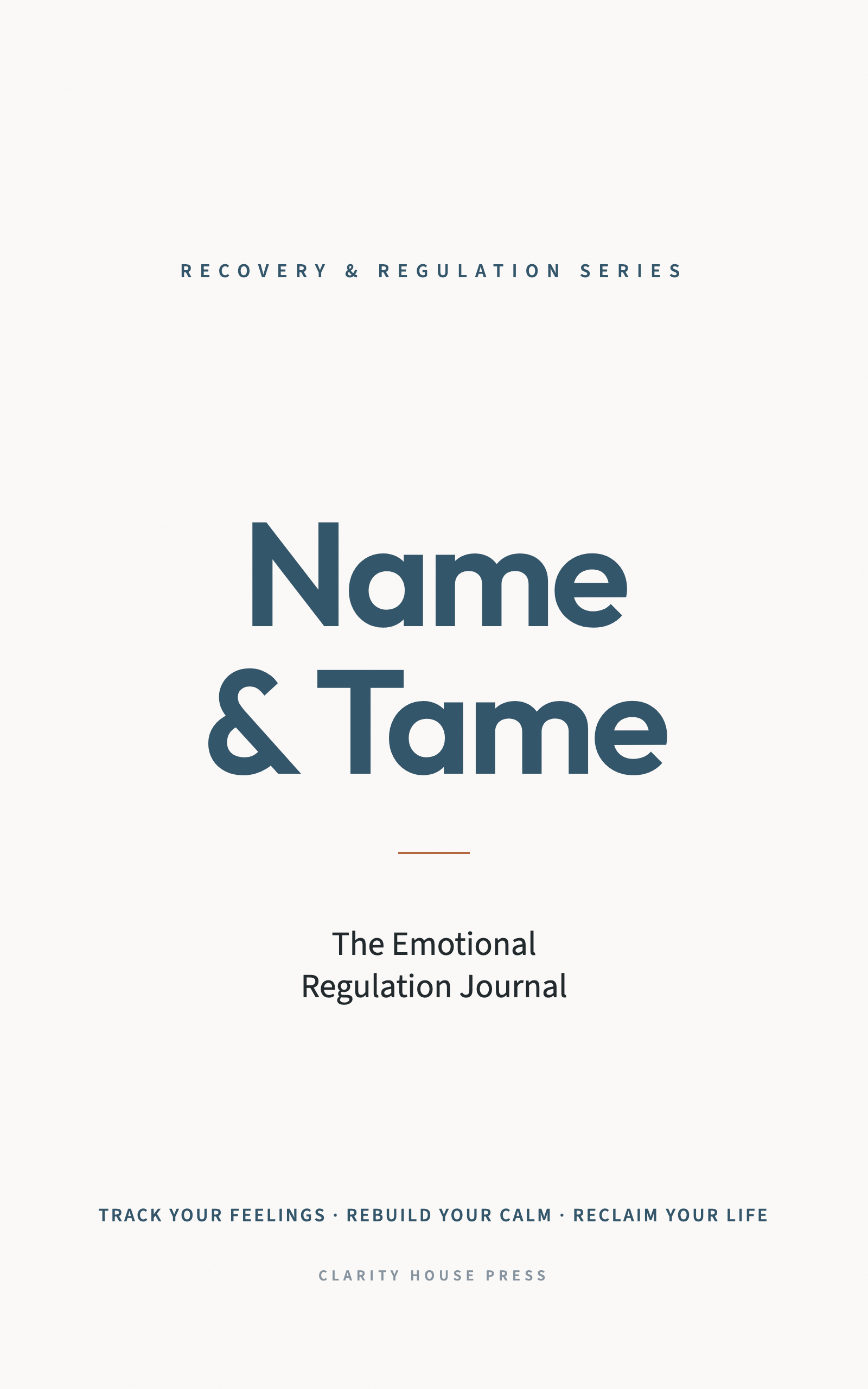
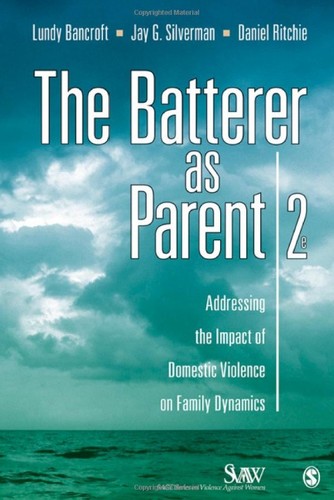
The Batterer as Parent
Lundy Bancroft, Jay G. Silverman & Daniel Ritchie
How domestic violence impacts family dynamics, with approaches for custody evaluations.

A Kidnapped Mind
Pamela Richardson
Heartbreaking memoir of parental alienation — an 8-year battle to maintain a bond with her son.
As an Amazon Associate, Clarity House Press earns from qualifying purchases. Your price is never affected.
Found this helpful?
Share it with someone who might need it.
About the Author

Clarity House Press
Editorial Team
The editorial team at Clarity House Press curates and publishes evidence-based content on narcissistic abuse recovery, high-conflict divorce, and healing. Our content is informed by research, survivor experiences, and established trauma-informed approaches.
View all posts by Clarity House Press →Published by Clarity House Press Editorial Team