Please read our important disclaimers before using this content
If you developed jaw pain, cracked or worn teeth, chronic headaches, or severe dental anxiety during narcissistic abuse—or if dental care fell by the wayside because survival took all your resources—you're experiencing the often-overlooked impact of abuse on dental health.
Chronic stress from narcissistic abuse affects your teeth, jaw, and oral health through teeth grinding (bruxism), TMJ disorders, neglected preventive care, and dental anxiety. Additionally, narcissists may control access to dental care, weaponize dental health in custody battles, or use cosmetic dental work as a control mechanism.
Understanding the stress-dental health connection, addressing jaw pain and tooth damage, overcoming dental neglect and anxiety, and reclaiming your dental health supports both physical recovery and self-care after abuse. Dental problems are one manifestation of the broader chronic physical health impacts of narcissistic abuse—the same stress mechanisms that cause systemic disease also attack oral health.
The Stress-Dental Health Connection
Chronic stress affects oral health in multiple ways—from unconscious grinding to delayed care due to financial control or overwhelm.
How Narcissistic Abuse Damages Dental Health:
1. Bruxism (Teeth Grinding and Clenching)
What it is:
- Unconscious grinding or clenching of teeth
- Occurs during sleep (sleep bruxism) or while awake (awake bruxism)1
- Driven by stress, anxiety, hypervigilance
How abuse causes bruxism:
- Chronic stress and anxiety2
- Hypervigilance (jaw tension from constant threat monitoring)
- Suppressed anger (literally "gritting your teeth")
- Sleep disruption (grinding worsens with poor sleep quality)
Damage caused:
- Worn, flattened, chipped, or cracked teeth
- Tooth sensitivity (enamel worn away)
- Loose teeth (from pressure)
- Receding gums
- Eventual tooth loss if severe and untreated
What this looks like:
"I woke up every morning with a headache and sore jaw. My dentist pointed out that my teeth were worn flat—I'd ground away significant enamel. I didn't even realize I was grinding my teeth at night. She said it was likely stress. Looking back, the grinding started around the time the abuse escalated."
2. TMJ Disorder (Temporomandibular Joint Dysfunction)
What it is:
- Dysfunction of jaw joint and surrounding muscles
- Causes pain, clicking, limited jaw movement
- Often related to bruxism, stress, muscle tension3
How abuse causes TMJ:
- Chronic jaw clenching from stress
- Bruxism damaging jaw joint
- Muscle tension in jaw, neck, shoulders (hypervigilance)
- Poor sleep posture (from disrupted sleep)
Symptoms:
- Jaw pain or tenderness
- Pain when chewing
- Clicking, popping, or locking jaw
- Difficulty opening mouth fully
- Ear pain or ringing
- Headaches (often mistaken for migraines)
- Neck and shoulder pain
What this looks like:
"I developed severe jaw pain during the last years of my marriage. My jaw would lock sometimes—I couldn't open my mouth fully. Headaches every day. My dentist diagnosed TMJ disorder. She asked about stress in my life. I minimized the abuse. After leaving, I got a night guard and started physical therapy for TMJ. It's improved, but I still have flare-ups during high-stress times."
3. Dental Neglect During Abuse
Why dental care falls away:
- Financial control (abuser controls money, won't "approve" dental expenses)
- Time and energy depletion (you're just surviving)
- Prioritizing children's or abuser's needs over yours
- Fear of judgment from dental professionals
- Dissociation from body (not noticing dental pain)
Consequences:
- Untreated cavities → root canals, extractions
- Gum disease (gingivitis, periodontitis)
- Tooth loss
- Infections (dental abscesses)
- Pain and dysfunction
What this looks like:
"I didn't go to the dentist for five years. I had toothaches, but my partner said we 'couldn't afford it' (while buying new tech gadgets). By the time I got to a dentist after leaving, I needed multiple root canals and extractions. I was so ashamed. The dentist was kind, but I felt like I'd failed myself."
4. Dental Anxiety and Avoidance
Sources of dental anxiety post-abuse:
- Trauma from loss of control (dental chair = vulnerable position)
- Fear of judgment about neglected teeth
- Financial anxiety about dental costs
- Painful procedures triggering hypervigilance
- Shame about dental condition
Cycle:
- Anxiety → avoidance → worsening dental health → more anxiety
What this looks like:
"I have severe dental anxiety now. Sitting in that chair, vulnerable, mouth open, unable to speak—it triggers me. I avoided the dentist for years because of anxiety. I knew I needed care, but I couldn't make myself go."
5. Cosmetic Dental Work as Control
How narcissists weaponize dental appearance:
- Criticizing your teeth or smile
- Insisting on expensive cosmetic dentistry (then controlling finances)
- Using your appearance to shame you ("Your teeth are embarrassing")
- Threatening to withhold dental care unless you comply with demands
What this looks like:
"My partner constantly criticized my smile, saying, 'I can't be seen with you until you fix your teeth.' They insisted I get veneers—expensive cosmetic work. Then controlled every penny spent on my teeth, reminding me constantly that I 'owed' them."
Specific Dental Conditions Linked to Stress and Abuse
1. Bruxism (Teeth Grinding)
Diagnosis:
- Dentist observes tooth wear patterns
- You or partner notice grinding sounds during sleep
- Jaw soreness, headaches upon waking
- Chipped or cracked teeth
Treatment:
Night guard (occlusal splint):
- Custom-fitted guard worn during sleep
- Protects teeth from grinding damage
- Doesn't stop grinding, but prevents tooth wear
- Cost: $300-800 for custom guard (cheaper drugstore options available but less effective)
Stress reduction:
- Therapy, meditation, nervous system regulation
- Addressing root cause (stress) reduces grinding
Jaw exercises and physical therapy:
- Stretching and strengthening jaw muscles
- Releases tension
- Improves jaw function
Muscle relaxants (rarely):
- If severe and other treatments ineffective
- Temporary use only
2. TMJ Disorder
Diagnosis:
- Dentist or oral surgeon examination
- Imaging (X-rays, MRI) if severe
- Assessment of jaw movement, pain, clicking
Treatment:
Conservative (first-line):
- Night guard (prevents clenching)
- Physical therapy for TMJ (specialized PT for jaw)
- Jaw exercises and stretches
- Heat/ice packs
- Soft food diet during flares
- Stress reduction
Medications:
- NSAIDs (ibuprofen, naproxen) for pain and inflammation
- Muscle relaxants (short-term if needed)
- Avoid long-term opioid use
Advanced (if conservative treatment fails):
- Injections (Botox for jaw muscles, corticosteroid injections)
- Surgery (rarely needed; last resort)
3. Gum Disease (Gingivitis, Periodontitis)
How stress contributes:
- Stress weakens immune system → can't fight oral bacteria effectively4
- Neglected oral hygiene during survival mode
- Cortisol elevation worsens inflammation (gum disease is inflammatory)
Symptoms:
- Red, swollen, bleeding gums
- Receding gums
- Bad breath
- Loose teeth (advanced periodontitis)
Treatment:
- Professional dental cleaning (scaling, root planing)
- Improved oral hygiene (brushing, flossing, mouthwash)
- Antibiotics if infection present
- Periodontal surgery if severe
4. Dental Cavities and Tooth Decay
How stress contributes:
- Neglected dental care (no regular cleanings, delayed treatment)
- Poor nutrition during survival mode (sugar, processed foods)
- Dry mouth from stress or medications (saliva protects teeth)
- Grinding exposing inner tooth layers
Treatment:
- Fillings (if caught early)
- Root canal (if decay reaches nerve)
- Crown (if significant tooth structure lost)
- Extraction (if tooth can't be saved)
Overcoming Dental Neglect: Getting Back to the Dentist
If you've avoided the dentist for months or years, returning can feel overwhelming. Here's how to approach it:
Step 1: Find a Compassionate Dentist
What to look for:
- Trauma-informed or anxiety-friendly practice
- Explicitly states "We work with anxious patients"
- Gentle, non-judgmental approach
- Willing to go slowly and explain everything
How to find:
- Search "gentle dentist near me" or "anxiety-friendly dentist"
- Read reviews (look for mentions of kindness, patience)
- Ask therapist or support group for recommendations
- Call and ask: "I have dental anxiety and haven't been to the dentist in [time]. Do you work with anxious patients?"
Green flags:
- Receptionist is kind and reassuring
- Willing to schedule longer appointments
- Offers sedation options for anxious patients
- Dentist returns your call or answers questions before booking
Red flags:
- Judgmental tone ("You should have come in sooner")
- Rushing through explanation
- Not listening to your concerns
- Making you feel bad about dental condition
Step 2: Communicate Your Needs
What to tell the dentist:
- "I have dental anxiety and haven't been to the dentist in [time] due to [brief explanation: financial hardship, stressful divorce, etc.]."
- "I know I likely need significant work. I'm ready to address it but need a gentle, non-judgmental approach."
- "I need you to explain everything before you do it. I need to feel in control."
What good dentists will say:
- "I'm glad you're here now. Let's assess what needs to be done and make a plan."
- "There's no judgment here. We see patients in all stages of dental health."
- "We'll go at your pace. If you need a break, just raise your hand."
Step 3: Start with Exam and Cleaning
Don't tackle everything at once:
- First appointment: Exam, X-rays, cleaning (if possible), assessment
- Dentist creates treatment plan (what needs to be done, in what order)
- You make plan for addressing issues over time (not all at once)
Financial planning:
- Discuss costs upfront
- Payment plans (many dentists offer)
- Dental insurance coverage
- Prioritize urgent care (infections, pain) over cosmetic
Step 4: Sedation Options for Anxiety
If dental anxiety is severe:
Options:
1. Nitrous oxide ("laughing gas"):
- Mild sedation
- Breathe through mask during procedure
- Relaxes you but you remain conscious
- Effects wear off quickly
- Can drive yourself home
2. Oral sedation (pill):
- Take sedative pill before appointment
- Moderate sedation (drowsy but awake)
- Need someone to drive you
- More relaxed than nitrous
3. IV sedation:
- Deeper sedation (may not remember procedure)
- For extensive work or severe anxiety
- Need someone to drive you
- More expensive
4. General anesthesia:
- Fully unconscious
- For extensive work (multiple extractions, surgery)
- Done in hospital or surgical center
- Most expensive
Step 5: Ongoing Care
Once dental health is addressed:
- Regular cleanings every 6 months
- Address issues promptly (small cavities easier/cheaper than root canals)
- Daily oral hygiene: Brush 2x/day, floss, mouthwash
- Night guard if you grind teeth
Addressing TMJ and Jaw Pain
TMJ disorder can be debilitating. Here's how to manage it:
Home Care for TMJ:
1. Heat and Ice
- Ice first 24-48 hours (reduces inflammation)
- Heat after (relaxes muscles)
- 15-20 minutes, several times daily
2. Soft Food Diet
- During flares, avoid hard, chewy foods
- Smoothies, soups, soft vegetables, scrambled eggs
- Cut food into small pieces
- Avoid gum, tough meats, hard breads
3. Jaw Exercises
Gentle stretches:
- Open mouth slowly to comfortable point, hold 5 seconds
- Side-to-side movement (move jaw gently left, hold; then right)
- Forward movement (jut jaw forward, hold)
- Repeat 5-10 times, several times daily
Strengthening (once pain decreases):
- Resist mouth opening with hand under chin
- Builds muscle support for jaw joint
4. Avoid Jaw-Straining Habits
- Don't chew gum
- Avoid biting nails
- Don't rest chin on hand
- Avoid clenching jaw (awareness helps)
5. Stress Reduction
- Therapy, meditation, deep breathing
- TMJ often flares with stress
- Addressing stress reduces symptoms
6. Massage
- Gently massage jaw muscles (masseter muscles on sides of jaw)
- Releases tension
- Physical therapist or massage therapist can teach techniques
Professional Treatment for TMJ:
Physical therapy:
- Specialized TMJ physical therapy
- Highly effective for many people
- Manual therapy, exercises, modalities (ultrasound, electrical stimulation)
Night guard:
- Prevents nighttime clenching
- Protects teeth and jaw joint
Botox injections:
- Relaxes overactive jaw muscles
- Reduces pain and grinding
- Effects last 3-6 months
- May be covered by insurance when medically necessary for TMJ (not cosmetic use)
Dental work:
- If bite misalignment contributing
- Orthodontics, crown adjustments
Financial Considerations: Dental Care Costs
Dental care can be expensive, especially if years of neglect resulted in significant damage. Here's how to manage costs:
1. Dental Insurance
If you have insurance:
- Understand coverage (preventive usually 100%, basic 70-80%, major 50%)
- Annual maximum (often $1,000-2,000)
- Waiting periods for major work
- In-network vs. out-of-network
If you don't have insurance:
- Marketplace plans (during open enrollment)
- Dental discount plans (not insurance, but discounted rates)
- Medicaid (if eligible, some states cover adult dental)
2. Payment Plans
Most dentists offer:
- In-house payment plans
- CareCredit (healthcare credit card, 0% interest for promotional period)
- Other financing options
Negotiate:
- "I need this work but can't afford it all upfront. What payment options do you offer?"
3. Dental Schools
Reduced cost care:
- Dental schools offer care by supervised students
- Significantly cheaper than private practice
- Appointments take longer
- Quality supervised by licensed dentists
How to find:
- Search "dental school near me"
- Call and ask about new patient appointments
4. Community Health Centers
Sliding scale fees:
- Federally Qualified Health Centers (FQHCs) offer dental care
- Fees based on income
- For uninsured or low-income patients
Find FQHCs:
5. Prioritize Treatment
If you can't afford everything at once:
Urgent (do first):
- Infections (abscesses)
- Severe pain
- Broken teeth with exposed nerves
Important (do soon):
- Cavities (before they become root canals)
- Gum disease treatment
- Cracked teeth (before they break further)
Elective (can wait):
- Cosmetic work (whitening, veneers)
- Replacing missing teeth (if not affecting function)
Dental Health in Custody Evaluations
Narcissists may weaponize dental health—yours or the children's—in custody battles.5 Research shows that between 65-95% of assault victims experience trauma to the face, mouth, and teeth, making dental injuries a marker of intimate partner violence that professionals should recognize.
How Dental Issues May Be Used:
Against you:
- "They neglect their own dental health; imagine how they neglect the kids"
- Photos of your damaged teeth as "evidence" of dysfunction
- Claims you're "too sick" or "in too much pain" to parent
Against children (claiming you neglect them):
- "The children have cavities because the other parent doesn't make them brush their teeth"
- Exaggerating normal childhood dental issues
Protecting Yourself:
1. Get Your Dental Health Addressed
- Shows you prioritize self-care
- Address urgent issues before custody evaluation if possible
- Have treatment plan for ongoing issues
2. Document Children's Dental Care
- Regular dental appointments
- Follow dentist's recommendations
- Supervised brushing (age-appropriate)
- Documentation of care (see medical decision-making disputes in high-conflict custody for how dental care can become a custody battleground)
3. If Co-Parent Raises Your Dental Health:
Response:
- "I experienced dental neglect during the relationship due to financial control. I've since addressed urgent care and have ongoing treatment plan."
- "My dental health doesn't impact my parenting ability. I prioritize my children's dental care."
Don't:
- Over-explain or apologize excessively
- Allow shame about dental condition to undermine you
4. If Co-Parent Raises Children's Dental Health:
Response:
- "The children receive regular dental care. [Number] cleanings per year, all recommended treatment completed."
- "Cavities are common in children. We address them promptly and maintain good oral hygiene routines."
Documentation:
- Dental records showing regular appointments
- Proof of treatment (fillings, sealants, etc.)
- Dentist letter if needed: "Children receive appropriate dental care"
Reclaiming Your Dental Health: Your Next Steps
For stress management to support dental recovery, somatic experiencing and breath work for nervous system regulation can directly reduce the physiological stress that drives jaw clenching and grinding.
Immediate (if in pain or have infection):
- Emergency dental care: Don't wait—dental infections can be dangerous
- Pain management: OTC pain relievers (ibuprofen preferred for dental pain)
- Avoid hot/cold: If tooth is sensitive
- Rinse with salt water: Helps inflammation
- Find emergency dentist: Many offer same-day appointments
Short-term (addressing neglect):
- Find gentle, compassionate dentist: Trauma-informed, anxiety-friendly
- Schedule exam and cleaning: Assessment of what needs to be done
- Create treatment plan: Prioritize urgent, then important, then elective
- Explore payment options: Insurance, payment plans, financing
- Address anxiety: Sedation options, therapy for dental phobia
Ongoing (maintaining dental health):
- Regular cleanings: Every 6 months
- Daily oral hygiene: Brush 2x/day, floss, mouthwash
- Night guard if needed: Protects teeth from grinding
- Address TMJ: Physical therapy, exercises, stress reduction
- Prompt treatment: Address small issues before they become big problems
Long-term (holistic health):
- Stress reduction: Therapy, nervous system regulation (reduces bruxism, TMJ)
- Good nutrition: Supports oral health, reduces inflammation
- Hydration: Saliva protects teeth; stay hydrated
- Self-care priority: Dental health is part of caring for yourself
- Release shame: Dental neglect during abuse is understandable; you're addressing it now
Key Takeaways
✅ Chronic stress from narcissistic abuse causes teeth grinding (bruxism), TMJ disorder, dental neglect, and dental anxiety—dental health is often overlooked but significantly impacted by abuse
✅ Bruxism (unconscious teeth grinding) damages tooth enamel, causes cracks and chips, and is driven by stress, anxiety, and hypervigilance
✅ TMJ disorder (jaw joint dysfunction) causes jaw pain, clicking, headaches, and limited jaw movement—often related to chronic clenching and stress
✅ Dental neglect during abuse is common due to financial control, survival mode overwhelm, and prioritizing others' needs—resulting in cavities, gum disease, and tooth loss
✅ Finding gentle, trauma-informed dentists who work with anxious patients without judgment is essential for overcoming dental avoidance
✅ Treatment options include night guards for bruxism, physical therapy for TMJ, payment plans for dental work, and sedation for severe dental anxiety
✅ Dental health can be weaponized in custody cases—document regular care for children and address your own dental needs to prevent being used against you
✅ Reclaiming dental health is part of self-care and recovery—you deserve compassionate care and freedom from dental pain
Your dental health matters. Neglect during abuse was survival, not failure. Compassionate dental care exists. You deserve to smile without pain, to eat without difficulty, and to care for your body—including your teeth.
Resources
Dental Care and TMJ Treatment:
- American Dental Association - Find affordable dentists and sliding scale clinics
- TMJ Association - TMJ disorder resources and specialist directory
- National Institute of Dental and Craniofacial Research - TMJ information and treatment options
- Dental Lifeline Network - Free dental care for disabled, elderly, and medically vulnerable
Therapy and Mental Health Support:
- Psychology Today - Trauma Therapists - Find specialists in stress-related physical symptoms
- EMDR International Association - EMDR therapists for trauma processing
- GoodTherapy - Body-Based Trauma Therapy - Somatic and body-focused therapists
- Somatic Experiencing International - SE practitioners for stress and physical symptoms
Crisis Support and Resources:
- National Domestic Violence Hotline - 1-800-799-7233 (abuse causes physical health problems)
- SAMHSA Helpline - 1-800-662-4357 (mental health treatment referrals)
- Crisis Text Line - Text HOME to 741741 (immediate crisis support)
- r/NarcissisticAbuse - Community support from abuse survivors
Additional Resources
Finding Gentle Dentists:
- Dental Phobia & Anxiety Resources: Search "anxiety-friendly dentist near me"
- Dental school clinics: Affordable care with supervision
- Community health centers: Sliding scale fees
TMJ Treatment:
- TMJ Association: tmj.org
- Physical therapists specializing in TMJ
- Oral surgeons for TMJ evaluation
Affordable Dental Care:
- Find Federally Qualified Health Centers: FindAHealthCenter.HRSA.gov
- Dental schools: Reduced cost care
- CareCredit: Healthcare financing
Dental Anxiety:
- Sedation dentistry options: Nitrous oxide, oral sedation, IV sedation
- Therapy for dental phobia (exposure therapy, CBT)
Night Guards:
- Custom night guards from dentist ($300-800)
- OTC night guards from pharmacy ($20-50, less effective but affordable option)
TMJ Exercises:
- Physical therapy for TMJ
- YouTube: "TMJ exercises" (gentle stretches and strengthening)
References
- Bruxism Management. (2024). StatPearls Publishing. https://www.ncbi.nlm.nih.gov/books/NBK482466/ ↩
- Pavlou, Spandidos, Zoumpourlis, & Papakosta (2024). Neurobiology of bruxism: The impact of stress (Review).. Biomedical reports. https://pmc.ncbi.nlm.nih.gov/articles/PMC10895390/ ↩
- Al-Khudhairy, Al-Mutairi, Al, Al, & Hatab (2022). The Association Between Post-Traumatic Stress Disorder and Temporomandibular Disorders: A Systematic Review.. Cureus. https://pmc.ncbi.nlm.nih.gov/articles/PMC9792336/ ↩
- Peruzzo, D. C., Benatti, B. B., Ambrosano, G. M., et al. (2007). A systematic review of stress and psychological factors as possible causes of periodontal disease. Journal of Periodontology, 78(8), 1465-1482. https://pmc.ncbi.nlm.nih.gov/articles/PMC7069755/ | The impact of psychological stress on salivary cortisol levels in periodontitis patients: a case-control study. (2024). European Journal of Dentistry, 18(4), 1-8. https://pmc.ncbi.nlm.nih.gov/articles/PMC11846471/ ↩
- Anwar (2023). Domestic violence and abuse in dentistry.. British dental journal. https://pmc.ncbi.nlm.nih.gov/articles/PMC9912241/ ↩
Recommended Reading
From Clarity House Press — plus trusted books for deeper understanding

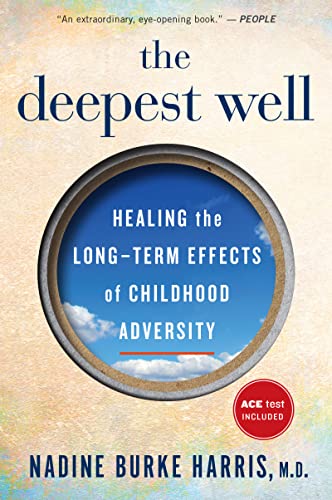
The Deepest Well
Nadine Burke Harris, M.D.
A pediatrician's clear explanation of how adverse childhood experiences affect lifelong health — and what recovery can look like.
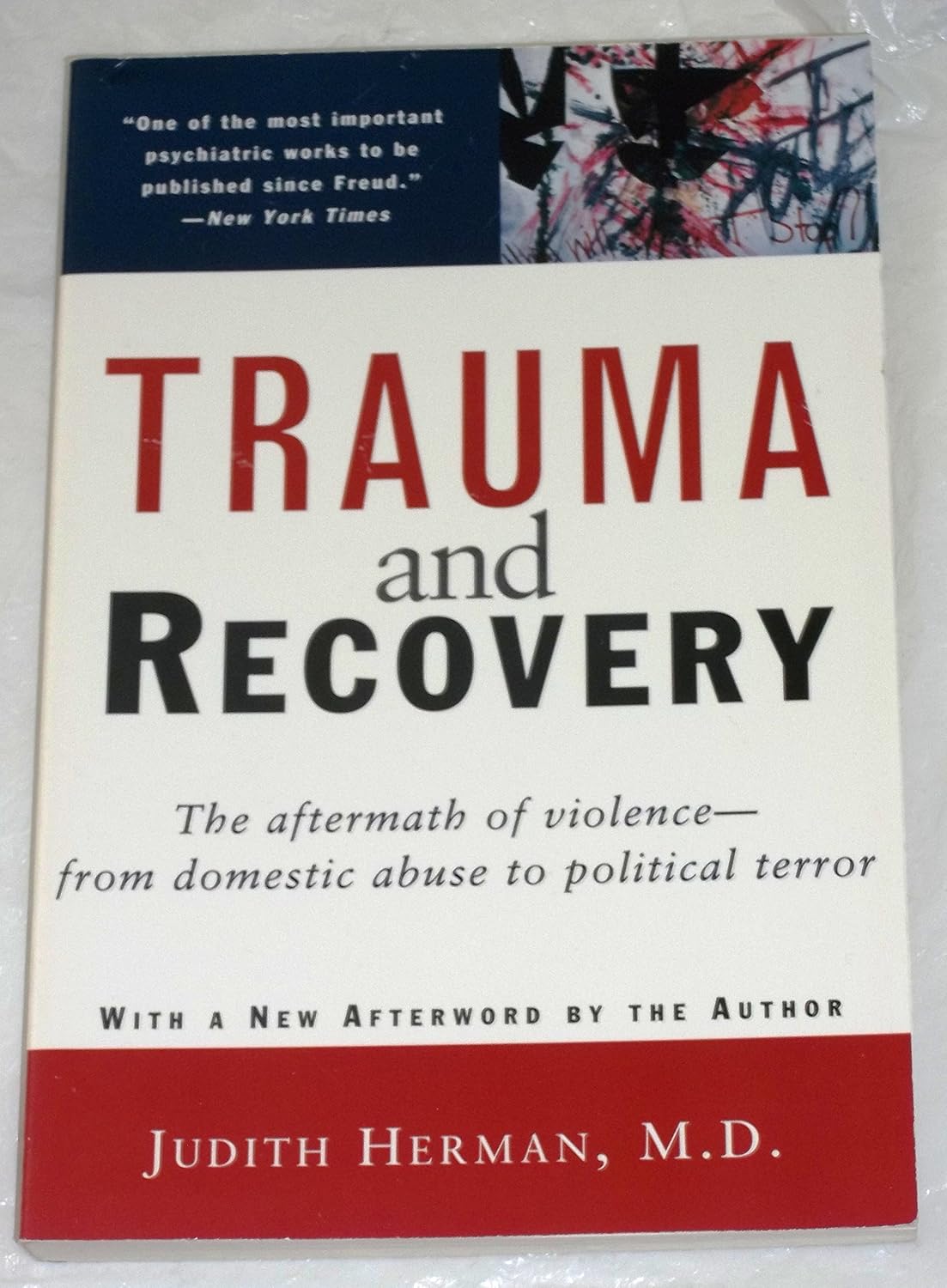
Trauma and Recovery
Judith Lewis Herman, M.D.
The seminal framework for understanding trauma and the stages of recovery — safety, remembrance, and reconnection.
As an Amazon Associate, Clarity House Press earns from qualifying purchases. Your price is never affected.
Found this helpful?
Share it with someone who might need it.
Tags
About the Author

Clarity House Press
Editorial Team
The editorial team at Clarity House Press curates and publishes evidence-based content on narcissistic abuse recovery, high-conflict divorce, and healing. Our content is informed by research, survivor experiences, and established trauma-informed approaches.
View all posts by Clarity House Press →Published by Clarity House Press Editorial Team