Please read our important disclaimers before using this content
If you developed chronic pain, autoimmune conditions, or mysterious physical symptoms during narcissistic abuse—or if pre-existing conditions dramatically worsened—you're not imagining it.
Chronic stress from narcissistic abuse causes measurable, documented physical harm. The mind-body connection isn't metaphorical—it's biological. Prolonged trauma literally changes your nervous system, immune system, and pain processing.
Understanding why chronic illness develops or worsens during abuse, how narcissists weaponize medical needs, and what healing looks like when you're managing both trauma and physical illness is essential for recovery. Many survivors don't realize this physical damage is part of a larger pattern—one that researchers now recognize as complex PTSD, a condition that affects mind, nervous system, and body simultaneously.
The Trauma-Body Connection: Why Abuse Makes You Sick
Narcissistic abuse isn't just psychologically harmful—it's physiologically harmful.
How Chronic Stress Damages the Body:
1. Chronic Cortisol Elevation
- Prolonged stress keeps cortisol (stress hormone) elevated
- High cortisol suppresses immune function
- Increases inflammation throughout body
- Interferes with healing and repair processes
2. Nervous System Dysregulation
- Constant hypervigilance keeps nervous system activated
- Sympathetic nervous system ("fight or flight") chronically engaged
- Parasympathetic nervous system ("rest and digest") suppressed
- Body never fully relaxes or repairs
Understanding polyvagal theory and how the vagus nerve regulates stress responses can help explain why abuse-related nervous system damage shows up as real physical symptoms.
3. Inflammatory Response
- Chronic stress triggers inflammatory markers (C-reactive protein, cytokines) 1
- Inflammation underlies most chronic pain conditions
- Autoimmune conditions are inflammatory disorders
- Stress-inflammation connection is well-documented (Dhabhar, 2014)
4. Sleep Disruption
- Abuse disrupts sleep (arguments at night, hypervigilance, anxiety)
- Sleep deprivation worsens pain, immune function, healing
- Chronic sleep loss contributes to fibromyalgia, chronic fatigue, autoimmune flares
5. Hypervigilance and Muscle Tension
- Constant threat monitoring creates chronic muscle tension
- Tension in neck, shoulders, back, jaw
- Over time, muscle tension becomes chronic pain
- TMJ, tension headaches, back pain all linked to sustained tension
Common Physical Conditions Triggered or Worsened by Narcissistic Abuse
1. Autoimmune Conditions
Autoimmune disorders occur when immune system attacks the body's own tissues. Stress is a documented trigger for autoimmune disease flares (Stojanovich & Marisavljevich, 2008). While stress is one of several environmental factors in autoimmune disease development (others include genetics, infections, and other triggers), it is well-established that psychological stress can precipitate disease flares and worsen symptoms. Recent research demonstrates that individuals with PTSD have a 1.29 times increased risk of developing autoimmune diseases compared to controls, with severity of trauma correlating with disease activity 2.
Common autoimmune conditions linked to stress:
- Rheumatoid arthritis
- Lupus
- Hashimoto's thyroiditis
- Multiple sclerosis
- Psoriasis and psoriatic arthritis
- Inflammatory bowel disease (Crohn's, ulcerative colitis)
- Celiac disease
How abuse worsens autoimmune conditions:
- Stress triggers flares
- Inflammation increases
- Symptoms worsen during high-conflict periods
- Recovery between flares shortened
- Disease progression accelerated
What this looks like:
"I was diagnosed with rheumatoid arthritis two years into my marriage. My rheumatologist asked about stress in my life. I minimized the abuse, didn't connect it to my diagnosis. Over the next eight years, I had progressively worse flares—joints swelling, pain so severe I couldn't open jars or type. Every major flare coincided with escalation in his abuse. After leaving, my symptoms improved dramatically. My rheumatologist said stress reduction is as important as medication."
2. Fibromyalgia
Fibromyalgia involves widespread musculoskeletal pain, fatigue, sleep disturbance, and cognitive issues ("fibro fog"). Research demonstrates that adverse childhood experiences (ACEs) and complex trauma are significant risk factors in fibromyalgia development, alongside genetic predisposition and other environmental factors (Häuser et al., 2015). Central sensitization—where the nervous system amplifies real pain signals into heightened perception—is a documented mechanism by which prolonged trauma can contribute to fibromyalgia symptoms (Nijs et al., 2015). Research shows that emotional abuse specifically dysregulates the nervous system and increases vulnerability to central sensitization and chronic pain, with PTSD and central sensitization syndromes sharing pathological mechanisms involving sleep dysfunction, pain catastrophizing, and emotional dysregulation 3.
How abuse contributes to fibromyalgia:
- Chronic stress dysregulates pain processing
- Hypervigilance creates sustained muscle tension
- Sleep disruption worsens pain sensitivity
- Central nervous system becomes hypersensitive to pain signals
What this looks like:
"I developed fibromyalgia during the last three years of my marriage. Widespread pain, exhaustion so severe I could barely function, brain fog that made me feel stupid. Doctors ran every test—all came back normal. I was told it was 'stress' and given pain medication. No one asked about my relationship. After leaving, it took two years, but my fibromyalgia symptoms reduced by about 70%. I still have it, but it's manageable now."
3. Chronic Fatigue Syndrome / ME/CFS
Myalgic Encephalomyelitis/Chronic Fatigue Syndrome (ME/CFS) involves profound exhaustion not improved by rest, post-exertional malaise (worsening after minimal exertion), cognitive dysfunction, and pain. ME/CFS has complex etiology involving viral triggers, immune dysfunction, and metabolic factors.
How abuse may exacerbate CFS:
- Chronic stress depletes energy reserves, exacerbating fatigue
- Stress-induced cortisol dysregulation—individuals with PTSD show altered HPA axis functioning with normal to low cortisol despite ongoing stress 4
- Sleep deprivation compounds exhaustion
- Immune dysregulation from chronic stress—PTSD is associated with elevated inflammatory markers (C-reactive protein, interleukin-6, tumor necrosis factor-α) and immune co-morbidities 4
- Psychological stress can trigger flares or exacerbate symptoms
Note: While ME/CFS is stress-responsive, it is not caused solely by stress. If abuse exacerbates your ME/CFS symptoms, reducing that stress is medically beneficial, even if the underlying condition persists.
What this looks like:
"I went from being an active person to barely able to get out of bed. Doctors couldn't find anything wrong. I'd need to rest after showering. My 'laziness' became another thing he criticized. I didn't understand that the chronic stress of living with him was literally making me sick. After separation, I slowly regained energy—but it took years."
4. Migraines and Chronic Headaches
Chronic stress is a primary migraine trigger. Narcissistic abuse creates perfect conditions for chronic migraine development.
How abuse triggers migraines:
- Stress is #1 migraine trigger
- Muscle tension in neck/shoulders triggers tension headaches
- Sleep disruption triggers migraines
- Hormonal changes from chronic stress
- TMJ from jaw clenching (stress response)—research documents that intimate partner violence directly impacts quality of life and disease activity in affected individuals 5
What this looks like:
"I had occasional headaches before marriage. During the relationship, I developed chronic migraines—3-4 per week, debilitating, requiring dark room and medication. He'd accuse me of 'faking' to avoid sex or responsibilities. The migraines started improving within weeks of separation. My neurologist wasn't surprised—stress-reduction is well-documented to reduce migraine frequency in many patients. Research suggests significant improvement for those whose migraines are stress-triggered."
5. Gastrointestinal Disorders
The gut-brain connection means chronic stress directly impacts digestive system.
Common GI issues from abuse stress:**
- Irritable Bowel Syndrome (IBS)
- Functional dyspepsia
- Gastroesophageal reflux (GERD)
- Chronic nausea
- Inflammatory bowel disease (stress worsens)
How abuse affects gut:
- Stress alters gut microbiome
- Increases gut permeability ("leaky gut")
- Triggers IBS symptoms (pain, diarrhea, constipation)
- Worsens inflammatory bowel disease
- Creates chronic nausea and digestive distress
What this looks like:
"I developed severe IBS during the relationship—constant stomach pain, unpredictable bowel movements, could never go anywhere without knowing where bathrooms were. Doctors said 'stress' but offered no solutions. I didn't realize the abuse was causing it. After leaving, my IBS symptoms reduced significantly. I still have sensitive digestion, but the constant, severe symptoms are gone."
6. Chronic Pain Syndromes
Various chronic pain conditions often emerge or worsen during prolonged stress.
Common chronic pain conditions:
- Back pain (especially lower back)
- Neck and shoulder pain
- Temporomandibular joint dysfunction (TMJ)
- Pelvic pain
- Tension-type headaches
- Neuropathic pain
How abuse creates chronic pain:
- Sustained muscle tension from hypervigilance
- Stress-induced inflammation
- Changes in pain processing (central sensitization)
- Sleep disruption amplifies pain
- Deconditioning (too exhausted to exercise)
Research confirms that 40-60% of women and 20% of men with chronic pain report history of childhood and/or adult abuse—a rate 2-4 times higher than the general population 6. Childhood maltreatment correlates with adult chronic pain through neurobiological mechanisms including HPA axis dysregulation and allostatic load 6.
7. Cardiovascular Issues
Chronic stress impacts heart and cardiovascular system.
Cardiovascular effects of abuse stress:
- High blood pressure (hypertension)
- Increased heart rate
- Heart palpitations
- Increased risk of heart attack and stroke—studies of war veterans show PTSD increases autoimmune disease risk two-fold, with cardiovascular, respiratory, gastrointestinal, and inflammatory comorbidities 4
- Cardiovascular reactivity (heart racing, chest tightness during stress)
What this looks like:
"I developed high blood pressure in my 30s—no family history, normal weight, relatively healthy. Doctor asked about stress. I mentioned 'marriage stress' but didn't describe the abuse. I needed medication to control it. After divorce, my blood pressure normalized. I was able to stop medication within a year of leaving."
How Narcissists Weaponize Chronic Illness
Having chronic illness or pain while in relationship with narcissist creates unique vulnerabilities they exploit.
1. Medical Gaslighting
Narcissists dismiss, minimize, or deny your physical symptoms.
Common tactics:**
- "You're not really in that much pain"
- "It's all in your head"
- "You just want attention"
- "You're exaggerating"
- "Other people have real problems"
- Accusing you of hypochondria
- Preventing medical care ("You don't need to see another doctor")
What this looks like:
"I have fibromyalgia. Some days the pain is so severe I can barely move. He'd say 'You were fine yesterday—you're faking.' He'd schedule activities on days I said I was in too much pain, then get angry when I couldn't participate. He told my family I was a hypochondriac. The gaslighting about my very real pain made me doubt my own body."
2. Creating Dependence
Chronic illness creates vulnerability. Narcissists exploit this to create dependence.
Dependence tactics:**
- Positioning themselves as your caretaker (creating debt)
- Controlling your medication or treatment
- Driving you to appointments (controlling access)
- Managing your medical care (positioning themselves as necessary)
- Handling medical insurance (financial control)
- "You can't leave—you need me because you're sick"
What this looks like:
"I have multiple sclerosis. During flares, I need help with basic tasks. He'd help—but hold it over me later. 'I take care of you when you can't even shower yourself, and this is how you treat me?' He made me feel like a burden. He'd threaten to leave me 'with your disease' if I didn't comply. I believed I couldn't survive without his caretaking."
3. Sabotaging Medical Care
Some narcissists actively prevent you from getting appropriate medical care.
Sabotage tactics:**
- Preventing appointments (scheduling conflicts, hiding car keys, refusing childcare)
- Not filling prescriptions or hiding medication
- Dismissing doctors' recommendations
- Interfering with treatment plans
- Creating stress that worsens condition (sabotaging recovery)
- Spending money needed for medical care
What this looks like:
"I needed weekly physical therapy for chronic back pain. Every week, he'd create some crisis right before my appointment—argument, emergency, demand I cancel. I'd reschedule, and he'd do it again. I completed maybe 30% of prescribed sessions. My pain worsened. He'd then criticize me for 'not getting better.'"
4. Using Illness Against You in Custody
If you have chronic illness, expect narcissist to weaponize it in custody proceedings.
How they use your illness:
- "They're too sick to care for the children"
- "Their medical appointments interfere with parenting"
- "They're on so many medications they're impaired"
- "They're unreliable because of their illness"
- Presenting worst symptom days as your normal functioning
- Claiming children are "burdened" by your illness
What this looks like:
"I have rheumatoid arthritis. Most days I function well on medication. I have occasional flares where I need rest. He took photos of me during a severe flare—swollen joints, in bed, clearly in pain—and presented them in court as evidence I couldn't care for our children. No mention that it was one bad day out of months of good functioning. No context about my excellent medical management."
5. Denying Illness Altogether
Some narcissists refuse to acknowledge your diagnosis, claiming you're "fine" or "making it up."
Denial tactics:**
- "There's nothing wrong with you"
- "You've convinced yourself you're sick"
- "Doctors are wrong"
- Acting as if diagnosis doesn't exist
- Expecting you to function as if healthy
- Refusing accommodations for your condition
What this looks like:
"I was diagnosed with lupus. Clear blood work, official diagnosis from rheumatologist, started treatment. He refused to acknowledge it. Would say 'You don't have lupus, you're just tired.' Expected me to keep up with all household duties, childcare, work—as if I didn't have a serious autoimmune disease. His denial made me doubt my own diagnosis."
Medical Needs Weaponized in Custody Battles
IMPORTANT JURISDICTIONAL NOTE: Family law varies significantly by state and jurisdiction. The tactics described here are common, but how courts address them, what accommodations are legally enforceable, and what evidence is admissible differs substantially by location. Work with a family law attorney licensed in your state to understand your specific legal protections and options.
Chronic illness creates unique vulnerabilities in custody proceedings.
Common Legal Attacks:
1. Framing illness as inability to parent:
- "They're too sick to care for the children"
- "They can't keep up with active kids"
- "Their medication makes them impaired"
- "Their medical appointments mean they're unavailable"
2. Using worst days as "proof" of typical functioning:
- Photos/videos during flares or worst symptom days
- Medical records showing severe episodes (without context of stable periods)
- Emergency room visits presented as evidence of instability
3. Claiming children are burdened or neglected:
- "The children have to take care of them"
- "They can't participate in the children's activities"
- "They sleep all the time"
- "The children are afraid during pain episodes"
4. Demanding invasive medical disclosure:
- Requesting all medical records
- Demanding doctor testimony
- Using protected health information against you
- Sharing your medical information with others
Protecting Yourself in Court:
Document functional capacity:
- Daily functioning logs (showing what you CAN do)
- Children's school records, activities (showing they're well-cared for)
- Pediatrician statement (children are healthy, thriving)
- Photos of you engaged in parenting activities
Get medical professionals on your side:
- Doctor letter explaining your condition and that it doesn't impair parenting
- Statement about illness management and prognosis
- Explanation of flares vs. baseline functioning
- Testimony if necessary
Provide context for medical records:
- Don't let isolated bad days represent your typical functioning
- Show timeline: symptoms during relationship vs. after leaving
- Demonstrate illness management (treatment compliance, medical monitoring)
Address accommodations proactively:
- "I have [condition], which I manage through medication, treatment, and lifestyle modifications. It does not impair my ability to parent."
- Show how you've adapted parenting to accommodate illness
- Emphasize children's well-being as evidence of successful parenting despite illness
Get custody evaluator who understands chronic illness:
- Educate evaluator about your condition
- Provide medical literature if needed
- Show research that parents with chronic illness can parent effectively
- Distinguish between condition and parenting capacity
Disability Accommodations in Custody Arrangements
If your chronic illness qualifies as disability, you may need accommodations in custody arrangements.
Reasonable Accommodations to Request:
1. Scheduling accommodations:
- Custody schedule that accounts for medical appointments
- Flexibility for flare days (right of first refusal)
- Consideration of fatigue patterns (morning vs. evening functioning)
2. Physical accommodations:
- Shorter custody exchanges if driving is painful
- Public exchange locations with accessibility
- Help with physical tasks (heavy lifting, extended standing)
3. Communication accommodations:
- Written communication only (reduces stress, documents interactions)
- Extended response times if cognitive issues (fibro fog, brain fog)
- Templates for routine communications (reduces cognitive load)
4. Emergency provisions:
- Plan for severe flare days (who cares for children)
- Medical emergency protocols
- Backup support person identified
Balancing Accommodations and Parental Rights:
You're entitled to reasonable accommodations for disability—and demonstrating parenting capacity strengthens your position.
Effective approach:
- "I have [condition], which sometimes requires accommodation. Here's my management plan to ensure children are always cared for."
- Show proactive planning (backup childcare, support system, medical management)
- Demonstrate that accommodations support your parenting, not replace it
Finding Chronic Illness-Aware Trauma Support
Standard trauma therapy may not address chronic illness challenges. You need providers who understand both.
What Chronic Illness-Aware Trauma Therapy Includes:
1. Understanding illness-abuse connection:
- Recognizing how abuse worsens chronic conditions
- Addressing medical trauma from being gaslit about symptoms
- Validating that your physical symptoms are real
- Treating trauma to reduce illness symptoms
2. Accommodating physical limitations:
- Flexible scheduling (for medical appointments, flare days)
- Telehealth options (if leaving house is difficult)
- Shorter sessions if fatigue is issue
- Physical comfort during sessions (positioning, breaks)
3. Addressing medical trauma:
- Being dismissed by doctors (medical gaslighting)
- Painful procedures or misdiagnoses
- Loss of body trust (body became unreliable)
- Grief about physical limitations
4. Somatic approaches:
- Body-based trauma processing
- Gentle movement and body awareness
- Nervous system regulation
- Pain psychology techniques
Somatic experiencing is specifically designed to address the way trauma gets lodged in the body, making it particularly helpful for survivors dealing with both psychological and physical symptoms.
5. Realistic expectations:
- Understanding that physical symptoms may affect your pace—which is healthy and normal
- Therapy paced to support your whole system (physical and psychological)
- Recognizing that rest days are part of the healing process, not delays
Finding the Right Therapist:
Ask potential therapists:
- "Do you have experience working with clients who have chronic pain or illness?"
- "How do you accommodate physical limitations in therapy?"
- "Are you familiar with how trauma affects physical health?"
- "What's your understanding of the mind-body connection in chronic conditions?"
Red flags:
- Suggesting your physical symptoms are "all psychological"
- Not believing your pain or illness
- Rigid expectations about therapy engagement
- Not accommodating physical needs
- Dismissing medical diagnoses
Where to find chronic illness-aware therapists:
- Psychology Today (filter: chronic pain, chronic illness, health psychology)
- Pain psychology specialists
- Health psychologists
- Somatic therapists
- Chronic illness support groups (ask for recommendations)
The Mind-Body Healing Journey
Healing from both trauma and chronic illness requires addressing both the psychological and physical impacts.
Strategies for Dual Healing:
1. Nervous system regulation:
- Practices that calm fight-or-flight response
- Breathing exercises, meditation, gentle yoga
- Vagus nerve stimulation
- Progressive muscle relaxation
- Reducing chronic hypervigilance
2. Somatic therapies:
- EMDR (Eye Movement Desensitization and Reprocessing)
- Somatic Experiencing
- Sensorimotor Psychotherapy
- Body-based processing of trauma
3. Pain psychology:
- Chronic pain management techniques
- Pain reprocessing therapy
- Distinguishing pain from danger (pain doesn't always mean harm)
- Reducing pain catastrophizing
4. Medical treatment:
- Appropriate medical care for your conditions
- Medication if helpful
- Physical therapy, occupational therapy
- Complementary approaches (acupuncture, massage, etc.)
5. Stress reduction:
- Lowering overall stress through boundaries, leaving abuser
- Therapy to process trauma
- Support systems
- Lifestyle changes that support healing
6. Self-compassion:
- Being gentle with yourself about physical limitations
- Grieving real losses from illness (identity shifts, ability changes)—grief is healthy
- Celebrating what your body CAN do
- Rejecting shame about being sick
Realistic Expectations for Physical Recovery:
Some people experience significant improvement:
- Symptoms reduce after leaving abuser
- Flares decrease in frequency/severity
- Pain levels decrease
- Energy returns
Some people see modest improvement:
- Condition stabilizes (stops worsening)
- Better able to manage symptoms
- Quality of life improves even if symptoms persist
Some people don't see physical improvement:
- Chronic conditions may not reverse even when stress reduces
- Damage from prolonged stress may be lasting
- This doesn't mean leaving was pointless—quality of life still improves
- You're no longer enduring abuse PLUS illness
Important: Don't measure success solely by physical symptom reduction. Leaving abuse improves your life even if your body doesn't fully heal.
When Chronic Illness Predated the Abuse
If you had chronic illness before the relationship, you may have unique vulnerabilities.
Why Chronically Ill People Are Targeted:
1. Dependence on caretaking:
- Need for help creates vulnerability
- Harder to leave if you need physical assistance
- Narcissist positions themselves as indispensable
2. Social isolation:
- Chronic illness often limits social connections
- Fewer people to notice abuse
- Reduced energy for maintaining friendships
3. Financial vulnerability:
- Medical costs create financial stress
- May be unable to work or limited earning capacity
- Health insurance tied to abuser
4. Reduced credibility:
- "She's sick, she's not thinking clearly"
- Cognitive symptoms from illness used to discredit you
- Fatigue/pain seen as excuses
Reclaiming Your Reality:
After being told your illness is exaggerated, in your head, or not real, you need to rebuild trust in your body's signals.
Steps to reclaim body trust:
- Get proper medical care from doctors who believe you
- Document your symptoms (for yourself, to validate your experience)
- Connect with chronic illness communities (people who understand)
- Separate narcissist's lies from medical reality
- Grieve the impact of having your illness weaponized
Your Illness Is Real—And the Abuse Made It Worse
After narcissistic abuse, many people with chronic illness doubt themselves. The gaslighting about your physical symptoms may have been so severe that you question whether you're "really" sick.
You are really sick. Your symptoms are real. The abuse made them worse.
Chronic stress from narcissistic abuse causes measurable physical harm:
- Elevated inflammation markers
- Dysregulated cortisol
- Nervous system dysfunction
- Immune system suppression
- Changes in pain processing
This is not in your head. This is in your body—because prolonged trauma changes your body.
Your illness may improve after leaving. It may not. Either way, leaving was the right choice.
You deserve medical care. You deserve to have your pain taken seriously. You deserve rest when your body needs it.
Your body is not your enemy. Your body is doing its best to survive. The narcissist was the enemy.
Resources for Chronic Illness Survivors
Chronic Illness Organizations:
- American Chronic Pain Association - Self-management resources and support groups
- Chronic Pain Anonymous - 12-step program for chronic pain
- The Mighty - Community for people with chronic illness and disability
- Autoimmune Association - Autoimmune disease support and resources
Condition-Specific Resources:
- National Fibromyalgia Association - Fibromyalgia education and support
- Solve ME/CFS Initiative - Chronic fatigue syndrome resources
- Global Autoimmune Institute - Autoimmune disease resources
- American Migraine Foundation - Migraine treatment and support
Books:
- The Body Keeps the Score by Bessel van der Kolk (trauma and physical symptoms)
- When the Body Says No by Gabor Maté (stress and illness)
- The Pain Chronicles by Melanie Thernstrom (chronic pain)
- How to Be Sick by Toni Bernhard (chronic illness and mindfulness)
Pain Psychology Resources:
- Pain Reprocessing Therapy Center - Pain Reprocessing Therapy resources and provider directory
- Psychology Today - Health Psychology - Filter for chronic pain and health psychology specialists
Moving Forward
Healing when you're managing both trauma and chronic illness is a both/and journey.
You're recovering from abuse AND managing physical symptoms.
You're processing trauma AND accommodating your body's limitations.
You're rebuilding your life AND coping with pain/fatigue/illness.
All of this is hard. You're doing hard things with a body that's been harmed.
Some days your illness will make trauma recovery harder. Some days trauma processing will trigger physical symptoms.
This is normal. You're not failing.
Recovery isn't linear—especially when you're healing multiple systems (psychological, physical, nervous, immune).
You may need to rest more than other survivors. Take longer to process. Accommodate physical limitations. That's okay.
Your body survived abuse. It's continuing to survive chronic illness. It deserves gentleness, not judgment.
The abuse is over. Your body is healing—in its own time, in its own way.
You don't have to be pain-free to be free from abuse.
You don't have to be perfectly healthy to build a beautiful life.
Your chronically ill, trauma-surviving body is enough. You are enough.
For those managing both chronic illness and custody disputes, understanding how disability and narcissistic abuse intersect in family court can help you protect your parental rights while also protecting your health.
Resources
Chronic Pain and Illness Organizations:
- American Chronic Pain Association - Self-management resources and support groups for chronic pain
- National Fibromyalgia Association - Fibromyalgia education and support resources
- Arthritis Foundation - Resources for autoimmune and inflammatory conditions
- American Autoimmune Related Diseases Association - Find specialists and patient support
Trauma-Informed Medical Care:
- ACEs Aware - Find Trauma-Informed Providers - Trauma-informed healthcare provider directory (California, expanding)
- Institute for Functional Medicine - Functional medicine providers addressing trauma-health connections
- Psychology Today - Somatic Therapists - Find body-centered trauma therapists
- International Society for the Study of Trauma and Dissociation - Trauma therapy resources
Books and Self-Help Resources:
- The Body Keeps the Score by Bessel van der Kolk - Foundational trauma-body connection resource
- When the Body Says No by Gabor Maté - Stress, illness, and healing connections
- National Domestic Violence Hotline - 1-800-799-7233 (24/7 support and resources)
- SAMHSA Helpline - 1-800-662-4357 (mental health treatment referrals)
References
- Häuser, W., Kosseva, M., Üceyler, N., Klose, P., & Sommer, C. (2015). Emotional, physical, and sexual abuse in fibromyalgia syndrome: A systematic review with meta-analysis. Arthritis Care & Research, 67(1), 103-115. https://doi.org/10.1002/acr.22397
- Nijs, J., Malfliet, A., Ickmans, K., et al. (2015). Treatment of central sensitization in patients with 'unexplained' chronic pain: An update. Expert Opinion on Pharmacotherapy, 15(12), 1671-1683. https://doi.org/10.1517/14656566.2014.925446
- Rohleder, N. (2014). Stimulation of systemic low-grade inflammation by psychosocial stress. Psychosomatic Medicine, 76(3), 181-189. https://doi.org/10.1097/PSY.0000000000000049
- Stojanovich, L., & Marisavljevich, D. (2008). Stress as a trigger of autoimmune disease. Autoimmunity Reviews, 7(3), 209-213. https://doi.org/10.1016/j.autrev.2007.11.007
References
- What is the association between childhood adversity and subsequent chronic pain in adulthood? A systematic review. Psychological Trauma: Theory, Research, Practice, and Policy, 2023. PMC10430872. https://pmc.ncbi.nlm.nih.gov/articles/PMC10430872/ ↩
- Childhood Maltreatment and Somatic Symptoms in Adulthood: Establishing a New Research Pathway. Neuropsychobiology, 84(2), 113-125. https://karger.com/nps/article/84/2/113/919110/ ↩
- Adverse childhood experience is associated with an increased risk of reporting chronic pain in adulthood: a systematic review and meta-analysis. Pain Medicine, 2023. https://www.tandfonline.com/doi/full/10.1080/20008066.2023.2284025 ↩
- Campos-Tinajero, E., et al. (2024). Impact of intimate partner violence on quality of life and disease activity in women with systemic lupus erythematosus. SAGE Open Nursing, 10. https://journals.sagepub.com/doi/10.1177/09612033241260227 ↩
- Stoppelbein, Greening, & Fite (2012). The role of cortisol in PTSD among women exposed to a trauma-related stressor.. Journal of anxiety disorders. https://pmc.ncbi.nlm.nih.gov/articles/PMC3356773/ ↩
- Frontiers in Psychiatry. (2025). Systematic review and meta-analysis of post-traumatic stress disorder as a risk factor for multiple autoimmune diseases. https://www.frontiersin.org/journals/psychiatry/articles/10.3389/fpsyt.2025.1523994/full ↩
- Central Sensitization Syndromes and Trauma: Mediating Role of Sleep Quality, Pain Catastrophizing, and Emotional Dysregulation Between Post-Traumatic Stress Disorder and Pain. Healthcare, 13(17), 2221. https://www.mdpi.com/2227-9032/13/17/2221 ↩
- Dhabhar, F. S. (2014). Effects of stress on immune function: the good, the bad, and the beautiful. Immunologic Research, 58(2-3), 193-210. https://doi.org/10.1007/s12026-014-8517-0 ↩
Recommended Reading
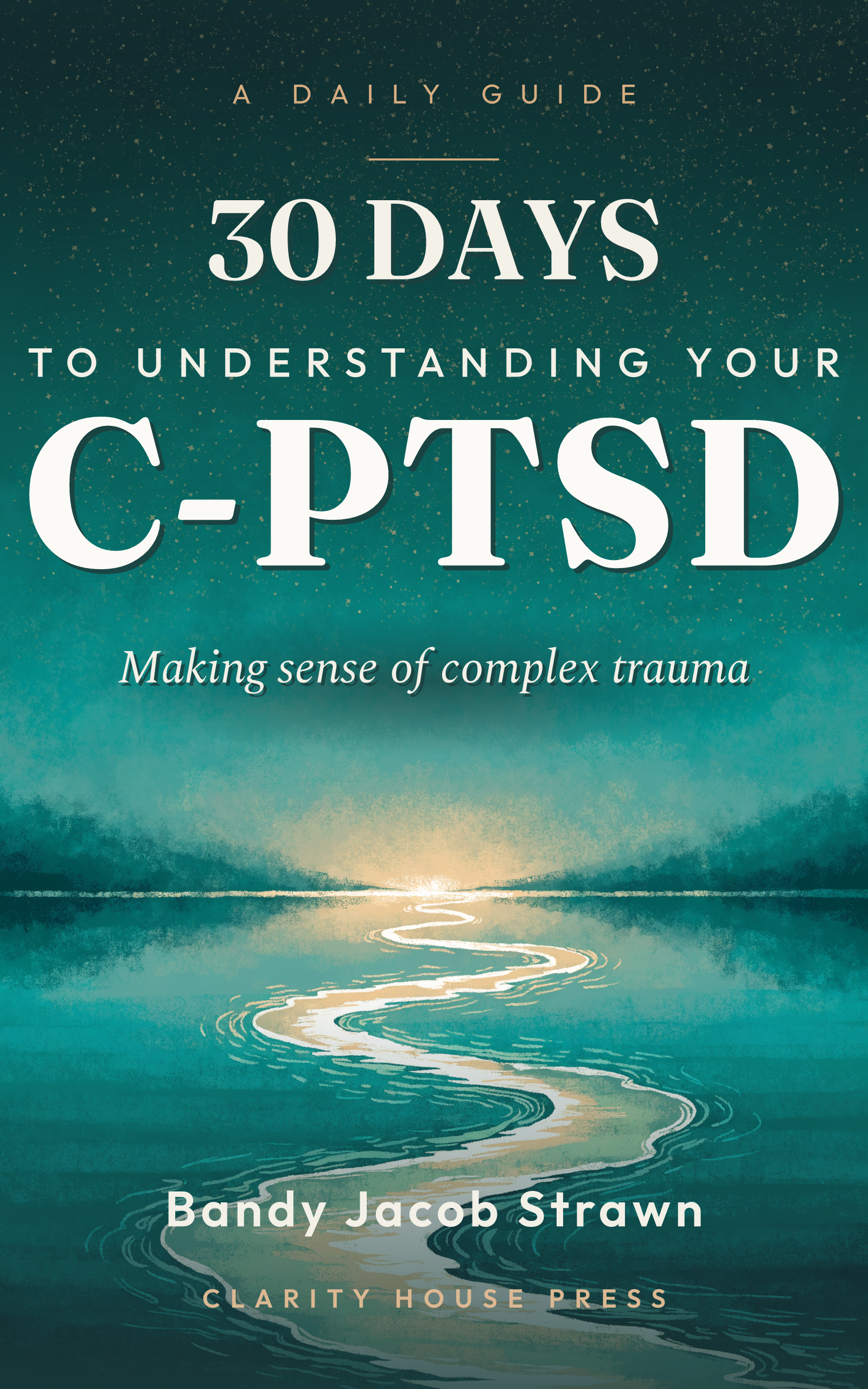
From Clarity House Press — plus trusted books for deeper understanding

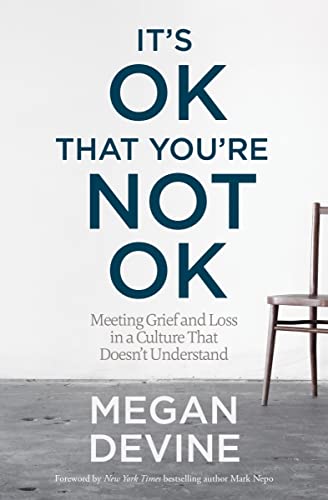
It's OK That You're Not OK
Megan Devine, LPC
A grounded, permission-giving companion for grief that resists tidy timelines and lets loss simply be witnessed.
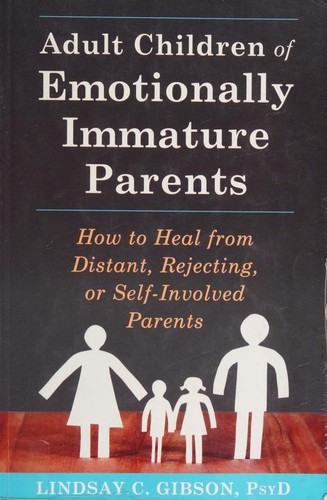
Adult Children of Emotionally Immature Parents
Lindsay C. Gibson, PsyD
A gentle, practical guide to understanding relationships with emotionally distant parents and reclaiming your inner life.
As an Amazon Associate, Clarity House Press earns from qualifying purchases. Your price is never affected.
Found this helpful?
Share it with someone who might need it.
Tags
About the Author

Clarity House Press
Editorial Team
The editorial team at Clarity House Press curates and publishes evidence-based content on narcissistic abuse recovery, high-conflict divorce, and healing. Our content is informed by research, survivor experiences, and established trauma-informed approaches.
View all posts by Clarity House Press →Published by Clarity House Press Editorial Team