Please read our important disclaimers before using this content
Your breath is the most direct line to your autonomic nervous system.1 When you're experiencing panic, hypervigilance, or dissociation, changing your breathing pattern can signal your brainstem that you're safe—even when your body is convinced you're not.2 If you've been exploring how complex trauma reshapes the nervous system and brain, breathwork is one of the most direct tools for working with those neurological changes.
But here's what most breathwork articles won't tell you: many popular breathing techniques can actually trigger freeze responses, dissociation, or panic in trauma survivors. The forceful pranayama practices taught in yoga studios, the breath-holding exercises from wellness influencers, the deep breathing that "should" feel calming—these can backfire spectacularly if you have a trauma history.
This article teaches you 10 trauma-safe breathing techniques with complete step-by-step instructions, organized by nervous system state, with prominent safety warnings throughout. You'll learn which techniques to use for anxiety versus shutdown, how to modify practices that feel triggering, and when to skip breathwork entirely.
CRITICAL SAFETY WARNINGS - READ THIS FIRST
STOP ALL BREATHWORK IMMEDIATELY if you experience:
- Dizziness, lightheadedness, or tingling in hands/face (hyperventilation symptoms)
- Intensifying panic or terror (not mild discomfort—actual escalation)
- Dissociation, spacing out, or feeling disconnected from your body
- Flashbacks or intrusive traumatic memories
- Chest pain or feeling like you can't get enough air
- Urges to harm yourself or strong suicidal thoughts
DANGEROUS BREATHING PRACTICES FOR TRAUMA SURVIVORS:
These techniques can trigger panic, dissociation, or freeze responses. AVOID:
- Forceful pranayama: Kapalabhati (skull-shining breath), Bhastrika (bellows breath)
- Extended breath holding: Kumbhaka practices, Wim Hof method breath retention
- Hyperventilation techniques: Holotropic breathwork, rebirthing breathwork
- Any practice that makes you feel out of control
WHO SHOULD NOT DO BREATHWORK WITHOUT MEDICAL CLEARANCE:
- Pregnancy
- High blood pressure or cardiovascular disease
- Respiratory conditions (asthma, COPD, chronic bronchitis)
- History of seizures or epilepsy
- Recent surgery affecting chest or abdomen
- Active psychosis or severe mental health crisis
WHEN NOT TO PRACTICE BREATHWORK:
- During active panic attacks (ground yourself first, then try breathing)
- When acutely dissociated (orient to present reality first)
- In unsafe environments where you don't feel secure
- While intoxicated or under influence of substances
- Within 2 hours of eating a large meal
If you're in active crisis right now, skip to the end for crisis resources. Breathwork is a regulation tool, not a crisis intervention.
Why Breath Work for Trauma Recovery
Your breath is unique in your body: it's the only part of your autonomic nervous system under both voluntary AND involuntary control. You can't consciously slow your heart rate or tell your stomach to stop churning, but you can change your breathing pattern—and that change signals your entire nervous system.
The Polyvagal Connection:
Stephen Porges' Polyvagal Theory explains how breath directly influences your autonomic state:
- Slow, deep breathing activates the ventral vagal complex (social engagement system)
- Rapid, shallow breathing signals sympathetic activation (fight/flight)
- Barely breathing/breath holding activates dorsal vagal shutdown (freeze/collapse)
Your vagus nerve—the main highway between your brainstem and your body—is directly affected by your respiratory rate and depth.3 Extended exhales stimulate vagal tone, activating the parasympathetic nervous system,4 telling your amygdala to stand down from threat detection.
How Trauma Changes Your Breathing:
Trauma survivors often develop chronic breathing patterns that maintain nervous system dysregulation:
- Chest breathing: Shallow, high breaths that keep you in sympathetic activation
- Breath holding: Unconsciously holding your breath, maintaining tension
- Rapid breathing: Hypervigilance manifesting as persistently fast respiratory rate
- Restricted breathing: Unconsciously limiting breath depth to avoid feeling emotions
These patterns developed as survival mechanisms. If you were silenced, suffocated, or had to stay very quiet to stay safe, your breathing adapted. If you needed to be hypervigilant, rapid shallow breathing kept you ready for action.
Breath as Bottom-Up Regulation:
Trauma therapy often focuses on "top-down" regulation (changing thoughts to change feelings). Breathwork is "bottom-up"—you change your physiology first, which then changes your nervous system state, which finally affects your thoughts and emotions.
You can't think your way out of panic. But you can breathe your way toward regulation.
Understanding Your Nervous System States
Before learning specific techniques, you need to identify your current nervous system state. Different states require different breathing approaches:
VENTRAL VAGAL (Safe and Social):
- How it feels: Connected, present, grounded, able to think clearly
- Breathing pattern: Smooth, easeful, natural rhythm
- Goal: Maintain this state or return here after activation
SYMPATHETIC (Fight/Flight):
- How it feels: Anxious, jittery, racing heart, tense muscles, hypervigilant
- Breathing pattern: Rapid, shallow, chest-focused
- Goal: Extended exhales to activate parasympathetic response
DORSAL VAGAL (Freeze/Shutdown):
- How it feels: Numb, disconnected, heavy, hopeless, can't think clearly
- Breathing pattern: Shallow, barely breathing, may hold breath unconsciously
- Goal: Gentle energizing breath with movement to mobilize without triggering fight/flight
Match your technique to your state. Using calming breath when you're in shutdown can deepen dissociation. Using energizing breath when you're in panic can worsen anxiety.
10 Trauma-Safe Breathing Techniques
TECHNIQUES FOR HYPERAROUSAL (Anxiety, Panic, Hypervigilance)
These techniques activate your parasympathetic nervous system to downregulate threat responses.
1. Extended Exhale Breathing (The Vagal Brake)
WHEN TO USE: Anxiety, racing heart, hypervigilance, feeling "wired and tired"
WHAT IT DOES: Directly stimulates vagus nerve. The exhale is where nervous system regulation happens—this technique extends the parasympathetic activation phase.
STEP-BY-STEP INSTRUCTIONS:
- Sit comfortably with back supported, feet flat on floor
- Breathe naturally for 3-4 rounds to establish baseline
- Inhale through nose for 4 counts (comfortable, not forced)
- Exhale through nose or mouth for 6-8 counts (slow, gentle release)
- Let next inhale arise naturally (don't gasp)
- Repeat for 2-5 minutes
- Return to natural breathing and notice any shifts
RATIO EXAMPLES:
- Beginner: Inhale 3, exhale 5
- Intermediate: Inhale 4, exhale 6
- Advanced: Inhale 4, exhale 8
TRAUMA MODIFICATIONS:
If extended exhales trigger vulnerability (emptying your lungs can feel like relinquishing control):
- Start with smaller ratio: Inhale 4, exhale 5 (just slightly longer)
- Build gradually: Add 1 count to exhale each week
- Exhale through mouth if nasal feels constricting
- Add soft sound on exhale ("sss" or "hmm") for focus
SAFETY NOTE: Never force the exhale to the point of breathlessness. It should feel like a gentle release, not straining emptiness.
2. Box Breathing (Sama Vritti - Equal Breathing)
WHEN TO USE: Anxiety, racing thoughts, difficulty concentrating, before stressful situations
WHAT IT DOES: Balances sympathetic and parasympathetic systems. Used by Navy SEALs for stress regulation in high-pressure situations.
STEP-BY-STEP INSTRUCTIONS:
- Sit with back straight, hands resting in lap
- Exhale completely to empty lungs
- Inhale through nose for 4 counts
- Hold breath with lungs full for 4 counts
- Exhale through nose for 4 counts
- Hold breath with lungs empty for 4 counts
- Repeat for 2-5 minutes (5-10 rounds)
TRAUMA MODIFICATIONS:
Many trauma survivors find breath retention (the "holds") triggering because it mimics suffocation or forced silence.
Modified version without holds:
- Inhale 4, exhale 4 (no retention)
- Practice this for 1-2 weeks first
Progressive build:
- Week 1: Inhale 4, exhale 4 (no holds)
- Week 2: Inhale 4, hold 2, exhale 4, no hold after exhale
- Week 3: Inhale 4, hold 2, exhale 4, hold 2
- Week 4: Full 4-4-4-4 pattern (if it feels safe)
Visual aid: Trace a square with your finger or eyes while breathing—this gives your mind a concrete focal point and helps maintain the pattern.
SAFETY NOTE: If holding your breath creates panic, stay with the no-hold modification. There's no requirement to progress to full box breathing.
3. Physiological Sigh (The Rapid Reset)
WHEN TO USE: Acute stress spikes, sudden anxiety, crying jag aftermath, need quick regulation
WHAT IT DOES: This is the fastest way to calm your nervous system.5 Research from Stanford neuroscientist Andrew Huberman and colleagues shows this pattern (double inhale, long exhale) rapidly reduces heart rate and anxiety by re-inflating collapsed lung alveoli.6
STEP-BY-STEP INSTRUCTIONS:
- Inhale deeply through nose until lungs feel about 75% full
- Immediately take a second shorter inhale through nose to completely fill lungs
- Exhale slowly and completely through mouth (long, controlled release)
- Repeat 2-3 times as needed
PATTERN:
- First inhale: 75% lung capacity (2-3 seconds)
- Second inhale: Top off to 100% (1 second)
- Exhale: Long, slow, complete (6-8 seconds)
WHY IT WORKS: The double inhale re-inflates collapsed alveoli (tiny air sacs) in your lungs, which triggers a rapid calming signal to your brainstem.
TRAUMA MODIFICATIONS:
If the double inhale feels panicky or you can't coordinate it:
- Take one deep inhale instead, then long exhale
- Practice when calm first so the pattern becomes familiar
- Use slower pace: inhale-pause-inhale-pause-exhale
SAFETY NOTE: This is designed for occasional use (2-3 breaths), not extended practice. If you find yourself needing it constantly, you need additional regulation tools.
4. Coherent Breathing (Resonance Frequency Breathing)
WHEN TO USE: Daily practice for long-term nervous system resilience, chronic anxiety, PTSD symptoms
WHAT IT DOES: Optimizes heart rate variability (HRV), which is often dysregulated in trauma survivors. This is one of the most researched techniques for anxiety and PTSD.
STEP-BY-STEP INSTRUCTIONS:
- Sit comfortably or lie down with back supported
- Set timer for 10 minutes (build to 20 minutes over time)
- Inhale through nose for 6 seconds
- Exhale through nose for 6 seconds
- Maintain smooth, even rhythm (not forced or strained)
- When mind wanders, gently return to breath without judgment
- Practice at same time daily for best results
PATTERN: 5 breaths per minute (6-second inhale, 6-second exhale)
TRAUMA MODIFICATIONS:
The slow pace can initially feel uncomfortable if you're accustomed to rapid breathing:
- Week 1: Inhale 4, exhale 4 (7.5 breaths/minute)
- Week 2: Inhale 5, exhale 5 (6 breaths/minute)
- Week 3: Inhale 6, exhale 6 (5 breaths/minute) - target pace
Use visual guide: Apps like "Breathe+" or YouTube videos with visual timers help maintain rhythm without constant counting.
RESEARCH EVIDENCE: Studies show 20 minutes daily for 8 weeks significantly reduces anxiety and improves HRV.7 While most research is on general populations, preliminary evidence suggests similar benefits for trauma survivors. This builds capacity over time, not immediate relief.
SAFETY NOTE: This is a daily practice, not acute intervention. Don't expect dramatic shifts in one session—this is nervous system training over weeks.
5. Alternate Nostril Breathing (Nadi Shodhana)
WHEN TO USE: Rumination, emotional dysregulation, decision-making difficulty, feeling mentally scattered
WHAT IT DOES: Balances left and right brain hemispheres, calms nervous system, improves focus. Traditional yogic practice with substantial research backing.8
STEP-BY-STEP INSTRUCTIONS:
- Sit with spine straight, shoulders relaxed
- Rest left hand in lap
- Right hand: fold index and middle fingers into palm, leaving thumb, ring finger, and pinky extended (Vishnu Mudra)
- Close right nostril with right thumb
- Inhale slowly through left nostril (5 counts)
- Close left nostril with ring finger, release thumb
- Exhale through right nostril (5 counts)
- Inhale through right nostril (5 counts)
- Close right nostril with thumb, release ring finger
- Exhale through left nostril (5 counts)
- This is one complete round
- Repeat for 5-10 rounds (about 5 minutes)
TRAUMA MODIFICATIONS:
Some survivors feel vulnerable with hand near face or find nostril manipulation triggering:
- Visualization version: Imagine alternating pattern without using hand—simply focus attention on one nostril, then the other
- Hand in lap: Place hand in lap and visualize closing nostrils rather than physically touching face
- Simplified: Just breathe through one nostril for 5 breaths, then switch (no hand movement needed)
SAFETY NOTE: If you have severe nasal congestion, skip this until breathing is clearer. Forcing air through blocked passages can cause headache.
6. 4-7-8 Breathing (The Natural Tranquilizer)
WHEN TO USE: Insomnia, difficulty falling asleep, acute anxiety, pre-sleep racing thoughts
WHAT IT DOES: Activates parasympathetic nervous system, slows heart rate. Developed by Dr. Andrew Weil as a "natural tranquilizer for the nervous system."
STEP-BY-STEP INSTRUCTIONS:
- Sit with back straight (or lie in bed if using for sleep)
- Touch tip of tongue to ridge behind upper front teeth (optional—skip if this feels weird)
- Exhale completely through mouth with a "whoosh" sound
- Close mouth, inhale quietly through nose for 4 counts
- Hold breath for 7 counts
- Exhale completely through mouth for 8 counts (making whoosh sound)
- Repeat for 4 complete breath cycles only
TRAUMA MODIFICATIONS:
The 7-count hold is often too long for trauma survivors and can trigger panic:
-
Modified ratios:
- 4-4-6 (inhale 4, hold 4, exhale 6)
- 4-2-6 (inhale 4, hold 2, exhale 6)
- 4-0-8 (inhale 4, no hold, exhale 8)
-
Silent version: If "whoosh" sound feels too vulnerable, breathe silently through nose for all phases
SAFETY NOTE: The first few times, you may feel lightheaded. This is normal and passes. Start with only 4 breath cycles. After a week, you can increase to 8 cycles.
BEST PRACTICE FOR SLEEP: Do this in bed, lights off. Four cycles is usually enough to initiate sleep onset.
TECHNIQUES FOR HYPOAROUSAL (Shutdown, Dissociation, Freeze)
These techniques gently energize without triggering fight/flight. Use cautiously and stop if you shift into panic.
7. Breath with Movement (Embodied Breathing)
WHEN TO USE: Dissociation, feeling numb or disconnected, freeze response, can't feel your body
WHAT IT DOES: Combines breath with movement to help you reconnect to your body. Movement prevents deepening shutdown while breath provides structure.
STEP-BY-STEP INSTRUCTIONS:
- Stand with feet hip-width apart, knees soft
- Inhale: Slowly raise arms out to sides and overhead (5 counts)
- Exhale: Lower arms back down to sides (5 counts)
- Repeat 8-10 times
- Notice sensations in your body as you move
VARIATIONS:
- Seated version: Sit in chair, raise arms on inhale, lower on exhale
- Gentle twists: Inhale center, exhale twist right; inhale center, exhale twist left
- Forward fold: Inhale arms overhead, exhale fold forward over legs (standing or seated)
TRAUMA MODIFICATIONS:
- Keep eyes open to stay oriented to present
- Move slowly and stay within comfortable range
- Stop if you feel panicky (this is mobilization, which can activate fight/flight)
- If standing feels vulnerable, stay seated
SAFETY NOTE: This is about gentle reconnection, not exercise. The movement should be slow, deliberate, and coordinated with breath.
8. Bellows Breath (GENTLE VERSION - Not Traditional Bhastrika)
WHEN TO USE: Low energy with dissociation, depressive shutdown, can't get motivated
WHAT IT DOES: Gently energizes without triggering panic. This is NOT the forceful pranayama version—it's a trauma-modified practice.
STEP-BY-STEP INSTRUCTIONS:
- Sit comfortably with back straight
- Take a few natural breaths
- Inhale through nose (moderate pace, not forceful)
- Exhale through nose with slightly more force (like blowing out a candle, but through nose)
- Let inhale happen naturally as a rebound
- Repeat for 10-15 breaths
- Return to natural breathing for 1 minute
- Repeat cycle 2-3 times
PATTERN:
- Exhale is slightly more active/forceful
- Inhale is passive rebound (don't force it)
- Pace: About 1 breath per second (much slower than traditional bellows)
TRAUMA MODIFICATIONS:
If this feels activating or triggers anxiety:
- Slow the pace to 1 breath every 2 seconds
- Reduce to 5-8 breaths per cycle
- Take longer rest between cycles (2-3 minutes)
- STOP if you feel panic rising
CRITICAL SAFETY WARNING: This is the most activating technique in this article. It can shift you from shutdown into fight/flight. If you have a panic disorder history, skip this technique entirely.
9. Counted Breath Observation (Natural Rhythm Awareness)
WHEN TO USE: When you can't tolerate breath manipulation, early dissociation, beginning breath practice
WHAT IT DOES: Builds awareness without changing anything. This is the gentlest entry point to breathwork.
STEP-BY-STEP INSTRUCTIONS:
- Sit or lie in comfortable position
- Breathe naturally—don't try to change your breath
- Simply count your natural breaths:
- Count "1" on inhale
- Count "2" on exhale
- Count "3" on next inhale
- Count "4" on next exhale
- Continue to 10, then start over at 1
- If you lose count, start over at 1
- Practice for 2-5 minutes
VARIATION - Count exhales only:
- Count only on exhales (1, 2, 3... to 10)
- Don't count inhales
- This increases focus on parasympathetic phase
TRAUMA MODIFICATIONS:
- Keep eyes open if closed eyes trigger dissociation
- Count out loud if internal counting leads to spacing out
- Use very short sessions (1 minute) if breath focus feels unsafe
SAFETY NOTE: This is observation only—you're not controlling or changing your breath. If even observing your breath triggers panic, you may need body-based grounding instead.
TECHNIQUES FOR GROUNDING AND PRESENT-MOMENT AWARENESS
10. Hand on Heart, Hand on Belly Breathing
WHEN TO USE: When you need self-soothing, feeling alone in distress, need grounding touch
WHAT IT DOES: Combines breath with self-touch for dual nervous system regulation. The physical contact activates oxytocin (bonding hormone) while breath regulates autonomic state.
STEP-BY-STEP INSTRUCTIONS:
- Sit or lie comfortably
- Place one hand on your heart/upper chest
- Place other hand on your belly below navel
- Close eyes or keep soft gaze downward
- Breathe naturally and notice:
- Hand on belly rising on inhale, falling on exhale
- Hand on heart relatively still (you want belly breathing, not chest breathing)
- Gradually slow your breath without forcing
- Optional: Add phrases:
- Inhale: "I am here"
- Exhale: "I am safe" (or "I am present" if "safe" doesn't feel true)
- Practice for 3-5 minutes
TRAUMA MODIFICATIONS:
- If touch feels triggering, place hands on knees instead
- If "I am safe" feels like a lie, use "I am breathing" or "I am here now"
- Keep eyes open if vulnerability triggers dissociation
- Use firm pressure if light touch is activating
SAFETY NOTE: This combines interoception (internal awareness) with self-soothing touch. If it triggers loneliness or grief, that's information—not failure. This is a normal response that tells you something important: you might need connection with others, not solo practice. You're not doing it wrong.
Matching Technique to Nervous System State
HYPERAROUSAL (anxiety, panic, racing thoughts):
- Extended Exhale Breathing (start here)
- Box Breathing (if you can tolerate holds)
- Physiological Sigh (for acute spikes)
- 4-7-8 Breathing (especially for sleep)
- Alternate Nostril (for rumination)
HYPOAROUSAL (shutdown, dissociation, numbness):
- Breath with Movement (start here - safest)
- Counted Breath Observation (if movement isn't available)
- Hand on Heart/Belly (if you need grounding)
- Bellows Breath (ONLY if gentle versions don't work, and ONLY if you don't have panic history)
GENERAL REGULATION (building long-term capacity):
- Coherent Breathing (daily practice)
- Extended Exhale (versatile for most states)
- Counted Breath Observation (foundation skill)
DO NOT USE BREATHWORK:
When in acute panic or deep dissociation—ground yourself first with sensory techniques (ice, cold water, 5-4-3-2-1 senses), THEN try gentle breathing.
Building Your Trauma-Informed Breathwork Practice
Week 1-2: Experimentation Phase
- Try each technique for 1-2 minutes
- Keep simple log: "Extended exhale—felt calming" or "Box breathing with holds—triggered panic, modified version better"
- Identify 2-3 techniques that feel accessible
- Notice which states (anxiety/shutdown) you experience most often
Week 3-4: Establishing Foundation
- Choose 1 primary technique for daily practice
- Practice 3-5 minutes at consistent time (after coffee, before bed)
- Set phone reminder or link to existing habit
- Continue noting nervous system responses
Month 2-3: Building Capacity
- Increase daily practice to 10 minutes
- Add second technique for specific situations (4-7-8 for sleep, physiological sigh for acute stress)
- Experiment using techniques in mildly stressful situations
- Notice if you return to baseline faster after activation
Month 4+: Integration
- Breathwork becomes natural go-to tool, not something you have to remember
- You can use techniques during moderate stress
- You recognize patterns: "When I'm in shutdown, breath with movement helps" or "When anxious, extended exhale brings me down"
- Consider trauma-informed breathwork classes or working with somatic therapist
IMPORTANT: Progress isn't linear. You'll have weeks where breathwork feels impossible or triggering. This doesn't mean failure—your nervous system's capacity fluctuates based on stress, safety, sleep, and countless other factors.
When Breathwork Isn't Enough
Breathwork is powerful but NOT a replacement for trauma therapy. You need professional support if you're experiencing:
- Severe PTSD symptoms affecting daily functioning
- Active suicidal ideation or self-harm urges
- Significant dissociation or depersonalization
- Substance use to manage symptoms
- Inability to maintain relationships or employment due to trauma symptoms
Therapy modalities that integrate breathwork:
- Somatic Experiencing (SE) — covered in depth in our guide on somatic experiencing for trauma recovery
- Sensorimotor Psychotherapy
- Trauma-Sensitive Yoga
- EMDR (some practitioners incorporate breathwork)
- Internal Family Systems (IFS) with somatic focus
Finding trauma-informed breathwork instruction:
- Trauma-Sensitive Yoga practitioners: traumasensitiveyoga.com
- Somatic Experiencing practitioners: traumahealing.org
- Avoid: Studios or teachers who push through resistance, demand you "breathe through" panic, or dismiss safety concerns
Common Obstacles and Solutions
"I can't focus on my breath without panicking"
Your breath may have been controlled during trauma (physical abuse, sexual assault, near-drowning). If breath focus triggers panic:
- Start with body-based grounding (feet on floor, hands pressing surfaces)
- Try movement-based regulation first (walking, bilateral tapping techniques)
- Keep attention external (eyes open, focus on visual object) when you try breathing
- Work with trauma therapist to build tolerance gradually
- You may need months of other regulation tools before breathwork feels safe
"I keep dissociating when I try breathwork"
Slow breathing or closed eyes can trigger freeze response:
- Keep eyes open always
- Use visual timer so you're tracking something external
- Practice in 30-second intervals with breaks
- Try alternate nostril—hand movements help you stay embodied
- Stand or walk slowly while breathing instead of sitting still
- This is your nervous system protecting you—respect it
"My mind races and I can't stick with the pattern"
This is completely normal:
- Use guided breathwork apps that count for you
- Your mind wandering doesn't mean you're doing it wrong
- Each time you notice wandering, gently return to breath (this IS the practice)
- Try breathwork with bilateral music (EMDR-style) for additional support
"I feel worse after breathwork, not better"
Sometimes breathwork surfaces suppressed emotions or activates stored trauma:
- If this happens consistently, STOP and consult trauma therapist
- You may need more capacity for emotional regulation before breathwork feels safe
- Try gentler techniques (coherent breathing, observation) before more activating ones
- This doesn't mean you're broken—it means you need different timing or support
"I don't have time"
You don't need 20-minute sessions:
- Start with 2 minutes (literally set a timer)
- One conscious breath is better than zero conscious breaths
- Practice while doing other things: coherent breathing while commuting, 4-7-8 while waiting in line
- Think of it as nervous system maintenance, not luxury
The Science: Why This Works
Heart Rate Variability (HRV):
HRV measures the variation in time between heartbeats. Higher HRV = better stress resilience and emotional regulation.9 Trauma survivors typically have low HRV.10 Research on general populations shows:
- Coherent breathing (5-6 breaths/minute) optimizes HRV
- Extended exhale breathing increases vagal tone
- Regular practice over 8+ weeks creates lasting HRV improvements11
Evidence for trauma-specific populations is emerging but still limited. Clinical observations suggest similar benefits, but individual responses vary significantly.
Vagal Nerve Stimulation:
Your vagus nerve runs from brainstem to abdomen. Extended exhales mechanically stimulate the vagus, which:12
- Signals amygdala to reduce threat detection
- Activates parasympathetic (rest-and-digest) response
- Reduces cortisol and inflammatory markers
- Increases GABA (calming neurotransmitter)13
Polyvagal Theory:
Stephen Porges' research shows different breathing patterns activate different vagal pathways:
- Ventral vagal (safety): Smooth, natural breathing
- Sympathetic (fight/flight): Rapid, shallow breathing
- Dorsal vagal (freeze): Barely breathing, breath holding
Changing your breathing pattern can shift you between these states.
Research Limitations:
Most breathwork studies are on general populations, not complex trauma survivors. We have limited research on:
- Which techniques work best for different trauma types
- Optimal practice duration and frequency for trauma survivors
- Long-term outcomes for breathwork as primary intervention
- Which survivors might be harmed by breathwork
What we know: Breathwork helps many trauma survivors. What we don't know: Exactly who, which techniques, and under what conditions it works best.
Key Takeaways
- Your breath is a direct line to your autonomic nervous system—changing breathing patterns signals your brainstem about safety or danger
- NOT all breathwork is safe for trauma survivors—avoid forceful pranayama, extended breath holding, and hyperventilation techniques
- Different nervous system states require different techniques: extended exhales for anxiety, gentle movement with breath for shutdown
- Start with 1-2 minutes daily when you're already calm—build the skill before you need it in crisis
- Stop immediately if you experience panic, dissociation, or worsening symptoms
- Breathwork is a powerful tool but NOT a replacement for trauma therapy
- Progress isn't linear—you'll have weeks where it feels impossible, and that's okay
Your Next Steps
This week:
- Read the safety warnings again (seriously)
- Try 3-4 techniques for 1 minute each when you're calm
- Notice which ones feel accessible versus triggering
- Choose ONE technique to practice daily
This month:
- Practice your chosen technique for 3-5 minutes daily
- Keep simple log of what you notice
- Add second technique for specific situation (sleep, acute stress)
- Gradually increase duration to 5-10 minutes
Within 3 months:
- Establish 10-15 minute daily practice
- Use techniques before mildly stressful situations
- Notice if you're returning to baseline faster after activation
- Consider working with trauma-informed breathwork teacher
Ongoing:
- Integrate breathwork as lifelong regulation tool
- Combine with other techniques (grounding, movement, therapy)
- Seek professional support if breathwork alone isn't sufficient — our guide to choosing the right therapist for trauma recovery can help you find someone with somatic expertise
- Share techniques with others in recovery
Crisis Resources
NOTE ON HOTLINE NUMBERS: Phone numbers for crisis hotlines, legal aid, and support services are provided as a resource. These numbers are current as of publication but may change. Please verify hotline numbers are still active before relying on them.
If you're in active crisis right now:
- 988 Suicide & Crisis Lifeline: Call or text 988
- Crisis Text Line: Text HOME to 741741
- RAINN Sexual Assault Hotline: 1-800-656-4673
- National Domestic Violence Hotline: 1-800-799-7233
If you're experiencing severe dissociation, panic, or flashbacks, ground yourself in present reality FIRST:
- 5-4-3-2-1 technique: Name 5 things you see, 4 you can touch, 3 you hear, 2 you smell, 1 you taste
- Cold water on face or ice in hands
- Feet firmly on floor, push down and notice sensation
- Call someone safe
THEN try gentle breathing (extended exhale, counted observation) once you're more oriented to present.
Resources
Breathwork Apps and Guided Practices:
- Breathwrk - Trauma-informed breathwork app with guided exercises and customizable practices
- Insight Timer - Free guided breathwork practices (search "trauma breathwork" for trauma-safe options)
- Calm - Coherent breathing timer, sleep stories with breath integration
- My Life (formerly Stop, Breathe & Think) - Free app specifically designed for stress and trauma with mindful breathing exercises
Trauma-Informed Professional Support:
- Trauma-Sensitive Yoga Directory - Find certified trauma-sensitive yoga instructors
- Somatic Experiencing International - Locate Somatic Experiencing practitioners specializing in nervous system regulation
- EMDR International Association (EMDRIA) - Find EMDR therapists trained in trauma processing
- Psychology Today - Somatic Therapists - Search for somatic and body-centered trauma therapists
Books and Research Resources:
- Breath: The New Science of a Lost Art by James Nestor - Science-backed breathwork exploration
- The Healing Power of the Breath by Richard Brown and Patricia Gerbarg - Clinical guide to breathwork for anxiety and trauma
- Polyvagal Institute - Stephen Porges' Polyvagal Theory resources and research
- The Body Keeps the Score Resources - Bessel van der Kolk's trauma healing resources (includes breath and yoga)
References
Your breath has been with you through every moment of your trauma—and it will be with you through every moment of your healing.
Start small. Start safe. Start when you're calm so the skill is there when you're not.
One breath at a time, your nervous system can learn what safety feels like again.
References
- Porges, S. W. (2011). The polyvagal perspective. Biological Psychology, 74(2), 116-143. https://pmc.ncbi.nlm.nih.gov/articles/PMC3108032/ ↩
- Van der Kolk, B. (2014). The Body Keeps the Score: Brain, Mind, and Body in the Healing of Trauma. Viking. Evidence demonstrating how changing physiological states signals safety to the nervous system. ↩
- Laborde, S., Moseley, E., & Thayer, J. F. (2017). Heart rate variability and the vagus nerve: Insights for the mind–body connection. Frontiers in Psychology, 8, 296. https://pmc.ncbi.nlm.nih.gov/articles/PMC5371308/ ↩
- Balban, M. Y., Neri, E., Kogon, M. M., Weed, L., Nouriani, B., Jo, B., Holl, G., Zeitzer, J. M., Spiegel, D., & Huberman, A. D. (2023). Brief structured respiration practices enhance mood and reduce physiological arousal. Cell Reports Medicine, 4(1), 100895. https://pmc.ncbi.nlm.nih.gov/articles/PMC9873947/ ↩
- Lehrer, P. M., & Gevirtz, R. (2014). Heart rate variability biofeedback: how and why does it work? Frontiers in Psychology, 5, 756. See also: Chittaro, L., & Sioni, R. (2022). Effect of Resonance Breathing on Heart Rate Variability and Cognitive Functions in Young Adults: A Randomised Controlled Study. International Journal of Environmental Research and Public Health, 19(7), 4082. ↩
- Sinha, Deepak, & Gusain (2013). Assessment of the effects of pranayama/alternate nostril breathing on the parasympathetic nervous system in young adults.. Journal of clinical and diagnostic research : JCDR. https://pmc.ncbi.nlm.nih.gov/articles/PMC3681046/ ↩
- Porges, S. W. (2021). Polyvagal theory: A science of safety. Frontiers in Integrative Neuroscience, 15, 622622. https://pmc.ncbi.nlm.nih.gov/articles/PMC8110827/ ↩
- Ma, Yue, Gong, Zhang, & Duan (2017). The Effect of Diaphragmatic Breathing on Attention, Negative Affect and Stress in Healthy Adults.. Frontiers in psychology. https://pmc.ncbi.nlm.nih.gov/articles/PMC5455070/ ↩
- Thayer, J. F., & Lane, R. D. (2000). A model of neurovisceral integration in emotion regulation and dysregulation. Journal of Affective Disorders, 61(3), 201-216. Foundational research on heart rate variability as marker of emotional regulation capacity. ↩
- Ge, Yuan, Li, & Zhang (2020). Posttraumatic Stress Disorder and Alterations in Resting Heart Rate Variability: A Systematic Review and Meta-Analysis.. Psychiatry investigation. https://pmc.ncbi.nlm.nih.gov/articles/PMC6992856/ ↩
- Fincham, G. W., Strauss, C., Montero-Marin, J., & Cavanagh, K. (2023). Effect of breathwork on stress and mental health: A meta-analysis of randomised-controlled trials. Scientific Reports, 13, 432. https://www.nature.com/articles/s41598-022-27247-y ↩
- Thayer, J. F., Ahs, F., Fredrikson, M., Sollers, J. J., & Wager, T. D. (2012). A meta-analysis of heart rate variability and neuroimaging studies: Implications for heart rate variability as a marker of stress and health. Neuroscience & Biobehavioral Reviews, 36(2), 747-756. Evidence for vagal mechanisms in threat detection and amygdala regulation. ↩
- Dedovic, K., & Ngiam, J. (2015). The cortisol awakening response and metabolic syndrome. Psychoneuroendocrinology, 49, 256-266. Research demonstrating breath work effects on cortisol and inflammatory response through vagal pathways. ↩
Recommended Reading
From Clarity House Press — plus trusted books for deeper understanding

Surviving the Storm: When the Court Takes Your Children
Clarity House Press
For fathers in active high-conflict custody battles. Understand your CPTSD symptoms, begin stabilization, and build foundation for healing. 17 chapters covering recognition, symptoms, and the healing path.

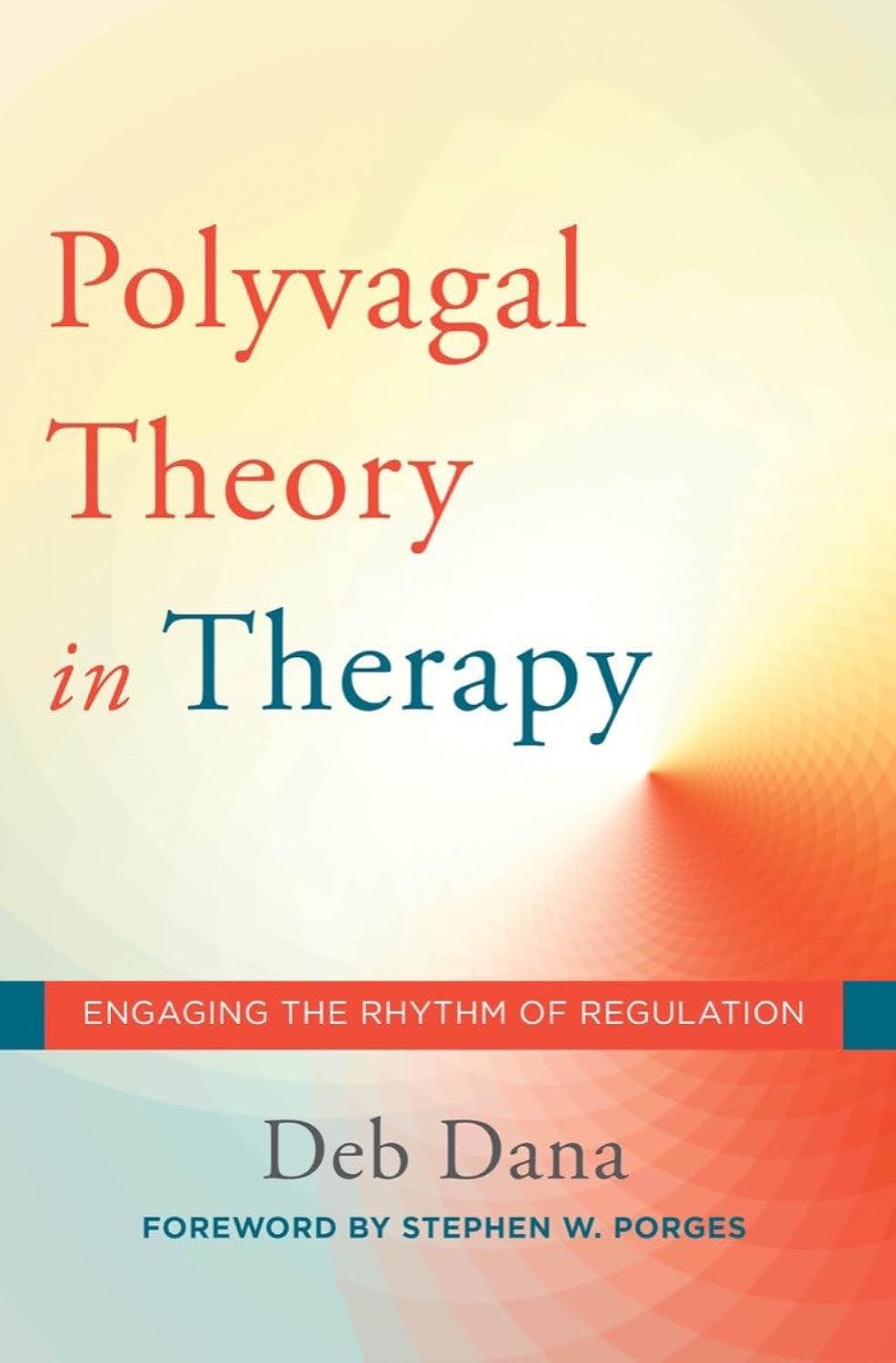
The Polyvagal Theory in Therapy
Deb Dana
Accessible guide to using Polyvagal Theory to regulate your nervous system and feel safe in your body.
It Didn't Start with You
Mark Wolynn
Groundbreaking exploration of inherited family trauma and how to end intergenerational cycles.
As an Amazon Associate, Clarity House Press earns from qualifying purchases. Your price is never affected.
Found this helpful?
Share it with someone who might need it.
About the Author

Clarity House Press
Editorial Team
The editorial team at Clarity House Press curates and publishes evidence-based content on narcissistic abuse recovery, high-conflict divorce, and healing. Our content is informed by research, survivor experiences, and established trauma-informed approaches.
View all posts by Clarity House Press →Published by Clarity House Press Editorial Team