Please read our important disclaimers before using this content
Before you read. Most people who speak publicly about being harmed are telling the truth, and most allegations of abuse are made in good faith. This article addresses the narrower, documented situation of a coordinated, knowingly false public reputation attack. If any allegation against you is true, this content does not apply; seek accountability-focused counsel. Educational only — not legal advice.
Your phone starts buzzing. Friends, coworkers, family members reaching out with concern. "Is everything okay?" "I saw what they posted." "Are these allegations true?"
You open social media to discover the other parent has published a detailed account of your "abuse"—allegations of violence, emotional torment, manipulation, threats. They've tagged mutual friends, posted in community groups, emailed your employer. They're painting themselves as a brave survivor escaping a monster.
None of it is true. But thousands of people now believe it.
Welcome to the narcissistic smear campaign: a calculated strategy to destroy your reputation so thoroughly that even if you win in court, you'll have lost in the court of public opinion.
Why Narcissists Destroy Reputations Publicly
The Strategic Objectives
A public smear campaign serves multiple purposes in custody warfare:
Social isolation: If everyone believes you're abusive, you lose support systems, witnesses, and community standing.
Professional destruction: Allegations sent to your employer, colleagues, or clients can cost you your career—and your ability to pay child support and legal fees.
Preemptive credibility attack: By controlling the narrative first, the other parent makes your truth sound like defensive lies.
Legal leverage: Public allegations create "evidence" they can cite in court ("Even his coworkers knew about his abuse").
Emotional devastation: Watching your reputation destroyed publicly causes psychological trauma that may make you give up custody fight.
Permanent record: Internet posts, screenshots, and Google search results don't disappear—even if later proven false.
The Psychology Behind Public Destruction
Why does a high-conflict ex-partner engage in public smear campaigns?
Victim identity protection: If their identity is built on being the victim, they psychologically require you to be the villain. Making others see you as abusive reinforces their narrative to themselves and others.
Projection of traits: Individuals often accuse others of the behaviors they themselves exhibit - manipulation, cruelty, dishonesty. Projecting these traits onto you publicly deflects scrutiny from their actions. Research on DARVO (Deny, Attack, and Reverse Victim and Offender) demonstrates that perpetrators commonly deny their behavior, attack those confronting them, and reverse roles so the perpetrator assumes the victim role while turning the true victim into an alleged offender.1
Recruitment of allies: Public posts serve to recruit others ("flying monkeys") to monitor, harass, and validate their narrative. Each person who believes them becomes a witness they can cite.2
External validation: Sympathy, support, and attention from the community serve as powerful emotional reinforcement, especially for those with deep insecurity or identity disturbance. Research on coercive control patterns demonstrates how psychological abuse in relationships often includes recruiting third parties to reinforce the abuser's narrative and isolate the victim.3
Continued control: After the relationship ends, destroying your reputation publicly maintains power over you and punishes you for leaving or challenging them. Understanding how smear campaigns work as a narcissistic tactic provides broader context for defending yourself effectively.
Common Smear Campaign Tactics
Social Media Warfare
Facebook posts:
- Vague posts implying abuse ("Finally free from someone who hurt me for years")
- Detailed allegations with strategic ambiguity (names you without naming you)
- Sharing of "survivor" content with pointed commentary
- Photos of children with captions about "protecting them from their father"
Instagram stories:
- Real-time updates during custody exchanges ("Trigger warning: seeing my abuser today")
- Screenshots of "threatening" texts (with their own provocation cropped out)
- Inspirational quotes about escaping abuse with your photo subtly included
Twitter/X threads:
- Detailed narrative of relationship presented as cautionary tale
- Hashtags like domesticviolencesurvivor, narcissisticabuse, toxicmen
- Tagging of advocacy organizations or influencers to amplify reach
TikTok videos:
- "Storytime" videos detailing alleged abuse
- Trending audio used to describe leaving "abusive relationship"
- Videos of children that imply you're dangerous or absent by choice
Professional Destruction
Employer contact:
- Emails or calls to your HR department alleging you're dangerous
- Claims you're under investigation for domestic violence (even if false)
- Requests that you be fired for "safety reasons"
- Allegations that you're unstable or violent at work
Client/customer sabotage:
- If you're self-employed, contacting clients with allegations
- Negative online reviews mentioning abuse allegations
- Social media campaigns targeting your business
- Industry-specific defamation (professional Facebook groups, LinkedIn posts)
Community and Family Targeting
Mutual friends:
- Private messages detailing abuse allegations
- Public posts that force friends to "choose sides"
- Accusations that anyone supporting you is "enabling an abuser"
Your family:
- Emails or messages to your parents, siblings with allegations
- Claims that your family "always knew" you were abusive
- Attempts to turn your family against you using false narratives
Children's school/activities:
- Warnings to teachers, coaches, parents that you're dangerous
- Requests that you be excluded from school events for "safety"
- Public posts in parent groups about "co-parenting with an abuser"
Religious community (if applicable):
- Reports to church leadership alleging abuse
- Public testimony at services or groups
- Requests that congregation shun you
Legal System Manipulation
Public court filings:
- Filing protective orders, custody motions with inflammatory allegations (public record)
- Media contact encouraging coverage of custody case
- Press releases positioning themselves as advocate for abuse victims
Advocacy organization involvement:
- Partnering with DV advocacy groups to give allegations credibility
- Speaking at events as "survivor" (with you as unnamed abuser)
- Fundraising for "legal fees to protect children from abuser"
Defamation Law Basics for Fathers
What Constitutes Defamation
Legal definition: A false statement of fact (not opinion) that is published to third parties and harms your reputation.
Two types:
Libel: Written defamation (social media posts, emails, texts)
Slander: Spoken defamation (statements to employers, community members, family)
Elements you must prove (varies by jurisdiction):
-
False statement of fact: "He hit me" is a statement of fact that can be proven true or false. "He's a jerk" is protected opinion.
-
Publication: Statement was communicated to at least one third party (not just between you two).
-
Identification: A reasonable person could identify you as the subject (even if not named directly).
-
Harm: You suffered damages. Some statements are "defamation per se" (so harmful damages are presumed): allegations of crime, sexual misconduct, professional incompetence, or having a loathsome disease.
-
Fault: For private figures (most custody cases), the other parent must have been at least negligent about truth. If you're a public figure, you must prove actual malice - they knew it was false or showed reckless disregard for truth.
Truth is an absolute defense: If their statements are TRUE, they cannot be defamatory no matter how damaging. This is why documentation proving falsity is critical.
Defamation in Custody Context
Judicial proceedings have absolute privilege: Statements made in court filings, sworn testimony, and official legal documents are protected by absolute privilege in most states. This means you generally cannot sue for defamation based on what the other parent said in a custody petition or protective order application, even if knowingly false.
Why this exists: Courts want parties to speak freely without fear of defamation suits. The remedy for false court statements is addressing them within the legal proceeding, not a separate lawsuit.
Limited exceptions:
- Statements made outside the courtroom about the case (press conferences, social media posts about the case)
- Statements to parties not involved in litigation (their posts on Facebook are NOT privileged)
- Some states allow defamation claims for statements made with malice and without relation to the legal proceeding
Social media posts are NOT privileged: Posts on Facebook, Instagram, TikTok, emails to your employer - these are fully actionable as defamation if false. The other parent doesn't get legal protection for public reputation destruction.
Key strategic point: Document what the other parent says in court vs. what they say publicly. Inconsistencies between privileged court statements and unprivileged social media posts can be powerful evidence of malice.
What Damages Can You Recover
Defamation Per Se (allegations of crime, sexual misconduct, professional incompetence, loathsome disease):
- Damages are presumed - you don't have to prove specific financial harm
- Reputational harm alone is sufficient
- Significantly easier to prove than defamation per quod
Defamation Per Quod (all other false statements):
- You MUST prove actual damages - specific financial losses or measurable harm
- "I was embarrassed" is not enough - need concrete evidence of harm
Types of damages recoverable:
Economic damages:
- Lost wages or terminated employment
- Lost business, clients, or professional opportunities
- Costs of reputation repair services
- Some jurisdictions allow recovery of legal fees (rare)
Non-economic damages (availability varies by state):
- Emotional distress (some states require medical evidence; some allow only with physical manifestation)
- Reputational harm (easier with defamation per se)
- Loss of relationships or community standing (difficult to monetize)
Punitive damages (if you prove malice):
- Available in some states, not others
- Designed to punish particularly egregious conduct
- Requires proof they knew statements were false or acted with reckless disregard for truth
- Can be substantial but many states cap punitive damages
Statute of limitations: Most states require you to file within 1-2 years of publication. Clock starts when statement is published, NOT when you discover it. Act quickly.
Social Media Evidence Preservation
Immediate Documentation Steps
Screenshot everything:
- Full screenshots showing their username, date, and full content
- Comments from others responding to posts
- Share counts and engagement metrics
- Full threads, not just individual posts
Use archiving tools:
- Archive.org's Wayback Machine for public posts
- Screenshot apps with timestamp verification
- Professional digital forensics if needed for litigation
Preserve metadata:
- Download photos/videos with metadata intact (shows date, time, location)
- Save HTML source code of web pages
- Keep URL records of all posts
Document dissemination:
- Who shared their posts (mutual friends, community members)
- Where posts were shared (private groups, public forums)
- Reach estimates (how many people saw defamatory content)
What NOT to Do
Don't respond publicly: Engaging gives their content more visibility and makes you look defensive.
Don't have friends respond: "Flying monkeys" on your behalf can be used against you ("He sent people to harass me").
Don't delete your own accounts: Looks like you're hiding something.
Don't make vague counter-posts: "They're lying about me" without specifics sounds defensive and weak.
Strategic Response Options
Option 1: Strategic Silence (Often Best Initially)
When this works:
- Early in smear campaign before widespread dissemination
- Allegations are vague or obviously false
- Your reputation is strong enough to withstand initial accusations
- You're gathering evidence for legal action
What you do:
- Document everything but don't respond publicly
- Allow them to continue posting (each post is more evidence)
- Focus on legal defense, not public relations
- Let them overplay their hand (excessive posting looks unhinged)
Why this works:
- High-conflict individuals often escalate when ignored, creating more evidence of pattern
- Public silence demonstrates emotional regulation and confidence
- Gives you time to build comprehensive legal case with pattern evidence
- Avoids "he said/she said" public battles that rarely convince anyone
- Your goal is truth, not winning a PR battle: Court of law matters more than court of public opinion. Studies show that participants exposed to DARVO tactics perceive victims as less believable and more responsible for violence, while perpetrators are judged as less abusive and less responsible, demonstrating why direct public engagement often backfires.4
Option 2: Limited Factual Correction
When this works:
- Specific, provably false allegations affecting professional reputation
- You have documentary evidence immediately available
- Limited audience that needs to know truth (employers, close family)
What you do:
- Single factual statement correcting specific lies
- Attach evidence (alibi proof, contradictory texts)
- Calm, professional tone (no emotion, no attacks on them)
- No engagement with their responses
Example: "I've been made aware of allegations circulating about me. These allegations are false. I have never been arrested, charged, or convicted of any crime. I have never been found to have committed abuse by any court or investigative body. Attached is documentation refuting specific claims. I will not be engaging further publicly as this matter is being addressed through appropriate legal channels."
Option 3: Aggressive Legal Action
When this works:
- Widespread, specific, provably false allegations
- Significant damages (job loss, professional harm, custody impact)
- They have assets to satisfy judgment
- You're willing to invest in litigation
What you do:
- Hire defamation attorney
- Send cease and desist letter demanding retraction
- File defamation lawsuit if they continue
- Seek injunction prohibiting further defamatory statements
What you're fighting for:
- Monetary damages for harm caused
- Court order requiring retraction and apology
- Injunction against future defamatory statements
- Vindication through public court record
When to Sue for Defamation
Calculation: Is Lawsuit Worth It?
Factors favoring lawsuit:
Provable damages: You lost job, clients, custody time directly due to their false statements.
Clear evidence: Screenshots, witnesses, timeline proving statements were false and harmful.
Financial recovery possible: They have income or assets to satisfy judgment.
Vindication value: Public court record establishing truth matters more than money.
Pattern of escalation: They're continuing to defame despite warnings.
Factors against lawsuit:
Cost: Defamation litigation is expensive ($25,000-$150,000+ depending on jurisdiction and complexity, potentially more for trial).
Streisand Effect: Lawsuit may give allegations more publicity.
Time drain: Litigation takes months or years while custody battle continues.
Collectability: They're judgment-proof (no assets, no income to garnish).
Emotional and psychological cost: Defamation litigation requires reliving false allegations repeatedly through depositions, discovery, and potentially trial. This process can trigger or exacerbate PTSD symptoms, depression, anxiety, and hypervigilance.5 Research demonstrates that victims of defamation and reputation damage experience significant psychological harm including anxiety, depression, shame, low self-esteem, and social withdrawal.6 The psychological toll may outweigh the benefit of legal vindication, especially if you're simultaneously fighting a custody battle.
Anti-SLAPP risk: Some states have Anti-SLAPP (Strategic Lawsuit Against Public Participation) laws that allow defendants to quickly dismiss defamation suits they claim are designed to silence speech. If the other parent files an anti-SLAPP motion and wins, you may be required to pay their attorney fees. Consult with an attorney about anti-SLAPP laws in your jurisdiction before filing.
The Cease and Desist Letter
Before filing lawsuit, send cease and desist:
What it includes:
- Identification of specific defamatory statements
- Evidence that statements are false
- Demand for immediate retraction and public apology
- Deadline for compliance (typically 10-14 days)
- Consequences of non-compliance (lawsuit)
Why send it:
- May stop smear campaign without litigation expense
- Demonstrates you're serious about legal action
- Creates evidence of their knowledge that statements are false (strengthens malice proof if you proceed to lawsuit)
- Required in some jurisdictions before filing suit
- Warning: May trigger Streisand Effect (more publicity) or cause them to delete evidence
What attorney will include:
- Identification of specific defamatory statements with dates and platforms
- Explanation of why statements are false (with supporting evidence)
- Itemization of damages suffered
- Demand for immediate removal of all defamatory content
- Demand for public retraction and apology
- Deadline for compliance (typically 10-14 days)
- Statement of intent to pursue litigation if demands not met
Example approach (simplified - actual letter will be more detailed):
"Your statements on Facebook dated [specific dates] alleging that [name your client] committed domestic violence, child abuse, and made threats are false statements of fact. [Client] has never been arrested, charged, or convicted of any crime. [Client] has never been found by any court or investigative body to have engaged in abuse. Your statements have caused quantifiable harm including [specific damages: job loss, professional harm, lost custody time]. You must immediately: (1) Remove all defamatory posts, (2) Issue a public retraction, (3) Cease making further false statements. You have 14 days to comply. Failure to comply will result in filing of defamation lawsuit seeking damages and injunctive relief."
Important: Cease and desist letter must come from attorney, not you directly. Self-written demands are generally ineffective and may be used against you.
Rebuilding Professional Reputation
Immediate Damage Control
Employer communication (if allegations reached workplace):
Proactive approach:
- Schedule meeting with HR and/or supervisor
- Bring evidence that allegations are false (court dismissals, contradictory communications)
- Explain this is custody warfare, not legitimate safety concern
- Provide attorney contact for verification
- Request confidentiality to minimize workplace disruption
If employer terminates you:
- Know your rights: Most employment is "at-will" - employer can terminate for almost any reason or no reason. Wrongful termination claims are limited to specific situations (discrimination based on protected class, retaliation for whistleblowing, violation of employment contract).
- Document termination reason given and timeline
- Request written explanation of policy allegedly violated
- Consult with employment attorney immediately if you believe termination was discriminatory or violated contract
- Preserve all communications with employer
- Reality check: Unless you have employment contract or were fired for discriminatory reason (race, sex, religion, disability, etc.), you likely have no legal recourse against employer. False allegations from ex-partner are generally not protected grounds.
Online Reputation Management
Google alerts: Set up alerts for your name to monitor new posts or articles.
SEO strategy:
- Create positive online content (professional LinkedIn, portfolio site, legitimate social media)
- Publish professional accomplishments to push down negative search results
- Request removal of defamatory content from platforms (often unsuccessful but worth trying)
Professional reputation services (if warranted and financially feasible):
- Companies specializing in online reputation repair (typically $3,000-$10,000+ per month)
- Can suppress negative search results through SEO techniques
- Effective for severe damage but expensive - not accessible to most fathers
- Low-cost alternative: Focus on creating positive professional content yourself (LinkedIn articles, portfolio sites, professional social media presence) to organically push down negative results over time
Community Rebuilding
Selective truth-telling:
- Close friends and family deserve explanation with evidence
- Professional contacts may need brief factual correction
- Casual acquaintances: ignore and let your character speak
Strategic visibility:
- Continue normal community involvement (coaching, volunteering, church)
- Let people see you're same person you've always been
- Don't hide or act ashamed (you've done nothing wrong)
New relationships:
- Be honest about situation when appropriate ("I'm in a difficult custody battle with false allegations")
- Offer evidence if requested but don't over-explain
- Trust that character and actions will demonstrate truth over time
Your Next Steps
This week:
- Screenshot and archive all defamatory posts, comments, and communications immediately
- Document who has seen/shared defamatory content (witnesses to dissemination)
- Preserve evidence of damages (job loss, professional harm, lost opportunities)
- Consult with defamation attorney to assess viability of legal action
- Decide on strategic response: silence, limited correction, or legal action
This month:
- If pursuing legal action, send cease and desist letter through attorney
- Notify employer, professional contacts with factual correction if allegations spread to workplace
- Set up Google alerts and online monitoring for your name
- Document all new defamatory statements (smear campaigns often escalate)
- Focus on legal custody defense using defamation as evidence of their character
Long-term:
- If they continue defaming after cease and desist, file defamation lawsuit
- Use defamatory statements in custody modification (evidence of alienation and unfitness)
- Rebuild professional reputation through positive online presence and consistent character
- Seek trauma-informed therapy: Public reputation destruction causes psychological trauma including PTSD symptoms, depression, anxiety, hypervigilance, and complicated grief. Research on coercive control demonstrates that psychological abuse creates significant trauma and mental health impacts including PTSD, complex PTSD, and depression.7 This is not weakness - this is normal response to abnormal cruelty. You need support processing this.
- Consider advocacy work helping other fathers facing smear campaigns once you're stabilized
Resources
Legal Support for Defamation and Reputation Defense:
- American Bar Association - Defamation Law - Find defamation and First Amendment attorneys
- LawHelp.org - Free and low-cost legal assistance for cease and desist letters
- Electronic Frontier Foundation - Digital rights and online defamation legal resources
- Nolo - Defamation Law Center - Understanding libel, slander, and legal remedies
Crisis Support and Mental Health:
- Psychology Today - Trauma Therapists - Find therapists specializing in reputational trauma
- National Domestic Violence Hotline - 1-800-799-7233 (smear campaigns are psychological abuse)
- 988 Suicide & Crisis Lifeline - Call or text 988 for immediate crisis support
- SAMHSA Helpline - 1-800-662-4357 (mental health treatment referrals)
Reputation Management and Documentation:
- TalkingParents - Unalterable documentation of false accusations for court
- OurFamilyWizard - Certified records of communication and defamatory statements
- Reputation.com - Online reputation monitoring and management services
- Wayback Machine - Archive defamatory posts before they're deleted (evidence preservation)
Key Takeaways
Public smear campaigns serve strategic purposes: social isolation, professional destruction, preemptive credibility attacks, and permanent reputational damage. When these smear campaigns involve false allegations of domestic violence in custody proceedings, see our guide on defending against false DV allegations in custody cases.
Narcissists destroy reputations publicly because victim narrative maintenance requires you to be seen as villain, and public destruction feeds their need for sympathy and control.
Defamation law provides remedies if you can prove false statements of fact caused damages, but litigation is expensive and time-consuming.
Strategic silence is often the best initial response—document everything, let them overplay their hand, then pursue legal action with comprehensive evidence.
Rebuilding reputation requires proactive communication with employers, online reputation management, selective truth-telling, and consistent demonstration of character over time.
Document everything. Consider your options carefully. Rebuild systematically.
Resources:
- State Bar Association Lawyer Referral Services: Most state bars offer defamation attorney referrals
- Legal Aid Societies: Some offer limited assistance with defamation cases for low-income individuals
- Reporters Committee for Freedom of the Press (rcfp.org): Maintains defamation law resources by state
- Electronic Frontier Foundation (eff.org): Online speech and defamation resources
- BrandYourself (brandyourself.com): DIY online reputation management tools (paid service)
- National Coalition for Men (ncfm.org): Support for male survivors of false allegations (note: organization holds controversial positions on some gender issues)
References
- Harsey, S. J., Zurbriggen, E. L., & Freyd, J. J. (2017). Perpetrator Responses to Victim Confrontation: DARVO and Victim Self-Blame. Journal of Aggression, Maltreatment & Trauma, 26(6), 644-663. doi: 10.1080/10926771.2017.1320777 ↩
- Lohmann, A., Cowlishaw, S., Grealy, C., Frewen, A., Karatzias, T., & Melvin, G. A. (2024). The Trauma and Mental Health Impacts of Coercive Control: A Systematic Review and Meta-Analysis. Trauma, Violence & Abuse, 25(1), 622-639. doi: 10.1177/15248380231162972 ↩
- McLindon, E. V-M., Brown, C., McKenzie, M., Tarzia, L., & Hegarty, K. (2025). Development and Validation of the Psychological Abuse in Relationships Scale. Journal of Interpersonal Violence. doi: 10.1177/08862605251325912 ↩
- Schoenebeck, S., Lampe, C., & Triệu, P. (2023). Online Harassment: Assessing Harms and Remedies. Social Media + Society, 9(1). doi: 10.1177/20563051231157297 ↩
- Hariharan, J. (2021). Damages for reputational harm: can privacy actions tread on defamation's turf? Journal of Media Law, 13(2), 166-193. doi: 10.1080/17577632.2021.2012393 ↩
- Harsey, S. J., & Freyd, J. J. (2020). Deny, Attack, and Reverse Victim and Offender (DARVO): What Is the Influence on Perceived Perpetrator and Victim Credibility? Journal of Aggression, Maltreatment & Trauma, 29(8), 897-916. doi: 10.1080/10926771.2020.1774695 ↩
- Lohmann, A., Cowlishaw, S., Grealy, C., Frewen, A., Karatzias, T., & Melvin, G. A. (2024). The Trauma and Mental Health Impacts of Coercive Control: A Systematic Review and Meta-Analysis. Trauma, Violence & Abuse, 25(1), 622-639. Available at: https://pmc.ncbi.nlm.nih.gov/articles/PMC10666508/ ↩
Recommended Reading
From Clarity House Press — plus trusted books for deeper understanding


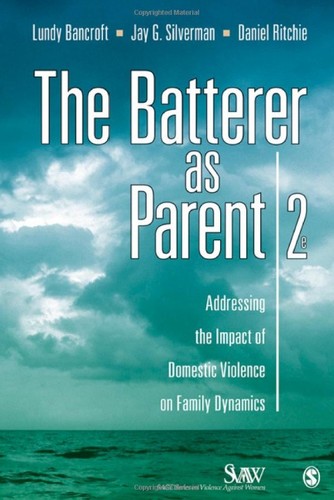
The Batterer as Parent
Lundy Bancroft, Jay G. Silverman & Daniel Ritchie
How domestic violence impacts family dynamics, with approaches for custody evaluations.

It's OK That You're Not OK
Megan Devine, LPC
A grounded, permission-giving companion for grief that resists tidy timelines and lets loss simply be witnessed.
As an Amazon Associate, Clarity House Press earns from qualifying purchases. Your price is never affected.
Found this helpful?
Share it with someone who might need it.
About the Author

Clarity House Press
Editorial Team
The editorial team at Clarity House Press curates and publishes evidence-based content on narcissistic abuse recovery, high-conflict divorce, and healing. Our content is informed by research, survivor experiences, and established trauma-informed approaches.
View all posts by Clarity House Press →Published by Clarity House Press Editorial Team