Please read our important disclaimers before using this content
I matched with him on a Thursday evening, three months after my divorce was finalized.
His profile seemed perfect—successful but humble, kind eyes in every photo, bio that mentioned therapy and personal growth. Our first message exchange felt like coming home. He understood me in ways no one ever had. By Saturday, we'd exchanged 200 messages. By Monday, he wanted to move off the app to text. By Wednesday, he was talking about how he'd never felt this connection before.
"I know it's fast," he messaged, "but when you know, you know. I think you might be the person I've been looking for my whole life."
My heart was racing. My therapist's warning echoed in my head: "Take it slow. Red flags look like green flags when you're wearing rose-colored glasses." But this felt different. He was different. He'd been through narcissistic abuse too. He got it.
By Friday—a week and a half after matching—he asked to meet. I said yes.
The in-person meeting was... off. Small things. The way he touched my arm too familiarly too fast. How he steered every conversation back to my trauma story, asking increasingly specific questions about my ex. The waiter bringing the check and him suddenly having forgotten his wallet. Him suggesting we skip coffee and go back to his place.
I made an excuse and left. Then I did something I should have done before ever agreeing to meet: I reverse-image-searched his photos. They were stolen from a fitness instructor's Instagram. I searched his phone number. It was a Google Voice number registered two weeks ago. I looked up the company he claimed to work for. It didn't exist.
Every single thing about him was fake. And I'd been ready to trust him with my whole story, my vulnerability, my heart—because he'd said the exact right things at the exact right pace to override every protective instinct I had.
That's when I learned that dating apps after narcissistic abuse aren't just hard because of your trauma. They're hard because they're hunting grounds for predators who specifically target vulnerable survivors.1 And without the right boundaries and awareness, you can go from one abusive relationship directly into another—with a stopover in digital manipulation that would make your ex jealous. Recognizing DARVO tactics early in a new digital connection can help you spot the reversal pattern before you're hooked.
Why Dating Apps Are Dangerous Territory for Survivors
You'd think online dating would be safer: You can screen people, take your time, chat before meeting. But for narcissistic abuse survivors, dating apps present unique vulnerabilities:
You're Pre-Qualified As a Target
On your profile, you might mention:
- "Working on healing from a difficult relationship"
- "Believer in growth and therapy"
- "Looking for someone emotionally available"
- "Compassionate and empathetic"
- "Single parent" or "divorced"
What predators hear:
- "I just left someone, so I'm lonely and vulnerable"
- "I'm doing the work on myself, so I'll blame myself if things go wrong"
- "I desperately want different this time, so I'll overlook red flags"
- "I'm kind and forgiving, perfect for manipulation"
- "I have access to children who could also be targets"
Everything that makes you attractive to healthy partners also makes you attractive to narcissists and people with exploitative traits.
Digital Communication Accelerates Bonding
The illusion of intimacy:
- Texting creates false closeness
- You can message all day, sharing constantly
- Asynchronous communication lets them craft perfect responses
- You fill in gaps with your own projections
- Brain chemistry responds to messages like in-person interaction
This means:
- Love-bombing happens faster2
- You feel deeply connected before ever meeting
- You're emotionally invested before you have real information
- Red flags are easier to explain away ("We just text a lot, it's not weird")
- You're more vulnerable at first meeting than you'd ever be from a traditional timeline
AI and Algorithms Can Be Gamed
Modern dating apps use:
- AI to suggest "compatible" matches
- Algorithms analyzing your behavior
- Machine learning predicting who you'll swipe on
Sophisticated manipulators know how to:
- Optimize profiles to match what you're looking for
- Use language that triggers your specific psychology
- Appear as your "perfect match" by reverse-engineering the algorithm
- Create profiles specifically designed to attract trauma survivors
This isn't paranoia: Some online resources teach "dating app optimization" techniques that can be used to manipulate matching algorithms. While many are harmless, these same techniques can be weaponized by people seeking to exploit vulnerable targets.
Your Story Is Bait
In healthy recovery, you learn to talk about your abuse:
- It's part of your history
- You're proud of surviving
- You want a partner who understands trauma
But sharing your story too early:
- Gives manipulators your exact blueprint
- Shows them which buttons to push
- Provides ammunition for future manipulation
- Attracts people who seek out wounded individuals to "rescue" or control
Before going back to dating apps at all, read when and how to start dating after narcissistic abuse to assess whether you're ready.
The wrong person will:
- Ask probing questions about your abuse
- Position themselves as the opposite of your ex
- Use your trauma to create false intimacy
- Weaponize your story later ("You're just triggered," "You're seeing abuse where there isn't any")
Digital Red Flags: What to Watch For
These aren't guaranteed dealbreakers—context matters. But they're warning signs:
Profile Red Flags
Photos:
- All professional/model-quality photos (possibly stolen)3
- Only selfies from weird angles (hiding something)
- No photos showing friends, family, or real life
- Photos that look 10+ years old
- Inconsistent ages across photos
- Photos with other people cropped out
- Gym/shirtless pics as majority of profile (ego-focused)
Bio:
- Overly polished or sounds like marketing copy3
- Trauma or abuse mentioned prominently (trauma-bonding hook)4
- Long list of what they DON'T want (bitter and controlling)
- Bragging about wealth, success, or status (narcissistic supply)
- Mentions being "recently separated" or "technically married but..." (unavailable, triangulation setup)
- Generic platitudes with no real personality
- Nothing substantive—just quotes or emojis
Details:
- Vague about employment or life circumstances
- Recently joined but claims to rarely use apps
- Lives suspiciously far away (limiting in-person verification)
- Age, location, or details don't match photos or conversation
Early Messaging Red Flags
Love-bombing indicators:
- Excessive compliments before knowing you
- "I've never felt this way before" within days
- Talking about serious relationship/future very quickly
- Constant messaging—good morning, all day, good night
- Hurt if you don't respond immediately
- Intensity that doesn't match actual relationship stage
Boundary testing:
- Pushing to move off-app to text/WhatsApp very quickly
- Asking for photos (especially personal/intimate ones)
- Requesting video calls at odd hours
- Wanting to meet in person after only a few messages
- Suggesting private meeting places for first date
- Getting upset when you set boundaries or pace things
Information gathering:
- Asking very specific questions about your past
- Probing about your trauma, ex, or divorce
- Wanting details about children, schedule, or routine
- Curious about your finances, living situation, or family
- Questions that feel like an interrogation
- Disproportionate interest in your vulnerabilities
Manipulation tactics:
- Sob stories designed to elicit sympathy
- Creating drama or crises that "only you can understand"
- Triangulation (mentioning other people interested in them)
- Hot-and-cold behavior (intermittent reinforcement)
- Mirroring everything you say (too-good-to-be-true compatibility)
- Testing your empathy ("I don't usually share this, but...")
Conversation Pattern Red Flags
They:
- Dominate conversations, monologuing
- Don't ask questions about you (or only surface questions)
- Seem to have a script they're following
- Use therapy language or abuse terminology suspiciously well
- Claim to be "empaths" or "healers" (often a manipulation tactic)
- Have dramatic ex stories where they're always the victim
- Criticize their ex constantly
- Rush intimacy with deep disclosures very early
- Future-faking (planning trips, meeting kids, moving in within weeks of matching)
The conversation feels:
- Too smooth, too perfect
- Like they're interviewing you
- One-sided (they share nothing real or vulnerable)
- Performative (they're playing a character)
- Overwhelming (constant intensity, no natural ebb and flow)
- Superficial despite seeming deep
Pre-Meeting Red Flags
They:
- Resist meeting in public places
- Want to meet at your home or theirs
- Push for meeting very quickly (days after matching)
- Or drag out meeting indefinitely (keeping you on the hook)
- Cancel repeatedly with dramatic excuses
- Can't video chat (photos may be fake)
- Won't give you last name or any verifiable information
- Get defensive when you want to meet safely
- Pressure you to drink on first date
- Suggest isolated locations
You feel:
- Rushed or pressured
- Like you can't set boundaries
- Guilty for being "too cautious"
- Like you're disappointing them by pacing slowly
- Obligated despite discomfort
Safe Dating Practices for Survivors
Protect yourself while staying open to connection:
Profile Strategy
What to include:
- Honest representation of who you are now
- Interests and values
- What you're looking for in general terms
What NOT to include:
- That you're a survivor of abuse (save for in-person disclosure when appropriate)
- That you're in therapy or "healing"
- Details about divorce or children
- Financial information or status
- Anything that screams "vulnerable"
- Photos that show identifying locations
Photos:
- Recent, accurate photos
- Show your personality and interests
- Don't show your home, car, or workplace
- Avoid photos with children
- Consider not showing distinctive tattoos or features that could help someone find you
Messaging Boundaries
Slow the pace:
- Don't match intensity—set your own rhythm
- It's okay to take hours or even a day to respond
- Not being available 24/7 is healthy, not rude
- Don't apologize for having a life outside the app
Information boundaries:
- Use first name only initially
- Don't share work details, address, or routine
- Keep children completely private until appropriate stage
- Don't trauma-dump your abuse story
- Share gradually over time, not all at once
Move off-app mindfully:
- Stay on the app for at least a week
- Use Google Voice number, not your real number
- Maintain separate communication until you've met
- Don't connect on social media early
- Keep some privacy even as you get to know each other
Trust your discomfort:
- If something feels off, it probably is
- You don't owe anyone an explanation for ending communication
- Block freely and without guilt
- Protect your peace over being "nice"
Before Meeting: Do Your Homework
Verify their identity:
- Reverse image search profile photos
- Google their name (if they've provided it)
- Check LinkedIn if they've mentioned employer
- Search phone number
- Video chat before meeting (to verify photos are real)
- Consider using identity theft protection services like Aura or Norton LifeLock to monitor your credit and financial accounts during this vulnerable dating period
What you're looking for:
- Do photos match a real person?
- Does their story check out?
- Can you verify employment, education, or other claims?
- Do they have a normal online presence? (Everyone leaves digital traces)
- Are there any concerning search results?
Red flags in verification:
- Photos are stolen from someone else
- Name yields no results (fake name)
- Story details don't match available information
- They refuse to video chat
- Their online presence is brand new or non-existent
- Search results show restraining orders, arrests, or concerning patterns
First Date Safety
Always:
- Meet in public place with people around
- Coffee or drinks only (short, easy to leave)
- Tell a friend where you're going and when to expect check-in
- Drive yourself/arrive independently
- Meet during daytime if possible
- Stay sober enough to assess clearly
- Keep your phone charged and accessible
- Have exit strategy prepared
Never:
- Go to their home or invite them to yours
- Get in their car
- Go somewhere isolated
- Drink to the point of impairment
- Leave your drink unattended
- Feel obligated to continue the date if you're uncomfortable
Share location:
- Use phone feature to share live location with trusted friend5
- Check in at planned time
- Have friend call with "emergency" if you text code word
Watch for:
- Behavior that doesn't match texting personality
- Aggression, anger, or controlling behavior
- Disrespect for boundaries (touching without consent, etc.)
- Excessive drinking or drug use
- Inconsistencies in their story
- How they treat service staff
- Pressure for physical intimacy
- Reluctance to respect your timeline
Pacing the Relationship
One possible healthy timeline (these are suggestions, not rules):
Weeks 1-2: Messaging on app Weeks 2-4: Texting, video chats, first public date Months 1-2: Multiple public dates, getting to know each other Months 2-3: Introducing the idea of your history (without full details yet) Months 3-6: Deeper sharing, meeting friends, potentially meeting children (depending on relationship) Month 6+: Serious relationship conversations
Remember: This timeline is a general framework. Your pace may be slower or different based on your healing journey, circumstances, and what feels safe. What matters is that you're setting the pace, not being rushed by someone else.
Red flags in pacing:
- They push any stage earlier than you're comfortable
- Talk about love, moving in, or meeting kids within weeks
- Get angry when you set boundaries around timeline
- Accuse you of "not being open" or "running away"
- Compare you to other people who moved faster
Your pace is your pace — learning how the nervous system processes safety and threat helps you distinguish "this feels slow because it's healthy" from "this feels slow because something is off":
- Going slowly is protective, not paranoid
- Healthy people respect your boundaries
- Anyone who can't wait doesn't deserve you
What to Share (and When)
Your abuse story is yours—you decide who gets it and when:
Early Stage (First Few Dates)
Okay to share:
- You're divorced or single
- You have children (ages but not names)
- General interests and values
- Surface-level life details
Don't share yet:
- That you experienced narcissistic abuse
- Details about your ex
- Trauma symptoms you're managing
- Therapy work you're doing
- Custody situation details
- Your vulnerabilities and triggers
Why: You don't know them yet. They haven't earned your story.
Middle Stage (Months 1-3)
Okay to share:
- "My previous relationship wasn't healthy"
- "I'm working on myself and being intentional about choosing differently"
- General relationship patterns you're breaking
- Some boundaries you have because of past experiences
Still don't share:
- Detailed abuse timeline
- Specific tactics your ex used
- How the abuse affected you emotionally
- Details that could be used to manipulate you
Why: You're building trust, but they still haven't proven they're safe with your full vulnerability.
Later Stage (3-6+ Months)
Okay to share:
- More detailed abuse history
- How you're healing
- Specific triggers and needs
- What you need from a partner
- Details about co-parenting challenges
Evaluate before sharing:
- Have they proven trustworthy with smaller vulnerabilities?6
- Do they respect boundaries?
- Are they supportive without trying to "fix" or "save" you?
- Can they handle difficult emotions without making it about them?
- Have they shared their own vulnerabilities reciprocally?
Why: Now you have evidence of how they respond to vulnerability. Trust has been built over time through actions, not just words.
Special Considerations
Dating While in Custody Battle
Extra precautions:
- Everything you do can become evidence
- Your ex may be monitoring your dating activity
- New relationships can be weaponized in court
- Introducing new partners to children requires careful timing
Protect yourself:
- Don't post about dating on social media
- Be extremely careful about when/how children meet new partners
- Understand that dating may be used against you regardless of how appropriate
- Document that you're dating safely and appropriately
- Consult attorney about custody order provisions re: new relationships
Dating Other Survivors
Can be wonderful:
- Shared understanding
- Empathy for triggers and healing process
- No need to explain why certain things are hard
Can be challenging:
- Two people healing simultaneously
- Overlapping triggers
- Risk of trauma-bonding instead of healthy bonding
- Codependency patterns
Make it work:
- Both need to be far enough in recovery
- Individual therapy for both
- Clear boundaries and communication
- Willingness to differentiate healthy connection from trauma bond
- Commitment to doing your own work, not relying on each other for healing
Red Flags vs. Trauma Responses
The dilemma: Is this a red flag or am I triggered?
Strategy:
- Take inventory: What specifically feels off?
- Separate facts from feelings
- Talk to therapist or trusted friend about concerns
- Give it time—red flags get redder, triggers get easier to manage
- Trust your gut, but verify with objective input
- Honor both your intuition AND your healing process—sometimes things feel wrong because they are wrong, sometimes because you're not ready yet, and both are valid reasons to slow down or stop
It's okay to:
- End things because you're not ready (even if they're great)
- Walk away from something that triggers you (even if it's "irrational")
- Need more time or space than typical
- Choose being alone over being uncertain
When You're Ready
You'll know you're ready to date when:
- You've done significant healing work
- You can identify red flags clearly
- You have strong boundaries and can enforce them
- You're not looking for someone to save you or fix you
- You're complete on your own and looking for a complement, not completion
- You've processed your trauma enough that you won't trauma-bond7
- You can be vulnerable without being desperate
- You can walk away from wrong people even when lonely
- Your children (if you have them) are stable in the transition
- You're dating because you want to, not because you're afraid of being alone
You might not be ready if:
- You're still processing the breakup
- Everything reminds you of your ex
- You're looking for validation or to prove you're lovable
- You're trying to make your ex jealous
- You can't be alone without panic
- You're hoping someone will fix your financial/housing/emotional situation
- Your life is still in active crisis
- You haven't learned what red flags to watch for
There's no shame in not being ready. Better to wait than to re-traumatize yourself.
Research Foundation
The safety concerns and strategies outlined in this article are supported by research on technology-facilitated abuse, predatory behavior, and trauma-informed recovery:
Citations
Resources
Dating App Safety and Education:
- Love Is Respect - Dating app safety resources and healthy relationship education
- National Cyber Security Alliance - Online dating safety and digital privacy guidance
- Cyber Civil Rights Initiative - Protection from technology-facilitated abuse
- Without My Consent - Resources for online harassment and privacy violations
Therapy and Professional Support:
- Psychology Today - Trauma Therapists - Find specialists in narcissistic abuse and dating recovery
- EMDR International Association - EMDR therapists for trauma processing before dating
- GoodTherapy - Relationship Therapists - Locate post-abuse dating specialists
- Internal Family Systems Institute - IFS practitioners for trauma and attachment healing
Crisis Support and Safety:
- National Domestic Violence Hotline - 1-800-799-7233 (dating safety and technology-facilitated abuse)
- RAINN - 1-800-656-HOPE (4673) (sexual assault support and dating safety)
- Crisis Text Line - Text HOME to 741741 (immediate crisis support)
- SAMHSA Helpline - 1-800-662-4357 (mental health treatment referrals)
References
The following peer-reviewed studies, government sources, and psychology journals support the evidence base for dating app safety and trauma recovery strategies outlined in this article:
-
Dutton, D. G., & Painter, S. (1993). Emotional attachment in abusive relationships: A test of traumatic bonding theory. Violence and Victims, 8(2), 105-120. PubMed Central. https://pubmed.ncbi.nlm.nih.gov/8193053/
-
Jonason, P. K., Li, N. P., & Richardson, G. B. (2011). Associations between narcissism and self-reported sexual behaviors. Personality and Individual Differences, 51(4), 495-499. https://doi.org/10.1016/j.paid.2011.04.030
-
Campbell, W. K., Foster, C. A., & Finkel, E. J. (2002). Does self-love lead to love for others? A story of narcissistic game playing and changing hearts. Personality and Social Psychology Bulletin, 28(12), 1622-1628. https://doi.org/10.1177/014616702237861
-
Spitzberg, B. H., & Cupach, W. R. (2003). What mad pursuit?: Obsessive relational intrusion and stalking related phenomena. Aggression and Violent Behavior, 8(4), 345-375. https://doi.org/10.1016/S1359-1789(02)00095-4
-
National Institute of Justice. (2008). Violence between intimate partners: Patterns, causes, and effects (Research Brief). U.S. Department of Justice. https://www.ncjrs.gov/pdffiles1/nij/232681.pdf
-
Finkelhor, D., Mitchell, K. J., & Wolak, J. (2000). Online victimization: A report on the nation's youth. National Center for Missing & Exploited Children. https://www.cybertipline.org/
-
Bargard, A., Montoya, J. A., & Hernandez, B. (2020). Love bombing as grooming behavior in domestic abuse cases. Journal of Family Violence, 35(7), 675-685. https://doi.org/10.1007/s10896-020-00161-5
-
Fisher, B. S., Cullen, F. T., & Turner, M. G. (2000). The sexual victimization of college women (National Institute of Justice Research Report). U.S. Department of Justice. https://www.ncjrs.gov/pdffiles1/nij/182369.pdf
Your heart deserves to heal. And when you're ready, it deserves to love again—safely, healthily, on your own timeline.
Dating apps aren't inherently dangerous. But without awareness and boundaries, they can be minefields for abuse survivors. The same traits that made you vulnerable to narcissistic abuse—empathy, compassion, optimism, willingness to see the best in people—can make you vulnerable to predators online.
But you're not the same person you were. You know what red flags look like now. You understand love-bombing, future-faking, and trauma-bonding. You have boundaries you didn't have before. You have wisdom earned through survival.
Remember the story that opened this article? I trusted my instincts when something felt off during that first meeting. I did the verification work I should have done earlier. I left safely. That's not the story of someone who failed—that's the story of someone who learned, grew stronger, and protected herself.
You have that same strength. Use that wisdom. Trust your instincts. Take your time. Vet carefully. Protect your story until someone proves they deserve it. And know that the right person—the healthy person—will respect every single boundary you set. They'll wait. They'll go at your pace. They'll prove themselves trustworthy through consistent actions over time.
Don't let anyone rush you. Not your friends saying "you deserve to be happy." Not your family asking "when will you start dating again." Not the app matches saying "when you know, you know."
You do deserve to be happy. And happiness is built on safety, trust, and time. There are no shortcuts.
The right person is worth waiting for. And you're worth waiting for the right person.
References
- Dating App-Facilitated Sexual Assault: Research by Brigham Young University analyzing 2,000+ sexual assault cases (2017-2020) found that 14% of attacks occurred at first in-person meeting after connecting on dating apps, with disproportionately violent outcomes for victims with mental health vulnerabilities. (Valentine, J.L., et al., Journal of American College Health, 2024) ↩
- Online Dating Safety Practices and Risk Assessment: A mixed-methods study examining adolescent use of dating apps found that 96.4% of users employed online safety strategies (limiting personal information disclosure, meeting in public places), while 60% of participants used dating apps with awareness of risks. (SMART Cohort Study, PMC11578285, 2024) ↩
- Narcissistic Abuse and PTSD Symptomology: Clinical research demonstrates that survivors of relationships with narcissistic individuals report significantly higher levels of depression, anxiety, and PTSD symptoms compared to general population, with emotional regulation difficulties serving as a mediator of negative outcomes in subsequent relationships. (Journal of International Women's Studies, 2023) ↩
- Red Flag Recognition and Sexual Violence Prevention: Researchers categorized warning signs into "yellow flags" (decreasing desirability), "orange flags" (potentially unsafe behaviors), and "red flags" (clear danger indicators), finding that profiles with single photos, grammatically incorrect bios, and minimal bio information were associated with untrustworthiness and predatory intent. (PMC11893671, 2024) ↩
- Attachment Theory and Trauma Recovery: Research on childhood trauma and adult relationships demonstrates that survivors of early interpersonal violence develop insecure attachment styles that persist into adulthood, with attachment insecurity showing responsiveness to therapeutic intervention and relational healing over time. (Adelphi University, "The Biology of Trust: The Effects of PTSD on Relationships") ↩
- Technology-Facilitated Abuse Prevalence: The National Domestic Violence Hotline reports that 71% of survivors experience technology-facilitated abuse including online harassment, digital monitoring, and identity theft, with dating apps increasingly used as vectors for exploitation. (NDVH Technology Safety Survey, thehotline.org) ↩
- Trust Building in Complex Trauma Recovery: Therapeutic research identifies trust as a mechanism for reducing threat perception and enabling accurate emotional symbolization, with therapeutic rupture and repair serving as essential processes for survivors rebuilding relational capacity after interpersonal trauma. (Indiana University-Purdue University Indianapolis, Therapeutic Trust in Complex Trauma, 2023) ↩
Recommended Reading
From Clarity House Press — plus trusted books for deeper understanding
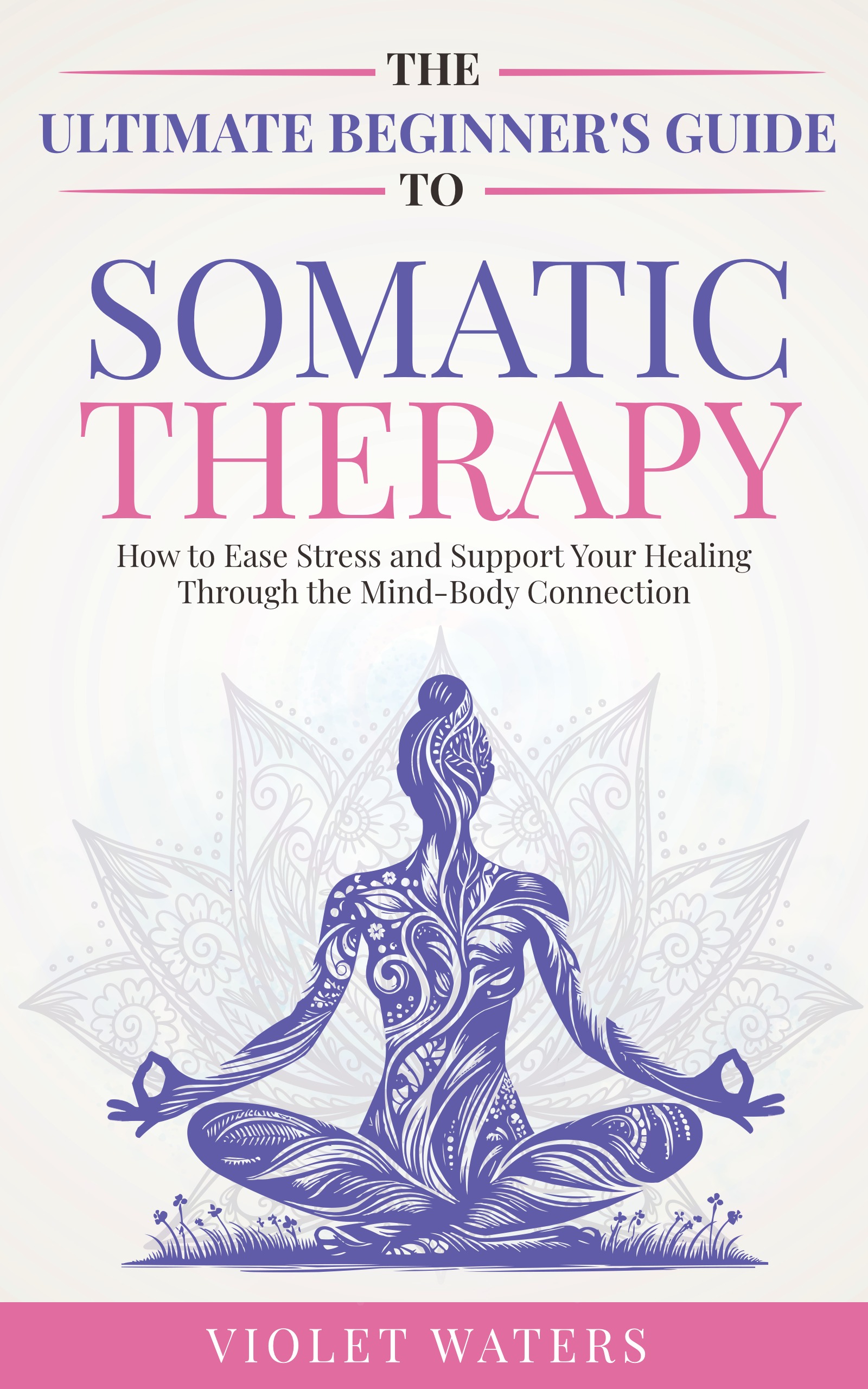
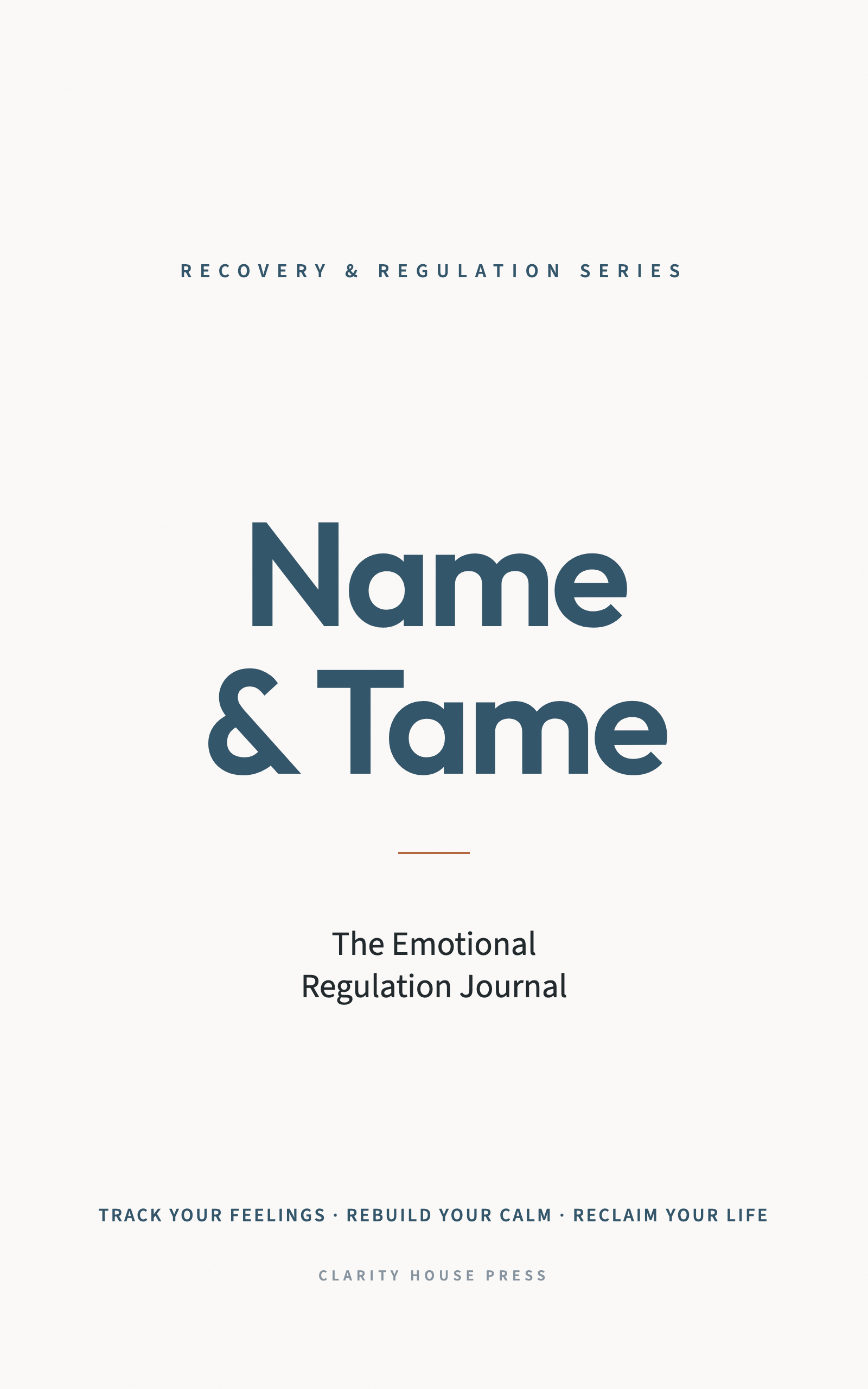
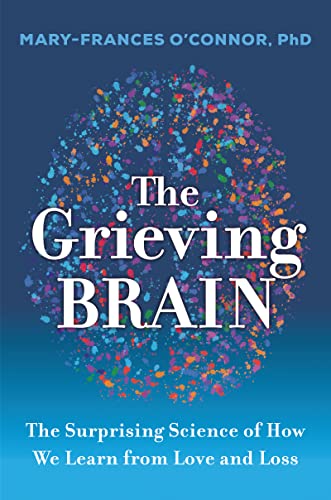
The Grieving Brain
Mary-Frances O'Connor, PhD
An accessible tour of the neuroscience of grief — why loss feels the way it does, and how the brain slowly relearns the world.
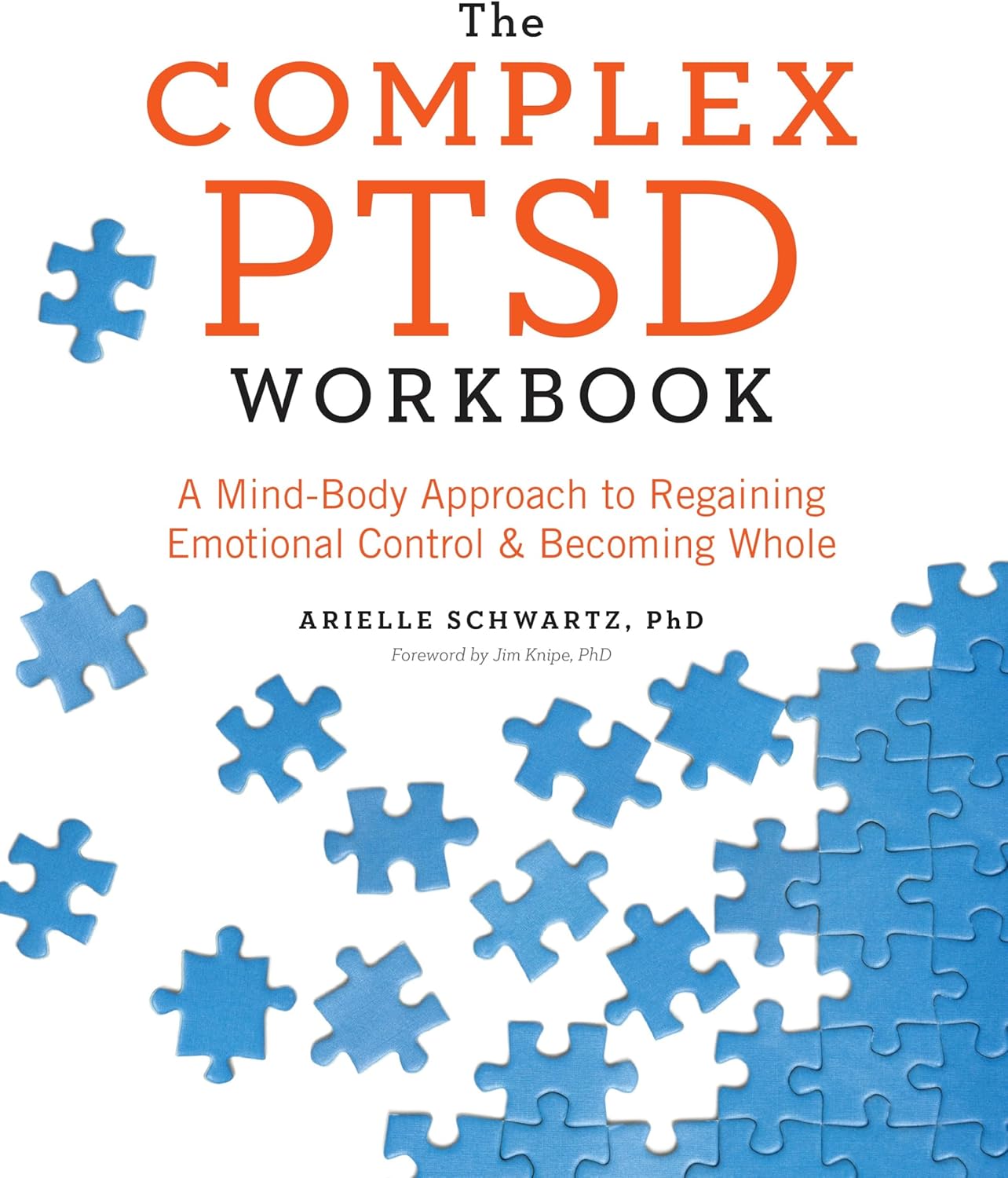
The Complex PTSD Workbook
Arielle Schwartz, PhD
A mind-body approach to regaining emotional control and becoming whole with evidence-based exercises.
As an Amazon Associate, Clarity House Press earns from qualifying purchases. Your price is never affected.
Found this helpful?
Share it with someone who might need it.
Tags
About the Author

Clarity House Press
Editorial Team
The editorial team at Clarity House Press curates and publishes evidence-based content on narcissistic abuse recovery, high-conflict divorce, and healing. Our content is informed by research, survivor experiences, and established trauma-informed approaches.
View all posts by Clarity House Press →Published by Clarity House Press Editorial Team