Please read our important disclaimers before using this content
If you're wondering whether you're ready to date again, you're asking the right question. After narcissistic abuse, jumping into new relationships too soon risks repeating painful patterns—but waiting until you're "perfectly healed" means you might wait forever.
This article provides specific guidance on assessing your readiness, recognizing red and green flags, and dating mindfully after abuse. The insights come from clinical expertise, attachment research, and survivors who've successfully navigated this territory.
Understanding the Challenge
Dating after narcissistic abuse isn't just about finding someone new—it's about not recreating the same dynamic with a different person. Your nervous system learned to associate "chemistry" with danger signals.1 Understanding the four trauma responses—fight, flight, freeze, and fawn helps explain why that "exciting" feeling in a new relationship might actually be your nervous system recognizing familiar danger. What feels "exciting" might actually be your trauma response recognizing familiar patterns. Trauma can cause persistent hyperarousal of the sympathetic nervous system, keeping you in a chronic "fight-or-flight" state where elevated heart rate and anxiety are misinterpreted as attraction.
The goal isn't perfection before dating. It's developing enough awareness to recognize red flags, enough boundaries to protect yourself, and enough self-worth to walk away when something feels wrong—even if you can't immediately articulate why.
Signs You're Ready to Date
You don't need to be "fully healed" to date, but you do need certain capacities in place:
1. You can identify your patterns: You understand what drew you to your abuser and can recognize those dynamics in others. You've done enough therapy or self-work to name your vulnerabilities.
2. You have working boundaries: You can say "no" without excessive guilt. You can end conversations that feel uncomfortable. You prioritize your safety over being polite.
3. Your nervous system is more regulated: You're not in constant crisis mode. You can tolerate mild discomfort without dissociating or panicking. You have grounding techniques that actually work.
4. You're not looking for rescue: You're dating from curiosity and desire for connection—not desperation to escape loneliness, prove your worth, or "win" by finding someone better than your ex.
5. You can tolerate healthy behavior: Someone being consistently kind doesn't bore you or trigger suspicion that they're weak. You don't need drama to feel alive.
Timeline reality: Most trauma therapists recommend waiting 12-24 months after leaving an abusive relationship before serious dating.2 This isn't arbitrary—it's how long attachment rewiring and trauma processing typically require. Casual dating with strong boundaries can begin sooner if you're honest about your readiness.
Red Flags to Watch For
Your nervous system might mistake these danger signals for "chemistry":
Love Bombing: Excessive attention, rapid intimacy, over-the-top compliments early on. After narcissistic abuse, this might feel validating—it's actually a control tactic.3 Research shows individuals with narcissistic traits can maintain convincing facades for 2-3 months before control tactics and manipulation patterns become evident.
Boundary Testing: Pushing past small "no's," showing up uninvited, persisting after you've declined. Healthy people respect boundaries the first time.
Inconsistency: Hot and cold behavior, unpredictable responses, intermittent reinforcement. This creates trauma bonding, not healthy attachment.4 The pattern of intermittent reward and punishment is particularly psychologically damaging because it activates the brain's reward systems in ways that strengthen emotional attachment despite (or because of) the accompanying pain.
Moving Too Fast: Talk of future commitment within weeks, pressure to define the relationship, intensity that outpaces actual knowledge of each other.
Deflection During Conflict: Blame-shifting, DARVO (deny, attack, reverse victim and offender), refusal to take accountability. Healthy people can say "I'm sorry, I was wrong."
Isolation Pressure: Subtle criticism of your friends/family, wanting all your time, discomfort when you have separate plans.
Green Flags (What Healthy Actually Looks Like)
After abuse, healthy relationships might feel "boring" at first:
Consistency: They do what they say. Their mood doesn't drastically shift. You don't walk on eggshells wondering which version you'll get.
Respect for Boundaries: They hear "no" the first time. They don't pressure or pout. They adjust behavior when you express discomfort.
Gradual Pacing: The relationship builds naturally over months, not weeks. There's space to think, miss them, and maintain your separate life.
Accountability: They apologize without defensiveness. They can hear feedback without collapsing or raging. They repair after conflict.
Interest in Your Inner World: They ask about your thoughts, feelings, experiences—not just to gather information for manipulation, but from genuine curiosity.
Support for Your Growth: They encourage your friendships, career, interests. They don't need you small to feel big.
How to Date Mindfully After Abuse
Dating after trauma requires different strategies than standard dating advice:
Go Slow on Purpose
The 90-day rule: Avoid major decisions (exclusivity, sex, meeting kids, combining finances) for at least three months. This gives you time to observe behavior across contexts and gives any mask time to slip.
Check yourself regularly: After each date, journal: "What did I notice? What felt good? What felt off? Did I override any gut feelings to keep the peace?"
Watch for love bombing recovery: If they're initially intense then suddenly pull back, this isn't you being "too much"—it's intermittent reinforcement creating trauma bonding.
Maintain Strong Boundaries
Non-negotiables before dating: Decide your dealbreakers in advance. Write them down. Don't adjust them mid-relationship when you're flooded with oxytocin.
Practice small boundaries early: See how they handle "I prefer to meet in public," "I'm not ready to share my address," "I need a night to myself." Their response tells you everything.
Trust your nervous system: If something feels off but you can't articulate why, that's enough. You don't owe anyone a logical explanation for discomfort.
Get External Reality Checks
Tell trusted friends: Share details about new relationships. Abusers rely on isolation and secret-keeping. Transparency is protective.5 Research on intimate partner violence recovery shows that abuse survivors who leverage informal support networks and transparent communication about new relationships experience significantly better long-term outcomes and earlier recognition of warning signs.
Watch for friend/family concerns: If people who love you express worry, listen. Love doesn't make you blind—trauma bonding does.
Continue therapy: A trauma-informed therapist can help you distinguish between trauma responses and genuine intuition.
Date Multiple People (If Possible)
Why this helps: Having options reduces desperation. It prevents you from over-investing too soon. It gives you comparison data on how different people handle the same situations.
How to do this ethically: Be honest that you're dating casually. Don't imply exclusivity you're not ready for. This isn't manipulation—it's self-protection.
Know Your Exit Plan
Early-stage dating: Always drive yourself or have rideshare money. Meet in public. Tell someone where you'll be. These aren't paranoia—they're basic safety.
Later-stage concerns: If you start feeling controlled, isolated, or afraid—even if you can't point to "proof"—you can leave. You don't need to build a legal case to break up.
Trust yourself: The cost of ending a relationship that might have worked out is much lower than staying in one that's repeating your trauma.
Common Dating Pitfalls After Abuse
Mistaking Anxiety for Chemistry
After abuse, your nervous system associates "excitement" with danger. That electric feeling might not be attraction—it's your body recognizing familiar threat patterns.
What to do instead: Healthy relationships often feel calm, even boring at first. Give that "nice but no spark" person a few more dates. Real chemistry builds with safety.6 Secure relationships with consistent, predictable partners can help regulate your nervous system by promoting oxytocin release and reducing stress hormones, allowing genuine attraction to develop over time.
Oversharing Too Soon
Trauma survivors often share their entire story early, testing whether the person will stay. This creates false intimacy and gives manipulators your playbook.
What to do instead: Share gradually. Watch how they handle small vulnerabilities before revealing your deepest wounds.
Ignoring Small Red Flags
You might rationalize: "They only interrupted me a few times," "They were just stressed when they snapped," "It's not abuse if it's not as bad as my ex."
What to do instead: Small disrespect early becomes large abuse later. Healthy people don't require you to make excuses for them.
Moving Too Fast to "Prove" You're Healed
Dating isn't evidence of recovery. Neither is a new relationship. You don't owe anyone proof that you're "over it."
What to do instead: Move at your own pace. Someone who respects your healing will wait.
Settling Because "Everyone Has Flaws"
Yes, everyone has flaws. But there's a difference between "leaves dishes in the sink" and "violates your boundaries repeatedly."
What to do instead: Your standards aren't too high. Your tolerance for mistreatment was too high. Recalibrate toward respect. The narcissistic abuse recovery stages can help you gauge where you are in that recalibration before entering new relationships.
Real-World Examples
Maria's 90-day rule: Maria started dating someone who seemed perfect—attentive, romantic, eager to commit. Her therapist encouraged her to wait 90 days before exclusivity. At week 11, he started "joking" about her weight and questioning her friendships. She recognized the pattern early enough to walk away.
James's boring-but-healthy experience: After years with a volatile partner, James found himself bored by a woman who was consistently kind. His therapist helped him see this as recalibration, not incompatibility. Six months in, he recognized the "boring" feeling as actually safety—something he'd never experienced in romance before.
Rachel's oversharing lesson: Rachel shared her entire abuse history on a third date, testing if he'd stay. He listened intently, asked detailed questions—then used those vulnerabilities to manipulate her months later. She learned that safe people earn your story gradually, not demand it upfront.
Research Foundation
The guidance in this article is grounded in trauma recovery and attachment research:
-
Attachment Rewiring Timeline: Research on attachment patterns in adults shows that significant changes in attachment style typically require 12-24 months of sustained therapeutic work and new relational experiences (Mikulincer & Shaver, 2007).
-
Trauma Recognition vs. Attraction: Neuroscience research demonstrates that trauma survivors may experience hyperarousal (elevated heart rate, anxiety) as attraction because these physiological states were paired with intimacy in abusive relationships (Porges, 2011, NIH).
-
90-Day Rule and Mask Slipping: Clinical observations in personality disorder research suggest that individuals with narcissistic or antisocial traits can maintain convincing facades for 2-3 months before control tactics and manipulation become evident (American Psychiatric Association, 2013).
Key Takeaways
- Wait 12-24 months after leaving abuse before serious dating—this gives attachment patterns time to rewire
- Your nervous system might mistake danger for chemistry—that "exciting" feeling could be trauma recognition, not attraction; the window of tolerance framework explains how to distinguish real safety from familiar chaos
- Red flags include: Love bombing, boundary testing, inconsistency, moving too fast, deflection during conflict, isolation pressure
- Green flags include: Consistency, boundary respect, gradual pacing, accountability, genuine interest, support for your growth
- Go slow on purpose: Use the 90-day rule before major decisions; gives masks time to slip
- Healthy might feel boring at first—calm, stable relationships are unfamiliar after abuse but that's recalibration, not incompatibility
- External reality checks matter: Tell trusted friends details; continue therapy; watch for concerns from people who love you
- You can leave anytime: You don't need proof or a legal case to end a relationship that feels wrong
Your Next Steps
-
Before you start dating: Write down your non-negotiable boundaries and red flags. Keep this list somewhere you can reference when you're flooded with oxytocin and tempted to rationalize warning signs.
-
When you start dating: Tell at least one trusted person details about who you're seeing. Share small stories that reveal character. External perspective helps you spot patterns you might miss.
-
On early dates: Practice small boundaries intentionally. Suggest meeting times that work for you. Choose the location. End dates when you're ready, not when you think you "should." Watch how they respond.
-
If something feels off: Pause. Journal what specifically feels wrong. Talk to your therapist or trusted friend. You don't need to diagnose why—"this doesn't feel right" is enough reason to slow down or stop.
-
When you meet someone healthy: Notice if calm feels boring. That might be your nervous system recalibrating. Give it time. Safety can build attraction—danger shouldn't.
Research References
Resources
Books and Educational Materials:
- Attached by Amir Levine & Rachel Heller - Attachment science for healthy relationships after trauma
- Psychopath Free by Jackson MacKenzie - Dating after narcissistic abuse recovery
- Why Does He Do That? by Lundy Bancroft - Understanding abusive relationship dynamics
- The Body Keeps the Score by Bessel van der Kolk - Trauma's impact on dating and relationships
Therapy and Professional Support:
- Psychology Today - Trauma and Attachment Therapists - Find specialists in post-abuse dating
- EMDR International Association - EMDR-trained therapists for trauma processing
- GoodTherapy - Narcissistic Abuse Specialists - Locate abuse recovery therapists
- NAMI - Local trauma-informed support groups
Safety and Crisis Resources:
- National Domestic Violence Hotline - 1-800-799-7233 (dating safety planning)
- Love Is Respect - 1-866-331-9474 (relationship concerns and safety)
- r/NarcissisticAbuse - Community support for dating after abuse
- Out of the FOG - Forums and support for abuse survivors
References
Dutton, D. G., & Painter, S. L. (1993). Emotional attachments in abusive relationships: A test of traumatic bonding theory. Journal of Abnormal Psychology, 102(2), 161-171. https://pubmed.ncbi.nlm.nih.gov/8375440/
Mikulincer, M., & Shaver, P. R. (2007). Attachment in adulthood: Structure, dynamics, and change. Guilford Press.
National Center for Intimate Partner Violence Prevention, Centers for Disease Control and Prevention. (2024). Intimate partner violence prevention resources. https://www.cdc.gov/violenceprevention/intimatepartnerviolence/index.html
Porges, S. W. (2011). The polyvagal theory: Neurophysiological foundations of emotions, attachment, communication, and self-regulation. Frontiers in Integrative Neuroscience, 5, 31. https://pubmed.ncbi.nlm.nih.gov/21773570/
Coan, J. A. (2016). Toward a neuroscience of attachment. In J. Cassidy & P. R. Shaver (Eds.), Handbook of attachment: Theory, research, and clinical applications (3rd ed., pp. 242-260). Guilford Press.
American Psychiatric Association. (2013). Diagnostic and statistical manual of mental disorders (5th ed., text revision). Arlington, VA: American Psychiatric Publishing.
Testa, M., Livingston, J. A., & Hoffman, S. G. (2007). Does traumatic stress contribute to revictimization risk? Journal of Interpersonal Violence, 22(9), 1182-1212. https://pubmed.ncbi.nlm.nih.gov/17766727/
References
- Mikulincer, M., & Shaver, P. R. (2007). Attachment in adulthood: Structure, dynamics, and change. Guilford Press. Research on attachment patterns in adults demonstrates that significant changes in attachment style typically require 12-24 months of sustained therapeutic work and new relational experiences. ↩
- Intermittent reinforcement and traumatic bonding theory research shows that the unpredictable pattern of punishment and reward activates the brain's dopamine reward system in ways that strengthen emotional attachment despite accompanying psychological pain, making it neurobiologically difficult to leave abusive relationships. ↩
- American Psychiatric Association. (2013). Diagnostic and Statistical Manual of Mental Disorders (5th ed.). Clinical research on personality disorders indicates that individuals with narcissistic or antisocial traits can typically maintain convincing facades for 2-3 months before manipulation and control tactics become evident to partners. ↩
- Porges, S. W. (2011). The Polyvagal Theory: Neurophysiological foundations of emotions, attachment, communication, and self-regulation. W.W. Norton & Company. NIH research on the nervous system demonstrates that trauma survivors may experience hyperarousal (elevated heart rate, anxiety) as attraction because these physiological states were paired with intimacy in abusive relationships. ↩
- Coan, J. A. (2016). Toward a neuroscience of attachment. In J. Cassidy & P. R. Shaver (Eds.), Handbook of attachment: Theory, research, and clinical applications (3rd ed., pp. 242-260). Guilford Press. Research demonstrates that secure relationships with consistent partners promote oxytocin release and nervous system regulation, allowing genuine attachment and attraction to develop over time. ↩
- National Center for Intimate Partner Violence Prevention, CDC. (2024). Long-term recovery from intimate partner violence research indicates that abuse survivors who maintain transparent communication with trusted social networks and utilize informal support systems demonstrate better recovery outcomes and earlier identification of concerning relational patterns. ↩
Recommended Reading
From Clarity House Press — plus trusted books for deeper understanding
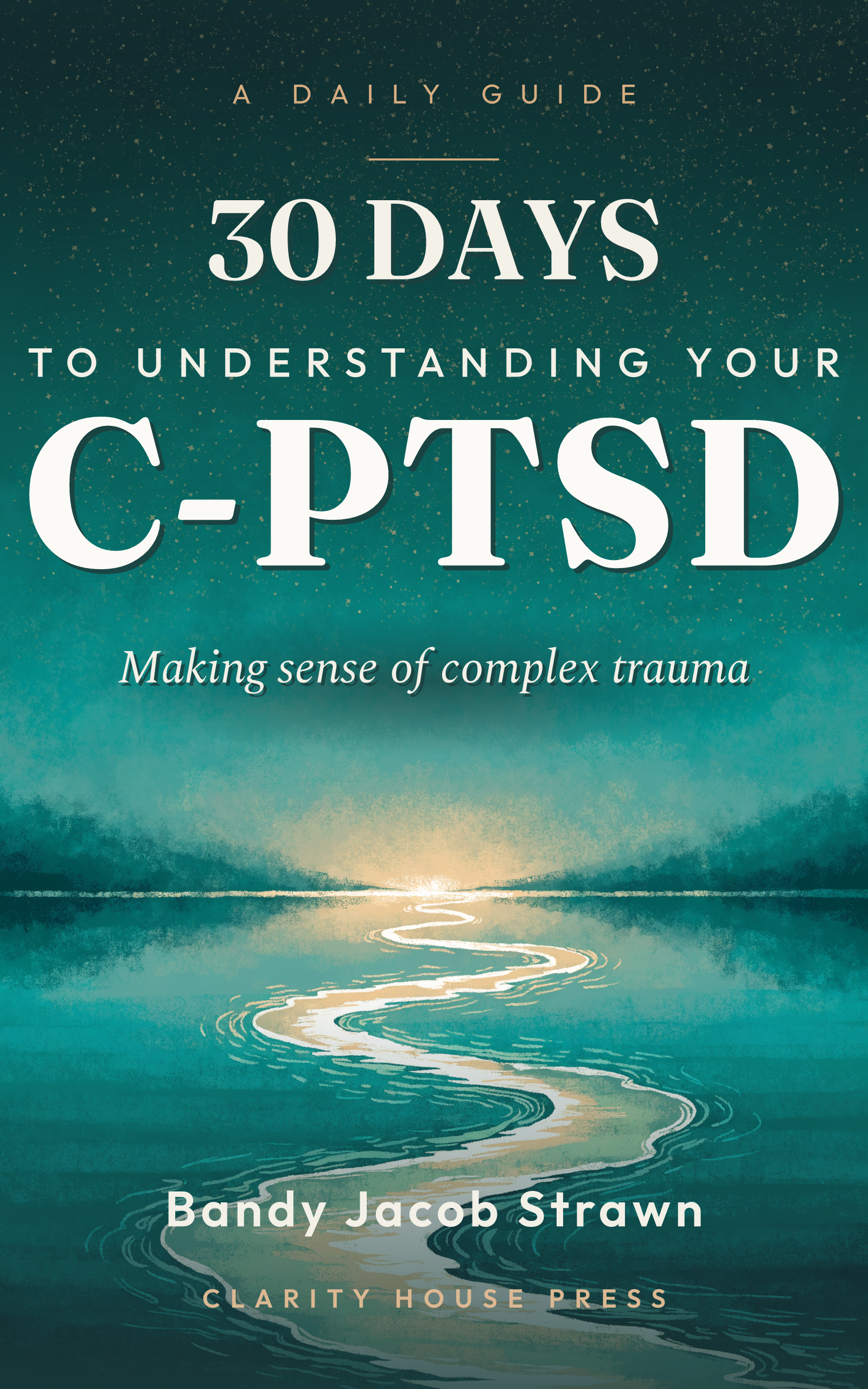

Surviving the Storm: When the Court Takes Your Children
Clarity House Press
For fathers in active high-conflict custody battles. Understand your CPTSD symptoms, begin stabilization, and build foundation for healing. 17 chapters covering recognition, symptoms, and the healing path.
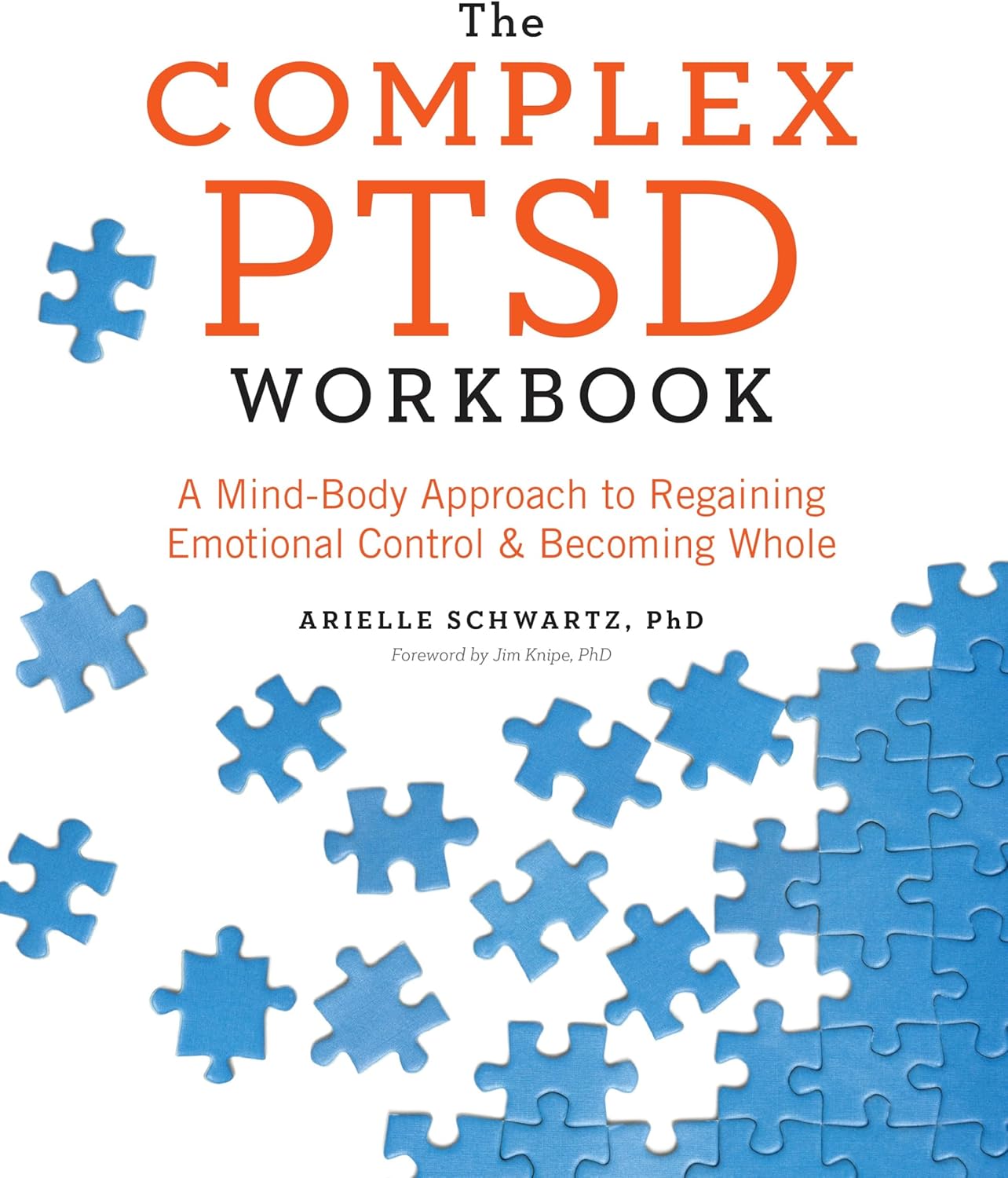
The Complex PTSD Workbook
Arielle Schwartz, PhD
A mind-body approach to regaining emotional control and becoming whole with evidence-based exercises.
A Mindfulness-Based Stress Reduction Workbook
Bob Stahl, PhD & Elisha Goldstein, PhD
Proven mindfulness techniques to reduce stress, anxiety, and chronic pain associated with trauma.
As an Amazon Associate, Clarity House Press earns from qualifying purchases. Your price is never affected.
Found this helpful?
Share it with someone who might need it.
About the Author

Clarity House Press
Editorial Team
The editorial team at Clarity House Press curates and publishes evidence-based content on narcissistic abuse recovery, high-conflict divorce, and healing. Our content is informed by research, survivor experiences, and established trauma-informed approaches.
View all posts by Clarity House Press →Published by Clarity House Press Editorial Team