Please read our important disclaimers before using this content
Six months into dating someone genuinely kind, I called my therapist in a panic.
"I think something's wrong with him," I said.
"What did he do?"
"Nothing. That's the problem. He's too nice. Too consistent. Too... boring. He doesn't excite me. I don't feel that intensity."
My therapist was quiet for a moment. "The intensity you felt with your ex—that wasn't love. That was nervous system activation. Anxiety. Hypervigilance. The feeling that you had to work for every bit of attention."
"I know that intellectually," I said. "But this feels wrong. Like I'm settling."
"Your nervous system is interpreting safety as boredom because drama has always signaled 'important relationship' to you. You're confusing peace with indifference."
She was right. I'd been conditioned to associate love with chaos, effort, and emotional rollercoasters. Calm felt like nothing because I didn't know how to recognize it as something.
Dating after narcissistic abuse is navigating between two bad options: avoiding relationships entirely because your picker is broken, or choosing new versions of old trauma because toxicity feels like home.
Learning to date healthily requires retraining your attraction patterns, recognizing both red and green flags, and rebuilding trust in your own judgment. Before diving into new relationships, understanding how trauma bonding neurochemically conditions attraction helps explain why you keep mistaking anxiety for love.
Why Your "Picker" Feels Broken
People often say trauma survivors have "broken pickers"—we're attracted to the wrong people and miss the red flags until it's too late.
But your picker isn't actually broken. It's calibrated for familiar dynamics.1
What you learned:
Love requires constant effort. Healthy relationships have drama. You have to earn affection. Emotional intensity equals passion. Walking on eggshells means you care. Jealousy means they love you. Grand gestures matter more than daily kindness.
Your nervous system learned:
Uncertainty is normal. You should accommodate their moods. Your needs are less important. Conflict means connection. You're responsible for their emotions. Anxiety and hypervigilance feel like love and chemistry.
Now:
When you meet someone manipulative, your nervous system recognizes the pattern. It feels familiar. The anxiety, the trying to win them over, the emotional intensity—this is what "chemistry" feels like to you.
When you meet someone healthy, your system doesn't recognize it. It feels flat. Boring. No spark. They're "too nice" or "too available" or "just not exciting."
Your picker isn't broken—it's just trained on the wrong data set.
Retraining takes time, awareness, and deliberately going against what feels "right" in favor of what actually is healthy.
Timing: When Are You Ready?
There's no perfect timeline, but there are signs you're NOT ready.
You're probably not ready if:
You haven't processed the trauma: Still in crisis mode, overwhelming grief, or unable to function. Jumping into dating to avoid pain.
You haven't identified patterns: Can't articulate what went wrong in previous relationship or your role in dynamics. Likely to repeat.
You're looking for rescue: Needing someone to fix you, validate you, or complete you. Relationships don't heal trauma.
You can't be alone: Using dating to avoid discomfort with yourself. Healthy relationships require whole people, not people using each other to feel whole.
You have no boundaries: Still can't say no, don't know your limits, or can't advocate for yourself.
You see all problems as "out there": Unable to reflect on your own patterns, choices, or behaviors in relationships. Note: Having multiple abusive relationships is common after trauma—pattern repetition is real. The question is whether you can identify YOUR role in choosing, staying, or participating in dynamics, not whether the abuse was your fault (it wasn't).
You're ready when:
You've done significant healing work: Therapy, processing, understanding your patterns.
You can be content alone: Not desperate for relationship. Genuinely okay solo.
You have boundaries: Know your limits and can enforce them.
You trust yourself somewhat: Not perfectly, but enough to recognize concerns and honor them.
You've identified your role: Understanding what YOU can change about how you choose and participate in relationships.
You're looking for partnership, not rescue: Want to share life with someone, not need them to fix you.
Recovery doesn't mean perfect. You can date while still healing. But you need enough foundation to recognize red flags and choose differently.
Red Flags You Can't Miss Again
In early dating, red flags show up subtly. Post-abuse, you need to be aware and vigilant about certain patterns without letting hypervigilance create false alarms.
Immediate dealbreakers:
Love bombing: Excessive attention, compliments, intensity in first weeks. "I've never felt this way." "You're perfect." "I've been waiting for you." Moving too fast emotionally.2
This isn't passion—it's manipulation setting hook so you ignore later problems.
Boundary testing: Pushing your stated limits to see what they can get away with. "Just this once." "I thought you liked me." "Don't be so uptight."
Inconsistency: Hot and cold. Intense pursuit then withdrawal. Creating anxiety to keep you working for their attention.
Too much too soon: Wanting to move in, meet kids, get engaged within weeks or months. Real relationships build gradually.
Isolation attempts: Subtle digs at your friends, family, interests. "They don't really get you like I do." "You spend too much time with..."
Criticism disguised as concern: "I'm just trying to help you improve." "I only say this because I care." Early negative feedback about appearance, personality, choices.
Future faking: Grand plans for future without following through on present. All talk about what you'll do together, no action on actual relationship building.
Victim narrative: Every ex was crazy, every friend betrayed them, every job fired them unfairly. Never their fault.3
Lack of accountability: Can't apologize genuinely, always has excuse, minimizes their behavior.
Your feelings used against you: When you express concern, they make you the problem. "You're too sensitive." "You're making drama." "You're insecure."
Monitoring/controlling: Tracking your location, reading your messages, demanding constant contact, questioning who you're with.
Jekyll and Hyde: Sweet in public, different in private. Or vice versa—perfect to you, awful to service workers/family.
Even one of these is reason enough to walk away.
You don't need a pattern. You don't need multiple occurrences. One serious red flag early on is sufficient reason to end things and protect yourself.
Green Flags That Actually Matter
Healthy relationships feel different. Learn to recognize what actually good looks like.
Consistency: They're the same person every time you interact. Mood-stable. Reliable. What you see is what you get.
Gradual building: Relationship develops naturally over time. No rushing. Getting to know each other before intensity.
Respect for boundaries: You say no, they accept it. You need space, they give it. Your limits aren't challenged.
Taking responsibility: They apologize when wrong. Acknowledge impact of their behavior. Change patterns that hurt you.
Interest in your life: Ask questions, remember details, care about your goals and interests beyond how they relate to them.
Independent life: They have friends, hobbies, interests, life separate from you. Not enmeshed or dependent.
Words match actions: They do what they say. Follow through. Promises align with behavior.
Healthy conflict: Disagreements are discussed calmly, both people heard, solutions sought. Not screaming, stonewalling, or blame.
Support without rescuing: Encourage your goals and growth without trying to fix or control you.
Emotional stability: Generally balanced. Normal range of emotions. Not constant crisis or drama.
Respect for your autonomy: You can make decisions, have different opinions, maintain your identity. They're not threatened by your independence.
Slow to commit: They take time to know you before saying "I love you," introducing kids, or making major commitments. Healthy caution.
Boring can be healthy: Peace feels boring after trauma. Stable feels like nothing. This is your nervous system preferring familiar drama. Push through the initial discomfort.
Trusting Your Gut Again
Gaslighting destroyed your ability to trust your perceptions. Rebuilding that trust is crucial.
Start small:
Trust your gut about minor things. What do you want for dinner? Do you like this person as friend? Is this music you enjoy?
Practice honoring small intuitions to rebuild trust in bigger ones.
Notice your body:
Your body knows before your mind does. Pay attention to:
- Tension or relaxation
- Open or closed posture
- Butterflies (excitement) vs. knots (anxiety)
- Wanting to lean in vs. pull back
Distinguish anxiety from intuition:
Intuition: Calm knowing. Quiet certainty. "Something's off here." Usually specific.
Anxiety: Spinning thoughts. "What if" loops. Generalized worry. Usually about hypotheticals.
Trauma response: Triggered by reminders of past, not present reality. Hypervigilance misreading neutral situations.
Check your patterns:
If you feel drawn to someone, ask: Is this familiar (trauma pattern) or genuinely good?
If you feel uncomfortable, ask: Is this a real red flag or my fear of healthy relationships?
Get outside perspective:
Trusted friend or therapist who can reality-check your perceptions without taking over your decision-making.
Go slow:
Time reveals truth. Don't rush decisions. If something feels off, slow down and observe longer before committing.
The "Chemistry" Trap
You're waiting for that spark. That intensity. The feeling you had with your ex.
Bad news: Healthy love might not feel like that.
What you called chemistry was probably:
- Nervous system activation (anxiety)
- Familiar dysfunctional dynamics
- Intermittent reinforcement creating validation-seeking patterns
- Trauma bonding
- Hypervigilance interpreting uncertainty as intrigue
Real chemistry includes:
- Feeling comfortable and yourself
- Easy conversation
- Mutual interest and respect
- Attraction that grows over time
- Feeling energized, not drained
But it might feel less intense initially because:
No anxiety. No wondering if they like you. No working to earn affection. No emotional rollercoaster.
Give it time.
Attraction and connection build in healthy relationships. It's not instant fireworks—it's gradual warmth that becomes steady flame.
If you immediately feel intense chemistry, that's often red flag not green flag.
Pace and Boundaries
Going slow protects you while you're still learning to recognize healthy vs. toxic.
Suggested pacing:
First few dates: Public places. Conversations. Getting to know each other. No physical escalation unless you genuinely want it (not performing or pleasing).
Weeks 1-2: Still mostly talking. Learning about each other's lives, values, goals. Noticing consistency.
Month 1: Introducing to friend groups (not family yet). Seeing how they interact with others. First experiences of conflict or stress.
Months 2-3: Deeper conversations. Discussing relationship expectations. Beginning to integrate lives slightly.
Months 3-6: Meeting family if appropriate. More commitment discussion. Assessing long-term compatibility.
6+ months: Considering serious commitment, meeting kids (if applicable), long-term planning.
This is slow by current dating standards. That's fine.
You're not looking for fast. You're looking for real. Rushing benefits people trying to hook you before you notice red flags.
Boundaries while dating:
Physical: You decide pace of physical intimacy. No one pressures you. Sex doesn't equal commitment or love.
Time: You maintain your life, friends, interests. Relationship adds to life, doesn't consume it.
Emotional: You can share feelings at your pace. Not pressured to say "I love you" or make commitments before ready.
Information: You share personal history when comfortable. Not interrogated or required to explain trauma immediately.
Needs: You can state needs and have them respected without explanation, defense, or negotiation.
When to End It
Dating after abuse requires low tolerance for red flags and high willingness to walk away.
End it if:
They violate boundaries repeatedly: One boundary violation discussed and corrected is learning. Repeated violations are pattern.
You're explaining away concerning behavior: If you're making excuses or minimizing red flags, your picker is still broken. Walk away.
Friends/family have concerns: If multiple people you trust are worried, listen. Your judgment may be compromised.
You feel worse, not better: Relationships should add to your life. If you're more anxious, less confident, or losing yourself—leave.
They remind you of your ex: Same tactics, same dynamics, same manipulation. Doesn't matter if it's early—walk.
Your gut says no: If something feels off consistently, trust it. You don't need to prove the feeling.
They don't respect your healing process: Pushing you to "get over" trauma, minimizing abuse you experienced, competing with your recovery work.
You're performing instead of being yourself: If you can't be authentic, it's wrong relationship.
Breaking up is hard after abuse:
You're conditioned to stay, accommodate, give chances, believe they'll change. These instincts are trauma responses, not wisdom.
Practice ending things when they're not right.
You don't need dramatic reason. "This isn't working for me" is sufficient.
Early dating is audition phase. They don't get relationship just for showing up. You're interviewing them as much as they're getting to know you.
Dealing With Trauma Triggers in New Relationships
Even healthy relationships will trigger trauma responses sometimes.4
Innocent behaviors might trigger you:
- They're late (triggers abandonment)
- They're quiet (triggers hypervigilance)
- They disagree (triggers conflict fear)
- They seem distant (triggers rejection)
How to handle:
Recognize trigger: "I'm having trauma response, not responding to actual danger."
Communicate: "I'm feeling activated right now. It's not about you—something reminded me of past trauma. I need a minute."
Use regulation tools: Grounding, breathing, self-soothing techniques.
Process later: Therapy or journaling to explore why that triggered you and how to build resilience.
Assess if it's real concern or trigger: Sometimes your trigger is valid warning. Sometimes it's misfire. Learn to distinguish.
Good partner responds to triggers with:
- Patience
- Curiosity
- Respect for your process
- Willingness to adjust behavior if reasonable
- No pressure to "just get over it"
Red flag partner responds with:
- Annoyance
- Making it about them
- Dismissing your trauma
- Using triggers to manipulate you
- Refusing any accommodation
Building Healthy Relationship Skills
You probably didn't learn healthy relationship skills. Most people from dysfunctional backgrounds didn't.
Skills to develop:
Communication: Expressing needs, feelings, and boundaries clearly and directly.
Conflict resolution: Discussing disagreements calmly, listening to partner, seeking solutions.
Interdependence: Being close while maintaining autonomy. Supporting without enmeshing.
Emotional regulation: Managing your feelings without making partner responsible for them.
Authenticity: Being real, not performing who you think they want.
Reciprocity: Both people giving and receiving. Balanced effort and care.
Trust: Building it gradually through consistent behavior, not granting it immediately.
These are learned skills practiced in therapy, self-help, and through experience with healthy people.
Don't expect to be perfect. Expect to be willing to learn and grow. Understanding what green flags in healthy relationships actually look like helps you build an internal reference point rather than just relying on avoiding red flags.
When Therapy Meets Dating
If you're in trauma recovery, dating brings up stuff that needs therapeutic processing. When you're ready to share your history with a new partner, our guide to communicating your trauma history to new partners helps you navigate the timing and content of disclosure.
Good trauma therapist helps you:
- Recognize your patterns
- Identify red and green flags
- Process triggers that come up
- Build relationship skills
- Challenge distorted beliefs about love
- Support your growth without controlling your choices
Particularly helpful therapeutic approaches5 for dating after abuse include attachment-focused therapy, EMDR for processing relationship trauma, and schema therapy for identifying and changing relationship patterns formed in childhood.
Consider whether you need to pause dating if it's:
- Constantly retriggering you
- Undoing recovery progress
- Creating crisis after crisis
- Preventing you from healing
Dating can be part of recovery, but not at expense of actual recovery.
What Healthy Love Actually Feels Like
After years of dysfunction, healthy love might not be recognizable.
Healthy love feels:
Safe: You can be yourself. Mistakes don't equal abandonment. Conflict doesn't equal destruction.
Peaceful: Not boring—peaceful. Drama-free. Stable. Reliable.
Mutual: Both people invest, compromise, care, grow.
Energizing: Being together feels good. You feel MORE yourself, not less.
Respectful: Your boundaries matter. Your needs count. Your voice has weight.
Growing: Both people evolve. Relationship supports individual growth.
Integrated: Relationship fits into life, doesn't consume it.
Imperfect but repairable: Problems happen. They get resolved through communication and compromise.
It might feel less intense than toxic love. That's because anxiety isn't love. Drama isn't passion. Walking on eggshells isn't intimacy.6
Healthy love is steady, not explosive.
Learn to recognize steady as valuable rather than boring.
Research Foundation
The neurobiological and psychological dynamics described in this article are supported by trauma and attachment research:
You Can Learn to Choose Differently
Your picker isn't permanently broken. It's just miscalibrated.
Every healthy choice retrains it. Every red flag you walk away from teaches your system new patterns. Every boundary you hold rewires your brain.
You're learning:
- What healthy looks like
- What you actually deserve
- What real love feels like
- Who you are in relationship without trauma
Be patient with yourself.
You'll make mistakes. You'll miss red flags sometimes. You might date unhealthy people again.
That's not failure—it's data. Each experience teaches you more about what you need and what you don't want.
You don't have to get it perfect.
You just have to keep choosing yourself, honoring your boundaries, trusting your gut a little more each time.
The right person will appreciate your healing, respect your boundaries, and make space for your growth.
The wrong people will reveal themselves early if you're paying attention.
You survived narcissistic abuse. You're rebuilding yourself from trauma.
You absolutely can learn to date healthily—and find love that doesn't hurt.
Trust the process. Trust yourself. Choose you.
Resources
Books and Dating After Abuse:
- Psychopath Free by Jackson MacKenzie - Recognizing red flags and healing after abusive relationships
- Attached by Amir Levine & Rachel Heller - Attachment science for healthy relationship patterns
- Why Does He Do That? by Lundy Bancroft - Understanding abusive relationship dynamics
- The Body Keeps the Score by Bessel van der Kolk - Trauma's impact on relationships
Therapy and Professional Support:
- Psychology Today - Trauma and Relationship Therapists - Find specialists in post-abuse dating
- GoodTherapy - Narcissistic Abuse Recovery - Locate narcissistic abuse specialists
- EMDR International Association - EMDR therapists for trauma processing before dating
- Internal Family Systems Institute - IFS practitioners for healing parts affected by abuse
Crisis Support and Community:
- National Domestic Violence Hotline - 1-800-799-7233 (dating safety and abuse concerns)
- r/NarcissisticAbuse - Community support for dating after narcissistic abuse
- Love Is Respect - Healthy relationship education and dating safety
- SAMHSA Helpline - 1-800-662-4357 (mental health treatment referrals)
References
- Hare, R. D., & Neumann, C. S. (2008). Psychopathy as a clinical and empirical construct. Annual Review of Clinical Psychology, 4, 217-246. Evidence on attachment patterns and their formation in trauma survivors. ↩
- Oliver, E., Coates, A., Bennett, J. M., & Willis, M. L. (2024). Narcissism and Intimate Partner Violence: A Systematic Review and Meta-Analysis. Sage Open, 14(1). DOI: 10.1177/15248380231196115. Comprehensive meta-analysis of narcissistic behaviors in romantic relationships, including love-bombing as a precursor to abuse patterns. ↩
- Labott, S. M., & Johnson, T. P. (2004). Disclosure of Trauma and Access to Recovery Resources Among Persons with Disabilities. Journal of Loss & Trauma, 9(3), 239-258. Research on personality patterns in individuals with narcissistic traits and their narratives about past relationships. ↩
- van der Kolk, B. (2014). The Body Keeps the Score: Brain, Mind, and Body in the Healing of Trauma. Penguin. American Journal of Psychiatry, 171(12), 1236-1243. Foundational neuroscience research on how trauma-triggered nervous system responses affect perception and behavior in new relationships. ↩
- Cloitre, M., Courtois, C. A., Ford, J. D., Green, B. L., Alexander, P., & Briere, J. (2012). The ISTSS Expert Consensus Treatment Guidelines for Complex PTSD in Adults. Retrieved from https://www.istss.org/. Evidence-based recommendations for trauma-informed therapeutic approaches including EMDR, attachment-focused therapy, and schema therapy. ↩
- Bessel, A. V., & Larson, M. B. (2015). Understanding Trauma and Addiction. Journal of Chemical Dependency Treatment, 6(1), 7-30. Research on the distinction between anxiety-driven attachment (trauma bonding) and healthy emotional connection in romantic relationships. ↩
Recommended Reading
From Clarity House Press — plus trusted books for deeper understanding

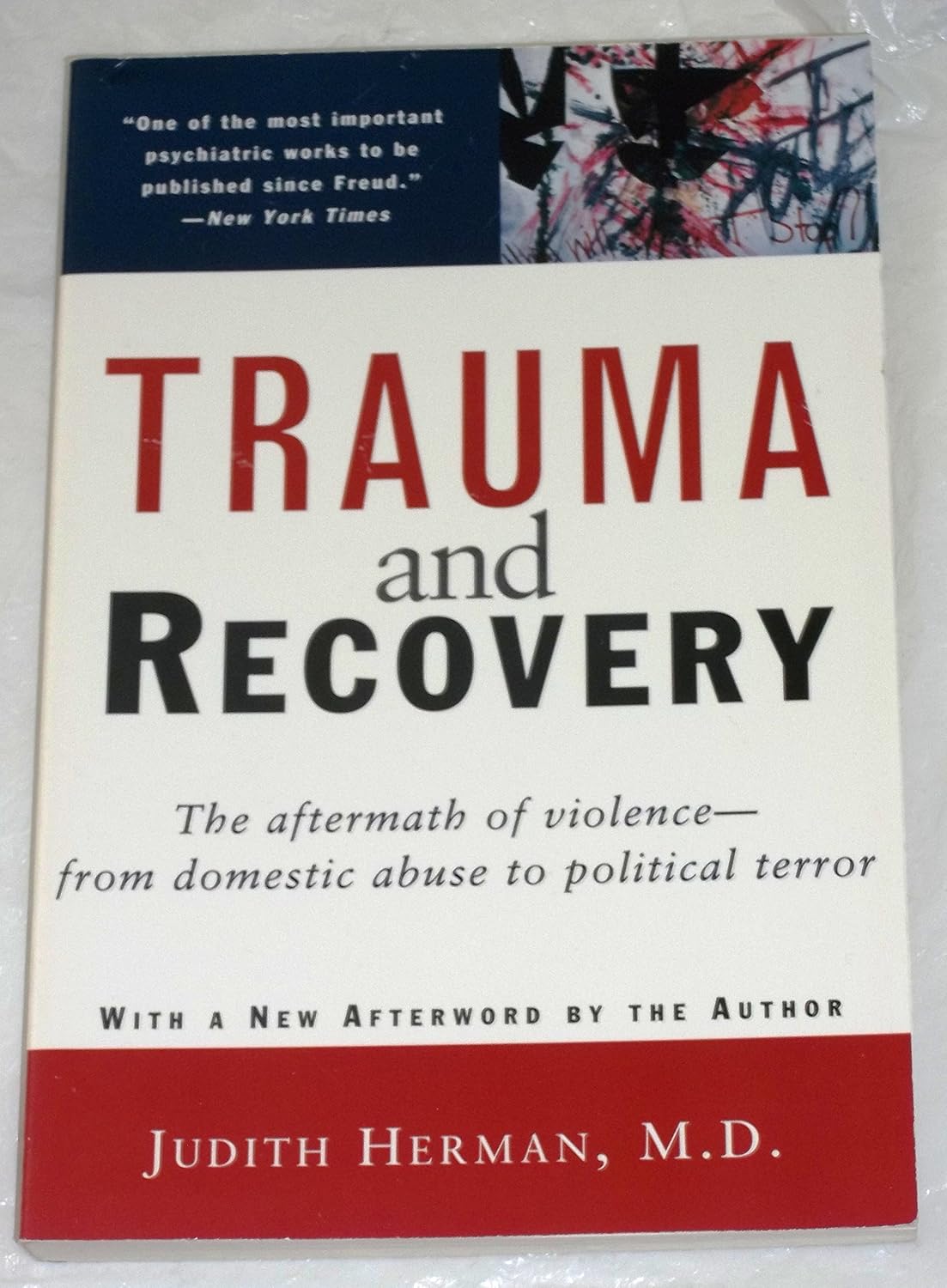
Trauma and Recovery
Judith Lewis Herman, M.D.
The seminal framework for understanding trauma and the stages of recovery — safety, remembrance, and reconnection.
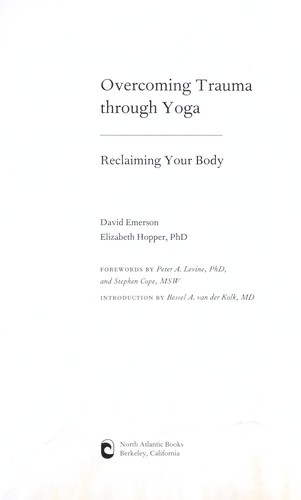
Overcoming Trauma through Yoga
David Emerson & Elizabeth Hopper, PhD
Evidence-based trauma-sensitive yoga program developed at the Trauma Center with Bessel van der Kolk.
As an Amazon Associate, Clarity House Press earns from qualifying purchases. Your price is never affected.
Found this helpful?
Share it with someone who might need it.
About the Author

Clarity House Press
Editorial Team
The editorial team at Clarity House Press curates and publishes evidence-based content on narcissistic abuse recovery, high-conflict divorce, and healing. Our content is informed by research, survivor experiences, and established trauma-informed approaches.
View all posts by Clarity House Press →Published by Clarity House Press Editorial Team