Please read our important disclaimers before using this content
When most people think of narcissism, they picture the obvious type: grandiose, attention-seeking, openly arrogant. But there's another pattern—covert (or vulnerable) narcissistic behavior—that's equally damaging and often harder to recognize because it presents as sensitivity, victimhood, or humility.
Understanding the difference isn't just academic. People displaying covert narcissistic patterns often evade identification for years, even decades, because their tactics are subtle, passive, and wrapped in a cloak of seeming vulnerability. For an in-depth look at how covert patterns play out inside a marriage specifically, see the covert narcissist marriage dynamics guide.
Overt (Grandiose) Narcissistic Behavior
People displaying overt narcissistic patterns match what most people picture when they hear "narcissism".1 This presentation is characterized by superiority, self-assurance, and dominance:
Characteristics:
- Openly grandiose and superior
- Demands attention and admiration
- Brags about achievements (real or exaggerated)
- Dominates conversations
- Reacts to criticism with visible rage
- Openly dismissive of others' needs
- Pursues status symbols and public recognition
How they manipulate:
- Direct intimidation
- Obvious put-downs and criticism
- Public humiliation
- Overt control and demands
Example behaviors:
- "I'm the best at what I do, everyone knows that."
- Raging when you don't follow their instructions
- Openly flirting with others to make you jealous
- Taking credit for your work
Overt narcissistic behavior is exhausting, but it's visible. People around you often see the problem too, which provides validation.
Covert (Vulnerable) Narcissistic Behavior
People displaying covert narcissistic patterns present as shy, anxious, or victimized, but beneath the surface show similar grandiosity and empathy deficits—expressed differently than the overt type.2 Vulnerable narcissism is characterized by inadequacy, self-doubt, and diffidence while maintaining entitlement and interpersonal antagonism:
Characteristics:
- Appears humble or self-deprecating (but fishes for reassurance)
- Plays the victim in most situations
- Passive-aggressive rather than overtly aggressive
- Hypersensitive to criticism (though disguised as hurt rather than rage)
- Envious of others (disguised as "I'm just not as lucky/talented")
- Martyrs themselves ("After everything I've done for you...")
- Chronic complainers about how life/others treat them
How they manipulate:
- Guilt and obligation
- Passive-aggression and silent treatment
- Covert sabotage
- Playing victim to avoid accountability
Example behaviors:
- "I just don't understand why no one appreciates what I do."
- Giving you the silent treatment instead of addressing issues
- "I guess I'm just not good enough" (said to prompt reassurance)
- Sabotaging your success while claiming to support you
Covert narcissistic behavior is often invisible to outsiders. The person appears sensitive and wounded, so when you try to explain the manipulation, others may not understand the dynamics you're experiencing.
Key Differences in Presentation Patterns
Research shows that grandiose and vulnerable narcissism operate as distinct yet related presentation styles.3 While both involve underlying narcissistic processes, they manifest through different behavioral strategies. Grandiose narcissists exhibit impulsivity and aggressive communicative behaviors, while vulnerable narcissists display more emotionally reactive and hypersensitive patterns.4
Some individuals display characteristics of both subtypes simultaneously, varying their presentation depending on context and perceived effectiveness.5 These individuals may appear grandiose at work but covert at home, or shift strategies depending on what yields the greatest advantage in each situation.
Why Covert Narcissistic Patterns Are Often Harder to Identify
1. You Doubt Yourself More Because the manipulation is subtle, you question whether it's really happening. "Maybe they really are just sensitive. Maybe I am too demanding." Your confusion is not evidence that nothing's wrong—it's often a sign that something specific is happening.
2. Limited External Validation Friends and family see them as the "nice" one. When you try to explain the manipulation, others may not understand what you're experiencing.
3. Guilt Is More Insidious Than Fear Overt patterns use fear (rage, threats)—you know you're being controlled. Covert patterns use guilt and obligation—you control yourself on their behalf, making it harder to recognize.
4. Longer Recognition Timeline Many people experience covert narcissistic abuse for decades before recognizing the pattern, often attributing it to a "difficult personality" rather than systematic manipulation.
Covert Narcissistic Patterns in Different Relationships
Romantic Partners:
- Constant need for reassurance while giving none in return
- Passive-aggressive sabotage of your success
- Emotional unavailability disguised as "I'm just going through a hard time"
- Silent treatment as punishment
Parents:
- Martyrdom: "After all I sacrificed for you..."
- Inappropriate emotional dependency (you become their emotional support)
- Guilt about your independence or success
- Comparing themselves to you: "I never had opportunities like you"
Co-Parents:
- Playing victim to third parties (courts, family, mutual friends)
- Subtle undermining of your parenting
- Using children as emotional support or messengers
- Framing your boundaries as cruelty toward them
Behavioral Red Flags
Reminder: These are behavioral patterns, not diagnostic criteria. If you observe multiple consistent patterns, consider seeking support from a mental health professional who specializes in relationship dynamics.
Common patterns to notice:
- They're always the victim in their stories
- They give to create obligation, not from genuine generosity
- Their "support" comes with strings attached
- They're hypersensitive to perceived slights
- They never directly apologize (only "I'm sorry you felt that way")
- They sabotage your success while claiming to want you to succeed
- They compare their suffering to yours (and theirs is always worse)
- They use self-deprecation to fish for compliments
- They withdraw emotionally as punishment
- Everything becomes your fault (subtly, indirectly)
Can Someone Display Both Patterns?
Yes. Some people display both overt and covert narcissistic behaviors depending on context. Clinical research identifies individuals with mixed narcissistic features who can shift flexibly between grandiose and vulnerable presentations:
- Grandiose at work, covert at home
- Overt with partners, covert with parents/authority figures
- Shifting between patterns depending on what's most effective in that situation
- Some individuals shift toward more covert patterns as they age and direct tactics become less effective
The underlying dynamics are similar—what changes is the presentation strategy.6 This flexibility in presentation can make these individuals particularly difficult to identify and explain to others, as their behavior varies significantly depending on context and audience.
How to Respond to Covert Narcissistic Patterns
1. Trust Your Experience If you feel manipulated, drained, and guilty despite them not doing anything "obviously" wrong, trust that feeling. You're not imagining this. Covert manipulation is designed to make you question your reality.
2. Stop JADE-ing Don't JADE: Justify, Argue, Defend, or Explain. Their guilt-trips are manipulation tactics, not genuine expressions of hurt. You don't owe endless explanations for your boundaries or decisions.
3. Resist Reassurance Fishing When they say "I guess I'm just not good enough," resist the urge to reassure. A simple "I'm sorry you feel that way" acknowledges without engaging the dynamic.
4. Maintain Boundaries Despite Guilt They'll make you feel cruel for having boundaries. Hold them anyway. Your boundaries aren't punishing them—they're protecting you. Their reaction to your boundaries is not your responsibility.
5. Document Patterns Write down incidents with dates and details. Covert manipulation is confusing in isolation but becomes clear when you see the pattern over time. When these patterns surface in family court, understanding DARVO tactics helps you anticipate how the covert narcissist will reframe their behavior.
Key Takeaways
- Covert and overt narcissistic patterns are presentation styles, not separate diagnoses—both involve grandiosity and empathy deficits expressed differently
- Covert patterns manipulate through guilt, passive-aggression, and martyrdom rather than direct intimidation—recovery from either pattern begins by understanding the stages of narcissistic abuse recovery
- These patterns are harder to identify and harder to explain to others
- You're more likely to doubt yourself because the manipulation is subtle by design
- Red flags include chronic victimhood, passive-aggression, guilt-tripping, and hypersensitivity to criticism
- Recovery requires trusting your experience even without external validation
- Only mental health professionals can diagnose personality disorders—focus on the behavioral patterns you're experiencing
The absence of visible abuse doesn't mean there's no abuse. If you feel controlled, diminished, and guilty in a relationship with someone who appears gentle and wounded, trust your experience. Your confusion isn't evidence that nothing's wrong—it's often evidence that something specific is happening.
Resources
Understanding Narcissism Types:
- Disarming the Narcissist by Wendy T. Behary - Evidence-based strategies for dealing with covert and overt narcissism
- The Covert Passive-Aggressive Narcissist by Debbie Mirza - Comprehensive guide to covert narcissism patterns
- Psychology Today - Narcissism Articles - Research-based articles on narcissism subtypes
- Dr. Ramani YouTube Channel - Expert education on covert vs overt narcissism
Therapy and Professional Support:
- Psychology Today - Narcissistic Abuse Therapists - Find specialists in narcissistic abuse recovery
- GoodTherapy - Trauma Specialists - Locate trauma-informed therapists
- EMDR International Association - EMDR therapist directory for trauma processing
- Internal Family Systems Institute - IFS practitioners specializing in narcissistic abuse
Community Support and Crisis Resources:
- r/raisedbynarcissists - Peer support and validation from narcissism survivors
- Out of the FOG - Support for relationships with personality disorders
- National Domestic Violence Hotline - 1-800-799-7233 (emotional abuse is abuse, available 24/7)
- SAMHSA Helpline - 1-800-662-4357 (mental health treatment referrals)
References
-
Miller, J. D., Lynam, D. R., Hyatt, C. S., & Campbell, W. K. (2017). Controversies in narcissism. Annual Review of Clinical Psychology, 13, 291-315. https://doi.org/10.1146/annurev-clinpsy-032816-045244
-
Wink, P. (1991). Two faces of narcissism. Journal of Personality and Social Psychology, 61(4), 590-597. https://doi.org/10.1037/0022-3514.61.4.590
-
American Psychiatric Association. (2022). Diagnostic and statistical manual of mental disorders (5th ed., text rev.). American Psychiatric Publishing. https://doi.org/10.1176/appi.books.9780890425787
-
Dickinson, K. A., & Pincus, A. L. (2003). Interpersonal analysis of grandiose and vulnerable narcissism. Journal of Personality Disorders, 17(3), 188-207. https://doi.org/10.1521/pedi.17.3.188.22146
-
Levy, K. N., Campbell, W. K., Carver, C. S., & Sutton, S. K. (2023). Subtypes, dimensions, levels, and mental states in narcissism and narcissistic personality disorder. Frontiers in Psychiatry, 14, 1074558. https://doi.org/10.3389/fpsyt.2023.1074558
-
Mahadevan, L., Saucier, G., & Srivastava, S. (2024). Conceptualizing grandiose and vulnerable narcissism as alternative status-seeking strategies: Insights from hierometer theory. Social and Personality Psychology Compass, 18(6), e12977. https://doi.org/10.1111/spc3.12977
-
Neumann, C. S., Maples-Keller, J. L., & Kaufman, S. B. (2025). Profiling narcissism: Evidence for grandiose-vulnerable and other subtypes. Personality and Individual Differences, 224, 112700. https://doi.org/10.1016/j.paid.2025.112700
-
Di Giacomo, D., Seta, V., Gardini, S., et al. (2023). The dark side of empathy in narcissistic personality disorder. Frontiers in Psychiatry, 14, 1074558. https://pubmed.ncbi.nlm.nih.gov/37065887/
References
- Miller, J. D., Lynam, D. R., Hyatt, C. S., & Campbell, W. K. (2017). Controversies in narcissism. Annual Review of Clinical Psychology, 13, 291-315. https://doi.org/10.1146/annurev-clinpsy-032816-045244 ↩
- Wink, P. (1991). Two faces of narcissism. Journal of Personality and Social Psychology, 61(4), 590-597. https://doi.org/10.1037/0022-3514.61.4.590 ↩
- Levy, K. N., Campbell, W. K., Carver, C. S., & Sutton, S. K. (2023). Subtypes, dimensions, levels, and mental states in narcissism and narcissistic personality disorder. Frontiers in Psychiatry, 14, 1074558. https://doi.org/10.3389/fpsyt.2023.1074558 ↩
- Dickinson, K. A., & Pincus, A. L. (2003). Interpersonal analysis of grandiose and vulnerable narcissism. Journal of Personality Disorders, 17(3), 188-207. https://doi.org/10.1521/pedi.17.3.188.22146 ↩
- Mahadevan, L., Saucier, G., & Srivastava, S. (2024). Conceptualizing grandiose and vulnerable narcissism as alternative status-seeking strategies: Insights from hierometer theory. Social and Personality Psychology Compass, 18(6), e12977. https://doi.org/10.1111/spc3.12977 ↩
- Neumann, C. S., Maples-Keller, J. L., & Kaufman, S. B. (2025). Profiling narcissism: Evidence for grandiose-vulnerable and other subtypes. Personality and Individual Differences, 224, 112700. https://doi.org/10.1016/j.paid.2025.112700 ↩
- Di Giacomo, D., Seta, V., Gardini, S., et al. (2023). The dark side of empathy in narcissistic personality disorder. Frontiers in Psychiatry, 14, 1074558. PubMed ID: 37065887. https://pubmed.ncbi.nlm.nih.gov/37065887/ ↩
Recommended Reading
From Clarity House Press — plus trusted books for deeper understanding
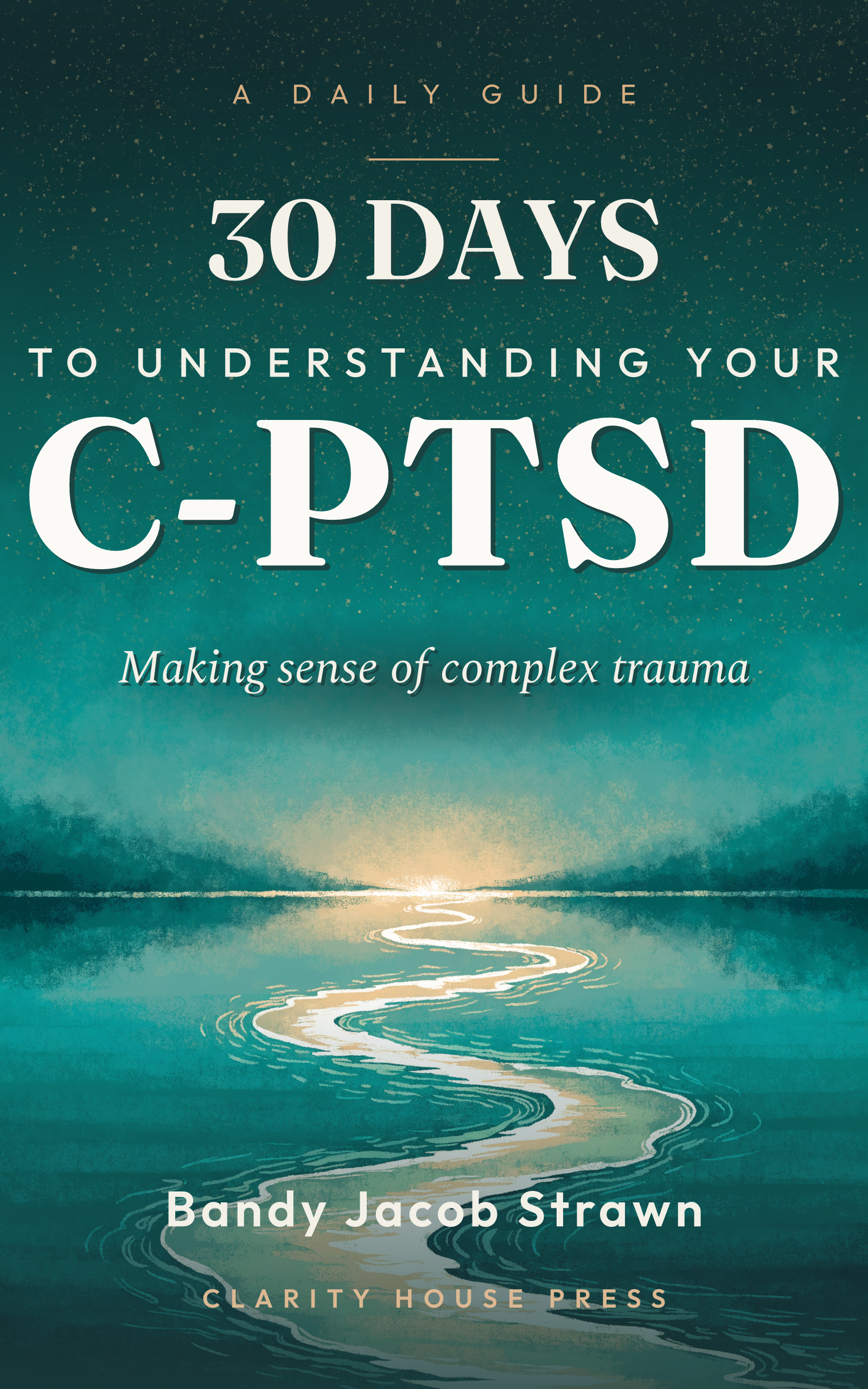


Set Boundaries, Find Peace
Nedra Glover Tawwab
A warm, actionable guide to setting and holding healthy boundaries to protect your wellbeing and relationships.

What My Bones Know: A Memoir of Healing from Complex Trauma
Stephanie Foo
A journalist's honest, hopeful account of living with and healing from complex PTSD, woven with the science behind it.
As an Amazon Associate, Clarity House Press earns from qualifying purchases. Your price is never affected.
Found this helpful?
Share it with someone who might need it.
About the Author

Clarity House Press
Editorial Team
The editorial team at Clarity House Press curates and publishes evidence-based content on narcissistic abuse recovery, high-conflict divorce, and healing. Our content is informed by research, survivor experiences, and established trauma-informed approaches.
View all posts by Clarity House Press →Published by Clarity House Press Editorial Team