Please read our important disclaimers before using this content
"You're so lucky," my friends would tell me. "Your husband is so sensitive, so in touch with his emotions. He really listens."
And I'd smile and nod, while inside I was screaming. Because yes, he listened—and then used everything I shared against me. Yes, he was sensitive—to any perceived slight, any hint that I wasn't centering his needs. Yes, he had emotions—primarily self-pity, resentment, and a martyrdom complex that made every problem my fault.
I was married to a covert narcissist, and it took me twelve years to realize it.
Unlike the grandiose presentation of narcissistic personality disorder (NPD)—where someone is obviously self-centered, domineering, and arrogant—the vulnerable or "covert" presentation operates through victim narratives, passive aggression, and subtle manipulation.12 For a direct comparison of how these presentations differ, see covert vs. overt narcissism. They don't loudly demand attention; they extract it through appearing fragile, misunderstood, or wounded. They don't overtly control; they manipulate through guilt, shame, and your own empathy.
Important note: "Covert narcissism" refers to a vulnerable, introverted presentation style within narcissistic personality disorder, not a separate diagnosis. Only qualified mental health professionals can diagnose NPD. This article describes behavioral patterns to help you recognize potentially harmful relationship dynamics, not to diagnose your partner.
The abuse is real, but it's wrapped in such plausible deniability that you question if it's abuse at all. You feel crazy, guilty, and responsible for their unhappiness, but you can't quite articulate why.
The Hallmarks of Covert Narcissism in Marriage
Partners with vulnerable narcissistic presentations are difficult to identify precisely because they don't fit the stereotype. They often present as introverted, anxious, depressed, or highly sensitive. They may be intellectuals, artists, or spiritual seekers. They position themselves as victims of circumstance, of other people, of the world's failure to recognize their specialness.
Victim identity as core: The covert narcissist's primary narcissistic supply comes from being seen as wounded, misunderstood, or unfairly treated. They cultivate an identity as someone who's suffered more, tried harder, or been more deeply affected than others. Your role is to validate this narrative constantly and organize your life around their fragility.
Passive aggression instead of overt control: Where someone with a grandiose presentation might directly forbid you from seeing friends, someone with a vulnerable presentation becomes silent and withdrawn when you mention plans, or suddenly has a crisis that requires your attention, or later brings up how abandoned they felt. You learn to self-censor and self-limit not because they demanded it, but because the emotional consequences of independence aren't worth it.
Emotional reasoning as truth: They feel criticized, therefore you criticized them. They feel abandoned, therefore you abandoned them. They feel unappreciated, therefore you don't appreciate them. Your actual words or actions don't matter; their emotional interpretation becomes the reality you're held accountable for.34 Defending yourself is "invalidating their feelings."
Help-rejecting complaining: They constantly complain about problems—their job, their health, their family, their life—but reject or sabotage any solutions offered. The complaint isn't seeking resolution; it's securing attention, sympathy, and the position of noble sufferer. If you solve the problem, they can't milk it for supply anymore.
Intellectualization and one-upmanship: Particularly if educated or intellectual, covert narcissists use complexity, theory, or obscure knowledge to position themselves as more enlightened or evolved. They don't argue points; they condescend about your inability to understand the nuances they grasp. They've always read more, thought deeper, suffered in more sophisticated ways.
Envy disguised as moral superiority: They resent others' success but frame it as ethical objection. Someone else's achievement is dismissed as shallow, materialistic, or ethically compromised. Their lack of equivalent success is evidence of their integrity, not their shortcomings. They position themselves as too principled for the corrupt game everyone else is playing.
Projection of their own behavior: They accuse you of being selfish, controlling, insensitive, or narcissistic—often right after demonstrating those exact behaviors themselves. This keeps you defensive and focused on proving you're not those things, rather than noticing that they are.
The Subtle Ways Covert Narcissists Control
The control tactics of covert narcissism are maddeningly subtle. Each individual instance seems minor, understandable, or like you might be overreacting. It's the pattern over time that reveals the manipulation.
Weaponized vulnerability: They share deep emotions, childhood wounds, current struggles—creating intimacy and inviting your care. Then this vulnerability becomes a tool. Disagree with them? You're triggering their trauma. Have needs? You're abandoning them in their fragility. Set a boundary? You're cruel to someone who's suffering.
The silent treatment as punishment: Unlike overt yelling, they withdraw—sulking, shutting down, giving one-word answers, emanating coldness. You're left guessing what you did wrong, walking on eggshells, eventually apologizing for unnamed offenses just to restore connection. They've trained you to manage their moods through your behavior.
Martyrdom and self-sacrifice narratives: They constantly highlight how much they give, how hard they try, how they sacrifice for you and the family. The subtext is clear: you're not doing enough, appreciating enough, reciprocating enough. You can never do enough to balance the ledger they're keeping.
Rewriting history and gaslighting: When you bring up their behavior, they remember it differently. They weren't mean; they were hurt. They didn't give you the silent treatment; they needed space. You're too sensitive, misremembering, making things up.56 Over time, you stop trusting your own perception.
Triangulation with softer targets: They don't directly compete or compare. Instead, they align with your children, their mother, your friends—sharing how hard things are, how they're trying, how worried they are about you. These allies then pressure you to be more understanding, patient, accommodating. You become the problem everyone else has to manage.
Covert competitions: They subtly compete and one-up. You're tired? They're exhausted. You had a bad day? Their day was worse. You have an achievement? They once did something similar (but better, or harder, or with less support). The competition is never explicit, so calling it out makes you seem petty.
Why This Presentation Is So Confusing and Damaging
Many survivors of relationships with vulnerable narcissistic presentations describe the experience as particularly damaging precisely because the abuse is so difficult to name and validate.7 While research on comparative harm between different NPD presentations is limited, clinical observations consistently note that vulnerable narcissism creates unique challenges for recognition and recovery.
You gaslight yourself: Because each individual incident seems minor or has plausible alternative explanations, you constantly doubt whether there's really a problem. Maybe you are too sensitive. Maybe you should be more understanding of their struggles. Maybe you're the narcissist for thinking they might be.
Others don't believe you: When you try to explain the relationship to friends or therapists, it sounds like normal relationship challenges. He's depressed and you're frustrated with his complaints. He's sensitive and you sometimes hurt his feelings. The pattern of manipulation doesn't translate to specific examples that sound abusive.
You become the villain in their narrative: The covert narcissist is skilled at appearing as the reasonable, wounded party while you're the demanding, critical, insensitive one. They often seek therapy or tell friends about the relationship—positioning themselves as trying so hard while you're impossible to please. You find yourself defending your character rather than addressing their behavior.
The abuse is internalized: Overt abuse often maintains some separation—you know they're being cruel even as it hurts. Covert abuse tends to be internalized as your own inadequacy. You believe you're too demanding, too critical, not empathetic enough. The narcissist's narrative becomes your inner critic.
Trauma bonding is intensified: The intermittent reinforcement of covert narcissism—periods of genuine connection and vulnerability alternating with passive aggression and emotional abandonment—creates powerful trauma bonding.8 You're always trying to get back to those moments of intimacy, believing if you just do better, they'll be consistent.
Your reality becomes negotiable: The constant gaslighting and emotional reasoning means you stop trusting your own perception. You defer to their version of events, their feelings as facts, their interpretation as truth. You lose the anchor of your own experience.
The Specific Toll on Your Mental Health
Living with a covert narcissist creates specific psychological damage that persists long after the relationship ends.
Hypervigilance around others' emotions: You become exquisitely attuned to subtle shifts in mood, tone, or expression, constantly scanning for signs of upset you need to manage. This emotional hypervigilance is exhausting and continues in future relationships where it's not needed.
Difficulty trusting your perceptions: Years of having your reality invalidated makes you doubt everything. Did that really happen the way you remember? Are you overreacting? Is your interpretation fair? You second-guess constantly because you've been trained that your perception isn't reliable.
Guilt as a dominant emotion: The covert narcissist's manipulation centered on making you feel responsible for their suffering. Long after the relationship, guilt for having needs, setting boundaries, or prioritizing yourself feels overwhelming. You've internalized the message that your wants cause others pain.
Imposter syndrome in recovery: Because the abuse wasn't obvious, you doubt if it was "bad enough" to justify your trauma responses. Other people have survived "real" abuse; who are you to be struggling with someone who was just "difficult" or "sensitive"? This minimization delays healing.
Difficulty setting boundaries: Your boundaries were consistently portrayed as evidence of your inadequacy, cruelty, or selfishness.9 Learning to set and maintain boundaries in future relationships requires unlearning the message that boundaries make you a bad person.
Complex PTSD symptoms: Despite the abuse not being overtly violent, living in a relationship characterized by chronic emotional manipulation and invalidation can absolutely create Complex Post-Traumatic Stress Disorder (C-PTSD)—hypervigilance, emotional flashbacks, difficulty regulating emotions, negative self-concept, relationship challenges.10 The chronic, relational nature of the manipulation and invalidation is traumatizing.
Your Next Steps: Recognition and Recovery
If you're recognizing your current or former partner in this description, here's how to begin addressing it:
This week: Stop questioning whether it's "bad enough." Abuse is abuse. If you feel crazy, controlled, guilty, and like you can't do anything right despite trying desperately, something is wrong. Trust that.
This month: Journal specific incidents. The pattern is what matters. Write down examples of passive aggression, victim narratives, gaslighting, or emotional manipulation. Seeing it in writing helps counter the minimization.
This quarter: Find a therapist who understands narcissistic abuse, particularly covert narcissism. Many therapists miss this because it doesn't look like typical abuse. Seek someone with specific expertise in manipulative relational dynamics.
Ongoing: Educate yourself on vulnerable narcissism, gaslighting, and trauma bonding. Resources by therapists specializing in narcissistic abuse (such as Dr. Ramani Durvasula's work on narcissistic personality presentations) and books addressing covert dynamics provide validation and frameworks. Look for materials that specifically address vulnerable or covert presentations rather than only grandiose narcissism.
Remember: You're not crazy. You're not too sensitive. You're not imagining it. Living with someone who manipulates through vulnerability, controls through guilt, and invalidates your reality is genuinely crazy-making. Your reactions are normal responses to abnormal relationship dynamics.
Crisis Resources
If you're in immediate danger or crisis:
- National Domestic Violence Hotline: 1-800-799-7233 (24/7, free, confidential)
- Crisis Text Line: Text HOME to 741741
- National Suicide Prevention Lifeline: 988 (24/7)
These services understand that emotional abuse is real abuse, even when it's subtle and hard to name.
Moving Forward: Reclaiming Your Reality
The path forward involves reclaiming your reality, rebuilding trust in your perceptions, and understanding that their fragility was never your responsibility to manage. You deserved a partner, not a project requiring constant emotional management.
Your empathy—which they exploited—is a profound strength. It enabled you to see beneath surface presentations, to offer compassion for struggles, to extend grace in difficult moments. These are beautiful qualities. The problem wasn't your empathy; it was their willingness to weaponize it. Understanding the five stages of narcissistic abuse recovery can help you map where you are in reclaiming that empathy for yourself.
As you heal, you'll learn to protect your empathy while still offering it freely. You'll develop discernment about who deserves your emotional labor. You'll recognize that healthy partners don't require you to betray yourself to care for them. Your capacity for deep feeling and attunement will serve you in relationships built on mutual respect rather than manipulation.
You survived something that's hard to name, hard to explain, and hard for others to understand. That doesn't make it less real or your recovery less necessary. Part of that recovery involves recognizing the recurring manipulation tactics—including DARVO (Deny, Attack, Reverse Victim and Offender)—so you stop blaming yourself for "failing" to see them sooner. Trust yourself. You know what you experienced. And you're already on the path to healing by recognizing the pattern.
Resources
Understanding Covert Narcissism:
- The Covert Passive-Aggressive Narcissist by Debbie Mirza - Comprehensive guide to covert narcissism dynamics
- Disarming the Narcissist by Wendy T. Behary - Strategies for dealing with covert narcissistic patterns
- Psychology Today - Narcissism Articles - Research-based articles on covert vs overt narcissism
- Dr. Ramani YouTube Channel - Expert education on narcissistic personality patterns
Therapeutic Support:
- Psychology Today - Narcissistic Abuse Therapists - Find therapists specializing in narcissistic abuse recovery
- GoodTherapy - Trauma Specialists - Locate trauma-informed therapists
- EMDR International Association - EMDR-trained therapist directory for trauma processing
- Internal Family Systems Institute - IFS practitioners for narcissistic abuse recovery
Support and Crisis Resources:
- National Domestic Violence Hotline - 1-800-799-7233 (emotional abuse is abuse)
- r/NarcissisticAbuse - Community support from covert narcissism survivors
- Out of the FOG - Support for those in relationships with personality disorders
- SAMHSA Helpline - 1-800-662-4357 (mental health treatment referrals)
References
- Miller, J. D., Hoffman, B. J., Gaughan, E. T., Gentile, B., Maples, J., & Campbell, W. K. (2011). Grandiose and vulnerable narcissism: A nomological network analysis. Journal of Personality, 79(5), 1013-1042. https://doi.org/10.1111/j.1467-6494.2010.00711.x ↩
- Pincus, A. L., & Lukowitsky, M. R. (2010). Pathological narcissism and narcissistic personality disorder. Annual Review of Clinical Psychology, 6, 421-446. https://doi.org/10.1146/annurev.clinpsy.121208.131215 ↩
- Dutton, D. G., & Painter, S. L. (1993). Emotional attachments in abusive relationships: A test of traumatic bonding theory. Violence and Victims, 8(2), 105-120. https://pubmed.ncbi.nlm.nih.gov/8193053/ ↩
- Herman, J. L. (1992). Complex PTSD: A syndrome in survivors of prolonged and repeated trauma. Journal of Traumatic Stress, 5(3), 377-391. https://doi.org/10.1002/jts.2490050305 ↩
- Dickinson, K. A., & Pincus, A. L. (2003). Interpersonal analysis of grandiose and vulnerable narcissism. Journal of Personality Disorders, 17(3), 188-207. https://doi.org/10.1521/pedi.17.3.188.22146 ↩
- March, E., Grieve, R., Marrington, J., & Jonason, P. K. (2023). "It's all in your head": Personality traits and gaslighting tactics in intimate relationships. Journal of Family Violence, 40, 259-268. https://doi.org/10.1007/s10896-023-00582-y ↩
- Tager-Shafrir, T., Szepsenwol, O., Dvir, M., Zamir, O., & Müller, U. (2024). The gaslighting relationship exposure inventory: Reliability and validity in two cultures. Personal Relationships, 31(2), e12977. https://doi.org/10.1111/spc3.12977 ↩
- Mukhtar, S. (2023). Domestic/intimate partner violence, abuse, and trauma during COVID-19 lockdown: Gaslighting, non-consensual condom removal, grooming, coercive control, power dynamic, and sexual entitlement in emotional and psychological abuse. SAGE Open Medicine, 11, 20503121231225050. https://doi.org/10.1177/20503121231225050 ↩
- Day, N. J., Townsend, M. L., & Grenyer, B. F. (2021). Pathological narcissism: An analysis of interpersonal dysfunction within intimate relationships. Personality and Mental Health, 15(1), 92-107. https://pubmed.ncbi.nlm.nih.gov/34783453/ ↩
- Eckhardt, C. I., & Schram, J. L. (2009). Anger regulation and intimate partner violence in men. Journal of Interpersonal Violence, 24(5), 835-844. https://doi.org/10.1177/0886260508317179 ↩
Recommended Reading
From Clarity House Press — plus trusted books for deeper understanding

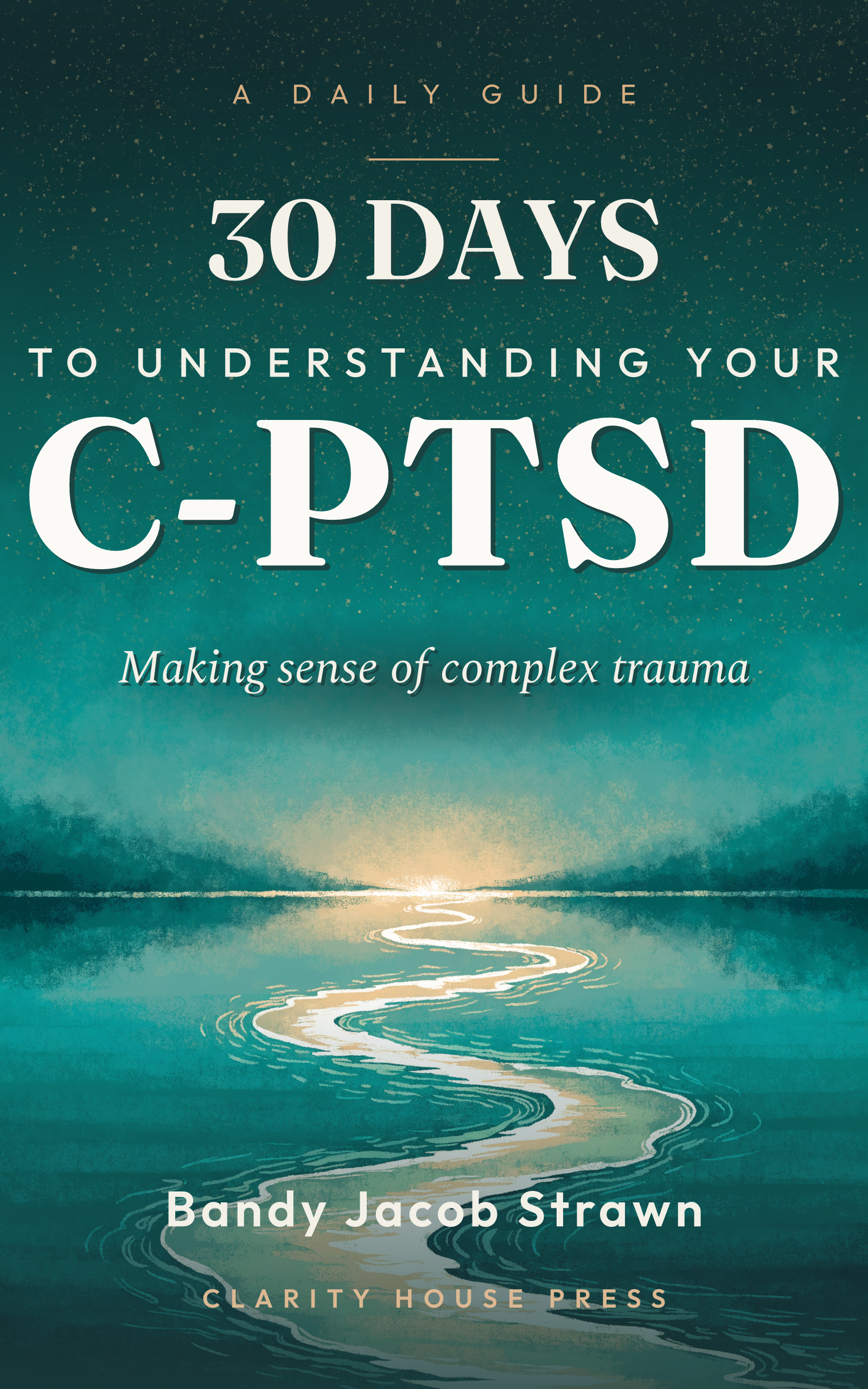
Becoming the Narcissist's Nightmare
Shahida Arabi
How to devalue and discard the narcissist while supplying yourself with empowerment and validation.

It Didn't Start with You
Mark Wolynn
Groundbreaking exploration of inherited family trauma and how to end intergenerational cycles.
As an Amazon Associate, Clarity House Press earns from qualifying purchases. Your price is never affected.
Found this helpful?
Share it with someone who might need it.
About the Author

Clarity House Press
Editorial Team
The editorial team at Clarity House Press curates and publishes evidence-based content on narcissistic abuse recovery, high-conflict divorce, and healing. Our content is informed by research, survivor experiences, and established trauma-informed approaches.
View all posts by Clarity House Press →Published by Clarity House Press Editorial Team