Please read our important disclaimers before using this content
Composite account. The first-person scenes in this article are fictional composites drawn from common survivor experiences, not depictions of any specific real person.
I was standing in line at the grocery store when it happened. No warning. No obvious trigger.
Suddenly, I was drowning. My chest tightened. My hands started shaking. Waves of shame and terror washed over me so intensely that I had to abandon my cart and leave the store.
In my car, I tried to figure out what had just happened. There was no visual memory. No image of my ex. No conscious thought about the abuse. Just overwhelming emotion that felt like it was about NOW—like I was in immediate danger even though I was objectively safe in a grocery store parking lot.
I felt crazy. I felt broken. And I had no idea how to explain what had just happened to me.
Welcome to emotional flashbacks: the most confusing, destabilizing symptom of Complex PTSD.
Unlike the flashbacks portrayed in movies—vivid visual replays of traumatic events—emotional flashbacks hit you with the feelings of past trauma without the accompanying memories. You're suddenly drowning in emotions that don't match your current situation, with no clear understanding of why. This is closely related to emotional dysregulation in C-PTSD—the same disrupted nervous system circuitry underlies both.
IN CRISIS? QUICK REFERENCE
If you're experiencing an emotional flashback right now:
- Name it: Say "I am having a flashback. This feeling is from the past."
- Breathe: Inhale for 4 counts, hold for 7, exhale for 8. Repeat 4 times.
- Ground: Press your feet into the floor. Name 5 things you see, 4 you can touch, 3 you hear.
- Remind yourself: "I am [your age]. I am safe. This is temporary. This will pass."
- Get support: Call 988 (Suicide & Crisis Lifeline) or text "HELLO" to 741741 if you need immediate help.
Read the full guide below when you're regulated.
What Are Emotional Flashbacks?
The Definition
Emotional flashbacks are intense emotional and somatic states activated by present-day triggers that unconsciously remind you of past trauma. You re-experience the emotional reality of prolonged trauma—whether from childhood abuse, domestic violence, medical trauma, captivity, or other chronic traumatic experiences—without consciously remembering the original events.
Pete Walker, psychotherapist and C-PTSD expert, describes them as "sudden and often prolonged regressions to the overwhelming feeling-states of being an abused/abandoned child" (Walker, 2013).
How They Differ from Visual Flashbacks
Understanding the distinction between visual and emotional flashbacks is crucial for recognizing what you're experiencing:
Visual flashbacks (common in PTSD):
- Vivid sensory replay of traumatic events
- You see, hear, smell the original trauma
- Clear connection between memory and reaction
- Typically shorter duration (seconds to minutes)
Emotional flashbacks (hallmark of C-PTSD):
- Pure emotional experience without visual component
- No conscious memory of what triggered the response
- Disconnect between current situation and emotional intensity
- Can last hours, days, or even weeks
- Often misidentified as mood swings, personality traits, or mental illness
Complex PTSD, now recognized in the ICD-11 diagnostic system, is distinguished from standard PTSD by the presence of "disturbances in self-organization" including emotional dysregulation, negative self-concept, and interpersonal difficulties—all of which manifest prominently through emotional flashbacks.1 Recent neuroimaging research has identified a core set of brain regions that mediate these psychological functions, most notably the cortical midline structures, the amygdala, the insula, posterior parietal cortex, and temporal poles.2
The Implicit Memory Connection:
Emotional flashbacks occur because trauma is stored differently in your brain. During overwhelming experiences—especially chronic childhood trauma or prolonged abuse—your brain's memory systems respond differently:
- Explicit memory (hippocampus): Stores narrative details, contexts, and timelines - "This happened when I was 8 years old"
- Implicit memory (amygdala): Stores emotional, sensory, and somatic experiences - the feeling of terror, shame, helplessness
When trauma is severe or chronic, especially in childhood, the hippocampus (which creates narrative context and timestamps) can be impaired by stress hormones.3 The overwhelming emotions get "archived" as raw sensation in implicit memory without proper context or timeline.
Years later, present situations trigger these implicit memory networks without activating corresponding explicit memories. Your body and emotional brain recognize a pattern match—a tone of voice, facial expression, power dynamic, or feeling of being trapped—and respond with the full emotional intensity of the original trauma. But your cognitive brain, lacking explicit memory access, doesn't understand why you're reacting this way. Research on implicit memory in PTSD demonstrates that trauma survivors show both explicit and implicit memory biases for threat-related stimuli, with implicit memory for trauma-related content being particularly associated with emotional dysregulation.4
Why They're So Confusing
You feel terror, rage, or crushing shame but can't explain why. This creates secondary distress:
"What's wrong with me?" "Why am I so emotional?" "I'm overreacting again." "I must be crazy."
These judgments compound the original flashback, creating a shame spiral that intensifies suffering.
Recognizing Your Personal Flashback Signature
Emotional flashbacks don't look the same for everyone. They're deeply individual, shaped by your specific trauma history, your attachment patterns, your dominant nervous system responses, and your personal coping strategies developed over years.
Some people experience emotional flashbacks as overwhelming anxiety or panic—heart racing, difficulty breathing, sense of impending doom. Others slide into profound depression or dissociation—feeling numb, disconnected, like they're watching themselves from outside their body. Some experience rage or irritability that seems disproportionate to the situation.
Learning to recognize your personal flashback signature is crucial. It allows you to identify what's happening in real-time, rather than getting lost in the experience or creating a problematic narrative about it ("I'm broken," "I can't handle normal life," "I'm overreacting again").
Common flashback patterns include:
- Anxiety/panic type: Chest tightness, difficulty breathing, sensation of being small and powerless, overwhelming shame, urge to flee or make yourself invisible
- Dissociative type: Feeling disconnected from your body, watching yourself from outside, emotional numbness, fog-like state
- Rage type: Sudden anger seemingly out of proportion, defensive posture, urge to attack or defend
- Shutdown type: Complete inability to respond, frozen state, blank mind, physical heaviness
You're also more vulnerable to emotional flashbacks when you're already stressed, tired, hungry, or dealing with other life challenges. Your window of tolerance—that zone where you can manage emotions effectively—narrows considerably, and stimuli that you could normally handle easily can trigger a flashback response.
The Neurobiology of Emotional Flashbacks
Understanding what's happening in your brain during an emotional flashback reduces shame and provides direction for intervention. Our article on the neuroscience of complex PTSD explains these changes in detail.
Your Amygdala Takes Over: The amygdala is your brain's threat-detection system. In C-PTSD, it becomes hyperactive and hypersensitive, scanning constantly for danger.5 Research shows that enhanced noradrenergic activity in the amygdala contributes to the hyperarousal symptoms characteristic of PTSD, including emotional flashbacks.6 The amygdala doesn't distinguish between real present danger and situations that merely resemble past danger. When triggered, your amygdala hijacks your entire system, activating the fight-flight-freeze-fawn response before your thinking brain can assess whether there's actual danger.
Your Hippocampus Fails to Contextualize: The hippocampus is responsible for time-stamping memories and understanding that something happened in the past and is not happening now. Chronic trauma can reduce hippocampal volume and impair its ability to properly contextualize memories.7 A systematic review and meta-analysis of early childhood trauma found significant structural changes in key brain regions including the hippocampus, prefrontal cortex, and amygdala—regions essential for memory, executive function, and emotion regulation.8 During an emotional flashback, your hippocampus isn't properly time-stamping the experience—the emotions feel like they're about now, even though they're about then.
Your Prefrontal Cortex Goes Offline: The prefrontal cortex handles executive function, rational thinking, and perspective. It's the part of your brain that can say, "Wait, I'm safe now. This is a flashback." When you're triggered into an emotional flashback, prefrontal cortex activity decreases significantly as the amygdala and brainstem (survival centers) dominate your neural activity. You literally cannot think your way out of a flashback because the thinking part of your brain is temporarily less accessible.
This neurobiological reality explains why logic doesn't work during flashbacks. You can't rationalize yourself calm. You need bottom-up interventions that address the nervous system directly through breath, movement, and sensory grounding. Research demonstrates that emotion dysregulation in PTSD arises from disruptions in a large neurocircuitry involving the amygdala, insula, hippocampus, anterior cingulate cortex, and prefrontal cortex—all of which are affected during emotional flashbacks.9
A COMPOSITE ACCOUNT: The Meeting Room Meltdown
Composite account. Names, occupations, and identifying details are fictional. This scenario is a composite drawn from common patterns, not a specific real person.
I was in a routine team meeting when my manager said, "Can I give you some feedback?" His tone was neutral, even kind. But suddenly I couldn't breathe. My vision tunneled. Overwhelming shame crashed over me like I'd been caught doing something unforgivable.
I mumbled something about the bathroom and fled. In the stall, I sobbed uncontrollably for twenty minutes. I was convinced I was about to be fired, humiliated in front of everyone, destroyed.
The "feedback"? He wanted to tell me my presentation was excellent and ask if I'd present to the leadership team.
It took me months to understand: his tone—"Can I give you feedback?"—matched exactly how my father would preface verbal attacks. My body remembered what my mind had forgotten. I wasn't reacting to my kind manager. I was reacting to decades of abuse triggered by five innocent words.
That's an emotional flashback. No visual memory. No rational connection. Just overwhelming terror from the past flooding into the present.
Learning to recognize them changed everything. Now when that feeling hits, I can say: "This is a flashback. I'm safe. This is my nervous system protecting me from a danger that's already passed." It doesn't make them easy, but it makes them survivable.
Common Triggers for Emotional Flashbacks
Triggers are often subtle and unconscious—not obvious trauma reminders. Common triggers include:
Interpersonal Triggers
Tone of voice: A slightly irritated tone catapults you into childhood terror, even though the person isn't angry at you.
Facial expressions: A disappointed look triggers overwhelming shame.
Conflict or confrontation: Even minor disagreements activate fight-or-flight.
Criticism: Constructive feedback feels like devastating rejection.
Being ignored or dismissed: Waiting for a text response creates abandonment panic.
Authority figures: Interactions with bosses, doctors, or officials trigger powerlessness.
Situational Triggers
Sensory details:
- A cologne that smells like your abuser
- A song playing during traumatic periods
- Fluorescent lighting similar to childhood institutions
- The sound of footsteps approaching
Time-based triggers:
- Anniversaries of traumatic events (often unconscious)
- Specific times of day when abuse typically occurred
- Holidays or family gatherings
- Seasons associated with trauma
Vulnerability states:
- Being sick or injured (helplessness)
- Making mistakes (fear of punishment)
- Needing help (fear of rejection)
- Being visible or seen (exposure anxiety)
Internal Triggers
Emotions themselves can trigger flashbacks:
- Feeling angry (if anger was punished)
- Feeling happy (if good things were ruined)
- Feeling need (if needs were denied)
- Feeling proud (if accomplishments were minimized)
Body sensations:
- Hunger (if food was withheld or used for control)
- Physical pain (resembling abuse injuries)
- Sexual arousal (if sexual abuse occurred)
- Fatigue (echoing exhaustion from hypervigilance)
Why Narcissistic Abuse Creates Emotional Flashbacks
Narcissistic abuse is particularly likely to create emotional flashbacks because:
The Trauma Was Primarily Emotional: Unlike physical trauma, the primary wounding in narcissistic abuse is emotional and psychological. You weren't traumatized by a single event—you were traumatized by patterns of emotional manipulation, gaslighting, silent treatment, and psychological control. Your trauma lives in emotional states: the terror of walking on eggshells, the shame of being told you're crazy, the helplessness of being gaslighted, the despair of being discarded. When flashbacks occur, they replay these emotional states because that's where the trauma lives.
The Abuse Was Unpredictable: You never knew what would trigger your abuser's rage. Was it the way you loaded the dishwasher? That you went to lunch with a friend? Something you said three days ago? This unpredictability means almost anything can become a trigger. Your nervous system learned that safety is an illusion and danger can appear from nowhere. Now, even neutral situations can trigger the emotional flashback of waiting for the other shoe to drop. Studies show that childhood maltreatment—particularly chronic, multi-subtype exposure—is strongly associated with difficulties in emotion regulation that persist into adulthood.10
You Had to Suppress Your Authentic Responses: During the abuse, you couldn't express your real emotions. Fear, anger, sadness, disgust—all were dangerous. The narcissist punished you for having feelings, so you learned to suppress them. Those suppressed emotions don't disappear. They go underground, stored in your body and nervous system. Emotional flashbacks are, in part, your system finally allowing those authentic emotions to surface—but at inconvenient, seemingly random moments.
The Relationship Involved Attachment: When trauma comes from someone you loved and trusted, it creates additional layers of betrayal. The narcissist wasn't just an abuser—they were your partner, parent, or friend. When trauma involves attachment figures, it fundamentally disrupts your sense of safety in relationships. Now, normal relationship moments (conflict, misunderstanding, someone being upset) can trigger the emotional flashback of relational trauma.
Detailed Triggers for Survivors of Narcissistic Abuse
Understanding specific trigger patterns helps you map your own trigger landscape and develop anticipation strategies:
1. Criticism or Perceived Criticism
Trigger: Someone points out a mistake, offers feedback, or even has a neutral facial expression
Flashback feeling: Crushing shame, worthlessness, panic ("I'm bad. I ruined everything. I'm going to be punished.")
Why: In the abusive relationship, any imperfection led to rage, silent treatment, or contempt. Your nervous system learned: criticism = annihilation
2. Conflict or Disagreement
Trigger: Someone disagrees with you, seems upset, or wants to "talk about something"
Flashback feeling: Terror, need to flee, hypervigilance, bracing for attack
Why: In the abusive relationship, conflict meant emotional or physical violence. Your nervous system learned: conflict = danger
3. Abandonment or Perceived Rejection
Trigger: Someone cancels plans, seems distant, doesn't text back immediately, or needs space
Flashback feeling: Panic, desperation, worthlessness ("They're going to leave. I'm unlovable.")
Why: In the abusive relationship, withdrawal/silent treatment was used as punishment. Your nervous system learned: distance = abandonment = my fault
4. Feeling Powerless or Controlled
Trigger: Someone tells you what to do, makes a decision without consulting you, or blocks your autonomy
Flashback feeling: Rage, claustrophobia, desperation to escape, or conversely, complete shutdown/compliance
Why: In the abusive relationship, you had no control. Your nervous system learned: loss of control = total helplessness
5. Being the Center of Attention
Trigger: All eyes on you (presentation, party, meeting, compliment)
Flashback feeling: Shame, exposure, wanting to disappear
Why: In the abusive relationship, attention often preceded criticism or being put on the spot. Your nervous system learned: visibility = vulnerability
6. Positive Experiences or Relaxation
Trigger: Things are going well, you're starting to relax or feel happy
Flashback feeling: Anxiety, waiting for "the other shoe to drop," self-sabotage
Why: In the abusive relationship, good moments were followed by punishment or chaos. Your nervous system learned: safety is temporary and precedes pain
7. Authority Figures or Power Dynamics
Trigger: Interaction with boss, teacher, doctor, police—anyone with positional power
Flashback feeling: Fear, smallness, need to appease, or defiant rage
Why: In the abusive relationship, power was used to harm you. Your nervous system learned: power = threat
The 13-Step Process for Managing Emotional Flashbacks
Pete Walker developed this framework for working through flashbacks. I've adapted it with practical examples:
RECOGNITION (Steps 1-2): Name What's Happening
1. Say to yourself: "I am having a flashback"
Why this matters: Naming the experience separates past from present.
Practice: When overwhelming emotions hit, literally say (aloud or internally): "This is a flashback. These feelings are from the past. I am not in danger right now."
Even if you don't fully believe it, stating this creates psychological distance.
2. Remind yourself: "This feeling is from the past"
The mantra: "The feeling is about the past. The danger is not here now."
Example: You feel crushing shame after a minor work mistake. Remind yourself: "This shame is from being humiliated as a child. My boss's correction doesn't mean I'm worthless."
REGULATION (Steps 3-5): Calm Your Nervous System
3. Breathe
Why it works: Trauma activates the sympathetic nervous system (fight-flight-freeze). Slow breathing activates the parasympathetic system (rest-digest), signaling safety to your body.11 Polyvagal Theory explains this mechanism: the ventral vagal complex enables social engagement via exchange of safety cues, but depending on risk exposure, the sympathetic nervous system triggers fight-or-flight, while the dorsal vagal system initiates the immobilization shutdown response common in trauma survivors.12
The 4-7-8 breath:
- Inhale through nose for 4 counts
- Hold for 7 counts
- Exhale through mouth for 8 counts
- Repeat 4 times
Box breathing:
- Inhale for 4
- Hold for 4
- Exhale for 4
- Hold for 4
The longer exhale is crucial—it tells your nervous system the danger has passed.
4. Identify the trigger
Ask yourself:
- What was happening right before this started?
- Who was I with?
- What did I hear, see, smell?
- What was I thinking about?
Pattern recognition: Keep a flashback log. Over time, patterns emerge:
"I flashback when:
- My partner uses a frustrated tone
- I have to ask for help
- I'm running late
- Someone interrupts me"
Understanding triggers reduces their power and helps you anticipate and prepare.
5. Own your right to have boundaries
The trauma belief: "I don't have a right to say no, protect myself, or have needs."
The antidote: "I have a right to set boundaries. I can say no. I can protect myself. My needs matter."
Practice: Identify one small boundary to set:
- "I need to end this conversation"
- "I'm not available for that"
- "I need some space right now"
REPARENTING (Steps 6-8): Provide What You Needed Then
6. Speak reassuringly to your inner child
The practice: Imagine yourself as the child who experienced the original trauma. What does that child need to hear?
Examples:
- "You're safe now. I'm here with you."
- "It's not your fault. You didn't deserve that."
- "You're not in trouble. You're not bad."
- "I see how hard this is. You're so brave."
Why this works: Emotional flashbacks regress you to a child state. Your adult self can provide the reassurance the child never received.
7. Deconstruct eternity thinking
Flashback lie: "This will never end. It will always be this bad."
Reality: "This is temporary. Feelings pass. This flashback will end like all the others have."
Evidence-gathering: Remember previous flashbacks that felt endless but did end. Time yourself—most intense flashbacks peak and begin subsiding within 20-30 minutes.
8. Remind yourself you are in adult time
Then vs. now:
- Then: You were small, powerless, trapped
- Now: You are an adult with resources, choices, agency
Grounding statements:
- "I am 35 years old, not 8"
- "I can leave if I want to"
- "I have money, a home, and choices"
- "Nobody can hurt me the way they did then"
GROUNDING (Steps 9-10): Return to the Present
9. Ease back into your body
The problem: Dissociation often accompanies flashbacks. You leave your body to escape overwhelming sensation.
Grounding techniques:
5-4-3-2-1:
- Name 5 things you see
- 4 things you can touch
- 3 things you hear
- 2 things you smell
- 1 thing you taste
Physical grounding:
- Press your feet firmly into the floor
- Touch different textures (soft blanket, cold water, rough wall)
- Hold ice cubes
- Stomp your feet
- Squeeze your hands into fists and release
Temperature:
- Splash cold water on your face
- Hold a cold drink
- Take a hot shower
10. Resist the inner critic's attack
What happens: The inner critic uses flashbacks as evidence:
- "See? You're broken."
- "You'll never get better."
- "Everyone else handles things better than you."
The response: "That's the abuser's voice, not truth. My inner critic learned to attack me before others could. I don't have to listen."
Reframe: "I'm not broken—I'm having a normal response to abnormal trauma."
HEALING (Steps 11-13): Long-Term Recovery
11. Allow yourself to grieve
The losses:
- The childhood you deserved but didn't get
- The relationships damaged by trauma
- The years spent just surviving
- The energy consumed by hypervigilance
Permission: "It's okay to be sad about what happened. Grief is natural. I don't have to 'get over it' or 'move on.'"
Practice: Set aside time to consciously grieve. Cry, journal, talk to your therapist. Intentional grief work can help reduce the intensity of grief-related flashbacks over time.
12. Cultivate safe relationships
The antidote to trauma: Connection with people who:
- Respect your boundaries
- Allow all your feelings
- Don't punish you for having needs
- Stay present when you're struggling
- Believe your experience
Red flags (people to avoid during flashbacks):
- Those who minimize: "It wasn't that bad"
- Those who blame: "You need to just get over it"
- Those who center themselves: "This is hard for me too"
13. Learn to identify the types of flashbacks
Fight flashbacks: Anger, rage, irritability—you want to attack the perceived threat.
Flight flashbacks: Anxiety, panic, urgency—you need to escape.
Freeze flashbacks: Numbness, shutdown, dissociation—you can't move or respond.
Fawn flashbacks: Desperate people-pleasing, inability to say no—you try to appease the threat.
Understanding your dominant flashback type helps you choose appropriate interventions. (More on the 4 F's in the next section.)
The Four F's: Flashback Response Types
Fight Flashbacks
Experience:
- Sudden rage seemingly out of proportion
- Verbal aggression or urge for physical confrontation
- Hyper-critical thoughts toward others
- Defensive, argumentative
Example: Your partner forgets to pick up milk. You explode in anger about their "constant disrespect."
What's happening: You're back in a time when you had to fight to protect yourself or be heard.
Intervention:
- Physical movement: Run, punch a pillow, do pushups
- Bilateral stimulation: Alternately tap knees
- Assertiveness practice: State needs without aggression
- Time-out: "I need 20 minutes before continuing this conversation"
Flight Flashbacks
Experience:
- Overwhelming anxiety and panic
- Racing thoughts
- Restlessness, inability to sit still
- Urgency to escape
- Obsessive worry
Example: You wake with inexplicable dread, checking doors and windows repeatedly, unable to identify what's wrong.
What's happening: Your system is preparing to run from danger that exists in the past, not present.
Intervention:
- Grounding in present safety: "The doors are locked. I am safe."
- Progressive muscle relaxation: Tense and release each muscle group
- Paced breathing to slow heart rate
- Safe space visualization
Freeze Flashbacks
Experience:
- Numbness and disconnection
- Inability to think, speak, or move
- Feeling like you're watching yourself from outside
- Blank mind
- Physical heaviness
Example: During a difficult conversation, you suddenly can't access words. Your mind goes blank. You stare without responding.
What's happening: Freeze is the deepest survival response—playing dead when fight and flight aren't possible.
Intervention:
- Gentle movement: Sway, rock, wiggle toes
- Name colors or objects to re-engage thinking
- Humming or singing (activates vagus nerve)
- Warm compress on chest or neck
- Reassurance: "It's safe to come back"
Fawn Flashbacks
Experience:
- Compulsive people-pleasing
- Complete loss of boundaries
- Prioritizing others' feelings over your safety
- Agreement even when you disagree
- Self-abandonment to avoid conflict
Example: A friend asks for a large favor at a terrible time. Despite your needs, you immediately agree, then resent them later.
What's happening: Fawning learned you could survive by anticipating and meeting the abuser's needs before your own. For a deeper look at this survival response, see our guide on the fawn response and people-pleasing as survival.
Intervention:
- Buy time: "Let me think about that and get back to you"
- Practice tiny no's in low-stakes situations
- Notice body sensations when abandoning yourself
- Separate kindness from self-abandonment
What NOT to Do During Emotional Flashbacks
These common responses actually make flashbacks worse. Knowing what to avoid is as important as knowing what helps:
Don't Try to Think Your Way Out: Logic doesn't work when your prefrontal cortex is offline. Trying to rationalize your way to calm just creates frustration. Your amygdala has taken over, and it doesn't respond to logic. Use body-based interventions instead—breath, movement, sensory grounding.
Don't Suppress the Emotions: Pushing emotions down prolongs the flashback. Emotions need to move through you. They're energy in your nervous system seeking release. Let them flow. Cry if you need to cry. Shake if your body wants to shake. Emotions that are allowed to complete their cycle resolve faster.
Don't Shame Yourself: "I should be over this by now" or "I'm being ridiculous" or "I'm too sensitive" intensifies the flashback. These statements activate your inner critic, adding shame on top of the original trauma response. Self-compassion helps you regulate. Shame keeps you stuck.
Don't Make Big Decisions: During a flashback, you're operating from your trauma-wounded self, not your adult self. Don't quit your job, end a relationship, or make major life changes. Wait until you're regulated. The clarity you have in a flashback state is distorted by the past invading the present.
Don't Isolate (Unless You Need Space to Regulate): While you might need to step away from others to calm down, complete isolation reinforces the flashback's message that you're alone and unsafe. Once you're regulated, connect with someone safe. Connection is regulating for mammals.
Distinguishing Flashbacks from Current Emotions
Understanding whether you're having an emotional flashback versus an appropriate response to a current situation is crucial for effective intervention.
How to tell the difference:
Intensity is Disproportionate: If your response seems way bigger than the situation warrants, it's likely a flashback. Feeling mild frustration when your partner forgets to take out the trash? Current emotion. Feeling rage, terror, and the urge to flee? Flashback.
Timing is Sudden: Current emotions build gradually in response to events. Flashbacks hit suddenly and completely. One moment you're fine; the next, you're drowning in fear or shame.
Content is Vague: Current emotions have clear objects: "I'm angry because you dismissed my idea in the meeting." Flashbacks have vague, global content: "I'm terrified, but I don't know of what" or "I feel worthless, but I can't point to why."
Your Body Regresses: During a flashback, you might notice that your thoughts and language become childlike. You're not responding from your adult self—you're responding from the wounded self who experienced the original trauma.
Interventions Don't Match: If someone offers practical help and it feels completely irrelevant, you're likely in a flashback. Current problems can be addressed. Flashbacks need nervous system regulation and grounding, not problem-solving.
The Difference Between Managing and Avoiding
A common pitfall in flashback work is the subtle slide from healthy management to problematic avoidance. This distinction is crucial but not always clear.
Healthy flashback management means:
- Developing awareness of your triggers
- Having tools to navigate flashbacks when they occur
- Gradually building tolerance and resilience
- Working with triggers in therapy to process underlying trauma
- Making temporary accommodations when necessary while working toward expansion
Problematic avoidance means:
- Organizing your entire life around preventing flashbacks
- Eliminating all triggers without processing them
- Avoiding all potentially activating situations indefinitely
- Using avoidance as a substitute for healing work
- Becoming so constrained by fear of flashbacks that your life shrinks
The key difference: Healthy management moves you toward engagement with life; avoidance moves you toward increasing isolation and limitation. Healthy management is a tool you use while healing; avoidance becomes a prison.
There's a balance point where you need to avoid certain triggers while building basic stability and coping skills. But eventually, you need to start gradually, deliberately engaging with triggers in controlled, therapeutic contexts to actually process them. Avoidance keeps you safe; engagement allows you to heal.
When Emotional Flashbacks Become Chronic
For some survivors, emotional flashbacks aren't occasional acute experiences but an almost constant low-level state. You're not fully present in current reality; you're perpetually living with one foot in the past, your nervous system always somewhat activated, your emotional state always somewhat colored by trauma.
This chronic flashback state is exhausting and can make people feel like they're not making progress in healing. If this describes your experience, several things are important to understand:
This isn't failure; it's information. Chronic flashbacks suggest your nervous system hasn't yet received the message that the danger has ended. This often happens when there are ongoing stressors, when you're still in contact with abusers, when your current life circumstances create legitimate threat, or when your trauma was so pervasive that "normal" life genuinely doesn't feel safe yet. Research confirms that emotional dysregulation mediates the relationship between childhood trauma and ongoing psychological distress in adulthood.13
You may need to address current safety first. If you're still in an abusive relationship, still being contacted by your abuser, still in genuinely threatening circumstances, your flashbacks aren't a disorder—they're an accurate threat response. Trauma therapy can't fully succeed while you're still being traumatized. Safety (as much as is possible) needs to come first.
Professional support becomes essential. Chronic flashbacks generally require therapeutic intervention. Trauma-focused therapies like EMDR, Somatic Experiencing, Internal Family Systems, or Sensorimotor Psychotherapy can help process traumatic material and decrease flashback frequency and intensity in ways that self-help strategies alone can't accomplish.
Medication might be necessary. There's no shame in needing pharmaceutical support for nervous system regulation. Many people find that SSRIs, SNRIs, or other medications provide enough regulation that they can actually engage in trauma therapy and practice coping skills. Your brain chemistry was changed by chronic trauma; sometimes it needs support to change back. Emerging research suggests that certain medications targeting the autonomic nervous system, such as trihexyphenidyl, may specifically reduce flashback frequency in PTSD patients.14
Flashbacks and Relationships
Emotional flashbacks can wreak havoc on relationships, especially intimate ones. Your partner says something innocuous; you react like they've attacked you. They look tired or distracted; you spiral into abandonment panic. You start feeling close and connected; you sabotage it because intimacy feels dangerous.
If you're in a relationship while recovering from C-PTSD, psychoeducation is critical—both for you and your partner. They need to understand that flashbacks aren't about them, aren't rational, and can't be reasoned away. You need to understand that it's not fair to expect your partner to perfectly navigate your triggers when even you don't always understand them.
Guidelines that help:
Name it in the moment when possible. "I'm having a trauma response right now. This isn't about you or what you said. I need a few minutes." This prevents the flashback from creating a relationship conflict.
Develop a signal. Some couples use a simple hand gesture that means "I'm activated." It allows communication even when you're too dysregulated to speak clearly.
Debrief after the fact. When you're regulated, talk about what happened, what helped, what didn't, what you each needed. This builds understanding and prevents resentment on both sides.
Get support outside the relationship. Your partner can't be your therapist. You need professional help and peer support so your relationship isn't carrying the full weight of your healing.
Remember: you're not broken. Flashbacks don't make you unworthy of love or too damaged for relationship. They make you someone healing from trauma, and healing happens best in the context of safe connection.
Building Your Flashback First Aid Kit
Create physical and mental resources for when flashbacks hit:
Physical Items
Sensory grounding:
- Ice packs
- Stress ball or fidget toy
- Essential oils (lavender, peppermint)
- Soft blanket or comfort object
- Photos of safe people/places
Self-soothing:
- Herbal tea
- Dark chocolate
- Favorite music playlist
- Weighted blanket
- Journal and pen
Mental Resources
Grounding statements (write these down, keep accessible):
- "I am [name], I am [age], I am safe"
- "This is a flashback, not current reality"
- "I survived then. I'm surviving now."
- "Feelings pass. This will pass."
Safe person contacts:
- Therapist's number
- Crisis line: 988 (Suicide & Crisis Lifeline)
- Trusted friend who understands flashbacks
- Support group contact
Coping skill menu:
List 10-15 specific activities that help:
- Walk around the block
- Cold shower
- Call my sister
- Pet my cat
- Watch funny videos
- Do the 5-4-3-2-1 grounding
- Box breathing for 5 minutes
When to Seek Professional Help
Emotional flashbacks are a symptom of C-PTSD and benefit greatly from specialized trauma therapy. Seek help if:
- Flashbacks occur multiple times per week
- Flashbacks last hours or days
- You're using substances or self-harm to cope
- You can't function at work or in relationships
- You have suicidal thoughts during flashbacks
- You can't identify triggers or implement coping strategies
If you experience suicidal thoughts during flashbacks, work with your therapist to create a safety plan before the next flashback occurs. In crisis, call 988 (Suicide & Crisis Lifeline) or text "HELLO" to 741741 (Crisis Text Line).
Effective modalities for flashbacks include:
EMDR (Eye Movement Desensitization and Reprocessing): Uses bilateral stimulation while processing trauma memories, helping the brain integrate traumatic material in a way that reduces flashback intensity. Research shows EMDR can significantly reduce flashback frequency and intensity by helping transform implicit (emotional/body) memories into explicit (narrative) memories with context, so your brain knows "this already happened and it's over."15 A 2024 systematic review and meta-analysis confirmed that early EMDR interventions show beneficial effects on post-traumatic symptoms at post-treatment and at 3-month follow-up.16
Somatic Experiencing: Works with the physical manifestation of trauma, helping complete interrupted defensive responses and discharge stuck survival energy. This addresses the body-based aspects of flashbacks and releases trauma stored in the nervous system.17
Internal Family Systems (IFS): Views flashbacks as the experience of young parts of self that carry traumatic material. Treatment involves developing relationship with these parts and helping them update to present safety. Particularly effective for working with the "parts" of you that hold trauma, offering them safety and healing. Learn more in our guide to IFS for complex trauma.
Sensorimotor Psychotherapy: Focuses on body-based processing of trauma, using the body's wisdom to process traumatic memories and regulate the nervous system.
Prolonged Exposure: Involves repeatedly revisiting trauma memories in a safe, controlled context until the memories lose their overwhelming intensity. This helps the brain learn that remembering is different from re-experiencing.
DBT skills training: Provides concrete emotion regulation and distress tolerance tools.
Trauma-focused Cognitive Behavioral Therapy (TF-CBT): Addresses trauma-based thought patterns and beliefs.
Talk with a trauma-specialized therapist about which approach best suits your needs. Some people benefit from medication alongside therapy—discuss options with a psychiatrist familiar with trauma treatment.
Key Takeaways
- Emotional flashbacks are feelings without visual memories—intense emotions from past trauma triggered by present circumstances
- They're confusing because there's no clear memory connection to explain the overwhelming emotional response
- Triggers are often subtle: tone of voice, time of day, body sensations, or emotional states
- The 13-step process provides structure for working through flashbacks from recognition to recovery
- Understanding your trauma response type (fight, flight, freeze, or fawn) helps target interventions
- Flashbacks are temporary, even when they feel eternal—remind yourself this will pass
- Professional trauma therapy significantly reduces flashback frequency and intensity
Your Next Steps
-
Create your flashback first aid kit this week. Gather physical comfort items and write out your grounding statements now, before you need them.
-
Start a flashback log. Note date, trigger (if identifiable), sensations, duration, and what helped. Patterns will emerge.
-
Practice the 4-7-8 breath daily when you're calm. Building the skill in safety makes it accessible during crisis.
-
Identify your primary trauma response (fight, flight, freeze, or fawn). This helps you anticipate your flashback pattern.
-
Find a trauma-specialized therapist. Look for EMDR, Somatic Experiencing, or IFS training. Not all therapists understand emotional flashbacks.
-
Be patient with yourself. Flashbacks often decrease in frequency and intensity with healing, and your ability to cope with them will improve. Each one you survive builds capacity for the next.
Emotional flashbacks don't mean you're broken or regressing. They mean your nervous system is still protecting you from dangers that have passed. With practice, you'll learn to recognize them faster, implement skills more effectively, and return to the present more quickly.
You're not crazy. You're healing.
Understanding Flashbacks vs. Remembering
A critical distinction for healing: there's a fundamental difference between remembering trauma and experiencing a flashback, though both can be intensely painful.
When you remember something terrible that happened:
- You know it is in the past
- Your brain processes it as a memory
- You maintain present-moment awareness
- Your hippocampus provides temporal context: "this happened then, not now"
- Your prefrontal cortex stays online for reflection and perspective
- You can describe the memory in words
- Emotions are connected to thinking ("I feel sad thinking about this")
- Body activation is manageable
When you have a flashback:
- Your nervous system does not know the trauma is over
- Your brain and body respond as if the danger is happening now
- Time collapses—there's no sense that "this was then and now is different"
- Past and present merge
- Your amygdala fires as if responding to current threat
- Your hippocampus function is suppressed, removing temporal context
- Language centers often go offline—the experience is pre-verbal
- Full physiological arousal: racing heart, sweating, trembling, nausea, muscle tension, or frozen immobility
- You lose contact with current surroundings, date, age, current safety
- Intensity seems disproportionate because you're re-living the past, not responding to the present
Understanding this distinction matters because different interventions are needed. Flashbacks require grounding to return to present-moment awareness. Remembering (with full present-moment awareness) allows processing work where you can reflect, make meaning, and integrate the memory.
Using the wrong intervention backfires: trying to do deep processing work while flashing back increases distress because your nervous system is in survival mode. Conversely, using grounding techniques when you're safely remembering may interrupt productive processing.
Developing Positive Triggers (Glimmers)
Just as triggers activate trauma responses, "glimmers" (Deb Dana's term) activate safety responses.18
Practice noticing:
- Moments of beauty, connection, safety, joy
- Times when you feel calm, grounded, capable
- Evidence that you're safe now (your own home, financial independence, supportive friends)
Over time, you're teaching your nervous system to scan for safety, not just threat. This doesn't eliminate flashbacks, but it helps build a foundation of present-moment safety that makes flashbacks less frequent and easier to navigate.
Resources
Books and Educational Materials:
- Complex PTSD: From Surviving to Thriving by Pete Walker - Emotional flashbacks guide by expert
- The Body Keeps the Score by Bessel van der Kolk - Trauma's impact on brain and body
- CPTSD: From Surviving to Thriving Workbook by Pete Walker - Practical exercises for flashbacks
- Psychology Today - C-PTSD Articles - Research on emotional flashbacks
Therapy and Professional Support:
- Psychology Today - C-PTSD Therapists - Find specialists in emotional flashbacks
- EMDR International Association - EMDR therapists for trauma processing
- Internal Family Systems Institute - IFS practitioners for parts work
- Somatic Experiencing International - Body-based trauma therapy
Crisis Support and Resources:
- 988 Suicide & Crisis Lifeline - Call or text 988 for immediate crisis support
- Crisis Text Line - Text HOME to 741741 (free 24/7 counseling)
- SAMHSA Helpline - 1-800-662-4357 (mental health treatment referrals)
- r/CPTSD - Community support for emotional flashback survivors
Footnotes
References
Walker, P. (2013). Complex PTSD: From Surviving to Thriving. Azure Coyote Publishing.
Porges, S. W. (2011). The Polyvagal Theory: Neurophysiological Foundations of Emotions, Attachment, Communication, and Self-regulation. W. W. Norton & Company.
van der Kolk, B. A. (2014). The Body Keeps the Score: Brain, Mind, and Body in the Healing of Trauma. Viking.
Cloitre, M., Stolbach, B. C., Herman, J. L., van der Kolk, B., Pynoos, R., Wang, J., & Petkova, E. (2009). A developmental approach to complex PTSD: Childhood and adult cumulative trauma as predictors of symptom complexity. Journal of Traumatic Stress, 22(5), 399-408. https://doi.org/10.1002/jts.20444
van der Kolk, B. A., Roth, S., Pelcovitz, D., Sunday, S., & Spinazzola, J. (2005). Disorders of extreme stress: The empirical foundation of a complex adaptation to trauma. Journal of Traumatic Stress, 18(5), 389-399. https://doi.org/10.1002/jts.20047
Lanius, R. A., Vermetten, E., Loewenstein, R. J., Brand, B., Schmahl, C., Bremner, J. D., & Spiegel, D. (2010). Emotion modulation in PTSD: Clinical and neurobiological evidence for a dissociative subtype. American Journal of Psychiatry, 167(6), 640-647. https://doi.org/10.1176/appi.ajp.2009.09081168
Brewin, C. R., Gregory, J. D., Lipton, M., & Burgess, N. (2010). Intrusive images in psychological disorders: Characteristics, neural mechanisms, and treatment implications. Psychological Review, 117(1), 210-232. https://doi.org/10.1037/a0018113
References
- Bremner, J. D. (2006). Traumatic stress: effects on the brain. Dialogues in Clinical Neuroscience, 8(4), 445-461. https://doi.org/10.31887/DCNS.2006.8.4/jbremner ↩
- Shin, L. M., Rauch, S. L., & Pitman, R. K. (2006). Amygdala, medial prefrontal cortex, and hippocampal function in PTSD. Annals of the New York Academy of Sciences, 1071(1), 67-79. https://doi.org/10.1196/annals.1364.007 ↩
- Smith, M. E. (2005). Bilateral hippocampal volume reduction in adults with post-traumatic stress disorder: a meta-analysis of structural MRI studies. Hippocampus, 15(6), 798-807. https://doi.org/10.1002/hipo.20102 ↩
- Gerritsen, R. J. S., & Band, G. P. H. (2018). Breath of life: The respiratory vagal stimulation model of contemplative activity. Frontiers in Human Neuroscience, 12, 397. https://doi.org/10.3389/fnhum.2018.00397 ↩
- Shapiro, F. (2014). The role of eye movement desensitization and reprocessing (EMDR) therapy in medicine: addressing the psychological and physical symptoms stemming from adverse life experiences. The Permanente Journal, 18(1), 71-77. https://doi.org/10.7812/TPP/13-098 ↩
- Payne, P., Levine, P. A., & Crane-Godreau, M. A. (2015). Somatic experiencing: using interoception and proprioception as core elements of trauma therapy. Frontiers in Psychology, 6, 93. https://doi.org/10.3389/fpsyg.2015.00093 ↩
- Dana, D. (2018). The Polyvagal Theory in Therapy: Engaging the Rhythm of Regulation. W. W. Norton & Company. ↩
- Cloitre, M., Shevlin, M., Brewin, C. R., Bisson, J. I., Roberts, N. P., Maercker, A., Karatzias, T., & Hyland, P. (2018). The International Trauma Questionnaire: development of a self-report measure of ICD-11 PTSD and complex PTSD. Acta Psychiatrica Scandinavica, 138(6), 536-546. https://doi.org/10.1111/acps.12956 ↩
- Rajbhandari, A. K., Baldo, B. A., & Bakshi, V. P. (2015). Predator stress-induced CRF release causes enduring sensitization of basolateral amygdala norepinephrine systems that promote PTSD-like startle abnormalities. The Journal of Neuroscience, 35(42), 14270-14285. https://doi.org/10.1523/JNEUROSCI.5080-14.2015 ↩
- Frewen, P. A., & Lanius, R. A. (2015). Healing the traumatized self: consciousness, neuroscience, treatment. Norton Series on Interpersonal Neurobiology. W. W. Norton & Company. ↩
- Charak, R., Byllesby, B. M., Roley, M. E., Claycomb, M. A., Durham, T. A., Ross, J., Armour, C., & Elhai, J. D. (2016). Latent classes of childhood poly-victimization and associations with suicidal behavior among adult trauma victims: Moderating role of anger. Child Abuse & Neglect, 62, 19-28. https://doi.org/10.1016/j.chiabu.2016.10.010 ↩
- Etain, B., Aas, M., Andreassen, O. A., Lorentzen, S., Dieset, I., Gard, S., Kahn, J. P., Bellivier, F., Leboyer, M., Melle, I., & Henry, C. (2013). Childhood trauma is associated with severe clinical characteristics of bipolar disorders. The Journal of Clinical Psychiatry, 74(10), 991-998. https://doi.org/10.4088/JCP.13m08353 ↩
- Kart, A., Sadeghi, A., & Bhattacharya, A. (2025). Neuroimaging in post-traumatic stress disorder: a narrative review. Frontiers in Psychiatry, 16, 1536155. https://pmc.ncbi.nlm.nih.gov/articles/PMC11969507/ ↩
- Mezulis, A. H., & Bhattacharya, A. (2024). The role of implicit memory in the development and recovery from trauma-related disorders. Frontiers in Psychology, 15, 1457873. https://pmc.ncbi.nlm.nih.gov/articles/PMC11523743/ ↩
- Abdullah, M. A., Salama, M. M., & Hassan, R. M. (2025). Early childhood trauma and its long-term impact on cognitive and emotional development: a systematic review and meta-analysis. Annals of Medicine, 57(1), 2536199. https://pmc.ncbi.nlm.nih.gov/articles/PMC12308860/ ↩
- Porges, S. W. (2022). Polyvagal Theory: A science of safety. Frontiers in Integrative Neuroscience, 16, 871227. https://pmc.ncbi.nlm.nih.gov/articles/PMC9131189/ ↩
- Torres-Gimenez, A., Moriana, J. A., & Moreno-Peral, P. (2024). Efficacy of EMDR for early intervention after a traumatic event: A systematic review and meta-analysis. Journal of Psychiatric Research, 174, 247-257. https://pubmed.ncbi.nlm.nih.gov/38626564/ ↩
- Patel, S., Siegel, J., & Bremner, J. D. (2025). Trihexyphenidyl reduces flashbacks in patients with posttraumatic stress disorder (PTSD). Biological Psychiatry, 97(10), S173. https://pmc.ncbi.nlm.nih.gov/articles/PMC12359652/ ↩
Recommended Reading
From Clarity House Press — plus trusted books for deeper understanding

Surviving the Storm: When the Court Takes Your Children
Clarity House Press
For fathers in active high-conflict custody battles. Understand your CPTSD symptoms, begin stabilization, and build foundation for healing. 17 chapters covering recognition, symptoms, and the healing path.

The Body Keeps the Score
Bessel van der Kolk, M.D.
A foundational look at how trauma reshapes the body and nervous system, and the approaches that help the body find safety again.
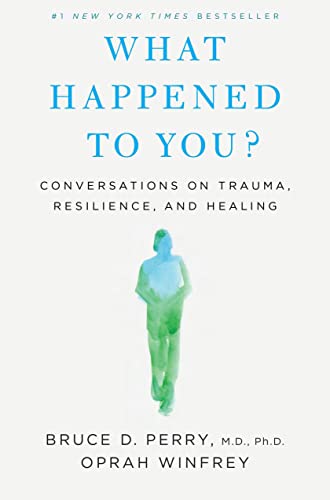
What Happened to You?
Bruce D. Perry, M.D., PhD & Oprah Winfrey
A conversational introduction to how early experience shapes us — reframing 'what's wrong with you' into 'what happened to you.'
As an Amazon Associate, Clarity House Press earns from qualifying purchases. Your price is never affected.
Found this helpful?
Share it with someone who might need it.
About the Author

Clarity House Press
Editorial Team
The editorial team at Clarity House Press curates and publishes evidence-based content on narcissistic abuse recovery, high-conflict divorce, and healing. Our content is informed by research, survivor experiences, and established trauma-informed approaches.
View all posts by Clarity House Press →Published by Clarity House Press Editorial Team