Please read our important disclaimers before using this content
If you're so exhausted you can barely function—dragging yourself through each day, needing naps just to survive, feeling like you're running on empty no matter how much you rest—you're likely experiencing chronic fatigue from long-term stress.
Chronic fatigue after narcissistic abuse isn't laziness, depression, or "just being tired." It's a physiological consequence of prolonged stress overwhelming your body's stress-response systems. Your adrenal glands, HPA axis (hypothalamic-pituitary-adrenal axis), and cellular energy production become dysfunctional and impaired from years of chronic threat activation. Our article on C-PTSD and chronic illness explains the broader physiological picture in detail.
Understanding why abuse causes debilitating fatigue, how to manage energy during high-stress divorce, strategies for recovery, and how to pace activities without guilt is essential for both surviving the divorce process and long-term healing.
The Stress-Fatigue Connection: Why Abuse Exhausts You
Narcissistic abuse creates chronic, unrelenting stress. Your body's stress systems—designed for short-term threats—become overwhelmed when activated constantly for months or years.
How Chronic Stress Causes Fatigue:
1. HPA Axis Dysregulation
What it is:
- Hypothalamic-pituitary-adrenal (HPA) axis regulates stress response
- Hypothalamus signals pituitary → pituitary signals adrenal glands → adrenals release cortisol
- This system is designed for acute stress (escape danger, then recover)
What happens with chronic stress:
- HPA axis activated constantly
- Never gets recovery period
- Eventually becomes dysregulated (produces too much cortisol, then too little)1
- Result: Profound fatigue
2. Adrenal Exhaustion (HPA Axis Dysfunction)
What "adrenal fatigue" really means:
- Popular term: "adrenal fatigue"
- Medical term: HPA axis dysfunction
- Adrenal glands remain structurally intact but fail to respond normally to regulatory signals
Progression:
While individuals vary in their progression, research on chronic stress demonstrates common patterns:
Stage 1 (Early stress) - typically involves:
- Elevated cortisol output as the body initially responds to ongoing stress2
- "Wired but tired" feeling
- Difficulty sleeping despite exhaustion
Stage 2 (Prolonged stress) - often characterized by:
- Fluctuating cortisol levels that begin to drop
- Energy crashes during the day
- Increased need for caffeine or sugar to function
- Difficulty waking in the morning
Stage 3 (Chronic stress/HPA axis exhaustion) - commonly presents with:
- Severely impaired cortisol production
- Profound fatigue that rest doesn't relieve
- Inability to function without pushing through exhaustion
- Crashes after any exertion
What this looks like:
"For the first few years of the marriage, I was stressed but functional—constantly anxious, couldn't sleep, but kept going. Around year five, I started needing afternoon naps. By year eight, I could barely get out of bed. Coffee didn't help. Sleep didn't help. I felt like my body had just... stopped working."
3. Mitochondrial Dysfunction
What mitochondria do:
- "Powerhouses" of cells
- Produce ATP (cellular energy)
How stress affects mitochondria:
Research indicates that chronic cortisol elevation can damage mitochondria through increased oxidative stress, impairing energy production at the cellular level[^3]:
- Sustained cortisol exposure increases reactive oxygen species
- Oxidative stress damages mitochondrial function
- Cells cannot produce adequate ATP (cellular energy)
- Result: Profound fatigue at the cellular level that affects all body systems
4. Chronic Inflammation
Stress-inflammation connection:
Research in psychoneuroimmunology demonstrates that chronic stress increases pro-inflammatory cytokines (IL-6, TNF-alpha, IL-1beta)[^4]:
- Sustained stress triggers inflammatory cascade
- Inflammation produces "sickness behavior" - the exhaustion you feel when ill
- Chronic low-grade systemic inflammation creates persistent fatigue
5. Sleep Deprivation Compounding
Double impact:
- Stress disrupts sleep
- Poor sleep worsens stress response
- Creates vicious cycle: Stress → poor sleep → more fatigue → worse stress response
6. Nutritional Depletion
Stress depletes:
- B vitamins (needed for energy production)
- Magnesium (needed for stress response and sleep)
- Vitamin D (deficiency linked to fatigue)
- Stress increases nutritional needs at same time it often reduces nutritious eating
Chronic Fatigue Syndrome (ME/CFS) and Abuse
Some survivors develop Myalgic Encephalomyelitis/Chronic Fatigue Syndrome (ME/CFS)—a complex medical condition involving profound fatigue, post-exertional malaise (crashes after activity), cognitive dysfunction, and other symptoms.
ME/CFS and Trauma Connection:
What research indicates:
- Some survivors with ME/CFS report that severe stress or trauma preceded their illness onset3
- Not everyone with chronic stress develops ME/CFS (genetic predisposition and other factors likely involved)
- Survivors of narcissistic abuse describe severe chronic stress preceding ME/CFS symptoms
- Research is ongoing regarding stress as a potential trigger, though the exact mechanism remains unclear
What ME/CFS looks like:
Hallmark symptom: Post-Exertional Malaise (PEM)
- Activity that should be manageable (grocery shopping, walking, socializing) → severe crash 12-48 hours later
- Crash lasts days or weeks
- Not just "tired"—flu-like symptoms, cognitive impairment, pain
Important about pacing: Some people with severe ME/CFS may need to be even more restrictive with activity (called "pacing" or "energy envelope therapy"). During severe phases, rest isn't a goal—it's a medical requirement. Listen to your body's signals over external expectations about activity.
Other symptoms:
- Unrefreshing sleep (wake up as tired as when you went to bed)
- Orthostatic intolerance (dizziness, heart palpitations when standing)
- Cognitive dysfunction ("brain fog")
- Muscle pain, headaches
- Sore throat, swollen lymph nodes
What this looks like:
"After I left, I thought I'd start feeling better. Instead, I got worse. I'd go to the grocery store—a normal task—and the next day I'd be bedridden. Not just tired: severe muscle pain, couldn't think clearly, felt like I had the flu. It took me two years and multiple doctors before I was diagnosed with ME/CFS. The doctor said my prolonged stress likely triggered it."
If you suspect ME/CFS:
- See a physician familiar with ME/CFS (many doctors don't believe it's real—medical gaslighting)
- Diagnosis is clinical (no definitive test; rule out other conditions)
- Treatment focuses on pacing, symptom management, avoiding PEM
- Resources: ME Action, Solve ME/CFS Initiative
Chronic Fatigue During High-Conflict Divorce
The worst timing for debilitating fatigue is during divorce—when you need maximum energy for legal battles, custody evaluations, and rebuilding your life.
How Fatigue Affects Divorce Proceedings:
1. Cognitive Impact
- Difficulty focusing during legal meetings
- Trouble remembering details, dates, documentation
- Impaired decision-making about custody, settlement
- Missing deadlines, appointments
2. Emotional Dysregulation
- Exhaustion shortens fuse (easier to provoke)
- Less resilience for narcissistic tactics
- Appearing "unstable" or "overwhelmed" to evaluators
3. Parenting While Exhausted
- Less patience with children
- Difficulty maintaining routines and activities
- Needing to rest when you "should" be parenting
- Guilt about not being "fun parent"
4. Looking Exhausted in Court
- Custody evaluators may note "appears tired, overwhelmed"
- Ex may weaponize: "She can barely stay awake; how can she parent?"
- Visual exhaustion can undermine your case
5. Work Performance
- Difficulty maintaining job performance when exhausted
- Financial insecurity if you can't work full-time
- Needing accommodations (FMLA, reduced hours) that may affect custody arguments
Managing Fatigue During Divorce:
1. Prioritize Ruthlessly
Essential activities only:
- Children's basic needs
- Legal obligations (court dates, meetings, documentation)
- Work (to extent necessary for financial stability)
- Minimum self-care (eating, hygiene, sleep)
Non-essential (can wait):
- Deep cleaning house
- Elaborate meals (simple, nutritious is enough)
- Social obligations (say no without guilt)
- Perfectionism about anything
2. Outsource and Delegate
What to outsource (if financially possible):
- House cleaning
- Meal prep or delivery
- Childcare (trusted help during rest periods)
- Errands (grocery delivery, online shopping)
If outsourcing isn't possible due to financial constraints:
Focus on the free strategies: ruthless prioritization of only essential tasks, asking for specific help from friends/family/community (not financial help, but task help like meal trains or carpools), and building rest into your schedule. Many of the most effective strategies cost nothing.
Ask for help:
- Friends/family: Meals, childcare, errands
- Meal trains
- Carpools for kids' activities
- "I need help" is a complete sentence
3. Pacing and Energy Management
Spoon theory:
- Visualize limited daily "spoons" (energy units)
- Each activity costs spoons
- Once spoons are gone, you're done for the day
- Budget spoons carefully
Rest BEFORE you crash:
- Don't push until you collapse
- Build rest into schedule (not "when I have time")
- Lying down for 15 minutes between activities prevents full crash
Activity pacing:
- Break tasks into smaller chunks
- Rest between activities
- Low-energy days: Minimum only
- Better-energy days: Don't overdo (you'll pay for it tomorrow)
4. Strategic Caffeine Use
Use wisely:
- Morning caffeine (not all day)
- Stop caffeine by 2 p.m. (protects sleep)
- Don't rely on caffeine to push through exhaustion (masks problem, worsens crash)
Better than caffeine:
- Short naps (15-20 minutes)
- Fresh air, brief walk
- Hydration (dehydration worsens fatigue)
5. Nutrition for Energy
What helps:
- Protein with each meal (stabilizes blood sugar)
- Complex carbs (sustained energy, not sugar spikes)
- Healthy fats (brain fuel)
- Hydration (even mild dehydration causes fatigue)
What worsens fatigue:
- Sugar crashes
- Skipping meals (blood sugar drops)
- Processed foods (inflammation)
- Excessive caffeine (worsens adrenal dysfunction)
6. Communicate Needs (Without Apology)
To support system:
- "I'm managing severe fatigue. I need help with [specific task]."
- "I can't commit to that right now."
- "I have limited energy; I'm prioritizing what's essential."
To employer (if needed):
- Request FMLA (Family and Medical Leave Act) for medical appointments, rest (Note: FMLA is US federal law; consult employment law in your jurisdiction for similar protections)
- Request accommodations: Flexible schedule, work-from-home, reduced hours
- Medical documentation supports accommodations
To custody evaluator (if fatigue is visible):
- "I'm managing stress-related fatigue with medical support. It doesn't impair my parenting. I prioritize children's needs and have support for difficult days."
- Frame as: Being treated, proactive, has support (not: Exhausted and unable to function)
Medical Evaluation and Treatment
If fatigue is severe, prolonged (3+ months), or not improving with stress reduction, seek medical evaluation.
What to Rule Out:
Medical conditions that cause fatigue:
1. Thyroid dysfunction
- Hypothyroidism (underactive thyroid)
- Hashimoto's thyroiditis (autoimmune thyroid)
- Bloodwork: TSH, Free T3, Free T4, thyroid antibodies
2. Anemia
- Iron deficiency anemia (common in women)
- B12 deficiency
- Bloodwork: CBC, iron panel, B12
3. Vitamin D deficiency
- Extremely common (especially in northern climates)
- Causes profound fatigue
- Simple blood test
4. Diabetes or prediabetes
- Blood sugar dysregulation causes fatigue
- Bloodwork: Fasting glucose, HbA1c
5. Sleep apnea
- Disrupts sleep without you realizing
- Daytime fatigue despite "sleeping"
- Sleep study for diagnosis
6. Chronic infections
- Epstein-Barr virus (mononucleosis) reactivation
- Lyme disease
- Other chronic infections
7. Autoimmune conditions
- Lupus, rheumatoid arthritis, others
- Often present with fatigue before other symptoms
8. Depression
- Depression causes fatigue
- But don't let doctors assume depression without ruling out medical causes first
- Can be both: Medical condition AND depression
Tests to Request:
If you don't have healthcare access or insurance: Many community health centers offer sliding-scale bloodwork. Start with thyroid screening and vitamin D testing (often least expensive). The lifestyle interventions—rest, pacing, nutrition, stress reduction—don't require medical testing and are highly effective on their own.
Comprehensive panel (if accessible):
- Complete blood count (CBC)
- Comprehensive metabolic panel (CMP)
- Thyroid panel (TSH, Free T3, Free T4, antibodies)
- Vitamin D
- B12
- Iron panel (ferritin, serum iron, TIBC)
- Cortisol (morning and evening, or 24-hour saliva test)
- Fasting glucose and HbA1c
- Inflammatory markers (CRP, ESR)
If initial tests normal but fatigue persists:
- Referral to endocrinologist (hormone specialist)
- Sleep study
- Rheumatologist (autoimmune workup)
- Infectious disease specialist (chronic infections)
Treatment Options:
If medical cause found:
- Thyroid medication (if hypothyroid)
- Iron supplementation (if anemic)
- Vitamin D supplementation (if deficient)
- Treatment for specific diagnosed condition
If no clear medical cause (HPA axis dysfunction/chronic stress):
Supplements that may help:
Some evidence supports the use of these supplements for stress-related fatigue:
- Adaptogens: Ashwagandha, rhodiola, holy basil (research suggests stress response support)4
- B vitamins: B-complex (essential for energy production, especially if deficient)
- Magnesium: Evidence-based for stress response and sleep quality5
- Coenzyme Q10: Some evidence for mitochondrial support
- Vitamin D: Evidence-based if deficient
- Iron: Only if deficient (don't supplement without testing; excess iron is harmful)
Important: Consult your healthcare provider before starting any supplements. Quality, dosage, and interactions vary significantly between products. Supplements are not regulated like pharmaceuticals, and individual responses vary. What helps one person may not help another.
Lifestyle interventions:
- Stress reduction (therapy, meditation, boundaries)
- Sleep hygiene
- Gentle movement (restorative yoga, walking—not intense exercise, which can worsen)
- Nutrition (anti-inflammatory diet)
- Pacing (spoon theory, rest before crashing)
Medications (if appropriate):
- Low-dose naltrexone (off-label for ME/CFS, chronic fatigue)
- Antidepressants (if depression is contributing)
- Stimulants (rarely, for severe cases; risk of dependency)
Long-Term Fatigue Recovery After Abuse
Many survivors experience significant energy improvement after leaving abusive relationships—but recovery timeline varies and requires patience.
What to Expect:
Immediate post-separation (0-6 months):
- Fatigue may initially worsen (separation stress, court proceedings)
- Survival mode continues
- Rest when possible, but stress remains high
Early recovery (6-18 months):
- Gradual energy improvement as chronic stress decreases
- Good days and bad days
- Some activities become manageable again
- Still need more rest than pre-abuse
Mid-recovery (18-36 months):
- Noticeable energy improvement
- Can sustain activity for longer periods
- Crashes less frequent
- Beginning to feel "like yourself" again
Long-term recovery (3+ years):
- Many survivors return to pre-abuse energy levels (or close)
- Sustained activity possible
- Occasional fatigue during high stress (normal)
- HPA axis largely recovered
Important: Recovery is NOT linear. Court dates, custody battles, triggers can temporarily tank energy. This doesn't mean you're back to square one—it's temporary stress response, not permanent regression.
Survivor Experiences:
"The first year after leaving, I was more exhausted than I'd ever been. I thought I'd made a mistake—'How can I be more tired when I'm free?' Around 18 months, I noticed I could grocery shop without needing a nap afterward. By two years, I had energy for activities with my kids. Three years out, I feel almost normal—occasional bad days, but I have my life back."
"I was diagnosed with ME/CFS during the divorce. Two years after it finalized, my ME/CFS went into remission. I still have to pace myself and avoid overdoing it, but I'm functional again. My doctor said removing chronic stress allowed my body to finally heal."
Supporting Recovery:
1. Remove Stressors Where Possible
- No contact or modified contact with ex
- Set firm boundaries
- Reduce unnecessary obligations
- Prioritize peace over productivity
2. Nervous System Regulation
- Therapy (somatic therapy, EMDR)
- Meditation, breathing exercises for trauma
- Gentle yoga, tai chi
- Nature time, grounding practices
3. Sleep Optimization
- Prioritize sleep (8-9 hours if needed)
- Sleep hygiene
- Treat sleep disorders (sleep apnea, insomnia)
- Medication if necessary temporarily
4. Anti-Inflammatory Lifestyle
- Anti-inflammatory diet (reduce processed foods, sugar)
- Omega-3 fatty acids (fish, flax, walnuts)
- Antioxidant-rich foods (berries, leafy greens)
- Hydration
5. Gentle Movement
- Walking, swimming, gentle yoga
- NOT intense exercise (can worsen fatigue)
- Movement improves energy, but don't overdo
- Rest is also productive
6. Social Connection
- Isolation worsens fatigue
- Gentle socializing (low-energy activities)
- Support groups (online if in-person is too exhausting)
- Connection is healing
7. Patience and Self-Compassion
- Recovery takes time (months to years, not weeks)
- Rest is not laziness
- Your body is healing from years of trauma
- Celebrate small improvements
Your Next Steps: Managing Chronic Fatigue
Immediate (survival mode):
- Medical evaluation (if accessible): Rule out treatable causes (thyroid, anemia, vitamin deficiencies)
- Ruthless prioritization: Essential tasks only; let go of rest
- Ask for help: Specific, practical help with tasks
- Strategic rest: Build rest into schedule, don't wait until you crash
- Basic nutrition: Simple, nutritious meals; hydration
Short-term (managing during divorce):
- Pacing: Spoon theory, activity pacing, rest before crashing
- Energy management: Budget energy for legal/parenting necessities
- Medical support: Supplements, treatment for diagnosed conditions
- Communicate needs: To support system, employer, evaluators (framed positively)
- Self-compassion: You're managing chronic illness during crisis; be gentle
Long-term (recovery):
- Stress reduction: Therapy, boundaries, no contact, peaceful life
- Nervous system healing: Somatic therapy, regulation practices
- Sleep optimization: Prioritize sleep, treat sleep disorders
- Anti-inflammatory lifestyle: Nutrition, gentle movement, social connection
- Patience: Recovery takes time; trust the process
Key Takeaways
✅ Chronic fatigue from narcissistic abuse is physiological consequence of HPA axis dysregulation, adrenal exhaustion, mitochondrial dysfunction, and chronic inflammation—not laziness or weakness
✅ "Adrenal fatigue" (more accurately, HPA axis dysfunction) progresses through stages: High cortisol → fluctuating cortisol → low cortisol and profound fatigue
✅ Chronic Fatigue Syndrome (ME/CFS) can be triggered by severe stress and trauma; characterized by post-exertional malaise (crashes after activity)
✅ Fatigue during divorce affects cognitive function, emotional regulation, parenting, and appearance in court—requires strategic energy management
✅ Pacing activities using spoon theory, resting before crashing, ruthless prioritization, and asking for help are essential survival strategies
✅ Medical evaluation should rule out thyroid dysfunction, anemia, vitamin deficiencies, diabetes, sleep apnea, and autoimmune conditions before attributing fatigue solely to stress
✅ Long-term recovery is possible for most survivors as chronic stress is removed, though timeline varies (6 months to 3+ years)
✅ Rest is not laziness—it's medical treatment for your depleted stress-response systems; self-compassion is essential
You're not lazy. You're not weak. Your body is exhausted from years of chronic threat activation. Rest is healing. Recovery is possible. Give yourself the time and gentleness your body desperately needs. Understanding the neuroscience of complex PTSD can transform self-blame into self-compassion — your fatigue has a neurological explanation, not a moral one.
Resources
Chronic Fatigue and ME/CFS Organizations:
- ME Action Network - Patient advocacy and research support for myalgic encephalomyelitis
- Solve ME/CFS Initiative - Research funding and patient education resources
- Bateman Horne Center - Clinical care and research for ME/CFS and related conditions
- National ME/FM Action Network - Advocacy and support for chronic fatigue conditions
Medical Providers and Functional Health:
- Institute for Functional Medicine - Find a Practitioner - Functional medicine providers specializing in HPA axis dysfunction
- American Association of Clinical Endocrinologists - Find endocrinologists for hormone evaluation
- Naturopathic Doctor Directory - Find licensed naturopathic physicians
- Adrenal Fatigue by James Wilson - Popular functional health resource (consult medical providers)
Trauma Recovery and Support:
- National Domestic Violence Hotline - 1-800-799-7233 (24/7 crisis support and resources)
- Psychology Today - Trauma Therapists - Find trauma-specialized therapists
- SAMHSA Helpline - 1-800-662-4357 (mental health and substance abuse resources)
- The Body Keeps the Score Resources - Bessel van der Kolk's trauma healing resources
References
Spoon Theory:
- "The Spoon Theory" by Christine Miserandino: butyoudontlooksick.com
- Chronic illness communities using spoon theory
Medical Testing:
- Request comprehensive metabolic panel, thyroid panel, vitamin D, B12, iron
- 24-hour saliva cortisol testing (functional medicine)
- Sleep studies for sleep apnea
Supplements (consult provider first):
- Adaptogens: Ashwagandha, rhodiola (stress support)
- B-complex vitamins (energy production)
- Magnesium (stress response, sleep)
- CoQ10 (mitochondrial support)
References
- Chrousos, G. P. (2009). Stress and disorders of the stress system. Nature Reviews Endocrinology, 5(7), 374-381. https://pubmed.ncbi.nlm.nih.gov/19488073/ ↩
- Thau, L., Gandhi, J., & Sharma, S. (2023). Physiology, Cortisol. StatPearls. National Center for Biotechnology Information. https://pubmed.ncbi.nlm.nih.gov/26262622/ ↩
- Picard, M., Juster, R. P., & McEwen, B. S. (2014). Mitochondrial allostatic load puts the 'gluc' back in glucocorticoids. Nature Reviews Endocrinology, 10(5), 303-310. https://doi.org/10.1038/nrendo.2014.22 ↩
- Rohleder, N. (2014). Stimulation of systemic low-grade inflammation by psychosocial stress. Psychosomatic Medicine, 76(3), 181-189. https://doi.org/10.1097/PSY.0000000000000049 ↩
- Afari, N., Buchwald, D., Clauw, D. J., et al. (2011). The Comorbidity of Self-Reported Chronic Fatigue Syndrome, Posttraumatic Stress Disorder, and Traumatic Symptoms. Journal of Traumatic Stress, 24(3), 350-353. https://pmc.ncbi.nlm.nih.gov/articles/PMC3343192/ ↩
- Chandrasekhar, K., Kapoor, J., & Anishetty, S. (2012). A prospective, randomized double-blind, placebo-controlled study of safety and efficacy of a high-concentration full-spectrum extract of ashwagandha root in reducing stress and anxiety in adults. Indian Journal of Psychological Medicine, 34(3), 255-262. https://doi.org/10.4103/0253-7176.106022 ↩
- Pickering, G., Mazur, A., Trousselard, M., et al. (2020). Magnesium status and stress: The vicious circle concept revisited. Nutrients, 12(12), 3672. https://doi.org/10.3390/nu12123672 ↩
Recommended Reading
From Clarity House Press — plus trusted books for deeper understanding

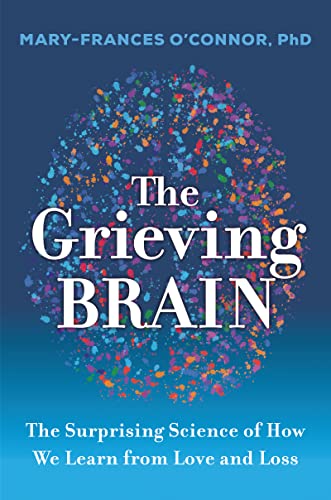
The Grieving Brain
Mary-Frances O'Connor, PhD
An accessible tour of the neuroscience of grief — why loss feels the way it does, and how the brain slowly relearns the world.
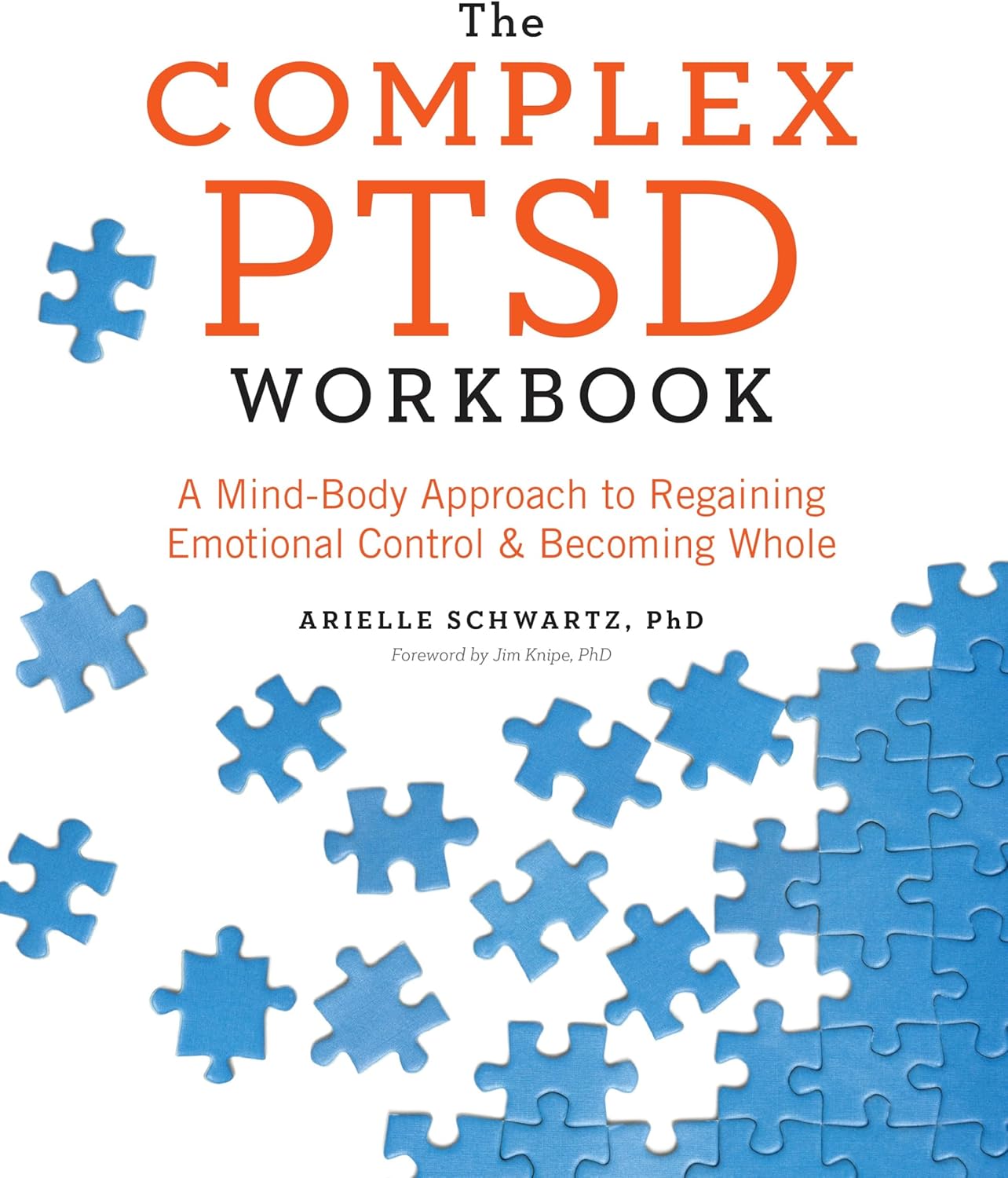
The Complex PTSD Workbook
Arielle Schwartz, PhD
A mind-body approach to regaining emotional control and becoming whole with evidence-based exercises.
As an Amazon Associate, Clarity House Press earns from qualifying purchases. Your price is never affected.
Found this helpful?
Share it with someone who might need it.
Tags
About the Author

Clarity House Press
Editorial Team
The editorial team at Clarity House Press curates and publishes evidence-based content on narcissistic abuse recovery, high-conflict divorce, and healing. Our content is informed by research, survivor experiences, and established trauma-informed approaches.
View all posts by Clarity House Press →Published by Clarity House Press Editorial Team