Please read our important disclaimers before using this content
My daughter started doing this thing where she'd flinch slightly when I hugged her. Not pulling away exactly, just a tiny tension in her shoulders, like she was bracing for something.
She'd never done that before.
When I asked if something was wrong, she looked confused. "No, why?" But the flinch remained.
It took weeks to piece together what was happening. During transitions, her father had started making small comments—not about me directly, but near enough. "Be careful with Mom today, she seems stressed." "Make sure you tell me if anything makes you uncomfortable at Mom's house." "You know you can always call me if you need to, right?"
To an outside observer, these seemed like concerned parenting. To my daughter, they created a constant low-level anxiety that maybe something dangerous lurked at my house. That maybe she needed protecting from me.
She couldn't articulate this. She just knew she felt tense during our time together and relieved when she went back to her father's house—where the person creating the anxiety positioned himself as the solution to it.
This is covert parental alienation. Not the obvious badmouthing that courts recognize and penalize, but the sophisticated psychological manipulation that erodes children's relationships while leaving no evidence trail. Understanding how family courts evaluate parental alienation is important context for why covert tactics are so difficult to prove.
Before we continue: This article describes genuine manipulation tactics that damage healthy parent-child relationships. If you're reading this to identify whether you're experiencing these tactics, this information may be validating and protective. If you're reading this to learn techniques to use against a co-parent, please stop now. Using these tactics against your children's other parent constitutes psychological abuse of your children, regardless of your feelings about that parent.
If you're fleeing domestic violence or protecting your children from an abusive parent, the normal boundaries and co-parenting strategies described here may not apply. Safety-focused protective parenting is not alienation. Consult with a domestic violence-informed attorney rather than using frameworks designed for high-conflict but not abusive co-parenting.
Understanding Parental Alienation
Parental alienation occurs when one parent's behavior damages the child's relationship with the other parent. It exists on a spectrum from mild interference to severe psychological abuse.1
Overt alienation is easy to identify: Direct badmouthing, preventing contact, explicit negative messaging about the other parent, involving children in adult conflicts.
Courts recognize these behaviors. Evaluators document them. Judges penalize them.
Covert alienation operates differently. The alienating parent never says anything directly negative. They express concern, ask innocent questions, make helpful observations. They position themselves as supporting the child's relationship with the other parent. This form of psychological control—including emotional manipulation, intrusiveness, and contingent approval—operates beneath the surface of what courts can easily detect.2
Meanwhile, the relationship deteriorates.
The confusion this creates—in children, protective parents, and even professionals—is part of the tactic's effectiveness. If there's no obvious perpetrator and no clear attack, how can there be alienation?
Key distinction: Parental alienation differs from estrangement. Estrangement occurs when children distance themselves from a parent due to that parent's actual behavior—abuse, neglect, emotional unavailability.
Alienation occurs when children are manipulated into distancing from a parent whose behavior doesn't warrant that response.
Critical complexity: Distinguishing alienation from estrangement is extremely difficult, and the concept of "parental alienation" has been weaponized against protective parents—particularly domestic violence survivors trying to protect their children. Abusive parents frequently claim that a protective parent's safety-focused boundaries constitute "alienation."
If you're experiencing actual abuse or raising genuine safety concerns about your children's wellbeing, that is NOT alienation—that's appropriate protective parenting. The tactics described in this article refer to manipulation that damages a healthy parent-child relationship, not a child's natural response to a parent's genuinely harmful behavior.
Distinguishing between these scenarios requires professional evaluation, understanding of subtle manipulation mechanisms, and recognition that both dynamics can be falsely claimed by the actual harmful parent.
Sympathy Induction Tactics
The alienating parent positions themselves as the victim who needs children's protection and support.
"I'm okay, don't worry about me." Said with a brave smile that clearly communicates they're not okay. Children learn to monitor the alienating parent's emotional state and feel responsible for maintaining it.
One father would get very quiet during pickups, then tell his children, "It's hard when you leave, but I want you to have a good time with your mom." His sadness became their burden. They started resisting transitions not because of anything at their mother's house, but to protect their father from his own manufactured grief.
Medical complaints. Vague ailments that worsen when children are with the other parent. "I wasn't feeling well this weekend while you were gone." "My headaches are worse when I'm alone."
Children internalize that their absence causes the alienating parent's suffering.
Financial struggle stories. Age-inappropriate information about money difficulties, especially framed around child support or divorce costs. "Things are tight but we'll make it work." "I can't afford [desired item] because of the divorce payments."
Children conclude that their relationship with the other parent is financially harming the "struggling" parent.
Helplessness displays. The alienating parent who suddenly can't manage basic tasks—technology, household repairs, emotional regulation—that they previously handled competently.
Children step into caretaking roles and resist time away because "Dad needs me" or "Mom can't handle things alone."
Sacrifice narrative. Constant subtle messaging about everything the alienating parent gives up or endures. "I changed my work schedule so I could be home more for you." "I moved to this smaller place so you could stay in your school."
These may be true. What makes them alienating is the unspoken comparison: I sacrifice for you while your other parent doesn't.
Identity Alignment Messages
The alienating parent creates an "us vs. them" family identity that excludes the other parent.
Family origin stories. Retelling family history in ways that minimize or erase the other parent's role. Photos displayed selectively. Milestones remembered as "when we did X" rather than "when our family did X."
Children absorb a narrative where their real family is the alienating parent plus them, and the other parent is an outsider.
Special language and inside jokes. Creating unique communication patterns, nicknames, or references that only exist in the alienating parent's household.
These become markers of belonging. Using them signals loyalty; not using them suggests distance from the preferred family identity.
Selective memory sharing. Recounting positive memories that exclude the other parent or reframing shared family memories to minimize that parent's involvement.
"Remember when we went to Disney?" when it was a family trip. "Remember how I always made your birthday special?" when both parents contributed.
Values contrast. Subtle messaging that "we" hold certain values that implicitly contrast with the other household. "We're the kind of people who keep our word." "Honesty is important in this family." "We treat people with respect."
The implication: the other household doesn't share these values.
Physical resemblance focus. Constant comments about how the child looks like the alienating parent, shares their talents, or inherited their best qualities.
This seems innocuous but creates identity fusion. The child becomes an extension of the alienating parent rather than their own person with connections to both parents.
Undermining Through "Support"
The alienating parent appears supportive while systematically eroding the other parent's role and relationship.
Replacing the other parent's role. Attending every school event, even when it's the other parent's time. Volunteering for all classroom activities. Becoming the "room parent" or team coordinator.
Framed as involvement and dedication, it's actually creating school environments where the other parent is treated as secondary or unnecessary.
Teachers develop relationships primarily with the alienating parent. Other parents and children see one parent as the "real" involved parent. The child absorbs this hierarchy.
Answering for the child. When the other parent asks the child questions, the alienating parent steps in with answers. "She had a great week." "He's not hungry right now." "They're tired from the busy weekend."
Children learn their voice and relationship with the non-alienating parent should be mediated through the alienating parent.
"Helpful" reminders. Texts to the other parent about things they should know about the children—information the children could share themselves.
This positions the alienating parent as the information gatekeeper and suggests the other parent isn't attentive enough to know these things directly.
Anticipating and solving problems. Before the child can even express a need at the other parent's house, the alienating parent has already addressed it. "I sent extra clothes in case you need them." "I packed snacks because I wasn't sure what you'd have."
The message: the other parent's household is unprepared and the alienating parent must compensate.
Taking credit for good news. When positive things happen in the child's life, the alienating parent's involvement is emphasized while the other parent's is minimized or ignored.
Child makes honor roll—alienating parent helped with study habits. Child scores a goal—alienating parent arranged extra practice. Child gets into desired program—alienating parent filled out applications.
Expressing concern about the other parent. Asking children if they're "okay" after time with the other parent. Wanting to know if "anything happened" or if they felt "comfortable."
These questions plant seeds of doubt. Children begin monitoring their experiences with the non-alienating parent for problems that might justify the alienating parent's "concern."
Creating Loyalty Conflicts
The alienating parent structures situations where the child must choose between parents or demonstrate loyalty.
Overlapping scheduling. Planning special activities, events, or treats during the other parent's time. Not refusing to accommodate schedule changes, just creating constant conflicts that require the child to choose.
Birthday parties, special outings, coveted activities—all somehow scheduled when the child would be with the other parent.
Gift competition. Not overt materialism, but strategic gifting that creates comparison. The alienating parent gives gifts that reflect deep knowledge of the child's interests, while the other parent's gifts seem generic or misaligned.
This isn't about money but about demonstrating who "really knows" the child.
Selective availability. The alienating parent is available for children's calls, texts, and communication during the other parent's time. They respond quickly, ask detailed questions, and maintain constant connection.
When children are with the alienating parent, that parent is less available to the other parent's attempts to connect. Calls go unanswered. Texts get delayed responses. Video calls are rushed.
Children learn that connection with the alienating parent is always available, but connection with the other parent is complicated and often disappointing.
Milestone coordination. The alienating parent ensures they're present for significant moments—first day of school, important performances, award ceremonies—even when these fall during the other parent's time.
Their presence isn't negotiated as shared family moments but positioned as necessary supervision or support that the other parent requires.
Rescue fantasy. Telling children they can "always call" if they need anything, want to come home early, or feel uncomfortable during the other parent's time.
This creates an escape hatch that prevents children from settling into the other household. There's always an exit, which means there's always an implicit reason an exit might be necessary.
Communication Sabotage
The alienating parent interferes with parent-child communication while appearing to facilitate it.
Technology "problems." Phones are dead, tablets aren't working, WiFi is down—consistently during the other parent's scheduled call times.
These technological failures occur only in one direction. The alienating parent can always reach the children during the other parent's time.
Scheduled interference. The alienating parent schedules bath time, dinner, or activities during the other parent's regular call windows. When calls are missed, it's because children were "busy" with important routines, not because contact was prevented.
Call monitoring. Standing nearby during calls, asking questions about the conversation afterward, or requiring speakerphone "so everyone can participate."
Children censor their authentic sharing when they know the alienating parent is listening or will interrogate them about the conversation.
Reinterpreting messages. When the other parent sends information or makes requests through written communication, the alienating parent adds their own interpretation. "Dad says you need to pack XYZ—I'm not sure why he thinks you need that, but let's do what he asks."
The original message gets filtered through the alienating parent's frame, which subtly undermines it.
Message "forgetting." The other parent's texts, voicemails, or requests somehow don't reach the children. "Oh, I forgot to tell you Dad called." "I didn't see that message about the schedule change."
Plausible deniability for communication breakdown that disrupts the other parent's relationship.
Environmental Differences
The alienating parent creates stark contrasts between households that position theirs as superior.
Rules framing. Not criticizing the other parent's rules, just creating clear contrast. "I know you don't have bedtime at Dad's, but here we believe sleep is important for growing bodies."
The alienating parent's rules are framed as values and care. The other parent's different approach is implicitly negligent or uninformed.
Nutrition shaming. Comments about what children ate at the other parent's house, concern about food choices, or emphasis on "healthy eating" in the alienating parent's home.
Children learn to feel guilty about what they enjoyed at the other house and superior about the alienating parent's food standards.
Screen time commentary. "I know you watch a lot of TV at Mom's, but here we focus on activities." Said neutrally, but the judgment is clear.
Appearance management. Children return from the alienating parent's house with carefully styled hair, coordinated outfits, and polished presentation. The contrast with their more casual appearance at the other parent's house suggests that parent doesn't care about their presentation.
Activity comparison. The alienating parent's household has constant stimulation—activities, outings, events. The other parent's household, by comparison, seems boring or neglectful even when offering age-appropriate downtime and routine.
Emotional Manipulation of Children
The alienating parent uses sophisticated emotional tactics to bind children to them and create distance from the other parent. Research on parental psychological control identifies guilt-induction, love withdrawal, and anxiety instillation as core mechanisms that operate covertly, leaving children feeling disoriented and doubting their own judgment.3
Conditional approval. Love and approval flow freely when children align with the alienating parent's perspective or demonstrate loyalty. When children express positive feelings about the other parent, approval subtly withdraws.
Children learn what they can safely share and what threatens their emotional security with the alienating parent.
Triangulation. Using one child to monitor or report on another child's relationship with the other parent. "Is your sister happy at Dad's?" "Does your brother talk about Mom when he's here?"
This creates division between siblings and enlists children as surveillance agents.
Rewriting feelings. When children express positive feelings about the other parent, the alienating parent reinterprets. "You're just saying that because you feel sorry for her." "You don't really feel that way, you're confused."
Children learn to distrust their own emotional reality.
Rescue behavior. After time with the other parent, the alienating parent creates exaggerated comfort and care—special meals, extra attention, emotional processing of "what they went through."
The message: time with the other parent is traumatic and requires recovery.
Guilt induction. Not overt statements, but subtle cues that enjoying time with the other parent hurts the alienating parent. Withdrawal, sadness, or forced cheerfulness when children return happy from the other household.
Children learn to hide positive experiences or feel guilty about them.
What Courts Miss
These tactics are nearly invisible to evaluators, judges, and even therapists unfamiliar with covert alienation dynamics. However, an important caveat: some courts and professionals ARE becoming increasingly educated about these patterns, though progress is uneven.4
No smoking gun. There's no recording of badmouthing, no written evidence of interference, no obvious violation of court orders.
Plausible alternative explanations. Every tactic has an innocent explanation—and sometimes these behaviors ARE innocent. A parent being involved, expressing genuine concern, or maintaining healthy routines is not inherently alienating. The distinction lies in pattern, intent, and impact on the child's relationship with the other parent. Research on distinguishing alienation from estrangement emphasizes that meaningful evaluation requires assessment of multiple factors across time, not interpretation of individual behaviors in isolation.5
The alienating parent appears cooperative. They facilitate the schedule. They communicate (on their terms). They speak positively about the importance of both parents—while systematically undermining that relationship.
The targeted parent may appear problematic. When you're experiencing this manipulation, you may struggle to articulate what's happening. You may show trauma responses—hypervigilance, frustration, difficulty explaining subtle dynamics. You may make allegations that sound vague or paranoid to outsiders.
Important warning: Abusive parents also use this exact framing to claim the protective parent "appears problematic" when that parent is raising legitimate safety concerns. If you're being told you "appear problematic" while trying to protect your children from documented abuse, you're likely experiencing DARVO (Deny, Attack, Reverse Victim and Offender), not being informed about your own alienating behavior.
Children can't explain it. They don't have words for the subtle pressure they feel. When asked if the alienating parent says bad things about the other parent, they honestly answer no.
Symptoms appear in the targeted parent's home. Children's resistance, anxiety, or withdrawal manifests during the targeted parent's time, making it appear that something about that household is problematic. Studies of children in high-conflict custody situations document elevated anxiety, attachment disturbances, and posttraumatic stress symptoms that correlate with interparental conflict exposure rather than any deficit in the targeted parent's care.6
The actual cause—the alienating parent's manipulation—operates from a distance.
Documenting Covert Alienation
Traditional documentation approaches don't capture these dynamics effectively because there's often nothing concrete to document.
Pattern documentation over incident reporting. Instead of logging individual events, track themes over time.
Create categories: "Sympathy-seeking behavior," "Communication interference," "Rule contrast messaging," "Loyalty conflict creation." Note examples under each category with dates and specific details.
This pattern approach makes the larger dynamic visible even when individual incidents seem minor.
Children's behavioral changes. Document shifts in your children's behavior, emotional responses, and relationship patterns.
When did the hesitation start? What language are they using that reflects the other parent's framing? How has their comfort level in your home changed?
Collateral observations. Teachers, coaches, therapists, and other adults who observe your children and family dynamics can see patterns that evaluators miss in interviews.
Brief these observers about what you're noticing and ask them to pay attention to relevant dynamics.
Communication analysis. Save all communications with the other parent. Track patterns in their messaging—the "concerned" questions, the helpful reminders, the subtle positioning.
The individual messages seem fine. The pattern reveals a campaign.
Your own responses. Document how you're responding to specific tactics. This demonstrates that you're not engaging in tit-for-tat alienation but rather trying to maintain healthy boundaries.
Professional support. Work with a therapist who understands parental alienation and can distinguish it from protective parenting in the context of abuse concerns. Research documents that children exposed to parental alienation exhibit measurable mental health impacts including anxiety disorders, attachment disturbances, depression, and trauma reactions extending into adulthood.7 Their observations and documentation of what you and your children report provides professional corroboration.
Protective Strategies
You can't control the alienating parent's behavior, but you can mitigate its impact and protect your relationship with your children.
Maintain authenticity. Don't compete with the alienating parent's performance. Be genuinely yourself with your children. This authentic connection is protective even when it's not flashy.
Name feelings, not causes. When children seem tense or withdrawn, acknowledge what you observe without blaming the other parent. "You seem a bit anxious today. What would help you feel more comfortable?"
This creates space for children to process their feelings without requiring them to identify the source.
Consistent presence. Show up for your time, your calls, your involvement in their lives regardless of their response. Children need to know you're reliably there.
Validate complexity. Let children know it's okay to love both parents, to have different experiences in each household, and to feel conflicted sometimes.
This permission to hold complexity counteracts the alienating parent's demand for singular loyalty.
Don't badmouth. Don't engage in alienation yourself, even subtly. Model the behavior you want reflected back.
Create positive experiences. Focus on building genuine connection and positive memories in your household. These experiences are their own evidence of your relationship's value.
Appropriate boundaries. You can't prevent the alienating parent's tactics, but you can set boundaries around what you'll engage with.
Excessive communication gets boundary responses. Requests to accommodate constant schedule changes get evaluated case by case. Manipulation attempts get recognized and limited.
Support children's autonomy. Help children develop their own perspectives, feelings, and preferences rather than trying to counter the alienating parent's influence with your own.
Strong sense of self protects children from manipulation better than competing loyalty demands.
Therapeutic support. If children are showing signs of distress, individual therapy with a therapist who understands high-conflict family dynamics can be protective.
Be careful: alienating parents often push for therapy and then use it as another manipulation venue. The right therapist is crucial.
When to Raise Alienation Concerns
Deciding whether and how to raise parental alienation concerns in court is strategic—and potentially dangerous.
CRITICAL WARNING: The concept of "parental alienation" has been extensively weaponized by abusive parents against protective parents, particularly domestic violence survivors. Family courts have a documented history of penalizing parents (especially mothers) who raise abuse concerns by accusing them of "parental alienation." Before raising these concerns, ensure you have:
- Legal counsel experienced in high-conflict custody who understands both genuine alienation dynamics AND how alienation claims are weaponized
- Documentation distinguishing your concerns from appropriate protective parenting
- Professional support from experts who won't be manipulated by a sophisticated abuser
If you are fleeing abuse or protecting children from a documented abusive parent: Consult with a domestic violence-informed attorney before using any "parental alienation" framework. Your safety concerns are not alienation.
If you are experiencing covert alienation tactics as described in this article:
Document first. Build a clear pattern record before making allegations. Vague concerns about alienation will backfire spectacularly and may result in you losing custody or being labeled as the problematic parent.
Frame around child impact. Focus on observable changes in children's functioning and relationship patterns rather than the other parent's behavior. Avoid using the term "parental alienation" if possible—describe specific behavioral patterns and their impact on your children.
Use expert support carefully. If you're going to raise alienation concerns, have expert backup—but be aware that alienating parents often manipulate professionals. You need a therapist who understands covert manipulation, a parental alienation specialist who can educate the court, or a parenting consultant who can recognize sophisticated tactics.
Expect defensive response and reversal. The alienating parent will deny everything and likely accuse you of the same behavior. This is DARVO (Deny, Attack, Reverse Victim and Offender)—a predictable narcissistic response to being held accountable. Be prepared for this reversal and have documentation of your efforts to support the children's relationship with both parents.
Consider timing strategically. Is raising these concerns now strategic, or will it escalate conflict without meaningful protection for your children? Will the court system in your jurisdiction recognize these dynamics, or will raising concerns backfire?
Sometimes the better approach is continuing to document while maintaining your relationship with your children, raising formal concerns only when you have overwhelming evidence or children's wellbeing requires immediate intervention.
The Long Game
Covert parental alienation is a marathon, not a sprint. The alienating parent has likely been building these patterns for months or years.
Your response can't be reactive or desperate. It must be strategic, consistent, and focused on long-term relationship preservation rather than short-term wins.
Children eventually see truth. Not always on your timeline, but authentic relationships tend to reveal themselves over time, especially as children mature and gain perspective.
Your consistent presence matters. Even when children seem distant or aligned with the alienating parent, your steady availability and genuine care create foundation for future reconnection.
Documentation builds over time. Patterns become undeniable with enough data points, even when individual incidents seem minor. Implement structured documentation strategies for high-conflict custody from the beginning—these records become invaluable months and years later.
Professional recognition is growing. More therapists, evaluators, and judges are becoming educated about covert alienation dynamics, though progress is slow.
You can't control outcomes, only your behavior. Focus on being the healthy, authentic parent your children need, regardless of how the alienating parent operates or how courts respond.
This isn't about winning a custody battle. It's about preserving your relationship with your children and their psychological wellbeing over the long term.
That's a different kind of victory than what happens in court, but it's the one that ultimately matters most.
Your Next Steps
Assessment:
- Review the tactics outlined and identify which ones you're observing
- Start pattern documentation categories rather than incident logs
- Notice your children's behavioral and emotional changes over time
- Identify which adults have meaningful observations of your family dynamics
Protection:
- Maintain your authentic relationship with your children without competing with performance parenting
- Set appropriate boundaries with the alienating parent's manipulation attempts
- Continue consistent presence regardless of children's response
- Create genuinely positive experiences in your household
- Consider therapy for yourself to process these dynamics
Documentation:
- Create pattern categories and track themes over time
- Save all communications showing the alienating parent's "supportive" interference
- Note collateral observers who can speak to relevant dynamics
- Document your healthy responses to manipulation attempts
- Work with a therapist who understands these dynamics and can provide professional observation
Strategic planning:
- Consult with an attorney experienced in high-conflict custody about if and when to raise alienation concerns
- Consider whether parental alienation expert evaluation would be beneficial—but ensure evaluator understands weaponization dynamics
- Evaluate therapeutic support options for your children with therapists trained in family systems and high-conflict dynamics
- Build your support network of professionals who understand these dynamics and won't be easily manipulated
- Focus on long-term relationship preservation rather than short-term court wins
Research and Resources
Understanding Parental Alienation:
While parental alienation is a recognized phenomenon in child development and family systems literature, it's essential to approach this topic with awareness of its controversial use in family courts. Research by Dr. Jennifer Harman and colleagues has documented psychological manipulation patterns, while scholars like Dr. Joan Meier have documented the weaponization of alienation claims against protective parents.
Key Research Considerations:
- Parental alienation exists on a spectrum and requires careful professional evaluation
- Distinguishing alienation from estrangement requires understanding both family dynamics and trauma responses
- Courts vary widely in their recognition and handling of these dynamics
- No single symptom or behavior definitively indicates alienation vs. estrangement
When Seeking Professional Help:
Look for family therapists, custody evaluators, and legal professionals who:
- Understand both genuine alienation dynamics AND weaponization patterns
- Are trained in domestic violence dynamics and trauma-informed practice
- Can distinguish protective parenting from alienating behavior
- Won't automatically assume one parent is truthful and the other is lying
- Evaluate the full family system rather than relying on one parent's narrative
Resources
Expert Support and Therapy:
- Psychology Today - Parental Alienation Therapists - Find therapists trained in parental alienation and domestic violence dynamics
- Dr. Amy J.L. Baker - Leading researcher on parental alienation and protective parenting
- Family Bridges Program - Evidence-based reunification therapy for alienated parent-child relationships
- One Mom's Battle - High-conflict custody support and parental alienation resources
Books and Educational Resources:
- Co-Parenting with a Toxic Ex by Amy J.L. Baker - Research and practical guidance on protecting children from alienation
- Divorce Poison by Richard Warshak - Understanding and counteracting parental alienation
- Adult Children of Parental Alienation Syndrome by Amy J.L. Baker - Long-term effects of childhood alienation
- Parental Alienation Awareness Organization - Educational resources and support
Crisis Support and Legal Resources:
- National Domestic Violence Hotline - 1-800-799-7233 (abuse and protective parenting support)
- WomensLaw.org - State-specific custody and protective order information
- American Bar Association - Family Law - Find attorneys experienced in high-conflict custody
- SAMHSA Helpline - 1-800-662-4357 (mental health treatment referrals)
Note: Many online "parental alienation" resources may not acknowledge domestic violence dynamics. Seek balanced resources that recognize both genuine alienation AND protective parenting concerns.
References
- Harman, J. J., Kruk, E., & Hines, D. A. (2018). Parental alienating behaviors: An unacknowledged form of family violence. Psychological Bulletin, 144(12), 1275–1299. https://pubmed.ncbi.nlm.nih.gov/30525996/ ↩
- Soenens, B., Vansteenkiste, M., & Beyers, W. (2019). Parental psychological control and emotion socialization in adolescence. In H. Grusec & P. Hastings (Eds.), Handbook of Socialization (3rd ed., pp. 415–436). Guilford Press. Accessed via Karger Publishers research on intrusiveness and emotional manipulation as facets of parental psychological control. https://karger.com/hde/article/67/2/69/836688/Intrusiveness-and-Emotional-Manipulation-as-Facets ↩
- Barber, B. K., & Harmon, E. L. (2002). Violating the self: Parental psychological control of children and adolescents. In B. K. Barber (Ed.), Intrusive parenting: How psychological control affects children and adolescents (pp. 15–52). American Psychological Association. Research on guilt-induction, love withdrawal, and anxiety instillation mechanisms in parental psychological control. https://www.frontiersin.org/journals/psychology/articles/10.3389/fpsyg.2025.1533715/pdf ↩
- Buchman, H., Kwan-Gett, T. S., Hartley, R. P., & Edwardson, K. (2022). Developmental psychology and the scientific status of parental alienation. Journal of Child Custody, 19(3), 352–379. https://pubmed.ncbi.nlm.nih.gov/35653764/ — Comprehensive literature review examining 213 empirical studies on parental alienation published through 2020, documenting maturation of the research field with increased quantitative studies and theory-testing since 2016. ↩
- Buchman, H., Kwan-Gett, T. S., Hartley, R. P., & Edwardson, K. (2020). Measuring the difference between parental alienation and parental estrangement: The PARQ-Gap instrument development and preliminary validation. Psychological Injury and Law, 13(4), 273–284. https://pubmed.ncbi.nlm.nih.gov/32069364/ — Development and validation of assessment tool distinguishing alienation from estrangement, emphasizing importance of evaluating multiple factors across time rather than isolated behavioral interpretations. ↩
- Davies, P. T., & Cummings, E. M. (2016). Interparental conflict, family process, and developmental psychopathology. In D. Cicchetti (Ed.), Developmental psychopathology: Maladaptation and psychopathology (3rd ed., pp. 655–706). John Wiley & Sons. Research on children in high-conflict custody situations, documented in studies of interparental conflict, children's security with parents, and long-term internalizing problems. https://pubmed.ncbi.nlm.nih.gov/27706142/ and https://pmc.ncbi.nlm.nih.gov/articles/PMC4580501/ ↩
- Mills, A., Semple, H., Ballard, E. D., Walling, M. L., & Kelly, J. B. (2022). The impact of parental alienating behaviours on the mental health of adults alienated in childhood: A qualitative study. Journal of Divorce & Remarriage, 63(4), 305–327. https://pubmed.ncbi.nlm.nih.gov/35455519/ — Qualitative investigation documenting mental health impacts on adults exposed to parental alienation in childhood, including anxiety disorders, trauma reactions, depression, substance use, and attachment difficulties. ↩
Recommended Reading
From Clarity House Press — plus trusted books for deeper understanding


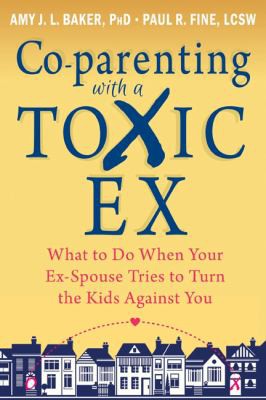
Co-Parenting with a Toxic Ex
Amy J. L. Baker, PhD & Paul R. Fine, LCSW
Evidence-based strategies when your ex tries to turn kids against you. Parental alienation prevention.

Fathers' Rights
Jeffery Leving & Kenneth Dachman
Landmark guide by renowned men's rights attorney covering every aspect of custody for fathers.
As an Amazon Associate, Clarity House Press earns from qualifying purchases. Your price is never affected.
Found this helpful?
Share it with someone who might need it.
About the Author

Clarity House Press
Editorial Team
The editorial team at Clarity House Press curates and publishes evidence-based content on narcissistic abuse recovery, high-conflict divorce, and healing. Our content is informed by research, survivor experiences, and established trauma-informed approaches.
View all posts by Clarity House Press →Published by Clarity House Press Editorial Team