Please read our important disclaimers before using this content
You don't know where you end and others begin.
Your mood depends on other people's moods. You feel responsible for others' emotions. You struggle to make decisions without input. You can't tell if your feelings are yours or absorbed from someone else.
This isn't natural empathy or connection. This is enmeshment—the blurring of boundaries between yourself and others to the point that you've lost track of your own separate identity.
After narcissistic relationships, many survivors struggle with enmeshment. But enmeshment develops in other contexts too: family systems, emotionally dependent partnerships, enmeshed dynamics, and other forms of relational trauma. The attachment wounds underlying C-PTSD often explain why enmeshment felt familiar or safe.
Whether your enmeshment developed with a partner, family member, or in another relationship, the narcissist (or other controlling person) demanded emotional fusion, punished autonomy, and made their wellbeing your responsibility. Over time, the boundaries that should have protected your separate identity eroded.
Now you're free, but you don't know who you are without someone else defining you. You're learning that healthy relationships require boundaries—and you're not sure how to build them.
This article explores what enmeshment looks like, where it comes from, and how to develop the differentiation that allows you to be yourself while still connecting with others.
Understanding Enmeshment
Enmeshment is a relational pattern where boundaries between people become so blurred that individual identity, autonomy, and emotional regulation are compromised. The term comes from Salvador Minuchin's structural family therapy (1974), describing families where diffuse boundaries prevent healthy individuation.1
What Enmeshment Is (and Isn't)
Enmeshment involves:
- Loss of individual identity - Your sense of self depends on your role in the relationship
- Emotional fusion - You can't separate your feelings from another person's emotional state2
- Anxiety about separateness - Distance from the other person triggers panic or guilt
- Decisions based on others' needs - Your choices prioritize avoiding others' discomfort over your own needs
- Difficulty knowing your own thoughts - You struggle to identify what you think/feel without considering others' reactions first
Enmeshment is NOT:
- Healthy empathy - Feeling compassion for others' pain while maintaining your own emotional center
- Interdependence - Mutual support where both people maintain autonomy
- Cultural closeness - Family systems that value collective wellbeing while respecting individual identity
- Caring about loved ones - Normal concern for people you love
- Compromise - Negotiating differences while maintaining your own perspective
The key difference: In healthy connection, you can hold space for others' feelings without abandoning your own. In enmeshment, others' emotional states override your ability to maintain a separate sense of self.
The Differentiation Spectrum
Murray Bowen's family systems theory describes differentiation of self—the ability to maintain your identity while in emotional contact with others.3 Differentiation exists on a spectrum:
Low differentiation (high enmeshment):
- "I can't be okay unless you're okay"
- Decisions driven by others' approval/disapproval
- Physical symptoms when others are upset
- Inability to tolerate others' negative emotions about you
- Identity defined entirely by relationships and roles
High differentiation (healthy autonomy):
- "I care about your feelings AND I can maintain my own position"
- Decisions reflect your values even when others disagree
- Emotional regulation independent of others' states
- Ability to stay connected during conflict
- Clear sense of self that persists across relationships
Most people fall somewhere in the middle, with differentiation varying across different relationships and contexts. Trauma, especially relational trauma, often pushes us toward the enmeshed end of the spectrum.4
Where Enmeshment Comes From
Some survivors entered abusive relationships already struggling with enmeshment from childhood—and the narcissist exploited and deepened these existing patterns. Others developed enmeshment specifically in response to narcissistic abuse. Either way, the work of building boundaries now is the same.
Family-of-origin enmeshment:
- Parentification - Being responsible for parents' emotional wellbeing as a child56
- Emotional incest - Parent treating child as confidant/emotional partner7
- Boundary-violating parenting - No privacy, autonomy discouraged, individual preferences dismissed
- Role rigidity - Identity locked into family role (caretaker, scapegoat, golden child)
- Loyalty binds - Individuation treated as betrayal
Relationship-induced enmeshment:
- Punishment of autonomy - Separate thoughts/activities met with withdrawal, rage, or silent treatment
- Demand for fusion - Partner requires constant emotional availability and agreement
- Weaponized vulnerability - "If you really loved me, you'd..." used to erase boundaries
- Responsibility shifting - Partner's emotions/behaviors become your fault
- Identity erosion - Gradual abandonment of preferences, friendships, interests
In narcissistic relationships specifically, the demand for emotional fusion serves the narcissist's need for supply and control. Your separate identity threatens their fantasy of total influence, so differentiation is systematically punished until maintaining boundaries feels too dangerous.
Recognizing Enmeshment in Your Life
Enmeshment becomes so normalized that you may not recognize it as problematic. Here's what it looks like in practice:
Emotional Enmeshment Signs
You absorb others' emotions involuntarily:
- Walking into a room and immediately taking on the prevailing mood
- Feeling responsible for "fixing" others' bad days
- Unable to enjoy yourself if someone near you is unhappy
- Physical symptoms (headaches, stomach issues, fatigue) when others are distressed
You can't access your own feelings:
- "What do you think?" followed by difficulty answering without knowing the other person's opinion first
- Checking in with others to validate whether your feelings are "correct"
- Feeling confused about your emotional state when alone
- Emotional numbness when separated from familiar people
You feel guilty for having boundaries:
- Saying "no" triggers immediate shame or panic
- Others' disappointment feels intolerable
- You overexplain, overjustify, or apologize for basic preferences
- Boundaries feel selfish or mean
Cognitive Enmeshment Signs
You struggle with autonomous decision-making:
- Small decisions (what to eat, wear, watch) require input from others
- Major decisions made based on avoiding others' reactions
- Difficulty identifying what you want when others have stated preferences
- Second-guessing your choices when someone expresses doubt
You can't hold differing opinions:
- Disagreement feels like relationship threat
- You change your stated position to align with whoever you're talking to
- "Keeping the peace" means abandoning your perspective
- You're unclear on your actual beliefs about important topics
Your identity is relationship-dependent:
- "Who am I?" questions feel unanswerable outside relational context
- Describing yourself requires referencing roles (mother, partner, employee)
- Interests and hobbies reflect others' preferences, not your genuine engagement
- Sense of self shifts dramatically depending on who you're with
Behavioral Enmeshment Signs
You prioritize others' needs reflexively:
- Automatically deferring to others' preferences
- Canceling your plans when others want your time/attention
- Chronic exhaustion from emotional caretaking
- Resentment that builds but can't be expressed
You tolerate boundary violations:
- Others make decisions about your life without consulting you
- Privacy invasions feel normal ("but family/partners should share everything")
- Your time, resources, and energy are assumed available
- Saying "that doesn't work for me" feels impossible
You can't tolerate physical/emotional distance:
- Panic when loved ones are upset with you
- Constant communication needed to feel secure
- Others' independence feels like rejection
- You pursue/pressure when others create space
Self-Assessment Questions
Answer these honestly (there's no judgment, only information):
- Can I be happy when someone I love is unhappy with me?
- Do I know what I think/feel before checking with others?
- Can I say "no" without extensive justification?
- Am I okay with others being disappointed in my choices?
- Do I have preferences that I maintain even when others disagree?
- Can I tolerate someone being upset without trying to fix it?
- Do I know who I am outside my relationships and roles?
- Can I make decisions that serve my needs even when inconvenient for others?
If you answered "no" to most of these, you're likely experiencing significant enmeshment. This isn't a character flaw—it's a pattern you learned in relationships where differentiation wasn't safe.
Building Differentiation: Reclaiming Your Separate Self
Differentiation is the process of developing a clear sense of self that persists regardless of others' emotional states or opinions. This doesn't mean disconnection—it means being able to stay connected while maintaining your own identity.
This work takes time. Differentiation is a lifelong developmental process, not a 30-day fix. Be patient with yourself.
Step 1: Identify Your Own Feelings
Before you can set boundaries based on your needs, you need to know what you're actually feeling—separate from what you've absorbed from others.
Body-based emotional awareness:
Your body knows your feelings before your mind does. Try this practice:
- Find a quiet moment alone - Enmeshment makes it hard to feel your own emotions in others' presence
- Body scan from head to toe - Where do you notice sensation? Tightness, warmth, heaviness, fluttering?
- Name the sensation neutrally - "I notice tension in my shoulders" (not "I'm stressed")
- Ask: "What is this feeling trying to tell me?" - Let the answer emerge without forcing it
- Validate without action - You can feel angry without needing to DO anything about it right now
Journaling prompts for differentiation:
- "What do I think/feel about this BEFORE considering how others will react?"
- "If no one would judge me, what would I want?"
- "What need am I meeting by taking on others' emotions?"
- "Where did I learn that my feelings don't matter as much as others'?"
Using a feelings wheel:
Many enmeshed people have limited emotional vocabulary ("fine," "good," "bad"). A feelings wheel helps build nuanced awareness of your emotional state—a critical component of emotion regulation that directly impacts mental health and well-being:8
- Download a feelings wheel (many free versions online)
- Several times daily, identify your current emotional state
- Practice naming specific emotions (not just "upset" but "resentful" or "overwhelmed")
- Notice how your feelings differ from the people around you
The goal isn't to change your feelings—it's to know what they are independent of others' emotional states.
Step 2: Practice the "I" Position
The "I" position means making statements that reflect your thoughts, feelings, and decisions without requiring others' agreement or validation.
"I" statements without fusion:
-
Instead of: "Don't you think we should...?"
-
Try: "I've decided to..."
-
Instead of: "Is it okay if I...?"
-
Try: "I'm planning to... Does that work for you?"
-
Instead of: "You made me feel..."
-
Try: "I felt [emotion] when [event]."
-
Instead of: "Everyone thinks..."
-
Try: "I think..."
Notice the difference: The first versions seek permission or deflect responsibility. The second versions claim your own position while remaining open to others' input.
Tolerating disagreement:
Differentiation requires being okay with others having different opinions—without either person being wrong.
Practice this progression:
- State your position: "I prefer [option]"
- Hear others' position: "You prefer [different option]"
- Acknowledge both are valid: "We have different preferences, and that's okay"
- Negotiate if needed: "How can we both get some of what we need?"
- Tolerate the discomfort: Let the disagreement exist without immediately resolving it
Many enmeshed people experience intense anxiety when disagreement isn't immediately smoothed over. The anxiety is temporary. It passes. You can survive someone having a different opinion.
Managing pushback:
When you start differentiating, others may resist. This is their anxiety about your change—it doesn't mean you're doing something wrong.
Expect responses like:
- "You've changed" (yes, that's the point)
- "You're being selfish" (no, you're developing healthy autonomy)
- "You never used to..." (correct, and I'm learning new patterns)
- Increased criticism, withdrawal, or pressure to return to old dynamics
Your job isn't to manage their feelings about your differentiation. Your job is to maintain your position while staying compassionate:
- "I understand this is different. I'm working on being more clear about my needs."
- "I care about you AND I need to make this decision for myself."
- "Your feelings about my choice are valid. I'm still choosing this."
Step 3: Start with Low-Stakes Differentiation
Don't begin differentiation work with high-stakes situations. Build the skill gradually.
Low-stakes practice areas:
- Food preferences: Order what you actually want, not what seems "easy" or what others are having
- Entertainment choices: State your preference for movies, shows, activities
- Small schedule decisions: "I'm not available then" without elaborate explanation
- Minor purchases: Buy something you want without seeking approval
- Personal space: Close the door, take time alone, decline social plans
Medium-stakes practice areas:
- How you spend your free time: Choose activities based on your interests, not others' approval
- Expressing different opinions: State disagreement on non-critical topics
- Setting time boundaries: "I need to go now" even when others want you to stay
- Declining requests: Say "no" to favors/tasks that don't work for you
- Sharing less: Not every thought/feeling needs to be disclosed
High-stakes practice areas (save these until you've built capacity):
- Life decisions: Career changes, relocation, major purchases
- Relationship boundaries: Addressing patterns that don't work
- Values conflicts: Maintaining your position on important issues
- Contact decisions: Limiting/ending relationships that harm you
The progression matters. You're building tolerance for the anxiety that comes with differentiation. Start where you can manage the discomfort, then expand.
Step 4: Tolerate Others' Discomfort
This is often the hardest part of differentiation: allowing other people to be upset with your boundaries without abandoning yourself to manage their feelings.
The guilt paradox:
If setting a boundary makes you feel guilty, that's evidence you needed the boundary. You feel guilty BECAUSE you were taught that your needs don't matter as much as others' comfort.
The guilt is not evidence you've done something wrong. It's evidence you're changing a pattern.
Grounding when others are upset:
When someone reacts negatively to your boundary, try:
- Name what's happening: "I'm noticing [person] is upset about my decision"
- Separate their feelings from your responsibility: "Their disappointment is valid AND not mine to fix"
- Ground in your body: Feel your feet on the floor, your breath moving
- Remind yourself: "I can care about them while maintaining my boundary"
- Resist the urge to over-explain: Let the boundary stand without defending it
Self-compassion for the discomfort:
You're not "bad at boundaries" when differentiation feels terrible. You're experiencing normal anxiety about changing a long-standing pattern.9
Try: "This feels awful because I'm doing something unfamiliar. The discomfort is temporary. I'm safe even though I feel anxious."
Reminder: Their feelings aren't your responsibility
You are not responsible for:
- Making sure no one is ever disappointed in you
- Managing others' emotional reactions to your choices
- Ensuring everyone feels comfortable with your boundaries
- Fixing others' distress about your differentiation
You ARE responsible for:
- Stating your boundaries clearly and respectfully
- Following through on what you've communicated
- Managing your own emotions about their reaction
- Staying connected (if you choose) while maintaining your position
Practicing Autonomy: Making Decisions From Your Center
Autonomy is the ability to self-govern—to make decisions based on your values, needs, and preferences rather than others' reactions.
Reclaiming Decision-Making
Decision-making audit:
Review your recent decisions (small and large). For each, ask:
- Did I make this choice based on what I wanted or what would please/avoid upsetting others?
- Did I consult people whose approval I sought rather than whose expertise I needed?
- Did I overexplain or overjustify my choice?
- How much of my decision-making energy went to predicting others' reactions?
Notice patterns without judgment. You're gathering information about where you've outsourced your autonomy.
Decisions without consensus:
Practice making choices that don't require anyone else's agreement:
- Your schedule: When you work, rest, socialize
- Your body: What you eat, wear, how you move
- Your space: How you organize/decorate your environment
- Your interests: What you read, watch, learn about
- Your energy: What you engage with, what you decline
This autonomy practice is closely related to the deeper work of rebuilding your identity after narcissistic abuse — each small decision made from your own center is an act of reclamation.
These decisions might AFFECT others (your schedule impacts when you're available), but they don't require others' permission.
Distinguishing advice from approval-seeking:
Asking for advice: "I'm considering X and Y. What factors would you consider in making this choice?"
Seeking approval: "I'm thinking about X. Do you think that's okay? Would you do that?"
Notice the difference. One seeks information to inform your decision. The other outsources the decision itself.
Making choices that disappoint others:
This is where autonomy gets tested. You will sometimes choose things that inconvenience or disappoint people you care about. That's not cruelty—it's the reality of being a separate person.
Try: "I understand you're disappointed. I've thought about this carefully, and this is the choice I need to make."
You don't need to justify. You don't need to fix their disappointment. You need to follow through.
Building Self-Trust
Enmeshment erodes self-trust. When you've repeatedly abandoned your own needs to manage others' emotions, you learn you can't rely on yourself.
Rebuilding self-trust requires:
1. Keeping commitments to yourself
Start small:
- If you say you'll take a 15-minute break, take it (don't skip it when someone needs you)
- If you plan to read before bed, do it (don't sacrifice it to respond to others' demands)
- If you commit to a boundary, maintain it (even when pressured)
Each kept commitment tells your nervous system: "I can count on me."
2. Honoring your needs even when inconvenient
Your needs matter even when meeting them is:
- Inconvenient for others
- Different from what you've previously done
- Not what others would choose
- Uncomfortable to assert
Practice: "This is what I need" without apologizing for needing it.
3. Trusting your discomfort
If something feels wrong, trust that. You don't need to prove or justify your discomfort to honor it.
- "I'm not comfortable with that" is enough
- "That doesn't work for me" requires no explanation
- "I need to think about it" buys you time without committing
Your discomfort is information. You don't need others to validate it before acting on it.
4. Making mistakes and staying with yourself
You will set boundaries that need adjustment. You'll make decisions you later regret. You'll overcorrect toward rigid boundaries before finding flexibility.
This is normal. It's not evidence you can't trust yourself—it's evidence you're learning.
Self-trust means: "I might make mistakes AND I'll figure it out."
Healthy Interdependence: Connection With Boundaries
Differentiation doesn't mean isolation. The goal isn't to become an island—it's to be able to connect deeply WHILE maintaining your own identity.
What Healthy Interdependence Looks Like
Mutual support without fusion:
In healthy relationships:
- You can support each other without taking responsibility for each other's feelings
- Each person maintains their own emotional regulation
- Helping is offered, not demanded
- You can say "I don't have capacity for that right now" without relationship rupture
Autonomy AND connection:
You can:
- Miss someone while enjoying time apart
- Have different opinions and stay close
- Support someone's choice you wouldn't make yourself
- Maintain your position while understanding theirs10
Flexibility based on context:
Interdependence isn't identical in every relationship. Close relationships involve more mutual influence—that's healthy. The question is: Can you maintain your sense of self even in close relationships?
Cultural values around family closeness vary significantly. Healthy boundaries don't mean identical distance from family members. If your cultural background emphasizes collective wellbeing, you might define boundaries that honor both your autonomy AND your values around family connection.
The test: Are you CHOOSING interdependence from a grounded place, or COMPELLED by anxiety/guilt?
Red Flags vs. Green Flags in Relationships
As you develop boundaries, you'll start noticing which relationships support healthy differentiation and which demand enmeshment.
Red flags (enmeshment patterns):
- Boundaries met with punishment - Anger, withdrawal, silent treatment when you assert needs
- Autonomy treated as betrayal - "If you really cared about me, you'd..."
- Constant availability expected - Your time/energy assumed to be theirs
- Guilt-tripping - "After everything I've done for you..." or "I guess I don't matter"
- Dismissal of your feelings - "You're too sensitive" or "You're overreacting"
- Decision-making control - They need to approve your choices
- Invasion of privacy - Your phone, space, relationships are monitored
- Identity erosion - Your preferences are "wrong" or need to change
Green flags (healthy differentiation):
- Boundaries respected - "That makes sense for you" even when disappointed
- Autonomy supported - Encouragement for separate interests/friendships
- Time/energy respected - Understanding when you're not available
- Feelings validated - "I see this matters to you" even during disagreement
- Influence, not control - They share perspectives without demanding compliance
- Privacy honored - Trust without surveillance
- Your identity celebrated - Genuine interest in who you are, not who they need you to be
- Repair after conflict - Ability to work through disconnection without threatening relationship
Notice which relationships allow you to be yourself and which require you to abandon yourself to maintain connection.
When to Seek Professional Support
Consider working with a therapist if:
- Severe enmeshment - Complete identity fusion with profound difficulty separating your experience from others'
- Complex trauma - Childhood enmeshment combined with adult relationship trauma
- Overwhelming anxiety - Differentiation triggers panic attacks or dissociation
- Relationship patterns - Repeatedly choosing relationships that require enmeshment
- Family system resistance - Your family of origin intensely sabotages differentiation efforts
- Grief complexity - Building boundaries means grieving relationships that can't tolerate your autonomy
Therapeutic approaches particularly helpful for enmeshment:
- Family systems therapy - Directly addresses differentiation and enmeshment patterns11
- Internal Family Systems (IFS) - Works with parts of self that maintain enmeshment for protective reasons
- Attachment-focused therapy - Addresses how early attachment patterns created enmeshment vulnerability
- Somatic therapy - Builds body-based awareness of your own emotional states
- Group therapy - Practice differentiation in safe relational context
Your Next Steps
Building boundaries after enmeshment is gradual work. You're not trying to become perfectly differentiated by next week—you're building capacity over time.
This week:
- Notice one area of enmeshment - Where do you lose yourself most consistently?
- Practice one low-stakes differentiation - State a preference, make a small decision autonomously
- Identify your own feelings once daily - Body scan to notice what YOU feel
- Tolerate someone's disappointment - Let one person be upset without fixing it
This month:
- Use "I" statements - Practice claiming your own position
- Set one medium-stakes boundary - Choose something that matters but isn't life-altering
- Journal on differentiation - Track when it feels hard and what makes it easier
- Build self-trust - Keep one commitment to yourself daily
This year:
- Expand differentiation - Move toward higher-stakes autonomy as capacity grows
- Evaluate relationships - Notice which relationships support your differentiation and which require fusion
- Practice healthy interdependence - Connect deeply while maintaining boundaries
- Consider therapy - If enmeshment is severe or progress feels stuck
Remember:
- The guilt you feel about boundaries is evidence you needed them
- Differentiation threatens relationships that required your enmeshment—and that's okay
- You can care about someone AND maintain your own position
- Healthy relationships survive your autonomy
- You're not "too much" or "too needy"—you're learning to be a separate person
- This work is worth it
You don't have to choose between connection and autonomy. With healthy boundaries, you can have both—and finally know where you end and others begin. When you're ready to build new connections from that grounded place, the work of building authentic relationships after abuse becomes possible in a way it wasn't when your boundaries were collapsed.
Resources
Boundary Setting and Enmeshment Recovery:
- Co-Dependents Anonymous (CoDA) - Some survivors find peer support groups like CoDA helpful, though CHP recommends trauma-informed frameworks over codependency models
- Al-Anon Family Groups - Support for families affected by someone else's drinking or enmeshed patterns
- National Domestic Violence Hotline - 1-800-799-7233 (boundary support and safety planning)
- Boundaries Books - Dr. Henry Cloud and Dr. John Townsend's boundary resources
Therapy and Professional Support:
- Psychology Today - Enmeshment Therapists - Find therapists specializing in enmeshment and boundaries
- GoodTherapy - Enmeshment Resources - Find therapists experienced in enmeshment recovery
- American Association for Marriage and Family Therapy (AAMFT) - Find family systems therapists trained in structural family therapy
- Internal Family Systems Institute - IFS therapy for parts work and differentiation
Books and Self-Help Resources:
- Codependent No More by Melody Beattie - Note: While this book uses the "codependency" framework, which can inadvertently blame victims, some survivors find value in its practical boundary-setting advice
- Facing Codependence by Pia Mellody - Developmental approach to enmeshment healing (uses "codependency" framework)
- The New Codependency by Melody Beattie - Updated enmeshment recovery strategies (uses "codependency" framework)
- Adult Children of Alcoholics (ACA) Literature - Resources for family systems trauma and enmeshment patterns
Resources & Further Reading
Books on Enmeshment and Differentiation:
- The Dance of Intimacy by Harriet Lerner, PhD
- Boundaries: When to Say Yes, How to Say No to Take Control of Your Life by Henry Cloud and John Townsend
- Silently Seduced: When Parents Make Their Children Partners by Kenneth Adams, PhD (on emotional incest/covert enmeshment)
- Intimacy and Desire by David Schnarch, PhD (on differentiation in relationships)
Clinical Resources:
- American Association for Marriage and Family Therapy (AAMFT) — Find therapists trained in family systems therapy
- Psychology Today Therapist Directory — Search for therapists specializing in "enmeshment" or "family systems"
Self-Assessment Tools:
Note: These are for self-awareness, not diagnosis. Professional assessment recommended for clinical concerns.
- Differentiation of Self Inventory (DSI) — Available through therapists
- Family Adaptability and Cohesion Evaluation Scales (FACES-IV) — Assesses family enmeshment patterns
Additional Support:
- r/raisedbynarcissists — Reddit community discussing family enmeshment and boundary-setting
- Out of the Fog — Resources on personality disorders and boundary development
- Codependents Anonymous (CoDA) — 12-step program addressing enmeshment patterns (CHP recommends trauma-informed frameworks)
You're not alone in this work. Thousands of survivors are learning to differentiate, set boundaries, and reclaim their identity after enmeshment. The discomfort you feel is growth. Keep going.
References
- Peris, T. S., & Miklowitz, D. J. (1987). Minuchin's psychosomatic family model revised: A concept-validation study using a multitrait-multimethod approach. Family Process, 26(2), 235-253. https://doi.org/10.1111/j.1545-5300.1987.00235.x ↩
- Calatrava, M., Martins, M. V., Schweer-Collins, M., Duch-Ceballos, C., & Rodríguez-González, M. (2022). Differentiation of self: A scoping review of Bowen Family Systems Theory's core construct. Clinical Psychology Review, 91, 102101. https://doi.org/10.1016/j.cpr.2021.102101 ↩
- Hooper, L. M., Wallace, S. A., Doehler, K., & Dantzler, J. (2012). Parentification, ethnic identity, and psychological health in Black and White American college students: Implications of family of origin and cultural factors. Journal of Comparative Family Studies, 43(6), 811-835. ↩
- Hann-Morrison, D. (2012). Maternal enmeshment: The chosen child. SAGE Open, 2(4). https://doi.org/10.1177/2158244012470115 ↩
- Skowron, E. A., & Dendy, A. K. (2004). Differentiation of self and attachment in adulthood: Relational correlates of effortful control. Contemporary Family Therapy, 26(3), 337-357. https://doi.org/10.1023/B:COFT.0000037919.63750.9d ↩
- Uysal, A., Lin, H. L., & Knee, C. R. (2010). The role of need satisfaction in self-concealment and well-being. Personality and Social Psychology Bulletin, 36(2), 187-199. https://doi.org/10.1177/0146167209354518 ↩
- Józefczyk (2023). Multigenerational transmission of differentiation of self – Toward a more in‐depth understanding of Bowen's theory concept. Journal of Marital and Family Therapy. https://doi.org/10.1111/jmft.12645 ↩
- Karpel, M. A. (1976). Individuation: From fusion to dialogue. Family Process, 15(1), 65-82. https://doi.org/10.1111/j.1545-5300.1976.00065.x ↩
- Hooper, L. M., Tomek, S., & Newman, C. R. (2020). Parentification vulnerability, reactivity, resilience, and thriving: A mixed methods systematic literature review. International Journal of Environmental Research and Public Health, 20(13), 6266. https://doi.org/10.3390/ijerph20136266 ↩
- Visted, E., Vøllestad, J., Nielsen, M. B., & Schanche, E. (2024). Emotion regulation and mental health: Current evidence and beyond. World Psychiatry, 23(3), 395-421. https://doi.org/10.1002/wps.21244 ↩
- Neff, K. D. (2023). Self-compassion: Theory, method, research, and intervention. Annual Review of Psychology, 74, 193-218. https://doi.org/10.1146/annurev-psych-032420-031047 ↩
Recommended Reading
From Clarity House Press — plus trusted books for deeper understanding

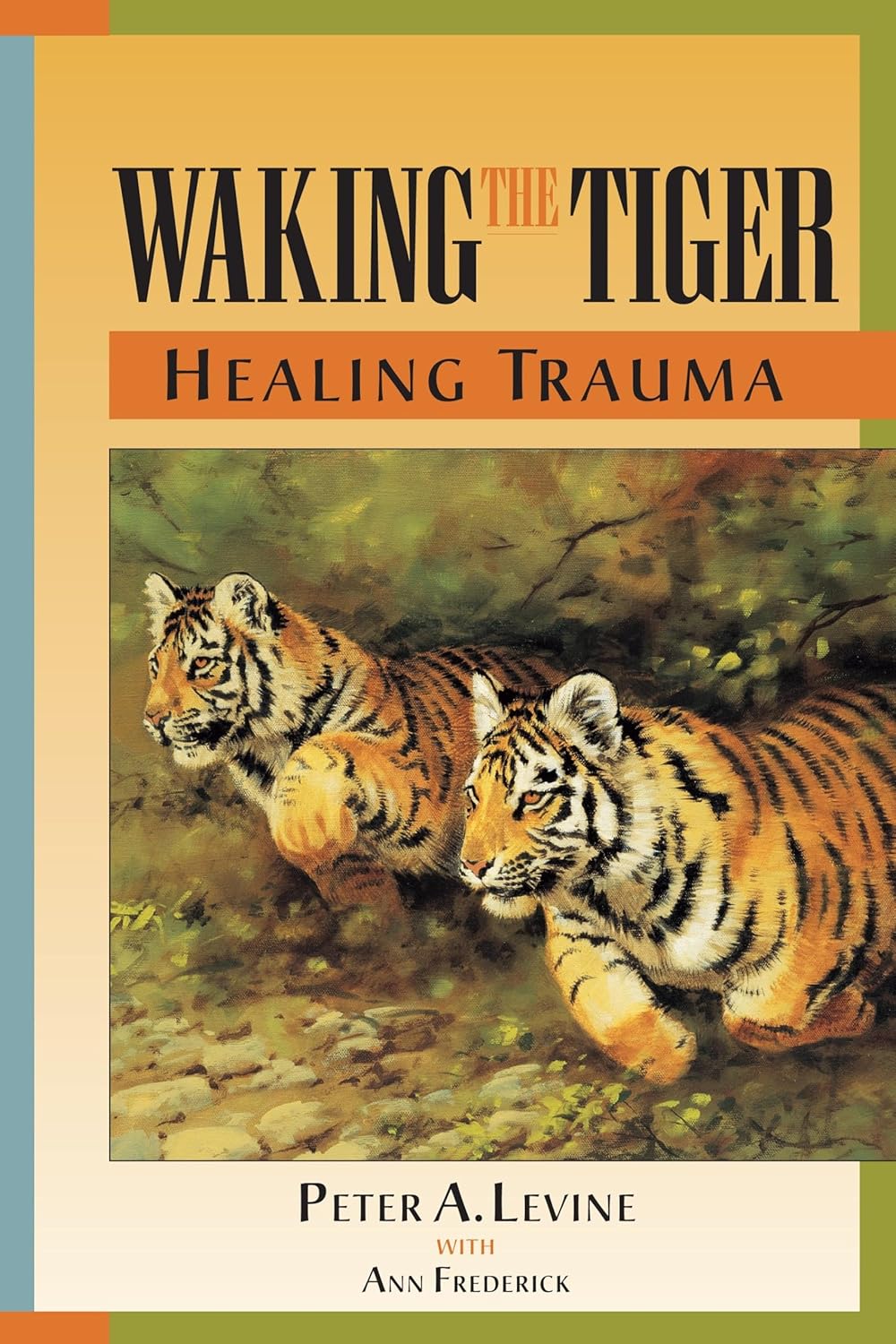
Waking the Tiger: Healing Trauma
Peter A. Levine & Ann Frederick
An introduction to Somatic Experiencing and the body's innate capacity to release trauma and restore balance.
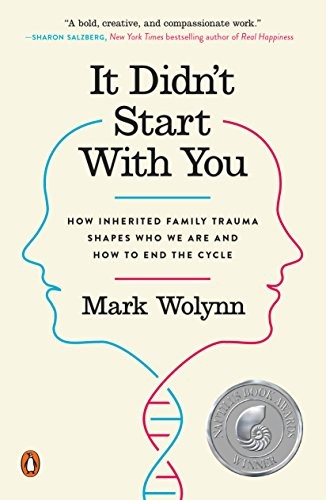
It Didn't Start with You
Mark Wolynn
Groundbreaking exploration of inherited family trauma and how to end intergenerational cycles.
As an Amazon Associate, Clarity House Press earns from qualifying purchases. Your price is never affected.
Found this helpful?
Share it with someone who might need it.
About the Author

Clarity House Press
Editorial Team
The editorial team at Clarity House Press curates and publishes evidence-based content on narcissistic abuse recovery, high-conflict divorce, and healing. Our content is informed by research, survivor experiences, and established trauma-informed approaches.
View all posts by Clarity House Press →Published by Clarity House Press Editorial Team