Please read our important disclaimers before using this content
The Body Keeps the Score—And the Criticism
The first time he commented on my weight, I was six months pregnant.
"You're really letting yourself go," he said, watching me eat ice cream on the couch. "I know you're pregnant, but that's not an excuse to stop caring about your appearance. My buddy's wife just had a baby and she looks amazing."
I put the ice cream down. I didn't finish it. I didn't eat ice cream again for the rest of my pregnancy.
That was just the beginning. After our daughter was born, the comments intensified. "Still hanging onto that baby weight, huh?" "Maybe if you worked out more instead of spending all day with the baby." "I'm just trying to help you—don't you want to be attractive for me?"
Within a year, the running commentary on my body became the soundtrack of my life. My clothes were too tight, too frumpy, too young, too old. My hair was wrong. My face needed makeup, but not too much. I was gaining weight. I was too skinny and looked sick. I should dress sexier, but not like I was trying too hard. Every aspect of my physical appearance was subject to his evaluation, criticism, and control.
I developed elaborate rituals. I'd try on five outfits every morning, trying to anticipate what might avoid criticism that day. I'd weigh myself multiple times daily, the number on the scale determining my emotional state. I'd check my appearance in every reflective surface, seeing myself through his eyes, never my own.
And here's what I didn't understand until years later: his criticism had nothing to do with my actual appearance. I know this because when I look at photos from that time, I see a normal woman's body—a body that had grown and birthed a human, that was doing exactly what bodies do. But in the moment, I believed every word. I believed I was fundamentally flawed, that my body was something to be ashamed of, that my physical self was a disappointment.
When I finally left, I thought I'd feel free. Instead, I discovered his voice had colonized my relationship with my own body. I couldn't look in a mirror without hearing his criticisms. I couldn't get dressed without his judgment echoing in my head. I couldn't move through the world in my own skin without the hypervigilance of constant self-monitoring.
If you're struggling with body image after narcissistic abuse, you're not vain, you're not shallow, and you're not damaged. You're experiencing the predictable aftermath of having your physical self weaponized against you. And there is a path back to peace with your body, even when the criticism still echoes. The process of reclaiming your identity after narcissistic abuse includes reclaiming your relationship with your body — they cannot be separated.
Understanding Body-Targeted Abuse
Narcissistic abuse that targets physical appearance is devastatingly common and profoundly damaging—yet it's often minimized as less serious than other forms of abuse. Research confirms that psychological abuse, including appearance-based criticism, produces comparable trauma symptoms to physical abuse1.
Why Narcissists Target Physical Appearance
Control through insecurity: Making you insecure about your appearance is a highly efficient control tactic. When you're constantly worried about your weight, your clothes, your face, you're not noticing red flags in their behavior. Your energy goes into managing your appearance instead of questioning the relationship.
Research in abusive relationship dynamics shows that abusers often deliberately create insecurity in domains where their partners previously felt confident. If you were comfortable with your body before the relationship, that confidence becomes a target—it represents autonomy and self-assurance that threaten the abuser's control. Studies on intimate partner violence demonstrate that both psychological and emotional abuse are significantly associated with body shame and self-objectification, creating lasting impacts on survivors' relationships with their bodies2.
Supply through comparison: Narcissists constantly compare their partners to others—past partners, celebrities, strangers on the street, friends' spouses. "She looks better than you did at that age." "Why can't you dress like her?" "My ex kept herself in shape."
These comparisons serve multiple purposes: they keep you feeling inferior and grateful for their attention, they position the narcissist as someone who could do better but is graciously staying with you, and they create anxiety that keeps you focused on pleasing them rather than evaluating the relationship.
Punishment through withdrawal: Many narcissists use their partner's appearance as justification for withholding affection, sex, or approval. "I'd be more attracted to you if you lost weight." "I'd want to be intimate if you made more effort." "I'd show you off if you dressed better."
This creates a toxic equation: your worth = your appearance = their approval. Your body becomes a site of constant performance, evaluation, and failure.
Projection of their own insecurities: Narcissists often have deep insecurities about aging, attractiveness, and physical perfection. Rather than confronting these fears, they project them onto their partners, criticizing in you what they fear in themselves.
As clinical psychologist Dr. Ramani Durvasula has observed in her extensive work on narcissistic relationships, the narcissist's obsession with their partner's appearance often reveals their own terror of being judged for not measuring up. By controlling their partner's body, they attempt to control their own anxiety about physical imperfection.
How this manifests across identities: Body-targeted abuse takes different forms depending on your identity. Cisgender women often experience criticism of weight, aging, and postpartum bodies. Transgender and non-binary survivors may experience abuse targeting transition-related changes or misgendering through appearance criticism. Non-binary individuals navigate unique dynamics around appearance conformity and gender presentation. People of color may face abuse weaponizing racist beauty standards. The common thread: using your body as a site of control and diminishment.
How Body-Targeted Abuse Damages You
Your internal voice becomes their voice: This is the most insidious damage. Long after you've left the relationship, you hear their criticisms when you look in the mirror. You feel their disapproval when you get dressed. You sense their judgment when you eat. Their voice becomes indistinguishable from your own thoughts.
Neuroscience research on internalized criticism shows that repeated external criticism literally changes our neural pathways. The brain begins to anticipate criticism and generates it internally even when no external source is present—a phenomenon called "self-directed criticism" that mimics the original abuser's voice and perspective3. Research on childhood emotional abuse demonstrates that early adversity leads to lower self-concept clarity, making survivors more vulnerable to internalizing appearance ideals and experiencing greater body dissatisfaction throughout life4.
Your body becomes an object to evaluate: Instead of experiencing your body from the inside—sensing its needs, feeling its pleasure, trusting its wisdom—you view it from the outside, through a critical lens. You become your own surveillance system, constantly monitoring your appearance against impossible standards.
Feminist philosopher Sandra Bartky describes this as "objectification of the self" in her work Femininity and Domination (1990), where internalization of external judgment transforms self-perception into self-surveillance. In abusive relationships, this objectification is amplified and weaponized.
Physical care becomes contaminated: Activities that should be pleasurable or neutral—eating, dressing, moving your body—become fraught with anxiety. Food becomes moralized (good/bad, allowed/forbidden). Exercise becomes punishment or debt repayment. Self-care becomes performance rather than nourishment.
One survivor described this perfectly: "I couldn't take a relaxing bath without thinking about whether it would make me look better or counting the calories I wasn't burning. Everything I did to my body was either trying to fix it or feeling guilty for not trying hard enough." Research confirms that childhood emotional maltreatment creates pathways to disordered eating through both internal shame and body shame, with these shame responses mediating the relationship between early abuse and later eating pathology5.
You lose trust in your body's signals: When someone else's approval determines whether your body is acceptable, you stop listening to your body's own feedback. Hunger, fullness, fatigue, pain, pleasure—all become irrelevant compared to the question of whether you look acceptable to others.
This disconnection from bodily sensation is particularly damaging because it's the foundation of intuition, boundary-setting, and self-protection. When you can't feel what your body is telling you, you can't trust yourself to know what you need.
The Intersection of Body Image and Trauma
Body image struggles after narcissistic abuse aren't just psychological—they're physiological trauma responses.
Hypervigilance about appearance: Your nervous system learned that your appearance was constantly being monitored and judged. This creates a state of hypervigilance where you scan your own appearance the way you once scanned for threats—constantly, exhaustingly, automatically.
Body shame as freeze response: Research by Dr. Bessel van der Kolk and other trauma specialists suggests that shame often functions as a freeze response—a collapse inward when fight or flight isn't possible6. When you were criticized but couldn't defend yourself or leave, your nervous system may have responded with shame, creating a conditioned association between your body and this freeze state.
Eating and weight changes as trauma symptoms: Significant changes in eating, weight, or body composition after abuse are trauma responses, not character flaws. Some survivors restrict food as a way to exert control. Others eat for comfort, soothing, or dissociation. Some lose weight from chronic stress. Others gain weight as protective armor. All of these are survival responses.
Distorted body perception as survival mechanism: Many survivors develop distorted perceptions of their own appearance that don't match reality. While this may resemble symptoms of Body Dysmorphic Disorder, it's important to understand this as a trauma response—the nervous system learned that accurate self-perception wasn't safe. If seeing yourself clearly led to more criticism, your brain may have learned to distort your self-image as protection.
The Path to Body Image Healing
Reclaiming your relationship with your body after narcissistic abuse isn't about learning to love your appearance—it's about reclaiming your body as yours, returning to embodied experience, and healing the trauma that lives in your tissues.
Phase 1: Separate Their Voice from Your Own
The first and most crucial step is recognizing when you're hearing your abuser's criticism versus your own authentic thoughts.
Track critical thoughts: For one week, notice every critical thought you have about your body. Write them down verbatim. Don't censor, don't argue—just record.
At the end of the week, read the list. Ask yourself: Do these sound like thoughts I would have about someone I love? Or do they sound like someone else's voice? Many survivors are shocked to discover that the vast majority of their "own" body criticism is actually their abuser's exact words, echoed back in their own voice.
Externalize the critic: Give that critical voice a name—not your abuser's name, but something that helps you recognize it as not-you. Some survivors call it "The Judge," "The Critic," or "The Bully."
When you notice that voice, name it: "There's The Judge again, telling me my thighs are too big." This small act of separation—recognizing the criticism as an external voice rather than truth—is the beginning of reclaiming your own perspective.
Challenge the timeline: Ask yourself: When did I start thinking this about my body? Many survivors realize their body image issues didn't exist before the abusive relationship, or were significantly less severe.
This isn't about blaming your abuser for everything—it's about accurate attribution. If you were comfortable in your body at 25 but developed severe body image issues after two years with a critical partner, the problem isn't your body. The problem is the criticism.
Phase 2: Return to Embodied Experience
Abuse trains you to experience your body from the outside. Healing requires returning to inside-out experience.
Practice interoception: Interoception is the ability to sense your body's internal state—hunger, fullness, heart rate, muscle tension, temperature, emotion. Abuse often damages this capacity because you learned to ignore internal signals in favor of external approval. Research shows that improving interoceptive awareness is associated with reduced trauma symptoms and improved emotional regulation7.
Try this: Set a timer for two minutes. Close your eyes. Without changing anything, notice: Where do you feel tense? Where do you feel relaxed? What's your breathing pattern? Is your stomach tense or soft? Are your shoulders raised or dropped? Don't judge, don't fix—just notice.
Do this daily. You're relearning to inhabit your body rather than observe it.
Separate function from appearance: Your body isn't ornamental—it's functional. It breathes, digests, heals, moves, senses, thinks. These functions have nothing to do with how you look and everything to do with your actual lived experience.
Trauma-informed practitioners recommend this practice: Each day, thank your body for one functional thing it does. "Thank you, feet, for carrying me today." "Thank you, stomach, for digesting my food." "Thank you, lungs, for breathing even when I'm anxious."
This isn't toxic positivity—it's attention-shifting from appearance-based evaluation to function-based appreciation.
Reclaim pleasurable embodiment: Abuse often makes all body-focused activities about appearance (exercise to lose weight, dressing to look attractive, eating to maintain weight). Healing requires reclaiming body experiences that are purely about pleasure or function.
Try: a bath just because it feels good, not because it might improve your appearance. Moving your body in ways that feel enjoyable rather than punitive. Wearing clothes that are comfortable rather than attractive. Eating food that tastes delicious rather than being "healthy."
Give yourself permission to experience your body as a site of pleasure and sensation rather than constant improvement projects.
Phase 3: Challenge Appearance-Based Worth
Narcissistic abuse trains you to believe your worth is determined by your appearance. Healing requires disconnecting these two things.
Identify your actual values: What do you actually care about? Kindness, creativity, justice, connection, learning, humor, courage? Write them down.
Now ask: How many of these values have anything to do with your appearance? For most people, the answer is zero. Your worth is based on your values, character, and actions—not whether you match beauty standards.
Notice who benefits from your insecurity: The global beauty industry is valued at approximately $532 billion, and the US diet and weight loss industry at approximately $72 billion annually. These industries profit from your insecurity. Studies demonstrate that exposure to appearance-focused media increases body dissatisfaction and internalization of beauty ideals8.
Your abuser benefited from your insecurity—it kept you controllable. Beauty and diet industries benefit from your insecurity—they keep you buying. Recognizing these systems helps you see your body criticism as something imposed from outside rather than truth about your worth.
Expand your aesthetic: Narcissistic partners often enforce extremely narrow beauty standards. Healing can include deliberately exposing yourself to diverse representations of bodies: different sizes, ages, abilities, colors.
Follow people on social media who look nothing like conventional beauty standards but are living full, joyful lives. Your brain needs evidence that happiness, success, love, and worth aren't contingent on appearance.
Practice radical self-compassion: Dr. Kristin Neff's research on self-compassion shows that treating yourself with kindness rather than criticism is more strongly associated with psychological well-being, resilience, and sustainable motivation—and it doesn't come with the shame, anxiety, and disconnection that self-criticism creates9. Research demonstrates that self-compassion serves as a protective factor in trauma recovery, mediating the relationship between childhood trauma and body dysmorphic symptoms while promoting post-traumatic growth10.
When you notice body criticism, try: "I'm having a hard time with how I look today. That makes sense given what I've been through. I'm learning to see myself with kinder eyes, and that takes time."
Phase 4: Heal Your Relationship with Food and Movement
If abuse targeted your eating, weight, or fitness, these areas need specific healing attention.
Important safety note: If you have a history of eating disorders or find that exploring food and body work triggers restrictive eating, binge behaviors, or other disordered patterns, please work with an eating disorder specialist rather than attempting these practices independently. The guidance below is for general body image healing, not eating disorder treatment.
Reject diet culture: Diet culture and abuse use the same tactics: external control overriding internal wisdom, shame-based motivation, impossible standards that guarantee failure, and constant surveillance. This doesn't mean all eating changes are problematic—it means approaches that prioritize external judgment (appearance, weight loss, "should" rules) mirror abuse dynamics. Working with your body's internal signals is healing; responding to external pressure can be re-traumatizing. Research shows that weight-focused interventions often increase disordered eating behaviors and psychological distress11.
Consider exploring Intuitive Eating (Evelyn Tribole and Elyse Resch) or Health at Every Size (Lindo Bacon) if these resources are accessible to you. Some communities have free resources, podcasts, or library books. If not, the core principles still apply: listen to your hunger, challenge rigid food rules, and trust your body's signals. These approaches reconnect you with your body's internal cues rather than external rules.
Relearn hunger and fullness: Many survivors lose touch with hunger and fullness cues through years of external food control (either their own restriction or their partner's criticism).
Practice: Before eating, ask "How hungry am I, 1-10?" Eat. Midway through, pause and ask again. When finished, ask again. You're not trying to change anything—just rebuilding the neural pathways that recognize internal body signals.
Find joyful movement: If exercise became punishment for eating or a way to earn food, you need to completely redefine your relationship with movement.
Ask: What movement felt good in my body before exercise became moralized? This might be dancing, hiking, swimming, playing sports, yoga, walking—or it might be gentle stretching, arm exercises in bed, chair-based movement, or simply being outside in nature. Try those activities again, but with zero agenda around appearance, weight, or "burning calories." Movement as joy, not penance—whatever that looks like for your body.
Release the scale: For many survivors, the scale was a daily judgment, determining their mood and self-worth. Consider putting it away for a month, three months, or indefinitely.
Your weight is not a measure of your worth, health, or progress in healing. It's a single data point about your relationship with gravity that has been grotesquely over-invested with meaning.
Phase 5: Reconstruct Your Relationship with Your Appearance
This phase isn't about loving how you look—it's about developing a neutral, functional relationship with your appearance that doesn't determine your worth.
Dress for yourself: Narcissistic partners often controlled what you wore. Reclaiming autonomy might mean experimenting with styles, colors, or presentations you were forbidden or criticized for.
It might also mean giving yourself permission to dress for comfort, practicality, or personal pleasure rather than others' gaze. Your clothes are for you.
Modify the mirror: If mirrors trigger criticism spirals, consider limiting mirror time to functional use only (brushing teeth, putting on clothes) rather than evaluation sessions.
Some survivors cover or remove unnecessary mirrors. Others set boundaries: "I will look in the mirror to get dressed, but not to critique my body." You don't owe the mirror your attention.
Redefine grooming: Separate necessary hygiene (brushing teeth, showering) from appearance-based grooming that may be motivated by criticism or control.
Ask yourself: Am I doing this because it feels good to me, or because I'm afraid of judgment? You're allowed to wear makeup, style your hair, or dress up—but only if it's truly for you, not from fear.
Accept where you are: Body acceptance doesn't mean loving every aspect of your appearance. It means: "This is my body today. It's been through trauma. It's healing. It doesn't have to be perfect to be worthy of care, respect, and kindness."
Special Challenges in Body Image Recovery
When Weight or Appearance Actually Changed
Many survivors experience significant physical changes during or after abuse—weight gain or loss, hair loss, skin issues, aging under stress. If you actually look different than you did before abuse, you might be grieving the loss of your former appearance.
This grief is valid. You can simultaneously work on body acceptance while acknowledging that trauma changed your body in ways you didn't choose. Both things can be true.
When You Have Eating Disorder History
If you developed or relapsed into an eating disorder during or after the abusive relationship, you need specialized treatment with an eating disorder specialist who understands trauma. Body image work alone isn't sufficient—you need medical and psychological support for the eating disorder itself. Research confirms strong links between emotional abuse, body shame, and eating disorder development, with shame functioning as a key mediator between childhood maltreatment and disordered eating behaviors12.
When Your Body Reminds You of Trauma
Some survivors struggle with body parts or aspects that they associate with abuse—breasts that were criticized, a stomach that carried a pregnancy in an abusive relationship, scars from self-harm during the relationship.
This requires trauma processing, not just body image work. EMDR, somatic therapy, or trauma-focused CBT with a specialist can help process these specific associations. Our guide on somatic experiencing for trauma recovery covers body-based healing approaches in depth. Studies on intimate partner violence show that appearance-related residual injuries can moderate the relationship between body image distress and PTSD symptoms, highlighting the need for integrated trauma treatment13.
When You're Dealing with Actual Health Issues
Sometimes body changes after abuse are related to actual health conditions—thyroid issues from chronic stress, autoimmune conditions, chronic pain, hormonal disruption. Body acceptance doesn't mean ignoring medical needs.
You can pursue medical care for your body's health while simultaneously working on healing your relationship with your body's appearance. These aren't contradictory goals.
Important note: For some survivors, medical care itself was weaponized—forced procedures, denied healthcare, or medical gaslighting. If seeking medical support triggers trauma, working with a trauma-informed healthcare provider who understands abuse dynamics is essential. Your agency in all healthcare decisions is non-negotiable.
Your Body Is Not the Problem
Here's what I wish someone had told me years earlier: Your body was never the problem.
Not when he said you were too fat. Not when he said you were too thin. Not when he criticized your clothes, your hair, your face, your age, your shape. The problem was that he was an abuser who used your appearance as a control tactic.
Your body isn't something to fix, improve, or perfect your way into worthiness. Your body is the vehicle for your life, the home you live in, the instrument of your experience in the world. It deserves your kindness regardless of how it looks.
The critical voice in your head isn't truth—it's trauma. And you can learn to recognize it, challenge it, and eventually quiet it enough to hear your own voice again. Many survivors find that understanding the neuroscience behind complex trauma helps them have compassion for the ways their nervous system internalized the abuse — including the internalized critic.
That voice, the one underneath the criticism and fear and hypervigilance, has always known the truth: You were always worthy. Your body was always enough. And the only opinion about your appearance that matters is your own.
Your Next Steps
Healing from body image trauma happens at your own pace. These steps are suggestions, not requirements. You might find some resonate with you immediately; others you'll return to later. Some survivors move through these phases quickly; others need months or years between steps. Both timelines are normal. Trust your own healing rhythm.
Early steps you might consider:
-
Track critical thoughts (when you feel safe doing this): For several days, write down negative thoughts you have about your body. Don't engage with them—just record them. This practice helps you see patterns and separate internalized criticism from your authentic voice.
-
Practice brief interoception: When you're ready, close your eyes for two minutes and notice internal body sensations without judgment. Just observe. This rebuilds the connection between your awareness and your body's signals.
-
Do one thing purely for physical pleasure: Take a bath, stretch, wear comfortable clothes, eat something delicious. Make it about how it feels, not how it looks. Start reclaiming embodied pleasure.
As you build momentum:
-
Identify the critic's voice: Review your written critical thoughts. Circle the ones that sound like your abuser's exact words or perspective. Begin naming this as "The Critic" when you notice it. This externalization creates distance between you and internalized abuse.
-
Reclaim one appearance-related activity: Choose one area (clothing, grooming, movement, eating) where you'll make choices based on your own preferences rather than fear of judgment. Start small—one domain at a time.
-
Diversify your visual input: Follow 5-10 people on social media who represent body diversity and share your values. Let your brain see evidence that worthy, happy lives come in all kinds of bodies.
Longer-term healing investments:
-
Consider body-based therapy (if accessible): Look into somatic therapy, EMDR, or other trauma therapies that work with the body's healing, not just cognitive work. Sliding scale therapists, community mental health centers, or online therapy platforms may offer more accessible options. If therapy isn't available right now, somatic practices like interoception, gentle movement, and self-compassion can support healing independently.
-
Develop self-compassion practice: Read Kristin Neff's work on self-compassion (available through library books, podcasts, or free online resources) and begin practicing talking to yourself with kindness rather than criticism. Self-compassion is a skill that builds with practice.
-
Celebrate embodied moments: Notice when you feel present in your body, when you enjoy physical sensation, when you move through the world without self-consciousness. These moments are evidence of your healing—honor them. Recovery isn't linear, and these glimpses matter.
Remember: Your body carried you through abuse. It kept you alive through trauma. It's healing even when you can't see it. The least it deserves is your kindness, patience, and respect. And when you are ready to engage with somatic healing more actively, breathwork for trauma offers a gentle, body-honoring starting point.
You don't have to love your body to heal your relationship with it. You just have to be willing to stop being its enemy. And that, beautifully, is enough.
Resources
Body Image and Eating Disorder Support:
- National Eating Disorders Association (NEDA) - Helpline: 1-800-931-2237 (support and treatment referrals)
- The Body Positive - Body image education and resources
- Project HEAL - Treatment access for eating disorders
- Association for Size Diversity and Health (ASDAH) - Health at Every Size resources
Somatic and Body-Based Therapy:
- Somatic Experiencing Trauma Institute - Find somatic therapists for body-based trauma healing
- EMDR International Association - EMDR therapists for trauma processing
- Psychology Today - Body Image Therapists - Therapist directory specializing in body image issues
- [The Center for Mindful Eating](https://www.thecenterformindful eating.org) - Mindful eating resources and training
Books and Self-Compassion:
- Self-Compassion by Dr. Kristin Neff - Self-compassion practices and guided meditations
- The Body Is Not an Apology by Sonya Renee Taylor - Radical self-love and body liberation
- Health at Every Size by Lindo Bacon - Non-diet approach to health and body acceptance
References
- Follingstad, D. R., & DeHart, D. D. (2000). Defining psychological abuse of husbands toward wives: Contexts, behaviors, and typologies. Journal of Interpersonal Violence, 15(9), 891-920. https://doi.org/10.1177/088626000015009001 ↩
- Longe, O., Maratos, F. A., Gilbert, P., Evans, G., Volker, F., Rockliff, H., & Rippon, G. (2010). Having a word with yourself: Neural correlates of self-criticism and self-reassurance. NeuroImage, 49(2), 1849-1856. https://doi.org/10.1016/j.neuroimage.2009.09.019 ↩
- van der Kolk, B. A. (2014). The Body Keeps the Score: Brain, Mind, and Body in the Healing of Trauma. Viking. [See also: Schore, A. N. (2009). Attachment trauma and the developing right brain. In P. F. Dell & J. A. O'Neil (Eds.), Dissociation and the dissociative disorders (pp. 107-141). Routledge.] ↩
- Price, C. J., & Hooven, C. (2018). Interoceptive awareness skills for emotion regulation: Theory and approach of mindful awareness in body-oriented therapy (MABT). Frontiers in Psychology, 9, 798. https://doi.org/10.3389/fpsyg.2018.00798 ↩
- Grabe, S., Ward, L. M., & Hyde, J. S. (2008). The role of the media in body image concerns among women: A meta-analysis of experimental and correlational studies. Psychological Bulletin, 134(3), 460-476. https://doi.org/10.1037/0033-2909.134.3.460 ↩
- Tylka, T. L., Annunziato, R. A., Burgard, D., Daníelsdóttir, S., Shuman, E., Davis, C., & Calogero, R. M. (2014). The weight-inclusive versus weight-normative approach to health: Evaluating the evidence for prioritizing well-being over weight loss. Journal of Obesity, 2014, 983495. https://doi.org/10.1155/2014/983495 ↩
- Neff, K. D. (2003). Self-compassion: An alternative conceptualization of a healthy attitude toward oneself. Self and Identity, 2(2), 85-101. https://doi.org/10.1080/15298860309032 ↩
- Buchbinder, M., & Eisikovits, Z. (2013). Objectification among college women in the context of intimate partner violence. Violence and Victims, 28(1), 36-49. https://doi.org/10.1891/0886-6708.28.1.36 ↩
- Hazzard, V. M., Schaefer, L. M., Schaumberg, K., Bardone-Cone, A. M., Frederick, D. A., Klump, K. L., Anderson, D. A., & Thompson, J. K. (2022). Testing the identity disruption model among adolescents: Pathways connecting adverse childhood experiences to body dissatisfaction. Body Image, 43, 249-258. https://doi.org/10.1016/j.bodyim.2022.09.010 ↩
- Scheffers, M., van Busschbach, J. T., Bosscher, R. J., Aerts, L. C., Wiersma, D., & Schoevers, R. A. (2023). Childhood maltreatment, shame, psychological distress, and binge eating: testing a serial mediational model. Journal of Eating Disorders, 11(1), 73. https://doi.org/10.1186/s40337-023-00819-7 ↩
- Satici, B., Yilmaz, M. F., Deniz, M. E., & Satici, S. A. (2024). The mediating role of self-compassion in the relationship between childhood trauma and the symptoms of body dysmorphic disorder. BMC Psychology, 12(1), 421. https://doi.org/10.1186/s40359-024-01917-x ↩
- Racine, S. E., & Wildes, J. E. (2015). Emotion dysregulation and symptoms of anorexia nervosa: The unique roles of lack of emotional awareness and impulse control difficulties when upset. International Journal of Eating Disorders, 48(7), 907-912. [See also: Scheffers et al., 2023, cited above for shame mediation pathways] ↩
- Taft, C. T., Resick, P. A., Panuzio, J., Vogt, D. S., & Mechanic, M. B. (2007). Appearance-related residual injury, posttraumatic stress, and body image: Associations within a sample of female victims of intimate partner violence. Journal of Traumatic Stress, 20(6), 999-1008. https://doi.org/10.1002/jts.20274 ↩
Recommended Reading
From Clarity House Press — plus trusted books for deeper understanding
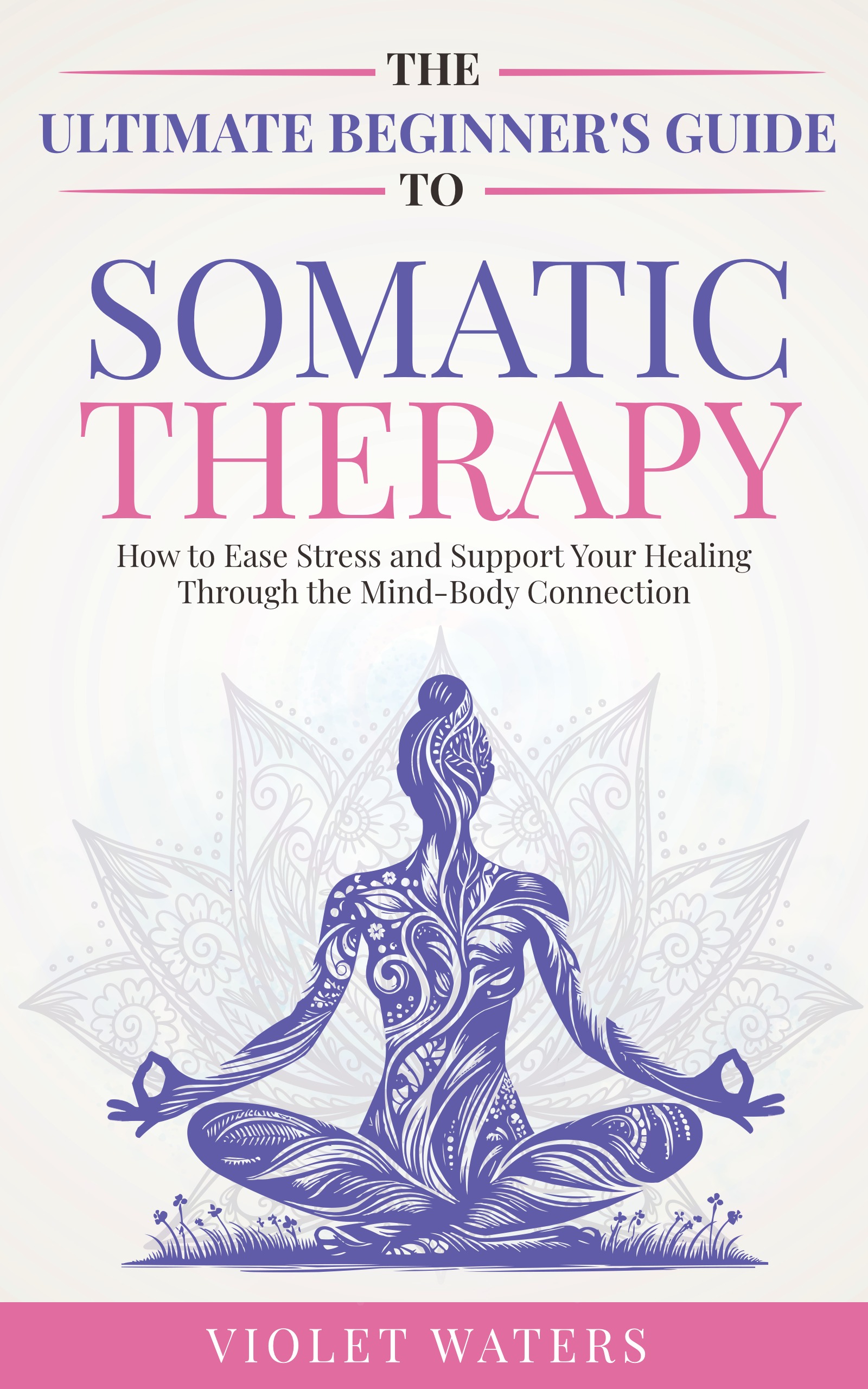

Surviving the Storm: When the Court Takes Your Children
Clarity House Press
For fathers in active high-conflict custody battles. Understand your CPTSD symptoms, begin stabilization, and build foundation for healing. 17 chapters covering recognition, symptoms, and the healing path.
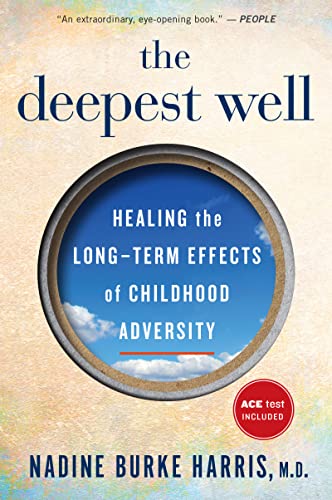
The Deepest Well
Nadine Burke Harris, M.D.
A pediatrician's clear explanation of how adverse childhood experiences affect lifelong health — and what recovery can look like.
Overcoming Trauma through Yoga
David Emerson & Elizabeth Hopper, PhD
Evidence-based trauma-sensitive yoga program developed at the Trauma Center with Bessel van der Kolk.
As an Amazon Associate, Clarity House Press earns from qualifying purchases. Your price is never affected.
Found this helpful?
Share it with someone who might need it.
About the Author

Clarity House Press
Editorial Team
The editorial team at Clarity House Press curates and publishes evidence-based content on narcissistic abuse recovery, high-conflict divorce, and healing. Our content is informed by research, survivor experiences, and established trauma-informed approaches.
View all posts by Clarity House Press →Published by Clarity House Press Editorial Team