Please read our important disclaimers before using this content
Financial devastation often accompanies high-conflict divorce. Between legal fees, separate households, hidden assets, and deliberate economic sabotage by your ex, you may face mountains of debt with no clear path to repayment. Understanding how hidden assets are concealed in divorce is the first step to ensuring economic sabotage doesn't go unchallenged before bankruptcy becomes necessary. Or your ex might threaten bankruptcy to avoid paying support or dividing assets fairly. Sometimes bankruptcy becomes a strategic tool—used ethically or weaponized maliciously—in the divorce process. Research confirms that bankruptcy filers are disproportionately divorced, separated, or widowed compared to the general population.1
Understanding the intersection of bankruptcy and divorce is critical for protecting yourself financially. When should you file bankruptcy—before, during, or after divorce? What happens if your ex files bankruptcy to avoid obligations? Which debts can be discharged, and which survive bankruptcy no matter what? How do you protect yourself when bankruptcy becomes another weapon in your high-conflict divorce?
These questions don't have simple answers. Bankruptcy and family law interact in complex ways, and strategic timing can mean the difference between financial recovery and prolonged devastation.
The psychological reality: The intersection of bankruptcy and divorce represents compounded trauma. You're grieving the loss of your marriage while facing the collapse of your financial future as you planned it. Research demonstrates that financial and marital stress in midlife are significantly linked to psychological distress and poor health outcomes in later life.2 This double loss can trigger profound identity disruption—especially if financial security was part of how you understood yourself or your marriage. If your ex is weaponizing bankruptcy against you, you're also experiencing betrayal trauma: the person you once trusted is now using the legal system to harm you further. These emotional realities don't diminish the practical guidance in this article, but they explain why executing these strategies may feel overwhelming. Be patient with yourself as you navigate this dual crisis.
Understanding Bankruptcy Basics
Before diving into the divorce intersection, understand the basics of bankruptcy law.
Types of Bankruptcy
Chapter 7 - Liquidation:
- What it does: Eliminates most unsecured debts (credit cards, medical bills, personal loans)
- How it works: Debtor surrenders non-exempt assets; trustee liquidates and pays creditors; remaining debts discharged3
- Timeline: 3-6 months typically
- Eligibility: Must pass means test (income below state median, or limited disposable income)
- Effect on divorce: Fastest way to eliminate marital debt, but may complicate asset division
Chapter 13 - Reorganization:
- What it does: Creates 3-5 year repayment plan for debts based on disposable income
- How it works: Debtor proposes payment plan; makes monthly payments to trustee; trustee distributes to creditors; remaining dischargeable debts eliminated at plan completion
- Timeline: 3-5 years
- Eligibility: Must have regular income; debt limits apply ($2,750,000 combined secured and unsecured debt as of 2024; limits adjust periodically)
- Effect on divorce: Allows keeping assets while repaying debt, but ties up finances for years
Chapter 11 - Business Reorganization:
- Less common for individuals
- Used for high-income debtors who exceed Chapter 13 debt limits
- More complex and expensive
For most divorcing individuals: Chapter 7 or Chapter 13 are relevant options. Chapter 7 is faster and eliminates debt entirely. Chapter 13 is used when debtor wants to keep assets (like home) or has income too high for Chapter 7.
What Bankruptcy Discharges
Debts That CAN Be Discharged (eliminated):
- Credit card debt
- Medical bills
- Personal loans
- Past-due utility bills
- Business debts (for non-incorporated businesses)
- Civil judgments (with exceptions)
- Old tax debts (with conditions)
Debts That CANNOT Be Discharged (survive bankruptcy):
- Child support and alimony (domestic support obligations under 11 U.S.C. § 523(a)(5))
- Most taxes (recent income taxes, property taxes)
- Student loans (except in cases of undue hardship, which is very difficult to prove)
- Debts from fraud or intentional harm
- DUI-related debts
- Certain property settlement obligations (discussed below under 11 U.S.C. § 523(a)(15))
Automatic Stay: Bankruptcy's Power
When someone files bankruptcy, an automatic stay goes into effect immediately:
- Creditors must stop collection efforts
- Lawsuits are paused
- Foreclosures are halted (temporarily)
- Wage garnishment stops
But: The automatic stay does NOT stop (11 U.S.C. § 362(b)):
- Criminal proceedings
- Child support and alimony collection (enforcement continues under § 362(b)(2))
- Most divorce proceedings (though property division may be stayed)
Duration and Exceptions: The automatic stay lasts for the duration of the bankruptcy case. Creditors can request relief from stay by filing a motion in bankruptcy court, and the court may lift the stay if the debtor doesn't meet payment obligations or for cause. Dismissing bankruptcy voluntarily also ends the stay. In contested cases or fraud objections, Chapter 7 can extend from the typical 3-6 months to 6-12 months.
Bankruptcy During Divorce: Strategic Timing
The timing of bankruptcy filing—before, during, or after divorce—has major strategic implications.
Filing Bankruptcy BEFORE Divorce
Potential Benefits:
✅ Eliminate Marital Debt Together: Filing joint bankruptcy before divorce eliminates shared debt, simplifying property division.
✅ Reduce Divorce Costs: Fewer financial issues to litigate if debts are already discharged.
✅ Clean Slate: Both parties start post-divorce lives without crushing debt.
✅ Strategic Coordination: If you're cooperating with soon-to-be ex, joint bankruptcy can be efficient.
Potential Drawbacks:
⚠️ Requires Cooperation: Must work together to file joint bankruptcy (difficult in high-conflict divorce).
⚠️ Assets May Be Liquidated: Chapter 7 may require selling marital assets to pay creditors, leaving less to divide.
⚠️ Delays Divorce: Bankruptcy takes 3-6 months (Chapter 7) or 3-5 years (Chapter 13), potentially delaying final divorce.
⚠️ Trustee Controls Assets: Bankruptcy trustee may control marital assets during bankruptcy, complicating property division.
Filing Bankruptcy DURING Divorce
Common Scenario: One spouse files bankruptcy while divorce is pending.
Effects on Divorce Proceedings:
Automatic Stay May Pause Property Division:
- Bankruptcy's automatic stay can halt divorce proceedings related to property division4
- Courts must determine whether divorce case can continue or must wait for bankruptcy resolution
- Support and custody issues can usually proceed despite stay
Complicates Asset Division:
- Bankruptcy trustee may claim non-exempt marital assets
- Spouse filing bankruptcy may have fewer assets to divide
- Other spouse may receive less than expected in property settlement
Creditor Claims:
- Marital creditors may file claims in bankruptcy
- Affects what's left to divide between spouses
Strategic Filing:
- High-conflict ex may file bankruptcy to:
- Delay divorce proceedings
- Reduce assets available for division
- Discharge debts they'd otherwise owe under settlement
- Force you to deal with bankruptcy complexity
Filing Bankruptcy AFTER Divorce
Most Common Scenario: File bankruptcy after divorce is finalized.
Benefits:
✅ Clarity on Obligations: Divorce decree specifies who owes what, making bankruptcy filing clearer.
✅ Individual Decision: Each spouse decides independently whether to file.
✅ Simpler Bankruptcy: Only your post-divorce debts and property are at issue.
✅ No Cooperation Required: Don't need ex's involvement.
Considerations:
⚠️ Some Divorce Debts Non-Dischargeable: Child support, alimony, and certain property settlement obligations survive bankruptcy.
⚠️ May Still Owe Ex: If divorce decree assigned you debt and you discharge it, ex may still have claim against you under decree.
⚠️ Credit Impact: Bankruptcy plus divorce both harm credit, but necessary for financial recovery.
Which Divorce Debts Can Be Discharged?
This is where bankruptcy and divorce law intersect in complicated ways.
Always Non-Dischargeable (Survive Bankruptcy)
Child Support (11 U.S.C. § 523(a)(5)):
- Current and past-due child support CANNOT be discharged in bankruptcy
- Arrears remain owed even after bankruptcy
- Collection can continue during and after bankruptcy
Alimony/Spousal Support (11 U.S.C. § 523(a)(5)):
- Spousal support obligations CANNOT be discharged
- Must continue paying during and after bankruptcy
- Arrears remain collectible
Domestic Support Obligations (DSOs) (11 U.S.C. § 523(a)(5)):
- Any obligation labeled as "support" in divorce decree is non-dischargeable
- This is priority debt in bankruptcy (paid before other creditors)5
Sometimes Dischargeable: Property Settlement Debts
The Complexity: Property settlement obligations are sometimes dischargeable, sometimes not.
Chapter 7 - Property Settlement Generally NON-Dischargeable:
Under 11 U.S.C. § 523(a)(15), property settlement debts are presumed non-dischargeable in Chapter 7. The debtor bears the burden of proving one of two exceptions:
- Debtor lacks ability to pay the debt, OR
- Benefit to debtor from discharge outweighs detriment to ex-spouse
Translation: Property settlement debts usually survive Chapter 7 bankruptcy. Courts presume these debts are non-dischargeable to protect the ex-spouse unless the debtor can prove inability to pay or disproportionate hardship.
Critical jurisdictional variation: Treatment of property settlement debts varies significantly by jurisdiction and circuit. Some courts apply strict statutory language; others use more flexible analysis based on the debt's characterization in the divorce decree. Courts look at whether the debt is truly "support" (always non-dischargeable) versus "property equalization" (potentially dischargeable). Consult an attorney in your jurisdiction for how local bankruptcy courts treat property settlement obligations.
Chapter 13 - Property Settlement CAN Be Discharged:
- Property settlement obligations CAN be discharged in Chapter 13 bankruptcy
- Must be included in repayment plan and paid according to plan
- After successful plan completion, remaining property settlement debt is discharged
- However, research shows only approximately one-third of Chapter 13 filers successfully complete their repayment plans and receive a discharge6
Strategic Implication: If your ex owes you property settlement and files Chapter 7, you can usually still collect. If they file Chapter 13 and complete the plan, they may discharge the debt.
How Divorce Decree Language Matters
Courts look at substance, not labels to determine if debt is support (non-dischargeable) or property settlement (sometimes dischargeable).
Drafted as Support (Non-Dischargeable):
- "Husband shall pay wife $1,500/month as spousal support"
- "Father shall pay $800/month child support"
- Clear support language protects recipient from debtor's bankruptcy
Drafted as Property Settlement (May Be Dischargeable):
- "Husband shall pay wife $50,000 as equalization payment for property division"
- "Wife shall pay marital credit card debt of $20,000"
- May be dischargeable in Chapter 13
Ambiguous or Mixed Language:
- "Husband shall pay wife $2,000/month for her support and as property settlement"
- Courts will look at intent and nature of obligation
- Safer to clearly label support obligations as such
Critical for Divorce Settlement: If you're owed money in divorce settlement and worried about ex filing bankruptcy, work with attorney to structure obligations as "support" rather than "property settlement" where legally permissible. Support obligations always survive bankruptcy.
When Your Ex Files Bankruptcy to Avoid Obligations
High-conflict ex-partners sometimes weaponize bankruptcy to avoid divorce obligations. This is part of a broader pattern of economic abuse tactics that may have begun long before the divorce filing.
Strategic Bankruptcy by Ex
Goals of Weaponized Bankruptcy:
- Discharge property settlement debts to avoid paying you
- Delay divorce proceedings
- Complicate financial discovery
- Force you to hire bankruptcy attorney (additional cost)
- Eliminate debts they were assigned in divorce
Red Flags:
- Ex files bankruptcy immediately after unfavorable divorce settlement
- Ex files bankruptcy to discharge debt they were ordered to pay you
- Ex has filed bankruptcy multiple times (serial filers)
- Ex has sufficient income/assets but claims inability to pay
Protecting Yourself from Ex's Bankruptcy
1. Structure Settlement as Support:
- Draft settlement agreement to characterize payments as support, not property
- Support obligations are always non-dischargeable
- Work with attorney familiar with bankruptcy implications
2. File Adversary Proceeding in Bankruptcy Court (complex, costly option):
- Adversary proceeding is a separate lawsuit filed within bankruptcy court
- Requires bankruptcy attorney representation (your family law attorney likely cannot handle this)
- Filing fee approximately $350-$500 plus attorney fees ($3,000-$10,000+ depending on complexity)
- You (creditor/ex-spouse) bear the burden of proving the debt is non-dischargeable
- Request court determination that specific debt meets § 523(a)(15) exception or qualifies as domestic support obligation under § 523(a)(5)
- Argue debt is support obligation, or that discharging would be fundamentally unfair under the statutory exceptions
- Should only pursue if significant amount owed and reasonable chance of success (consult bankruptcy attorney about odds)
3. Object to Discharge:
- If ex committed fraud (hid assets, lied about finances), object to entire bankruptcy discharge
- Fraud-based debts are non-dischargeable
- Requires proof of intentional fraud
4. Continue Support Enforcement:
- Automatic stay doesn't prevent child support/alimony collection
- Continue enforcement actions (wage garnishment, contempt)
- Support obligations have priority even in bankruptcy
5. Monitor Bankruptcy Proceedings:
- You'll receive notice if ex files bankruptcy
- Attend bankruptcy hearings
- File proofs of claim for debts ex owes you
- Ensure your rights are protected in bankruptcy court
- Services like Aura and Norton LifeLock can alert you to unauthorized credit inquiries, new accounts opened in your name, or changes to your credit report during this financially vulnerable period
What to Do If Ex Files Bankruptcy
Immediate Steps:
-
Retain Bankruptcy Attorney: Family law attorney may not handle bankruptcy issues; hire bankruptcy counsel.
-
File Proof of Claim: Submit claim in bankruptcy court for debts ex owes you (support arrears, property settlement).
-
Review Bankruptcy Petition: Check if ex accurately disclosed assets, income, debts. If fraud, you can object.
-
Determine Dischargeability: Work with attorney to assess whether ex's debts to you can be discharged.
-
File Adversary Proceeding if Necessary: Request court determination that specific debts are non-dischargeable.
-
Protect Support Collection: Continue enforcing support despite bankruptcy (this is allowed).
Filing Bankruptcy Yourself During/After Divorce
If you're drowning in debt post-divorce, bankruptcy may be your path to financial recovery.
When to Consider Bankruptcy
You May Benefit from Bankruptcy If: ✅ Overwhelming marital debt assigned to you in divorce ✅ Legal fees from divorce created unsustainable debt ✅ Loss of income or job during divorce ✅ Medical debt from untreated health issues during marriage ✅ Credit card debt used to survive separation period ✅ Foreclosure or eviction imminent ✅ Garnishment or creditor lawsuits pending
Consider Alternatives If: ⚠️ Debts are primarily non-dischargeable (student loans, support, recent taxes) ⚠️ You have assets you'll lose in Chapter 7 ⚠️ Income is sufficient to repay debts over time ⚠️ Recent credit card charges for luxury items (may be fraudulent)
Chapter 7 vs. Chapter 13 for Divorcing Individuals
Choose Chapter 7 If:
- You pass means test (low income)
- Most debt is dischargeable (credit cards, medical, personal loans)
- You don't have significant non-exempt assets to protect
- You want fresh start quickly (3-6 months)
- You're not behind on mortgage/car payments (or willing to surrender)
Choose Chapter 13 If:
- Income too high for Chapter 7
- You're behind on mortgage and want to save home
- You have non-exempt assets you want to keep
- Significant property settlement debts you want to discharge
- You have co-signers you want to protect (Chapter 13 can protect them)
Timing Your Bankruptcy Filing
File Bankruptcy AFTER Divorce Finalized If Possible:
- Clearer what debts are yours vs. ex's
- Simpler bankruptcy case
- No coordination with ex required
- Divorce decree allocates debts—you can discharge yours
File Bankruptcy BEFORE Divorce If:
- Cooperative divorce where you both want joint bankruptcy
- Overwhelming joint debt that simplifies everything if discharged first
- Time isn't critical factor
File During Divorce Only If:
- Financial emergency (foreclosure, eviction, garnishment)
- Can't wait for divorce to finalize
- Understand complexity of simultaneous proceedings
Debts Assigned to You in Divorce
Scenario: Divorce decree says "Husband shall pay $30,000 marital credit card debt." Husband files bankruptcy and discharges debt. Creditor comes after wife.
Problem: Even though divorce decree assigned debt to husband, creditors aren't bound by divorce decrees. If you're on the credit card, creditor can pursue you even though ex was supposed to pay.
Solution: File your own bankruptcy to discharge your liability to creditor. Then pursue ex for violating divorce decree (contempt, breach of contract).
Refinancing and Indemnification:
- Divorce decrees often require one spouse to refinance joint debt into their name alone
- If they don't (or can't), you remain liable
- Bankruptcy may be your option to eliminate that liability
Special Bankruptcy Considerations in Divorce
Marital Home and Bankruptcy
You Want to Keep Home, Ex Files Bankruptcy:
- If ex's name is on mortgage but you're awarded home in divorce, their bankruptcy may affect mortgage
- Lender may demand full payment or foreclose
- You may need to refinance during ex's bankruptcy to remove their liability
You File Bankruptcy and Want to Keep Home:
- Chapter 7: Must be current on mortgage; claim homestead exemption
- Chapter 13: Can catch up on arrears through repayment plan
- If home equity exceeds exemption, trustee may sell home in Chapter 7
Retirement Accounts and QDROs
Qualified Domestic Relations Orders (QDROs):
- Court order dividing retirement accounts in divorce
- If bankruptcy filed before QDRO processed, complications arise
- Bankruptcy trustee may claim portion of retirement account if not properly exempted
- Time QDRO filing carefully relative to any bankruptcy
Tax Debts from Divorce
Joint Tax Liabilities:
- Married couples often have joint tax debt
- Divorce decree may assign tax debt to one spouse
- IRS isn't bound by divorce decree—can pursue either spouse
- Bankruptcy may discharge old income tax debt (3+ years old, with conditions)
Innocent Spouse Relief:
- If tax debt was caused by ex's fraud or underreporting, request innocent spouse relief from IRS
- Can eliminate your liability for ex's tax debt
- Alternative to bankruptcy for tax-specific issues
Business Debts and Divorce
Family Business:
- If marital estate includes business, bankruptcy by either spouse affects business
- Business assets may be liquidated in bankruptcy
- Chapter 13 or 11 may allow business to continue operating
Personal Guarantees:
- If you personally guaranteed business debts (even if ex ran business), you're liable
- Bankruptcy can discharge personal guarantees
- Business may fail if personal guarantee is discharged and business can't get credit
Protecting Assets from Bankruptcy
Whether you're filing or your ex is filing, protecting assets is critical.
Bankruptcy Exemptions
Exempt Assets (you can keep):
- Homestead exemption (varies dramatically by state: $0-$25,000 in some states like New Jersey; $50,000-$500,000 in states like California or Massachusetts; unlimited in Texas and Florida with conditions; consult attorney for exemption amounts in your state)
- Vehicle exemption (varies by state and federal exemption available; federal exemption approximately $4,450 as of 2024; state exemptions range from $1,200-$25,000+; some states allow unlimited exemption for primary vehicle)
- Personal property exemptions (clothing, furniture, household goods)
- Retirement accounts (401k, IRA, pension - generally fully protected)
- Tools of trade
- Wildcard exemption (varies by state)
Non-Exempt Assets (may be liquidated in Chapter 7):
- Cash and bank accounts beyond exemption limits
- Investment accounts (non-retirement)
- Second homes or rental properties
- Luxury items (jewelry, art, collectibles)
- Business assets (if business is part of bankruptcy estate)
Pre-Bankruptcy Planning (Legal)
Legal Asset Protection:
- Maximize retirement account contributions (retirement funds are exempt)
- Convert non-exempt assets to exempt assets (e.g., pay down mortgage with cash, increasing home equity)
- Time exemption claims strategically
Fraudulent Transfers (Illegal): ⚠️ Do NOT:
- Transfer assets to relatives to "hide" them (fraudulent transfer)7
- Sell assets for less than fair market value to friendly buyers
- Give away property shortly before bankruptcy
- Run up debt you plan to discharge (fraud)
Consequences of Fraud:
- Discharge denied (debts don't get eliminated)
- Criminal prosecution possible
- Transferred assets recovered by trustee
Critical: Asset protection planning should be done legally and with sufficient time before bankruptcy filing. Consult bankruptcy attorney; fraudulent transfers can result in losing bankruptcy protection entirely.
The Strategic Bankruptcy Decision
Bankruptcy isn't right for everyone, and the decision to file—and when—requires careful analysis.
Questions to Ask
1. How Much Debt Do I Have, and What Type?
- If mostly non-dischargeable (student loans, support), bankruptcy won't help much
- If primarily credit cards, medical bills, personal loans, bankruptcy very effective
2. What Are My Assets, and Will I Lose Them?
- Chapter 7 may require surrendering non-exempt assets
- Chapter 13 allows keeping assets while repaying debts
3. Can I Pass the Means Test for Chapter 7?
- Income-based test; if income too high, must file Chapter 13
- Test considers household size, expenses, median income in state
4. How Will Bankruptcy Affect My Divorce?
- Filing before divorce: May simplify or complicate
- Filing during: May pause property division
- Filing after: Cleanest option usually
5. What Will It Cost?
- Attorney fees vary by location and complexity: Chapter 7 typically $1,500-$4,500; Chapter 13 typically $4,000-$8,000+
- Complex cases with adversary proceedings may cost significantly more
- Filing fee: $335 (Chapter 7), $310 (Chapter 13)
- Credit counseling courses: $50-100
- Shop around for bankruptcy attorneys; many offer free initial consultations
6. What's My Credit Situation?
- Bankruptcy damages credit (typically 100-300+ point drop depending on starting score)
- Remains on credit report 10 years for Chapter 7; 7 years for Chapter 13 after completion (10 years if dismissed)
- Credit recovery possible within 2-3 years through responsible credit use
- But if credit is already destroyed by divorce debt, bankruptcy may be path to rebuilding
7. Am I Judgment-Proof Without Bankruptcy?
- If you have no income, no assets, no garnishable wages, creditors can't collect anyway
- Bankruptcy may not be necessary if you're already "collection-proof"
Working with Professionals
Bankruptcy Attorney:
- Essential; bankruptcy law is complex
- Consult attorney who understands divorce-bankruptcy intersection
- Ask about experience with Chapter 7 vs. 13, divorce debts, adversary proceedings
Family Law Attorney Coordination:
- Your divorce attorney and bankruptcy attorney should communicate
- Timing and strategy must align
- Ensure settlement language considers bankruptcy implications
Financial Advisor:
- Help assess whether bankruptcy is best option
- Evaluate alternatives (debt consolidation, settlement)
- Plan for post-bankruptcy financial recovery
Your Next Steps
If you're facing the intersection of bankruptcy and divorce, strategic planning is essential.
Immediate Assessment
1. Inventory Your Debts List all debts:
- Amount owed
- Type (credit card, medical, support, property settlement)
- Whose name it's in (yours, ex's, joint)
- Whether assigned to you or ex in divorce decree
2. Evaluate Dischargeability Determine which debts could be eliminated in bankruptcy:
- Dischargeable: Credit cards, medical, personal loans, old taxes
- Non-dischargeable: Support, alimony, recent taxes, student loans
3. Assess Your Assets
- What you own and approximate value
- Equity in home
- Retirement accounts
- Non-exempt assets that could be lost in Chapter 7
Consult Professionals
4. Bankruptcy Attorney Consultation Discuss:
- Chapter 7 vs. 13 for your situation
- Timing (before, during, or after divorce)
- Asset protection strategies
- Cost and timeline
Note on affordability: If cost is a barrier to legal representation, many bankruptcy attorneys offer free initial consultations. Local legal aid organizations (listed in Resources section) provide free or reduced-cost bankruptcy assistance for qualifying individuals. Some attorneys also offer payment plans or reduced fees based on income. You deserve legal representation regardless of your current financial situation.
5. Coordinate with Divorce Attorney If divorce is pending:
- How will bankruptcy affect divorce proceedings?
- Settlement language to protect you from ex's potential bankruptcy
- Timing strategy
6. Consider Credit Counseling
- Explore alternatives to bankruptcy (debt consolidation, settlement)
- Required before filing bankruptcy anyway
- May find workable alternative
If You Decide to File Bankruptcy
7. Choose Chapter 7 or 13 Based on:
- Income and means test
- Assets you want to protect
- Types of debts
- Timeline preferences
8. Gather Documentation
- 6 months pay stubs
- 2 years tax returns
- List of all debts and creditors
- List of all assets and values
- Divorce decree and settlement agreement
- Mortgage statements, vehicle titles, account statements
9. Complete Credit Counseling
- Required within 180 days before filing
- Approved agencies listed on U.S. Trustee website
10. File Petition and Attend Trustee Meeting
- Attorney files bankruptcy petition
- Automatic stay goes into effect immediately
- Attend 341 meeting (meeting of creditors under 11 U.S.C. § 341)
- Trustee reviews your case and asks questions under oath
- Creditors may attend but rarely do
If Your Ex Files Bankruptcy
11. Retain Bankruptcy Attorney
- Different skillset from family law attorney
- Need representation in bankruptcy court
12. File Proof of Claim
- Submit claim for debts ex owes you
- Ensure you're listed as creditor in bankruptcy
13. Evaluate Dischargeability
- Determine if debts ex owes you can be discharged
- File adversary proceeding if necessary to protect non-dischargeable debts
14. Continue Support Enforcement
- Support collection can continue despite bankruptcy
- Wage garnishment, contempt proceedings still available
The Reality of Bankruptcy and Divorce
The intersection of bankruptcy and divorce is financially and emotionally devastating. You're already navigating the trauma of divorce—legal battles, custody fights, emotional abuse—and now you face potential financial ruin that bankruptcy may or may not remedy.
But bankruptcy exists for situations exactly like this. It's the legal safety net when debt becomes unsustainable. It's not failure; it's financial triage. Hundreds of thousands of Americans file bankruptcy every year, and many are divorcing individuals drowning in debt from legal fees, marital obligations, and economic abuse.
If you need bankruptcy, file strategically. Understand what debts will and won't be discharged. Protect your assets legally. Time your filing relative to your divorce. Work with experienced professionals who understand both bankruptcy and family law.
If your ex files bankruptcy to avoid obligations, fight back. File adversary proceedings to protect non-dischargeable support debts. Object to discharge if fraud occurred. Continue collecting support despite automatic stay. Don't let your ex weaponize bankruptcy against you.
Bankruptcy is a tool—sometimes the only tool—to achieve financial recovery after divorce devastation. After discharge, rebuilding your financial life after economic abuse becomes the priority—from restoring credit to reconstructing the financial independence your abuser worked to eliminate. When financial abuse has been a factor in your relationship, the economic impact can be particularly devastating; research documents that economic abuse is associated with significant mental health impacts and long-term financial strain.8 Use bankruptcy wisely, strategically, and without shame. Your financial recovery starts with honest assessment of your situation and willingness to take the legal steps necessary to eliminate unsustainable debt and rebuild your life.
You survived the divorce. You can survive bankruptcy too. Emergency financial preparedness and building an exit fund while still in the relationship can reduce the financial devastation that drives many survivors into bankruptcy after leaving. And on the other side is the fresh start you deserve—free from debt that was holding you hostage, ready to build the financially stable life you and your children need.
Key Takeaways
- Two main bankruptcy types: Chapter 7 (liquidation, 3-6 months) vs. Chapter 13 (repayment plan, 3-5 years)
- Support obligations never dischargeable: Child support and alimony survive bankruptcy under 11 U.S.C. § 523(a)(5); always collectible
- Property settlement sometimes dischargeable: Generally non-dischargeable in Chapter 7 under § 523(a)(15); can be discharged in Chapter 13
- Strategic timing matters: Filing before, during, or after divorce has different implications for asset division and debt allocation
- Settlement language is critical: Draft divorce settlement to characterize obligations as "support" rather than "property settlement" for bankruptcy protection
- Automatic stay doesn't stop support collection: Can continue enforcing child support and alimony despite bankruptcy under § 362(b)(2)
- Ex's bankruptcy doesn't eliminate your liability: Creditors can still pursue you for joint debts even if ex discharges them
- Adversary proceedings are expensive: Separate lawsuit in bankruptcy court costing $3,000-$10,000+ in attorney fees; only pursue if significant amount at stake
- Asset protection must be legal: Fraudulent transfers can result in discharge denial and criminal prosecution
- Coordinate professionals: Bankruptcy attorney and family law attorney should communicate about timing and strategy
- Bankruptcy damages credit: Typically 100-300+ point drop, remains on report 10 years (Chapter 7) or 7 years (Chapter 13), but Federal Reserve research shows credit scores can return to pre-bankruptcy levels within 18 months after discharge9
- Not all divorce debt is dischargeable: Student loans, support, recent taxes survive bankruptcy; consult attorney about your specific debts
- Exemptions vary by state: Homestead exemptions range from $0 to unlimited; consult local bankruptcy attorney about asset protection in your jurisdiction
Resources
Bankruptcy Information and Legal Help:
- U.S. Courts Bankruptcy Information - Official federal bankruptcy resources and forms
- National Association of Consumer Bankruptcy Attorneys - Find bankruptcy attorneys in your area
- Legal Aid Organizations - LawHelp.org - Free or low-cost legal assistance by state
- American Bankruptcy Institute - Consumer bankruptcy resources and education
Credit Counseling and Financial Planning:
- U.S. Trustee Credit Counseling Agencies - Approved credit counseling agencies
- National Foundation for Credit Counseling - Nonprofit credit counseling and debt management
- Consumer Financial Protection Bureau - Financial education and complaint filing
- Certified Divorce Financial Analyst Directory - Find financial professionals specializing in divorce
Support Resources:
- National Domestic Violence Hotline - 1-800-799-7233 (24/7 support for financial abuse survivors)
- DomesticShelters.org - Emergency shelter and financial assistance for survivors
References
Bankruptcy and Consumer Debt Research
Domestic Support Obligations and Bankruptcy Law
Nowak, A. (2020). Where's my refund? How to address overpaid domestic support obligations under the Bankruptcy Code. Emory Bankruptcy Developments Journal, 36(2), 511-550. Retrieved from https://scholarlycommons.law.emory.edu/ebdj/vol36/iss2/6/
Wyckoff, B. M. (2012). They're just letting anyone in these days: The expansion of Section 523(a)(5)'s 'domestic support obligation' exception to discharge. Emory Bankruptcy Developments Journal, 28(2), 637-678. Retrieved from https://scholarlycommons.law.emory.edu/ebdj/
Fraudulent Transfers and Asset Protection
Financial Stress, Marital Strain, and Health Outcomes
Credit Impact and Recovery
Economic Abuse in Intimate Partner Violence
Chapter 13 Bankruptcy Outcomes
American Bankruptcy Institute. (2024). Chapter 13 success rate greater than credit counseling plans [Research Brief]. Retrieved from https://www.abi.org/feed-item/chapter-13-success-rate-greater-than-credit-counseling-plans
Federal Reserve Bank of New York. (2008). An anatomy of U.S. personal bankruptcy under Chapter 13. Staff Report No. 764. Retrieved from https://www.newyorkfed.org/research/staff_reports/sr764.html
Bankruptcy Statistics and Trends
U.S. Courts Bankruptcy Statistics. (2024). Bankruptcy cases filed, by chapter. Administrative Office of the U.S. Courts. Retrieved from https://www.uscourts.gov/statistics-reports/analysis-reports/bankruptcy-statistics
Note on Sources: All citations use peer-reviewed academic journals, government sources (U.S. Department of Justice, U.S. Census Bureau, Federal Reserve, U.S. Courts), and scholarly legal databases (Cornell Law School LII, Emory Law Review). No Wikipedia, blogs, or commercial sites are included in this reference list.
References
- Fisher, J. (2017). Who files for personal bankruptcy in the United States? U.S. Census Bureau, Center for Economic Studies Working Paper CES-WP-17-54. Retrieved from https://www2.census.gov/ces/wp/2017/CES-WP-17-54.pdf ↩
- U.S. Courts, Administrative Office of the U.S. Courts. (2024). Chapter 7 - Bankruptcy basics. Retrieved from https://www.uscourts.gov/court-programs/bankruptcy/bankruptcy-basics/chapter-7-bankruptcy-basics ↩
- Lawless, R. M., Porter, K. A., & Thorne, D. E. (2008). An empirical analysis of consumer bankruptcy outcomes. University of Minnesota Law Review, 92(1), 1-79. Retrieved from https://scholarship.law.umn.edu/cgi/viewcontent.cgi?article=1152&context=mlr ↩
- Cornell Law School Legal Information Institute. (2024). 11 U.S. Code Section 523 - Exceptions to discharge. Retrieved from https://www.law.cornell.edu/uscode/text/11/523 ↩
- Cornell Law School Legal Information Institute. (2024). 11 U.S. Code Section 362 - Automatic stay. Retrieved from https://www.law.cornell.edu/uscode/text/11/362 ↩
- U.S. Department of Justice. (2024). Civil Resource Manual 57: Avoidance powers - Strong-arm clause, fraudulent conveyances. Retrieved from https://www.justice.gov/archives/jm/civil-resource-manual-57-avoidance-powers-strong-arm-clause-fraudulent-conveyances ↩
- Wickrama, & O'Neal (2021). Midlife Marital and Financial Stress and the Progression of Later-Life Health Problems for Husbands and Wives.. Journal of aging and health. https://pmc.ncbi.nlm.nih.gov/articles/PMC8416932/ ↩
- Agarwal, S., Amromin, G., Ben-David, I., Chomsisengphet, S., & Evanoff, D. D. (2017). Bad credit, no problem? Credit and labor market consequences of bad credit reports. Federal Reserve Bank of New York, Staff Report No. 795. Retrieved from https://www.newyorkfed.org/medialibrary/media/research/staff_reports/sr795.pdf ↩
- Postmus, J. L., Beck, C. J. A., Ben-David, S., Black, M. C., & Dichter, M. E. (2022). Examining the impact of economic abuse on survivors of intimate partner violence: A scoping review. BMC Public Health, 22(1), 1211. National Center for Biotechnology Information. Retrieved from https://pmc.ncbi.nlm.nih.gov/articles/PMC9121607/ ↩
Recommended Reading
From Clarity House Press — plus trusted books for deeper understanding
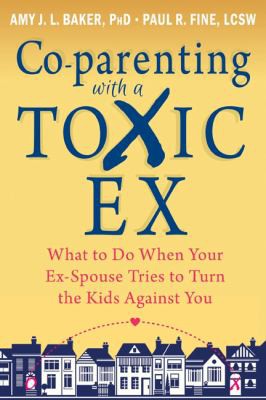
Co-Parenting with a Toxic Ex
Amy J. L. Baker, PhD & Paul R. Fine, LCSW
Evidence-based strategies when your ex tries to turn kids against you. Parental alienation prevention.
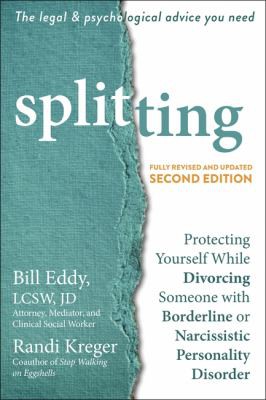
Splitting: Protecting Yourself While Divorcing Someone with Borderline or Narcissistic Personality Disorder
Bill Eddy & Randi Kreger
Updated edition covering domestic violence, alienation, false allegations in high-conflict divorce.

BIFF: Quick Responses to High-Conflict People
Bill Eddy, LCSW Esq.
Brief, Informative, Friendly, and Firm responses for dealing with high-conflict people.

Divorcing a Narcissist: Advice from the Battlefield
Tina Swithin
Practical follow-up with battlefield-tested advice for navigating custody with a narcissistic ex.
As an Amazon Associate, Clarity House Press earns from qualifying purchases. Your price is never affected.
Found this helpful?
Share it with someone who might need it.
About the Author

Clarity House Press
Editorial Team
The editorial team at Clarity House Press curates and publishes evidence-based content on narcissistic abuse recovery, high-conflict divorce, and healing. Our content is informed by research, survivor experiences, and established trauma-informed approaches.
View all posts by Clarity House Press →Published by Clarity House Press Editorial Team