Please read our important disclaimers before using this content
Divorce is hard on children. High-conflict divorce—characterized by ongoing parental warfare, loyalty conflicts, and exposure to adult dysfunction—is categorically different. The cumulative effects of high-conflict environments are closely linked to what researchers describe as adverse childhood experiences and their long-term developmental consequences—making protective parenting during this period critically important. It doesn't just create temporary distress; it disrupts fundamental attachment systems that shape how children relate to others for life.
Understanding what research shows about attachment disruption in high-conflict divorce helps you make protective choices, even when you can't control your co-parent's behavior.
What Is Attachment?
Attachment theory, developed by John Bowlby and Mary Ainsworth, describes the emotional bond between children and caregivers that forms the foundation for all future relationships.1
Secure attachment develops when caregivers are:
- Consistently responsive to a child's needs
- Emotionally attuned and validating
- A reliable source of safety and comfort
Children with secure attachment develop:
- Healthy emotional regulation
- Trust in relationships
- Positive self-concept
- Ability to seek support when needed
Insecure attachment develops when caregiving is inconsistent, rejecting, or frightening.
How High-Conflict Divorce Disrupts Attachment
High-conflict divorce creates specific threats to children's attachment security:
1. Loss of Predictability Children rely on predictable routines and consistent caregiving. High-conflict divorce often brings:
- Frequent schedule changes
- Unpredictable parental availability (physical or emotional)
- Moving between vastly different household rules
- Ongoing uncertainty about what comes next
2. Parental Preoccupation Even devoted parents become emotionally less available during high-conflict divorce. You're dealing with:
- Legal stress
- Financial strain
- Your own trauma responses
- Hypervigilance about the other parent's actions
Children perceive this—not as "Dad's going through a hard time" but as "Dad isn't available when I need him."
3. Exposure to Frightening Conflict When children witness or overhear:
- Parental rage
- Threats or violence
- Intense negative emotion
Their attachment system is simultaneously activated (seek comfort from parent) and disrupted (parent is the source of fear). This creates what researchers call "disorganized attachment"—the attachment pattern most associated with long-term difficulties.2
4. Loyalty Conflicts High-conflict divorce often pressures children to:
- Choose sides
- Keep secrets from one parent
- Report on the other parent's household
- Suppress love for one parent to please the other
This creates internal conflict: "To keep my relationship with Mom, I must betray my relationship with Dad."
5. Parental Alienation In extreme cases, one parent systematically undermines the child's relationship with the other parent through covert alienation tactics designed to erode the child's attachment bond with the targeted parent while maintaining plausible deniability:
- Disparagement
- Limiting contact
- Rewriting history
- Creating fear or anxiety about the targeted parent
This severs attachment bonds that are crucial to the child's identity.3
Research Findings on Long-Term Impacts
The mechanisms above aren't abstract—they produce measurable, long-term consequences. Studies on children of high-conflict divorce show:4
Emotional Regulation Difficulties
- Higher rates of anxiety and depression
- Difficulty managing strong emotions
- Increased risk of emotional dysregulation into adulthood
Relationship Problems
- Difficulty trusting romantic partners
- Higher rates of divorce in their own marriages
- Insecure attachment styles in adult relationships5
- Fear of abandonment or difficulty with intimacy
Behavioral Issues
- Higher rates of aggression and acting out
- Academic difficulties
- Increased risk of substance abuse
- Legal problems in adolescence/young adulthood
Cognitive Impacts
- Difficulty concentrating (due to chronic stress)
- Executive function deficits
- Lower academic achievement
Physical Health
- Higher rates of chronic stress-related conditions
- Autoimmune disorders
- Cardiovascular problems in adulthood6
Protective Factors You Can Control
These research findings reflect population-level trends, not inevitable outcomes. Individual children show remarkable resilience, especially when they have protective factors in place.
My Story: "I Became the Anchor"
David, 42, software engineer, father of two
When my ex-wife started coaching our daughters to call me "the bad parent," I panicked. They were 6 and 9. I read everything I could about parental alienation and attachment trauma. The research terrified me—was I watching my girls develop insecure attachment in real time?
My therapist helped me reframe: I couldn't control what happened at their mom's house, but I could control what happened in mine. So I became obsessively consistent. Same bedtime routine every single night I had them. Same breakfast ritual. Same "check-in talk" after school. When they tested me with anger or withdrawal—behaviors I now recognize as attachment anxiety—I stayed calm and present.
The hardest part was watching them parrot their mother's criticisms of me, then seeing the confusion on their faces when I didn't react with anger. I'd say, "It sounds like you're feeling angry with me. That's okay. I'm still here, and I still love you." Then I'd give them space.
It took two years before my younger daughter said, "Dad's house feels safer." Three years before my older daughter admitted her mom "makes her say things." They're 14 and 17 now. They have complicated relationships with both of us, but they know I'm the parent who won't punish them for their feelings or put them in the middle.
I didn't stop the attachment disruption. But I became the secure base they could return to. Some days, that has to be enough.
You can't control your co-parent's behavior, but you can significantly buffer your children from attachment disruption:
1. Be the Consistent Parent
- Maintain predictable routines in your home
- Be emotionally available even when stressed
- Keep your promises
- Be physically and emotionally present during your time together
2. Provide Emotional Coaching
- Help children name and validate their feelings
- Teach them that all emotions are acceptable (even if all behaviors aren't)
- Model healthy emotional regulation
- Never punish them for expressing difficult emotions
3. Shield Them from Conflict
- Never argue in front of children
- Don't ask them to carry messages or spy
- Use neutral language about their other parent
- Handle adult business in adult spaces (email, attorney, court—not at exchanges)
4. Maintain Their Relationship with the Other Parent
When co-parenting with someone who creates ongoing conflict and chaos, parallel parenting rather than traditional co-parenting may be the most effective structure—it allows children to maintain relationships with both parents while minimizing your exposure to manipulation.
Unless there's documented abuse or danger:
- Support their time with the other parent
- Don't ask probing questions when they return
- Allow them to love both parents freely
- Never force them to choose sides
5. Seek Professional Support
- Individual therapy for children (trauma-informed)
- Your own therapy (to process your emotions away from children)
- Co-parenting coordinator if court-ordered
- Family therapy if appropriate and safe
6. Maintain Extended Family Connections
- Grandparents, aunts, uncles, cousins provide additional secure attachment figures
- Stable adult relationships buffer the impact of parental conflict
Age-Specific Considerations
Infants/Toddlers (0-3 years)
- Most vulnerable to attachment disruption
- Need frequent, consistent contact with both parents
- Benefit from parallel routines across households
- Cannot understand explanations—only experience consistency or inconsistency
Preschool (3-5 years)
- Magical thinking makes them prone to self-blame
- Need reassurance the divorce isn't their fault
- Benefit from clear, simple explanations
- Need predictable transitions between homes
School Age (6-12 years)
- Can understand more but still prone to loyalty conflicts
- May try to "fix" parental relationship
- Need permission to love both parents
- Benefit from maintained friendships and activities
Adolescents (13-18 years)
- May try to escape conflict by disengaging from both parents
- At risk for acting out or premature independence
- Need space to process but also need parental presence
- May express strong opinions about custody (but shouldn't be made to choose)
When Attachment Damage Has Occurred
If your children are showing signs of attachment disruption:
- Difficulty separating from you or excessive clinginess
- Aggression, defiance, or withdrawal
- Regression to earlier developmental stages
- Difficulty with peer relationships
- Nightmares or sleep disturbances
Seek trauma-informed child therapy immediately. Attachment injuries are treatable, especially when addressed early.
Therapeutic modalities effective for attachment repair:7
- Child-Parent Psychotherapy (CPP)
- Attachment-Based Family Therapy (ABFT)
- Dyadic Developmental Psychotherapy (DDP)
- Play therapy for younger children
- EMDR adapted for children
Key Takeaways
- High-conflict divorce disrupts children's attachment systems through unpredictability, parental preoccupation, exposure to conflict, and loyalty binds
- Long-term impacts include emotional regulation difficulties, relationship problems, and increased mental health risks
- Protective factors include one consistent, emotionally available parent; shielding from conflict; and professional support
- Age-specific approaches help minimize harm
- Attachment injuries are treatable with appropriate intervention
You cannot create a low-conflict divorce if your co-parent is committed to high conflict. But you can be the secure base your children need. Your own healing matters too—parenting while healing from trauma is one of the most challenging balancing acts survivors face, and getting support for yourself directly supports your ability to be present for your children. You can be the parent who shows up consistently, validates their emotions, and refuses to put them in the middle. That single relationship can be the difference between lifelong attachment wounds and remarkable resilience.
Your Next Steps
This Week:
- Identify one routine you can make absolutely consistent in your home (bedtime, meals, after-school check-in)
- Observe your children for signs of attachment stress (clinginess, aggression, withdrawal, sleep issues)
- Schedule a consultation with a trauma-informed child therapist if you see concerning patterns
This Month:
- Research attachment-informed therapists in your area using the resources below
- Create a "feelings vocabulary" chart with your children to help them name emotions
- Document instances of conflict exposure to discuss with your attorney if custody modifications are needed
Long-Term:
- Join a support group for parents navigating high-conflict co-parenting
- Read one book on attachment and child development from the resources below
- Re-evaluate your co-parenting communication strategies with your therapist or parenting coordinator
Remember: Healing attachment wounds takes time, but attachment security can be built at any age with consistent, emotionally attuned parenting. Your presence matters more than you know.
Resources
Attachment-Informed Therapy and Support:
- Attachment Trauma Network - Find attachment-informed therapists and support groups
- Association for Child and Adolescent Mental Health (ACAMH) - Research and resources on child mental health
- Child-Parent Psychotherapy (CPP) - Evidence-based treatment for young children exposed to trauma
- Circle of Security International - Attachment-based parenting programs and provider directory
Books on Attachment and Parenting:
- The Whole-Brain Child by Daniel Siegel and Tina Payne Bryson - Understanding child development and attachment
- Parenting from the Inside Out by Daniel Siegel and Mary Hartzell - How your own attachment history affects your parenting
- The Connected Child by Karyn Purvis - Attachment-based parenting strategies
- Hold Me Tight by Sue Johnson - Understanding adult attachment and relationships
Support and Crisis Resources:
- National Domestic Violence Hotline - 1-800-799-7233 (24/7 support for families affected by abuse)
- Psychology Today - Child Therapist Directory - Find trauma-informed child therapists
- Zero to Three - Early childhood development resources and parent support
References
Primary Citations
Additional Peer-Reviewed Research
References
- Bretherton, I. (1992). The Origins of Attachment Theory: John Bowlby and Mary Ainsworth. Developmental Psychology, 28(5), 759-775. https://psychology.psy.sunysb.edu/attachment/online/inge_origins%20DP1992.pdf ↩
- Duschinsky, R. (2015). The emergence of the disorganized/disoriented (D) attachment classification, 1979-1982. History of Psychology, 18(1), 32-46. PMC: https://pmc.ncbi.nlm.nih.gov/articles/PMC5906638/ ↩
- Cummings, E.M., & Davies, P.T. (2002). Effects of marital conflict on children: Recent advances and emerging themes in process-oriented research. Journal of Child Psychology and Psychiatry, 43(1), 31-63. PMC: https://pmc.ncbi.nlm.nih.gov/articles/PMC3440523/ ↩
- Centers for Disease Control and Prevention. (2024). About Adverse Childhood Experiences. CDC. https://www.cdc.gov/aces/about/index.html ↩
- Smith-Etxeberria, Corres-Medrano, & Fernandez-Villanueva (2022). Parental Divorce Process and Post-Divorce Parental Behaviors and Strategies: Examining Emerging Adult Children's Attachment-Related Anxiety and Avoidance.. International journal of environmental research and public health. https://pmc.ncbi.nlm.nih.gov/articles/PMC9408156/ ↩
- Lieberman, A.F., Van Horn, P., & Ippen, C.G. (2005). Toward evidence-based treatment: Child-parent psychotherapy with preschoolers exposed to marital violence. Journal of the American Academy of Child and Adolescent Psychiatry, 44(12), 1241-1248. PubMed: https://pubmed.ncbi.nlm.nih.gov/16292115/ ↩
- Harman, J.J., Kruk, E., & Hines, D.A. (2018). Parental alienating behaviors: An unacknowledged form of family violence. Psychological Bulletin, 144(12), 1275-1299. PMC: https://pmc.ncbi.nlm.nih.gov/articles/PMC9026878/ ↩
- Kelly, J.B., & Emery, R.E. (2003). Children's adjustment following divorce: Risk and resilience perspectives. Family Relations, 52(4), 352-362. PubMed: https://pubmed.ncbi.nlm.nih.gov/20228952/ ↩
- Davies, P.T., & Cummings, E.M. (1994). Marital conflict and child adjustment: An emotional security perspective. Psychological Bulletin, 116(3), 387-411. PubMed: https://pubmed.ncbi.nlm.nih.gov/7809307/ ↩
- Buchanan, C.M., Maccoby, E.E., & Dornbusch, S.M. (1991). Caught between parents: Adolescents' experience in divorced homes. Child Development, 62(5), 1008-1029. https://doi.org/10.2307/1131151 ↩
Recommended Reading
From Clarity House Press — plus trusted books for deeper understanding

Surviving the Storm: When the Court Takes Your Children
Clarity House Press
For fathers in active high-conflict custody battles. Understand your CPTSD symptoms, begin stabilization, and build foundation for healing. 17 chapters covering recognition, symptoms, and the healing path.

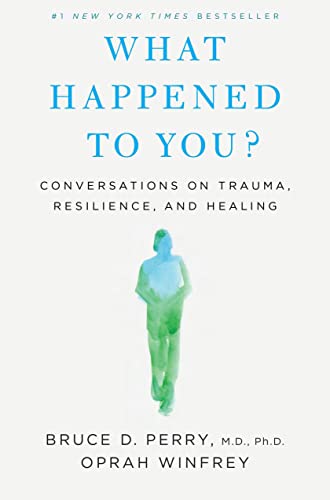
What Happened to You?
Bruce D. Perry, M.D., PhD & Oprah Winfrey
A conversational introduction to how early experience shapes us — reframing 'what's wrong with you' into 'what happened to you.'
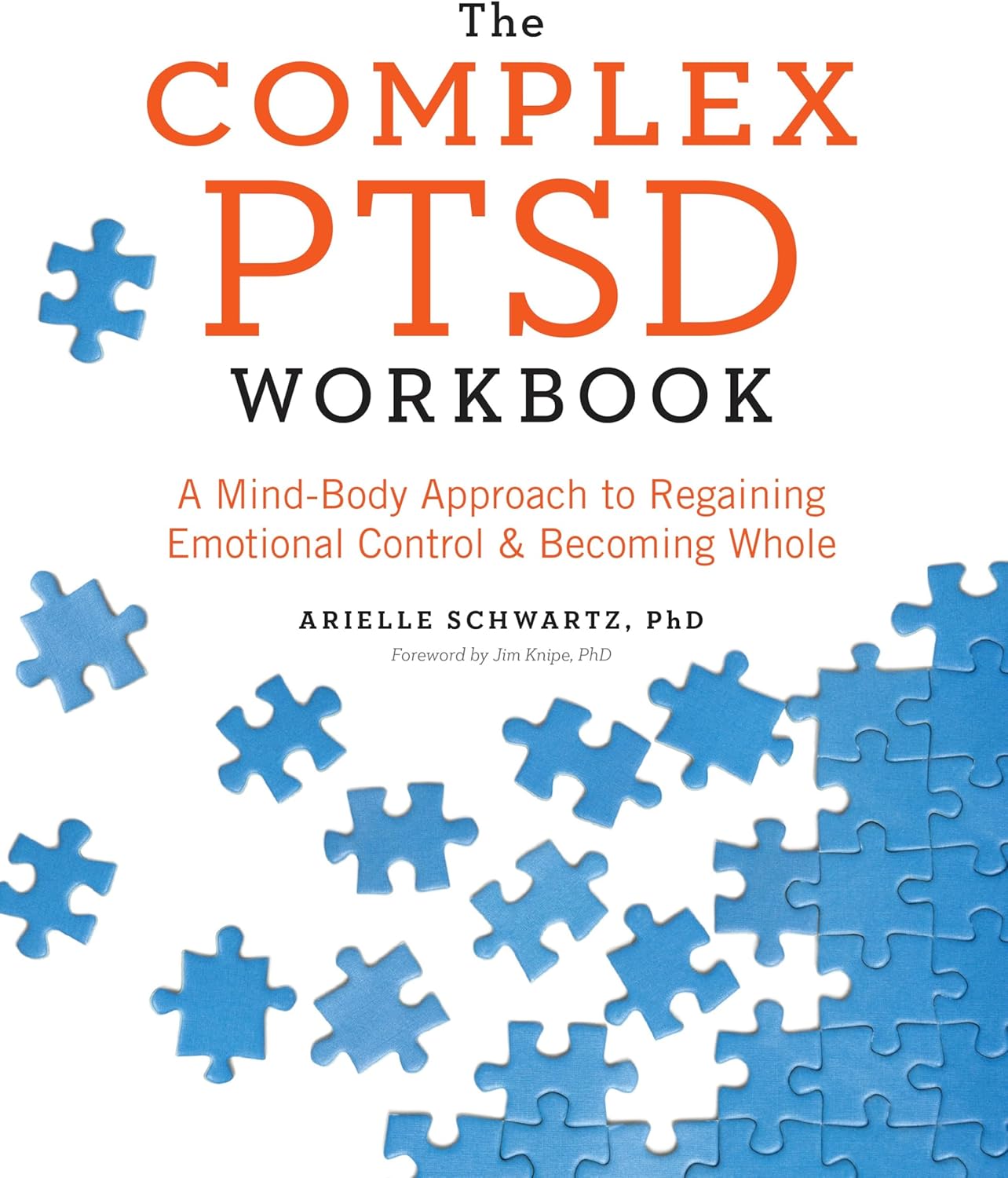
The Complex PTSD Workbook
Arielle Schwartz, PhD
A mind-body approach to regaining emotional control and becoming whole with evidence-based exercises.
As an Amazon Associate, Clarity House Press earns from qualifying purchases. Your price is never affected.
Found this helpful?
Share it with someone who might need it.
About the Author

Clarity House Press
Editorial Team
The editorial team at Clarity House Press curates and publishes evidence-based content on narcissistic abuse recovery, high-conflict divorce, and healing. Our content is informed by research, survivor experiences, and established trauma-informed approaches.
View all posts by Clarity House Press →Published by Clarity House Press Editorial Team