Please read our important disclaimers before using this content
If you're reading this, you're likely facing challenges that few people truly understand. The landmark ACE Study links childhood adversity to adult health and mental health outcomes. Calculate your ACE score and understand its implications.
This isn't abstract theory—it's practical guidance drawn from clinical expertise, legal strategy, and the lived experiences of survivors who've walked this path before you.
What Is the ACE Study?
The Adverse Childhood Experiences (ACE) Study is landmark research conducted by the CDC and Kaiser Permanente in the mid-1990s1 that fundamentally changed how we understand the link between childhood trauma and adult health outcomes. Over 17,000 participants completed a detailed questionnaire about traumatic experiences before age 18, along with their current health status.1
The findings were stark: Childhood adversity is not rare, and its effects extend far into adulthood.1
The 10 Adverse Childhood Experiences
The ACE Study identified 10 specific categories of trauma occurring before age 18:
Abuse:
- Physical abuse
- Emotional abuse
- Sexual abuse
Household Dysfunction: 4. Substance abuse in the home 5. Mental illness in the home 6. Parental separation or divorce 7. Domestic violence (mother treated violently) 8. Criminal behavior in the home (incarcerated family member)
Neglect: 9. Physical neglect 10. Emotional neglect
Your ACE score ranges from 0-10. Each category counts as one point, regardless of frequency or severity. For example, experiencing both physical and emotional abuse still counts as two separate ACEs.
Calculating Your ACE Score
For each category above, ask yourself: Did this happen in my childhood before age 18?
Count one point for each "yes" answer. Don't overthink it—this isn't about perfect accuracy, it's about understanding your baseline.
ACE Score Interpretation:
- 0-1: Low exposure to childhood adversity
- 2-3: Moderate exposure
- 4+: High exposure (associated with significantly increased health and mental health risks)
Research shows that people with ACE scores of 4+ have dramatically elevated risks for mental health conditions, chronic disease, substance abuse, and early death.12
The ACE-to-C-PTSD Connection
Here's what matters most: Your ACE score predicts risk, but it doesn't determine destiny. However, understanding this research is crucial because it explains why your nervous system is dysregulated.
C-PTSD develops when:
- Multiple adversities compound (high ACE scores)3
- Adversity occurs during critical developmental windows (childhood)4
- The threat comes from caregivers (the very people who should provide safety)3
- No buffer or protective adult existed to help process the trauma5
For a comprehensive overview of how C-PTSD differs from standard PTSD and how it presents clinically, see the complete guide to complex PTSD.
People with higher ACE scores show:
- Earlier onset of C-PTSD symptoms
- More severe symptom profiles
- Greater likelihood of multiple diagnoses (depression, anxiety, personality disorders)
- Higher rates of somatic (body-based) symptoms
- More complex nervous system dysregulation
Why Your Nervous System Is the Way It Is
Complex trauma rewires your nervous system and shapes how you experience yourself, relationships, and the world.6 Understanding these patterns is the first step toward healing.
What you're experiencing isn't weakness or dysfunction—it's your brain and body's adaptive response to overwhelming circumstances. The symptoms that feel so confusing and disruptive served a protective purpose in the environment where they developed.
If you have a high ACE score, your nervous system learned early and repeatedly that the world isn't safe. Your protective responses (hypervigilance, emotional flashbacks, dissociation, people-pleasing) made perfect sense then.7 They're just maladaptive now.
Important: Limitations of the ACE Framework
The ACE Study is invaluable, but it has gaps:
What ACE scores miss:
- Severity and duration: One instance of abuse and years of abuse both count as one point
- Age of onset: Trauma at age 3 and age 17 are scored identically
- Protective factors: Your ACE score doesn't account for resilience, supportive relationships, or cultural strengths
- Systemic trauma: The original study didn't measure racism, poverty, or discrimination—all significant sources of adversity
- Intersectionality: The study was primarily conducted with white, middle-class participants
- Individual variation: Two people with identical ACE scores can have very different outcomes
A high ACE score is concerning but not deterministic. Many people with ACE scores of 6+ have resilient, functional lives. Others with scores of 2-3 experience severe C-PTSD. Context matters enormously.
Practical Strategies
Immediate Action Steps
-
Calculate your ACE score: Use it as a data point, not a verdict. Understanding your baseline helps you know why your nervous system reacts the way it does.
-
Identify your protective factors: Who supported you? What skills did you develop? What cultural or community strengths helped you survive? These matter as much as adversity.
-
Track your patterns: Keep a simple log of triggers, responses, and what helps. If you have a high ACE score, expect more complex triggers and longer recovery times—that's neurological fact, not personal failure.
Medium-Term Strategies
Seek specialized support: Work with a trauma-specialized therapist who understands C-PTSD
Develop your toolkit: Build a collection of regulation techniques, grounding exercises, and self-soothing practices that work for your specific nervous system.
Connect with others who understand: Support groups, online communities, or peer support can reduce isolation and normalize your experience.
Long-Term Approach
Recovery and healing are measured in years, not months. Pace yourself. Build capacity gradually. Celebrate small wins. Expect setbacks and plan for them.
Common Obstacles When You Have a High ACE Score
Why Recovery Takes Longer with Multiple Childhood Adversities
The nervous system impact: When your brain developed amid multiple threats (especially from caregivers), your threat-detection system became hypersensitive.8 This isn't a character flaw—it's neurobiology. You literally have different wiring than someone with a low ACE score.6 The neuroscience of complex PTSD explains what happens in the brain in more depth — reading it alongside the ACE framework provides a fuller picture of why your nervous system works the way it does.
Complex symptom patterns: Higher ACE scores correlate with more complex symptom presentations—sometimes dissociation, sometimes rage, sometimes both in the same day. This makes standard treatment protocols less effective.
The re-traumatization risk: If you experienced multiple types of abuse (physical, emotional, sexual) or household chaos, you likely have multiple trauma memory networks activated by seemingly random triggers. A therapist's office might smell like your childhood home. A tone of voice might trigger memories you didn't know you had.
Limited support: Many people, including some professionals, don't understand how complex trauma works. You may face minimization ("just move on"), bad advice ("positive thinking"), or therapists who use approaches that retraumatize rather than heal.
Common Pitfalls to Avoid
- Shame about your ACE score: A high score doesn't mean your parents were evil or that you're damaged. It means you experienced adversity and survived it.
- Rushing the process: If you have 5+ ACEs, trauma recovery measured in months is unrealistic. Plan for years and celebrate incremental progress.
- Isolating: Recovery happens in connection with safe others. With high ACE scores, this is harder—you may struggle to trust. Start small.
- All-or-nothing thinking: Progress isn't linear; setbacks are part of healing, and they're more common with complex trauma.
- Comparing your timeline: Your healing pace depends on your ACE score, your resources, your support system, and your nervous system's specific vulnerabilities.
- Staying in abusive relationships: You can't heal in the environment that traumatized you. Sometimes that means leaving. Sometimes that means boundaries. Always that means your wellbeing matters.
Real-World Examples: ACE Scores and Recovery
Sarah's experience (ACE score: 6): Sarah's childhood included parental divorce, substance abuse in the home, emotional abuse, and witnessing domestic violence. As an adult, she found herself unable to make simple decisions without overwhelming anxiety. After years of walking on eggshells around her ex-husband's anger, her freeze response (developed to survive her father's unpredictability) now interfered with job hunting and parenting.
When she calculated her ACE score, something shifted. She stopped blaming herself for being "broken" and started understanding her nervous system as operating exactly as it was designed to—for maximum survival in an unsafe environment. Through trauma therapy, she learned to recognize when she was freezing (blank mind, physical heaviness), implement grounding techniques, and gradually build tolerance for making decisions without immediate threat. Her recovery took 3 years, not 3 months, which felt like failure until she reframed it as appropriate healing timeline for her neurological reality.
Michael's pattern (ACE score: 4): Michael's childhood included emotional abuse and emotional neglect. His parents' message was clear: emotions were weakness, vulnerability led to humiliation. As an adult, he pushed away anyone who got close. His flight response served him in corporate environments (constant vigilance, always ready to exit) but devastated his relationships.
Understanding his ACE score—and specifically the emotional components—helped Michael see this wasn't about the people in his life. It was his nervous system's protective strategy, perfectly calibrated to his childhood context. With a somatic therapist, he learned to recognize the physical sensations of his fight-or-flight activation and to practice being present with safe people in small, manageable doses.
Key Takeaways
- Your ACE score matters: It predicts risk trajectories for C-PTSD, health conditions, and mental health outcomes. Knowing your score helps you understand why your nervous system reacts the way it does.
- Your ACE score doesn't define your destiny: A high score increases risk but doesn't guarantee C-PTSD. Protective factors, resilience, and quality support can shift outcomes dramatically.
- Higher ACE scores mean longer healing: People with 5+ ACEs typically need 3-5+ years of quality trauma therapy, not 3-6 months. Plan accordingly and stop expecting linear progress.
- You're not broken—you're differently wired: Your protective responses made perfect sense in your childhood environment. They're just maladaptive in safety.
- Protective factors are as important as adversity: Who supported you matters. What skills you developed matters. Cultural strengths matter. These are your assets in recovery.
- Professional support is critical for high ACE scores: Standard therapy often isn't trauma-informed enough. Seek specialists in EMDR, Somatic Experiencing, or IFS who understand complex developmental trauma.
- Connection and community reduce isolation: Recovery happens in relationship. This is harder with high ACE scores but absolutely essential.
Your Next Steps: ACE-Based Recovery Plan
-
This week:
- Calculate your ACE score honestly. Don't minimize or exaggerate.
- Write down 3 protective factors from your childhood (people, skills, cultural strengths, personal qualities) that helped you survive.
- Start tracking one pattern (triggers, responses, or what helps). Use a simple notebook or phone app.
- Begin one grounding practice today. Twenty evidence-based grounding techniques for C-PTSD gives you concrete tools to start using immediately.
-
This month:
- Research trauma-specialized therapists in your area. Look for credentials in EMDR, Somatic Experiencing, DBT, IFS, or Sensorimotor Psychotherapy—not just "trauma-informed."
- If your ACE score is 5+, explicitly ask therapists if they have experience with complex developmental trauma and complex PTSD.
- Look for therapists who understand how ACE scores predict treatment length and complexity.
-
Within 3 months:
- Begin building one regulation practice into your daily routine. This might be 5 minutes of breathwork, a grounding exercise, or bilateral stimulation.
- Schedule your first therapy session. Anticipate that you may need to try 2-3 therapists before finding the right fit.
-
Ongoing (Year 1+):
- Join a support group (online or in-person) for complex trauma survivors. If your ACE score is high, prioritize peer support—it normalizes your experience and reduces shame.
- Track your healing milestones, not just your symptoms. After 6-12 months of consistent therapy, you may notice small shifts: one less trigger, one moment of peace, one relationship that feels safer.
- Commit to the long game. If you have a high ACE score, healing takes years. This is normal. Plan accordingly.
Resources
Trauma Therapy Resources:
- EMDR International Association (EMDRIA) - Find EMDR-trained therapists
- International Society for Trauma and Dissociation (ISSTD) - Therapist directory
- Internal Family Systems (IFS) Practitioners - IFS therapists
- U.S. Association for Body Psychotherapy - Somatic experiencing therapists
Mental Health and Support:
- Psychology Today Therapist Finder - Find trauma therapists
- National Alliance on Mental Illness (NAMI) - Mental health support groups
- SAMHSA National Helpline - 1-800-662-4357 (24/7)
Crisis Support:
- 988 Suicide & Crisis Lifeline - Call or text 988 (24/7)
- Crisis Text Line - Text HOME to 741741
References
- Felitti, V. J., Anda, R. F., Nordenberg, D., Williamson, D. F., Spitz, A. M., Edwards, V., ... & Marks, J. S. (1998). Relationship of childhood abuse and household dysfunction to many of the leading causes of death in adults: The Adverse Childhood Experiences (ACE) Study. American Journal of Preventive Medicine, 14(4), 245-258. https://doi.org/10.1016/S0749-3797(98)00017-8 ↩
- Anda, R. F., Felitti, V. J., Bremner, J. D., Walker, J. D., Whitfield, C., Perry, B. D., ... & Giles, W. H. (2006). The enduring effects of abuse and related adverse experiences in childhood: A convergence of evidence from neurobiology and epidemiology. European Archives of Psychiatry and Clinical Neuroscience, 256(3), 174-186. https://doi.org/10.1007/s00406-005-0624-4 ↩
- van der Kolk, B. A., Roth, S. H., Pelcovitz, D., Sunday, S., & Spinazzola, J. (2005). Disorders of extreme stress: The empirical foundation of a complex adaptation to trauma. Journal of Traumatic Stress, 18(5), 389-399. https://doi.org/10.1002/jts.20047 ↩
- Teicher, M. H., & Samson, J. A. (2016). Annual research review: Enduring neurobiological effects of childhood abuse and neglect. Journal of Child Psychology and Psychiatry, 57(3), 241-266. https://doi.org/10.1111/jcpp.12507 ↩
- Schachner, D. A., & Shaver, P. R. (2004). Attachment style and loneliness in close relationships. Journal of Personality and Social Psychology, 86(2), 321-339. https://doi.org/10.1037/0022-3514.86.2.321 ↩
- Perry, B. D. (2002). Childhood experience and the expression of genetic potential: What childhood neglect tells us about nature and nurture. Brain and Mind, 3(1), 48-63. https://doi.org/10.1023/A:1016557824657 ↩
- Siegel, D. J. (2012). The developing mind: How relationships and the brain interact to shape who we become (2nd ed.). Guilford Press. (The neuroscientific basis for understanding trauma responses as adaptive survival mechanisms) ↩
- Teicher, M. H., Andersen, S. L., Polcari, A., Anderson, C. M., Navalta, C. P., & Kim, D. M. (2003). The neurobiological consequences of early stress and childhood maltreatment. Neuroscience & Biobehavioral Reviews, 27(1-2), 33-44. https://doi.org/10.1016/S0149-7634(03)00007-1 ↩
Recommended Reading
From Clarity House Press — plus trusted books for deeper understanding
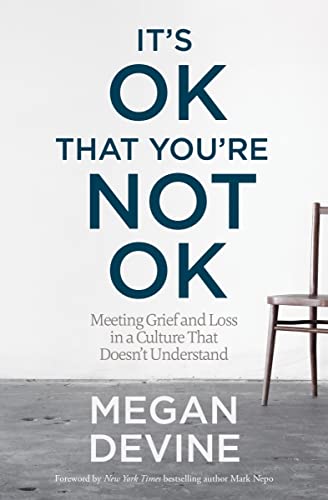
It's OK That You're Not OK
Megan Devine, LPC
A grounded, permission-giving companion for grief that resists tidy timelines and lets loss simply be witnessed.
Overcoming Trauma through Yoga
David Emerson & Elizabeth Hopper, PhD
Evidence-based trauma-sensitive yoga program developed at the Trauma Center with Bessel van der Kolk.
As an Amazon Associate, Clarity House Press earns from qualifying purchases. Your price is never affected.
Found this helpful?
Share it with someone who might need it.
About the Author

Clarity House Press
Editorial Team
The editorial team at Clarity House Press curates and publishes evidence-based content on narcissistic abuse recovery, high-conflict divorce, and healing. Our content is informed by research, survivor experiences, and established trauma-informed approaches.
View all posts by Clarity House Press →Published by Clarity House Press Editorial Team