Please read our important disclaimers before using this content
Your seventh-grader, once a straight-A student, is now failing three classes. Your twelve-year-old refuses to talk to you, spending hours alone in their room. Your eighth-grader is experimenting with alcohol and suddenly hanging with a completely different crowd.
Middle school (ages 11-14) is already universally acknowledged as the worst developmental stage: puberty, peer pressure, identity formation, emotional intensity, social hierarchy warfare. Now add high-conflict divorce.
The result: a perfect storm where your child is simultaneously trying to figure out who they are while their entire family structure collapses.
Here's how high-conflict divorce impacts middle schoolers—and how to help them survive both.
Developmental Stage: The Perfect Storm
Ages 11-14 are characterized by:
Physical:
- Puberty (hormones, rapid growth, body changes)
- Brain remodeling (prefrontal cortex under construction)1
- Sleep pattern shifts (biological drive to stay up later)
Cognitive:
- Abstract thinking emerging
- Questioning authority
- Ability to see hypocrisy
- Future-oriented thinking
- Imaginary audience (everyone is watching them)
Emotional:
- Intense emotions with limited regulation
- Mood swings
- Heightened self-consciousness
- Shame and embarrassment easily triggered
Social:
- Peer relationships are everything
- Social hierarchy and status obsession
- Fitting in vs. standing out tension
- Vulnerability to peer pressure
- Beginning romantic interests
Identity:
- "Who am I?" is the central question
- Separating from parents
- Testing values and beliefs
- Experimenting with different identities
What this means for divorce:
Middle schoolers are already in crisis. Divorce adds fuel to an already raging fire.2
They're old enough to understand what's happening, young enough to feel powerless to control it, and desperate to appear "normal" to peers while their family implodes.
How High-Conflict Divorce Impacts Middle Schoolers
1. Identity Crisis Intensified
Normal middle school task: Figure out who I am.
With divorce added: Figure out who I am when my family is falling apart and my parents hate each other.
What you see:
- Dramatic changes in appearance (clothes, hair, style)
- Changing friend groups
- Questioning beliefs and values
- Experimenting with different personas
- Alignment with one parent's identity to reduce cognitive dissonance
Why it happens:
They're trying to build an identity while the foundation—family—is unstable. They may latch onto one parent's narrative to simplify the internal chaos.
What helps:
- Allow age-appropriate exploration
- Don't pathologize normal identity development
- Provide stable boundaries while allowing autonomy
- Don't force them to take sides or adopt your narrative3
2. Academic Freefall
What you see:
- Grades plummet (sometimes from A's to F's)
- Not turning in homework
- Skipping classes
- Disengagement from school
- Talk of dropping out or "school doesn't matter"
Why it happens:
Executive function collapse: Stress destroys working memory, planning, organization.
Loss of future orientation: "Why does school matter when my whole life is falling apart?"
Attention hijacked: Can't focus on algebraic equations when worried about custody battles.
Depression: Lack of motivation, hopelessness about future.
What makes it worse:
Middle school academics get harder (pre-algebra, complex writing, multiple teachers). Divorce hits just as the academic demands increase.4
What helps:
- Communicate with school counselor and teachers
- Request academic support or accommodations (temporarily)
- Help with organization (planners, check-ins)
- Lower expectations temporarily (C's are okay during crisis)
- Consider therapy if academic decline is severe or persistent
- Keep long-term perspective: "This is temporary. We'll get through it."
3. Social Withdrawal or Risky Peer Groups
What you see:
Withdrawal:
- Stops seeing friends
- Declines invitations
- Isolates in room
- Loses interest in activities they loved
OR Risky peers:
- New friend group (often older, riskier)
- Friends who use substances or engage in delinquent behavior
- Secretive about friendships
- Dismissive of old friends
Why it happens:
Withdrawal: Shame about divorce, depression, feeling "different" from peers.
Risky peers: Seeking belonging anywhere they can find it, acting out pain, identifying with "rebel" identity.
What helps:
- Facilitate maintained friendships with healthy peers
- Know who their friends are (meet them, talk to their parents)
- Set boundaries without overcontrol
- Address underlying pain (therapy)
- Stay connected even when they push you away
4. Emotional Dysregulation and Mood Swings
What you see:
- Explosive anger over small things
- Intense sadness or crying jags
- Rapid mood swings (fine one minute, rageful the next)
- Irritability and hostility
- Emotional shutdown (flat affect, seems not to care)
Why it happens:
Puberty + divorce = emotional overload.
Hormones already create mood instability. Add trauma from high-conflict divorce and their capacity to regulate is overwhelmed.
What helps:
- Don't take it personally (they're not mad at you; they're overwhelmed)
- Model emotional regulation
- Teach coping skills (deep breathing, physical activity, journaling)
- Validate feelings: "I know you're really angry. That makes sense. Let's talk when you're ready."
- Set limits on behavior (not feelings): "You can feel angry. You can't scream at me."
- Therapy for emotional regulation skills
5. Parentification and Premature Adulthood
What you see:
- Acting as mediator between parents
- Taking care of younger siblings
- Making adult decisions (which parent to live with, how to spend holidays)
- Becoming your emotional confidant
- Worrying about finances, legal issues, parents' wellbeing
Why it happens:
Parents—consciously or unconsciously—lean on middle schoolers because they seem "old enough."
Middle schoolers want to feel important and in control—parentification gives them both (at great cost).
Why it's damaging:
Robs them of adolescence, creates anxiety and depression, interferes with identity formation, teaches them their needs don't matter.5
What helps:
- Get your own support (therapist, friends)
- Don't use child as confidant
- Don't share adult information (legal strategy, financial stress, your dating life)
- Don't ask for their opinion on custody decisions
- Remind them: "Your job is to be a kid. My job is to handle the grown-up problems."
6. Shame and Social Comparison
What you see:
- Reluctance to invite friends over
- Hiding the divorce from peers
- Comparing their family to "intact" families
- Feeling "less than" peers
- Resentment of friends whose families are stable
Why it happens:
Middle schoolers are desperately trying to fit in. Divorce makes them feel different and defective.
They're intensely aware of the "imaginary audience"—the developmental stage belief that everyone is constantly watching and judging them.
What helps:
- Normalize divorce: "Lots of families look different. There's no perfect family."
- Don't make them hide it or lie about it
- Connect them with peers from divorced families (support groups, school groups)
- Validate feelings: "I know it's hard when things are different from your friends' families."
For some middle schoolers, shame and social comparison drive withdrawal and isolation. For others, the pain propels them toward increasingly risky attempts to manage their feelings or reclaim control.
7. Risky Behavior and Acting Out
What you see:
- Substance experimentation (alcohol, vaping, marijuana)
- Sexual activity (earlier than developmentally typical)
- Reckless behavior (shoplifting, vandalism, breaking curfew)
- Self-harm (cutting, burning)
- Dangerous online behavior
Why it happens:
Pain management: Numbing emotional pain with substances or risky behavior.
Attention-seeking: "Maybe if I'm bad enough, they'll stop fighting with each other and focus on me."
Control: "I can't control my family, but I can control this."
Peer pressure + vulnerability: Already susceptible to peer influence; divorce increases risk-taking.6
What helps:
- Set clear boundaries and consequences
- Monitor (know where they are, who they're with)
- Address underlying pain (therapy)
- Don't shame or catastrophize
- Natural consequences where possible
- Get professional help immediately for self-harm or substance abuse
8. Alignment and Taking Sides
What you see:
- Strongly identifying with one parent, rejecting the other
- Adopting one parent's narrative completely
- Using adult language to describe the other parent ("toxic," "narcissist," "abuser")
- Refusing visitation with one parent (this may be parental alienation)
- Black-and-white thinking about parents (one is all good, one is all bad)
Why it happens:
Cognitive simplification: Reduces internal conflict to align with one parent's story.
Genuine preference: May legitimately feel safer or more understood by one parent.
Alienation: One parent is actively poisoning the relationship.
Developmental autonomy: Asserting independence by choosing.
What helps depends on why it's happening. If your child is refusing to see the other parent or has completely aligned against them, this requires careful assessment to distinguish normal developmental preference from concerning alienation patterns. See: "When Your Child Refuses Visitation: Alignment, Alienation, or Abuse?" (Post 106) for detailed guidance on identifying the difference and responding appropriately.
9. Anxiety and Depression
What you see:
Anxiety:
- Constant worry
- Physical symptoms (stomachaches, headaches)
- Panic attacks
- Avoidance of situations
- Perfectionism or rigidity
Depression:
- Persistent sadness
- Loss of interest in activities
- Sleep disturbance (too much or too little)
- Appetite changes
- Hopelessness about the future
- Suicidal thoughts
Why it happens:
High-conflict divorce is a chronic stressor. Middle school is already a high-risk period for anxiety and depression.7
When to seek help immediately:
- Suicidal thoughts or self-harm
- Inability to function (can't go to school, can't get out of bed)
- Substance abuse
- Panic attacks
- Symptoms persist beyond 6 months
Treatment:
- Therapy (CBT, DBT)8
- Medication if needed (consult psychiatrist)
- School accommodations if necessary
For comprehensive strategies on protecting your child's mental health during high-conflict divorce—including how to shield them from parental conflict while maintaining their relationship with both parents—see parallel parenting frameworks and documentation strategies for high-conflict custody.
What Middle Schoolers Need (But Won't Ask For)
1. Boundaries with warmth
They need rules and limits, but delivered with empathy.
"I know you're mad about curfew. I get it. And it's still 9pm on school nights."
2. Space without abandonment
Give them privacy and autonomy. Stay connected and available.
3. Honesty without burden
Answer their questions truthfully. Don't make them your therapist.
4. Consistency between homes (where possible)
Same rules, same expectations reduces cognitive load.
5. Permission to not take sides
"You don't have to choose between us. You can love both of us."
6. Protection from adult conflict
They should never witness fights, mediate disputes, or carry messages.
7. Continued involvement from both parents (when safe)
Middle schoolers need both parents even when they act like they don't.
8. Therapy (often)
This is a high-risk stage. Therapy is protective, not shameful.
9. Hope for the future
"This is hard right now. It won't always feel this way. You're going to be okay."
10. To know you're okay
If they see you're barely functioning, they'll try to parent you. Get your own support.
Your Action Plan
Immediately:
- Assess for crisis (self-harm, substance use, suicidal thoughts) → Get help now
- Contact school counselor to inform them and request support
- Monitor friend groups and activities
- Set clear boundaries and expectations
- Stop any parentification (don't make them your confidant)
Within 1 month:
- Consider therapy (even if they resist)
- Facilitate maintained friendships with healthy peers
- Assess academic situation and provide support
- Have honest conversation about divorce (age-appropriate)
- Ensure they have private space and autonomy
Ongoing:
- Stay connected even when they push away
- Monitor for risky behavior
- Attend school events
- Protect from adult conflict
- Get your own therapy/support
Resources
Professional Support:
- Psychology Today Therapist Finder - Find adolescent therapists
- Child Mind Institute - Teen mental health resources
- American Academy of Child & Adolescent Psychiatry - Finding teen mental health professionals
Crisis Support:
- 988 Suicide & Crisis Lifeline - Call or text 988 (24/7)
- Crisis Text Line - Text HOME to 741741
- Trevor Project - 1-866-488-7386 (LGBTQ+ youth)
- National Parent Helpline - 1-855-427-2736
Remember: Middle school + high-conflict divorce = brutal combination.
Your middle schooler is navigating puberty, peer pressure, identity formation, and academic demands. Now add family chaos.
They won't ask for help. They'll push you away. They'll act like they don't need you.
They need you more than ever.
Stay present. Set boundaries. Get them support. Model resilience.
This is temporary. Middle school ends. The divorce will finalize. The crisis will pass.
Your relationship with your child—if you protect it now—will last a lifetime.
Show up. Even when they slam doors. Even when they say they hate you. Even when it's thankless.
That's what they'll remember when they're adults: You never gave up on them.
References
- Merikangas, K. R., He, J. P., Burstein, M., Swanson, S. A., Avenevoli, S., Cui, L., Benjet, C., Georgiades, K., & Swendsen, J. (2010). Lifetime prevalence of mental disorders in U.S. adolescents: Results from the National Comorbidity Survey Replication--Adolescent Supplement (NCS-A). Journal of the American Academy of Child & Adolescent Psychiatry, 49(10), 980-989. https://www.ncbi.nlm.nih.gov/pmc/articles/PMC2946114/ ↩
- Cognitive Behavioral Therapy (CBT) and Dialectical Behavior Therapy (DBT) have strong evidence bases for treating adolescent anxiety and depression. See: Weersing, V. R., Jeffreys, M., Do, M. C., Schwartz, K. T., & Bolano, C. (2017). Evidence base update of psychosocial treatments for child and adolescent depression. Journal of Clinical Child & Adolescent Psychology, 46(1), 11-43. https://www.ncbi.nlm.nih.gov/pmc/articles/PMC5340451/ ↩
- The prefrontal cortex continues maturing through adolescence and is highly vulnerable to stress exposure during this developmental window. See: Tottenham, N., & Galvan, A. (2016). Stress and the adolescent brain: Amygdala-prefrontal cortex circuitry and ventral striatum as developmental targets. Neuroscience & Biobehavioral Reviews, 70, 217-227. https://pmc.ncbi.nlm.nih.gov/articles/PMC5074883/ ↩
- Parental divorce/separation is associated with increased risk for child and adolescent adjustment problems including academic difficulties, disruptive behaviors, and depressed mood. See: D'Onofrio, B., & Emery, R. (2019). Parental divorce or separation and children's mental health. World Psychiatry, 18(1), 100-101. https://pmc.ncbi.nlm.nih.gov/articles/PMC6313686/ ↩
- Research demonstrates that parental divorce lowers children's educational attainment through multiple pathways including decreased family income, family instability, and diminished psychosocial skills. See: Brand, J. E., Moore, R., Song, X., & Xie, Y. (2019). Why does parental divorce lower children's educational attainment? A causal mediation analysis. Sociological Science, 6, 264-292. https://pmc.ncbi.nlm.nih.gov/articles/PMC6559749/ ↩
- Children of divorced parents are at increased risk for parentification, which predicts psychological distress, depression, anxiety, and relationship difficulties. See: Peris, T. S., Goeke-Morey, M. C., Cummings, E. M., & Emery, R. E. (2008). Marital conflict and support seeking by parents in adolescence: Empirical support for the parentification construct. Journal of Family Psychology, 22(4), 633-642. https://pmc.ncbi.nlm.nih.gov/articles/PMC2965613/ ↩
- Adolescents from divorced families are more likely to engage in substance use and other risky behaviors, with family conflict being a significant contributing factor. See: Whitesell, M., Bachand, A., Peel, J., & Brown, M. (2013). Familial, social, and individual factors contributing to risk for adolescent substance use. Journal of Addiction, 2013, 579310. https://pmc.ncbi.nlm.nih.gov/articles/PMC4008086/ ↩
- Merikangas, K. R., He, J. P., Burstein, M., Swanson, S. A., Avenevoli, S., Cui, L., Benjet, C., Georgiades, K., & Swendsen, J. (2010). Lifetime prevalence of mental disorders in U.S. adolescents: Results from the National Comorbidity Survey Replication--Adolescent Supplement (NCS-A). Journal of the American Academy of Child & Adolescent Psychiatry, 49(10), 980-989. https://www.ncbi.nlm.nih.gov/pmc/articles/PMC2946114/ ↩
- Weersing, V. R., Jeffreys, M., Do, M. C., Schwartz, K. T., & Bolano, C. (2017). Evidence base update of psychosocial treatments for child and adolescent depression. Journal of Clinical Child & Adolescent Psychology, 46(1), 11-43. https://www.ncbi.nlm.nih.gov/pmc/articles/PMC5340451/ ↩
- Tottenham, N., & Galvan, A. (2016). Stress and the adolescent brain: Amygdala-prefrontal cortex circuitry and ventral striatum as developmental targets. Neuroscience & Biobehavioral Reviews, 70, 217-227. https://pmc.ncbi.nlm.nih.gov/articles/PMC5074883/ ↩
- D'Onofrio, B., & Emery, R. (2019). Parental divorce or separation and children's mental health. World Psychiatry, 18(1), 100-101. https://pmc.ncbi.nlm.nih.gov/articles/PMC6313686/ ↩
- Brand, J. E., Moore, R., Song, X., & Xie, Y. (2019). Why does parental divorce lower children's educational attainment? A causal mediation analysis. Sociological Science, 6, 264-292. https://pmc.ncbi.nlm.nih.gov/articles/PMC6559749/ ↩
- Peris, T. S., Goeke-Morey, M. C., Cummings, E. M., & Emery, R. E. (2008). Marital conflict and support seeking by parents in adolescence: Empirical support for the parentification construct. Journal of Family Psychology, 22(4), 633-642. https://pmc.ncbi.nlm.nih.gov/articles/PMC2965613/ ↩
- Whitesell, M., Bachand, A., Peel, J., & Brown, M. (2013). Familial, social, and individual factors contributing to risk for adolescent substance use. Journal of Addiction, 2013, 579310. https://pmc.ncbi.nlm.nih.gov/articles/PMC4008086/ ↩
- Afifi, T. D., & Hutchinson, S. (2015). Understanding coalition formation, maintenance, and effectiveness in post-divorce single-parent families. Journal of Divorce & Remarriage, 49(3-4), 207-222. https://www.ncbi.nlm.nih.gov/pubmed/22685369 ↩
- Buchanan, C. M., Maccoby, E. E., & Dornbusch, S. M. (1991). Caught between parents: Adolescents' experience in divorced homes. Child Development, 62(5), 1008-1029. https://www.ncbi.nlm.nih.gov/pubmed/1756655 ↩
- Cummings, E. M., Davies, P. T., & Campbell, S. B. (2000). Developmental psychopathology and family process: Theory, research, and clinical implications. New York: Guilford Press. Evidence for impact of parental conflict on child emotional security and adjustment trajectories. ↩
Recommended Reading
From Clarity House Press — plus trusted books for deeper understanding
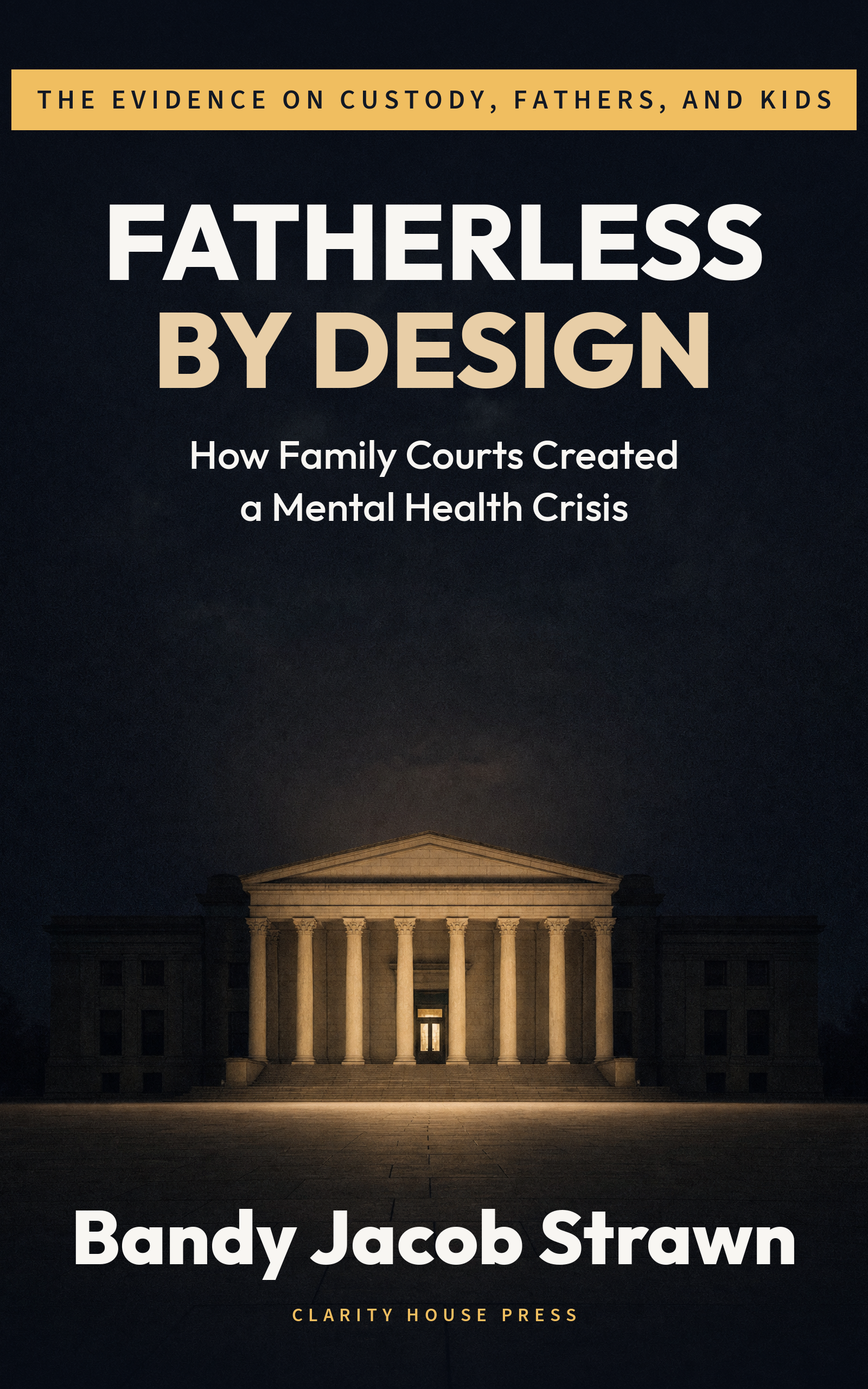
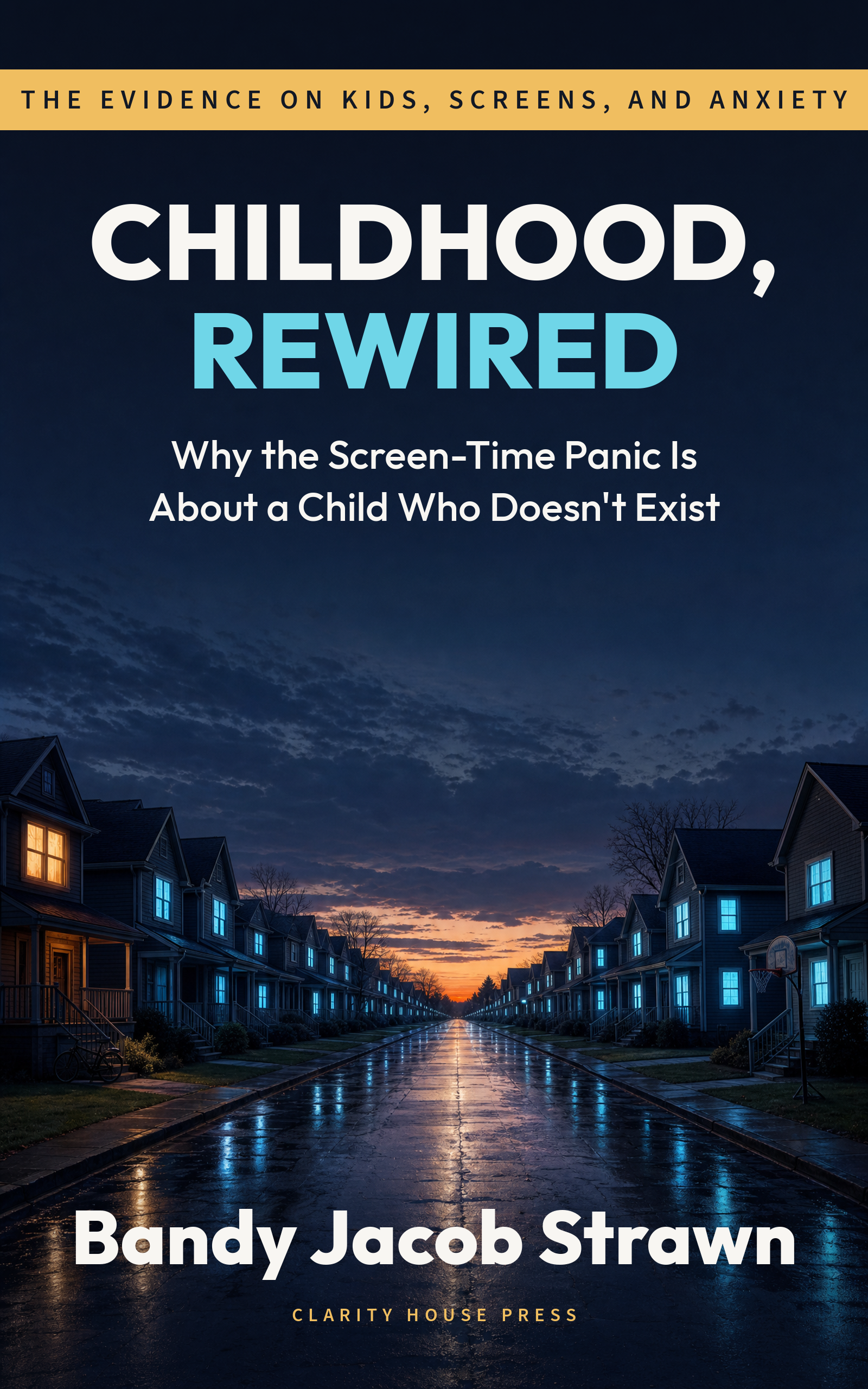
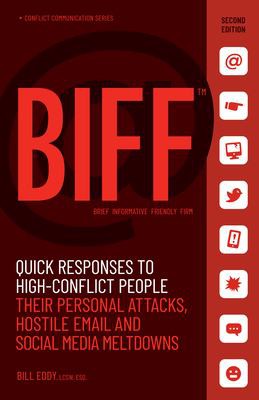
BIFF: Quick Responses to High-Conflict People
Bill Eddy, LCSW Esq.
Brief, Informative, Friendly, and Firm responses for dealing with high-conflict people.
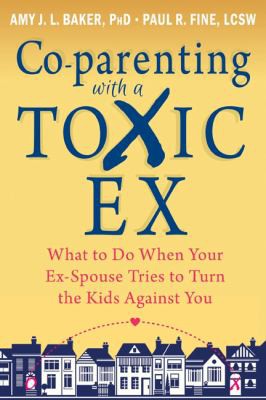
Co-Parenting with a Toxic Ex
Amy J. L. Baker, PhD & Paul R. Fine, LCSW
Evidence-based strategies when your ex tries to turn kids against you. Parental alienation prevention.
As an Amazon Associate, Clarity House Press earns from qualifying purchases. Your price is never affected.
Found this helpful?
Share it with someone who might need it.
About the Author

Clarity House Press
Editorial Team
The editorial team at Clarity House Press curates and publishes evidence-based content on narcissistic abuse recovery, high-conflict divorce, and healing. Our content is informed by research, survivor experiences, and established trauma-informed approaches.
View all posts by Clarity House Press →Published by Clarity House Press Editorial Team