Please read our important disclaimers before using this content
Composite account: this narrative is drawn from common survivor experiences. Names, occupations, and identifying details are illustrative and do not depict a single real person.
My daughter called me at 11 PM on a Tuesday. She'd been crying.
"Mom, I need to tell you something. And I need you to hear me."
My heart dropped. "What's wrong? Are you okay?"
"I'm okay. But... I owe you an apology. A big one."
She was 24. I'd been divorced from her father for three years. And for those three years, both my kids had sided with him. Believed his narrative. Thought I was the unstable one, the difficult one, the one who ruined the family.
That night, everything changed.
The Two Years of Silence
Let me back up.
When their father and I divorced (I was 48, our son was 24, our daughter was 22), the kids didn't understand.
What they saw:
- Dad, calm and rational, explaining that Mom "had issues"
- Mom, emotional and struggling, working retail and living in a small apartment
- Dad, still in the family home, financially stable, "holding it together"
- Mom, barely holding it together
What they believed: "Dad's the stable one. Mom fell apart."
The First Year: When They Chose Sides
Year 1 post-divorce looked like:
- My son didn't call for Mother's Day (spent it with his dad)
- My daughter came to my apartment once in 9 months ("it's just hard to see you like this, Mom")
- Both kids questioned why I "gave up on the marriage"
- Family events were split: they'd see their dad, then me (separately, briefly)
- I was not invited to my son's birthday dinner (Dad hosted, I "would make it awkward")
Things they said that broke me:
"Why couldn't you just try harder in the marriage?"
"Dad says you're making yourself the victim."
"You seem so angry all the time. Dad seems fine."
"Maybe if you'd been more appreciative of what Dad provided, he wouldn't have left."
Each comment was a knife. Not just because it hurt—but because I recognized the language.
They were quoting him. Repeating his narrative. Believing his version.
And I couldn't defend myself without sounding exactly like what he'd told them I was: bitter, angry, playing the victim.
The Trap of Trying to Explain
I tried. God, I tried.
What I wanted to say: "Your father emotionally abused me for 22 years. He controlled all the money. He isolated me from friends. He made me believe I was worthless. He's a narcissist."
What I actually said: "Your dad and I had different perspectives on the marriage. I'm sorry it's been hard. I love you both."
Because here's the thing: If I told them the truth, I sounded crazy.
Their father was calm, composed, "mature about the whole thing."
I was emotional, struggling, barely surviving.1
Who would you believe?
Year Two: The Slow Drift
By year two, I'd almost given up.
The relationship looked like:
- Texts every few weeks
- Occasional coffee with my daughter (she'd spend half the time talking about her dad)
- My son didn't visit my apartment at all (I wasn't invited to his)
- Holidays split (I got the lesser days: they'd have Thanksgiving dinner with Dad, then stop by my place for dessert)
I stopped trying to explain. I stopped defending myself.
I just... showed up. When they let me.
My therapist said: "Plant seeds. Don't force it. Someday they'll see. But you can't make them see."
I didn't believe her. I thought I'd lost them forever.
The Turning Point: When My Daughter's Eyes Opened
My daughter, Elena, started dating someone new. A guy named Brad. Charming, successful, attentive.
She was IN LOVE.2
For six months, she gushed about him:
- "He's so romantic, Mom! He sends me flowers at work!"
- "He's already talking about our future. He wants to marry me!"
- "He's a little jealous, but it's only because he loves me so much."
I bit my tongue. Hard.
Because I heard the red flags. But if I said anything, I'd be the bitter divorced mom projecting.
Then the texts started.
Month 7:
"Mom, Brad got upset because I went to dinner with my friend without telling him first. He says it's about respect. Is that normal?"
What I wanted to say: No. That's control.
What I said: "How do you feel about it?"
Month 8:
"Brad says I spend too much money on 'frivolous things.' He wants to manage our finances when we move in together because he's better with money. That makes sense, right?"
My stomach dropped.
What I wanted to say: Elena, this is exactly what your father did to me.
What I said: "Do you want him to manage your money?"
Month 9:
"Brad doesn't like my friends. He says they're a bad influence. He thinks I should spend more time with him and less time with them. I feel guilty when I go out without him."
I couldn't stay silent anymore.
"Elena, can I ask you something? Does Brad make you feel good about yourself, or does he make you feel like you're not enough?"
Long pause.
"...Not enough. Most of the time."
"Does he criticize you? Your choices, your appearance, your friends?"
"Yeah. But he says it's because he wants me to be my best self."
I took a breath.
"Honey, that's what your father said to me for 22 years."
The Conversation That Changed Everything
She came over that night. I made tea. We sat on my tiny balcony.
And I told her everything.
I told her about:
- The financial control ("just like Brad wanting to manage your money")
- The isolation ("just like Brad not liking your friends")
- The criticism disguised as care ("just like Brad's 'wanting you to be your best'")
- The walking on eggshells
- The feeling of never being enough
- The slow erasure of myself
I told her: "Your father wasn't the calm, rational one in our marriage. He was the one in control. I was the one surviving."
She was quiet for a long time.
Then she said: "Mom, I think I need to break up with Brad."
"I think that's wise, honey."
Another long pause.
"Mom... did we make it worse? Me and Carlos? Did we make you feel like it was your fault?"
And I broke.
"Yes. You did. But you didn't know. He taught you the same things he taught me—that my feelings didn't matter, that I was the problem, that he was the reasonable one. You believed him because he's your dad and because I couldn't explain without sounding bitter."
She cried. I cried.
"I'm so sorry, Mom. I didn't see it. I didn't understand."
"I know, baby. I know."
The Ripple Effect: When One Child Sees, the Other Follows
Elena broke up with Brad two weeks later.
It wasn't easy. He love-bombed, he threatened, he told her she was making a mistake, he showed up at her apartment.
She called me through all of it.
And in those conversations, she started asking questions:
- "Is this what Dad did when you tried to leave?"
- "Did Dad ever threaten you financially?"
- "Did Dad isolate you from Grandma?"
Every answer was yes.
One month after the breakup, she called her brother, Carlos.
She told him what she'd realized. About Brad. About their father. About me.
Carlos didn't believe her at first.
But then he started paying attention.
What Carlos Noticed Once He Started Looking:
- Dad's new girlfriend: young, deferential, didn't contradict him
- Dad's comments about Mom ("she's unstable," "she made bad choices," "I tried my best")
- Dad's version of events didn't quite add up (timeline inconsistencies, memory rewrites)
- Mom's consistency (her story never changed, even when it made her look bad)
Carlos came to visit me.
He sat in my apartment—the one he'd refused to visit for two years—and he said:
"Mom, I think I owe you an apology."
The Conversation I'd Waited Years For
Carlos asked me to tell him everything.
So I did.
I told him about:
- The 22 years of financial control3
- The way his father isolated me from my family and friends
- The constant criticism and devaluation
- The way I'd lost myself trying to be enough
- The emotional abuse that had no bruises but broke me anyway
I told him about the divorce:
- How his father had set me up for financial ruin
- How I'd tried to get fair spousal support and been villainized
- How I'd walked away with almost nothing after 22 years
- Why I was working retail at 51
I told him the hardest part: "The worst part wasn't the abuse during the marriage. It was losing you two after. Watching you believe his version. Being shut out of your lives when I needed you most."
He cried.
"Mom, I didn't know. I'm so sorry. I thought you were being dramatic. Dad said you were playing the victim, and you seemed so emotional all the time, and he seemed so calm, and I just... I believed him."
"I know. That's what he does. He's very good at it."
"How do I make this right?"
"You're here now. That's enough."
What Changed After They Understood
It's been one year since Elena's revelation and 10 months since Carlos came around.
Here's what's different:
1. They Initiated Contact
- Elena calls me 2-3 times a week (used to be every few weeks)
- Carlos visits my apartment regularly (used to avoid it entirely)
- I'm invited to family events (not just the "secondary" ones)
- They ask about my life, my work, my feelings
I'm not an obligation anymore. I'm their mom again.
2. They Set Boundaries With Their Father
- Elena told their dad she won't listen to him criticize me
- Carlos called him out on a lie about the divorce timeline
- Both kids refuse to be messengers or flying monkeys between us
- They have separate relationships with both of us (not choosing sides, but not enabling him either)
Their father doesn't like this. He's tried to pull them back. It hasn't worked.
3. They're Apologizing With Actions, Not Just Words
- Carlos helped me move to a slightly better apartment (bigger, safer area)
- Elena bought me a phone plan as a birthday gift (saves me $50/month)
- They both came to Thanksgiving at MY place this year (first time in 3 years)
I didn't ask for any of this. They offered.
4. They're Processing Their Own Trauma
- Elena is in therapy working through her childhood
- Carlos is reading about narcissistic family dynamics
- They're both recognizing ways their dad's behavior affected them
This is hard for them. Realizing your father is abusive is a massive grief.4
But they're doing the work.
5. We're Rebuilding Trust
It's not perfect. There are still moments where:
- They defend him out of habit
- I'm triggered by something they say
- Old wounds resurface
But we're talking through it. We're honest. We're trying.
And that's more than I had two years ago.
What I Learned From This Journey
1. You Can't Force Someone to See Abuse
I couldn't convince my kids their father was abusive by telling them. They had to see it themselves.
For Elena, it was experiencing it in her own relationship. For Carlos, it was his sister opening his eyes.
Trying to force them to see it earlier would have pushed them further away.
2. Narcissists Are Convincing (Especially to Their Kids)
My ex was calm, charming, rational. I was emotional, struggling, "bitter."
Of course they believed him.
It's not because my kids were bad or dumb. It's because narcissists are VERY good at controlling narrative.5 Understanding coercive control can help your children recognize these tactics when they're ready.
3. Adult Children Aren't Immune to Parental Alienation
We talk about parental alienation with young kids. But it happens with adult children too.6
Tactics my ex used:
- Positioned himself as the victim
- Told them I was unstable
- Used financial stability as proof of his character
- Stayed calm while I was emotional (because I was traumatized, but they didn't know that)
Adult children are vulnerable too—especially if they don't understand abuse dynamics.
4. Planting Seeds Works (But It Takes Time)
My therapist was right: I planted seeds.7
Seeds I planted:
- "Your dad and I have different perspectives" (didn't badmouth, but didn't accept his narrative as truth)
- "I'm here when you're ready to talk" (stayed available)
- "I love you no matter what" (unconditional)
- Asking questions instead of lecturing ("How does Brad make you feel?")
Those seeds took 2+ years to grow. But they did.
5. Vindication Isn't As Sweet As You Think
I thought if my kids ever understood, I'd feel triumphant. Vindicated. Relieved.
What I actually felt:
- Sad that they had to learn through pain (Elena's abusive relationship)
- Grief that we lost years
- Anger that their father put us all through this
Vindication is bittersweet. I was right. But being right cost us all dearly.
For Parents Whose Adult Children Believe the Narcissist
If you're where I was two years ago—shut out, disbelieved, blamed—here's what helped me survive:
1. Don't Badmouth (Even Though You Want To)
I WANTED to tell my kids every terrible thing their father did.
I didn't. Because it would have:
- Made me look bitter
- Put them in the middle
- Confirmed his narrative that I was "unstable"
What I did instead: I stated facts without emotion when asked. I didn't volunteer information. I didn't attack their father.
2. Stay Available
Even when they barely spoke to me, I:
- Texted on birthdays and holidays
- Invited them to visit (even if they said no)
- Showed up when they asked (even if it was brief)
I didn't chase. But I didn't disappear.
3. Get Support Elsewhere
My kids couldn't be my emotional support during those years.
I leaned on:
- My therapist
- A divorce support group
- Two friends who knew the truth
- Journaling
I couldn't put that burden on my kids. They were processing their own grief.
4. Trust That Truth Emerges
I didn't believe this for a long time. But it's true:
Narcissists can't maintain the mask forever. Especially with their own kids.8
Eventually, they slip. Eventually, the kids see it.
Your job is to be there when they do.
5. Take Care of Yourself
This was the hardest part.
I had to build a life that wasn't dependent on my kids' approval or presence.
I had to:
- Find purpose in my work (even retail)
- Build friendships
- Engage in therapy
- Create small joys
Because if they never came around, I still needed a life worth living.
Where We Are Now
My relationship with my kids isn't perfect. We're still healing.
But:
- Elena and I talk multiple times a week
- Carlos visits regularly
- I'm included in family events
- They see me as a full person, not just "the bitter ex-wife"
- We're honest with each other
I got my kids back.
Not because I forced it. Not because I proved their father wrong.
Because I stayed consistent, planted seeds, and waited for them to see what I couldn't show them.
And when they finally saw it, I was still there.
That's all I could do.
And somehow, it was enough.
Composite account: this narrative is drawn from common survivor experiences. Names, occupations, and identifying details are illustrative and do not depict a single real person.
Resources
Parental Alienation and Adult Children:
- Parental Alienation Awareness Organization - Education and support for alienated parents
- National Parents Organization - Research on parental alienation and family dynamics
- Adult Children of Divorce - Therapist directory for adult children processing divorce
- Baker, A.J.L. - Parental Alienation Research - Leading researcher on parental alienation
Narcissistic Abuse Recovery:
- National Domestic Violence Hotline - 1-800-799-7233 (24/7 support for emotional abuse survivors)
- Out of the Fog - Information and support for family members affected by personality disorders
- Psychology Today - Narcissistic Abuse Therapists - Therapist directory specializing in narcissistic abuse recovery
- Surviving Narcissism with Dr. Les Carter - Education and support for narcissistic abuse survivors
Rebuilding Family Relationships:
- American Association for Marriage and Family Therapy - Find family therapists for reconciliation work
- The Gottman Institute - Research-based resources on rebuilding trust and communication
- Center for Nonviolent Communication - Tools for compassionate communication in healing relationships
References
The following peer-reviewed research supports the experiences described in this article:
References
- Hulley, J., Wager, K., Gomersall, T., Bailey, L., Kirkman, G., Gibbs, G., & Jones, A. D. (2022). Continuous traumatic stress: Examining the experiences and support needs of women after separation from an abusive partner. Journal of Interpersonal Violence, 38(9-10), 6275-6297. DOI: 10.1177/08862605221132776. Research on Continuous Traumatic Stress demonstrates that survivors of abuse often appear "emotional" or "unstable" because they are experiencing ongoing trauma responses, while abusers remain calm because they are not experiencing trauma—they are causing it. ↩
- Greene, C. A., Haisley, L., Wallace, C., & Ford, J. D. (2020). Intergenerational effects of childhood maltreatment: A systematic review of the parenting practices of adult survivors of childhood abuse, neglect, and violence. Clinical Psychology Review, 80, 101891. DOI: 10.1016/j.cpr.2020.101891. Research shows that children who witness or experience abuse may unconsciously gravitate toward similar relationship patterns in adulthood, though recognizing these patterns can break the cycle. ↩
- Lohmann, S., Cowlishaw, S., Ney, L., O'Donnell, M., & Felmingham, K. (2024). The trauma and mental health impacts of coercive control: A systematic review and meta-analysis. Trauma, Violence, & Abuse, 25(1), 630-647. DOI: 10.1177/15248380231162972. This meta-analysis found moderate correlations between coercive control exposure and PTSD symptoms (r = .32) and depression (r = .27), demonstrating that financial control and isolation are recognized forms of intimate partner violence with significant mental health consequences. ↩
- Verhaar, S., Matthewson, M. L., & Bentley, C. (2022). The impact of parental alienating behaviours on the mental health of adults alienated in childhood. Children, 9(4), 475. DOI: 10.3390/children9040475. PMID: 35455519. Research found that 95% of adults alienated from a parent in childhood experienced significant emotional pain including grief and loss (60%), shame and guilt (45%), and trust issues. Recognizing parental abuse often triggers a grief process similar to losing a parent. ↩
- Tolmie, J., Smith, R., & Wilson, D. (2024). Understanding intimate partner violence: Why coercive control requires a social and systemic entrapment framework. Violence Against Women, 30(1), 54-74. DOI: 10.1177/10778012231205585. Research demonstrates how abusers systematically restrict victims' autonomy through repeated patterns of behavior combining indirect tactics (isolation, deprivation) with direct coercion (violence, intimidation), creating a convincing narrative that positions them as the reasonable party. ↩
- Baker, A. J. L., & Ben-Ami, N. (2011). To turn a child against a parent is to turn a child against himself: The direct and indirect effects of exposure to parental alienation strategies on self-esteem and well-being. Journal of Divorce & Remarriage, 52(7), 472-489. Research shows parental alienation doesn't end at age 18—adult children remain vulnerable to manipulation tactics that distort their understanding of family history and relationships. ↩
- Research on therapeutic alliance and motivational interviewing demonstrates that asking questions, providing unconditional support, and avoiding confrontation are significantly more effective than direct persuasion in helping individuals recognize unhealthy relationship patterns. See Miller, W. R., & Rollnick, S. (2012). Motivational interviewing: Helping people change (3rd ed.). Guilford Press. ↩
- Jabeen, F., Gerritsen, C., & Treur, J. (2021). Healing the next generation: An adaptive agent model for the effects of parental narcissism. Brain Informatics, 8(1), 4. DOI: 10.1186/s40708-020-00115-z. Research demonstrates that children of narcissistic parents can eventually recognize unhealthy patterns, particularly as they mature and gain independence. The study also found that children can learn regulation strategies to recover from narcissistic abuse. ↩
- Baker, A. J. L., & Ben-Ami, N. (2011). To turn a child against a parent is to turn a child against himself: The direct and indirect effects of exposure to parental alienation strategies on self-esteem and well-being. Journal of Divorce & Remarriage, 52(7), 472-489. https://doi.org/10.1080/10502556.2011.609424 ↩
- Miller, W. R., & Rollnick, S. (2012). Motivational interviewing: Helping people change (3rd ed.). Guilford Press. ↩
- Tolmie, J., Smith, R., & Wilson, D. (2024). Understanding intimate partner violence: Why coercive control requires a social and systemic entrapment framework. Violence Against Women, 30(1), 54-74. https://doi.org/10.1177/10778012231205585 ↩
- Lohmann, S., Cowlishaw, S., Ney, L., O'Donnell, M., & Felmingham, K. (2024). The trauma and mental health impacts of coercive control: A systematic review and meta-analysis. Trauma, Violence, & Abuse, 25(1), 630-647. https://doi.org/10.1177/15248380231162972 ↩
- Verhaar, S., Matthewson, M. L., & Bentley, C. (2022). The impact of parental alienating behaviours on the mental health of adults alienated in childhood. Children, 9(4), 475. https://doi.org/10.3390/children9040475 ↩
- Jabeen, F., Gerritsen, C., & Treur, J. (2021). Healing the next generation: An adaptive agent model for the effects of parental narcissism. Brain Informatics, 8(1), 4. https://doi.org/10.1186/s40708-020-00115-z ↩
- Greene, C. A., Haisley, L., Wallace, C., & Ford, J. D. (2020). Intergenerational effects of childhood maltreatment: A systematic review of the parenting practices of adult survivors of childhood abuse, neglect, and violence. Clinical Psychology Review, 80, 101891. https://doi.org/10.1016/j.cpr.2020.101891 ↩
- Hulley, J., Wager, K., Gomersall, T., Bailey, L., Kirkman, G., Gibbs, G., & Jones, A. D. (2022). Continuous traumatic stress: Examining the experiences and support needs of women after separation from an abusive partner. Journal of Interpersonal Violence, 38(9-10), 6275-6297. https://doi.org/10.1177/08862605221132776 ↩
Recommended Reading
From Clarity House Press — plus trusted books for deeper understanding



Polyvagal Exercises for Safety and Connection
Deb Dana, LCSW
50 client-centered practices for regulating the autonomic nervous system.
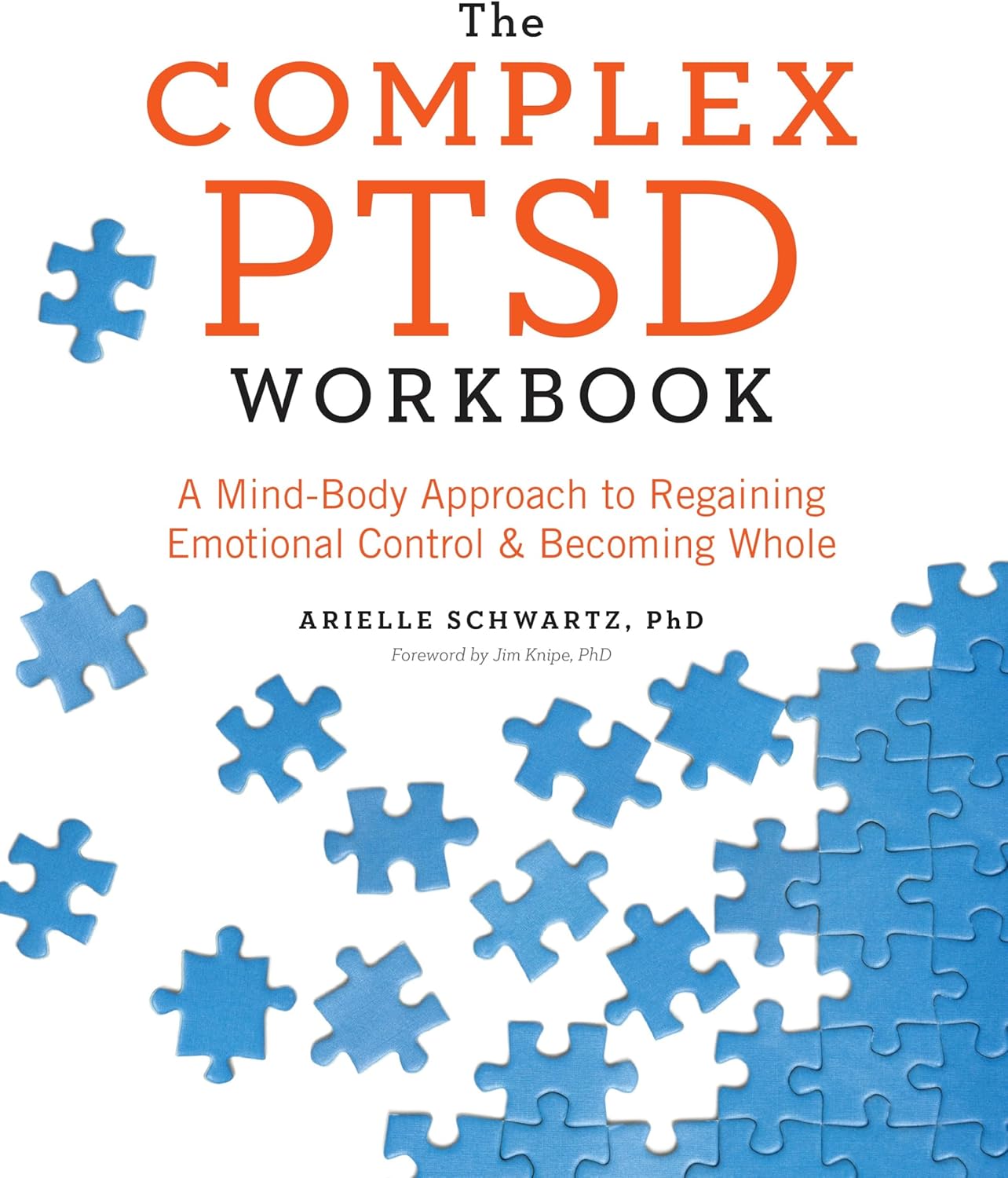
The Complex PTSD Workbook
Arielle Schwartz, PhD
A mind-body approach to regaining emotional control and becoming whole with evidence-based exercises.
As an Amazon Associate, Clarity House Press earns from qualifying purchases. Your price is never affected.
Found this helpful?
Share it with someone who might need it.
Tags
About the Author

Clarity House Press
Editorial Team
The editorial team at Clarity House Press curates and publishes evidence-based content on narcissistic abuse recovery, high-conflict divorce, and healing. Our content is informed by research, survivor experiences, and established trauma-informed approaches.
View all posts by Clarity House Press →Published by Clarity House Press Editorial Team