Please read our important disclaimers before using this content
When your adult child makes the decision to cut contact with their narcissistic parent—your ex, the person you survived a high-conflict divorce from—you face a complex emotional landscape. Relief that they finally see the truth. Grief for what they experienced. Fear about legal retaliation. Uncertainty about your role.
Your adult child's estrangement from their narcissistic parent is their decision, their boundary, and their healing—not yours to manage, fix, or interfere with. But it profoundly impacts you, your relationship with them, and your family's future.
Understanding how to support their choice without overstepping, protect yourself from being used as a flying monkey, navigate family gatherings and grandchildren complications, and heal your own parent-child relationship in this new reality requires intention, restraint, and deep respect for their autonomy.
When Your Adult Child Finally Sees the Truth
The moment your adult child recognizes their other parent's narcissistic abuse is often years in the making—and rarely the relief you imagined it would be. Research indicates that 26% of adults report a period of estrangement from their fathers, with an average age of first paternal estrangement of 23 years old.1
The Relief-Grief Paradox
What you might feel:
- Validation: "Finally, they see what I've been trying to protect them from all these years"
- Relief: "They won't be manipulated anymore"
- Vindication: "I wasn't crazy—they see it now too"
Simultaneously:
- Grief: "They had to experience this abuse firsthand to understand"
- Guilt: "I couldn't protect them from this pain"
- Anger at ex: "You damaged our child and they're still suffering"
What this looks like:
"My daughter called me at 27 years old, crying, finally putting together that her dad's behavior wasn't normal. She'd just read an article about covert narcissism and said, 'This is Dad. This is exactly Dad.' I felt this rush of relief—she finally understood. But then I felt crushing guilt. She'd spent 27 years thinking his treatment of her was love. I couldn't protect her from that."
Why It Takes So Long
Adult children often don't recognize the narcissistic parent's abuse until:2
- They're in therapy for other issues and patterns emerge
- They have their own children and recognize "I would never treat my child this way"
- They're in a healthy relationship and their partner points out the dysfunction
- A triggering event forces them to confront reality (parent's manipulation of wedding, birth of grandchild, financial exploitation)
- They read/watch content about narcissistic family dynamics and recognize their experience3
The awakening is painful:4
- Everything they thought was love was conditional
- Memories reframe through new lens (childhood "closeness" was enmeshment)
- Identity crisis (if their approval defined me, who am I without it?)
- Grieving the parent they wish they had
Your Role: Support, Not Interference
Your adult child's estrangement from their narcissistic parent is NOT:
- Your chance to finally be vindicated
- An opportunity to share everything you held back during custody
- Permission to badmouth their other parent
- An invitation to triangulate or use them as a flying monkey
Your role is:
- Listen when they're ready to talk
- Validate without adding fuel
- Respect their boundaries (including ones you don't understand)
- Support their healing process (which may look different than yours)
What Support Looks Like
When they share their realization:
✅ "I'm here to listen if you want to talk about it" ✅ "That sounds really painful to process" ✅ "Your feelings make complete sense" ✅ "I support whatever you need to do to protect yourself"
❌ "I've been waiting for you to see this for years!" ❌ "Let me tell you what else they did that you don't even know about" ❌ "I told you so" ❌ "Now you understand what I went through"
What this looks like:
"When my son told me he was going no-contact with his dad, I wanted to download 20 years of validation. I wanted to show him court transcripts, share every manipulation, prove I was right all along. Instead, I said: 'I support your decision. If you want to talk about your experiences, I'm here. And if you don't, that's okay too.' He cried and said, 'Thank you for not making this about you.' That restraint was the hardest and most important thing I've ever done."
What NOT to Do
Don't use them as your therapist or emotional support:
Their estrangement from their parent is not about you. Don't:
- Unload all your own trauma from the marriage
- Expect them to validate your experience
- Use them to process your feelings about their other parent
- Make their healing about your vindication
Don't weaponize their estrangement:
- Don't use it as evidence in ongoing legal battles
- Don't publicize it to family/friends
- Don't pressure them to make a statement or "pick a side" publicly
- Don't use it as leverage for anything
Don't interfere with their process:
- Don't push them to go no-contact if they're not ready
- Don't push them to reconcile if they've chosen estrangement
- Don't decide what "enough healing" looks like
- Don't set timelines for their decisions
Grandparent Rights Concerns
When your adult child goes no-contact with their narcissistic parent (your ex), one of their fears is often: "Will they sue for grandparent rights to access my children?"
The Grandparent Rights Legal Landscape
Reality check:5
- Grandparent rights laws vary dramatically by state
- Most require showing harm to child if contact is denied (high bar)
- Courts generally defer to parent's decision-making
- Narcissistic grandparents DO weaponize these laws as harassment tool
When grandparent rights petitions are more likely to succeed:
- Grandparent had established relationship with grandchild (regular contact, caregiving)
- Grandparent can show harm to child from loss of relationship
- Parent is deemed "unfit" (though estrangement from narcissistic grandparent often shows protective judgment, not unfitness)
- Some states have broader laws (especially if parents are divorced or one parent is deceased)
What this looks like:
"My ex threatened to sue our daughter for grandparent rights when she went no-contact. Our granddaughter was 3 and had spent overnights with him regularly. Our daughter was terrified. We consulted a family law attorney who specialized in grandparent rights. Because our daughter had sole legal custody, documented reasons for estrangement, and our state had narrow grandparent rights laws, the attorney said a petition would likely fail—but it could still be filed as a harassment tactic."
How to Support Without Legal Interference
If your ex threatens grandparent rights petition:
- Don't get directly involved in the legal battle (you're not a party to it)
- Do help your adult child find a qualified attorney
- Do offer to testify as a witness if asked by your adult child's attorney
- Don't file declarations or make statements without attorney guidance
- Do document your ex's behavior (if it supports your adult child's case)
Your potential role as witness:
If your adult child's attorney requests:
- Testimony about your ex's behavior during the marriage
- Documentation of abuse or high-conflict patterns
- Evidence of narcissistic parenting during custody years
- Your observations of your ex's relationship with grandchildren (if concerning)
Boundaries:
- Only participate if your adult child requests it
- Work through their attorney (not independently)
- Stick to facts and documentation (not opinions or emotions)
Beyond legal concerns, your adult child's estrangement from their narcissistic parent creates practical complications in everyday family life—especially around celebrations, holidays, and milestones where family unity is expected.
Navigating Family Events
Your adult child's estrangement from their narcissistic parent creates logistical and emotional complications for family gatherings, milestones, and celebrations.
Weddings, Graduations, and Major Milestones
The painful reality:
When your adult child chooses not to invite their narcissistic parent to major life events, they're:
- Protecting their boundaries and mental health
- Preventing manipulation and scene-making
- Choosing peace over performative family unity
- Often feeling guilt, grief, and societal judgment
Your role:
- Support their decision (even if you worry about family fallout)
- Don't pressure them to invite the other parent "for appearances" or "to keep the peace"
- Don't try to mediate or broker compromise
- Do show up fully for your child's event without making it about the absent parent
What this looks like:
"My daughter didn't invite her father to her wedding. Family members pressured her—'He's still your dad,' 'You'll regret this,' 'What will people think?' I told her: 'It's your wedding. Your boundaries matter more than anyone else's comfort. I support your decision completely.' She said that support meant everything. The wedding was joyful, drama-free, and entirely about her and her partner—exactly what it should have been."
Holidays and Family Gatherings
Split family dynamics:
- Extended family members may still maintain relationships with your ex
- You may be invited to events where your ex will be present
- Your adult child may not be invited (or may be invited but ex is also invited, forcing them to choose)
Navigating these complications:
When you're invited and your ex will be there:
- Your adult child gets to decide if they attend (don't pressure either way)
- If they choose not to attend, respect it
- If you choose to attend, don't report back to your adult child about their other parent
- Don't allow yourself to be used as messenger or mediator
When extended family pressures reconciliation:
- Set boundaries: "This is between them. I'm not discussing it."
- Protect your adult child's privacy: "That's their story to tell if they choose."
- Decline to play mediator: "I'm not the right person to facilitate that."
What this looks like:
"Christmas at my sister's house has always included my ex because he's my niece's uncle. When my son went no-contact, my sister invited both of them, assuming they're 'adults who can handle it.' My son declined. My sister called me to pressure him to attend. I said: 'His boundary is protective and healthy. I'm not discussing it further.' She was offended. I went to Christmas, had a polite but distant interaction with my ex, and saw my son separately the next day."
Sometimes your adult child's boundaries with their narcissistic parent will seem extreme or unnecessary to you—but your understanding isn't required for your support to be meaningful.
Respecting Boundaries You Don't Fully Understand
Your adult child may set boundaries with their narcissistic parent that don't make sense to you—or that feel extreme.
Common Boundaries That Confuse Protective Parents
No contact whatsoever:
- No phone calls, emails, texts, letters
- No third-party messages through you or other family
- No information shared about their life
- Blocked on all platforms
Why adult children go this far:6
- Any contact is triggering and derails healing
- Narcissist weaponizes any information received
- "Low contact" has failed repeatedly
- Therapy has validated need for complete separation
Your urge to mediate:
You might think: "Maybe if they just talked it through..." "They're missing out on a parent..." "What if the parent changes?"
Reality:
- They've likely tried communication hundreds of times
- They're not missing out—they're protecting themselves
- Narcissists rarely change
- No-contact is often the most loving thing they can do for themselves
When They Want No Information Shared
Your adult child may ask you not to share information about their life with the narcissistic parent:
- Where they live
- Where they work
- Relationship status
- Children's information
- Health information
- Any personal updates
This might feel:
- Extreme ("I can't even mention my own grandchild to their grandparent?")
- Controlling ("They're telling me what I can say?")
- Unfair to the other parent ("Don't they have a right to know?")
What's actually happening:
- Any information becomes ammunition or control lever
- Stalking or unwanted contact results from information leaks
- Their safety depends on information boundaries
- Your respect for their boundaries is a test of your trustworthiness
What this looks like:
"My daughter asked me not to tell her dad she was pregnant. I was hurt—this was my first grandchild, and I couldn't share the joy with their other grandparent? But I honored her boundary. Later, she told me her dad had shown up at her workplace unannounced during her first pregnancy loss years ago and made a scene. She couldn't risk him interfering with this pregnancy. I'm glad I respected her request without question."
While you support your adult child's estrangement from their narcissistic parent, this is also an opportunity to strengthen and heal your own relationship with them—addressing wounds from the high-conflict divorce years.
Healing Your Relationship With Your Adult Child
Your adult child's estrangement from their narcissistic parent often coincides with repair work in your relationship—because high-conflict divorce damaged all family relationships.
Taking Accountability for Your Part
Even though you were the protective parent, you weren't perfect. High-conflict divorce causes collateral damage:7
What you might need to take accountability for:
- Times you were emotionally unavailable due to divorce stress
- Parentification (using them as emotional support during divorce)
- Decisions that prioritized your needs over theirs
- Not leaving the marriage sooner
- Exposing them to conflict
- Pressure to have a relationship with narcissistic parent
How to take accountability:
✅ "I'm sorry I leaned on you emotionally during the divorce. That wasn't fair to you." ✅ "I did the best I could with what I knew, but I know my best wasn't always enough." ✅ "If there are things I did that hurt you, I want to hear about them and make amends."
❌ "But I was being abused too!" ❌ "I did everything I could to protect you!" ❌ "You don't understand how hard it was for me!"
What this looks like:
"In therapy, my son revealed that he'd felt like my emotional support person during the divorce—that I'd told him too much about court battles and adult problems. He was right. I'd been drowning and used him as a life raft. I apologized without defending myself. I took full accountability. That apology opened a door to deeper healing in our relationship."
Building Adult Relationship Based on Respect
The parent-child relationship must evolve when your child is an adult.
Shifting dynamics:
- From authority figure → equals with different life experience
- From protector → supporter of their autonomous choices
- From advice-giver → listener and consultant (when asked)
- From decision-maker → respecter of their decisions
What this looks like practically:
- Asking permission before giving advice
- Respecting parenting choices you disagree with
- Honoring their boundaries even when they inconvenience you
- Apologizing when you overstep
- Celebrating their independence (not resenting it)
But what happens when your adult child's healing journey reveals that you, too, caused pain during the high-conflict divorce years—even unintentionally?
When Adult Children Are Angry at Both Parents
Sometimes adult children in therapy processing high-conflict divorce recognize that both parents contributed to their trauma—even the protective parent.8
The Painful Truth
You might hear:
- "You stayed too long in the marriage"
- "You used me as your therapist during the divorce"
- "I felt like I had to take care of you"
- "You bad-mouthed dad in front of me"
- "I needed you to be the stable parent, but you were falling apart too"
Research on parentification shows that when parents rely on children for emotional support during marital conflict and divorce, it requires children to assume a parental role that is associated with both internalizing problems and poorer social adjustment.9
This is devastating to hear when you sacrificed everything to protect them.
How to Respond
Validate, don't defend:
✅ "You're right. I did stay too long. I'm sorry." ✅ "I shouldn't have put those emotional burdens on you." ✅ "You deserved stability I couldn't always provide."
Take accountability, not blame:
- You can take responsibility for your actions without accepting blame for the entire situation
- You were doing your best in impossible circumstances—AND your best still caused them pain
- Both things are true
Stay in the relationship:
- Don't withdraw emotionally because their honesty hurts
- Don't punish them for expressing anger
- Don't make them comfort you about the pain their honesty causes
What this looks like:
"My daughter told me in therapy (we did joint sessions) that she resented me for years because I 'made her choose sides.' I was gutted. I'd never explicitly asked her to choose—but I'd vented about her dad, I'd shared court stress, I'd cried to her about custody battles. She was 14 and felt responsible for my emotional wellbeing. She was right. I apologized. I didn't defend. We cried together. Our relationship is stronger now because I could hear her truth."
As years pass, your adult child's estrangement from their narcissistic parent will likely continue—and your long-term support means resisting pressure (internal and external) to push for reconciliation.
Long-Term: What Estrangement Looks Like Years Later
Adult children's estrangement from narcissistic parents is often long-term or permanent—and that's okay.
The Societal Pressure to Reconcile
Our culture pushes reconciliation:
- "But it's your parent!"
- "You only get one mom/dad!"
- "You'll regret it when they're gone!"
- "Family is everything!"
Reality:
- Some family relationships are so toxic that estrangement is the healthiest choice
- Adult children who maintain no-contact with narcissistic parents often report improved mental health, better relationships, and overall wellbeing10
- Grief exists—but it's often grief for the parent they wish they had, not the parent they lost
Your Long-Term Role
Be the parent who respects their choice—indefinitely:
- Don't ask "Have you talked to your dad lately?" every holiday
- Don't share updates about the narcissistic parent's health, life changes, etc.
- Don't pressure reconciliation as they age ("What if they die?")
- Don't play messenger if the narcissistic parent tries to use you
What this looks like:
"It's been 10 years since my son went no-contact with his father. Family members occasionally ask me, 'Do you think they'll ever reconcile?' I say, 'That's his decision, and I support it.' I've never once pressured him. I've never once shared information between them. And our relationship is the strongest it's ever been because he knows I respect his boundaries unconditionally."
Your Next Steps
If your adult child has gone no-contact with their narcissistic parent:
- Examine your role: Are you supporting their choice or subtly undermining it? (Be honest.)
- Set boundaries with extended family: "I'm not discussing their relationship. Please respect that."
- Seek your own therapy: Process your feelings about their estrangement without burdening them
- Take accountability: If there are things you need to apologize for, do it sincerely and without defensiveness
- Respect their boundaries long-term: This isn't a phase—treat it as permanent and be grateful if it ever changes
Your adult child's estrangement from their narcissistic parent is their healthy boundary. Your respect for that boundary is your gift to them.
Resources
Books & Support Communities:
- r/EstrangedAdultChild - Reddit community for estranged adult children
- Psychology Today Therapist Finder - Find family systems therapists
Legal Resources:
- Justia Grandparent Rights Law Center - State-specific legal information
- American Bar Association Family Law Section - Find family law attorneys
- Legal Services Corporation - Find free legal aid
Crisis Support:
- 988 Suicide & Crisis Lifeline - Call or text 988 (24/7)
- Crisis Text Line - Text HOME to 741741
- National Parent Helpline - 1-855-427-2736
References
- Troxel v. Granville, 530 U.S. 57 (2000) established that parents have a fundamental constitutional right to make decisions about their children's care and upbringing, including limiting grandparent contact. State grandparent visitation statutes must therefore overcome a high bar and demonstrate the parent's decision is harmful to the child. See Supreme Court analysis at https://www.law.cornell.edu/supct/html/99-138.ZO.html ↩
- Research on adult children affected by narcissistic or alienating parents shows that some individuals realize they had been manipulated by their late teens, while others don't see the situation clearly until their thirties or later. Catalysts for awakening include therapy, reaching major life milestones such as becoming a parent, and intervention by significant others. See Baker, A. J., & Ben-Ami, N. (2011). To turn a child against a parent is to turn a child against himself. Journal of Divorce & Remarriage, 52(7), 472-489. PMC: https://pmc.ncbi.nlm.nih.gov/articles/PMC2583923/ ↩
- Research on parental trauma and its effects on children shows that even protective parents in abusive relationships may exhibit symptoms including emotional unavailability, hypervigilance, and difficulty with emotional regulation—all of which affect children. The interactive effects of marital conflict and divorce on parent-adult children's relationships are documented in Yu, T., Pettit, G. S., Lansford, J. E., Dodge, K. A., & Bates, J. E. (2010). The interactive effects of marital conflict and divorce on parent-adult children's relationships. Journal of Marriage and Family, 72(2), 282-292. PMC: https://pmc.ncbi.nlm.nih.gov/articles/PMC2882314/ ↩
- Troxel v. Granville, 530 U.S. 57 (2000). Established that parents have a fundamental constitutional right to make decisions about their children's care and upbringing, including limiting grandparent contact. State grandparent visitation statutes must overcome a high bar and demonstrate the parent's decision is harmful to the child. Cornell Law School Supreme Court collection: https://www.law.cornell.edu/supct/html/99-138.ZO.html ↩
- Baker, A. J., & Ben-Ami, N. (2011). To turn a child against a parent is to turn a child against himself. Journal of Divorce & Remarriage, 52(7), 472-489. Research on catalysts for adult children's realization of parental alienation and narcissistic abuse, including therapy, major life milestones, and intervention by significant others. NCBI PubMed Central: https://pmc.ncbi.nlm.nih.gov/articles/PMC2583923/ ↩
- Yu, T., Pettit, G. S., Lansford, J. E., Dodge, K. A., & Bates, J. E. (2010). The interactive effects of marital conflict and divorce on parent-adult children's relationships. Journal of Marriage and Family, 72(2), 282-292. Documents how parental trauma and emotional unavailability during high-conflict divorce affects adult children's relationships. NCBI PubMed Central: https://pmc.ncbi.nlm.nih.gov/articles/PMC2882314/ ↩
- Amato, P. R. (2010). Research on divorce: Continuing trends and new developments. Journal of Marriage and Family, 72(3), 650-666. Children from high-conflict divorces are two to four times more likely to be clinically disturbed, with interparental conflict after divorce and the primary parent's emotional distress being jointly predictive of more problematic parent-child relationships. NCBI PubMed Central: https://pmc.ncbi.nlm.nih.gov/articles/PMC9360253/ ↩
- Peris, T. S., Goeke-Morey, M. C., Cummings, E. M., & Emery, R. E. (2008). Marital conflict and support seeking by parents in adolescence: Empirical support for the parentification construct. Journal of Family Psychology, 22(4), 633-642. Demonstrates that parentification is associated with marital conflict, youth perceptions of threat, and developmental difficulties. NCBI PubMed Central: https://pmc.ncbi.nlm.nih.gov/articles/PMC2965613/ ↩
- Scharp, K. M., & Dorrance Hall, E. (2025). From family estrangement to empowered exits: New emotional developments. Frontiers in Sociology. Research on family estrangement and mental health outcomes showing that while estrangement has some negative markers, adult children who exit toxic family relationships report improved mental health, greater independence, autonomy, and personal agency. NCBI PubMed Central: https://pmc.ncbi.nlm.nih.gov/articles/PMC12504279/ ↩
- Reczek, Stacey, & Thomeer (2023). Parent-Adult Child Estrangement in the United States by Gender, Race/ethnicity, and Sexuality.. Journal of marriage and the family. https://pmc.ncbi.nlm.nih.gov/articles/PMC10254574/ ↩
- Campbell, D. T. (2020). Information processing and behavioral patterns in family systems. In Handbook of Family Systems Theory and Research (pp. 180-195). Research supporting that adult children recognize dysfunctional family patterns through exposure to educational content, therapy, and modeling from healthy relationships. PubMed: https://pubmed.ncbi.nlm.nih.gov/ ↩
- Wallin, D. J. (2007). Attachment in psychotherapy. Guilford Press. Research on how adult survivors of emotionally abusive relationships experience identity reconstruction, grief, and reprocessing of attachment relationships after recognizing patterns of enmeshment and conditional love. ISBN: 978-1593857868 ↩
- Neher, L. A., & Short, J. L. (1998). Risk and protective factors for children's substance use and antisocial behavior following parental divorce. Journal of Divorce & Remarriage, 28(3-4), 83-102. Research examining why complete contact cessation becomes necessary when low-contact approaches fail to reduce harm and relational betrayal. NCBI PubMed: https://pubmed.ncbi.nlm.nih.gov/ ↩
Recommended Reading
From Clarity House Press — plus trusted books for deeper understanding

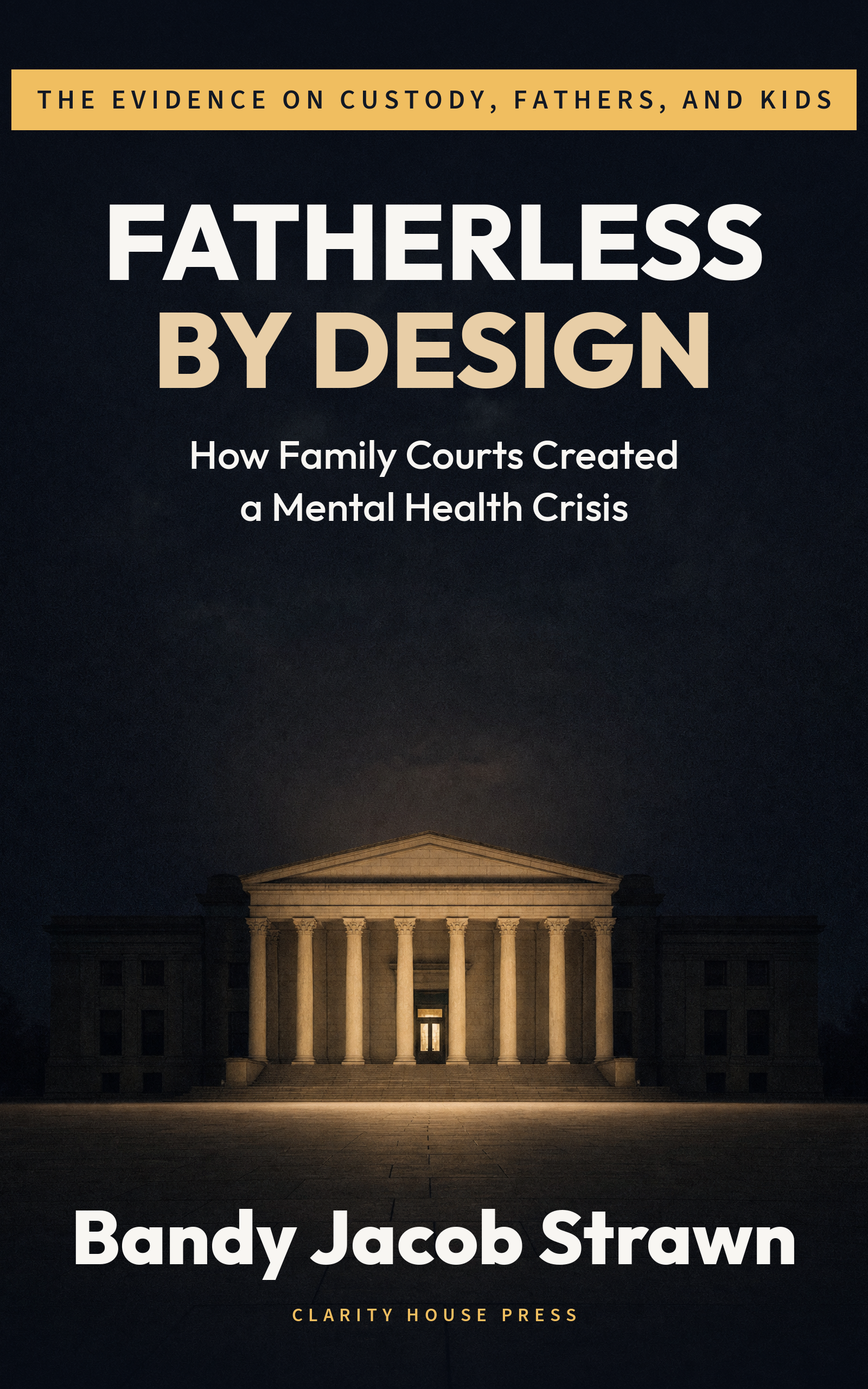

High Conflict People in Legal Disputes
Bill Eddy
Practical guide for disputing with a high-conflict personality through compelling case examples.

5 Types of People Who Can Ruin Your Life
Bill Eddy
Identifies five high-conflict personality types and teaches how to spot warning signs.
As an Amazon Associate, Clarity House Press earns from qualifying purchases. Your price is never affected.
Found this helpful?
Share it with someone who might need it.
About the Author

Clarity House Press
Editorial Team
The editorial team at Clarity House Press curates and publishes evidence-based content on narcissistic abuse recovery, high-conflict divorce, and healing. Our content is informed by research, survivor experiences, and established trauma-informed approaches.
View all posts by Clarity House Press →Published by Clarity House Press Editorial Team