Please read our important disclaimers before using this content
You were never meant to regulate your nervous system alone. From the first moments of life, your capacity to feel calm, safe, and regulated developed in relationship with caregivers.1 When this early co-regulation was disrupted by abuse, neglect, or chaos, your nervous system developed patterns of dysregulation that persist into adulthood. But the good news is profound: the same relational processes that were disrupted can also heal.
Co-regulation, the mutual influence between nervous systems, remains available throughout life. Understanding how it works opens possibilities for healing that self-regulation alone cannot provide. The concept of the window of tolerance is foundational here—co-regulation works by helping you stay within that regulated zone when your own capacity is depleted.
What Is Co-Regulation?
Co-regulation refers to the bidirectional flow of regulatory influence between people. When you are near someone whose nervous system is calm and regulated, your nervous system tends to settle. When you are near someone who is anxious and activated, you tend to become activated as well.
This is not imagination or psychological weakness. It is biology. Your nervous system is exquisitely attuned to cues of safety and danger from other people. Before you consciously perceive whether someone is safe, your nervous system has already responded to their facial expressions, vocal tone, body posture, and movement patterns.
The Neuroscience of Co-Regulation
Several neurological mechanisms underlie co-regulation:
Mirror neurons: These specialized neurons fire both when you perform an action and when you observe someone else performing that action.2 They appear to play a role in how we unconsciously mimic and synchronize with others, and provide a foundation for social understanding and empathic response.
Vagal tone and social engagement: The ventral vagal branch of your parasympathetic nervous system governs both your ability to feel calm and your capacity for social engagement. These are linked, meaning feeling safe in connection is how humans are designed to regulate.
Limbic resonance: Research by Thomas Lewis and colleagues describes how mammalian brains in proximity mutually influence each other's emotional states, creating a kind of emotional synchrony.
Oxytocin and bonding: Safe physical contact triggers oxytocin release, which promotes bonding and calming. This is one mechanism through which relationships regulate.
Heart rate variability synchronization: Studies show that heart rate patterns can synchronize between people in close contact, particularly during positive interactions.3 This cardiac synchrony appears to reflect the degree of physiological co-regulation and emotional attunement between partners.
Co-Regulation in Early Development
Humans are born with remarkably underdeveloped nervous systems compared to other mammals. Infants cannot regulate their own body temperature, sleep-wake cycles, or emotional states. They depend entirely on caregivers for regulation.
How Secure Attachment Develops
In healthy development, the caregiver provides co-regulation:4
- When the infant is distressed, the caregiver responds with calm presence, soothing voice, and appropriate physical contact
- The caregiver's regulated nervous system helps the infant's nervous system return to baseline
- Over thousands of these interactions, the infant internalizes the capacity to regulate independently
This is why attachment and regulation are so closely linked. Secure attachment develops through consistent, attuned co-regulation.1 The child learns: I can become dysregulated, someone will help me regulate, I will return to safety. Eventually, this external process becomes internal capacity.
When Early Co-Regulation Fails
When caregivers are unable to provide co-regulation, whether due to their own trauma, mental illness, substance use, or abuse, the developing child faces an impossible situation:
The source of danger is also the source of regulation: The very person the child needs to help regulate is the one causing dysregulation. This creates disorganized attachment and profound nervous system confusion.
The child develops maladaptive strategies: Without co-regulation, children develop what strategies they can, including hypervigilance, dissociation, pleasing and appeasing, numbing, or controlling behavior.
Self-regulation capacity is compromised: Without the foundation of co-regulation, independent self-regulation does not fully develop. Many trauma survivors struggle to calm themselves not because they are weak but because they never had the relational foundation for this capacity.
The nervous system becomes shaped by threat: Rather than defaulting to safety and connection, the nervous system organizes around danger, creating the chronic hypervigilance or numbness of complex PTSD.5 Understanding how C-PTSD shapes attachment patterns helps explain why receiving co-regulation in adulthood can feel threatening rather than soothing.
Why Self-Regulation Is Not Enough
Self-help culture emphasizes individual self-regulation: meditation, breathing techniques, cold showers, exercise. These practices have value, but for trauma survivors, they have limitations.
The Limitations of Solo Regulation
You are trying to do alone what was meant to be learned in relationship: Self-regulation develops from internalized co-regulation. If you never had consistent co-regulation, you are trying to access a capacity that was not fully built.
Isolation maintains trauma patterns: Trauma creates disconnection. Healing only through individual practices can reinforce the pattern of dealing with everything alone.
The nervous system is designed for connection: As social mammals, our baseline regulation involves connection with others.6 Trying to regulate entirely independently goes against our biological design.
Self-regulation can become avoidance: For some, rigorous self-regulation practices become another way to avoid vulnerability and connection with others.
The Unique Healing Power of Co-Regulation
Co-regulation offers something self-regulation cannot:7
Disconfirmation of danger expectations: Your nervous system expects relationships to be dangerous. Safe co-regulating relationships gradually update this expectation.
External regulation when internal resources are depleted: When you are too dysregulated to access self-regulation techniques, another person's regulated presence can do what you cannot do for yourself.
Repair of relational trauma in relationship: What was wounded in relationship can be healed in relationship. The corrective experience of safe connection directly addresses what was missing.
Experience of being seen and held: Being witnessed and supported in distress is qualitatively different from managing alone. It addresses the aloneness that is often at the core of trauma.
What Co-Regulation Feels Like
If you grew up without safe co-regulation, you may not know what it feels like or how to recognize it.
Signs of Co-Regulation Happening
Your body settles: You notice your shoulders drop, your breathing deepens, your heart rate slows. This happens without effort.
Presence becomes easier: You find yourself more able to be present in the moment rather than lost in past or future.
Defenses soften: You feel less need to be on guard. The hyper-alertness that feels normal begins to relax.
Vulnerability becomes possible: You can share something difficult without collapse or flooding. The other person's presence contains your experience.
Time feels different: There is less urgency, more spaciousness. You are not rushing to the next moment.
Safety in silence: You can be together without needing to fill the space with words or activity.
What Gets in the Way
Several patterns can interfere with receiving co-regulation:
Hypervigilance: If you are constantly scanning for danger, you cannot take in the safety signals the other person is offering.
Independence as defense: If you learned that needing others was dangerous, you may actively resist co-regulation even when it is available.
Shame about needing: You may believe that needing co-regulation means you are weak, damaged, or too much.
Activation in proximity: For some trauma survivors, closeness itself is triggering. Intimacy activates the nervous system rather than settling it.
Not recognizing safety: If you have never experienced safe connection, you may not recognize it when it is present, or may misinterpret it as danger.
Finding Co-Regulating Relationships
Safe co-regulating relationships are not always easy to find, particularly for trauma survivors whose patterns may interfere with connection.
What Makes a Relationship Co-Regulating
The other person is regulated themselves: You cannot co-regulate with someone who is chronically dysregulated. Their nervous system state will destabilize you rather than stabilizing you.
The other person is present and attuned: Co-regulation requires someone who can actually be with you, not someone distracted, checked out, or focused on themselves.
The relationship feels safe: There is no threat of harm, criticism, abandonment, or invasion. Your nervous system is receiving safety signals.
There is room for your distress: The other person can tolerate your difficult emotions without needing to fix, minimize, or shut them down.
Repair happens when ruptures occur: No relationship is perfectly attuned. Co-regulating relationships include the ability to repair disconnections.
Types of Co-Regulating Relationships
Therapeutic relationships: The relationship with a skilled trauma therapist may be the first consistently co-regulating relationship you experience. This is one reason therapy works.
Close friendships: Friends who can be truly present during difficult times offer co-regulation.
Healthy romantic partnerships: Intimate relationships at their best provide ongoing co-regulation through physical and emotional attunement.
Support groups: Feeling understood by others who share similar experiences can be deeply regulating.
Relationships with animals: Pets can provide a form of co-regulation through consistent, non-judgmental presence and physical contact.
Community connection: Feeling part of something larger, knowing you belong, provides a different type of regulating connection.
Building Your Capacity for Co-Regulation
If co-regulation is unfamiliar or threatening, building capacity takes time:
Start with lower-stakes relationships: Practice presence and connection with people where the stakes feel lower, like acquaintances or casual friends.
Notice what helps and what activates: Pay attention to which relationships feel settling and which feel activating. Not all relationships are co-regulating.
Practice asking for what you need: Tell a trusted person what helps you, whether that is their presence, physical contact, or just listening without advice.
Tolerate small doses: If connection is activating, practice small doses of co-regulation, then take space to integrate.
Work with a therapist: If relationship trauma is significant, working with a skilled trauma therapist can help you experience safe connection and build capacity for it in other relationships.
Co-Regulation in Trauma Therapy
The therapeutic relationship is a primary vehicle for healing, largely because it provides a corrective co-regulatory experience.8 Research consistently demonstrates that therapeutic alliance is one of the strongest predictors of treatment outcome in trauma-focused psychotherapy. Learning how to select the right trauma therapy modality helps you find practitioners skilled in using the therapeutic relationship itself as a healing tool.
What Trauma Therapists Do
Skilled trauma therapists consciously use their own regulated presence as a therapeutic tool:
Track their own nervous system: They notice when they become activated and regulate themselves so they can remain present for you.
Attune to your state: They notice shifts in your nervous system and adjust their own presence accordingly.
Offer regulated presence during difficult material: When you approach traumatic material, their calm, grounded presence helps you stay within your window of tolerance.
Model regulation: They demonstrate what regulated response looks like, providing a template your nervous system can learn from.
Pace to your capacity: They adjust the speed and intensity of therapeutic work based on your nervous system's response.
How to Use the Therapeutic Relationship
Notice how you feel with your therapist: Do you feel safer over time? Does your body settle? These are signs of therapeutic co-regulation.
Name what you need: Tell your therapist what helps you feel regulated in the relationship: their tone of voice, eye contact, or pauses in the conversation.
Use the relationship intentionally: Remember that the relationship itself is medicine, not just a context for technique delivery.
Work through relationship ruptures: When disconnection happens in therapy, working through it provides corrective experience of repair.
Co-Regulation and Parenting After Trauma
If you are parenting after trauma, understanding co-regulation has particular importance.
Breaking the Cycle
Your children need co-regulation from you, just as you needed it from your caregivers. This creates both challenge and opportunity:
The challenge: You cannot consistently give what you did not receive. When dysregulated, you cannot co-regulate your child. Your dysregulation will dysregulate them.
The opportunity: Healing your own nervous system and building your capacity for regulation has intergenerational impact. Every step you take toward your own healing benefits your children.
Practical Approaches
Regulate yourself first: On an airplane, you put on your own oxygen mask first. In parenting, regulate your own nervous system as much as possible before attempting to co-regulate your child.
Repair after rupture: You will dysregulate and so will your children. What matters is repair: returning to connection, acknowledging what happened, and allowing re-regulation.
Get your own co-regulation: Find sources of co-regulation for yourself, whether therapy, friendships, or other supports. You cannot pour from an empty cup.
Notice intergenerational patterns: Be aware of how your trauma history affects your parenting. This awareness alone creates space for different choices.
Co-Regulation with Romantic Partners
Intimate partnerships offer both rich potential for co-regulation and significant challenges for trauma survivors.
The Potential
A healthy romantic relationship can provide ongoing co-regulation through:
- Physical proximity and touch
- Emotional attunement and responsiveness
- Consistent presence and predictability
- Repair of inevitable ruptures
- The experience of being truly known and still loved
For trauma survivors who have done significant healing work, a healthy partnership can be profoundly regulating.
The Challenges
Intimacy is triggering: For many trauma survivors, intimate relationship is where trauma patterns are most activated, not least activated.
You may choose dysregulating partners: Trauma survivors often unconsciously select partners whose nervous systems match what is familiar rather than what is healthy.
Your patterns affect your partner: Trauma patterns create relationship dynamics that can destabilize both partners.
Expecting your partner to be your therapist: A romantic partner cannot serve as your primary source of regulation. This creates unhealthy dependence and drains the relationship.
Building Co-Regulation in Partnership
Do your own work: Individual therapy and healing work create more capacity for co-regulation in partnership.
Communicate about nervous system states: Learn to share when you are dysregulated and what you need.
Accept imperfect attunement: Your partner will miss cues and make mistakes. Focus on repair rather than perfection.
Find multiple sources of regulation: Do not rely solely on your partner. Build a network of co-regulating relationships and practices.
Key Takeaways
- Co-regulation, the mutual influence between nervous systems, is how humans are biologically designed to regulate.1
- Secure attachment develops through consistent early co-regulation; trauma disrupts this development.4
- Self-regulation alone is limited because the capacity for self-regulation develops from internalized co-regulation.1
- Safe relationships offer healing that solo practices cannot provide: disconfirmation of danger expectations, external regulation when depleted, and repair of relational trauma.7
- Co-regulating relationships are characterized by the other person being regulated, present, attuned, and able to tolerate your distress.8
- Therapeutic relationships often provide the first consistently co-regulating experience for trauma survivors and are supported by strong research evidence.8
- Building capacity for co-regulation takes time, particularly if connection itself feels threatening.
Your Next Steps
-
Assess your current relationships: Notice which relationships feel settling and which feel activating. Pay attention to your body rather than your thoughts.
-
Identify gaps: Consider where you might find more co-regulating connection: therapy, friendship, support group, or community.
-
Practice receiving: When someone offers support or presence, practice actually taking it in rather than deflecting.
-
Notice your barriers: Pay attention to what patterns arise that interfere with co-regulation: hypervigilance, independence, shame, or activation in proximity.
-
Work with a therapist: If you have significant relationship trauma, working with a skilled trauma therapist can provide corrective co-regulatory experience. Reviewing trauma recovery milestones can help you recognize the subtle signs that co-regulation is actually working, even when progress feels invisible.
Resources
Trauma Therapy and Co-Regulation:
- Psychology Today Therapist Finder - Find relational therapists
- Somatic Experiencing International - Find SE practitioners
- AEDP Institute - Accelerated Experiential Dynamic Psychotherapy
- National Alliance on Mental Illness (NAMI) - Mental health support
Support Groups and Resources:
- Co-Dependents Anonymous - Support for codependency patterns
- Adult Children of Alcoholics - ACA meetings
- SAMHSA National Helpline - 1-800-662-4357 (24/7)
Crisis Support:
- 988 Suicide & Crisis Lifeline - Call or text 988 (24/7)
- Crisis Text Line - Text HOME to 741741
References
- Feldman, R. (2012). Parent-infant synchrony: A biobehavioral model of mutual influences in the formation of affiliative bonds. Monographs of the Society for Research in Child Development, 77(2), 42-51. https://pubmed.ncbi.nlm.nih.gov/22862931/ ↩
- Gallese, V., Keysers, C., & Rizzolatti, G. (2004). A unifying view of the basis of social cognition. Trends in Cognitive Sciences, 8(9), 396-403. https://pmc.ncbi.nlm.nih.gov/articles/PMC2865077/ ↩
- Helm, J. L., Sbarra, D., & Ferrer, E. (2014). Assessing cross-partner associations in physiological responses via coupled oscillator models. Emotion, 14(4), 783-798. https://pmc.ncbi.nlm.nih.gov/articles/PMC6002748/ ↩
- Coan, J. A., Schaefer, H. S., & Davidson, R. J. (2006). Lending a hand: Social regulation of the neural response to threat. Psychological Science, 17(12), 1032-1039. https://pmc.ncbi.nlm.nih.gov/articles/PMC3968319/ ↩
- Schauer, M., & Elbert, T. (2010). Dissociation following traumatic stress: Etiology and treatment. Journal of Psychology, 218(2), 109-127. https://pmc.ncbi.nlm.nih.gov/articles/PMC4401823/ ↩
- Cherland (2012). The Polyvagal Theory: Neurophysiological Foundations of Emotions, Attachment, Communication, Self-Regulation.. Journal of the Canadian Academy of Child and Adolescent Psychiatry. https://pmc.ncbi.nlm.nih.gov/articles/PMC3490536/ ↩
- Swain, J. E., Lorberbaum, J. P., Kose, S., & Strathearn, L. (2007). Brain basis of parent-infant interactions in the formation of attachments. Child Development Perspectives, 1(2), 104-110. https://pmc.ncbi.nlm.nih.gov/articles/PMC5657008/ ↩
- Chen, Fortney, Bergman, Browne, & Grubbs (2020). Therapeutic alliance across trauma-focused and non-trauma-focused psychotherapies among veterans with PTSD.. Psychological services. https://pmc.ncbi.nlm.nih.gov/articles/PMC6689461/ ↩
- Bosmans, G., & Kerns, K. A. (2015). Attachment in middle childhood: Progress and prospects. New Directions for Child and Adolescent Development, 148, 1-18. https://pmc.ncbi.nlm.nih.gov/articles/PMC7556995/ ↩
- Porges, S. P. (2021). Polyvagal theory: A science of safety. Frontiers in Integrative Neuroscience, 15, 622622. https://pmc.ncbi.nlm.nih.gov/articles/PMC9131189/ ↩
Recommended Reading
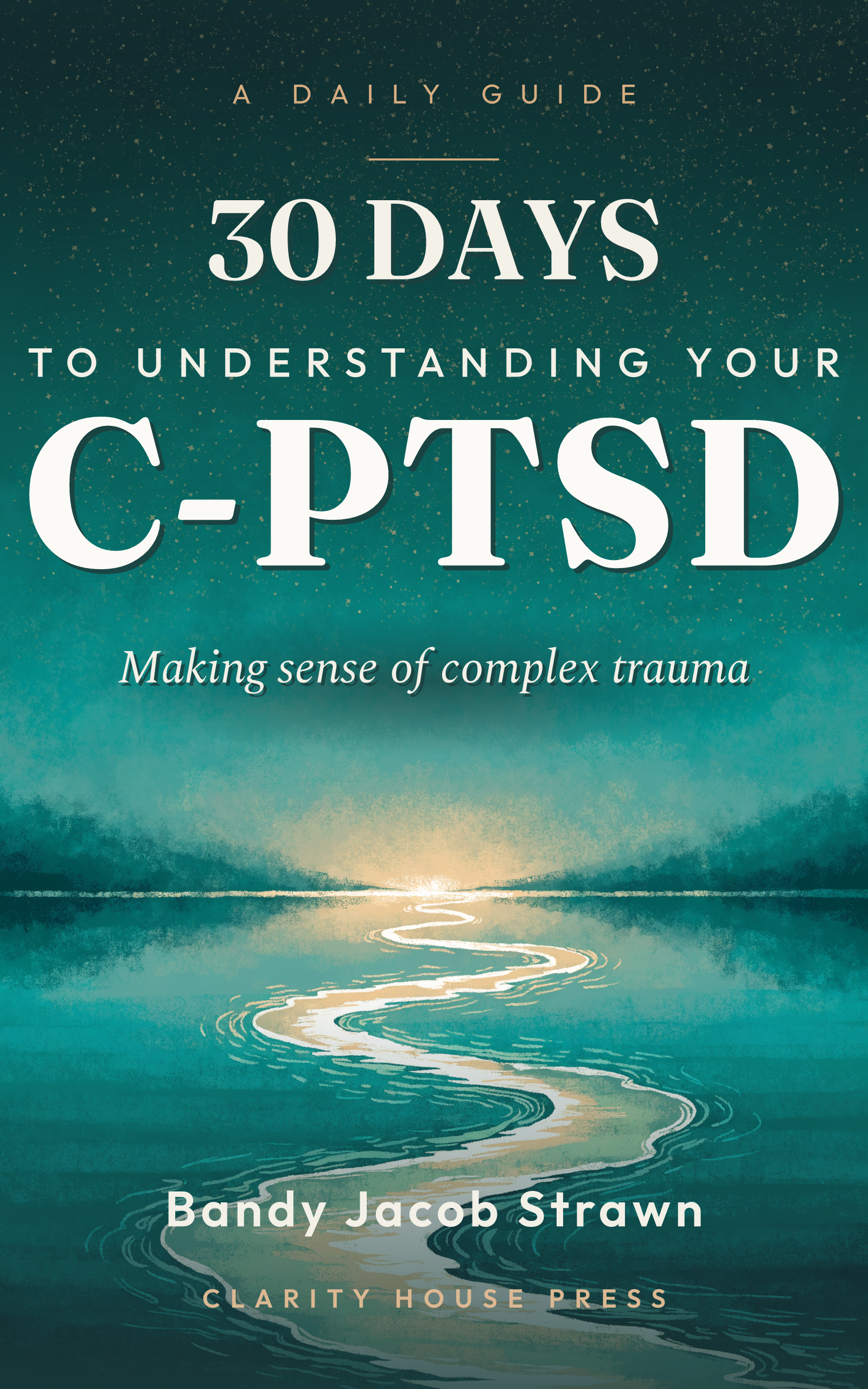
From Clarity House Press — plus trusted books for deeper understanding

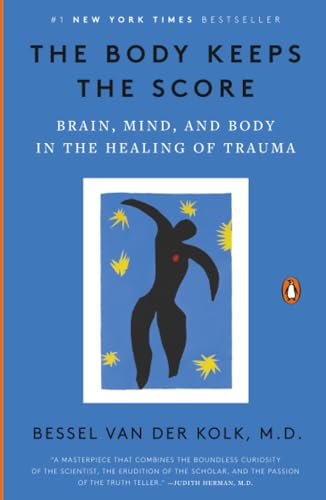
The Body Keeps the Score
Bessel van der Kolk, M.D.
A foundational look at how trauma reshapes the body and nervous system, and the approaches that help the body find safety again.
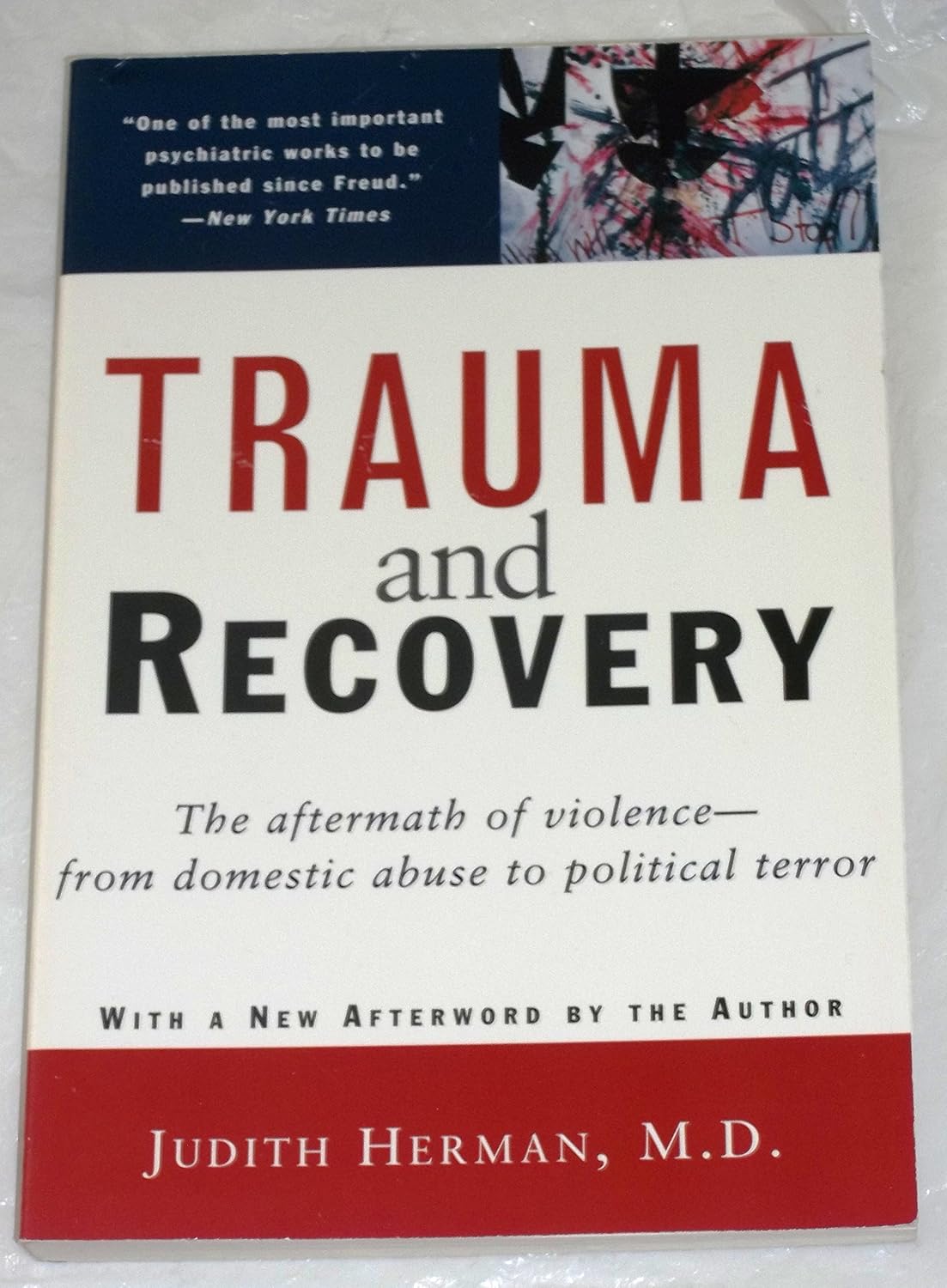
Trauma and Recovery
Judith Lewis Herman, M.D.
The seminal framework for understanding trauma and the stages of recovery — safety, remembrance, and reconnection.
As an Amazon Associate, Clarity House Press earns from qualifying purchases. Your price is never affected.
Found this helpful?
Share it with someone who might need it.
About the Author

Clarity House Press
Editorial Team
The editorial team at Clarity House Press curates and publishes evidence-based content on narcissistic abuse recovery, high-conflict divorce, and healing. Our content is informed by research, survivor experiences, and established trauma-informed approaches.
View all posts by Clarity House Press →Published by Clarity House Press Editorial Team