Please read our important disclaimers before using this content
You gather the courage to see a therapist. You share your story—the gaslighting, the rage, the systematic destruction of your reality. And your therapist responds:
"What did you do to trigger him?"
"All couples fight—have you tried communicating better?"
"You need to forgive him and move on."
This isn't therapy. This is retraumatization.
When therapists don't understand narcissistic abuse, they cause harm—often while believing they're helping. Recognizing red flags quickly can save you months of pain, thousands of dollars, and prevent further damage to your healing. Knowing what good trauma therapy looks like—including the right modality for complex trauma—helps you evaluate whether a therapist is actually equipped to help you.
Why Some Therapists Cause Harm
It's not always malicious—but it's still harmful.
Common reasons therapists fail abuse survivors:
- Lack of specialized training: Most therapists receive minimal education about intimate partner violence or personality disorders.1 Research shows significant gaps in therapist training on domestic violence, with many clinicians lacking core competencies in identifying and responding to IPV.2
- Outdated models: Trained in "relationship dynamics" frameworks that assume both parties contribute equally (not true in abuse)
- Implicit bias: Cultural beliefs about "perfect victims" or "it takes two"
- Conflict of interest: Couples therapists trying to "save the relationship" at your expense
- Narcissistic therapists: Yes, some therapists have NPD and gaslight/abuse clients
Whatever the reason, the impact is the same: You're harmed by someone who's supposed to heal you.
Major Red Flags: Leave Immediately
🚩 Suggests Couples Therapy with Your Abusive Ex
What it sounds like:**
- "Maybe couples counseling could help you communicate better."
- "Relationship therapy might improve your co-parenting."
- "If you both committed to therapy, you could work this out."
Why it's dangerous:
- Couples therapy is contraindicated with abuse (professional guidelines say do NOT do it).3 The American Psychological Association and National Domestic Violence Hotline explicitly warn against couples counseling in abusive relationships, as it can escalate danger.
- Gives the abuser ammunition (learns your vulnerabilities, uses them against you)
- Creates false hope that he'll change
- Puts you at risk (disclosing abuse in front of abuser escalates danger)
- Abusers manipulate couples therapists (charm them, paint you as the problem)
What should happen instead:
A trauma-informed therapist immediately says: "Couples therapy is not appropriate when there's abuse. We'll focus on your safety and healing."
If your therapist pushes couples therapy after you disclose abuse, leave.
🚩 Blames You for the Abuse ("What's Your Role?")
What it sounds like:**
- "It takes two to create a dynamic."
- "What did you do to contribute to this pattern?"
- "How did you enable his behavior?"
- "You chose him—what does that say about you?"
- "Why didn't you leave sooner?"
Why it's harmful:
- Abuse is 100% the abuser's responsibility—full stop
- This is victim-blaming disguised as "insight"
- Creates shame, not healing
- Implies you had control over his behavior (you didn't)
Nuance that's often missed:
Yes, understanding why you were vulnerable to narcissistic abuse is therapeutic (attachment wounds, trauma history, etc.). But that's:
- About healing YOUR past wounds (not causing the abuse)
- Future protection (learning red flags)
- Never framed as blame
A trauma-informed therapist might say:
"You're not responsible for his abuse. Let's explore what made you vulnerable to someone like him—not because it's your fault, but so you can protect yourself in the future and heal those old wounds."
Huge difference.
🚩 Minimizes or Dismisses the Abuse
What it sounds like:**
- "All relationships have conflict."
- "That doesn't sound that bad."
- "At least he didn't hit you." (Minimizing psychological abuse)
- "Men just communicate differently."
- "Maybe he was stressed—people say things they don't mean."
- "You're being dramatic / too sensitive."
Why it's gaslighting:
Your therapist is supposed to validate reality, not distort it. Minimizing abuse is gaslighting—the exact thing your abuser did.
What trauma-informed therapists say:
- "What you're describing is psychological abuse."
- "Gaslighting is a serious form of manipulation."
- "Emotional abuse is as damaging as physical abuse."
- "Your experience is valid."
🚩 Pushes Forgiveness, Reconciliation, or "Letting Go"
What it sounds like:**
- "You need to forgive him to heal."
- "Holding onto anger will only hurt you."
- "For your children's sake, can you work it out?"
- "Bitterness is toxic—just let it go."
- "He's their father—kids need both parents."
Why it's harmful:
- Forgiveness is optional, personal, and not required for healing
- Pressuring forgiveness is spiritual abuse (misusing concepts from religion/recovery)
- Safety first—always (Reconciliation with an abuser is dangerous)
- "Letting go" is a process, not a light switch
- Anger is a healthy response to injustice (It needs processing, not suppression)
What trauma-informed therapists say:
- "Forgiveness isn't required for healing."
- "Your anger is valid—let's process it safely."
- "We prioritize your safety, not the relationship."
- "Children need safe parents, not necessarily both parents under one roof."
🚩 Doesn't Assess for Safety or Danger
Red flag behaviors:**
- Never asks: "Are you currently safe?"
- Doesn't screen for domestic violence
- Doesn't ask about children's safety
- No safety planning (if you're still in contact with abuser)
- Doesn't recognize escalation patterns or risk factors
Why it's dangerous:
Leaving an abuser is the most dangerous time. Therapists must assess lethality risk and help create safety plans.
What trauma-informed therapists do:
- Assess for current danger (to you and children)
- Create safety plans
- Provide domestic violence resources and hotlines
- Recognize red flags (stalking, threats, escalation)
- Coordinate with legal/DV advocates if needed
🚩 Suggests "Gray Rock" or Co-Parenting When You Need Parallel Parenting
What it sounds like:**
- "Just don't react to him."
- "You two need to communicate better for the kids."
- "Try to co-parent more cooperatively."
Why it's harmful:
- Gray rock works for low-contact situations, not co-parenting (kids need you emotionally present)
- Co-parenting requires mutual respect and cooperation—impossible with a narcissist
- Parallel parenting is appropriate for high-conflict situations (minimal contact, business-like)
What trauma-informed therapists say:
- "Parallel parenting is safer for high-conflict situations."
- "You can be present with your kids while maintaining firm boundaries with your ex."
- "We'll work on strategies to manage unavoidable contact without expecting him to cooperate."
🚩 Diagnoses You with Borderline Personality Disorder (BPD) or Suggests You're "Mutually Abusive"
The tactic:**
Therapists unfamiliar with C-PTSD sometimes misdiagnose trauma symptoms as BPD:
C-PTSD symptoms:
- Emotional dysregulation → mistaken for BPD "mood swings"
- Fear of abandonment (from abuse) → mistaken for BPD "unstable relationships"
- Identity disruption (from abuse) → mistaken for BPD "identity disturbance"
Or they claim:
- "This sounds like mutual abuse."
- "You both have unhealthy patterns."
- "You're codependent / you enabled him."
Why it's harmful:
- C-PTSD is a trauma response; BPD is a personality disorder (different etiology and treatment).4 C-PTSD symptoms emerge from prolonged trauma exposure, while BPD does not require trauma history for diagnosis.5
- There's no such thing as "mutual abuse" in intimate partner violence (abuse is about power and control)
- Reactive abuse (defending yourself) ≠ being an abuser
- This diagnosis can be weaponized in court (abusers love the BPD label)
What trauma-informed therapists do:
- Recognize C-PTSD symptoms as trauma responses
- Understand that "crazy-making" behavior is a trauma response to crazy-making abuse
- Differentiate between abuse and self-defense
- Do not diagnose personality disorders without extensive assessment
🚩 Boundary Violations
Examples:**
- Oversharing about their own divorce/abuse
- Contacting you outside sessions without clinical reason
- Hugging/touching without asking
- Friending you on social media
- Suggesting meeting socially
- Making sexual comments
- Becoming overly involved in your legal case (playing attorney)
- Loaning you money or accepting gifts
Why it's harmful:
After abuse (where boundaries were violated constantly), you need a therapist who models healthy boundaries.6 Violations retraumatize you and create enmeshment—a particularly damaging pattern for trauma survivors.
What's appropriate:
- Professional distance
- Clear roles (therapist-client, not friends)
- Physical boundaries (no unsolicited touch)
- Transparent policies
🚩 Lacks Cultural Competence or Is Actively Bigoted
Examples:**
- Dismisses impact of racism, homophobia, transphobia, ableism on your experience
- Makes assumptions based on stereotypes
- Suggests you "just leave" without understanding economic barriers, immigration status, disability, etc.
- Uses incorrect pronouns or deadnames trans clients
- Lacks understanding of religious/cultural contexts
Why it's harmful:
Trauma is compounded by systemic oppression. Therapists must understand intersectionality.
🚩 Rigidly Adheres to One Approach (Especially CBT for Complex Trauma)
What it sounds like:**
- "Let's just change your thoughts—then you'll feel better." (CBT for everything)
- "I only do [X therapy]" (when you need something else)
- Applies cookie-cutter approaches without adapting to your needs
Why it's problematic:
- C-PTSD requires multimodal treatment (EMDR for memories, DBT for regulation, somatic for body trauma, etc.).7 Evidence-based approaches including EMDR, trauma-focused CBT, and prolonged exposure therapy show strong efficacy for complex trauma.8
- One-size-fits-all doesn't work for complex trauma
- Suggests therapist isn't trained in trauma-specific modalities
What trauma-informed therapists do:
- Use evidence-based approaches for trauma
- Integrate multiple modalities as needed
- Adapt to your unique needs
- Refer out if you need specialized treatment they can't provide
Subtle Red Flags: Proceed with Caution
⚠️ Lacks Knowledge of Narcissistic Dynamics
Signs:**
- Doesn't recognize terms: gaslighting, DARVO, triangulation, hoovering, flying monkeys
- Looks confused when you describe narcissistic tactics
- Treats it like "normal relationship problems"
Not always a dealbreaker: Some therapists are willing to learn. But if they're dismissive or uninterested in educating themselves, that's a problem.
⚠️ Focuses Only on "Moving Forward" Without Processing the Past
What it sounds like:**
- "Let's not dwell on the past—let's focus on your future."
- "Talking about it keeps you stuck."
Why it's problematic:
You can't heal what you don't process. Trauma needs to be integrated, not bypassed.
Balance is key: Process trauma AND build future. Not one or the other.
⚠️ Makes Everything About Them
Examples:**
- Constantly shares their own divorce story
- Centers their experiences in your sessions
- Seems to use your sessions for their own processing
Why it's inappropriate:
Therapy is for YOU. Occasional therapist self-disclosure can be helpful, but it should be brief and purposeful—not taking over your time.
⚠️ Doesn't Track or Seems Disorganized
Signs:**
- Forgets what you told them last session
- Asks you to repeat your story constantly
- Seems unprepared or distracted
- Takes notes excessively (not present) or not at all (doesn't remember anything)
Why it matters:
You're paying for their attention and expertise. Disorganization suggests they're overwhelmed, under-trained, or not prioritizing your care.
⚠️ Invalidates Your Experiences or Emotions
What it sounds like:**
- "You shouldn't feel that way."
- "That's not rational."
- "You're catastrophizing." (When you're accurately assessing danger)
Why it's harmful:
Your emotions and perceptions are valid. After abuse (where your reality was denied), you need validation.
Trauma-informed alternative:
"It makes sense you feel that way given what you've experienced. Let's explore what this feeling is telling you."
What Good Therapy Should Look Like (Green Flags)
To contrast the red flags, here's what trauma-informed therapy should be:
✅ Validates your experience immediately: "What you're describing is abuse."
✅ Prioritizes safety: Assesses danger, creates safety plans
✅ Uses evidence-based trauma approaches: EMDR, CPT, somatic work, DBT skills—understanding which modality fits your specific trauma profile helps you confirm your therapist's approach is appropriate
✅ Never victim-blames: "This was not your fault."
✅ Maintains professional boundaries: Clear roles, appropriate distance
✅ Culturally competent: Understands intersectionality and systemic oppression
✅ Collaborative: You're a partner in your healing, not a passive recipient
✅ Transparent: Explains what they're doing and why
✅ Respects your pace: Doesn't push you faster than you're ready
✅ Celebrates your resilience: Sees your strengths, not just your wounds
When and How to Fire Your Therapist
You have the right to end therapy anytime, for any reason.
When to Leave Immediately (No Explanation Needed)
- Boundary violations (sexual comments, inappropriate touch, dual relationships)
- Victim-blaming or abuse minimization
- Suggesting couples therapy with your abuser
- Unethical behavior (breaching confidentiality, conflicts of interest)
- You feel unsafe
Just leave. You don't owe them an explanation.
When to Consider Switching (After Reflection)
- Consistent feeling of not being heard or believed
- Lack of progress after 6+ months (and you're engaging in therapy)
- Therapist lacks expertise you need
- You've outgrown their skill set
- Personality mismatch (you don't click)
How to End Therapy Professionally
Option 1: Direct conversation (if you feel safe):
"I've decided to pursue therapy with someone who specializes in [trauma/EMDR/etc.]. I appreciate your time, but this isn't the right fit for my needs."
Option 2: Email/phone message:
"After careful thought, I've decided to end therapy. Thank you for your help. I won't be scheduling further appointments."
Option 3: Just stop scheduling (if you feel unsafe or they've violated boundaries)
You don't owe them closure, especially if they've harmed you.
Your Rights as a Client
You have the right to:
✅ Ask questions about treatment approach, credentials, experience
✅ Request a different therapist (in agency settings)
✅ End therapy at any time
✅ File complaints (with licensing boards) for unethical behavior
✅ Request your records (within legal guidelines)
✅ Refuse treatment approaches you're uncomfortable with
✅ Expect confidentiality (with legal exceptions: imminent danger, child/elder abuse, court order)
Therapists work for YOU. You are the client, not a captive audience.
What to Do If Your Therapist Harmed You
1. Document everything:
- Dates, quotes, specific incidents
- Emails or text messages
2. End the therapeutic relationship immediately
3. Seek support:
- Find a new trauma-informed therapist
- Talk to trusted friends or support group
4. Consider filing a complaint:
- Licensing board in your state (Google "[your state] + [license type] + licensing board")
- Complaints can result in investigation, disciplinary action, license suspension
5. Leave a review (carefully):
- Some therapists are on Psychology Today or Google
- Honest reviews help other survivors avoid harm
- Be factual, not emotional (reduces liability risk)
6. Process the harm:
- Betrayal by a therapist is a significant trauma
- You may need therapy to heal from bad therapy
- This is real, valid, and unfortunately common
Your Next Steps
If you're currently with a therapist showing red flags:
- Trust your gut: If something feels wrong, it probably is
- Document red flags: Write down specific examples
- Assess safety: Are you being harmed or just not helped?
- Make a plan: Research new therapists, schedule consultations
- End the relationship: Use scripts above
- Find trauma-informed care: Use resources from previous articles
If you're newly searching:
- Learn red flags: Spot them early (consultation calls)
- Ask vetting questions: (From previous article on choosing a therapist)
- Trust slowly: Give it 3-4 sessions, but honor red flags immediately
- Advocate for yourself: You deserve competent, compassionate care
- Understand your triggers: Being able to identify and map your trauma triggers before your first session helps your therapist assess fit faster
NOTE ON HOTLINE NUMBERS: Phone numbers for crisis hotlines, legal aid, and support services are provided as a resource. These numbers are current as of publication but may change. Please verify hotline numbers are still active before relying on them. For the National Domestic Violence Hotline, visit thehotline.org for current contact information.
Key Takeaways
- Not all therapists understand narcissistic abuse—lack of training causes harm
- Major red flags: Couples therapy with abuser, victim-blaming, minimizing abuse, pushing forgiveness
- Subtle red flags: Lack of knowledge about narcissistic dynamics, rigid approaches, poor boundaries
- You have the right to fire your therapist anytime, for any reason
- File complaints for unethical behavior (boundary violations, harm)
- Trust your gut—if therapy feels harmful, it probably is
Bad therapy can set your healing back years. Good therapy can transform your life.
Don't settle for a therapist who retraumatizes you. You deserve someone who sees you, believes you, and has the expertise to truly help you heal.
Resources
Finding Trauma-Informed Therapists:
- Psychology Today Therapist Finder - Find trauma specialists
- EMDR International Association - Find EMDR therapists
- National Alliance on Mental Illness (NAMI) - Mental health support
- National Domestic Violence Hotline - 1-800-799-7233 for therapist referrals
Regulatory and Support Resources:
- American Psychological Association - Find state licensing boards
- SAMHSA National Helpline - 1-800-662-4357 (24/7)
- National Register of Health Service Psychologists - Find qualified psychologists
Crisis Support:
- 988 Suicide & Crisis Lifeline - Call or text 988 (24/7)
- Crisis Text Line - Text HOME to 741741
References
- Burns, M. N., Deleon, E., Cope, B., Jackson, A., & Gromowski, G. R. (2021). Evaluating the relationship between intimate partner violence-related training and mental health professionals' assessment of relationship problems. Journal of Interpersonal Violence, 36(5-6), NP2866–NP2882. https://pubmed.ncbi.nlm.nih.gov/33866857/ ↩
- Kalra, N., Atkinson, L., Geroff, J., Mani, S., McDermott, J., Oyebola, F., Sinha, N., & Sinha, U. (2021). Training healthcare providers to respond to intimate partner violence against women. Cochrane Database of Systematic Reviews, 5(CD012423). https://pubmed.ncbi.nlm.nih.gov/34081234/ ↩
- Stith, S. M., McCollum, E. E., & Rosen, K. H. (2011). Couple therapy for intimate partner violence: A systematic review and meta-analysis. Journal of Family Violence, 26(2), 81–91. https://pmc.ncbi.nlm.nih.gov/articles/PMC5050084/ ↩
- Masson, D., De Cock, B., Descheemaeker, T., & Nijs, S. (2021). Distinguishing PTSD, Complex PTSD, and Borderline Personality Disorder using exploratory structural equation modeling in a trauma-exposed urban sample. European Journal of Psychotraumatology, 12, 1862310. https://pmc.ncbi.nlm.nih.gov/articles/PMC9107503/ ↩
- Sripada, R. K., & Rauch, S. A. (2015). Psychotherapy and pharmacotherapy for treating PTSD. Current Treatment Options in Psychiatry, 2(4), 395–407. https://pmc.ncbi.nlm.nih.gov/articles/PMC6224348/ ↩
- Gutheil, T. G., & Gabbard, G. O. (1993). The concept of boundaries in clinical practice: Theoretical and risk-management considerations. American Journal of Psychiatry, 150(2), 188–196. https://pubmed.ncbi.nlm.nih.gov/8422070/ ↩
- van der Kolk, B. (2014). The body keeps the score: Brain, mind, and body in the healing of trauma. Viking. This foundational work on complex trauma is supported by research including: Cloitre, M., Courtois, C. A., Ford, J. D., Green, B. L., Alexander, P., Briere, J., ... & van den Bosch, L. M. (2012). The ISTSS expert consensus treatment guidelines for complex PTSD in adults. ISTSS, 1. https://www.istss.org/getattachment/Treating-Trauma/New-ISTSS-Treatment-Guidelines.pdf ↩
- Paris, J. (2015). Understanding the causes of borderline personality disorder. The Journal of the American Academy of Psychiatry and the Law, 43(1), 3–9. Additionally, the distinction is clarified in: Karatzias, T., Larsson, B., & Cloitre, M. (2023). The ICD-11 complex post-traumatic stress disorder: Challenges and controversies of the diagnosis. Frontiers in Psychiatry, 14, 1058499. https://pmc.ncbi.nlm.nih.gov/articles/PMC10503893/ ↩
- Steinberg, M., Rimes, K. A., & Gethin, J. (2012). Therapeutic boundary issues in working with childhood sexual abuse survivors. Counselling and Psychotherapy Research, 12(4), 260–268. This research documents how boundary violations create retraumatization for survivors. https://pubmed.ncbi.nlm.nih.gov/12647570/ ↩
- Boyle, D. (2020). Trauma-informed care in behavioral health services. National Institutes of Health Bookshelf. This SAMHSA-published resource documents how treatment settings can retraumatize survivors through violations of physical and emotional boundaries. https://www.ncbi.nlm.nih.gov/books/NBK207185/ ↩
Recommended Reading
From Clarity House Press — plus trusted books for deeper understanding

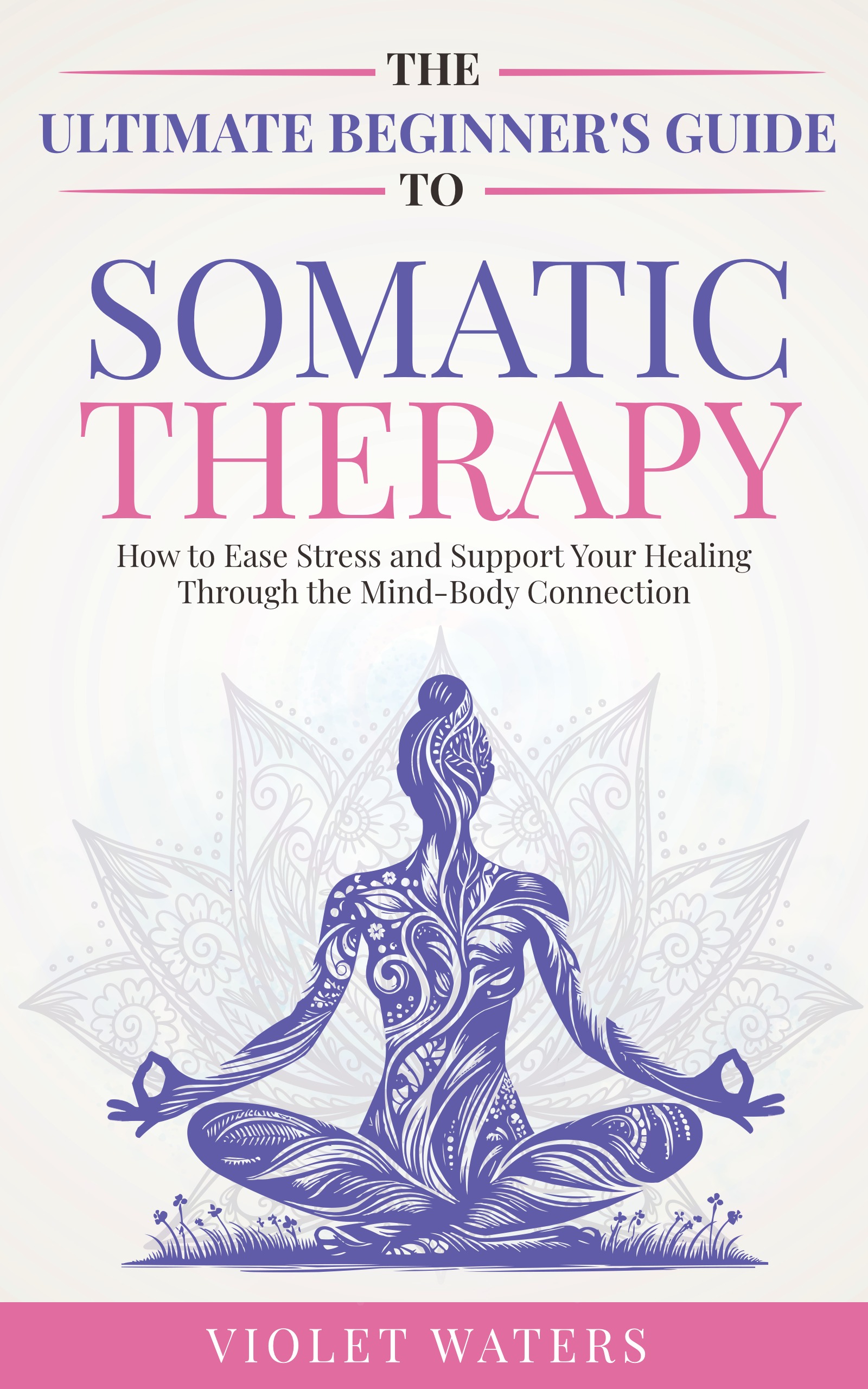

Anchored
Deb Dana, LCSW
Practical everyday ways to transform your relationship with your nervous system using Polyvagal Theory.

Waking the Tiger: Healing Trauma
Peter A. Levine & Ann Frederick
An introduction to Somatic Experiencing and the body's innate capacity to release trauma and restore balance.
As an Amazon Associate, Clarity House Press earns from qualifying purchases. Your price is never affected.
Found this helpful?
Share it with someone who might need it.
About the Author

Clarity House Press
Editorial Team
The editorial team at Clarity House Press curates and publishes evidence-based content on narcissistic abuse recovery, high-conflict divorce, and healing. Our content is informed by research, survivor experiences, and established trauma-informed approaches.
View all posts by Clarity House Press →Published by Clarity House Press Editorial Team