Please read our important disclaimers before using this content
Your heart races. Your chest tightens. Your mind goes blank. You freeze, or flee, or fight, or immediately start people-pleasing—all before your thinking brain registers what just happened.
You've been triggered.
And if you're reading this, you probably know that bewildering, frustrating experience of being hijacked by your nervous system with seemingly no warning and no control.
Here's what matters: Triggers follow patterns. And patterns can be mapped.
This article provides the systematic, evidence-based methodology for identifying and mapping your trauma triggers. Not vague suggestions about "awareness" and "self-care"—actual tools, worksheets, and step-by-step processes used in clinical settings.
You'll learn what triggers are neurologically, how they differ from normal memories, the five types of triggers that activate trauma responses, and the complete five-step mapping process therapists use with complex trauma survivors. You'll get the actual worksheets. The tracking templates. The pattern analysis framework.
Because you deserve more than "just be mindful." You deserve practical tools that work.
What Are Trauma Triggers: The Neuroscience
Triggers Activate Below Conscious Awareness
Here's the neurobiological reality: A trauma trigger is any stimulus (internal or external) that activates your survival nervous system because it resembles—consciously or unconsciously—some element of your original trauma.
Key word: resembles. Not "is the same as." Not "objectively dangerous." Your amygdala (the brain's threat detection center) doesn't distinguish between actual danger and perceived danger. It pattern-matches.
When your amygdala detects something similar to past trauma, it activates your survival response in milliseconds—before your prefrontal cortex (your thinking, rational brain) even knows what's happening (van der Kolk, 2014).
This is why you can't think your way out of a trigger. By the time you're aware you're triggered, your nervous system is already activated.
How Trauma Creates Triggers: Implicit Memory
Trauma memories get encoded differently than normal memories.
Normal memories are explicit: you remember them consciously, you know they're memories, you can narrate them with a beginning, middle, and end.
Trauma memories are often implicit: they're stored as fragmented sensory, emotional, and somatic (body) experiences without a coherent narrative (van der Kolk, 2014; Lanius et al., 2010). You don't "remember" the trauma—you re-experience it through body sensations, emotions, and survival responses, often without understanding why.
This is why a trigger can feel so confusing. You might not consciously connect the present stimulus to the past trauma. You just know something feels terribly wrong, dangerous, overwhelming.
Your amygdala recognized a pattern. Your body responded. Your conscious mind is playing catch-up.
The Difference Between a Trigger and a Reminder
Not all distressing stimuli are triggers.
A reminder activates conscious memory and emotion but doesn't hijack your nervous system into survival mode. You feel sad, angry, or uncomfortable, but you can still think, reason, and choose your response. You're inside your window of tolerance (Siegel, 1999).
A trigger activates your survival nervous system and dysregulates you—you're thrown into hyperarousal (fight/flight: racing heart, panic, rage) or hypoarousal (freeze/fawn: shutdown, numbness, people-pleasing). You're outside your window of tolerance. Your prefrontal cortex goes offline. You can't think clearly.
Example:
- Reminder: Seeing your ex's name in a text thread makes you feel sad and angry. You take a few deep breaths and delete the conversation.
- Trigger: Seeing your ex's name launches you into full panic attack, or complete emotional shutdown, or compulsive phone-checking spiral. You can't regulate yourself back.
Why Triggers Feel So Overwhelming
When you're triggered, your nervous system believes the danger is happening now. Not "this reminds me of when." Not "this feels like." Your body is responding to present-moment threat.
This is adaptive when you're actually in danger. It's maladaptive when you're safe but your nervous system hasn't learned that yet.
The intensity you feel isn't "overreacting." It's your body's stored response to the original trauma, activated in the present.
The Window of Tolerance: Your Baseline for Mapping Work
Before we dive into trigger types and mapping methodology, you need to understand your window of tolerance—the zone of nervous system activation where you can process emotion, think clearly, and engage with challenge without becoming dysregulated (Siegel, 1999).
Three Zones of Activation
Inside the Window (Optimal Arousal):
- Can think and feel at the same time
- Emotions are present but manageable
- Can connect with others
- Learning and processing are possible
Above the Window (Hyperarousal):
- Fight or flight activated
- Racing heart, can't sit still
- Hypervigilance, rage, panic
- Thoughts race or spiral
- Emotions feel too big to contain
Below the Window (Hypoarousal):
- Freeze or fawn activated
- Numbness, disconnection, brain fog
- Exhaustion, can't think clearly
- Emotions feel distant or absent
- Dissociation (feeling unreal or detached)
Why This Matters for Trigger Mapping
You can only effectively map triggers when you're inside your window of tolerance.
When you're dysregulated (triggered), your prefrontal cortex is offline. You can't analyze patterns, make connections, or learn new information effectively.
This means:
- Practice grounding techniques when you're calm, so they're accessible when you're activated
- Log your triggers after you've returned to your window, not during activation
- Review and analyze your trigger data when you're regulated, not when you're in crisis
If trigger mapping itself consistently throws you outside your window, work with a trauma therapist before continuing solo mapping work.
The Five Types of Trauma Triggers
Triggers fall into five main categories. Understanding these categories is the first step in systematic identification.
1. Sensory Triggers (Five Senses)
These are stimuli that activate one or more of your five senses in ways that resemble the original trauma.
Visual (Sights):
- Facial expressions (anger, contempt, coldness)
- Someone who physically resembles your abuser
- Certain colors, clothing styles
- Specific lighting (dim lighting, fluorescent lights)
- Particular locations or rooms
Auditory (Sounds):
- Raised voices or yelling
- Tone of voice (sarcasm, contempt, fake sweetness)
- Footsteps in hallway
- Doors slamming, objects dropping
- Specific music, songs, or silence
- Keys jingling, cars starting
Olfactory (Smells): Smell is the most direct route to the amygdala—scent memories bypass cognitive processing entirely (Herz & Engen, 1996).
- Cologne, perfume, aftershave
- Alcohol (on breath or in environment)
- Cigarette smoke
- Cleaning products, specific foods cooking
- Body odor, sweat
Tactile (Touch/Texture):
- Being grabbed, touched unexpectedly
- Certain fabrics or textures
- Physical restraint (hugs, crowded spaces)
- Temperature (too hot, too cold)
- Water on face, hair being touched
Gustatory (Tastes): Less common, but powerful:
- Foods associated with traumatic events
- Alcohol
- Medication tastes
Example: Rachel freezes every time she smells Old Spice cologne. Her father wore it every day, and the scent became unconsciously associated with his unpredictable rage. Now any man wearing that cologne—even in a safe context—triggers her freeze response.
2. Situational Triggers (Context and Circumstances)
These involve the external context or situation that resembles traumatic circumstances.
Temporal (Time-Based):
- Specific times of day (evenings, early mornings)
- Anniversaries of traumatic events
- Holidays (family gatherings)
- Seasons (winter when abuse escalated)
- Days of week (Sunday evenings, Monday mornings)
Locational:
- Certain rooms (kitchens, bedrooms, bathrooms)
- Types of buildings (courthouses, hospitals, schools)
- Driving routes, neighborhoods
- Being in cars, elevators, enclosed spaces
- Geographic locations (cities, states)
Circumstantial:
- Financial stress, scarcity, bills due
- Being late, behind schedule, judged
- Medical or dental appointments
- Legal proceedings, authority interactions
- Job interviews, performance reviews
- Social gatherings, parties, crowds
- Being alone, isolation
Example: David realizes he experiences overwhelming anxiety every Sunday evening starting around 5 PM. His father returned from business trips Sunday evenings and conducted "family meetings"—humiliating interrogations about the week's failings. Thirty years later, Sunday at 5 PM still signals danger.
3. Relational Triggers (Interpersonal Dynamics)
These involve patterns in how people interact with you or how relationships feel.
Communication Patterns:
- Conflict, disagreement, being challenged
- Someone raising their voice or using sarcasm
- Being interrupted, talked over, dismissed
- "We need to talk" or "Can I ask you something?"
- Someone asking about your feelings or needs
- Being questioned, interrogated
- Silent treatment, stonewalling
Power Dynamics:
- Authority figures (bosses, police, doctors, judges)
- Being told what to do
- Someone standing over you
- Being corrected, criticized, or judged
- Performance evaluation, being watched
Emotional Dynamics:
- Someone expressing anger (even if not at you)
- Crying, emotional expression from others
- Someone being disappointed in you
- Jealousy, competitiveness
- Intimacy, vulnerability, closeness
- Someone depending on you, asking for help
Attachment Patterns:
- Someone pulling away, seeming distant
- Fear of abandonment cues
- Someone getting "too close"
- Commitment, promises, future planning
Example: Jasmine goes into immediate fawn response whenever anyone asks, "Are you mad at me?" Her narcissistic mother used this question to manipulate her into emotional caretaking. Any version of it—even from safe people—triggers automatic appeasement.
4. Somatic Triggers (Body Sensations and States)
These involve physical sensations, states, or positions that resemble how your body felt during trauma.
Physical Sensations:
- Pain in specific body areas (stomach, chest, throat)
- Muscle tension, clenching
- Rapid heartbeat (even from exercise)
- Shortness of breath
- Dizziness, lightheadedness
- Nausea, digestive distress
- Feeling too hot or too cold
Physical States:
- Hunger (if neglect involved food scarcity)
- Exhaustion, fatigue
- Illness, physical vulnerability
- Sexual arousal (if sexual trauma involved)
- Menstruation, hormonal changes
- Intoxication (alcohol/substances)
Body Positions:
- Lying down, being on your back
- Being restrained, held, cornered
- Sitting in certain positions
- Nakedness, exposure
- Being in water, submerged
Example: Marcus discovers that feeling hungry triggers intense shame and panic. During childhood neglect, hunger meant no one was coming to help him. His nervous system learned: hunger = abandonment. Now hunger itself—even when he has full access to food—activates that stored terror.
5. Internal Triggers (Thoughts, Emotions, States of Mind)
These are the hardest to identify because they happen entirely inside you, with no external stimulus.
Emotional States:
- Feeling certain emotions (anger, sadness, joy, pride)
- Feeling powerless, trapped, out of control
- Shame, embarrassment, humiliation
- Vulnerability, exposure
- Happiness (if happiness was punished)
- Excitement (if followed by disappointment)
Cognitive Patterns:
- Certain thoughts or beliefs arising
- Intrusive memories surfacing
- Making decisions, asserting preferences
- Thoughts about the future, planning
- Recognizing your own needs
- Positive self-thoughts (if these were punished)
Success and Achievement:
- Accomplishing goals
- Receiving praise or recognition
- Feeling proud of yourself
- "Waiting for the other shoe to drop"
Dissociative States:
- Feeling detached from yourself
- Feeling "not real"
- Memory gaps, losing time
Example: Maya notices that every time she achieves something she's proud of—a work success, completing a project—she immediately feels dread and waits for disaster. Her father was threatened by her success and would sabotage or humiliate her after achievements. Her nervous system learned: accomplishment = incoming attack.
The Five-Step Trigger Mapping Process
Now we get to the methodology. This is the systematic process for identifying, tracking, and mapping your unique trigger patterns.
Step 1: Recognize the Trigger Response
Goal: Notice when you've been triggered (or are being triggered).
Physical Signs of Activation:
Hyperarousal (Fight/Flight):
- Racing or pounding heart
- Rapid, shallow breathing
- Muscle tension, clenching
- Sweating, flushing
- Feeling hot, agitated
- Restlessness, can't sit still
- Shaking, trembling
- Urge to flee or fight
Hypoarousal (Freeze/Fawn):
- Numbness, disconnection
- Brain fog, can't think
- Muscle weakness, heaviness
- Feeling cold, pale
- Slowed breathing
- Exhaustion, collapse
- Feeling small, frozen
- Urge to appease, please
Emotional Signs:
- Disproportionate intensity (reaction bigger than situation warrants)
- Sudden emotion (calm to panicked in seconds)
- Confusion about why you feel this way
- Feeling like a different version of yourself
- Emotional flashback (past emotion in present)
Behavioral Signs:
- Automatic responses (before conscious thought)
- Fight: confrontation, anger, sarcasm, attacking
- Flight: leaving, avoiding, escaping, shutting down conversation
- Freeze: inability to move, speak, think, or decide
- Fawn: people-pleasing, over-apologizing, abandoning boundaries
Cognitive Signs:
- Catastrophic thinking ("Everything is ruined")
- Black-and-white thinking
- Cognitive distortions ("I always/never...")
- Intrusive thoughts or memories
- Blank mind, can't access thoughts
The Key Question: "Am I inside or outside my window of tolerance right now?"
If you're outside—if you can't think clearly, if emotions feel overwhelming, if you're in survival mode—you're triggered.
Step 2: Identify the External Trigger (The "What")
Goal: Determine what external stimulus preceded your activation.
The Five W's:
- What was happening right before you noticed activation?
- Who was present? Who was involved?
- When did this happen? (Time, day, date)
- Where were you? (Location, setting)
- Why (if obvious) might this have triggered you?
Work Backward: Your nervous system was activated by something. Trace backward from the moment you noticed symptoms.
"I noticed I couldn't speak (freeze response). What was happening right before that? My boss said 'I need to talk to you.' What was I doing before that? Working at my desk, feeling fine."
Trigger identified: "I need to talk to you" from authority figure.
Environmental Scan: Sometimes triggers aren't obvious interactions—they're environmental.
- What did you see, hear, smell, feel, taste?
- What was the general atmosphere?
- What had changed in your environment?
Common Hidden Triggers:
- Background sounds you didn't consciously notice
- Someone's perfume or cologne
- Facial expression you registered unconsciously
- Time of day, lighting, temperature
- Hunger, fatigue, physical state (internal + external)
Step 3: Identify the Internal Experience (The "How")
Goal: Describe your complete internal experience—body, emotions, thoughts.
Body Sensations (Somatic Experience):
- Where did you feel activation in your body?
- What specific sensations arose?
- Temperature changes?
- Muscle tension or weakness?
- Breathing changes?
- Heart rate changes?
- Digestive responses?
Emotions (Affective Experience):
- What emotions arose? (Name as specifically as possible)
- Primary emotion vs. secondary emotion (e.g., anger covering fear)
- Intensity (0-10 scale)
- Quality of emotion (sharp, heavy, overwhelming, numbing)
Thoughts (Cognitive Experience):
- What thoughts went through your mind?
- Beliefs that activated ("I'm in danger," "I'm bad," "They hate me")
- Predictions ("This will end badly," "I'll be punished")
- Self-judgments ("I'm stupid," "I'm too sensitive")
- Memories that surfaced
Trauma Response (Behavioral):
- Fight, flight, freeze, or fawn?
- What did you do (or not do)?
- Automatic behaviors?
- Things you said (or couldn't say)?
Use a 0-10 Intensity Scale (Subjective Units of Distress):
- 0 = Completely calm, regulated
- 1-3 = Mild activation, noticeable but manageable
- 4-6 = Moderate activation, difficult but can still function
- 7-9 = High activation, hard to think clearly, survival mode
- 10 = Extreme activation, most distressed you've ever felt
Step 4: Connect to Original Trauma (The "Why")
Goal: Understand how this present trigger resembles past trauma.
This is the hardest step—and it's okay if connections aren't immediately obvious.
Trauma memory is associative, not logical. Your amygdala makes connections your conscious mind might not see. Patterns emerge over time through repeated logging.
Ask Exploratory Questions:
- Does this situation, sensation, or interaction remind me of anything from my past?
- When have I felt this specific combination of sensations and emotions before?
- What does this trigger have in common with my trauma history?
- If my younger self were here, what would they be afraid of?
Look for Similarity in:
- Sensory qualities (same sound, smell, sight)
- Emotional dynamics (feeling powerless, trapped, judged)
- Relational patterns (authority, intimacy, conflict)
- Physical sensations (same body feelings)
- Meanings and beliefs ("I'm in danger," "I'm bad")
Implicit Connections Aren't Always Logical:
- Your ex wore a blue shirt during rages → blue clothing triggers you
- Criticism at work → feels like childhood shaming
- Partner's silence → activates abandonment terror from neglect
- Medical exam → activates helplessness from abuse
Example Connection: Present trigger: Boss says "We need to talk" → Body: stomach drops, throat tight, freeze response → Emotion: terror, shame → Thought: "What did I do wrong?" → Connection: Mother used "We need to talk" before hours-long criticism and punishment. The phrase itself became a danger signal.
Don't Force This: If the connection isn't clear, that's okay. Log what you observed. Patterns reveal themselves through accumulation, not individual entries.
Step 5: Create Your Trigger Map
Goal: Track triggers over time to identify patterns, themes, and high-risk situations.
This is where systematic logging becomes trigger mapping.
The Trigger Mapping Worksheet
Use this template to log triggers. Create it in a notebook, phone app (password-protected), spreadsheet, or document. The medium doesn't matter—consistency does.
TRIGGER LOG ENTRY
Date & Time: _______________
Trigger Category (circle all that apply): Sensory / Situational / Relational / Somatic / Internal
External Trigger (What Happened): [Describe the situation, who was present, what was said/done, environmental factors]
Internal Experience:
Body Sensations: [Where in body? What sensations? Temperature, tension, breathing, heart rate, etc.]
Emotions: [Name specific emotions. Primary vs. secondary?]
Thoughts: [What thoughts arose? Beliefs, predictions, judgments, memories?]
Trauma Response (circle one): Fight / Flight / Freeze / Fawn
Behavioral Response: [What did you do or not do? What did you say or not say?]
Intensity (0-10): _____
What Helped (if anything): [Grounding technique used, support accessed, environment change, etc.]
How Long Until Regulated: _____
Possible Connection to Original Trauma: [How might this resemble past experiences? Don't force—patterns emerge over time]
Notes/Observations: [Anything else notable? Context factors? Insights?]
Sample Completed Entry
Date & Time: January 15, 2025, 7:30 PM
Trigger Category: Relational, Auditory
External Trigger: Partner said "We need to talk" in neutral tone while I was cooking dinner.
Body Sensations: Immediate stomach drop. Arms went tingly/numb. Felt suddenly cold. Throat tight, hard to swallow. Chest heavy.
Emotions: Terror (primary), then shame, then anger at myself for "overreacting"
Thoughts: "What did I do wrong?" "He's going to leave me." "I always ruin everything." "I'm too damaged for relationships."
Trauma Response: Freeze—couldn't finish cooking, stood staring at stove, couldn't speak. Then fawn—started apologizing for things I hadn't done.
Behavioral Response: Froze completely for ~30 seconds. Then over-apologized. Asked "What did I do?" repeatedly. Couldn't make eye contact.
Intensity: 8/10
What Helped: Partner noticed my freeze and said "Actually it can wait until after dinner, nothing urgent, I just wanted to plan weekend." Hearing "not urgent" helped. After dinner I did 5-4-3-2-1 grounding. Took ~45 minutes to feel regulated again.
How Long Until Regulated: ~45 minutes
Connection to Original Trauma: My mother used "We need to talk" as the opening to hours-long criticism sessions where she'd list everything wrong with me. The phrase became a danger signal—it meant incoming attack. My nervous system still responds to those four words as if abuse is about to happen.
Notes: This is the third time this month "we need to talk" from partner has triggered freeze-to-fawn. Partner is safe—he's never followed that phrase with criticism. But my amygdala doesn't know that yet. Need to discuss with therapist: can we find different phrase for partner to use when he wants to discuss plans?
Pattern Analysis: Making Sense of Your Data
After 2-4 weeks of consistent logging (even just 2-3 entries per week), you'll have enough data to analyze for patterns.
Pattern Analysis Framework
Step 1: Review All Entries
Set aside time when you're inside your window of tolerance. Read through all entries looking for:
Frequency Patterns:
- Which trigger categories appear most often?
- Are certain types of triggers more intense than others?
- How often are you getting triggered? (Daily? Multiple times daily? Weekly?)
Temporal Patterns:
- Times of day (mornings, evenings, nights)
- Days of week (Sundays, Mondays, Fridays)
- Dates/anniversaries (trauma anniversaries, holidays)
- Seasons (winter, summer)
- Monthly patterns (hormonal cycles)
Intensity Patterns:
- What's your typical intensity range?
- Which triggers consistently rate 7+ ?
- Are triggers getting more or less intense over time?
Somatic Patterns:
- Do you experience the same body sensations across different triggers?
- Which body areas hold your trauma responses? (throat, stomach, chest, muscles)
- Do certain sensations predict certain trauma responses?
Trauma Response Patterns:
- Do you tend toward one dominant response (fight/flight/freeze/fawn)?
- Do different triggers activate different responses?
- Do certain people or situations predict certain responses?
Recovery Patterns:
- What helps you regulate? (Which techniques appear in "what helped"?)
- How long does it typically take you to return to window of tolerance?
- Are you recovering faster over time?
Step 2: Identify Themes and Categories
Group your triggers into themes. You might discover:
Relational Themes:
- "Authority figures questioning me" (boss, doctor, police, judge)
- "Conflict with men vs. conflict with women" (different responses)
- "Intimacy and vulnerability" (closeness triggers fear)
- "Being needed/depended on" (caretaking demands)
Situational Themes:
- "Sunday evenings" (abuse happened then historically)
- "Financial stress" (scarcity was part of abuse)
- "Medical settings" (medical trauma, powerlessness)
- "Driving in cars" (abuse happened in vehicles)
Somatic Themes:
- "Hunger triggers shame and panic" (neglect history)
- "Feeling trapped activates fight" (restraint history)
- "Being tired triggers freeze" (depleted resources)
Emotional Themes:
- "My own anger terrifies me" (anger was punished)
- "Happiness precedes disaster" (joy was sabotaged)
- "Pride triggers shame" (success was attacked)
Step 3: Trace Connections to Original Trauma
As you review patterns, connections to past experiences often become visible.
You don't need to force this. Trauma memory works associatively. Patterns emerge naturally through accumulation.
When connections do become clear, add them to your entries. This isn't about detailed memory processing (that's therapy work)—it's about understanding: "My nervous system learned this response in this context, and now it generalizes to similar situations."
Step 4: Identify High-Risk Situations
Which combinations of factors create perfect storms for activation?
Examples:
- Tired + hungry + conflict = 9/10 intensity
- Sunday evening + alone + unstructured time = dissociation
- Male authority figure + criticism + enclosed space = fight response
- Hormonal week + financial stress + relationship conflict = freeze
- After therapy session + in public + unexpected touch = flight
Why This Matters:
Prediction: "I'm tired, I haven't eaten, and I have a difficult conversation coming up—I'm vulnerable to high-intensity triggers right now."
Prevention: "I can eat before the conversation, plan grounding techniques, and tell my partner I need breaks."
Compassion: "No wonder I reacted intensely—I was in a high-risk situation. This makes sense."
Step 5: Build Your Personalized Response Plan
Based on your "what helped" data, create response plans for different intensity levels.
Low Intensity (1-4): Mild Activation
- Notice the trigger
- Name it ("I'm being triggered")
- Simple grounding: deep breaths, feel feet on floor
- Continue activity with awareness
Medium Intensity (5-7): Moderate Activation
- Implement structured grounding (5-4-3-2-1)
- Bilateral stimulation (tapping, crossing arms)
- Step away from triggering situation if possible
- Reach out to support person (text, call)
- Use DBT skills (TIPP: Temperature, Intense exercise, Paced breathing, Paired muscle relaxation)
High Intensity (8-10): Severe Activation
- Priority: Safety and nervous system regulation
- Cold water (splash face, hold ice)
- Intensive grounding (name objects, describe surroundings out loud)
- Remove yourself from triggering situation
- Call therapist, crisis line, or trusted support
- Don't make major decisions until regulated
Practical Trigger Mapping Tools
Tool 1: Trigger Categories Checklist
Use this when you're not sure which category applies:
Sensory: □ Sight (what I saw) □ Sound (what I heard) □ Smell (what I smelled) □ Touch (what I felt on skin/body) □ Taste (what I tasted)
Situational: □ Time/date (when) □ Location (where) □ Circumstance (situation type)
Relational: □ Communication pattern □ Power dynamic □ Emotional dynamic □ Attachment dynamic
Somatic: □ Body sensation □ Physical state (hunger, tired, ill) □ Body position
Internal: □ Emotion □ Thought/belief □ Memory □ Achievement/success
Tool 2: Trigger Intensity Scale (0-10 SUDs)
Subjective Units of Distress Scale:
0 = Completely calm, no activation 1-2 = Slightly uncomfortable, easily manageable 3-4 = Noticeable activation, can still think clearly 5-6 = Moderate distress, harder to think, emotions strong 7-8 = High distress, survival mode, hard to access coping 9-10 = Extreme distress, most activated you've been
Use the same number each time to track changes over time and identify which triggers are most dysregulating.
Tool 3: Monthly Pattern Summary
At the end of each month, complete this summary:
Month: _______________
Total triggers logged: _____
Most common category: _______________
Most common trigger: _______________
Average intensity: _____
Highest intensity event: _______________
Most effective regulation strategy: _______________
Average time to regulate: _____
Patterns noticed this month:
Connections to trauma discovered:
Goals for next month:
Tool 4: Trigger Map Visualization
Some people are visual learners. Create a visual map:
Center: "My Trauma Triggers"
Five Branches (one per category):
- Sensory
- Situational
- Relational
- Somatic
- Internal
Sub-branches: Specific triggers within each category
Color-coding: Use colors for intensity levels
- Green: 1-4 (manageable)
- Yellow: 5-7 (challenging)
- Red: 8-10 (severe)
Connections: Draw lines between related triggers or triggers that co-occur
This creates a literal map of your trigger landscape.
Working with Identified Triggers: Beyond Avoidance
Once you've identified and mapped your triggers, what do you actually do with that information?
You Can't (and Shouldn't) Avoid All Triggers
Avoidance maintains the fear.
If you avoid every trigger, you never learn that you can survive the activation, regulate yourself, and discover that the present situation isn't actually the past danger.
Your window of tolerance expands through graduated exposure to tolerable levels of activation—not through complete avoidance (Foa et al., 2007).
Distinguish Protective Avoidance from Limiting Avoidance
Protective Avoidance (Appropriate):
- Avoiding actually dangerous people or situations
- Not engaging with your abuser when you can safely disengage
- Declining events that would consistently trigger 8-10 intensity
- Setting boundaries with people who trigger you repeatedly
- Protecting yourself during high-risk times (anniversaries, when you're depleted)
Limiting Avoidance (Keeps You Stuck):
- Never disagreeing with anyone (conflict trigger)
- Refusing all medical care (medical setting trigger)
- Avoiding all intimate relationships (vulnerability trigger)
- Never expressing needs (rejection trigger)
- Declining all opportunities for success (achievement trigger)
The Question: "Is this avoidance protecting me from real harm, or is it preventing me from living my life?"
Gradual Exposure vs. Flooding
Gradual Exposure (Therapeutic, Builds Tolerance):
- Start with low-intensity versions of triggers (3-5 on scale)
- Practice regulation skills in controlled environments
- Increase intensity gradually as tolerance builds
- Work with therapist for structured exposure protocols
- Approach with support and safety plans in place
Flooding (Harmful, Re-traumatizing):
- Jumping into high-intensity triggers (8-10) without preparation
- "Just face your fears" without regulation skills
- Pushing yourself beyond your window of tolerance repeatedly
- Exposing yourself to triggers without support or safety net
Evidence-Based Exposure Therapies for trauma include:
- Prolonged Exposure (PE) for PTSD (Foa et al., 2007)
- Cognitive Processing Therapy (CPT) (Resick et al., 2002)
- EMDR (Eye Movement Desensitization and Reprocessing) (Shapiro, 2001)
These are structured, therapist-guided protocols—not "just expose yourself and tough it out."
Building Tolerance Through Therapy
The goal isn't to eliminate triggers—it's to expand your window of tolerance so triggers become less intense and you recover faster. Understanding how different therapy modalities work for trauma can help you find the right approach for your unique trigger profile.
This happens through:
- Trauma processing (EMDR, CPT, PE)
- Somatic therapies (Somatic Experiencing, Sensorimotor Psychotherapy)
- Nervous system regulation skills (polyvagal-informed practices)
- Gradual exposure with support
- Corrective emotional experiences (experiencing safety in similar contexts)
Trigger mapping supports this therapeutic work by giving you and your therapist a clear picture of your unique trigger landscape.
Long-Term Trigger Management Strategies
Pre-Trigger: Know Your Patterns, Plan Ahead
Use your trigger map to anticipate activation:
"I have a performance review Thursday. Authority + evaluation + potential criticism is a high-risk situation for me. Intensity is usually 7+. What can I do?"
Pre-Trigger Planning:
- Eat well, sleep well, reduce other stressors before high-risk events
- Practice grounding techniques in advance
- Remind yourself: "If I get triggered, that's my nervous system doing its job—not evidence I'm failing"
- Prepare regulation tools (ice pack, bilateral tapping, breathing exercises)
- Alert support people: "I have a triggering event Thursday, I might need support after"
- Schedule something soothing after: walk, therapy session, time with safe person
During: Ground, Orient, Regulate
When you notice you're triggered:
- Name it: "I'm being triggered. This is a trigger response."
- Orient to present: "I am here. This is now. I am [age]. I am safe."
- Ground in body: 5-4-3-2-1, feel feet on floor, touch something cold
- Regulate: Deep breaths, bilateral tapping, cold water
- Create space: Step away if you can (bathroom, outside, another room)
- Access support: Text a friend, call therapist, reach out
Remember: You can't think clearly when triggered. Don't try to analyze or problem-solve during activation. First priority is regulation.
Post-Trigger: Self-Compassion, Learning, Logging
After you've returned to your window of tolerance:
-
Self-compassion first: You're not broken. You're not overreacting. Your nervous system responded to perceived danger. That's biology, not failure.
-
Don't shame yourself: "I should be over this by now" and "Why can't I just handle this?" are cognitive distortions that maintain trauma.
-
Log the trigger: Use your worksheet. This is how patterns emerge.
-
Reflect on what helped: What brought you back to regulation? What made it worse? This informs your response plan.
-
Reach out: Talk to therapist, trusted friend, support group. Connection heals.
-
Rest: Being triggered is exhausting. Your nervous system needs recovery time.
Long-Term: Trauma Processing in Therapy
Trigger mapping is assessment, not treatment.
The complete process of resolving triggers involves:
- Identifying triggers (what you're learning here)
- Processing the original trauma memories (therapy work)
- Expanding window of tolerance (therapy + practice)
- Creating new, safe experiences in similar contexts (corrective experiences)
Evidence-based trauma therapies:
- EMDR (Eye Movement Desensitization and Reprocessing)
- CPT (Cognitive Processing Therapy)
- PE (Prolonged Exposure)
- Somatic Experiencing
- Sensorimotor Psychotherapy
- Internal Family Systems (IFS) for complex trauma
Finding a trauma therapist:
- EMDR International Association: emdria.org
- Psychology Today directory: filter by "Trauma and PTSD"
- ISTSS (International Society for Traumatic Stress Studies): istss.org
Key Takeaways
Triggers are neurobiological, not character flaws: Your amygdala is doing its job—detecting patterns that resemble past danger. Triggers activate below conscious awareness. You can't think your way out of them.
Systematic mapping reveals patterns invisible in individual events: One trigger looks random. Twenty triggers reveal themes, high-risk situations, and connections to original trauma.
Your window of tolerance is your baseline for all trigger work: You can only effectively map, analyze, and process triggers when you're regulated. Practice grounding when calm.
Triggers fall into five categories: Sensory, Situational, Relational, Somatic, Internal. Knowing the categories helps you identify what's activating you.
The five-step mapping process is: (1) Recognize the response, (2) Identify external trigger, (3) Identify internal experience, (4) Connect to original trauma, (5) Map patterns over time.
Consistent logging (2-3x/week minimum) for 2-4 weeks reveals actionable patterns: Trigger mapping is a practice, not a one-time exercise.
Avoidance maintains fear; graduated exposure builds tolerance: You can't avoid all triggers. You shouldn't. But exposure must be gradual, supported, and trauma-informed.
Trigger mapping supports therapy; it doesn't replace it: Processing trauma requires professional support. Mapping gives you and your therapist the data to guide treatment.
Recovery is measured in years, not months: Your nervous system needs time to learn safety. Small, consistent actions compound over time.
Your Next Steps
Week 1: Foundation
- Read through the five trigger categories
- Notice one example of each category in your daily life (just observe, don't log yet)
- Practice one grounding technique when you're calm (5-4-3-2-1, bilateral tapping, or cold water)
Week 2: Start Tracking
- Create your trigger log template in notebook, phone app, or document
- Log one trigger this week—just one
- Practice the five-step process: recognize, identify external, identify internal, connect (if possible), log
Weeks 3-6: Build the Habit
- Build up to logging 2-3 triggers per week
- Practice grounding techniques when calm so they're accessible when activated
- Start noticing which category most of your triggers fall into
Weeks 6-8: Pattern Analysis
- Review all entries looking for patterns (use Pattern Analysis Framework)
- Identify themes and categories
- Create your first Monthly Pattern Summary
- Notice high-risk situations (combinations of factors)
This Month: Seek Professional Support
- Research trauma-specialized therapists in your area
- Look for EMDR, Somatic Experiencing, CPT, PE, IFS credentials
- Many therapists offer sliding scale fees or accept insurance
- First session doesn't commit you—find the right fit
- Use your trigger map to inform your first session and track recovery milestones over time
Within 3 Months: Community
- Join a support group for complex trauma survivors
- Online options: r/CPTSD on Reddit, Out of the Storm forum
- In-person: check local mental health centers, therapist offices
- Connection reduces isolation and normalizes your experience
Ongoing: Review and Refine
- Complete Monthly Pattern Summary each month
- Update your response plans based on "what helped" data
- Review your trigger map visualization quarterly
- Celebrate increased awareness, even when triggers still happen
Additional Resources
Books:
- The Body Keeps the Score by Bessel van der Kolk (2014) — Neuroscience of trauma and triggers
- Complex PTSD: From Surviving to Thriving by Pete Walker (2013) — Practical guidance for C-PTSD recovery
- Waking the Tiger by Peter Levine (1997) — Somatic Experiencing approach to trauma
Therapy Directories:
- EMDR International Association: emdria.org
- Psychology Today: psychologytoday.com (filter by "Trauma and PTSD")
- International Society for Traumatic Stress Studies: istss.org
Research and Clinical Resources:
- National Center for PTSD: ptsd.va.gov
- ISTSS Treatment Guidelines: Evidence-based trauma treatment protocols
Resources
Trauma Therapy and Support:
- Psychology Today Therapist Finder - Find trauma therapists
- EMDR International Association - Find EMDR therapists
- Somatic Experiencing International - Find SE practitioners
- National Alliance on Mental Illness (NAMI) - Mental health support
Community and Support:
- r/CPTSD - Reddit community for complex trauma
- Out of the Storm - Forum for complex trauma survivors
- RAINN - Rape, Abuse & Incest National Network, 1-800-656-4673
Crisis Support:
- 988 Suicide & Crisis Lifeline - Call or text 988 (24/7)
- Crisis Text Line - Text HOME to 741741
References
Foa, E. B., Hembree, E. A., & Rothbaum, B. O. (2007). Prolonged exposure therapy for PTSD: Emotional processing of traumatic experiences. Oxford University Press.
Herz, R. S., & Engen, T. (1996). Odor memory: Review and analysis. Psychonomic Bulletin & Review, 3(3), 300-313.
Lanius, R. A., Vermetten, E., Loewenstein, R. J., Brand, B., Schmahl, C., Bremner, J. D., & Spiegel, D. (2010). Emotion modulation in PTSD: Clinical and neurobiological evidence for a dissociative subtype. American Journal of Psychiatry, 167(6), 640-647.
Resick, P. A., Nishith, P., Weaver, T. L., Astin, M. C., & Feuer, C. A. (2002). A comparison of cognitive-processing therapy with prolonged exposure and a waiting condition for the treatment of chronic posttraumatic stress disorder in female rape victims. Journal of Consulting and Clinical Psychology, 70(4), 867-879.
Shapiro, F. (2001). Eye movement desensitization and reprocessing: Basic principles, protocols, and procedures (2nd ed.). Guilford Press.
Siegel, D. J. (1999). The developing mind: How relationships and the brain interact to shape who we are. Guilford Press.
van der Kolk, B. A. (2014). The body keeps the score: Brain, mind, and body in the healing of trauma. Viking.
Remember: Trigger mapping is a practice, not a destination. You're learning the language of your nervous system. Some days you'll navigate skillfully. Other days you'll get lost. Both are part of the journey.
You're not broken. You're not overreacting. Your nervous system is doing exactly what it learned to do to keep you safe.
And with systematic mapping, compassionate attention, and time, you can teach it something new: You're safe now.
Recommended Reading
From Clarity House Press — plus trusted books for deeper understanding


Surviving the Storm: When the Court Takes Your Children
Clarity House Press
For fathers in active high-conflict custody battles. Understand your CPTSD symptoms, begin stabilization, and build foundation for healing. 17 chapters covering recognition, symptoms, and the healing path.

It Didn't Start with You
Mark Wolynn
Groundbreaking exploration of inherited family trauma and how to end intergenerational cycles.
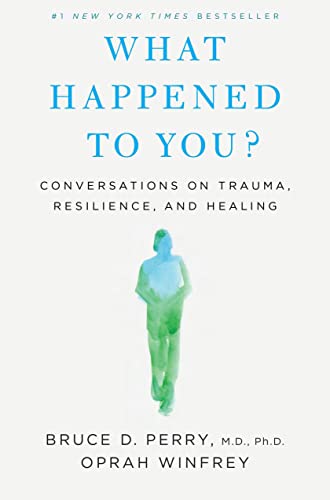
What Happened to You?
Bruce D. Perry, M.D., PhD & Oprah Winfrey
A conversational introduction to how early experience shapes us — reframing 'what's wrong with you' into 'what happened to you.'
As an Amazon Associate, Clarity House Press earns from qualifying purchases. Your price is never affected.
Found this helpful?
Share it with someone who might need it.
About the Author

Clarity House Press
Editorial Team
The editorial team at Clarity House Press curates and publishes evidence-based content on narcissistic abuse recovery, high-conflict divorce, and healing. Our content is informed by research, survivor experiences, and established trauma-informed approaches.
View all posts by Clarity House Press →Published by Clarity House Press Editorial Team