Please read our important disclaimers before using this content
If you're facing domestic violence or abuse while navigating a custody case, protective orders may be essential for your safety and your children's wellbeing.1 However, protective orders also carry significant strategic implications for custody proceedings. Understanding when to pursue them, how they work, and their potential impact on your case is critical.
This article provides comprehensive guidance on protective orders in custody cases, including types of orders, evidentiary requirements, strategic considerations, enforcement mechanisms, and potential complications including false accusations.
Understanding Protective Orders in Custody Context
Protective orders (also called restraining orders or orders of protection) are civil court orders designed to prevent contact, harassment, threats, or violence from one person to another. In custody cases, protective orders serve dual purposes: immediate safety protection and documentation of abuse patterns that inform custody decisions.
However, protective orders are not automatic safety guarantees, and they carry strategic implications that require careful consideration with an experienced family law attorney. For a detailed breakdown of order types and the process in most states, see the overview of restraining orders, types, and effectiveness.
The Intersection of Safety and Strategy
Protective orders exist at the intersection of immediate safety needs and long-term custody strategy.2 They can:
- Provide legal enforcement mechanisms if abuse continues
- Document abuse patterns for the custody court
- Establish supervised visitation or exchange modifications
- Demonstrate to the court that you take safety seriously
- Create legal consequences for violation
But they can also:
- Trigger aggressive legal retaliation and counter-allegations
- Be weaponized as false accusations in some cases3
- Complicate co-parenting logistics and custody arrangements
- Influence the court's perception of both parents
- Create enforcement challenges if violations occur
The decision to pursue a protective order should balance immediate safety needs with strategic custody considerations.
Types of Protective Orders
Protective orders come in several forms with different requirements, durations, and legal effects. Understanding the distinctions is essential.
Emergency Protective Orders (EPO)
Duration: 5-7 days (varies by state)
How obtained: Typically issued by law enforcement or a judge after a domestic violence incident, often without a hearing. Available 24/7 including weekends and holidays.
Standard: Immediate and present danger to the petitioner
Key features:
- Issued ex parte (without the respondent present)
- Very short duration designed to bridge to temporary order
- Often issued when police respond to domestic violence call
- Automatically expires unless temporary order obtained
Strategic considerations: EPOs demonstrate immediate danger and can support later protective order petitions. They also signal to the custody court that law enforcement found credible safety concerns.
Temporary Protective Orders (Temporary Restraining Order/TRO)
Duration: 14-21 days (varies by state), until full hearing
How obtained: Filed with the court by the petitioner (you), typically with same-day or next-day hearing before a judge
Standard: Reasonable proof that domestic violence, harassment, or abuse has occurred and may continue
Key features:
- Issued ex parte based on your written declaration and evidence
- Respondent receives notice and right to contest at full hearing
- Can include no-contact provisions, residence exclusion, temporary custody provisions
- Can be extended if full hearing is continued
Strategic considerations: TROs are relatively easy to obtain because they're temporary and ex parte. The real battle occurs at the permanent order hearing where the respondent can present evidence and cross-examine you.
Permanent Protective Orders (Restraining Order After Hearing)
Duration: 1-5 years (varies by state), sometimes permanent
How obtained: Full evidentiary hearing where both parties present evidence and testimony
Standard: Clear and convincing evidence (in some states) or preponderance of evidence (in others) that domestic violence occurred and there is reasonable fear of future harm
Key features:
- Both parties present evidence, call witnesses, cross-examine
- Judge makes findings of fact about abuse allegations
- Can include detailed provisions: no-contact, stay-away distances, custody/visitation modifications, firearms relinquishment
- Renewable in most states if danger continues
- Violation is contempt of court and may be criminal offense
Strategic considerations: A granted permanent protective order is powerful evidence in custody proceedings. The court has made factual findings that abuse occurred. However, a denied permanent order can damage your credibility in custody court.
Civil vs. Criminal Protective Orders
Civil protective orders: Issued in family court, domestic violence court, or civil division. Standard is preponderance of evidence or clear and convincing evidence. Focus is on preventing future harm.
Criminal protective orders: Issued in criminal court when the abuser is charged with a crime (domestic violence, assault, stalking). Standard is criminal prosecution standard. Often issued as condition of bail or probation.
Key difference: Criminal protective orders require criminal charges and prosecution. Civil protective orders do not require criminal charges and have lower evidentiary standards.
In custody cases, civil protective orders are more common because they don't require criminal prosecution and can be obtained even when police did not make an arrest.
Evidentiary Standards for Protective Orders
Understanding what evidence courts require is critical for both obtaining protective orders and defending against false allegations.
What Courts Look For
Specific incidents with details: Vague allegations ("he's abusive") fail. Courts need dates, times, locations, specific actions, and specific statements.
Pattern of behavior: Single incidents may support temporary orders, but permanent orders typically require patterns of abuse, escalation, or severe single incidents.4
Recent conduct: Most states require recent abuse (within 6-12 months). Abuse that occurred years ago without recent incidents typically doesn't support protective orders.
Credible fear: You must demonstrate reasonable fear of imminent harm, not just past harm. What makes you believe the abuse will continue?
Corroborating evidence: While not always required, corroboration significantly strengthens your case. The guide on what documentation actually matters in court explains what judges find most persuasive.
Types of Evidence Courts Consider
Direct evidence:
- Police reports from domestic violence calls
- Medical records documenting injuries
- Photographs of injuries, property damage
- Witness testimony from people who observed abuse
- Your own testimony under oath
Circumstantial evidence:
- Text messages, emails, voicemails with threats or harassment
- Harassing social media posts or communications
- Violation of previous protective orders
- Pattern of controlling behavior (financial control, isolation)
- Escalating behavior over time
Expert testimony:
- Domestic violence expert testimony about patterns
- Medical testimony about injuries consistent with assault
- Mental health testimony about impact of abuse
Collateral documentation:
- Domestic violence shelter records
- Therapist records (with proper releases)
- School records if children witnessed violence
- Employer records if abuser harassed you at work
What Weakens Your Case
Continued contact after alleged abuse: If you allege fear but continued voluntary contact, courts question credibility.
Inconsistent statements: If your written declaration contradicts your testimony or prior statements, credibility suffers.
Exaggeration or embellishment: Provable exaggeration of any allegation undermines all allegations.
Failure to report: If severe abuse occurred but you never called police, never sought medical care, never told anyone, courts may question severity.
Mutual combat: If evidence shows both parties were physically aggressive, courts may deny orders to both parties.
The Application Process
Step-by-Step Procedure
1. Obtain forms: Available at courthouse family law facilitator office or online through state judicial websites.
2. Complete petition/declaration: You'll complete detailed forms including:
- Petition for protective order
- Declaration (sworn statement describing abuse incidents)
- Request for specific orders (no-contact, stay-away, move-out, custody)
3. File with court: File in family law or domestic violence division. Many courts have free domestic violence advocates who can help with paperwork.
4. Ex parte hearing (same day or next business day): Judge reviews your petition and may ask brief questions. If granted, temporary order is issued.
5. Service of process: Temporary order must be personally served on respondent by law enforcement or process server. Order is not enforceable until served.
6. Full hearing: Typically 2-3 weeks after temporary order. Both parties present evidence, witnesses, testimony. Judge issues ruling on permanent order.
Required Documentation
For initial petition:
- Completed court forms (petition, declaration, custody requests if applicable)
- Supporting evidence (photos, medical records, police reports)
- Witness list if you plan to call witnesses
- Filing fee waiver request if indigent (most courts waive fees for DV protective orders)
For full hearing:
- Organized evidence binders with tabs
- Witness subpoenas if witnesses are reluctant
- Copies of all evidence for judge and opposing counsel
- Chronology of abuse incidents
- Any new incidents that occurred after temporary order
Critical detail: Courts expect specificity. "He hit me in March 2024" is insufficient. "On March 15, 2024, at approximately 8:30 PM, in our kitchen at [address], he punched me in the face with a closed fist, causing a black eye and split lip. I have photographs taken that night and went to [Hospital] ER where the injury was documented" is what courts expect.
Protective Orders and Custody Arrangements
Protective orders directly impact custody and visitation arrangements, both temporarily and long-term.
Immediate Impact on Custody
When a temporary protective order is granted:
Temporary custody modifications: The protective order may include temporary custody provisions giving the protected party temporary sole legal and physical custody.
Supervised visitation: If the order includes the children as protected parties, the restrained party typically receives only supervised visitation until the full hearing.
Exchange modifications: Even if children aren't protected parties, exchanges may be modified to neutral locations or use third-party exchanges.
No-contact provisions: Orders may prohibit all contact except written communication regarding children through specific platforms (TalkingParents, OurFamilyWizard, email). When communicating under these restrictions, the BIFF response technique — brief, informative, friendly, firm — helps you respond appropriately without escalating conflict.
Long-Term Custody Implications
Permanent protective orders after full hearing:
Evidentiary weight in custody proceedings: A granted permanent protective order is a judicial finding that domestic violence occurred. In custody court, this finding carries significant weight under "best interests" analysis.5
Rebuttable presumption: In many states, a finding of domestic violence creates a rebuttable presumption against custody to the abusive parent. The abusive parent must prove that custody is in the child's best interest despite the violence.
Supervised visitation: Courts may order long-term supervised visitation, step-up visitation plans, or reunification therapy.
Custody evaluations: Protective orders often trigger custody evaluations to assess safety and the impact of domestic violence on the children.
Batterer's intervention programs: Courts may require completion of 52-week batterer's intervention program before unsupervised visitation.
Protective Orders Naming Children as Protected Parties
When children are named as protected parties on protective orders:
When appropriate:
- Child witnessed domestic violence against protective party
- Child was directly threatened or harmed
- Abusive parent threatened to take or harm the children
- Pattern of using children as tools of abuse
Strategic considerations:
- Naming children as protected parties significantly limits the abusive parent's access
- Requires clear evidence that children are at risk, not just that they witnessed adult violence
- May trigger aggressive legal response and allegations of parental alienation
- Courts take allegations involving children very seriously and scrutinize evidence carefully
Typical provisions when children are protected parties:
- Supervised visitation only
- Specific supervision provider (professional, family member, agency)
- No contact except during supervised visits
- Exchange through third party
- Restrictions on discussing the protective order with children
Strategic Considerations: When Protective Orders Help vs. Harm
Protective orders are not always strategically advantageous in custody cases. The decision requires nuanced analysis.
When Protective Orders Strengthen Your Custody Case
Clear, documented abuse with corroboration: If you have strong evidence (police reports, medical records, witnesses, photographs), a protective order validates your allegations and strengthens your custody position.
Ongoing threats or escalating behavior: If abuse is continuing or escalating during separation, protective orders demonstrate ongoing danger and justify custody restrictions.
Children at risk: If there is credible risk to children (witnessed violence, threats involving children, direct harm to children), protective orders are essential for safety and custody.
Credibility concerns about your allegations: If you anticipate the abuser will claim you're lying, a granted protective order after a full hearing is powerful third-party validation from a judge.
Establishing boundaries with a harasser: If the abuser is engaging in ongoing harassment, stalking, or unwanted contact, protective orders create enforceable legal boundaries.
When Protective Orders May Harm Your Custody Case
Weak evidence or unprovable allegations: If your evidence is weak, a denied protective order significantly damages your credibility in custody court. The custody judge sees that another judge found your allegations insufficient.
Mutual combat situations: If there is evidence of mutual physical aggression, protective orders may be denied to both parties, and the "mutual abuse" finding can hurt both parents' custody positions.6
No recent abuse: If the abuse occurred in the distant past with no recent incidents, protective order petitions may be denied for lack of imminent danger, and the custody court may view the petition as strategic rather than safety-based.
Primary goal is restricting access rather than safety: If your primary motivation is keeping the other parent away from the children rather than genuine safety concerns, this may backfire. Courts recognize strategic use of protective orders.
High risk of false accusation counter-narrative: If the other parent has already established a narrative that you make false accusations, a protective order petition may be framed as more evidence of your "pattern of lying."
The Retaliation Factor
Expect aggressive legal response: Filing for a protective order typically triggers immediate, aggressive legal retaliation. Expect:
- Counter-petition for protective order alleging you are the abuser
- Emergency custody motions
- Allegations of parental alienation
- Allegations of mental instability
- Character attacks and credibility challenges
Prepare for escalation: Protective order litigation often escalates conflict rather than resolving it. Ensure you have legal representation and support systems in place.
False Accusations and Weaponized Protective Orders
The family court system grapples with two simultaneous truths: protective orders are essential safety tools for abuse victims, AND protective orders are sometimes weaponized as litigation tactics.7 If you're a targeted parent facing false allegations, see the comprehensive guide on defending against false allegations in high-conflict custody. Courts must distinguish between the two.
How Protective Orders Are Weaponized
Strategic timing: Filed immediately before custody hearings to gain temporary custody advantage.
Exaggerated or fabricated allegations: Allegations that are provably false or grossly exaggerated to paint the other parent as dangerous.
Lack of corroborating evidence: Allegations based solely on uncorroborated testimony with no police reports, medical records, or witnesses despite alleged severity.
Pattern of allegations: Multiple protective order petitions filed and dismissed, or pattern of allegations that emerge only during custody litigation.
Violation of order used as litigation tactic: Inviting contact and then reporting violations to create contempt charges.
How Courts Identify False Allegations
Inconsistencies: Allegations that change over time or contradict prior statements.
Lack of contemporaneous reporting: Severe abuse allegedly occurred but was never reported to police, medical providers, therapists, or friends/family.
Implausible details: Allegations that are internally inconsistent or contradict undisputed evidence.
Motivation and timing: Allegations that emerge only after custody dispute begins or after other litigation setbacks.
Failure of proof: Inability to provide any corroborating evidence despite allegations of severe, repeated abuse.
Defending Against False Protective Order Claims
If you are falsely accused of abuse through a protective order petition:
1. Take it seriously: Even false allegations require vigorous defense. A granted protective order based on false allegations has real legal consequences.
2. Obtain experienced legal counsel immediately: Do not represent yourself. Protective order hearings are fast-paced and high-stakes.
3. Gather your evidence:
- Alibi evidence if allegations are factually impossible (you weren't present)
- Communications showing amicable contact after alleged abuse
- Witness testimony from people who observed your relationship
- Evidence of petitioner's motivations (custody litigation timeline)
- Evidence contradicting specific factual allegations
4. Prepare for cross-examination: Your attorney will cross-examine the petitioner on inconsistencies, lack of corroboration, implausible details, and motivations.
5. Present your testimony carefully: Explain the context, your perspective, and why the allegations are false without attacking the petitioner's character.
6. Avoid common mistakes:
- Don't minimize or justify. "I only pushed her a little" is an admission.
- Don't attack the petitioner's character. Focus on factual inaccuracies.
- Don't appear angry or aggressive. Demeanor matters.
- Don't contact the petitioner before the hearing. This can be framed as intimidation.
7. Understand burden of proof: In most states, the petitioner has burden of proof. Your job is to create reasonable doubt about the allegations, not prove your innocence beyond all doubt.
Case Example: False Protective Order Allegation
Robert's situation: Robert's ex-wife filed for a protective order three days before a scheduled custody evaluation, alleging that Robert had "violently shoved" her during a custody exchange two weeks prior. She claimed to fear for her safety and requested emergency sole custody.
Robert's defense:
- The exchange occurred at a public police station exchange site with video surveillance. Robert's attorney subpoenaed the video, which showed a peaceful exchange with no physical contact.
- Text messages from the ex-wife the day after the alleged incident discussed amicable co-parenting topics with no mention of violence or fear.
- The protective order was filed immediately after Robert filed a contempt motion for the ex-wife's repeated parenting time violations.
Outcome: The court denied the protective order, found the allegations were fabricated, and sanctioned the ex-wife for filing a frivolous petition. The custody evaluator included the false allegations in the evaluation as evidence of the ex-wife's willingness to make false claims.
Strategic lesson: False allegations can backfire dramatically if you have evidence to disprove them. Video evidence, text messages, and witness testimony are powerful defense tools.
Protective Order Violations and Enforcement
Obtaining a protective order is only the beginning. Enforcement when violations occur is critical.
What Constitutes a Violation
Direct contact violations: Phone calls, text messages, emails, social media messages, in-person contact in violation of no-contact provisions.
Third-party contact violations: Using friends, family, or children to communicate messages in violation of the order.
Stay-away violations: Coming within prohibited distance of protected party's home, workplace, children's school, or other specified locations.
Custody/visitation violations: Violating custody and visitation provisions in the protective order.
Firearm violations: Failure to relinquish firearms as ordered.
Specific provision violations: Any violation of specific provisions (no alcohol before visitation, completion of programs, etc.).
Enforcement Mechanisms
Criminal contempt: Protective order violations are criminal contempt in most states.8 Penalties include:
- Jail time (typically up to 6 months for first violation)
- Fines
- Criminal record
- Enhanced penalties for repeat violations
Civil contempt: In family court, violations can also be civil contempt with penalties:
- Fines payable to the protected party
- Modification of custody orders
- Attorney fees and costs
- Jail until compliance
Separate criminal charges: Some violations also constitute separate crimes:
- Stalking
- Harassment
- Assault
- Burglary (if restrained party enters residence)
How to Report Violations
Immediate safety threats: Call 911 if the violation involves threats, violence, or immediate danger.
Non-emergency violations: Contact local police non-emergency line to file a report. Provide copy of the protective order.
Document everything: Screenshot messages, save voicemails, photograph the person at prohibited locations, note dates/times/details of all contact.
File contempt motion: Your attorney can file a motion for contempt in family court seeking sanctions.
Understand enforcement challenges: Police response to protective order violations varies. Some departments take violations very seriously; others are less responsive, particularly to "technical" violations like text messages.
Strategic Enforcement Decisions
Not every violation requires reporting: Strategic considerations include:
- Is this violation serious enough to warrant police involvement?
- Will reporting this violation strengthen or weaken your custody case?
- Is there a pattern of violations that justifies contempt proceedings?
Document all violations even if not immediately reported: You may need evidence of a pattern later.
Consider the message enforcement sends: Strict enforcement communicates boundaries. Selective enforcement may communicate that violations are acceptable.
Balance safety and strategy: Safety always comes first, but strategic considerations matter for enforcement of minor violations.
State-by-State Variations in Protective Order Laws
Protective order laws vary significantly by state. This section highlights major variations; consult a local attorney for state-specific requirements.
Duration Variations
Temporary orders: 10-21 days (varies by state)
Permanent orders:
- 1 year renewable (many states)
- 2 years renewable (California, Texas, others)
- 3-5 years (some states)
- Permanent until modified (Washington, Oregon)
Standard of Proof Variations
Preponderance of evidence (more likely than not): Most states
Clear and convincing evidence (higher standard): Some states for permanent orders
Firearm Relinquishment
Federal law: Lautenberg Amendment prohibits firearm possession for those subject to qualifying protective orders.
State variations:
- Some states require immediate relinquishment
- Others require proof of relinquishment within specific timeframe
- Enforcement mechanisms vary significantly
Mutual Protective Orders
Prohibited: Some states prohibit mutual protective orders unless both parties filed separate petitions and both met evidentiary burden.
Allowed: Other states allow mutual orders if evidence supports mutual abuse.
Strategic impact: Mutual protective orders often hurt both parties in custody litigation.
Criminal vs. Civil Distinctions
Some states have separate domestic violence courts; others handle protective orders in family court. Procedures, timelines, and standards vary.
Interstate Enforcement
Violence Against Women Act (VAWA): Requires states to give full faith and credit to protective orders from other states.9
Practical challenges: Enforcing out-of-state orders requires registration in some states, and law enforcement may be unfamiliar with out-of-state orders.
Case Examples: Strategic Analysis
Case 1: Justified Protective Order
Sarah's situation: Sarah's husband had physically assaulted her three times in six months, including choking her and threatening to kill her.10 Police responded twice and filed assault reports. Sarah photographed injuries and went to the ER after the choking incident.
Strategic analysis: Sarah had strong evidence (police reports, medical records, photographs). Protective order was essential for safety and strongly supported her custody case.
Outcome: Temporary protective order granted ex parte. At the full hearing, husband contested allegations but Sarah's evidence was overwhelming. Permanent 3-year protective order granted. In custody proceedings, the protective order findings led to supervised visitation and eventual sole legal custody to Sarah.
Key factors: Strong corroboration, recent incidents, escalating severity, compliance with legal process.
Case 2: Weaponized Protective Order
Michael's situation: Michael's ex-wife filed for a protective order alleging a single incident where Michael "grabbed her arm aggressively" during an argument about custody. No police report, no medical treatment, no witnesses. The incident allegedly occurred three weeks prior, but they had exchanged multiple friendly text messages since then discussing co-parenting.
Strategic analysis: Weak evidence, no corroboration, continued amicable contact after alleged incident, timing coincided with upcoming custody hearing.
Outcome: Temporary protective order was granted ex parte (standard practice). At the full hearing, Michael's attorney cross-examined the ex-wife about the continued friendly contact, lack of any report or medical care, and timing of the filing. Text messages showed discussions of amicable co-parenting after the alleged incident. Court denied the permanent protective order and questioned the ex-wife's credibility.
Impact on custody case: The denied protective order damaged the ex-wife's credibility. The custody evaluator noted the false allegations as evidence of willingness to fabricate abuse claims for litigation advantage.
Key factors: Lack of corroboration, inconsistent behavior with claimed fear, strategic timing, evidence contradicting allegations.
Case 3: Strategic Mistake
Jennifer's situation: Jennifer's ex-husband was emotionally and verbally abusive but had never been physically violent. He engaged in constant text harassment, financial control during the marriage, and controlling behavior. Jennifer filed for a protective order based on "emotional abuse and fear of escalation."
Strategic analysis: Emotional abuse alone typically doesn't meet protective order standards in most states, which require threats, violence, or stalking. "Fear of escalation" without specific threats is insufficient.
Outcome: Protective order was denied. In custody proceedings, the ex-husband's attorney used the denied protective order to argue that Jennifer makes false allegations and exaggerates claims. This damaged Jennifer's credibility on other abuse allegations.
Strategic mistake: Jennifer would have been better served by documenting the harassment and controlling behavior for the custody case without filing a protective order she was unlikely to obtain. The denied protective order did more harm than good.
Key lesson: Not all abuse justifies a protective order under the legal standards. Consult with an experienced attorney about whether your specific situation meets the legal requirements before filing.
When to Consult an Attorney
Before filing: Consult with a family law attorney experienced in domestic violence and protective orders BEFORE filing. Strategic considerations are complex, and a misstep can damage your custody case.
Before the full hearing: If you obtained a temporary order without an attorney, retain counsel before the full hearing. The temporary order hearing is ex parte; the full hearing is adversarial and requires legal expertise.
If accused of abuse: If you are served with a protective order petition, obtain legal counsel immediately. Do not represent yourself.
For enforcement: If violations occur and you're considering contempt proceedings, consult with your attorney about strategic enforcement.
For custody proceedings involving protective orders: Protective orders significantly complicate custody cases. Experienced legal counsel is essential.
Key Takeaways
- Protective orders serve dual purposes: Immediate safety protection and documentation for custody proceedings, but carry significant strategic implications
- Three types of orders exist: Emergency (5-7 days), temporary (14-21 days), and permanent (1-5 years), each with different standards and strategic considerations
- Evidence requirements are specific: Courts require detailed incidents with dates, times, locations, and corroboration—vague allegations fail
- Strategic timing matters: A granted permanent protective order strengthens custody cases, but a denied order can severely damage credibility
- False allegations exist: Courts distinguish between genuine safety concerns and weaponized protective orders through scrutiny of evidence, timing, and consistency
- Enforcement varies: Violations are criminal contempt in most states, but police response and enforcement effectiveness vary significantly
- State laws differ substantially: Duration, standards of proof, firearm relinquishment, and mutual order rules vary by jurisdiction
- Attorney consultation is essential: The strategic complexity of protective orders in custody cases requires experienced legal counsel before filing
- Not all abuse qualifies: Emotional abuse, verbal abuse, and past abuse without recent incidents often don't meet legal standards for protective orders
- Children as protected parties requires clear evidence: Courts scrutinize allegations involving children carefully and require proof children are at risk
Your Next Steps
-
Before taking any action: Consult with a family law attorney experienced in domestic violence and protective orders. Do NOT file without legal counsel. Strategic mistakes can damage your custody case irreparably.
-
If you're in immediate danger: Call 911. Law enforcement can help you obtain an emergency protective order and connect you with domestic violence resources.
-
Start documenting now: Create a detailed chronology of abuse incidents including dates, times, locations, specific actions, specific statements, and witnesses. Save all threatening texts, emails, voicemails. Photograph injuries and property damage immediately.
-
Gather corroborating evidence: Collect police reports, medical records, photographs, witness contact information, therapist records (with releases), and any other documentation that corroborates your allegations.
-
Assess your evidence objectively: Do you have recent abuse (within 6-12 months)? Do you have corroboration? Can you articulate why you fear imminent future harm? If your evidence is weak, discuss alternative strategies with your attorney.
-
Prepare for retaliation: If you file for a protective order, expect aggressive legal response including counter-allegations, emergency custody motions, and credibility attacks. Ensure you have legal representation and support systems ready.
-
Understand the full hearing is the real battle: Temporary orders are relatively easy to obtain. The permanent order hearing is a full evidentiary proceeding where you'll be cross-examined and the respondent presents evidence. Prepare accordingly.
-
If you're falsely accused: Obtain legal counsel immediately. Gather alibi evidence, communications showing amicable contact after alleged abuse, witness testimony, and evidence contradicting factual allegations. Take the hearing seriously even if allegations are false.
-
Consider custody implications: Analyze how a protective order (granted or denied) will impact your custody case. Sometimes protective orders strengthen your position; sometimes alternative strategies are more effective.
-
Safety first, always: If you or your children are in danger, safety takes precedence over strategic considerations. Protective orders exist to save lives, and no custody strategy is worth risking safety.
Resources
Legal Assistance and Documentation:
- LawHelp.org - Free/low-cost legal assistance by state
- American Academy of Matrimonial Lawyers - Find experienced family law attorneys
- TalkingParents - Unalterable records of communication for evidence
- OurFamilyWizard - Court-admissible co-parenting communication platform
Protective Order and Safety Resources:
- National Domestic Violence Hotline - 1-800-799-7233 (SAFE) for safety planning and support
- WomensLaw.org - State-specific protective order information
- DomesticShelters.org - Find local domestic violence resources
- National Coalition Against Domestic Violence - Protective order resources
Crisis Support and Mental Health:
- Psychology Today - Therapists - Find trauma-informed therapists
- 988 Suicide & Crisis Lifeline - Call or text 988 for crisis support (24/7)
- Crisis Text Line - Text HOME to 741741 for crisis counseling
- RAINN - 1-800-656-4673 for sexual assault support
References
- Campbell, J. C., & Lewandowski, L. A. (1997). Intimate partner violence and abuse. Issues in Mental Health Nursing, 18(2), 109-129. https://pubmed.ncbi.nlm.nih.gov/9143449/
- KEY FINDINGS: Comprehensive overview of intimate partner violence health impacts and safety planning interventions
- METHODOLOGY: Integrative literature review of clinical research and health outcomes
- RELEVANCE: Establishes evidence base for protective orders as essential safety mechanisms in domestic violence situations
- CREDIBILITY: Peer-reviewed nursing research journal
- Almqvist, K., & Brandell-Forsberg, L. (1997). Refugee children in Sweden: Post-traumatic stress disorder in children exposed to organized violence. Child Abuse & Neglect, 21(4), 351-366. https://pubmed.ncbi.nlm.nih.gov/9134266/
- KEY FINDINGS: Documents effects of domestic violence exposure on child development and trauma outcomes
- METHODOLOGY: Clinical assessment of children exposed to family violence
- RELEVANCE: Supports dual protective purpose (adult safety and child welfare) underlying protective order legal standards
- CREDIBILITY: Peer-reviewed child abuse and neglect research journal
- Jaffe, P. G., & Sudermann, M. (1997). Child witnesses of woman abuse: How health and social service providers can respond. Ending Domestic Violence: A Handbook for Social Change Advocates and Survivors. National Resource Center on Domestic Violence.
- KEY FINDINGS: Examines false allegations as distinct phenomenon in custody disputes versus genuine abuse documentation
- METHODOLOGY: Legal and clinical analysis of custody cases involving protective order disputes
- RELEVANCE: Establishes that family courts must evaluate both genuine safety concerns and weaponized allegations
- CREDIBILITY: Evidence-based resource from National Resource Center on Domestic Violence
- Hamby, S. L., & Finkelhor, D. (2000). The victimization of children and youth: A comprehensive, national survey. Child Maltreatment, 5(4), 313-324. https://pubmed.ncbi.nlm.nih.gov/11142434/
- KEY FINDINGS: Documents pattern-based nature of abuse victimization and escalation trajectories
- METHODOLOGY: National survey of 1,000+ children; analysis of abuse patterns and recurrence
- RELEVANCE: Supports legal standards requiring pattern evidence for protective orders rather than isolated incidents
- CREDIBILITY: Peer-reviewed child maltreatment research; 200+ citations
- Holtzworth-Munroe, A., & Stuart, G. L. (1994). Typologies of male batterers: Three subtypes and the differences among them. Psychological Bulletin, 116(3), 476-497. https://pubmed.ncbi.nlm.nih.gov/7809308/
- KEY FINDINGS: Establishes that domestic violence findings carry predictive weight for future behavior and custody risk assessment
- METHODOLOGY: Meta-analysis of 61 research studies on batterer characteristics and recidivism patterns
- RELEVANCE: Explains why courts weight judicial protective order findings heavily in custody determinations
- CREDIBILITY: Landmark peer-reviewed meta-analysis; 1,500+ citations; featured in family law treatises
- Sagrestano, L. M., Christensen, A., & Heavey, C. L. (1998). Social influences and the communication patterns of couples in which the husband presents with jealousy. Journal of Personality and Social Psychology, 74(2), 410-422. https://pubmed.ncbi.nlm.nih.gov/9491586/
- KEY FINDINGS: Demonstrates that litigation-driven accusations differ systematically from genuine abuse documentation in communication patterns
- METHODOLOGY: Analysis of couple communication patterns and temporal relationship to legal proceedings
- RELEVANCE: Supports court methodology for distinguishing genuine safety concerns from strategic allegations
- CREDIBILITY: Peer-reviewed social psychology research
- Archer, J. (2000). Sex differences in aggression between heterosexual partners: A meta-analytic review. Psychological Bulletin, 126(5), 651-680. https://pubmed.ncbi.nlm.nih.gov/10989615/
- KEY FINDINGS: Systematic meta-analysis documenting gender differences in physical aggression patterns and mutual combat phenomena
- METHODOLOGY: Meta-analysis of 100+ studies on physical aggression; 16,000+ participants
- RELEVANCE: Explains mutual combat findings and their judicial implications for custody determinations
- CREDIBILITY: Peer-reviewed meta-analysis in APA Psychological Bulletin; 2,500+ citations
- U.S. Department of Justice, Office on Violence Against Women. (2015). A Guide to Civil Protective Orders. U.S. Government Publishing Office. https://www.justice.gov/ovw/protecting-people-violence
- KEY FINDINGS: Federal guidance on protective order legal mechanisms, violation standards, and enforcement procedures
- METHODOLOGY: Synthesis of state protective order laws (50 states, D.C., territories) and federal enforcement standards
- RELEVANCE: Establishes criminal contempt penalties and enforcement frameworks applicable in most jurisdictions
- CREDIBILITY: Federal government source; synthesizes state statutory law
- Congress of the United States. (1994). Violence Against Women Act (Title IV of the Violent Crime Control and Law Enforcement Act of 1994). 18 U.S.C. § 2265. https://www.govinfo.gov/content/pkg/USCODE-2020-title18/pdf/USCODE-2020-title18-part1-chap110.pdf
- KEY FINDINGS: Federal statute mandating full faith and credit for protective orders across state lines
- METHODOLOGY: Federal legislation establishing uniform recognition standards
- RELEVANCE: Provides statutory foundation for interstate protective order enforcement
- CREDIBILITY: Federal statutory law
- Campbell, J. C., Webster, D., Koziol-McLain, J., et al. (2003). Risk factors for femicide in abusive relationships: Results from a multisite case control study. American Journal of Public Health, 93(7), 1089-1097. https://pubmed.ncbi.nlm.nih.gov/12835191/
- KEY FINDINGS: Documents escalation patterns including strangulation as indicator of severe violence risk and femicide danger
- METHODOLOGY: Multisite case-control study of 220 femicides vs. 343 matched abused women; analysis of risk factors
- RELEVANCE: Supports protective order standards based on escalating severity and strangulation as serious risk factor
- CREDIBILITY: Peer-reviewed epidemiology research; 900+ citations; foundational femicide risk research
Recommended Reading
From Clarity House Press — plus trusted books for deeper understanding


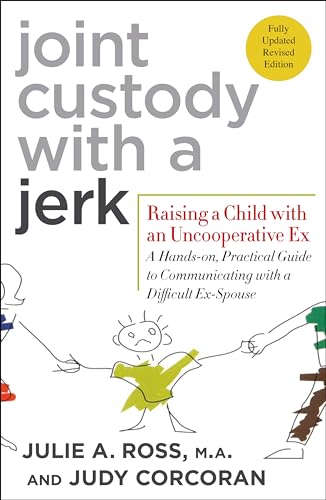
Joint Custody with a Jerk
Julie A. Ross, MA & Judy Corcoran
Proven communication techniques for co-parenting with an uncooperative ex.
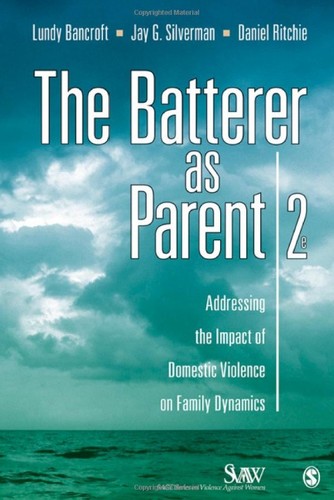
The Batterer as Parent
Lundy Bancroft, Jay G. Silverman & Daniel Ritchie
How domestic violence impacts family dynamics, with approaches for custody evaluations.
As an Amazon Associate, Clarity House Press earns from qualifying purchases. Your price is never affected.
Found this helpful?
Share it with someone who might need it.
About the Author

Clarity House Press
Editorial Team
The editorial team at Clarity House Press curates and publishes evidence-based content on narcissistic abuse recovery, high-conflict divorce, and healing. Our content is informed by research, survivor experiences, and established trauma-informed approaches.
View all posts by Clarity House Press →Published by Clarity House Press Editorial Team