Please read our important disclaimers before using this content
You've tried therapy. You've tried meditation. You've tried medication. And still, your brain won't turn off the threat alarm. You can't sleep. You can't concentrate. Your emotional reactions swing from shutdown to explosive with no middle ground. You startle at every sound. You dissociate without warning.
Complex PTSD fundamentally changes how your brain functions. Years of living in survival mode alter brainwave patterns, creating neural pathways that keep you stuck in hypervigilance, dissociation, or emotional dysregulation long after the danger has passed. Understanding the neurobiological changes in C-PTSD provides critical context for why neurofeedback works. Your brain is doing exactly what it learned to do during relational trauma: stay in survival mode, scan for threats, don't trust safety cues. The problem isn't your willpower or insight—it's that your brain's regulatory systems are stuck in maladaptive patterns.
Neurofeedback offers a different approach: using real-time brain activity monitoring to teach your brain new, regulated patterns without medication and without requiring you to talk about traumatic events. This comprehensive guide explores what neurofeedback is, how it works for trauma survivors, what the research shows, brainwave protocols, costs, provider selection, and how to determine if it might be right for your healing journey.
What Is Neurofeedback?
Neurofeedback, also called EEG biofeedback, is a form of brain training that uses real-time monitoring of brain electrical activity to help you learn to regulate your own neural patterns. During a session, sensors are placed on your scalp to measure brainwave activity. This information is fed back to you through visual or auditory signals, allowing you to see when your brain is producing the desired patterns.
Think of it like physical therapy for your brain. Just as you might learn to strengthen a weak muscle through targeted exercises, neurofeedback helps you strengthen neural pathways associated with calm, focused, regulated states.
How Neurofeedback Sessions Work
A typical neurofeedback session lasts 30-60 minutes. You sit in a comfortable chair with sensors attached to specific locations on your scalp. These sensors detect electrical activity in different brain regions. The technician or clinician positions the sensors based on what brainwave patterns they are targeting.
You might watch a screen showing a video game, movie, or simple visualization. When your brain produces the target patterns, you receive positive feedback, often the screen brightening, sounds becoming clearer, or a game character moving forward. When your brain drifts from the target, the feedback dims or pauses.
Your brain naturally seeks positive reinforcement. Over time, it learns to produce the healthier patterns more automatically, without conscious effort. This process is called operant conditioning of neural activity.
Most protocols require 20-40 sessions to see lasting changes, though some people notice shifts earlier. Sessions typically occur 2-3 times per week initially.
Understanding Brainwave Frequencies
Your brain produces electrical activity at different frequencies, each associated with different mental states. In neurofeedback for trauma, practitioners target specific frequencies to address dysregulated patterns.
Delta Waves (0.5-4 Hz)
- Associated with: Deep sleep, healing, regeneration
- In trauma: May be underproduced, contributing to sleep problems
- Overproduction: Can contribute to brain fog and dissociation when awake
Theta Waves (4-8 Hz)
- Associated with: Light sleep, creativity, deep relaxation, memory consolidation
- In trauma: Often overproduced during waking (dissociation, spaciness, brain fog)
- Appropriate production: Necessary for trauma processing and memory integration
Alpha Waves (8-12 Hz)
- Associated with: Calm alertness, relaxation, present-moment awareness
- In trauma: Often underproduced, preventing the ability to relax even when safe
- Healthy production: The bridge between alert and relaxed states
Beta Waves (12-30 Hz)
- Associated with: Active thinking, focus, problem-solving, alertness
- In trauma: Often overproduced (hypervigilance, rumination, anxiety)
- Appropriate levels: Necessary for concentration and task completion
High Beta (20-30 Hz)
- Associated with: Stress, anxiety, fight-or-flight activation
- In trauma: Chronically elevated, brain stuck in threat mode
- When excessive: Anxiety disorders, insomnia, emotional dysregulation
Gamma Waves (30-100 Hz)
- Associated with: Peak cognitive performance, information processing, binding sensory information
- In trauma: Often dysregulated (too much or too little)
- Proper regulation: Important for coherent sensory integration
The Neuroscience of Trauma and Brain Regulation
To understand why neurofeedback may help with complex PTSD, you need to understand how trauma affects the brain.
Altered Brainwave Patterns in Trauma Survivors
Research using quantitative EEG (qEEG) has identified consistent differences in the brainwave patterns of trauma survivors compared to those without trauma histories:
Excessive high-frequency beta waves: Many trauma survivors show elevated fast beta activity, particularly in frontal regions. This correlates with hypervigilance, anxiety, and the racing thoughts that make it hard to relax or sleep.
Reduced alpha waves: Alpha waves (8-12 Hz) are associated with calm, relaxed alertness. Trauma survivors often show suppressed alpha, particularly over the right hemisphere. This may relate to the inability to feel safe even in objectively safe environments.
Dysregulated theta-beta ratios: Some research shows unusual relationships between slow theta waves (associated with drowsiness and internal focus) and fast beta waves. This may correlate with attention problems and dissociative symptoms.
Frontal asymmetry: Healthy brains typically show balanced activity between left and right frontal regions. Trauma can create asymmetry, with reduced left frontal activity associated with depression and reduced positive emotion.
Trauma Brain vs. Regulated Brain: The Pattern Comparison
In complex PTSD, typical brainwave patterns include:
Excessive high beta activity:
- Brain stuck in threat-scanning mode
- Chronic anxiety and hypervigilance
- Difficulty relaxing even when safe
Reduced alpha production:
- Can't access calm-but-alert states
- Either anxious or shut down, no middle ground
- Difficulty with present-moment awareness
Theta intrusion during waking hours:
- Dissociation and disconnection
- Brain fog and difficulty concentrating
- Spacing out or feeling ungrounded
Poor connectivity between brain regions:
- Prefrontal cortex (thinking brain) can't regulate amygdala (fear brain)
- Difficulty with emotional regulation
- Reactive rather than responsive behavior
Neurofeedback specifically aims to:
- Reduce excessive high beta (lower hypervigilance)
- Increase alpha production (improve calm alertness)
- Regulate theta appropriately (reduce dissociation, improve access for processing)
- Improve connectivity between brain regions (better top-down regulation)
The Default Mode Network and Trauma
The default mode network (DMN) is a group of brain regions active when you are not focused on external tasks, associated with self-reflection, memory, and mind-wandering. In trauma survivors, the DMN often shows dysfunction:
- Hyperactivity in the DMN correlates with rumination and intrusive memories
- Difficulty disengaging the DMN relates to problems with present-moment focus
- Poor coordination between the DMN and other networks may underlie dissociation
Neurofeedback protocols increasingly target these network-level patterns rather than just individual brainwave frequencies. Research demonstrates that changes in neurophysiological functioning, particularly connectivity in the Default Mode Network and Salience Network, are observed post-neurofeedback and correlate directly with decreased PTSD severity.1 This network-based approach represents an evolution beyond earlier frequency-only protocols, addressing the fundamental dysregulation in how different brain regions communicate during and after trauma.
Types of Neurofeedback for Trauma
Several different neurofeedback approaches exist, each with different mechanisms and applications for trauma.
Traditional Frequency-Based Neurofeedback
The oldest form of neurofeedback targets specific brainwave frequencies at particular scalp locations. For trauma survivors, common protocols include:
Alpha-theta training: Sessions train increased alpha and theta at the back of the head while in a relaxed, eyes-closed state. Originally developed for addiction, alpha-theta training can facilitate deep relaxation and is sometimes associated with trauma memory processing. This protocol requires careful implementation, as it can surface difficult material.
SMR (sensorimotor rhythm) training: Training the 12-15 Hz rhythm over the motor cortex helps improve attention and reduce hyperarousal. This is often a good starting point for trauma survivors who are too activated for deeper work.
Beta reduction: For those with excessive fast-wave activity and corresponding anxiety, protocols may specifically train reduced beta activity in frontal regions.
Infra-Low Frequency (ILF) Neurofeedback
Also called Othmer method neurofeedback, ILF training targets very slow brainwave activity below 0.5 Hz. Practitioners claim these slow oscillations relate to fundamental regulation processes. ILF neurofeedback is highly individualized, with the clinician adjusting training frequencies based on moment-to-moment client responses.
Proponents suggest ILF is particularly effective for complex trauma because it targets autonomic nervous system regulation. However, ILF lacks the research base of traditional frequency-based approaches.
LORETA Neurofeedback
Low Resolution Electromagnetic Tomography (LORETA) uses complex mathematics to estimate activity in deeper brain structures from surface EEG recordings. This allows training of specific brain regions rather than just surface patterns.
For trauma, LORETA protocols might target the anterior cingulate cortex (involved in emotion regulation), the insula (involved in body awareness), or other structures implicated in PTSD.
Alpha Synchrony Training
Developed by trauma researcher Bessel van der Kolk and colleagues, alpha synchrony training aims to increase coordination of alpha rhythms across brain regions. Preliminary research suggests this may help with trauma symptoms by improving communication between brain areas.
Neurofeedback for Specific PTSD Symptoms
While neurofeedback addresses overall brain dysregulation, practitioners often target specific symptom clusters with tailored protocols:
Hypervigilance and Anxiety
Target: Reduce high beta, increase alpha
Protocol example:
- Reward 10-13 Hz alpha production
- Inhibit 20-30 Hz high beta activity
- Typically trained at sensorimotor cortex or frontal areas
Expected improvements:
- Reduced threat-scanning behavior
- Ability to recognize actual safety signals
- Calmer baseline state
- Better sleep quality
Dissociation and Brain Fog
Target: Reduce theta intrusion during waking, improve beta when needed
Protocol example:
- Reward 12-15 Hz SMR (sensorimotor rhythm)
- Inhibit 4-8 Hz theta during waking hours
- Increase alertness without anxiety
Expected improvements:
- More present and grounded
- Better concentration and focus
- Less spacing out
- Improved memory formation
Emotional Dysregulation
Target: Improve prefrontal cortex regulation of limbic system
Protocol example:
- Alpha-theta training (deepens access to trauma processing)
- Frontal lobe training (improves top-down control)
- Connectivity protocols (better brain region integration)
Expected improvements:
- Less reactive, more responsive
- Ability to regulate intense emotions
- Greater distress tolerance
- Improved impulse control
Insomnia
Target: Improve delta and theta for sleep, reduce hyperarousal
Protocol example:
- Reward slower frequencies (delta, theta)
- Inhibit high beta
- Train circadian rhythm regulation
Expected improvements:
- Falling asleep more easily
- Staying asleep through the night
- Feeling rested upon waking
- Better overall sleep architecture
Rage and Anger Outbursts
Target: Improve frontal lobe regulation, reduce reactivity
Protocol example:
- Frontal alpha training (improves inhibition)
- Reduce high beta (lowers baseline agitation)
- Improve connectivity between frontal cortex and amygdala
Expected improvements:
- Longer fuse before anger activation
- Ability to pause before reacting
- Less intense anger when activated
- Better recovery after emotional episodes
What Research Shows About Neurofeedback for PTSD
The research on neurofeedback for trauma is growing but still limited. Here is what we know:
Promising Findings
A 2016 randomized controlled trial compared neurofeedback to a waitlist control in adults with chronic PTSD. After 24 sessions, the neurofeedback group showed significant improvements in PTSD symptoms, affect regulation, and tension reduction. Importantly, these gains were maintained at one-month follow-up.
Recent meta-analyses provide compelling evidence for neurofeedback's efficacy in PTSD treatment. A 2023 systematic review and meta-analysis of ten controlled studies found that neurofeedback showed significant advantages over control conditions in reducing PTSD symptoms, with a standardized mean difference of -1.76 and a remarkably high remission rate of 79.3% in the neurofeedback group compared to only 24.4% in control groups.2 Critically, the analysis revealed that neurofeedback was more effective for complex trauma PTSD patients than for single-event trauma.3
A comprehensive 2024 multisite, multinational clinical trial examining amygdala-derived neurofeedback for chronic PTSD demonstrated clinically significant results: 66.7% of participants achieved the primary endpoint (a 6-point reduction on the CAPS-5 total score), with an average reduction of 13.5 points at 3-month follow-up—more than twice the minimum clinically important difference.4 These findings suggest that targeted neurofeedback protocols addressing specific brain regions implicated in trauma can produce substantial, lasting improvements.
Neuroimaging studies reveal the mechanisms underlying these clinical improvements. Research demonstrates that neurofeedback recalibrates functional connectivity between key brain regions: the amygdala (fear center), posterior cingulate cortex (self-referential processing), and default-mode network (internal focus and rumination).5 This neural rewiring correlates directly with symptom reduction, providing evidence that neurofeedback produces genuine neuroplastic changes rather than merely placebo effects.
A 2020 systematic review examining EEG-based neurofeedback for PTSD found moderate beneficial effects across diverse populations, including both military veterans and civilians, and across different ethnic backgrounds.6 The effect sizes were comparable to those reported for the most effective evidence-based treatments for PTSD, such as EMDR and prolonged exposure therapy.
Studies specifically in complex trauma suggest neurofeedback may be particularly helpful for the regulatory difficulties central to C-PTSD, including emotional dysregulation, dissociation, and chronic hyperarousal. The research indicates that neurofeedback can work for people who haven't responded to traditional talk therapy approaches, offering an alternative pathway to healing.
Limitations of Current Research
Despite promising results, significant gaps exist in the neurofeedback literature:
Small sample sizes: Most studies include fewer than 50 participants, limiting statistical power and generalizability.
Lack of active control conditions: Many studies compare neurofeedback to waitlist or treatment-as-usual rather than sham neurofeedback, making it difficult to rule out placebo effects and therapist attention.
Variability in protocols: Different studies use different neurofeedback approaches, sensor placements, and session numbers, making comparison difficult.
Limited long-term follow-up: Few studies track outcomes beyond a few months.
Publication bias: Negative findings are less likely to be published, potentially inflating apparent effectiveness.
Protocols vary widely: Different practitioners use different neurofeedback approaches, protocols, and session numbers, making comparison between studies difficult.
Limited research on optimal protocols: More research is needed to determine optimal protocols for different trauma presentations, though meta-analytic evidence suggests that treatment frequency and duration matter—more frequent and extended neurofeedback sessions show stronger effects.7
Clinical consensus: Neurofeedback is considered a promising intervention for trauma, particularly for people who haven't responded to traditional therapy, can't tolerate talk-based trauma processing, have significant dysregulation interfering with other treatments, or want a non-medication approach.
How Neurofeedback Compares to Other Treatments
No head-to-head trials directly compare neurofeedback to established PTSD treatments like EMDR or Prolonged Exposure. Based on available evidence, neurofeedback shows similar effect sizes to these approaches, but with a weaker evidence base.
Many clinicians view neurofeedback as complementary rather than alternative to psychotherapy. The improved regulation capacity from neurofeedback may help survivors better tolerate and benefit from trauma-processing therapies.
Advantages of Neurofeedback for Trauma
Non-Verbal Processing
You don't have to talk about traumatic events. This is valuable if:
- Talking about trauma retraumatizes you
- You have amnesia for parts of your trauma
- You're not ready to disclose details
- Traditional therapy hasn't worked
Targets Dysregulation Directly
Rather than learning coping skills for dysregulation, you're training your brain to regulate itself at a foundational level.
Non-Pharmaceutical Approach
For people who:
- Can't tolerate psychiatric medications
- Prefer non-pharmacological approaches
- Have already maxed out medication options
- Want to reduce medication dependence
Lasting Changes
Brain changes from neurofeedback appear to be permanent. Once your brain learns new patterns, it maintains them. Some people benefit from occasional "booster" sessions, but the underlying changes persist.
Addresses Root Dysfunction
If your brain's regulatory systems are dysregulated at a fundamental level, neurofeedback works directly with those systems rather than compensating around them.
Limitations and Considerations
Time and Financial Investment
Time:
- Protocols typically require 20-40+ sessions
- 2-3 times per week initially
- Several months of commitment
Cost:
- $100-300 per session typically
- Rarely covered by insurance (though some providers bill as biofeedback)
- Total investment can be $3,000-$10,000+
Consider:
- Can you commit to this timeline and cost?
- Are there more accessible interventions to try first?
- Could neurofeedback be combined with less expensive approaches?
Variable Practitioner Skill
Neurofeedback requires understanding of brain function and trauma, appropriate protocol selection, ability to adjust based on your response, and recognition when it's not working. Not all practitioners are equally skilled. Quality matters significantly in outcomes.
Not a Standalone Treatment
Neurofeedback addresses brain dysregulation, nervous system patterns, and symptom reduction. However, it doesn't automatically address relationship skills, trauma meaning-making, life circumstances, or co-parenting strategies. Most people benefit from neurofeedback combined with other supports (therapy, legal advocacy, community).
Some People Don't Respond
Estimated 10-20% of people don't see significant benefit from neurofeedback. Reasons might include incorrect protocol, practitioner skill issues, individual brain differences, concurrent medication interactions, or ongoing trauma exposure.
Temporary Discomfort
Some people experience headaches, fatigue, emotional intensity or irritability, sleep disruption, or increased anxiety (usually temporary). Good practitioners adjust protocols if negative effects occur and persist.
Safety Considerations
Seizure disorders: Some protocols may be contraindicated or require modification for those with epilepsy. Consult your neurologist.
Dissociation risk: Deep states induced by alpha-theta training can trigger dissociation or surface traumatic material. Experienced trauma-informed providers know how to titrate this risk.
Unrealistic expectations: Neurofeedback is not a cure. It is one tool among many, most effective as part of comprehensive treatment.
Quality of provider: Neurofeedback effectiveness depends heavily on provider training and protocol selection. A poorly designed protocol or inexperienced provider can produce no benefit or even worsen symptoms.
Finding a Qualified Provider
If you decide to pursue neurofeedback, finding the right provider is crucial. Provider skill and trauma expertise significantly impact outcomes.
Initial Assessment Process
A thorough provider will conduct an initial assessment that typically includes:
Brain mapping (qEEG - Quantitative EEG):
- Sensors placed at multiple locations on scalp
- Records brain activity for 15-30 minutes
- Data compared to normative databases
- Identifies dysregulated patterns specific to you
- Helps guide protocol selection
Not all practitioners conduct qEEG. Some use symptom-based protocols. Research is mixed on whether brain mapping significantly improves outcomes compared to symptom-based approaches.
Credentials to Look For
BCN (Board Certified in Neurofeedback): Through BCIA (Biofeedback Certification International Alliance)
- Requires coursework, supervised training, and examination
- Demonstrates commitment to professional standards
Licensed mental health professional background: Ideally, your provider has a mental health background (licensed psychologist, therapist, counselor) in addition to neurofeedback training
- Ensures understanding of trauma
- Provides therapeutic support alongside technical intervention
QEEG certification: If practitioner offers brain mapping, verify QEEG-specific certification
Trauma-specific training: Ask specifically about their experience with PTSD and complex trauma
- Neurofeedback for trauma requires different approaches than neurofeedback for ADHD or peak performance
Questions to Ask Potential Providers
- What's your training and certification in neurofeedback?
- Do you have experience working with complex PTSD or relational trauma?
- What type of neurofeedback do you practice (traditional frequency-based, ILF, LORETA, etc.)?
- Do you do QEEG brain mapping or use symptom-based protocols?
- How do you determine the protocol for each client?
- How many sessions do you typically recommend, and how do you track progress?
- What happens if I have negative side effects?
- Do you integrate neurofeedback with other therapeutic approaches?
Red Flags to Avoid
Watch for warning signs when evaluating providers:
- Promises of quick fixes or guaranteed results: Neurofeedback takes time and varies by individual
- No formal neurofeedback training or certification: Verify credentials independently
- Won't answer questions about protocols or approach: Transparency is essential
- Dismissive of your concerns or experiences: Good providers take feedback seriously
- Unwillingness to adjust protocols if negative effects occur: Flexibility is critical
Home Neurofeedback Devices
Consumer neurofeedback devices are increasingly available, including the Muse headband, NeurOptimal, and others. These devices offer a more affordable entry point than clinical neurofeedback.
Advantages:
- Much less expensive than clinical neurofeedback
- Accessible for people unable to access clinical services
- Can be used at home on your schedule
- May provide general stress reduction benefits
Limitations:
- Less sophisticated than clinical neurofeedback systems
- No practitioner oversight to adjust protocols
- Limited to standardized protocols rather than individualized approaches
- Unlikely to match clinical results for complex trauma
- May not provide the depth of training needed for significant symptom change
Clinical consensus: Home devices can support general stress reduction but aren't considered a replacement for clinical neurofeedback protocols for complex trauma. However, they could be worth trying before investing in clinical neurofeedback if cost is a barrier.
Neurofeedback vs. Other Biofeedback Approaches
Neurofeedback is one type of biofeedback. Understanding how it compares to other approaches can help you choose the right tool for your needs.
Heart Rate Variability (HRV) Biofeedback
What it does: Trains heart rate patterns associated with calm autonomic nervous system functioning
Advantages:
- Addresses autonomic nervous system regulation
- Often less expensive and more accessible than neurofeedback
- Good starting point before neurofeedback
- Can be combined with neurofeedback
Differences from neurofeedback:
- Targets heart rate patterns rather than brain electrical activity
- Different mechanism of action (autonomic vs. central nervous system)
- May be more accessible for initial nervous system work
Other Biofeedback Modalities
Muscle tension (EMG biofeedback): Trains muscle relaxation Skin conductance biofeedback: Addresses stress response Temperature biofeedback: Trains peripheral blood flow
Many people benefit from: A combination of neurofeedback for brain regulation plus other biofeedback modalities for body regulation.
Integrating Neurofeedback with Other Approaches
Neurofeedback works best as part of comprehensive trauma treatment rather than in isolation.
Combining with Psychotherapy
Many clinicians combine neurofeedback with talk therapy. The neurofeedback helps build regulatory capacity while therapy provides the relational container, meaning-making, and trauma-processing work. Approaches like EMDR and somatic experiencing pair especially well with neurofeedback. Some integrate both in the same session; others see them as parallel but related processes.
Combining with Body-Based Approaches
Somatic therapies like Somatic Experiencing or Sensorimotor Psychotherapy complement neurofeedback well. Both address the physiological aspects of trauma that talk therapy may not reach. The increased body awareness from somatic work can enhance neurofeedback outcomes.
Combining with Medications
Neurofeedback can be combined with psychiatric medications, though some medications may interfere with training. Discuss your current medications with both your prescribing physician and neurofeedback provider. Some people use neurofeedback to reduce medication needs under close medical supervision.
Combining with Other Regulation Practices
Neurofeedback trains your brain in sessions, but what you do between sessions matters. Daily practices like breathwork for trauma, meditation, yoga, and other nervous system regulation techniques reinforce and extend the changes from neurofeedback.
Key Takeaways
- Neurofeedback uses real-time EEG feedback to train your brain to produce healthier brainwave patterns through operant conditioning
- Trauma creates specific dysregulated brainwave patterns: excessive high beta, reduced alpha, theta intrusion, and poor connectivity between brain regions
- Multiple types of neurofeedback exist (traditional frequency-based, ILF, LORETA, alpha synchrony) with different mechanisms and applications
- Research shows promise for neurofeedback in reducing PTSD symptoms, particularly hypervigilance, sleep, dissociation, and emotional dysregulation
- Doesn't require talking about trauma, making it accessible for people who can't tolerate traditional therapy
- Typical treatment involves 20-40+ sessions over several months at significant financial investment ($3,000-$10,000+)
- Works best combined with other therapeutic supports (psychotherapy, somatic work, medication management)
- Practitioner skill and appropriate protocol selection are critical to outcomes
- Brain changes appear to be lasting once your brain learns new patterns
- Estimated 10-20% of people don't respond; outcomes vary by individual, protocol, and provider quality
If your brain won't get out of survival mode no matter what you try, if you can't sleep or can't focus or can't stop scanning for threats, if your emotional reactions swing wildly from shutdown to explosion—you're not broken and you're not weak. Your brain learned patterns during trauma that made sense then but don't serve you now. Neurofeedback offers a way to retrain those patterns at their source, giving your brain the regulation it needs to support the rest of your healing.
The journey of recovering from complex trauma is not just about processing painful memories or developing better coping skills. For a deeper look at how C-PTSD differs from standard PTSD, see complex PTSD: a complete guide. It's about fundamentally rewiring your nervous system so that safety feels possible, so that your brain can recognize the difference between actual threat and trauma memory, so that you can access the full range of human emotional experience rather than oscillating between numb and explosive.
Neurofeedback is one tool—among many—that can help that rewiring happen. Whether it's right for you depends on your symptoms, your resources, your readiness, and the availability of qualified providers in your area. But for some trauma survivors, it represents the missing piece: the opportunity to train your brain directly rather than working around dysregulation through coping skills and talk therapy alone.
Your Next Steps
Learn more:
- Read Sebern Fisher's book Neurofeedback in the Treatment of Developmental Trauma for in-depth exploration
- Read chapters on neurofeedback in Bessel van der Kolk's The Body Keeps the Score
- Search Google Scholar for "neurofeedback PTSD" or "neurofeedback trauma" research papers
- Visit ISNR.org (International Society for Neurofeedback and Research) for resources
- Read "Getting Started with Neurofeedback" by John N. Demos
Assess your fit:
- Do you have significant dysregulation (hyperarousal, dissociation, attention problems) that neurofeedback targets?
- Can you commit to 20-40+ sessions over several months?
- Do you have financial resources for treatment ($3,000-$10,000+)?
- Have you already tried other evidence-based trauma treatments (EMDR, CPT, PE)?
- Are you in a stable enough place in life to engage in treatment?
- Consider how neurofeedback might complement current therapy
Find a qualified provider:
- Search BCIA.org provider directory for certified practitioners
- Check Psychology Today directory and filter for neurofeedback
- Contact 2-3 providers for consultations before committing
- Verify credentials independently and ask about trauma experience
Consider alternatives first:
- HRV biofeedback (less expensive, addresses dysregulation)
- Traditional trauma therapy (EMDR, CPT, Prolonged Exposure)
- Somatic therapies (Somatic Experiencing, Sensorimotor Psychotherapy)
- Home neurofeedback devices if cost is primary barrier
- Medication management if appropriate for your situation
Resources
Neurofeedback and C-PTSD Books:
- Neurofeedback in the Treatment of Developmental Trauma by Sebern Fisher - Comprehensive neurofeedback guide
- The Body Keeps the Score by Bessel van der Kolk - Includes chapter on neurofeedback
- PubMed Neurofeedback Research - Current scientific literature
Neurofeedback Provider Directories:
- Biofeedback Certification International Alliance (BCIA) - Certified practitioner directory
- International Society for Neuroregulation & Research (ISNR) - ISNR member directory
- Psychology Today - Biofeedback - Find neurofeedback providers
- BrainPaint - Neurofeedback provider network
Crisis Support and Alternative Therapies:
- EMDR International Association - Find EMDR therapists for trauma
- Somatic Experiencing International - SE practitioner directory
- 988 Suicide & Crisis Lifeline - Call or text 988 for crisis support (24/7)
- Crisis Text Line - Text HOME to 741741 for crisis counseling
References
- Askovic, M., Soh, N., Elhindi, J., & Harris, A. W. F. (2023). Neurofeedback for post-traumatic stress disorder: systematic review and meta-analysis of clinical and neurophysiological outcomes. European Journal of Psychotraumatology, 14(2), 2257435. https://doi.org/10.1080/20008066.2023.2257435 ↩
- Choi, Y.-J., Choi, E.-J., & Ko, E. (2023). Neurofeedback effect on symptoms of posttraumatic stress disorder: A systematic review and meta-analysis. Applied Psychophysiology and Biofeedback, 48(3), 259-274. https://doi.org/10.1007/s10484-023-09593-3 ↩
- Fruchter, E., Goldenthal, N., Adler, L. A., Gross, R., Harel, E. V., Deutsch, L., Nacasch, N., Grinapol, S., Amital, D., Voigt, J. D., & Marmar, C. R. (2024). Amygdala-derived-EEG-fMRI-pattern neurofeedback for the treatment of chronic post-traumatic stress disorder: A prospective, multicenter, multinational study evaluating clinical efficacy. Psychiatry Research, 333, 115711. https://doi.org/10.1016/j.psychres.2023.115711 ↩
- Lieberman, J. M., Rabellino, D., Densmore, M., Frewen, P. A., Steyrl, D., Scharnowski, F., Théberge, J., Neufeld, R. W. J., Schmahl, C., Jetly, R., Narikuzhy, S., Lanius, R. A., & Nicholson, A. A. (2023). Posterior cingulate cortex targeted real-time fMRI neurofeedback recalibrates functional connectivity with the amygdala, posterior insula, and default-mode network in PTSD. Brain and Behavior, 13(3), e2883. https://doi.org/10.1002/brb3.2883 ↩
- Steingrimsson, S., Bilonic, G., Ekelund, A.-C., Larson, T., Stadig, I., Svensson, M., Sarajlic Vukovic, I., Wartenberg, C., Wrede, O., & Bernhardsson, S. (2020). Electroencephalography-based neurofeedback as treatment for post-traumatic stress disorder: A systematic review and meta-analysis. European Psychiatry, 63(1), e7. https://doi.org/10.1192/j.eurpsy.2019.7 ↩
- Askovic, M., Soh, N., Elhindi, J., & Harris, A. W. F. (2023). Neurofeedback for post-traumatic stress disorder: systematic review and meta-analysis of clinical and neurophysiological outcomes. European Journal of Psychotraumatology, 14(2), 2257435. https://doi.org/10.1080/20008066.2023.2257435 ↩
- Choi, Y.-J., Choi, E.-J., & Ko, E. (2023). Neurofeedback effect on symptoms of posttraumatic stress disorder: A systematic review and meta-analysis. Applied Psychophysiology and Biofeedback, 48(3), 259-274. https://doi.org/10.1007/s10484-023-09593-3 ↩
Recommended Reading
From Clarity House Press — plus trusted books for deeper understanding

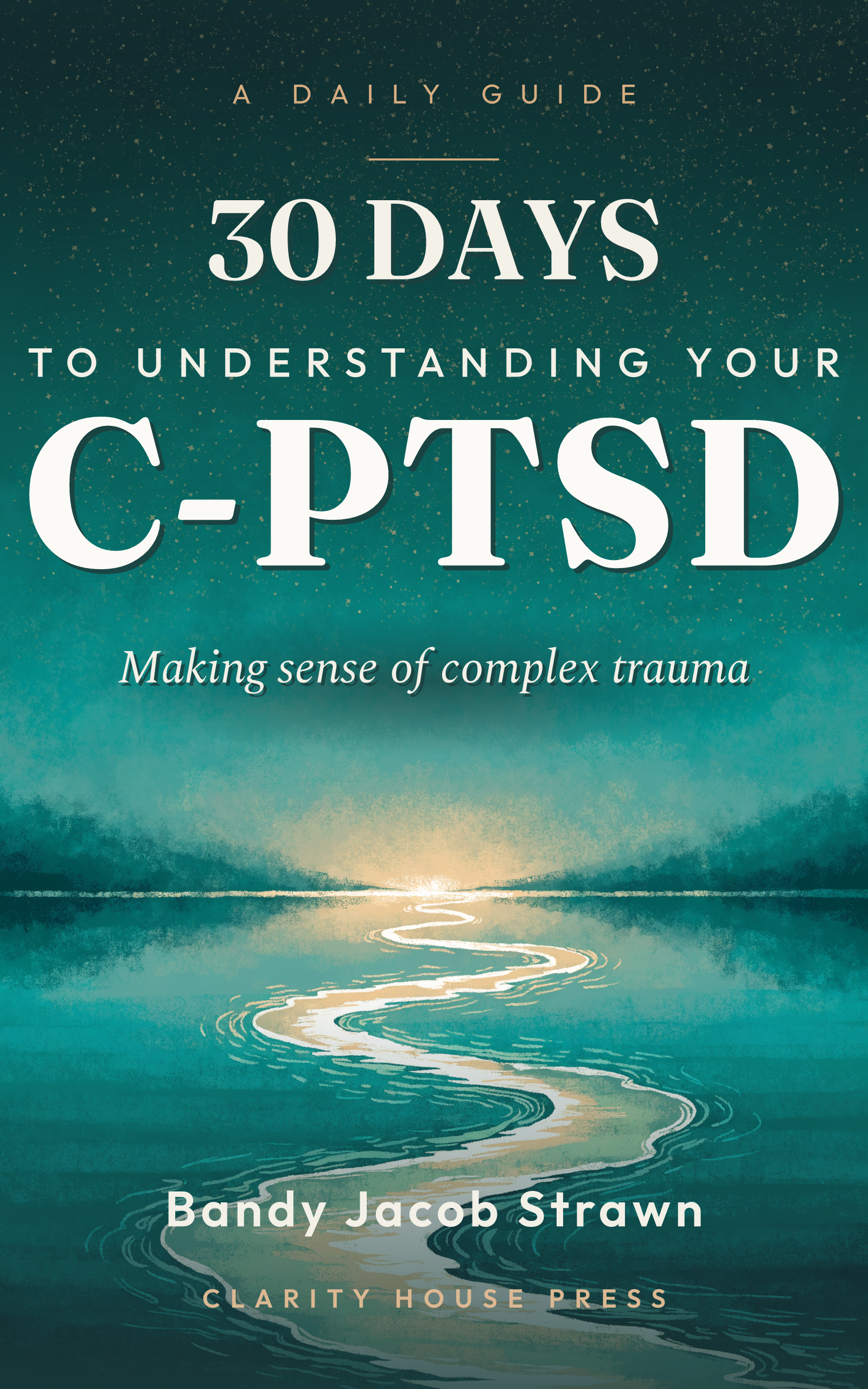
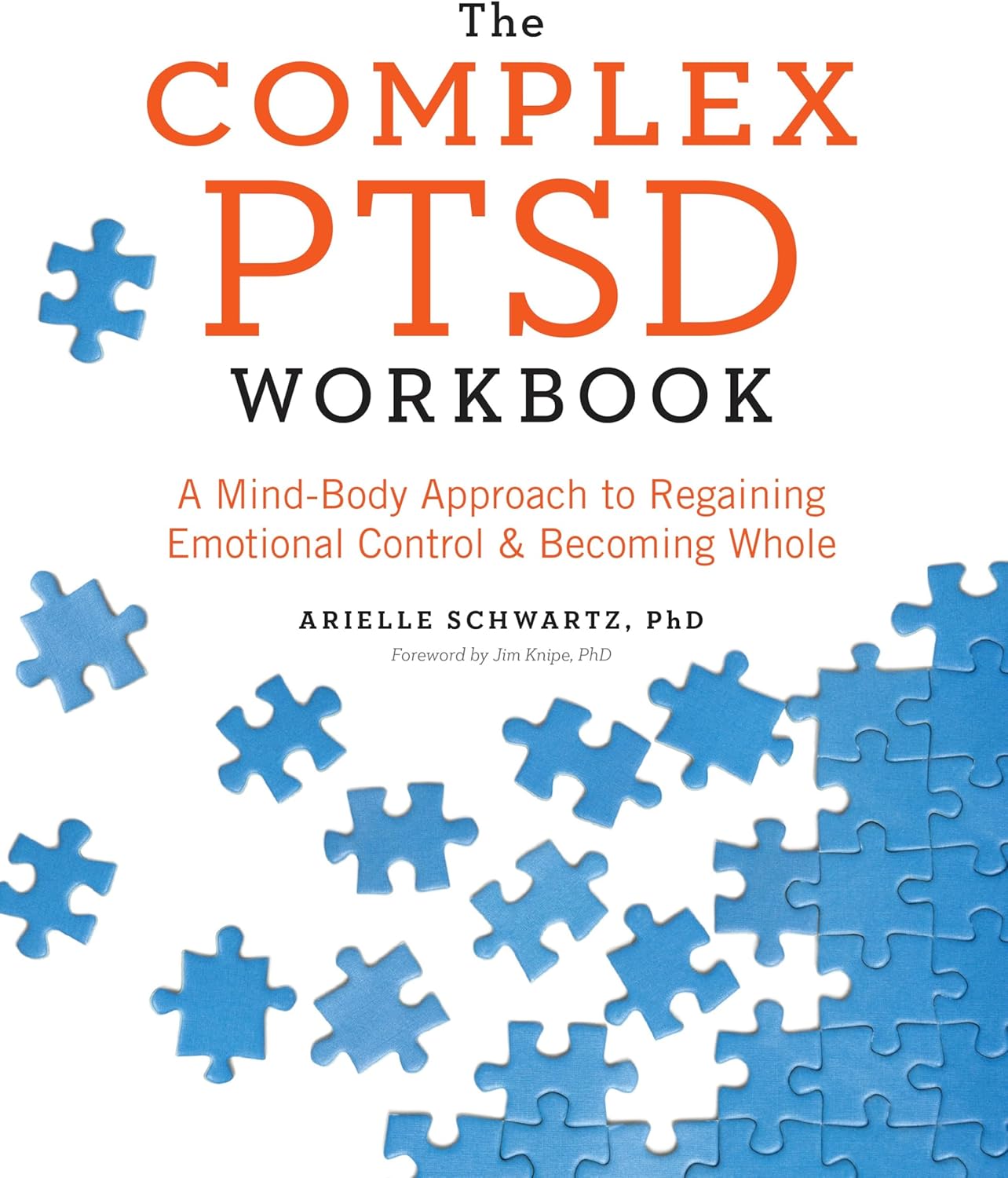
The Complex PTSD Workbook
Arielle Schwartz, PhD
A mind-body approach to regaining emotional control and becoming whole with evidence-based exercises.

It's OK That You're Not OK
Megan Devine, LPC
A grounded, permission-giving companion for grief that resists tidy timelines and lets loss simply be witnessed.
As an Amazon Associate, Clarity House Press earns from qualifying purchases. Your price is never affected.
Found this helpful?
Share it with someone who might need it.
About the Author

Clarity House Press
Editorial Team
The editorial team at Clarity House Press curates and publishes evidence-based content on narcissistic abuse recovery, high-conflict divorce, and healing. Our content is informed by research, survivor experiences, and established trauma-informed approaches.
View all posts by Clarity House Press →Published by Clarity House Press Editorial Team