Please read our important disclaimers before using this content
You feel like something is fundamentally wrong with your brain. Like you are broken in ways you cannot explain. Your reactions seem automatic, your emotions overwhelming, your memory fragmented in strange patterns.
Here is what neuroscience research actually shows: the brain does change in response to chronic trauma. For a broader overview of what happens neurologically, see the neuroscience of complex PTSD. These changes are measurable, documented, and—crucially—reversible. Understanding what happened to your brain helps you understand your symptoms and provides hope that healing is possible.
This is not about labeling yourself as damaged. It is about understanding that your symptoms have biological explanations—and that your brain's remarkable plasticity means those changes can shift with appropriate treatment.
The Brain Under Chronic Stress
To understand what trauma does to the brain, we need to understand the key structures involved in stress response and emotional processing.
Key Brain Structures
The Amygdala: The amygdala is your brain's alarm system. It detects threats, triggers fear responses, and initiates survival reactions. It processes emotional information and creates emotional memories. When you feel sudden fear or sense danger—even before your conscious mind understands why—your amygdala is at work.
The Hippocampus: The hippocampus is crucial for memory formation and retrieval. It helps convert short-term memories into long-term ones, provides context for experiences (this happened THEN, not now), and is involved in spatial memory and navigation. It helps you distinguish between past and present.
The Prefrontal Cortex (PFC): The prefrontal cortex is your brain's executive control center. It handles reasoning, planning, impulse control, and emotional regulation. The medial prefrontal cortex specifically helps modulate amygdala activity—essentially telling your alarm system "it's okay, we're safe."
The Default Mode Network (DMN): The DMN is a network of brain regions active when you're not focused on external tasks—during self-reflection, thinking about others, remembering the past, or imagining the future. It's involved in your sense of self and autobiographical memory.
The HPA Axis: While not a structure but a system, the hypothalamic-pituitary-adrenal (HPA) axis controls your stress hormone response—including cortisol release. It governs how your body responds to and recovers from stress.
What Brain Imaging Studies Show in C-PTSD
Decades of research using fMRI (functional MRI), PET scans, and structural MRI have revealed consistent patterns of brain changes in people with PTSD and complex trauma.
Amygdala Hyperactivity
What studies show: Research consistently finds that people with PTSD show heightened amygdala activation in response to threat cues, trauma reminders, and even neutral stimuli that are perceived as potentially threatening.
What this means:
- Your alarm system is set to high sensitivity
- Threat detection is amplified
- The brain responds to minor cues as if they were major threats
- Fear responses trigger more easily and intensely
- Non-threatening stimuli may be interpreted as dangerous
How this feels:
- Hypervigilance and constant alertness
- Startle responses that seem excessive
- Anxiety in situations others find neutral
- Difficulty feeling safe even in safe environments
- Emotional intensity that feels out of proportion
For a practical guide to working with your nervous system's responses, polyvagal theory and vagus nerve regulation explains how to shift out of threat-detection mode.
Research context: A meta-analysis examining multiple studies found consistent amygdala hyperactivation in anxiety and trauma disorders. Studies using fear conditioning paradigms show that trauma survivors have difficulty distinguishing between actual threats and similar but safe stimuli.
Reduced Hippocampal Volume
What studies show: Multiple studies using structural MRI have found that people with PTSD often show smaller hippocampal volume compared to controls. This reduction correlates with symptom severity and duration of trauma exposure.
What this means:
- Memory encoding and retrieval may be affected
- Difficulty placing memories in proper time context
- Challenges distinguishing past from present
- Fragmented or intrusive memory patterns
- Problems with explicit memory while implicit (emotional) memory remains strong
How this feels:
- Flashbacks that feel like they're happening now
- Difficulty remembering details while emotional reactions are vivid
- Memories that intrude without warning
- Trouble creating new memories during stress
- Sense of time confusion around traumatic events
Research context: Studies have documented hippocampal volume reductions of 5-12% in PTSD populations. Importantly, some studies suggest these changes may be partially reversible with successful treatment.
Prefrontal Cortex Underactivation
What studies show: Research finds reduced activation of the medial prefrontal cortex (mPFC) in people with PTSD, particularly in situations requiring emotional regulation or response to threat cues.
What this means:
- Reduced top-down control over emotional responses
- Difficulty modulating amygdala activity
- Impaired ability to inhibit fear responses
- Challenges with emotional regulation
- Less effective executive function during stress
How this feels:
- Difficulty controlling emotional reactions
- Feeling like emotions are out of control
- Trouble thinking clearly when stressed
- Difficulty using logic to calm yourself
- Inability to "just think your way out of it"
The amygdala-PFC relationship: In healthy functioning, the PFC acts as a brake on the amygdala—assessing situations rationally and telling the fear center "it's okay" when threats aren't real. In trauma, this brake is weakened, allowing amygdala-driven fear responses to dominate.
Default Mode Network Alterations
What studies show: Research on resting-state brain activity shows altered connectivity in the default mode network among people with PTSD. This includes changes in how different brain regions communicate at rest.
What this means:
- Altered sense of self
- Changes in how you process autobiographical memories
- Difficulties with self-reflection and introspection
- Disrupted integration of past and present self
How this feels:
- Feeling disconnected from yourself
- Sense that you don't know who you are anymore
- Difficulty connecting with your life story
- Feeling like an observer in your own life
- Identity confusion
HPA Axis Dysregulation
What studies show: People with PTSD often show alterations in cortisol patterns and HPA axis functioning. Interestingly, findings are complex—some show elevated cortisol, others show blunted cortisol response.
What this means:
- Altered stress hormone regulation
- Changes in how the body responds to and recovers from stress
- Possible chronically elevated stress response
- Or, paradoxically, insufficient cortisol response when needed
How this feels:
- Chronic stress feelings even in safe situations
- Difficulty recovering from stressful events
- Physical symptoms of stress
- Exhaustion alongside anxiety
- Body feeling "stuck" in stress mode
The Good News: Neuroplasticity
Perhaps the most important finding from neuroscience research is that these brain changes are not permanent. The brain is remarkably plastic—capable of change throughout life.
Evidence of Change with Treatment
Studies show:
After successful PTSD treatment:
- Amygdala hyperactivity decreases
- Prefrontal cortex activation increases
- Hippocampal volume may increase
- Connectivity patterns normalize
Specific treatment findings:
Cognitive Behavioral Therapy: Studies show CBT is associated with reduced amygdala activity and increased prefrontal activation post-treatment.
EMDR: Research shows brain activation changes following EMDR, including normalization of amygdala response and improved prefrontal function.
Mindfulness and meditation: Long-term mindfulness practice is associated with increased gray matter in the hippocampus and prefrontal cortex, and reduced amygdala volume and reactivity.
Medication: Some studies show SSRIs are associated with hippocampal volume increases in PTSD patients.
What This Means for You
Your brain's current patterns are not permanent states. They are adaptations—your brain did what it needed to do to survive trauma. Now, in safety, those adaptations can shift.
Healing isn't just psychological—it's neurobiological. When you do therapy, practice regulation skills, build safety, and process trauma, you are literally changing your brain.
Understanding Your Symptoms Through Neurobiology
Knowing the brain basis of your symptoms can reduce shame and increase self-compassion.
"Why Can't I Just Get Over It?"
Brain-based answer: Your amygdala is hyperactive and your prefrontal cortex is underactive. The parts of your brain that should calm you down aren't effectively communicating with the parts that detect threats. This isn't a choice or weakness—it's a neurobiological pattern that developed for survival reasons.
"Why Do Memories Feel Like They're Happening Now?"
Brain-based answer: Your hippocampus, which normally timestamps memories and provides context ("this happened then"), isn't functioning optimally. Traumatic memories weren't encoded with proper time stamps, so they intrude into the present without the sense of being past events.
"Why Can't I Control My Reactions?"
Brain-based answer: The prefrontal cortex normally inhibits and modulates emotional responses. When this region is underactive and the amygdala is hyperactive, emotional reactions happen faster than the executive brain can intervene. Your reactions aren't signs of weakness—they're signs of a system that's been overwhelmed.
"Why Do I Feel So Disconnected?"
Brain-based answer: Alterations in the default mode network and dissociative patterns developed to protect you from overwhelming experiences. Disconnection is a protective mechanism, not a deficiency.
Implications for Treatment
Understanding the neurobiology of trauma has implications for choosing and understanding treatment.
Why Bottom-Up and Top-Down Approaches Both Matter
Top-down approaches (cognitive): Work on strengthening prefrontal cortex function and improving its communication with the amygdala. Includes CBT, cognitive processing therapy, and other approaches that engage reasoning and reappraisal.
Bottom-up approaches (somatic): Work on calming the amygdala and nervous system directly through body-based interventions. Includes somatic experiencing, yoga, breathwork, and other practices that don't require cognitive processing.
Most effective treatment combines both: Building prefrontal capacity while simultaneously calming amygdala reactivity creates lasting change.
Why Trauma-Specific Treatment Matters
Generic anxiety or depression treatment may not address the specific brain patterns of trauma. Trauma-specific treatments are designed to:
- Process traumatic memories (engaging hippocampus and memory reconsolidation)
- Reduce amygdala hyperreactivity
- Strengthen prefrontal function
- Address dissociation and body-based symptoms
Why Healing Takes Time
Brain change isn't instant. Neuroplasticity requires:
- Repetition (practicing new patterns)
- Time (neural pathways strengthen gradually)
- Safety (the brain needs to feel safe to change)
- Appropriate challenge (exposure to what you're healing from, titrated appropriately)
This is why trauma recovery isn't quick—you're literally rewiring neural patterns that developed over time. Neurofeedback therapy is one specialized approach that directly targets these brainwave patterns to accelerate healing.
Limitations of Brain Imaging Research
While neuroscience research is valuable, important limitations exist:
Group averages vs. individuals: Studies show patterns across groups. Individual brains vary significantly. Not everyone with trauma shows every pattern, and brain changes don't determine symptoms.
Correlation vs. causation: Brain differences are associated with trauma, but the relationship is complex. Some differences may predate trauma, some result from it.
Clinical utility: Brain imaging is not used to diagnose trauma disorders. Symptoms and clinical assessment remain the basis for diagnosis and treatment planning.
Oversimplification: The brain is incredibly complex. Reducing trauma to "amygdala hyperactivity" oversimplifies a phenomenon involving many brain regions, neurotransmitters, and systems.
Your Next Steps
This week:
- Notice when you criticize yourself for trauma symptoms
- Reframe one symptom in brain-based terms ("my amygdala is hyperactive, not me being weak")
- Practice one regulation technique (activating prefrontal cortex)
- Learn more about one brain region discussed here
This month:
- Discuss the neurobiology of your symptoms with your therapist
- Consider whether your current treatment addresses both top-down and bottom-up
- Practice consistent regulation techniques (building neural pathways)
- Notice evidence of your brain's capacity to change
Long-term:
- Commit to trauma-specific treatment approaches
- Build sustainable practices that support brain health (sleep, exercise, connection)
- Trust the process of neuroplasticity—change is happening even when you can't feel it
- Celebrate evidence of brain change (reduced reactivity, better regulation)
Remember: Your brain changed in response to trauma because it was doing its job—protecting you from overwhelming threat. Those changes, while once adaptive, may now cause symptoms that interfere with your life.
The same plasticity that allowed your brain to change in response to trauma allows it to change in response to healing. You are not stuck with a "broken brain." You have a brain that adapted to survive—and can adapt again to thrive. Practices like mindfulness meditation for trauma survivors and somatic experiencing engage exactly these neuroplasticity mechanisms.
Every therapy session, every regulation practice, every moment of safety is shaping your neural pathways toward healing.
Resources
Neurobiological Understanding and Trauma Books:
- The Body Keeps the Score by Bessel van der Kolk - Neurobiology of trauma
- The Brain That Changes Itself by Norman Doidge - Neuroplasticity and healing
- The Polyvagal Theory by Stephen Porges - Nervous system and trauma
- The Polyvagal Theory in Therapy by Deb Dana - Applying polyvagal theory
Trauma Therapy and Neuroplasticity:
- In an Unspoken Voice by Peter Levine - Somatic approach to trauma
- Psychology Today - Therapists - Find trauma-specialized therapists
- EMDR International Association - EMDR therapy for brain reprocessing
- Internal Family Systems Institute - IFS therapy directory
Crisis Support and Research Resources:
- National Institute of Mental Health - PTSD Research - Current brain imaging research
- National Center for PTSD - Neurobiology of PTSD resources
- 988 Suicide & Crisis Lifeline - Call or text 988 for crisis support (24/7)
- Crisis Text Line - Text HOME to 741741 for crisis counseling
References
Foundational Research:
- Bremner, J. Douglas. Research on hippocampal volume in PTSD
- Etkin, A., and Wager, T.D. (2007). "Functional neuroimaging of anxiety: a meta-analysis of emotional processing in PTSD, social anxiety disorder, and specific phobia." American Journal of Psychiatry.
- van der Kolk, Bessel. The Body Keeps the Score. Viking, 2014. (Chapter on neurobiology)
- Shin, L.M., Rauch, S.L., and Pitman, R.K. Research on amygdala and prefrontal cortex function in PTSD
Accessible Books:
- van der Kolk, Bessel. The Body Keeps the Score. Viking, 2014.
- Levine, Peter. In an Unspoken Voice. North Atlantic Books, 2010.
- Porges, Stephen. The Polyvagal Theory. W.W. Norton, 2011.
- Dana, Deb. The Polyvagal Theory in Therapy. W.W. Norton, 2018.
Neuroplasticity and Treatment:
- Doidge, Norman. The Brain That Changes Itself. Viking, 2007.
- Studies on brain changes following CBT, EMDR, and other trauma treatments
- Research on mindfulness and brain structure/function
Treatment Resources:
- EMDR International Association (EMDRIA)
- Somatic Experiencing International
- Evidence-based therapy provider directories
Important Note: Brain imaging is not used diagnostically for trauma disorders. This information is educational to help you understand symptoms, not to diagnose or determine treatment. Always work with qualified mental health professionals for assessment and treatment planning.
Recommended Reading
From Clarity House Press — plus trusted books for deeper understanding

Surviving the Storm: When the Court Takes Your Children
Clarity House Press
For fathers in active high-conflict custody battles. Understand your CPTSD symptoms, begin stabilization, and build foundation for healing. 17 chapters covering recognition, symptoms, and the healing path.

What My Bones Know: A Memoir of Healing from Complex Trauma
Stephanie Foo
A journalist's honest, hopeful account of living with and healing from complex PTSD, woven with the science behind it.
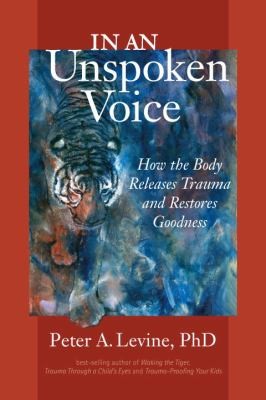
In an Unspoken Voice
Peter A. Levine, PhD
Classic guide from the creator of Somatic Experiencing revealing how the body holds the key to trauma recovery.
As an Amazon Associate, Clarity House Press earns from qualifying purchases. Your price is never affected.
Found this helpful?
Share it with someone who might need it.
About the Author

Clarity House Press
Editorial Team
The editorial team at Clarity House Press curates and publishes evidence-based content on narcissistic abuse recovery, high-conflict divorce, and healing. Our content is informed by research, survivor experiences, and established trauma-informed approaches.
View all posts by Clarity House Press →Published by Clarity House Press Editorial Team