Please read our important disclaimers before using this content
If you're reading this, you're likely facing one of the most difficult decisions a parent can make: whether to seek modification of custody arrangements due to concerns about substance abuse or mental health issues affecting your child's other parent. This isn't about punishment or stigmatization—it's about child safety and wellbeing.
This article provides practical guidance on the legal standards, evidentiary requirements, and strategic considerations for custody modification cases involving substance abuse or mental health concerns. We'll examine what courts require, how to document concerns appropriately, and how to distinguish between conditions that pose genuine risk versus weaponized accusations.
Understanding the Legal Framework
Material Change in Circumstances Standard
To modify existing custody orders, you must prove:
- Material change in circumstances since the last order
- Change affects the child's best interests
- Modification serves the child's welfare
Courts apply a high threshold for modification to protect custody stability. For a thorough explanation of this process, see our guide on what constitutes material change in circumstances for custody modification. The burden falls on the parent seeking modification to demonstrate that circumstances have changed substantially since the original order, not merely that you've discovered information that existed at the time of the original hearing.
Burden of Proof Standards
Different jurisdictions apply different evidentiary standards for custody modification:
Preponderance of the evidence (most common): The modification request is more likely true than not—essentially, a 51 percent threshold. This applies in most custody modification cases in the majority of states.
Clear and convincing evidence (higher standard): The evidence must be highly and substantially more likely to be true than untrue. Some states apply this heightened standard when modification would substantially alter or eliminate a parent's custodial time, or when serious allegations like abuse or neglect are involved.
Beyond a reasonable doubt (criminal standard): This standard does NOT apply in civil custody proceedings, though criminal convictions for substance-related offenses or abuse that meet this standard become highly persuasive evidence in custody cases.
Understanding which standard applies in your jurisdiction is critical for case strategy. An attorney experienced in your jurisdiction's family court will know which standard governs and how local judges interpret the threshold.
Substance Abuse: What Courts Consider
Courts distinguish between current active substance abuse, past substance use disorders with sustained recovery, and recreational use that doesn't impair parenting. The critical question is whether substance use creates a demonstrable risk to the child. Research demonstrates this concern is well-founded: a multilevel meta-analysis of 56 studies found that parental substance use has statistically significant detrimental effects on child well-being, with parental drug use showing the strongest negative association (r = .25) compared to alcohol use (r = .13) (Rossow et al., 2020).
Active Substance Abuse
Evidence of active, ongoing substance abuse that impacts parenting ability includes:
- Impaired behavior during parenting time (slurred speech, impaired motor function, altered mental state)
- Driving under the influence with the child present
- Child neglect due to intoxication (missed meals, inadequate supervision, unsafe environment)
- Use of illegal substances regardless of visible impairment
- Prescription medication misuse (taking medications not prescribed, exceeding prescribed dosages, combining medications dangerously)
- Failed drug tests during custody proceedings
- Arrests or convictions for substance-related offenses
- CPS involvement due to substance-related neglect or endangerment
Substance Use vs. Addiction vs. Recovery
Courts increasingly recognize the difference between:
Past substance use disorder with sustained recovery: A parent who completed treatment, maintains sobriety, participates in ongoing support (AA/NA), and demonstrates stability may have equal or greater parenting capacity than someone without addiction history. Recovery demonstrates resilience, self-awareness, and commitment to change.
Active addiction: Ongoing compulsive use despite negative consequences, failed attempts to quit, prioritizing substance use over parenting responsibilities, or denial of a substance problem despite clear evidence creates serious child safety concerns.
Recreational or occasional use: Social alcohol consumption, past experimental drug use, or prescribed medication use that doesn't impair parenting generally doesn't justify custody modification absent evidence of impairment during parenting time.
The key distinction is impact on parenting capacity and child safety, not moral judgment about substance use itself.
Types of Substance Abuse: Legal and Custody Implications
Different substances carry different legal weights and custody implications:
Alcohol: The most socially accepted and legally complex. Social drinking doesn't raise custody concerns, but courts scrutinize:
- Pattern and frequency (daily drinking vs. occasional social use)
- Drinking during parenting time vs. only when children are with other parent
- DUI history, particularly with children in the vehicle
- Alcohol-related arrests, violence, or public intoxication
- Functional impairment (missing work, neglecting responsibilities)
Prescription medications (legitimate use): Courts distinguish between proper medical use and abuse:
- Taking medications as prescribed by doctor for legitimate medical condition is protected
- Secure storage away from children's access
- Not combining medications with alcohol or other substances
- Providing doctor's documentation of medical necessity and prescribed dosage
- Demonstrating medications don't impair parenting capacity
Prescription medication misuse: Abuse of own prescription or using others' medications:
- Taking higher doses than prescribed ("doctor shopping" for multiple prescriptions)
- Using medications prescribed to someone else (illegal)
- Crushing, snorting, or injecting oral medications
- Combining medications for euphoric effect
- Obtaining medications through fraudulent prescriptions
Marijuana in legal states: Increasingly complex as legalization spreads:
- Courts retain discretion to restrict marijuana use around children even where recreationally legal
- Medical marijuana cards don't provide blanket protection in custody cases
- Frequency, quantity, and whether use occurs during parenting time matter significantly
- Many judges—particularly older or more conservative—view any marijuana use negatively
- Can test positive for weeks after use, complicating compliance monitoring
- Growing, manufacturing, or distributing (even legally) may raise additional concerns
- Edibles in home create poisoning risk if children access them
Illegal drugs: Any use of cocaine, methamphetamine, heroin, fentanyl, or other illicit substances:
- Courts typically apply zero-tolerance approach
- Single positive drug test can result in immediate supervised custody
- Criminal prosecution risk in addition to custody consequences
- Extended sobriety period (often 12-24+ months) required before unsupervised custody restoration
- Usually requires completion of inpatient treatment, not just outpatient
Required Evidence for Substance Abuse Claims
Courts require objective, documented evidence, not speculation or assumptions:
Drug testing protocols:
- Urinalysis (UA): Detects recent use (typically 2-4 days for most substances, longer for marijuana—up to 30 days for heavy users)
- ETG alcohol testing: Detects alcohol metabolites up to 80 hours after consumption, can detect even small amounts
- Hair follicle testing: Detects substance use over 90-day period, difficult to evade, but more expensive
- Oral fluid testing: Detects very recent use (24-48 hours), harder to adulterate than urine
- Blood testing: Most accurate but invasive, typically reserved for serious cases or legal proceedings
- SCRAM continuous alcohol monitoring: Ankle bracelet monitors alcohol consumption 24/7 through perspiration
- Observed collection: Prevents sample tampering, substitution, or dilution—critical for high-conflict cases
False positives and testing challenges:
- Poppy seeds can cause positive opioid tests (usually resolves with confirmatory testing)
- Cold medications containing pseudoephedrine may trigger amphetamine positives
- CBD products sometimes contain trace THC causing marijuana positives
- Secondhand marijuana smoke rarely causes positive tests despite common claims
- Prescription medications require disclosure before testing to avoid false "positive" results
- Testing lab errors occur; always request confirmatory testing (GC/MS) for positive results
- Dilution attempts (drinking excessive water) can be detected and reported as "invalid sample"
Courts typically allow challenges to positive tests and may order re-testing at certified laboratories with higher accuracy standards.
Documentation:
- Police reports documenting intoxication, DUI arrests, or drug-related incidents
- Medical records showing substance-related treatment, ER visits, or overdoses
- CPS reports or investigations related to substance use
- Witness testimony from individuals who observed impaired behavior during parenting time (not hearsay or speculation)
- Text messages, emails, or social media posts showing substance use or impairment
- Photos or videos showing drug paraphernalia, excessive alcohol, or intoxicated behavior around children
- Treatment facility records (requires parent's signed release or court-ordered subpoena)
- Probation or parole records for substance-related offenses
- Employer documentation of substance-related work problems or failed workplace drug tests
- School reports noting parental impairment at pickup or conferences
Testing logistics: Courts typically order random testing with short notice (24-48 hour call-in systems) to prevent evasion. Testing frequency depends on severity of concerns—daily, weekly, bi-weekly, or monthly. Some courts require the parent seeking testing to pay initial costs, with reimbursement if tests come back positive. Testing must occur at certified facilities (not home testing kits) to be admissible in court.
Mental Health Issues: Legal Nuances
Mental health-based custody modification requires careful navigation between legitimate child safety concerns and prohibited disability discrimination. Courts cannot modify custody based solely on diagnosis—they must find functional impairment that affects parenting capacity. Research confirms that parents with mental illness are statistically more likely to lose custody of their children, though studies emphasize that mental illness alone is insufficient grounds—courts must evaluate how the condition affects parenting behavior and child safety (Abrams, 2016).
Treated vs. Untreated Mental Health Conditions
The critical distinction is not whether a parent has a mental health diagnosis, but whether the condition is appropriately managed and whether it impairs parenting.
Treated and managed conditions: A parent with depression, anxiety, bipolar disorder, or other mental health conditions who participates in treatment (therapy, medication management, psychiatric care), demonstrates stability, and maintains parenting responsibilities generally presents no greater risk than parents without mental health diagnoses. Courts recognize that mental health treatment demonstrates self-awareness and responsibility.
Untreated or poorly managed conditions: A parent who refuses treatment despite clear functional impairment, stops taking prescribed medications without medical supervision, experiences frequent crises requiring intervention, or demonstrates behaviors that endanger children may justify custody modification.
Red flags for functional impairment:
- Suicidal ideation or attempts, particularly in the child's presence
- Psychotic symptoms (hallucinations, delusions) affecting reality testing
- Severe mood instability creating unpredictable or frightening environment
- Paranoid ideation directed at the child or co-parent
- Inability to meet basic parenting responsibilities (feeding, hygiene, supervision)
- Psychiatric hospitalizations, particularly involuntary commitments
- Self-harm behavior visible to children
Mental Health Evidence Requirements
Courts require evidence of functional impairment, not merely diagnosis:
Medical records: Psychiatric hospitalization records, crisis intervention documentation, treatment records showing non-compliance or treatment refusal (requires subpoena or signed release).
Expert testimony: Court-appointed custody evaluators, treating psychiatrists, or independent psychological experts can testify about how mental health conditions impact parenting capacity. Evaluators typically conduct clinical interviews, psychological testing, collateral interviews, and home observations.
Behavioral documentation: Child's statements (age-appropriate and properly documented), observations from teachers or childcare providers, CPS reports, police welfare checks, witness testimony from family members or friends who observed concerning behavior.
Distinguish diagnosis from impairment: Simply having a mental health diagnosis does NOT justify custody modification. Evidence must show how the specific condition impairs specific parenting functions.
Defending Against False Substance Abuse Allegations
In high-conflict custody cases, false substance abuse allegations are common tactical weapons. Defending requires both evidence and strategic legal response. Understanding how to document everything that actually matters in court is essential before proceedings escalate.
Common false allegation patterns:
- Claiming past recreational use from years ago represents current addiction
- Exaggerating frequency or quantity of alcohol consumption
- Photographing prescription medications and claiming illegal drug use
- Alleging impairment during exchanges with no supporting evidence
- Using medication for legitimate medical condition framed as "drug abuse"
- Claiming you "seem intoxicated" with no objective verification
Immediate defensive strategies:
Voluntary drug testing: Proactively obtain random drug tests from certified facility before allegations escalate. Clean test results from reputable lab undermine false accusations.
Medical documentation: If taking prescription medications, obtain letter from prescribing physician explaining medical necessity, prescribed dosage, and that medication doesn't impair parenting capacity.
Witness statements: Gather statements from individuals who regularly observe your parenting (teachers, childcare providers, coaches, family members) attesting to appropriate, engaged parenting.
Habitual sobriety evidence: Document attendance at children's activities, volunteer work, employment records, or other evidence incompatible with active addiction.
Challenge testing protocols: If court orders testing based on false allegations, request:
- Mutual testing (both parents tested under identical protocols)
- Testing at certified facilities only (not home tests)
- Confirmatory testing for any positive results
- Disclosure of medications taken before testing to avoid false positives
Privacy rights considerations:
You have limited privacy rights once substance abuse is raised in custody proceedings:
Medical records: Generally protected by HIPAA, but courts can order disclosure of relevant medical records including:
- Substance abuse treatment records (require court order or signed release under 42 CFR Part 2)
- Mental health treatment records related to substance use
- Emergency room visits for overdose or intoxication
- Prescription medication records (state prescription monitoring programs)
Treatment participation: Courts can order you to sign releases allowing treatment providers to confirm attendance and compliance, but detailed session content typically remains privileged.
Testing refusal consequences: Refusing court-ordered drug testing typically results in adverse inference (court assumes you would test positive). However, you can challenge testing orders that lack reasonable basis.
Home searches: You can refuse requests to allow opposing party or their representatives to search your home for evidence of substance use. Any such search requires consent or search warrant.
Fifth Amendment: You can assert Fifth Amendment right against self-incrimination if answers could expose you to criminal prosecution, but this often creates negative inference in civil custody proceedings.
Avoiding Weaponization of Mental Health Stigma
Mental health accusations are frequently weaponized in high-conflict custody cases. Courts are increasingly aware of this tactic and require substantial evidence beyond accusations. Our guide on what makes a custody case high-conflict explains how these false allegations fit into broader patterns of litigation abuse.
Common weaponization tactics:
- Claiming any mental health treatment proves instability (when treatment actually shows responsibility)
- Labeling normal emotional responses to abuse or divorce as "mental illness"
- Demanding psychological evaluation of the other parent while refusing evaluation themselves
- Citing depression or anxiety medications as evidence of unfitness
- Using past mental health crises (postpartum depression, grief, trauma responses) as evidence of current unfitness
Defenses against false mental health accusations:
- Obtain letter from treating mental health provider confirming treatment compliance and functional capacity for parenting
- Request mutual psychological evaluations (both parents evaluated by same expert)
- Document stable parenting track record despite mental health diagnosis
- Highlight treatment participation as evidence of responsibility, not instability
- Challenge claims lacking objective evidence or expert support
Protective Custody Measures
When courts find substance abuse or mental health concerns substantiated but not severe enough to terminate parental rights, they implement protective measures:
Supervised Visitation
Professional supervision: Visits occur at supervised visitation centers with trained monitors who intervene if safety concerns arise. Expensive but provides highest protection and detailed documentation.
Supervised by family member: Less expensive but potentially problematic if supervisor has conflict of interest or can't enforce safety rules.
Therapeutic supervision: Mental health professional supervises visits and works with parent on skill development—common when reunification after safety concerns is the goal.
Required Testing Protocols
Courts may order:
- Random drug/alcohol testing with 24-48 hour notice
- Testing before each parenting time exchange
- Continuous alcohol monitoring (SCRAM ankle bracelet)
- Observed collection to prevent tampering
Sobriety Monitoring and Treatment Requirements
Common court-ordered conditions:
- Completion of inpatient or outpatient substance abuse treatment
- Attendance at AA/NA meetings with verification slips
- Prohibition on alcohol/drug use during parenting time (or entirely)
- Prohibition on presence of new romantic partners who use substances
- Mental health treatment compliance (therapy, medication management)
- Parenting classes focused on substance abuse or mental health issues
Step-Down Provisions
Well-drafted orders include step-down provisions allowing gradual restoration of parenting time as parent demonstrates sustained recovery:
Phase 1: Supervised visitation only, frequent testing, treatment participation Phase 2: Unsupervised visits in public places, continued testing, sustained sobriety 6+ months Phase 3: Overnight visits, reduced testing frequency, sustained sobriety 12+ months Phase 4: Return to standard parenting time schedule, periodic testing, sustained sobriety 18-24+ months
The Role of Expert Witnesses
Complex cases involving substance abuse or mental health issues typically require expert testimony:
Addiction Specialists
Licensed addiction counselors or physicians specializing in addiction medicine can testify about:
- Diagnostic criteria for substance use disorders
- Treatment prognosis and recovery stages
- Relapse risk factors and warning signs
- Impact of specific substances on parenting capacity
- Evaluation of parent's treatment compliance and recovery trajectory
Psychiatrists and Psychologists
Mental health experts provide:
- Diagnostic evaluations using standardized psychological testing
- Assessment of functional impairment related to mental health conditions
- Treatment recommendations
- Prognosis for stability with treatment compliance
- Risk assessment for child safety
Custody Evaluators
Court-appointed or privately retained custody evaluators conduct comprehensive assessments including:
- Clinical interviews with both parents
- Psychological testing of parents (and sometimes children)
- Observations of parent-child interactions
- Collateral interviews with therapists, teachers, family members
- Home visits
- Review of documentation (texts, emails, medical records, police reports)
- Written report with custody recommendations
Custody evaluators serve as neutral experts whose recommendations carry significant weight with courts. When the evaluation process itself becomes weaponized, understanding how to challenge bias in custody evaluations can be critical to your case.
Rehabilitation and Custody Restoration
For parents who have lost custody or had parenting time restricted due to substance abuse or mental health issues, courts increasingly recognize pathways to restoration:
Requirements for Custody Restoration
Parents typically must demonstrate:
- Sustained sobriety/stability: Usually 12-24 months minimum, with objective evidence (clean drug tests, treatment completion, therapy attendance)
- Treatment compliance: Completion of recommended treatment, ongoing participation in support groups, medication compliance for mental health conditions
- Stable lifestyle: Stable housing, employment, positive support system, removal of unsafe individuals from environment
- Parenting capacity: Participation in parenting classes, demonstration of child-focused decision-making, ability to meet children's developmental needs
- Accountability: Acknowledgment of past issues, understanding of impact on children, demonstrated changes in behavior patterns
Reunification Therapy
When parent-child relationship has been damaged by past substance abuse or mental health crises, courts may order reunification therapy:
- Therapist works with parent and child to rebuild trust
- Gradual reintroduction of contact in therapeutic setting
- Processing of past trauma or frightening experiences
- Development of safety plans and communication strategies
- Therapist provides progress reports to court
Ongoing Monitoring
Even after custody restoration, courts may maintain oversight:
- Periodic drug/alcohol testing (quarterly or random)
- Annual review hearings to assess stability
- Requirements for continued treatment participation
- Requirement to notify court of any relapses or hospitalizations
Relapse: Immediate and Long-Term Consequences
Relapse—returning to substance use after period of sobriety—is common in recovery, but carries significant custody consequences.
Understanding Relapse in Recovery Context
Addiction specialists recognize relapse as common part of recovery process, with 40-60% of individuals experiencing at least one relapse. According to the National Institute on Drug Abuse, these relapse rates are comparable to other chronic diseases such as hypertension (50-70%) and asthma (50-70%), supporting the medical model of addiction as a chronic, treatable condition (NIDA, 2024). Courts are increasingly educated about addiction as chronic disease with relapse potential, but this medical understanding doesn't eliminate custody consequences.
Immediate Consequences of Relapse
If relapse occurs during parenting time:
- Immediate return of children to other parent or emergency placement
- Emergency custody hearing within 24-72 hours
- Temporary supervised visitation pending evaluation
- Possible CPS investigation if children were endangered
- Criminal charges if driving impaired with children or providing unsafe environment
If other parent discovers relapse:
- Emergency motion to modify custody filed immediately
- Request for drug testing and evaluation
- Temporary restraining order preventing unsupervised contact
- Court may order immediate supervised visitation pending hearing
Testing violations:
- Single positive drug test typically triggers immediate supervision
- Multiple positive tests may suspend parenting time entirely
- "Dilute" or "invalid" samples often treated same as positive results
- Missing scheduled test typically treated as positive result
Long-Term Relapse Consequences
Impact on custody restoration timeline:
- Relapse typically resets sobriety clock back to zero
- Many courts require 12-24 months continuous sobriety before restoration
- Relapse during restoration process extends timeline significantly
- Multiple relapses may convince court parent can't maintain sobriety, leading to permanent custody change
Burden of proof shifts:
- After relapse, parent must prove longer period of stability
- Court loses confidence in parent's recovery commitment
- Supervised visitation period often extended
- More frequent testing required
Treatment requirements intensify:
- Court may order inpatient treatment after outpatient relapse
- Increased meeting attendance requirements (daily AA/NA)
- Sober living facility requirement
- More intensive therapy or counseling
How Courts Distinguish Types of Relapse
Courts evaluate several factors when determining consequences:
Isolated lapse vs. full relapse:
- Single use incident with immediate return to recovery (lapse) viewed more favorably than sustained use (relapse)
- Self-reporting use to court demonstrates accountability vs. being caught
- Immediate return to treatment shows commitment vs. denial or continued use
Substance involved:
- Alcohol relapse may be viewed less severely than heroin relapse
- Relapse on same substance as original issue vs. new substance
- Legal substances vs. illegal drugs
Circumstances:
- High-stress trigger (death, job loss) vs. casual social use
- Whether children were present or endangered
- Whether parent drove impaired or created unsafe environment
- Whether parent attempted to hide relapse vs. disclosed it
Parental response:
- Immediate acknowledgment and return to treatment
- Honesty with court and co-parent vs. denial
- Taking responsibility vs. making excuses
- Proactive increase in recovery support
Protective Strategies to Minimize Relapse Impact
Immediate relapse response plan:
- Pre-arranged plan for children's care if relapse occurs (family member, co-parent)
- Contact sponsor, therapist, or treatment provider immediately
- Voluntary return to higher level of care
- Notify attorney before court learns from other parent
- Self-report to court (demonstrates accountability)
Document relapse context:
- What triggered the relapse (not excuse, but explanation)
- Immediate steps taken to address it
- Return to treatment or increase in support
- Changes made to prevent future relapse
Demonstrating continued commitment:
- Don't minimize ("it was just one time")—acknowledge seriousness
- Show understanding of relapse as information about needed support
- Implement additional recovery supports
- Request appropriate custody restrictions (shows prioritizing children's safety)
Legal strategy after relapse:
- Work with attorney on damage control
- Potentially propose temporary custody restriction yourself (shows good faith)
- Emphasize overall recovery trajectory (months sober vs. single relapse)
- Present relapse as learning opportunity requiring additional support, not failure proving unfitness
The "Honest Relapse" vs. "Hidden Relapse"
Courts distinguish between parents who honestly disclose relapses and those who hide them:
Honest disclosure benefits:
- Demonstrates integrity and accountability
- Shows prioritizing children's safety over custody time
- Indicates understanding of relapse seriousness
- Builds credibility with court
- Often results in less severe consequences than if discovered
Hidden relapse consequences:
- Destroys credibility with court
- Suggests parent prioritizes custody over children's safety
- May result in immediate suspension of all parenting time
- Indicates lack of insight into addiction severity
- Often leads to longer supervised period and delayed restoration
12-Step Programs and Court Perception
Alcoholics Anonymous (AA), Narcotics Anonymous (NA), and other 12-step programs play significant role in many custody cases involving substance abuse.
How Courts View 12-Step Participation
Positive factors:
- Long-established, evidence-based approach to recovery
- Free and widely available (demonstrates accessibility)
- Built-in support system and accountability (sponsor, meetings)
- Structured program with clear steps and principles
- Emphasis on personal responsibility and amends
A landmark 2020 Cochrane Review of 27 studies with 10,565 participants found high-quality evidence that AA and 12-step facilitation programs are more effective than other treatments like cognitive-behavioral therapy for achieving abstinence, with 42% of AA participants remaining completely abstinent at one year compared to 35% in other treatment modalities (Kelly et al., 2020).
Court-ordered 12-step attendance:
- Courts routinely order AA/NA attendance as condition of custody
- Typical requirements: 3-7 meetings per week initially, reducing over time
- Attendance verification required (meeting attendance slips signed by chairperson)
- Sponsor contact information often required to be provided to court
Obtaining and working with sponsor:
- Courts view sponsor relationship as crucial accountability mechanism
- May require sponsor's contact information for court or evaluator verification
- Sponsor letters supporting recovery can be powerful evidence
- Courts may contact sponsors to verify participation and commitment
AA/NA Attendance Documentation
Meeting verification requirements:
- Signed attendance slips from meeting secretary/chairperson
- Include meeting name, location, date, and signature
- Some courts require specific meeting attendance (certain days/times)
- Keep copies of all attendance records
What courts want to see:
- Consistent attendance over extended period (months to years)
- Engagement beyond just "showing up" (service work, sponsorship)
- Application of program principles to parenting
- Community connection and support system
Common attendance issues:
- Missing meetings due to work/parenting conflicts (communicate with court in advance)
- Vacation or travel (attend meetings at destination or request temporary modification)
- Illness (obtain documentation, attend online meetings if possible)
- Missed meetings can trigger violations and testing
Alternatives to 12-Step Programs
While AA/NA are most common, courts increasingly recognize alternative recovery approaches:
SMART Recovery (Self-Management and Recovery Training):
- Science-based alternative to 12-step model
- Focuses on self-empowerment rather than higher power
- Four-point program: building motivation, coping with urges, managing thoughts/feelings/behaviors, living balanced life
- Courts less familiar but generally accept if sustained recovery demonstrated
Refuge Recovery / Recovery Dharma:
- Buddhist-based recovery approach
- Meditation and mindfulness practices
- Some courts accept, particularly in areas with Buddhist communities
LifeRing Secular Recovery:
- Non-religious alternative
- Emphasizes personal responsibility and sobriety priority
Medication-Assisted Treatment (MAT) programs:
- Methadone, buprenorphine (Suboxone), or naltrexone for opioid addiction
- Naltrexone, acamprosate, or disulfiram for alcohol addiction
- Courts increasingly recognize MAT as evidence-based treatment
- Must be combined with counseling/therapy for maximum court credibility
Important: If using alternative to AA/NA, ensure program provides:
- Regular meeting attendance verification
- Structured recovery support
- Accountability mechanisms
- Evidence-based approach
Religious/Spiritual Objections to 12-Step Programs
Some parents object to 12-step programs' spiritual components:
First Amendment considerations:
- Courts cannot constitutionally mandate participation in religious programs
- However, AA/NA are generally considered spiritual (not religious) programs
- Courts typically offer alternatives if parent objects on religious grounds
How to raise objection:
- Clearly articulate specific religious objection
- Propose alternative evidence-based program
- Demonstrate commitment to recovery through alternative means
- Don't simply refuse participation without alternative
Court's likely response:
- May accept alternative program if evidence-based and provides accountability
- May require combination of approaches (therapy + SMART Recovery + MAT)
- Will scrutinize recovery commitment more closely if refusing most common approach
State-Specific Variations in Standards
Substance abuse and mental health custody standards vary significantly by state. While best interests standard is universal, application differs.
Testing and Evidence Standards
Mandatory testing states:
- Some states require drug/alcohol testing in any case involving substance abuse allegations
- Others require showing of probable cause before ordering testing
Burden of proof variations:
- Preponderance of evidence (most states): 51% likelihood
- Clear and convincing evidence (some states for major modifications): approximately 75% likelihood
- Reasonable suspicion for testing vs. probable cause requirement
Admissibility of evidence:
- Some states allow prior convictions regardless of age
- Others limit consideration to recent history (within 5-10 years)
- Medical marijuana card protections vary significantly by state
Marijuana-Specific State Variations
States with recreational legalization:
- California, Colorado, Washington, Oregon, Nevada, Massachusetts, etc.
- Courts retain discretion to restrict use around children despite legalization
- Judicial attitudes vary widely even within same state
Medical marijuana states:
- Medical card provides some protection but not immunity from custody restrictions
- Courts evaluate whether medical use impairs parenting
- Alternative medications without THC often suggested
States with no legalization:
- Any marijuana use treated as illegal drug use
- Medical use may provide slight mitigation but rarely full defense
- Testing positive carries significant consequences
Mental Health Commitment Standards
Involuntary commitment criteria:
- "Danger to self or others" standard varies by state
- Some require imminent danger, others allow preventative commitment
- Commitment history weight in custody varies (some states protective, others heavily weighted against parent)
Outpatient commitment availability:
- Some states allow court-ordered outpatient treatment
- Others only offer inpatient or no treatment options
- Affects custody court's available protective measures
Modification Standards
Material change requirement:
- Some states define "material change" narrowly (significant deterioration)
- Others apply broadly (any change affecting best interests)
- Discovery of substance abuse that existed at original hearing may not qualify in some states
Frequency of allowed modification attempts:
- Some states limit modification filings (once every 1-2 years absent emergency)
- Others allow filing whenever material change alleged
Step-Down and Restoration Timelines
Typical sobriety requirements before restoration:
- 6 months minimum in some states before unsupervised contact
- 12-24 months in others
- Judicial discretion significant
Supervised visitation duration:
- Some states mandate minimum supervision periods (3-6 months)
- Others leave entirely to judicial discretion
Consulting local counsel essential: These state variations make working with attorney licensed in your jurisdiction critical. What works in California may be ineffective or prohibited in Texas.
Common Pitfalls to Avoid
Filing prematurely without sufficient evidence: Courts penalize parents who file modification motions based on suspicion rather than documentation. Gather evidence first.
Ignoring the parental rights presumption: Even parents with substance abuse or mental health issues retain parental rights absent clear evidence of harm to children. Courts balance safety with the child's need for both parents.
Using children as evidence gatherers: Never ask children to report on the other parent's substance use or mental health symptoms. This places children in impossible loyalty conflicts and can backfire legally.
Weaponizing recovery: Attempting to use a parent's participation in treatment against them (claiming AA attendance proves they're an alcoholic) will damage your credibility with the court.
Representing yourself in complex cases: Substance abuse and mental health cases require understanding of evidence rules, expert witness examination, and medical/psychological testimony. False economies often backfire.
Assuming diagnosis equals unfitness: Focus on functional impairment and child safety, not labels or diagnoses.
Real-World Case Examples
Understanding how substance abuse and mental health issues play out in actual custody cases provides valuable context. These composite examples (based on common patterns, not specific individuals) illustrate key legal principles.
Case Study 1: Active Addiction with Child Endangerment
Background: Marcus and Patricia divorced when their daughter Sophia was 3 years old. Initial custody order granted Patricia primary physical custody with Marcus having weekend visitation. Six months post-divorce, Marcus noticed concerning changes during custody exchanges.
Evidence Marcus gathered:
- Photographic documentation: Photos of multiple empty wine bottles in Patricia's recycling visible during pickup (8-12 bottles per week)
- Text message admissions: Messages where Patricia admitted "having a few drinks" during the day while caring for Sophia
- Police welfare check report: Marcus called police for welfare check when Patricia didn't answer phone during scheduled call with Sophia. Police found Patricia intoxicated (slurred speech, impaired balance) at 3pm with Sophia (age 3) watching TV, no evidence of meal preparation
- Witness testimony: Patricia's neighbor testified she frequently saw Patricia drinking wine on porch during afternoon while Sophia played unsupervised
- Sophia's statements: Age-appropriate statement to child therapist that "Mommy sleeps a lot" and "I get my own snacks"
- Missed exchanges: Three instances where Patricia was late or unavailable for custody exchange, appeared impaired during two exchanges
Legal proceedings:
- Marcus filed emergency motion to modify custody with supporting evidence
- Court ordered immediate supervised visitation pending full hearing
- Ordered Patricia to undergo substance abuse evaluation
- Ordered random ETG alcohol testing twice weekly
Evaluation findings:
- Licensed addiction counselor diagnosed Patricia with Alcohol Use Disorder, moderate severity
- Counselor found Patricia in denial about severity, minimizing consumption
- Recommended intensive outpatient treatment (IOP) and AA attendance
Court's decision:
- Granted Marcus temporary primary physical custody
- Restricted Patricia to supervised visitation 4 hours weekly at professional facility
- Required Patricia to: (1) complete 12-week IOP, (2) attend AA minimum 5x weekly with verification, (3) obtain sponsor, (4) submit to random ETG testing 3x weekly
- Established step-down plan: After 6 months continuous sobriety and treatment compliance, unsupervised visits in public places; after 12 months, overnight visits; after 18-24 months, potential restoration of primary custody pending review
Outcome: Patricia initially challenged the restrictions, missing testing appointments (treated as positive results) and attending AA inconsistently. After 8 weeks, she completed IOP and maintained sobriety. After 14 months of documented sobriety, clean tests, and consistent AA participation, court restored unsupervised weekend visits. After 26 months, court implemented shared 50/50 custody with ongoing quarterly testing.
Key lessons: Documentation of functional impairment and child endangerment was critical. Court focused on child safety but provided clear pathway to restoration. Patricia's initial resistance delayed restoration; earlier acceptance would have accelerated timeline.
Case Study 2: Successful Long-Term Recovery Weaponized
Background: David and Sarah divorced after 8 years of marriage. During marriage years 3-5, David struggled with opioid addiction following workplace injury, including one DUI (no children in vehicle) and brief job loss. David completed inpatient treatment, maintained sobriety for 4 years before divorce (verified through continued NA attendance and sponsor relationship), and had stable employment for 3 years.
Sarah's allegations during divorce:
- Claimed David's addiction history made him unfit parent
- Provided documentation of his past DUI, treatment, and previous job loss
- Demanded supervised visitation and drug testing
- Characterized his NA attendance as proof of ongoing addiction
- Claimed David was "still an addict" despite sustained recovery
David's defense:
- Treatment completion documentation: Certificate of completion from inpatient treatment facility 4+ years prior
- Sustained sobriety evidence: NA attendance records showing consistent participation for 4+ years, sponsor letter attesting to sobriety and recovery commitment
- Drug testing: Voluntary hair follicle test (90-day window) and urinalysis showing no substance use
- Therapist letter: Licensed addiction specialist provided letter confirming David's sustained recovery, low relapse risk, and excellent parenting capacity
- Employment stability: 3+ years steady employment in skilled trade, letters from employer confirming reliability and performance
- Parenting evidence: Documentation of active parenting during marriage and separation (coached children's sports, attended school events, maintained close relationship)
- Expert testimony: Addiction medicine specialist testified that sustained recovery over 4 years with continued support (NA) represents extremely low relapse risk and that recovery demonstrates resilience and self-awareness
Court's decision:
- Found Sarah's allegations were weaponization of David's recovery, not legitimate child safety concerns
- Noted that successful recovery demonstrates responsibility and commitment, not unfitness
- Recognized that past addiction with sustained recovery doesn't justify custody restriction
- Stated that Sarah's attempt to use David's honest treatment participation against him damaged her credibility
- Awarded equal 50/50 shared custody
- Did not order drug testing, finding no evidence of current use
- Commended David's recovery and ongoing participation in support system
Outcome: David maintained equal custody throughout children's upbringing. Sarah's failed attempt to weaponize recovery resulted in court viewing her future claims with skepticism. David's children saw his recovery as demonstration of perseverance and taking responsibility.
Key lessons: Courts distinguish past addiction with sustained recovery from active substance abuse. Treatment participation is viewed positively, not as admission of current unfitness. Weaponizing recovery backfires and damages credibility. Proactive documentation of recovery (testing, letters, attendance records) neutralizes false claims.
Case Study 3: False Allegations Based on Legitimate Medication Use
Background: Jennifer and Robert divorced after 10 years. Jennifer had documented anxiety disorder and ADHD, treated with prescribed Klonopin (benzodiazepine) and Adderall (stimulant). Both medications prescribed by psychiatrist for years, taken as directed, with regular medication management appointments.
Robert's allegations:
- Photographed Jennifer's prescription bottles and claimed she was "abusing drugs"
- Alleged she was "high" during parenting time based on "glazed look" and "hyperactivity"
- Demanded drug testing and supervised visitation
- Claimed children weren't safe with someone "on drugs"
- Sent photos of medications to his attorney claiming evidence of substance abuse
Jennifer's defensive strategy:
-
Immediate physician letter: Psychiatrist provided detailed letter explaining:
- Jennifer's diagnoses (generalized anxiety disorder, ADHD)
- Medical necessity of both medications
- Prescribed dosages and that Jennifer takes exactly as prescribed
- No evidence of misuse, doctor shopping, or abuse
- Medications at therapeutic doses don't impair cognitive function or parenting
- Regular monitoring through monthly appointments and annual comprehensive evaluation
- Jennifer's excellent medication compliance
-
Pharmacy records: Obtained records showing prescriptions filled monthly on regular schedule (no early refills, no multiple pharmacies, no escalating dosages)
-
Voluntary drug testing: Proactively obtained drug test showing therapeutic levels of prescribed medications only, no other substances
-
Prescription Monitoring Program check: Obtained official report from state prescription drug monitoring program showing only her prescribed medications from single provider, no other controlled substances
-
Functional capacity evidence:
- Children's pediatrician letter noting both children healthy, well-cared for, meeting developmental milestones
- Children's teachers provided statements noting Jennifer's active involvement (volunteering, conferences, communication)
- Children's therapist (treating older child for divorce adjustment) stated Jennifer provides stable, appropriate parenting
- Documentation of Jennifer's consistent employment, professional licensing, and responsibilities incompatible with impairment
-
Expert rebuttal: Retained psychiatrist (not her treating physician) to review records and provide independent opinion that prescribed medication use as directed is appropriate medical treatment, not substance abuse
Robert's contradictions exposed:
- Jennifer's attorney demonstrated Robert had no medical training to assess "impairment"
- Robert couldn't identify specific instances of impaired parenting, only "concerns"
- Robert admitted under oath he never witnessed Jennifer taking more medication than prescribed
- Robert acknowledged photographing medications without Jennifer's knowledge during custody exchange
Court's decision:
- Found Robert's allegations were not evidence-based and constituted disability discrimination
- Distinguished between legitimate medical treatment and substance abuse
- Noted physician's letter confirmed appropriate medical use
- Stated photographing medications and making baseless accusations was inappropriate
- Rejected request for supervised visitation and testing
- Warned Robert that future unfounded allegations could result in sanctions
- Ordered both parents to complete co-parenting education focusing on appropriate boundaries
Outcome: Jennifer maintained equal custody. Court's strong rejection of Robert's tactics discouraged future false allegations. Robert was ordered to pay portion of Jennifer's attorney fees for defending baseless claims.
Key lessons: Legitimate prescribed medication use is protected. Proactive physician documentation is critical defense. Demonstrating therapeutic levels, proper prescribing, and functional capacity defeats false allegations. Courts view attempts to weaponize disability/medical treatment very negatively.
Case Study 4: Marijuana Use in Legal State
Background: Lisa and Tom divorced in Colorado (recreational marijuana legal). Tom occasionally used marijuana edibles (1-2x monthly) for chronic pain from military service injury, purchased legally from dispensary. Never used while children present (only when children with Lisa overnight). No impairment of parenting, stable employment, no legal issues.
Lisa's allegations:
- Claimed any marijuana use made Tom unfit parent
- Demanded drug testing
- Sought restricted custody based on "drug use"
- Characterized Tom as "drug addict"
Tom's defense:
- Legal context: Marijuana legal in Colorado for recreational use by adults 21+
- Medical justification: VA physician letter confirming chronic pain from service-related injury, marijuana as alternative to opioid pain medication
- Use pattern documentation: Affidavit detailing limited frequency (1-2x monthly), always when children not present, never before/during parenting time
- Drug testing: Voluntary testing showing marijuana metabolites consistent with occasional use (not daily/heavy use pattern)
- Parenting capacity: No evidence of impairment during parenting time, children's teachers and pediatrician confirmed appropriate parenting
- Comparative evidence: Lisa consumed wine regularly (3-4 glasses several nights weekly), sometimes during parenting time
Court's decision (Colorado-specific, would vary by state):
- Acknowledged marijuana legal in Colorado but court retains discretion regarding children's best interests
- Found Tom's limited, occasional use when children not present did not constitute unfitness
- Noted medical justification and use as alternative to more problematic opioids
- Compared to alcohol use (also legal): Tom's marijuana use less frequent than Lisa's alcohol consumption
- Distinguished between regular use during parenting time vs. occasional use when children absent
- Found no evidence of impairment affecting parenting
- Declined to order supervised visitation but ordered both parents not to use any intoxicating substances (alcohol or marijuana) during parenting time or 12 hours before parenting time begins
- Ordered both parents to submit to random drug/alcohol testing quarterly
Outcome: Tom maintained equal custody with restriction on timing of marijuana use. Lisa subject to same restrictions on alcohol. Both complied with testing. After 18 months with no violations, testing reduced to annual.
Key lessons: Even in legal marijuana states, courts retain discretion. Key factors: frequency, timing (during parenting time vs. when children absent), impairment evidence, medical justification. Courts increasingly treat marijuana similarly to alcohol. Comparative analysis of both parents' substance use important. Outcome would likely be different in non-legal state.
Case Study 5: Mental Health Crisis Without Functional Impairment
Background: Rachel experienced severe postpartum depression after birth of second child, including suicidal ideation. She voluntarily admitted herself to psychiatric hospital for 5 days, began medication and therapy. Her ex-husband Kevin used hospitalization to seek emergency custody modification.
Kevin's allegations:
- Claimed psychiatric hospitalization proved Rachel was "mentally ill" and unfit parent
- Characterized suicidal thoughts as evidence she would harm children
- Demanded supervised visitation and psychological evaluation
- Alleged children weren't safe with someone who had been hospitalized
Rachel's defense:
- Voluntary treatment: Emphasized she recognized she needed help and proactively sought treatment (shows insight and responsibility)
- Postpartum depression education: Expert testimony explaining postpartum depression as common, treatable medical condition affecting 10-20% of new mothers
- Treatment compliance: Documentation of attending therapy weekly, medication management monthly, following all treatment recommendations
- Clinical differentiation: Psychiatrist's letter explaining:
- Suicidal ideation in context of postpartum depression is different from psychosis or harm to others
- Rachel never had thoughts of harming children
- Rachel's voluntary hospitalization showed she prioritized getting help
- With treatment, prognosis excellent for full recovery
- No functional impairment of parenting capacity
- Functional capacity evidence:
- Children's pediatrician noted both children healthy, meeting milestones, well-cared for
- Older child's preschool teacher noted no concerns, Rachel actively involved
- Rachel's mother (who stayed with Rachel during recovery) testified Rachel continued caring for children appropriately even during difficult period
- Current stability: By time of hearing (2 months after hospitalization), Rachel was stable on medication, actively in treatment, no suicidal thoughts, functioning well
- Comparative parenting: Rachel had been primary parent throughout children's lives; Kevin worked long hours and had limited hands-on parenting experience
Court's decision:
- Found postpartum depression is recognized medical condition, not evidence of unfitness
- Commended Rachel for recognizing she needed help and seeking treatment
- Distinguished suicidal ideation from thoughts of harming children (which Rachel never had)
- Found treatment participation demonstrates responsibility
- Noted brief hospitalization with full treatment compliance shows good judgment
- Found no evidence of current functional impairment
- Rejected Kevin's request for supervised visitation
- Ordered custody evaluator to assess both parents (not just Rachel)
Custody evaluator findings:
- Rachel demonstrated appropriate parenting, strong bond with children, good insight into mental health needs
- Kevin had limited understanding of children's daily needs and routines
- Postpartum depression fully treated and in remission
- Recommended maintaining primary custody with Rachel, expanded parenting time for Kevin
Outcome: Rachel maintained primary custody. Kevin received graduated increase in parenting time (beneficial for children to have more father involvement). Rachel's honest approach and treatment compliance viewed very positively. Court noted that stigmatizing mental health treatment discourages people from seeking needed help.
Key lessons: Voluntary treatment for mental health issues demonstrates responsibility, not unfitness. Courts distinguish between diagnosis and functional impairment. Postpartum depression increasingly recognized as common, treatable condition. Attempting to weaponize mental health crisis backfires. Current stability and treatment compliance more important than past crisis.
NOTE ON HOTLINE NUMBERS: Phone numbers for crisis hotlines, legal aid, and support services are provided as a resource. These numbers are current as of publication but may change. Please verify hotline numbers are still active before relying on them. For the National Domestic Violence Hotline, visit thehotline.org for current contact information.
Key Takeaways
- Evidence requirements: Custody modification based on substance abuse or mental health requires objective evidence of functional impairment affecting child safety, not mere diagnosis, speculation, or accusation
- Recovery vs. active use: Courts distinguish between active substance abuse and sustained recovery, between untreated mental illness and managed conditions with treatment compliance
- Substance-specific considerations: Different substances carry different legal weight—illegal drugs face zero tolerance, marijuana legality varies by state, prescription medications protected when used as prescribed, alcohol evaluated based on pattern and impairment
- Burden of proof: Typically preponderance of evidence (51%), but some jurisdictions require clear and convincing evidence (75%) for major custody changes or serious allegations
- Testing protocols: Multiple testing methods available (urinalysis, hair follicle, ETG, SCRAM monitoring), each with different detection windows and reliability; false positives possible and challengeable with confirmatory testing
- Defending against false allegations: Proactive strategies include voluntary testing, physician documentation, witness statements, functional capacity evidence, and challenging unsupported claims
- Privacy limitations: Limited privacy rights once substance abuse raised—courts can order medical records, treatment compliance verification, and home environments assessment
- Protective measures: Courts implement supervised visitation, random testing, treatment requirements, and step-down provisions when concerns substantiated but not severe enough for custody termination
- Relapse consequences: Single relapse can trigger immediate supervision and reset restoration timeline; honest disclosure viewed more favorably than hidden relapse; courts distinguish isolated lapse from sustained relapse
- 12-step programs: AA/NA widely accepted and often court-ordered; alternatives (SMART Recovery, MAT programs) increasingly recognized; attendance documentation critical; religious objections accommodated with evidence-based alternatives
- State variations: Significant differences in testing standards, marijuana laws, modification requirements, and restoration timelines—local counsel essential
- Expert witnesses: Addiction specialists, psychiatrists, and custody evaluators provide critical testimony establishing diagnosis, functional impairment, treatment prognosis, and parenting capacity
- Rehabilitation pathways: Sustained sobriety (typically 12-24 months), treatment completion, parenting capacity demonstration, and accountability can restore custody through graduated step-down process
- Treatment as positive: Mental health treatment and addiction recovery participation demonstrates responsibility and self-awareness, not unfitness or ongoing problems
- Weaponization backfires: False accusations, attempting to use legitimate treatment against someone, or exaggerating past issues damages credibility and can result in attorney fee sanctions
- Legitimate medication protected: Prescribed medications taken as directed for diagnosed conditions are legally protected; medication use doesn't equal substance abuse
- Functional impairment standard: Diagnosis alone insufficient—evidence must show how specific condition impairs specific parenting functions and affects child safety
Your Next Steps
-
Immediately: If you have immediate safety concerns (parent driving impaired with child, severe neglect, child in dangerous environment), contact police for welfare check and document the incident. Follow up with emergency custody motion if warranted.
-
This week: Schedule consultations with 2-3 family law attorneys experienced in substance abuse or mental health custody cases. Ask specifically about their experience with drug testing protocols, expert witnesses, and protective custody measures.
-
This month: Begin systematic documentation. Create detailed logs with dates, times, specific observations, witnesses. Save all relevant communications. Photograph evidence where appropriate. Organize chronologically and by category (substance use incidents, impaired behavior, child safety concerns).
-
Before filing: Consult with potential expert witnesses. Identify addiction specialists, custody evaluators, or mental health professionals who could evaluate the situation and provide testimony if needed. Understand costs and timelines.
-
Strategic planning: Work with your attorney to determine whether evidence meets the burden of proof, whether immediate protective measures are needed, and optimal timing for filing modification motion.
Additional Resources
Legal Assistance and Information
- Legal aid: LawHelp.org for free/low-cost legal assistance by state
- American Bar Association Family Law Section: Resources on custody law and finding qualified attorneys
- National Association of Counsel for Children: Advocacy and resources for children's legal representation
- Documentation apps: OurFamilyWizard, AppClose, TalkingParents for court-admissible communication records
Substance Abuse Treatment and Recovery
- Substance Abuse and Mental Health Services Administration (SAMHSA): National Helpline 1-800-662-4357 for treatment referrals and information; SAMHSA.gov
- Alcoholics Anonymous: AA.org for meeting finder and resources
- Narcotics Anonymous: NA.org for meeting information
- SMART Recovery: SmartRecovery.org for science-based alternative to 12-step
- Partnership to End Addiction: Information and support for families affected by addiction
Mental Health Support
- National Alliance on Mental Illness (NAMI): Resources on mental health conditions, treatment, and family support; Helpline 1-800-950-6264
- Mental Health America: Screening tools and treatment resources
- Postpartum Support International: 1-800-944-4773 for postpartum depression resources
- National Institute of Mental Health: Evidence-based information on mental health conditions
Expert Witness and Evaluation Resources
- American Academy of Psychiatry and the Law: Directory of forensic psychiatrists
- Association of Family and Conciliation Courts: Qualified custody evaluator directory
- American Society of Addiction Medicine: Find addiction medicine specialists
- National Association of Drug Court Professionals: Resources on drug courts and treatment
Books and Publications
- Splitting: Protecting Yourself While Divorcing Someone with Borderline or Narcissistic Personality Disorder by Bill Eddy, LCSW, JD
- High Conflict People in Legal Disputes by Bill Eddy
- The Sober Truth: Debunking the Bad Science Behind 12-Step Programs by Lance Dodes, MD (critical perspective on treatment approaches)
- Clean: Overcoming Addiction and Ending America's Greatest Tragedy by David Sheff (addiction science and treatment)
Sources and Clinical References
Family Law and Custody Standards
- American Law Institute, Principles of the Law of Family Dissolution: Analysis and Recommendations (2002) - Standard legal framework for custody modification
- Uniform Marriage and Divorce Act, Section 409 - Material change in circumstances standard
- State custody statutes (California Family Code §§ 3020-3048; Texas Family Code §§ 153.001-153.601; New York Domestic Relations Law § 240; Florida Statutes § 61.13) - State-specific custody standards
- Association of Family and Conciliation Courts, Model Standards of Practice for Child Custody Evaluation (2006) - Professional standards for custody evaluation
Substance Abuse: Medical and Legal Standards
- American Psychiatric Association, Diagnostic and Statistical Manual of Mental Disorders (DSM-5-TR, 2022) - Diagnostic criteria for Substance Use Disorders
- National Institute on Drug Abuse, Principles of Drug Addiction Treatment: A Research-Based Guide (3rd Edition, 2018) - Evidence-based treatment approaches
- Substance Abuse and Mental Health Services Administration, TIP 45: Detoxification and Substance Abuse Treatment (2015) - Clinical treatment guidelines
- American Society of Addiction Medicine, The ASAM Criteria: Treatment Criteria for Addictive, Substance-Related, and Co-Occurring Conditions (3rd Edition, 2013) - Levels of care and treatment standards
- McLellan, A.T., et al., "Drug Dependence, a Chronic Medical Illness," JAMA 284(13):1689-1695 (2000) - Addiction as chronic disease model
- National Institute on Alcohol Abuse and Alcoholism, Alcohol Use Disorder: A Comparison Between DSM-IV and DSM-5 (2021) - Diagnostic criteria evolution
Drug Testing Standards and Protocols
- Substance Abuse and Mental Health Services Administration, Clinical Drug Testing in Primary Care (Technical Assistance Publication Series 32, 2012) - Testing methodologies and interpretation
- College of American Pathologists, Laboratory Accreditation Program: Forensic Drug Testing - Certified laboratory standards
- American Association for Clinical Chemistry, Drug Testing: Clinical and Forensic Perspectives - Testing reliability and limitations
- Moeller, K.E., et al., "Clinical Interpretation of Urine Drug Tests," Mayo Clinic Proceedings 92(5):774-796 (2017) - False positives and confirmatory testing
Mental Health and Parenting Capacity
- American Psychiatric Association, Diagnostic and Statistical Manual of Mental Disorders (DSM-5-TR, 2022) - Mental health diagnostic criteria
- Gopfert, M., et al., Parental Psychiatric Disorder: Distressed Parents and Their Families (3rd Edition, Cambridge University Press, 2015) - Mental illness impact on parenting
- Nicholson, J., et al., "The Mental Health Needs of Young Children," Zero to Three 21(2):18-25 (2000) - Children of parents with mental illness
- Reupert, A., et al., "Prevalence of Parental Mental Illness in Australian Families," Medical Journal of Australia 199(11):S33-S34 (2013) - Prevalence data
- Seeman, M.V., "Intervention to Prevent Child Custody Loss in Mothers with Schizophrenia," Schizophrenia Research and Treatment (2012) - Mental health treatment and custody outcomes
Postpartum Mental Health
- American College of Obstetricians and Gynecologists, Screening and Diagnosis of Mental Health Conditions During Pregnancy and Postpartum (Committee Opinion 757, 2018) - Clinical screening guidelines
- Gavin, N.I., et al., "Perinatal Depression: A Systematic Review of Prevalence and Incidence," Obstetrics & Gynecology 106(5):1071-1083 (2005) - Prevalence rates (10-20%)
- Wisner, K.L., et al., "Postpartum Depression," New England Journal of Medicine 347(3):194-199 (2002) - Clinical presentation and treatment
Relapse and Recovery
- McLellan, A.T., et al., "Drug Dependence, a Chronic Medical Illness: Implications for Treatment, Insurance, and Outcomes Evaluation," JAMA 284(13):1689-1695 (2000) - Relapse rates (40-60%)
- National Institute on Drug Abuse, Treatment and Recovery (2020) - Relapse as part of recovery process
- Dennis, M.L., et al., "The Duration and Correlates of Addiction and Treatment Careers," Journal of Substance Abuse Treatment 28(Suppl 1):S51-S62 (2005) - Long-term recovery outcomes
- Yule, A.M., et al., "Parental Drug Use Disorders and Youth Psychopathology: Meta-Analytic Review," Psychology of Addictive Behaviors 37(1):3-19 (2023) - Meta-analysis finding parental drug use disorders associated with greater substance use and psychological problems in youth
12-Step Programs and Alternative Treatments
- Alcoholics Anonymous World Services, Alcoholics Anonymous: The Story of How Many Thousands of Men and Women Have Recovered from Alcoholism (4th Edition, 2001) - AA program description
- Kelly, J.F., et al., "Alcoholics Anonymous and Other 12-Step Programs for Alcohol Use Disorder," Cochrane Database of Systematic Reviews (3):CD012880 (2020) - Evidence base for 12-step programs
- National Institute on Alcohol Abuse and Alcoholism, Medication for the Treatment of Alcohol Use Disorder: A Brief Guide (2021) - Medication-assisted treatment
- Lee, N.K., et al., "What Works in School-Based Substance Use Prevention," Health Education 116(6):577-594 (2016) - SMART Recovery and alternatives
Marijuana and Custody
- National Conference of State Legislatures, State Medical Cannabis Laws (2024) - Current state-by-state legalization status
- Volkow, N.D., et al., "Adverse Health Effects of Marijuana Use," New England Journal of Medicine 370:2219-2227 (2014) - Health effects research
- American Academy of Pediatrics, "The Impact of Marijuana Policies on Youth: Clinical, Research, and Legal Update," Pediatrics 135(3):584-587 (2015) - Pediatric perspective on marijuana exposure
Disability Discrimination and Privacy Rights
- Americans with Disabilities Act, 42 U.S.C. § 12101 et seq. - Disability discrimination prohibition
- Health Insurance Portability and Accountability Act (HIPAA), 45 C.F.R. Parts 160 and 164 - Medical record privacy
- 42 C.F.R. Part 2 - Confidentiality of Substance Use Disorder Patient Records (stricter than HIPAA)
- Watkins v. United States, 589 F.3d 214 (5th Cir. 2009) - Disability discrimination in custody cases
State-Specific Variations
State family codes and court rules vary significantly. Consult licensed attorney in your jurisdiction for state-specific standards. This article provides general educational information, not jurisdiction-specific legal advice.
Note on sources: Legal standards, medical diagnostic criteria, and treatment approaches evolve. This article reflects current standards as of publication (2025) but should not substitute for consultation with licensed professionals (attorneys, physicians, mental health providers) who can apply current standards to your specific circumstances.
Resources
Legal Support and Custody Modification:
- American Academy of Matrimonial Lawyers - Find family law attorneys for custody modification cases
- WomensLaw.org - State-specific custody laws and substance abuse provisions
- Family Violence Appellate Project - Legal support for high-risk custody cases
- Legal Services Corporation - Find free/low-cost legal aid for custody modifications
Substance Abuse and Mental Health Treatment:
- SAMHSA National Helpline - 1-800-662-4357 (treatment referrals and recovery support)
- National Institute on Drug Abuse (NIDA) - Substance abuse treatment information and research
- Alcoholics Anonymous - 12-step recovery support meetings
- National Alliance on Mental Illness (NAMI) - Mental health support and treatment resources
Crisis Support and Documentation:
- National Domestic Violence Hotline - 1-800-799-7233 (SAFE) for safety planning with substance abuse
- 988 Suicide & Crisis Lifeline - Call or text 988 for crisis support (24/7)
- Crisis Text Line - Text HOME to 741741 for crisis counseling
- TalkingParents - Court-admissible communication platform
- OurFamilyWizard - Co-parenting communication for custody modification evidence
References
The following peer-reviewed sources were cited in this article:
-
Rossow, I., Felix, L., Keating, P., & McCambridge, J. (2020). The enduring effects of parental alcohol, tobacco, and drug use on child well-being: A multilevel meta-analysis. Development and Psychopathology, 33(3), 1201-1228. https://pmc.ncbi.nlm.nih.gov/articles/PMC7525110/
-
National Institute on Drug Abuse. (2024). Treatment and recovery. In Drugs, brains, and behavior: The science of addiction. National Institutes of Health. https://nida.nih.gov/publications/drugs-brains-behavior-science-addiction/treatment-recovery
-
Kelly, J. F., Humphreys, K., & Ferri, M. (2020). Alcoholics Anonymous and other 12-step programs for alcohol use disorder. Cochrane Database of Systematic Reviews, 3(3), CD012880. https://www.cochranelibrary.com/cdsr/doi/10.1002/14651858.CD012880.pub2/full
-
Abrams, D. E. (2016). View from the bench: Parental mental health and child custody. Family Law Quarterly, 50(4), 685-706. https://www.abramslaw.com/wp-content/uploads/2022/12/201612685917_000.pdf
-
Yule, A. M., Wilens, T. E., Martelon, M. K., Roules, G., & Biederman, J. (2023). Parental drug use disorders and youth psychopathology: Meta-analytic review. Psychology of Addictive Behaviors, 37(1), 3-19. https://pmc.ncbi.nlm.nih.gov/articles/PMC10015502/
Recommended Reading
From Clarity House Press — plus trusted books for deeper understanding
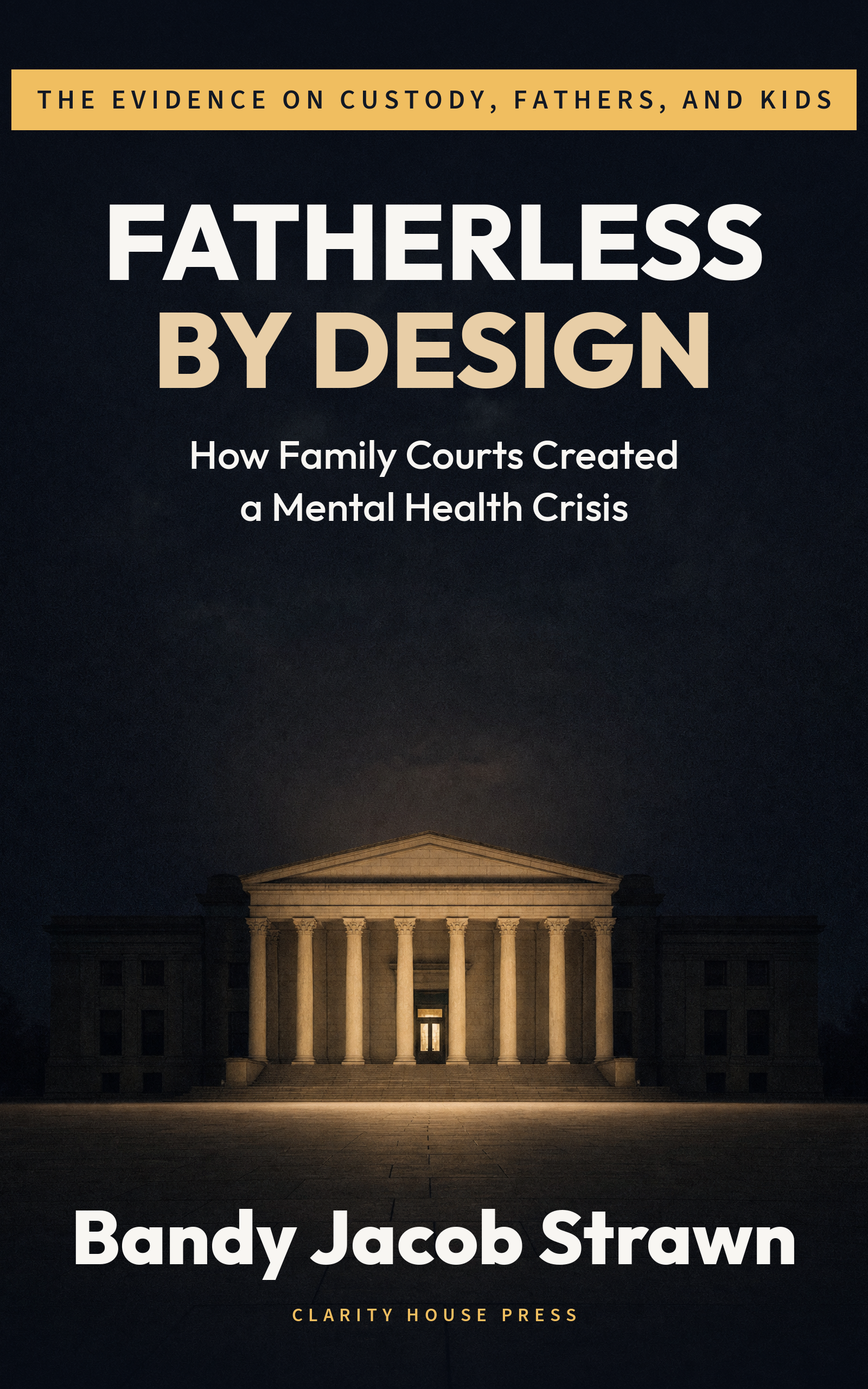


Fathers' Rights
Jeffery Leving & Kenneth Dachman
Landmark guide by renowned men's rights attorney covering every aspect of custody for fathers.
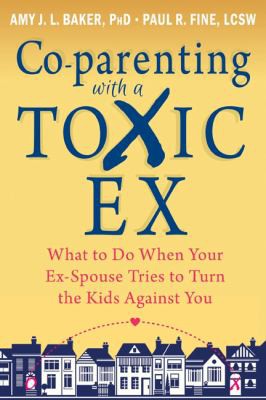
Co-Parenting with a Toxic Ex
Amy J. L. Baker, PhD & Paul R. Fine, LCSW
Evidence-based strategies when your ex tries to turn kids against you. Parental alienation prevention.
As an Amazon Associate, Clarity House Press earns from qualifying purchases. Your price is never affected.
Found this helpful?
Share it with someone who might need it.
About the Author

Clarity House Press
Editorial Team
The editorial team at Clarity House Press curates and publishes evidence-based content on narcissistic abuse recovery, high-conflict divorce, and healing. Our content is informed by research, survivor experiences, and established trauma-informed approaches.
View all posts by Clarity House Press →Published by Clarity House Press Editorial Team